Your Health Matters
Digital Newsletter - 3rd Quarter 2026
| | |
UV Rays:
Building Good Habits to Protect Skin & Eyes
| | |
Ultraviolet (UV) radiation from the sun is a constant environmental exposure that carries real health risks, especially for the skin and eyes. While sunlight has benefits, such as supporting vitamin D production, unprotected exposure to UV rays is a leading cause of preventable health conditions, including skin cancer, premature skin aging, and eye damage.
July is UV Safety Month, emphasizing simple, consistent protective behaviors that can significantly reduce these risks.
UV radiation penetrates the skin and damages DNA in skin cells. Over time, this damage accumulates and can lead to skin cancers, including melanoma, the most dangerous form. Even short periods of intense exposure, like childhood sunburns, raise long-term risk. Beyond cancer, UV exposure accelerates visible aging, causing wrinkles, leathery skin, and dark spots.
The eyes are equally vulnerable. UV rays can damage the cornea and lens, contributing to conditions such as cataracts and photokeratitis (essentially a sunburn of the eye). Long-term exposure may also increase the risk of macular degeneration, a leading cause of vision loss.
Fortunately, prevention is straightforward and effective. A key strategy is limiting direct sun exposure during peak hours, typically between 10 a.m. and 4 p.m. When outdoors, seek shade whenever possible. Protective clothing such as long-sleeved shirts, wide-brimmed hats, and tightly woven fabrics also creates a physical barrier against UV rays.
Sunscreen is another essential tool. Choose a broad-spectrum sunscreen with an SPF of 30 or higher, which protects against both UVA and UVB rays. Apply it generously to all exposed skin at least 15 minutes before going outside and reapply every two hours (or more often if swimming or sweating). Lip balm with SPF is also recommended.
For eye protection, wear sunglasses that block 100% of UVA and UVB rays (look for a "100% UV Protection" or "UV400" label). Wraparound styles offer additional protection by limiting rays entering from the sides.
Children and infants require special attention. Their skin is more sensitive, and early UV damage increases lifetime risk of skin cancer. Infants under six months should be kept out of direct sunlight entirely, using shade, protective clothing, and hats as primary defenses. For older infants and children, use broad-spectrum, mineral-based sunscreens containing zinc oxide or titanium dioxide, which are less likely to irritate sensitive skin. Sunglasses designed for children can help protect developing eyes.
Building UV-safe habits early, and maintaining them throughout life, is a cornerstone of preventive health. Small daily actions can lead to meaningful reductions in long-term risk, protecting both skin and vision for years to come.
For more resources visit US EPA Sun Safety Tips.
| | |
Why Talking About Mental Health Matters
by Amy Hopper, MA, CADC
| | |
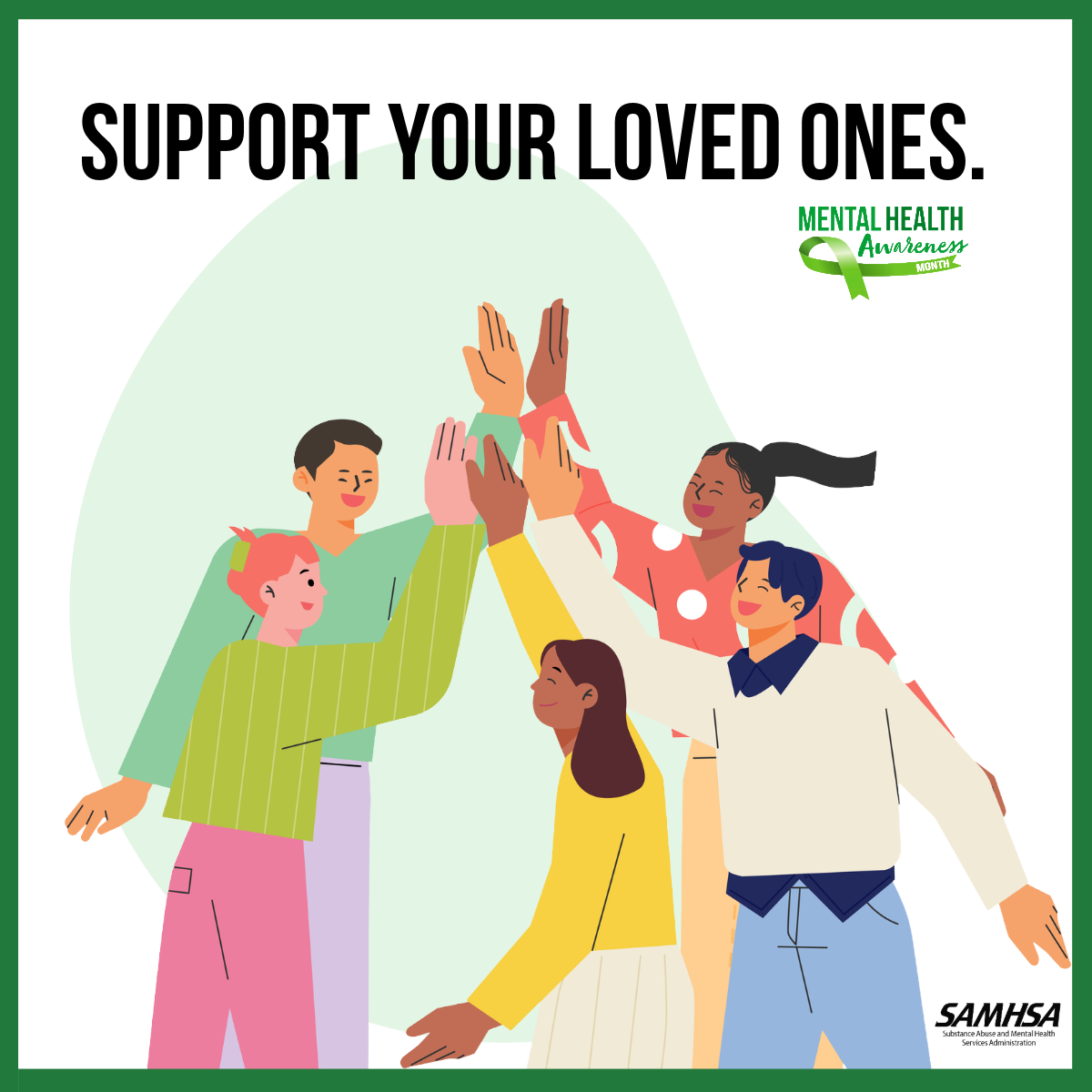
Mental health is something we all have, and caring for it is part of our overall well-being. At times, many of us experience stress, emotional strain, or periods that feel heavier than usual.
One of the most meaningful ways to support well-being is through conversation. Whether you’re navigating a challenging time or noticing changes in someone else, opening a dialogue can be a powerful step toward understanding and support.
People are more likely to share openly when conversations happen in an environment that feels safe, respectful, and free of judgment. These moments don’t require perfect words. What matters most is presence. Listening with curiosity, asking open-ended questions, and allowing space for people to share at their own pace helps create trust. The goal is not to have all the answers, but to help someone feel genuinely heard and understood.
In these conversations, the focus may naturally shift toward building trust and meaningful connection. Showing care, listening with intention, and acknowledging what someone is experiencing can make a meaningful difference. Simply being present and willing to stay in the conversation helps strengthen trust and support. When appropriate, encouraging someone to explore additional resources or support can be another important way to show care and extend that connection.
Even a small conversation can create space for relief, clarity, and connection - and sometimes, that’s exactly where support begins.
Additional resources on how to talk about mental health:
https://www.samhsa.gov/mental-health/what-is-mental-health/how-to-talk
Includes practical guidance for:
- People with mental health problems
- Young people looking for help
- Parents and caregivers
- Friends and family members
- Educators
- Community and faith leaders
Note: Amy Hopper, MA, CADC, is the Behavioral Health Program Manager at McLean County Health Department. The Behavioral Health program partners with local service providers and community organizations to support mental health, substance use, and intellectual and developmental disability (IDD) services, helping people thrive mentally, physically, and socially. Behavioral health is a core part of public health, influencing how people feel, connect, and function in daily life, as well as their overall physical health.
| | Back-to-School Vaccinations | | |
Back-to-school season has a way of arriving faster than expected. For many parents, that means scrambling to schedule required school immunizations before deadlines hit. But beyond the time crunch, there’s another growing challenge: making sense of the overwhelming (and often conflicting) information about vaccines.
Today’s parents are not just checking off a school requirement - they’re navigating a constant stream of mixed messages online and in their communities. One source emphasizes safety and necessity, while another raises doubts. For families trying to do what’s best for their children, that noise can make even routine decisions feel uncertain.
That’s why planning ahead matters more than ever. Illinois’ immunization requirements for daycare and K-12 school enrollment are clearly defined, but deadlines vary by district. Scheduling appointments early gives parents time to sort through questions without pressure. It also allows flexibility, especially for younger children who may need multiple vaccines spaced out over several weeks.
Colleges and universities often have their own requirements as well, so families with older students should verify those early. Keeping accurate records is another key step. Illinois offers an online portal, Illinois Vax Verify, where parents can securely access vaccine history records for vaccinations that occurred in Illinois.
“We recommend that medical decisions be guided by experienced healthcare professionals who rely on evidence-based scientific data. Pediatricians and public health experts base their recommendations on decades of research, ongoing safety monitoring, and large-scale population studies, not anecdotes or viral posts,” said Casie Smith, Community Health Services Division Director at McLean County Health Department (MCHD).
Understanding the broader impact of vaccines can also provide clarity. Vaccination isn’t just about individual protection. It helps safeguard entire school communities.
McLean County schools continue to have strong vaccination coverage against preventable diseases, including measles. Last year, McLean County schools reported vaccination coverage above the 95% immunity threshold for the MMR vaccine (measles, mumps, and rubella) which is necessary to maximize the protective effects of these critical vaccinations for students and their close contacts. When vaccine rates fall below the community immunity threshold (or herd immunity threshold), outbreaks become more likely.
After the national MMR vaccination rate dropped to 92.5% for the 2024-2025 school year, the country suffered the highest number of measles cases in 30 years with approximately 2,288 confirmed cases in 2025. That was a significant surge from just 285 cases in 2024. The outbreak included deadly, large-scale incidents in Texas and South Carolina, threatening the nation's measles-elimination status. And 2026 measles cases remain on the rise.
Herd immunity is especially important for students who cannot be vaccinated due to medical conditions, such as weakened immune systems. These children rely on those around them to reduce the spread of disease. When more families stay on schedule with vaccinations, they help create a safer environment for everyone.
With school just around the corner, taking a proactive approach can make all the difference. Planning ahead not only helps families meet requirements on time, it gives them space to navigate today’s complex information landscape with clarity and confidence.
MCHD’s Immunization Clinic offers child and adult vaccines to all residents, regardless of income. We accept most private and public health plans and will work to ensure vaccines for families who are uninsured or under-insured. Questions? Call us at (309) 888-5455.
Back-to-School Walk-In Vaccine Clinics (no appointment needed):
Location: McLean Co Health Dept, 200 W. Front St., Bloomington, IL 61701 (Room 323)
Dates and Times:
- Mon, 8/10/28 (doors open 8:30 – close 3:30)
- Tue, 8/11/26 (doors open 8:30 – close 3:30)
- Fri, 8/28/26 (doors open 8:30 – close 3:30)
| | |
Going Mobile
Closing the Gap to Preventative Screenings
| | |
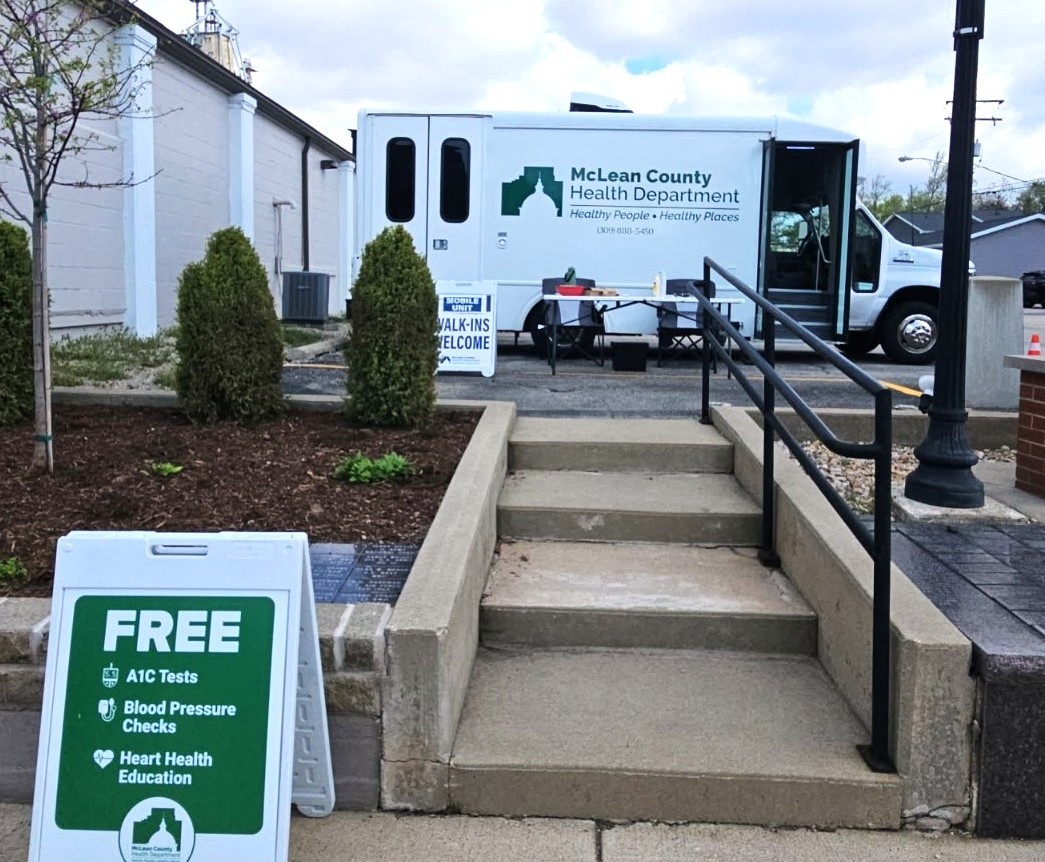
McLean County residents know that distance can sometimes stand between them and the care they need. As the largest county by land area in Illinois, many rural communities are miles away from clinics or hospitals. To help close that gap, McLean County Health Department (MCHD) is bringing care directly to the people through its Mobile Health Clinic - recently named Wellness on Wheels (or WOW for short).
This traveling clinic is designed to meet residents where they are - whether that’s a small town, a community gathering, or a local event. By setting up in easily accessible locations at no cost, the mobile unit makes it simpler for individuals and families to receive important public health services without the need for long drives.
The WOW Mobile Health Clinic offers a variety of screenings and educational services aimed at helping residents stay informed about their health, including A1C testing to measure blood sugar levels (no fasting needed), blood pressure checks, child safety seat checks, and basic measurements like height, weight, and body mass index (BMI). Visitors can also receive heart health education and consult with a nutritionist about healthy lifestyle choices – all at no charge.
According to the 2026-2028 McLean County Health Improvement Plan, Access to Care remains one of the biggest barriers preventing people from getting routine check-ups. “The mobile clinic helps remove that barrier by making free preventive care convenient and accessible,” said Megan Wilson, Health Promotion Program Manager at MCHD. “Whether it’s checking their blood pressure or getting some one-on-one time with a certified nutritionist, these services play a critical role in identifying potential health concerns early.”
Understanding personal risk factors for conditions like heart disease, stroke, and diabetes can make a significant difference for long-term health outcomes. Familiarizing residents with local resources empowers them to immediately take preventative steps. Over time, these small steps can lead to healthier lives and stronger communities.
If you’d like to see where the WOW Mobile Health Clinic will appear next, or submit a request to bring these services to your area or event, visit the MCHD Mobile Health Clinic web page or call (309) 888-5446.
| | |
Keeping School Lunches Safe
Without Refrigeration
| | |
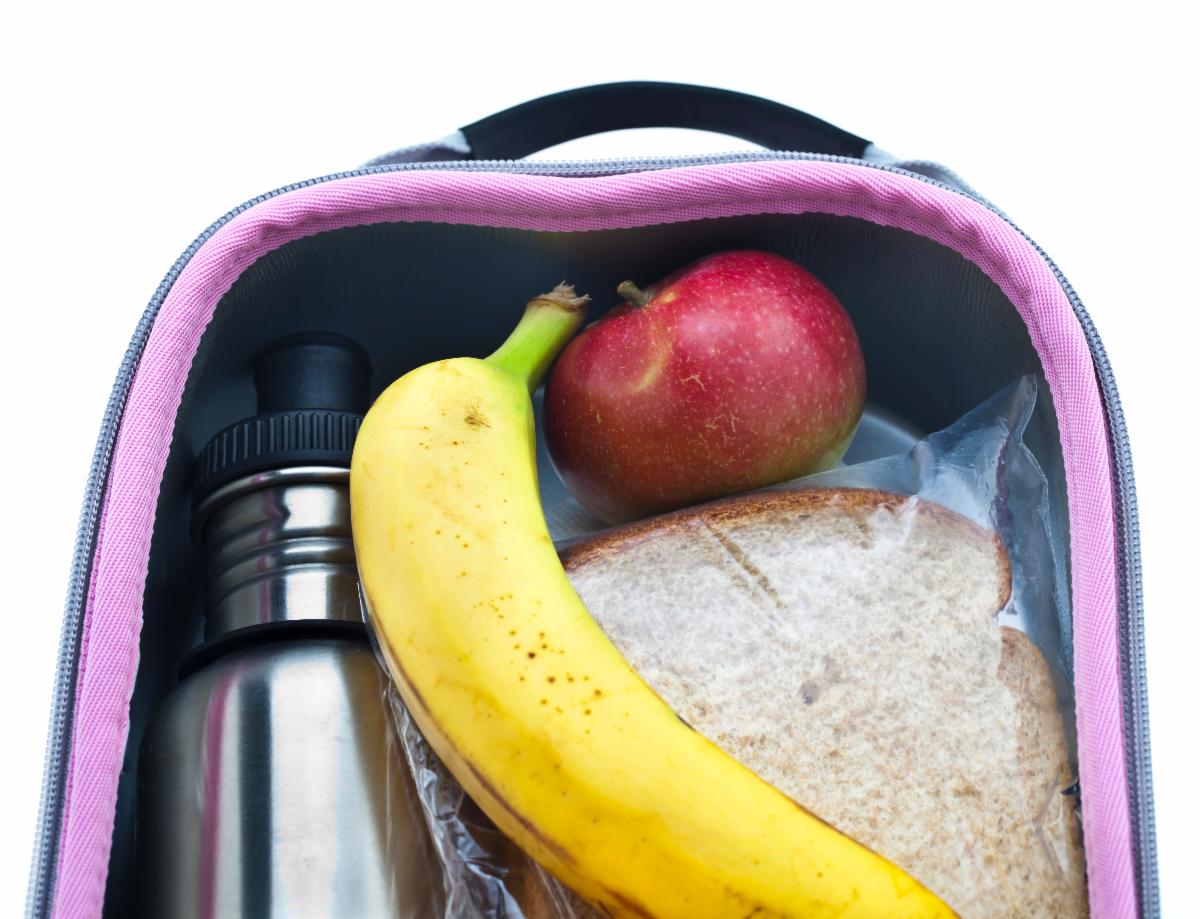
Packing a healthy lunch is one of the best ways to fuel your child’s school day in a nutritious and economical way. But when packed lunches go hours without refrigeration, food safety becomes especially important. Without proper precautions, perishable foods can quickly enter the “danger zone” (40°F–140°F), where bacteria multiply rapidly and can cause foodborne illness.
However, by following the four key food safety steps: Clean, Separate, Cook, and Chill, you can keep your child’s lunch safe until it’s time to eat. These basics go a long way to reduce the risk of foodborne illness.
Cleaning and Separating:
Food safety begins before the lunchbox is even packed. Wash hands with soap and water for at least 20 seconds and clean all surfaces, utensils, and cutting boards before preparing food.
Keep raw foods (like meat or poultry) separate from ready-to-eat items such as fruits, vegetables, and bread to prevent cross-contamination.
If you prepare lunch the night before, store it in the refrigerator so everything starts out cold.
Keep Cold Foods Cold:
Perishable food stored outside of refrigeration can become unsafe in as little as two hours (or one hour on hot days). Perishable items like sandwiches with meat, yogurt, cheese, or cut fruit, must remain at 40°F or colder until lunchtime.
- Use an insulated lunch bag or box instead of a paper bag.
- Pack at least two cold sources, such as frozen gel packs, a frozen water bottle, or a frozen juice box.
- Place cold packs above and below perishable foods to keep temperatures low.
- Consider freezing items like sandwiches (without mayo or lettuce) to help keep them cold longer.
If keeping foods cold is a challenge, consider packing more shelf-stable options. Foods that generally do not require refrigeration include:
- Whole fruits and vegetables
- Hard cheese (like parmesan or aged cheddar)
- Peanut butter and jelly sandwiches
- Crackers, chips, and bread
- Canned meat or fish
Keep Hot Foods Hot:
Hot foods should stay at 140°F or above to remain safe. If your child prefers a warm lunch:
- Use an insulated thermos or container
- Preheat the container: Fill it with boiling water & let it sit for a few minutes, then pour out the hot water and immediately add the hot food
- Keep it sealed until lunchtime
Final Tips:
Only pack the amount of perishable food your child will eat at lunch. Encourage your child to throw away any leftover perishable food, and to never reuse disposable packaging (which can spread bacteria). Lastly, remind them to wash their hands with soap and warm water before eating, or provide them anti-bacterial wipes or gel.
For more food safety tips, visit on Keeping “Bagged” Lunches Safe on the USDA Food Safety and Inspection Service website.
| | |
Breastfeeding Awareness Month:
Support for Every Family
| | |
The Supplemental Nutrition Program for Women, Infants and Children (WIC) at McLean County Health Department (MCHD) is widely known for providing nutrition support to families. But for many new parents, WIC also becomes a trusted source of encouragement and guidance during one of the most emotional parts of early parenthood: breastfeeding.
Behind that support is a team of WIC staff specially trained to help families navigate breastfeeding challenges with compassion and practical guidance. Many staff members are cross-trained as breastfeeding Peer Counselors, Certified Lactation Specialists (CLSs), or International Board Certified Lactation Consultants (IBCLCs).
“We really work as a team,” says Mary Colby, IBCLC and WIC Program Supervisor at MCHD. “Our goal is for every nutrition staff member to feel comfortable helping moms with breastfeeding questions or concerns during visits.”
Currently, the WIC program includes two breastfeeding Peer Counselors, three CLSs, and one IBCLC - the highest level of lactation certification available. Staff regularly collaborate on cases, share ideas, and connect families with additional resources. Staff also participate in the East Central Illinois Breastfeeding Task Force whose mission is to provide equitable lactation support and education.
“The earlier we can connect with moms, the better,” Colby says. “Sometimes just knowing someone is there to help can make a huge difference.”
WIC staff support families in many ways - from explaining the benefits of breastfeeding to helping mothers with latching, pumping, milk supply concerns, and breast pump use after delivery. The program also provides access to pumps and supplies, including hospital-grade loaner pumps when needed.
“We want moms to feel confident and supported,” says Savannah Montgomery, CLC and WIC Nutritionist. “Breastfeeding is so natural that babies can do it right out of the womb. But that doesn’t mean it always feels natural or easy for moms right away.”
That’s where breastfeeding counseling can help.
“New parents often worry they’re doing something wrong,” Montgomery says. “Sometimes they think the baby isn’t getting enough milk, so we can do weighted feedings to show exactly how much milk baby received during nursing. We also help fit pump flanges, teach parents how to use their pumps, and answer questions whenever they come up.”
Staff say breastfeeding challenges often go beyond physical concerns. Misconceptions, negative past experiences, lack of family support, workplace barriers, and cultural pressures can all affect a mother’s decision or ability to breastfeed.
“Some moms come in believing breastfeeding is always painful or impossible,” Montgomery adds. “Others may have struggled with a previous child or don’t have support at home. We try to meet families where they are and provide information without judgment.”
Peer Counselors play an especially important role by offering encouragement from personal experience and being available when moms simply need reassurance.
“Sometimes moms just need someone to text or call who can say ‘you’re doing okay. Keep going,’” Colby says. “That support really matters.”
WIC staff also emphasize that every family’s situation is different. Whether parents choose breastfeeding, formula feeding, or a combination of both, staff remain committed to helping families make informed decisions that work best for them.
“Breastfeeding is a journey,” Montgomery says. “We take it one day at a time and help moms set goals that feel realistic for them.”
For many staff members, the most rewarding moments come when parents who once felt overwhelmed begin to feel confident.
“When a mom comes in unsure of herself and later feels successful and supported, that’s why we do this work,” Colby says. “Every one of those moments feels like a success story.”
For more information:
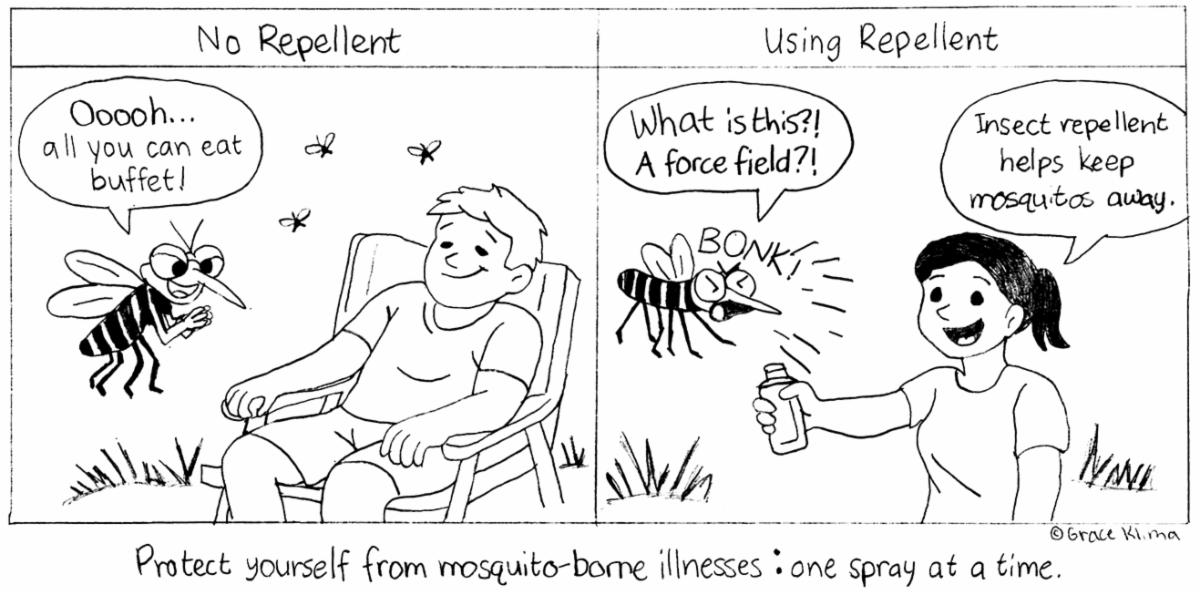
| | West Nile Virus – the 3 Rs | | Comic created by Grace Klima, Environmental Health Practitioner at McLean County Health Department | | |
Mosquito bites can be itchy and annoying. But they can also be dangerous. The common house mosquito found in Illinois is the Culex mosquito, and it can carry diseases like the West Nile virus (WNV).
“While most infected humans will show no signs of illness, this virus can cause severe, sometimes fatal neurological illnesses like meningitis, a dangerous inflammation of the membranes surrounding the brain and spinal cord,” said Cathy Stone, Senior Environmental Health Practitioner at McLean County Health Department.
Although anyone can develop severe symptoms, those most at risk include people aged 60 and older, and those who are immunocompromised. Most cases of WNV go unreported until symptoms are severe enough to seek medical treatment. Illinois saw 69 confirmed human cases of WNV in 2024, and 150 confirmed human cases in 2025 (a 117% increase) according to the IDPH WNV Human Case Map.
Since there is no vaccine for WNV, your best protection is to avoid being bitten. Remembering the 3 Rs will help reduce your risk. They are:
1. Remove standing water where mosquitoes breed: The Culex mosquito lays its eggs in stagnant water. Small amounts can support thousands of eggs, and the Culex reproductive cycle continues every 7-10 days. Check the yard weekly to remove standing water from potted plants, gutters or spouts, old tires, toys, cans or bottles. “You can also report large bodies of stagnant water that may need treatment to the health department,” added Stone.
2. Repel mosquitoes: Female mosquitoes need a blood meal to reproduce and are most active from dusk to dawn during warm, humid months. Use EPA-registered insect repellents containing DEET, picaridin, IR3535, or oil of lemon eucalyptus when outdoors (check label instructions before applying on children). Long sleeves, pants, socks and shoes when outdoors at night will also reduce your risk.
3. Repair broken screens: Culex mosquitoes can smell humans from more than 100 feet away. A tiny hole in a screen can be a corridor for dozens of biting bugs. Screen repair tape (or mesh tape) is an inexpensive quick fix for smaller screen holes.
Visit the MCHD Mosquito-Borne Illness web page to learn more about mosquito-borne illnesses like WNV and other control strategies, or call us at (309) 888-5482.
| | McLean County Health Department Website | | | | |