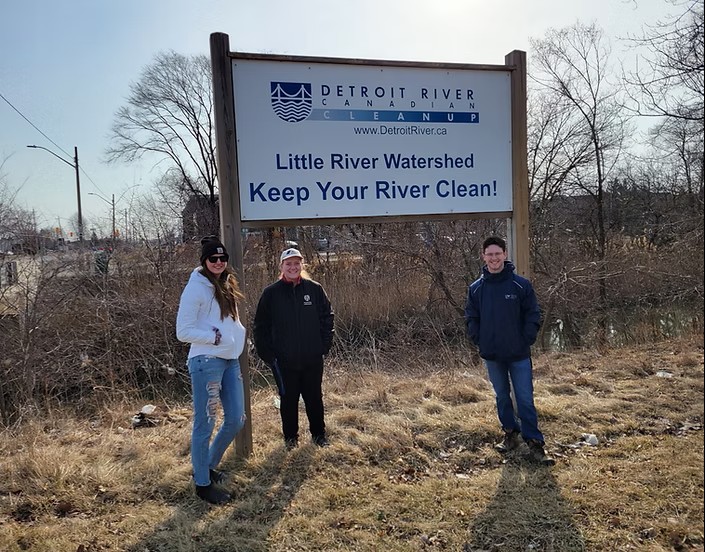
Happy New Year from the DRCC team! We hope 2026 will be filled with all things conservation. Our new years resolution is to continue to restore our watershed. Help us by signing up for our next cleanup on Saturday April 11 2026 from 10am to 12pm in the Little River watershed. All are welcome - families, friends, teams, neighbours, residents of Windsor etc. | | | SAVE THE DATE! THE DRCC PRESENTS RIPPLES OF PLASTIC | | |
Join the DRCC at Lakeshore Imagine Cinemas (164 Commercial Blvd., Lakeshore, ON N9K 1G5) on Wednesday February 25 2026 for a free screening of RIPPLES OF PLASTIC. Learn about plastics' impact in the Great Lakes, and hear from an expert panel of individuals who are tackling this important issue locally.
"Embark on an eye-opening journey through the unseen impacts of plastic pollution in the Great Lakes region. Guided by Dr. Sherri Mason and other regional voices, witness the vast extent of contamination pathways, effects of microplastics, and the unexpected toll on human health. Beyond individual action, the film inspires a collective movement for transformative progress toward a plastic-free future."
More information about this special event will be shared in the February 2026 newsletter. There will be an online ticket reservation system through Eventbrite. Follow us on social media as well @detroitrivercanadiancleanup for updates!
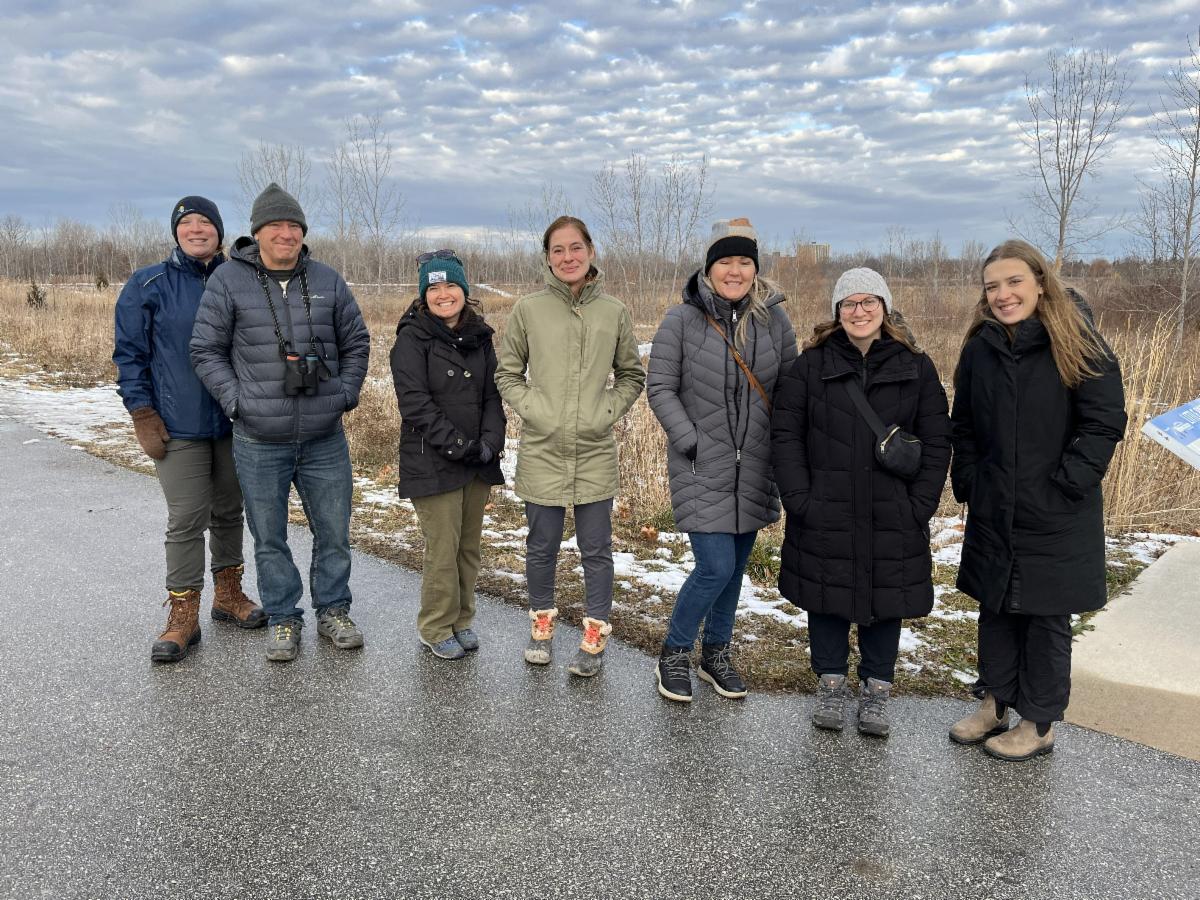
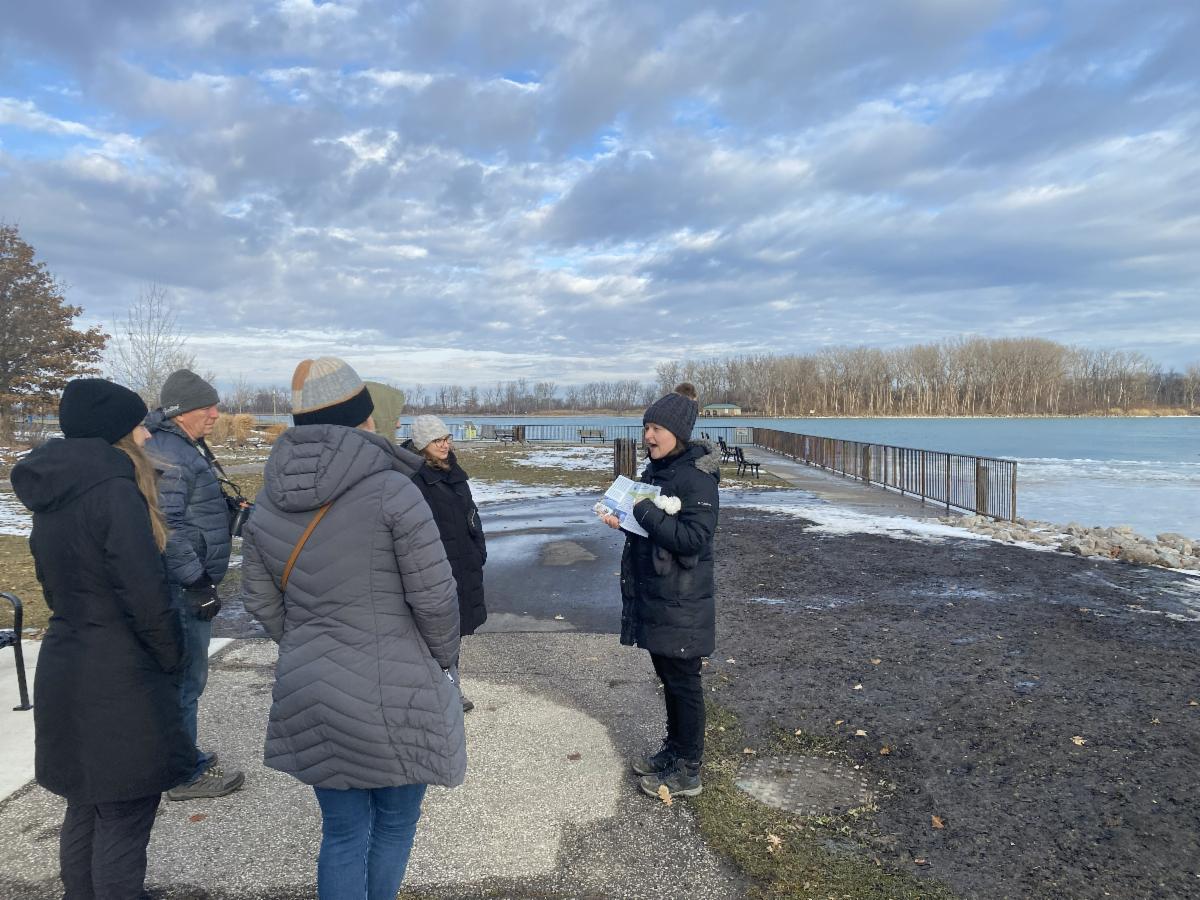
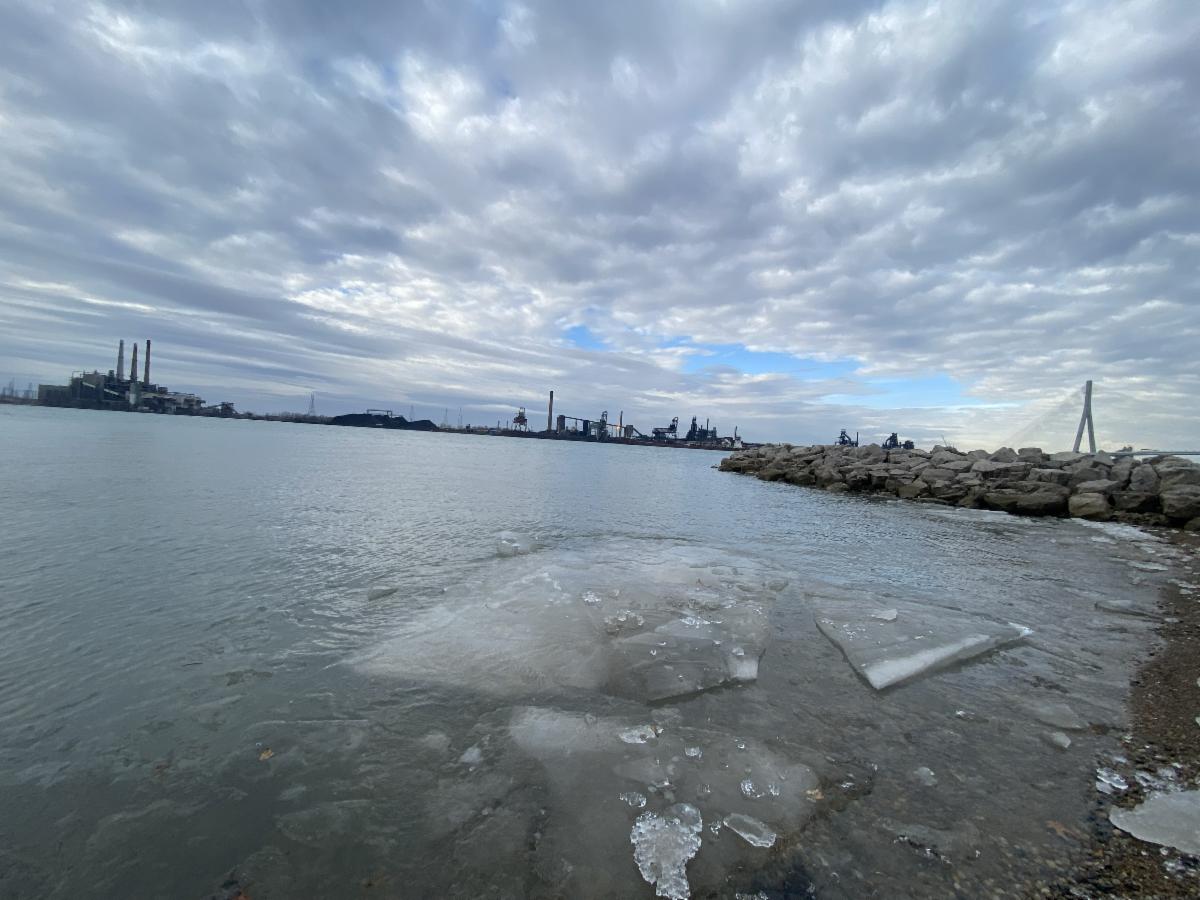
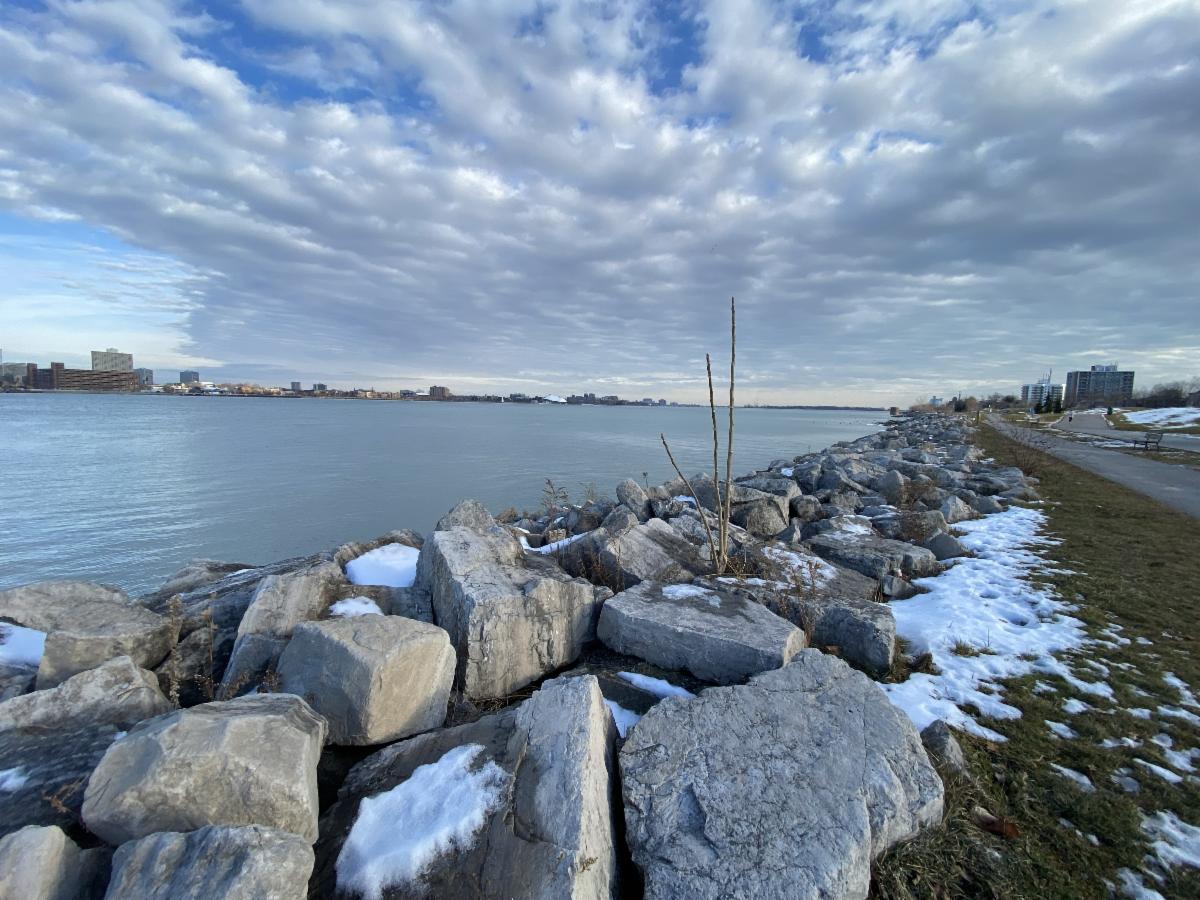
| | Detroit River Tour with Partners | | In December, The DRCC team and Detroit River partners explored some of the legacy projects that have been implemented as part of the Remedial Action Plan (RAP). These projects represent three decades plus of organizations working towards a healthy and sustainable Detroit River ecosystem. Partners are actively contributing their expertise, efforts and collaborating. It was a great day sharing updates and learning from each other. | | Whitefish are disappearing. What can we do? | | There used to be an abundant number of Whitefish but we have seen their populations crash over the last two decades, with the pounds harvested falling almost 30% since 2009. Many fishing families who depended on the species for their livelihoods have had to reinvent themselves. The downturn stems largely from the spread of zebra and quagga mussels—invaders whose relentless filter feeding removes the plankton that are important for young Whitefish. Researchers are working to stop the spread of these mussels and are safeguarding the dwindling Whitefish that remain. Watch the Great Lakes Now video below produced in partnership with Bridge Michigan. | | 2021 Canada-Ontario Agreement on Great Lakes Water Quality and Ecosystem Health: Interim progress report | | |
The purpose of the Canada-Ontario Agreement on Great Lakes Water Quality and Ecosystem Health (COA) is to restore, protect and conserve Great Lakes water quality and ecosystem health. Canada and Ontario signed the first COA in 1971 and have signed 8 subsequent agreements, leading to over a half-century of progress and continuous cooperation on water quality and ecosystem health. COA commitments and results directly support commitments in the Canada-U.S. Great Lakes Water Quality Agreement (GLWQA) and commitments under Ontario’s Great Lakes Strategy.
The ninth and most recent COA came into effect on June 1, 2021, and remains in force until May 31, 2026. This progress report describes notable accomplishments for each Annex to the COA from June 2021 to December 2023. A final report on progress will be issued after the 2021 COA expires. Progress is also reported by Canada through the GLWQA, and by Ontario under the Great Lakes Protection Act, 2015.
Annex 5 focuses on Areas of Concern. Since the 2021 COA was signed, 9 Beneficial Use Impairments (BUIs) have been successfully redesignated to not impaired in 7 AOCs including Thunder Bay, Peninsula Harbour, St. Clair River, Detroit River, Niagara River, Bay of Quinte and St. Lawrence River. Many of these redesignations support the commitment to complete all actions in 6 Canadian AOCs before May 2026.
Significant progress has been made in many AOCs:
-
The Thunder Bay AOC restored the beach closings BUI to not impaired due to improved water quality across area beaches.
-
The Peninsula Harbour AOC restored 3 BUIs (fish and wildlife populations, fish and wildlife habitat and degradation of Benthos) based on effective restoration work and monitoring of progress to meet targets.
-
In the St. Clair River AOC, fish liver tumours have been analyzed to assess progress and informed redesignation of the fish tumours or other deformities BUI.
-
In the Detroit River AOC, Canada conducted a comprehensive study evaluating phytoplankton, zooplankton and microbial communities to assess their level of degradation. Results of this study, along with findings of earlier studies, were sufficient to support degradation of phytoplankton and zooplankton populations BUI to not impaired.
-
The Niagara River AOC redesignated the beach closings BUI to not impaired based on water quality improvements and the reduction of beach closures.
-
The Bay of Quinte AOC successfully completed the redesignation of the degradation of aesthetics BUI to not impaired based on demonstrated improvements in environmental targets.
-
The St. Lawrence River AOC was also able to redesignate the beach closings BUI based on improved water quality and meeting targets outlined in the Remedial Action Plan.
-
In the Niagara River AOC, Canada and Ontario have met their commitment to monitor natural recovery in Lyons Creek East. Monitored natural recovery has been effective at reducing concentrations of certain pollutants in downstream creek sections. However, elevated concentrations of polychlorinated biphenyls (PCBs) in sediment and benthic organisms remain in an upstream section of the creek, meaning that additional action is necessary before delisting of the BUI for degradation of benthic communities. To address the situation, Canada and Ontario are working to identify sediment management options for the upper Lyons Creek East site. While all commitments in the 2021 COA are expected to be fully implemented, additional actions will be required to restore all the beneficial use impairments in the Niagara River AOC.
| | Fisheries Management Zones and 2026 Regulations Summary | | |
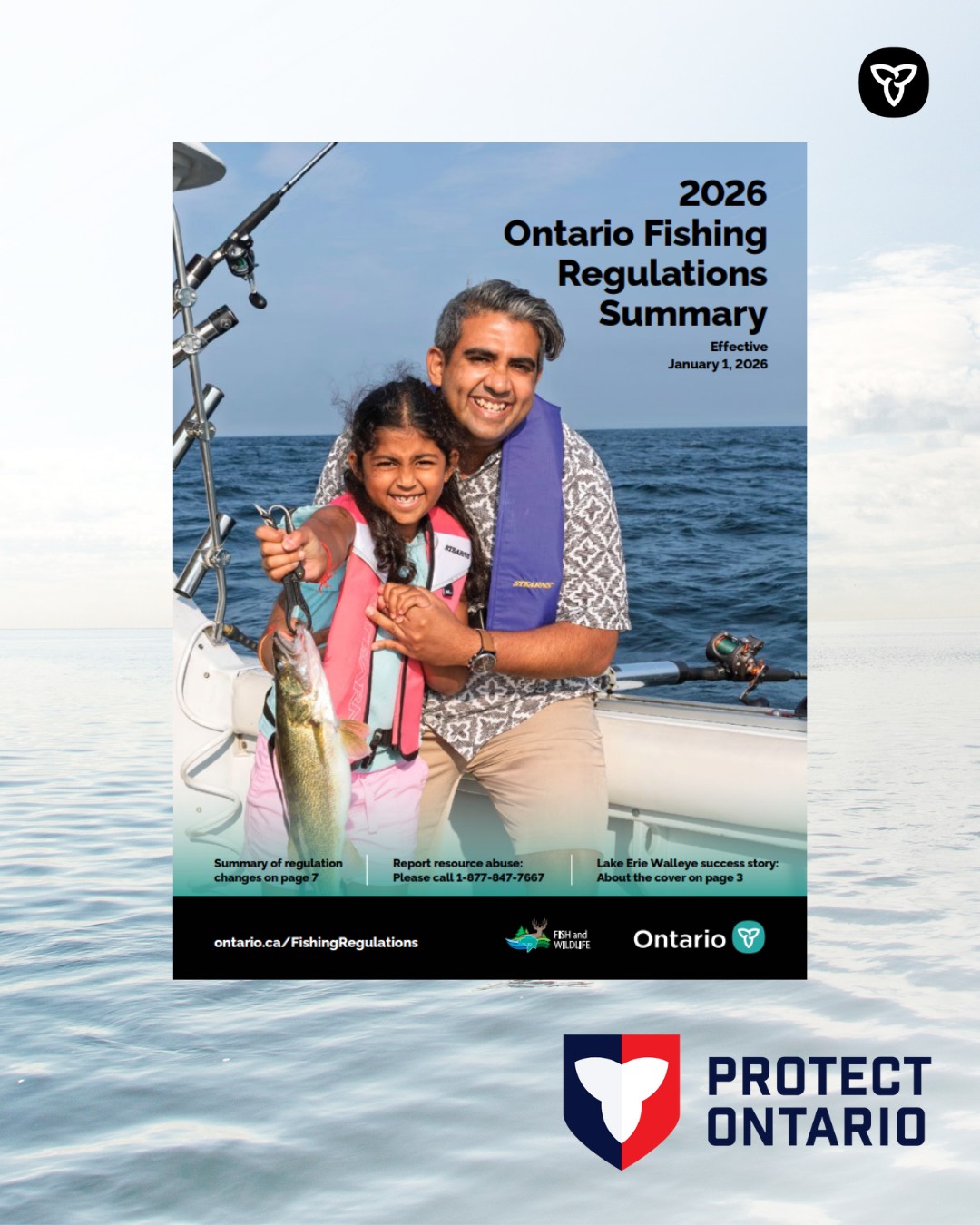
The 2026 Ontario Fishing Regulations Summary is here! Access and download a PDF copy online: ontario.ca/FishingRegulations.. Printed copies will be available at select ServiceOntario and licence issuer locations. Before your next fishing trip, check updated seasons and limits for your area (effective Jan 1, 2026). Also be sure to verify your Outdoors Card and fishing licence are valid for the new year.
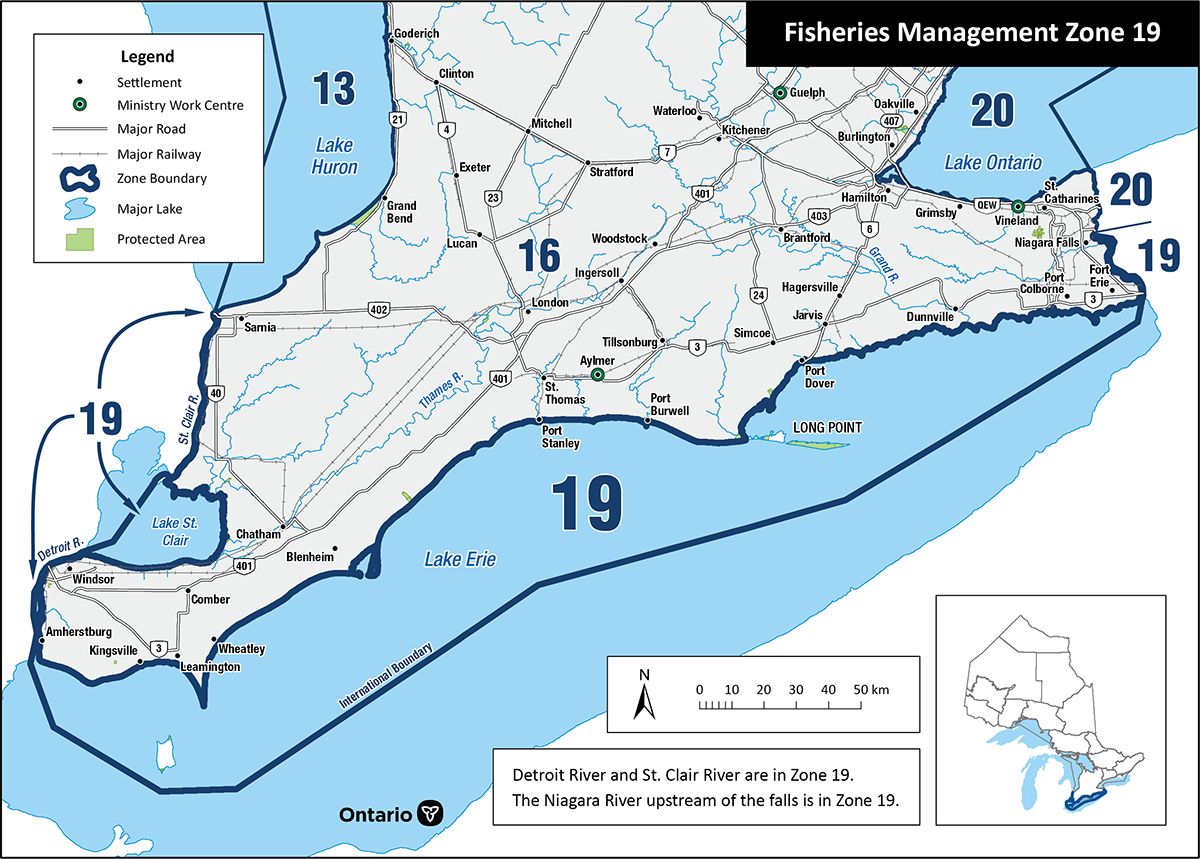
Ontario is broken down into 20 fisheries management zones (FMZs). FMZs help the province manage the individual needs and nature of each zone by customizing catch limits and seasons. Each zone has its own rules that you must follow.
The Detroit River is included in FMZ 19. This zone has the shallowest and most productive Great Lake, a large and valuable commercial fishery for walleye and yellow perch and important recreational fisheries for walleye, yellow perch, rainbow trout, bass.
General fishing rules
| | ERCA Trees and Grants Now Available | | |
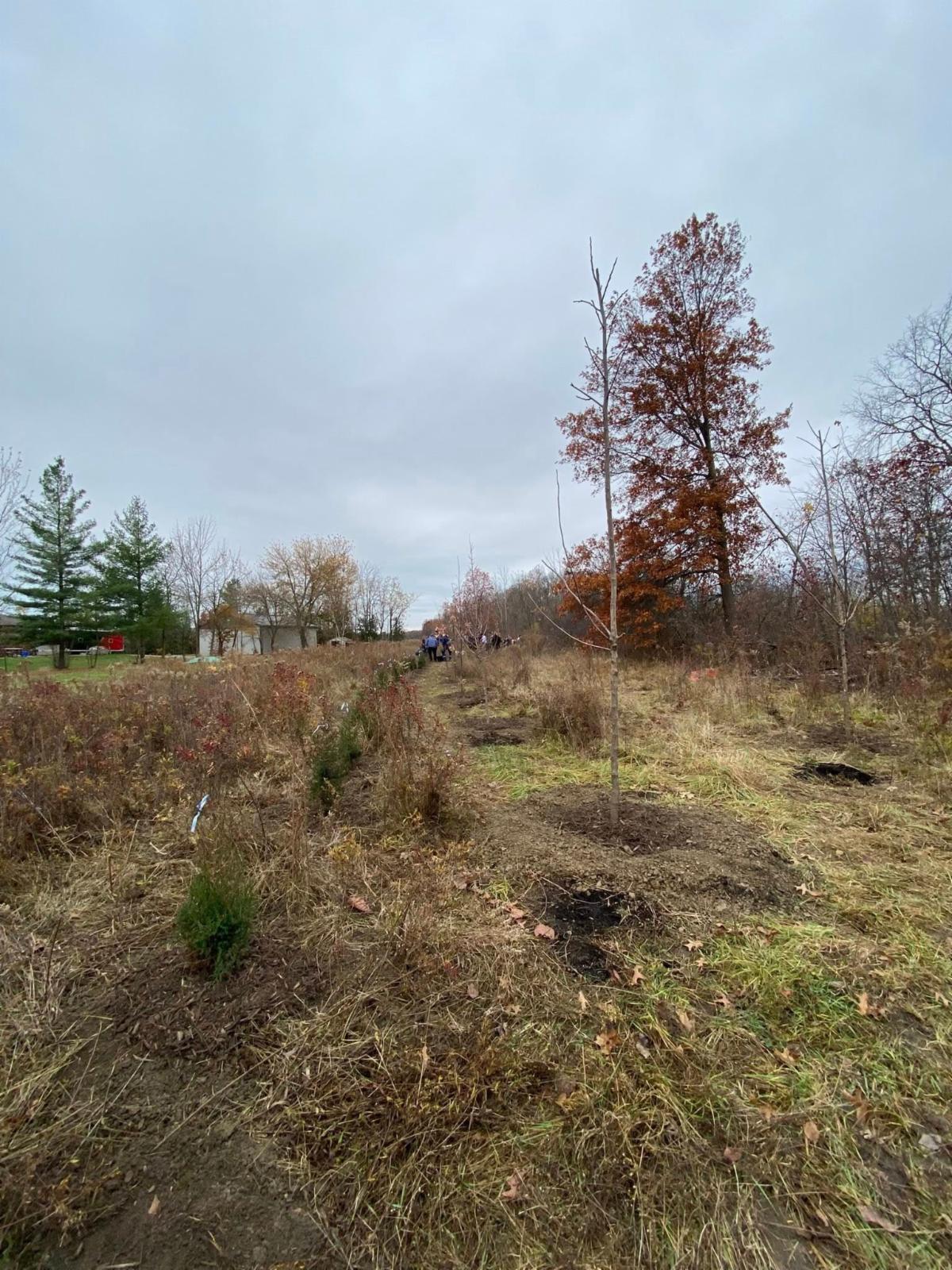
The Essex Region Conservation Authority is offering grants ranging from 75% to 100% for projects that help protect our environment. Interested landowners should contact ERCA soon to learn about these grant programs and plan for spring projects.
ERCA acts as a one-stop shop for property owners, providing an online catalogue of tree and shrub species. Prices range from $1.45 for seedlings to $41.00 and up for hardwood large stock trees. Online ordering is again available to make ordering and paying for trees a one-stop process.
To participate in the program, individuals must own at least one acre of land and purchase a minimum of 100 seedlings or 15 large stock trees. The deadline for ordering trees is January 30, 2026 for seedlings, and March 6 for large stock trees.
For more information about ERCA’s farm stewardship, tree planting and restoration programs, please visit essexregionconservation.ca/trees or contact Paul Giroux at 519-776-5209 ext. 310 for restoration projects.
You can also attend the free tree planting and care workshop being held at John R. Park Homestead on January 13, 2026. For more information, please visit https://essexregionconservation.ca/treeworkshop to register.
| Managing Phragmites with Science | |
Non-native Phragmites australis ranks among the most aggressive invasive plant species in North America, with established populations in the Great Lakes basin and along the Atlantic, Pacific, and Gulf coasts, as well as the Great Salt Lake.
In response to these challenges, the Great Lakes Phragmites Collaborative developed an adaptive management strategy, the Phragmites Adaptive Management Framework (PAMF), which aims to fundamentally change Phragmites management throughout the Great Lakes basin by improving the effectiveness and efficiency of control efforts.
PAMF is a shared learning program open to anyone working to manage Phragmites. People from across the Great Lakes basin contribute information about how they monitor and treat Phragmites on their sites. This information is combined in a predictive model that learns over time which management methods are most successful—and which are not. Using the latest data from all participants, PAMF provides tailored management recommendations for each site. As this process repeats each year, the program becomes more accurate and effective. By learning together, participants can find better, more efficient ways to control Phragmites faster than if they worked alone. The ultimate goal of PAMF is to identify and share the best ways to manage Phragmites throughout the Great Lakes region.
| | |
Did you know...
The Collavino Conservation Area was purchased in 2005 as a farmland investment. It was previously owned by General Chemical which used it for salt brine extraction. There is currently a 10MW solar operation adjacent to the donated property that is non-intrusive to the surrounding lands. Thanks to a generous donation by the Collavino family, 150 acres of ecologically sensitive wetland habitat is now protected in perpetuity by the Essex Region Conservation Authority.
This land is a Provincially Significant Wetland and Environmentally Significant Area. It also provides habitat for a number of Species at Risk, including the Blanding’s Turtle, Eastern Foxsnake, and Queensnake, to name just a few.
Since 2019, a restoration plan has been successfully implemented by ERCA to restore the health and function of this wetland. The restoration started with dyke repairs, implementing infrastructure to manage water levels, and a multi-year Phragmites management strategy which included a prescribed burn and a water draw down to expose the native aquatic plant seedbed.
In Spring 2024, site prep and a native meadow seeding of 6 acres were conducted. There was also a survey of native vegetation establishment to determine next steps; ‘high mowing’ to reduce weed pressure in summer 2025 and ongoing Phragmites treatment was recommended. In Summer 2024, there was a re-treatment of invasive Phragmites using herbicides.
Further, a biocontrol was released at the wetland to control Phragmites within the wetland in 2023. Biological control or “biocontrol” refers to the use of living organisms which suppress an introduced pest. Biocontrol can become self-sustaining as the organisms reproduce and attack Phragmites through space and time. Because of the self-sustaining nature, biocontrol can be very cost effective even at very large spatial and temporal scales. There is ongoing monitoring of the biocontrol and vegetation surveys to determine the recovery of native plant species following biocontrol implementation. This return of native vegetation in wetlands will improve habitat quality, a goal for wetland habitat under BUI 14 - Loss of Fish and Wildlife Habitat.
It is now one of ERCA's newest conservation areas!
| | Save the date for these great local events! Contact the organizers for more information. | |
Ojibway Nature Centre
52 Matchett Road, Windsor, ON
Winter Hikes
January 10, 17, 24, 31 2026, 10:00am-11:30am
Please call 519-966-5852 or email ojibway@citywindsor.ca for more information.
Forest Therapy
January 31 2026, 10:00am-11:30am
Learn how to start a nature journal and prepare to explore the many ways in which spending time in nature can help connect and ground yourself.
We will begin with an introductory session, followed by a session for each of the 5 senses. Each session will include an indoor activity, and a slow paced, intentional guided walk through a different portion of the Ojibway Prairie Complex.
Notepad/sketchbook and pencils will be provided.
Please come dressed for the weather with close toed shoes suitable for walking.
Register here
|
Tree Planting and Care Workshop
January 13 2026, 6:30pm-8:30pm, John R. Park Homestead, 915 County Rd 50 E, Essex, ON
This informative workshop will provide guidance on tree planting and care, and share information about ERCA’s various tree planting and restoration programs, highlighting the great work that the residents of the Windsor-Essex region are doing to improve the natural areas of our region.
Information will be provided on how you can get involved to help enhance and protect one of our region's greatest natural assets: TREES! Spaces are limited so book your free ticket now here.
|
Lake Sturgeon in the Detroit River with Olivia Galloway
January 14 2026, 7pm, Ojibway Nature Centre, 5200 Matchette Road, Windsor, ON
Olivia Galloway (she/her/hers) is an Aquatic Ecologist who is passionate about species at risk recovery, biodiversity conservation and science communication.
One quarter of the world’s freshwater fauna is at risk of extinction, and freshwater fishes face the most threats. Conservation reintroduction programs are a promising approach to restore declining populations of imperiled fishes. Olivia will share how her work supports recovery programs for the threatened Lake Sturgeon, the largest and longest-lived freshwater fish in the Great Lakes that has inhabited these waters for millions of years.
|
Nature in Your Neighbourhood
January 17 2026, 10:00am-11:30am, Forest Glade Community Centre, 3214 Forest Glade Dr, Windsor, ON
Join the Ojibway Nature Centre team at Forest Glade CC to learn more about the Nature in Your Neighbourhood!
This is a FREE family program for kids aged 4 to 12 to learn about nature, animals and all the wild things you may come across! The program will go for a walk in the park, learning activity and have a fun craft! Parent supervision is required.
Register here
| |
The St. Clair-Detroit River System Initiative
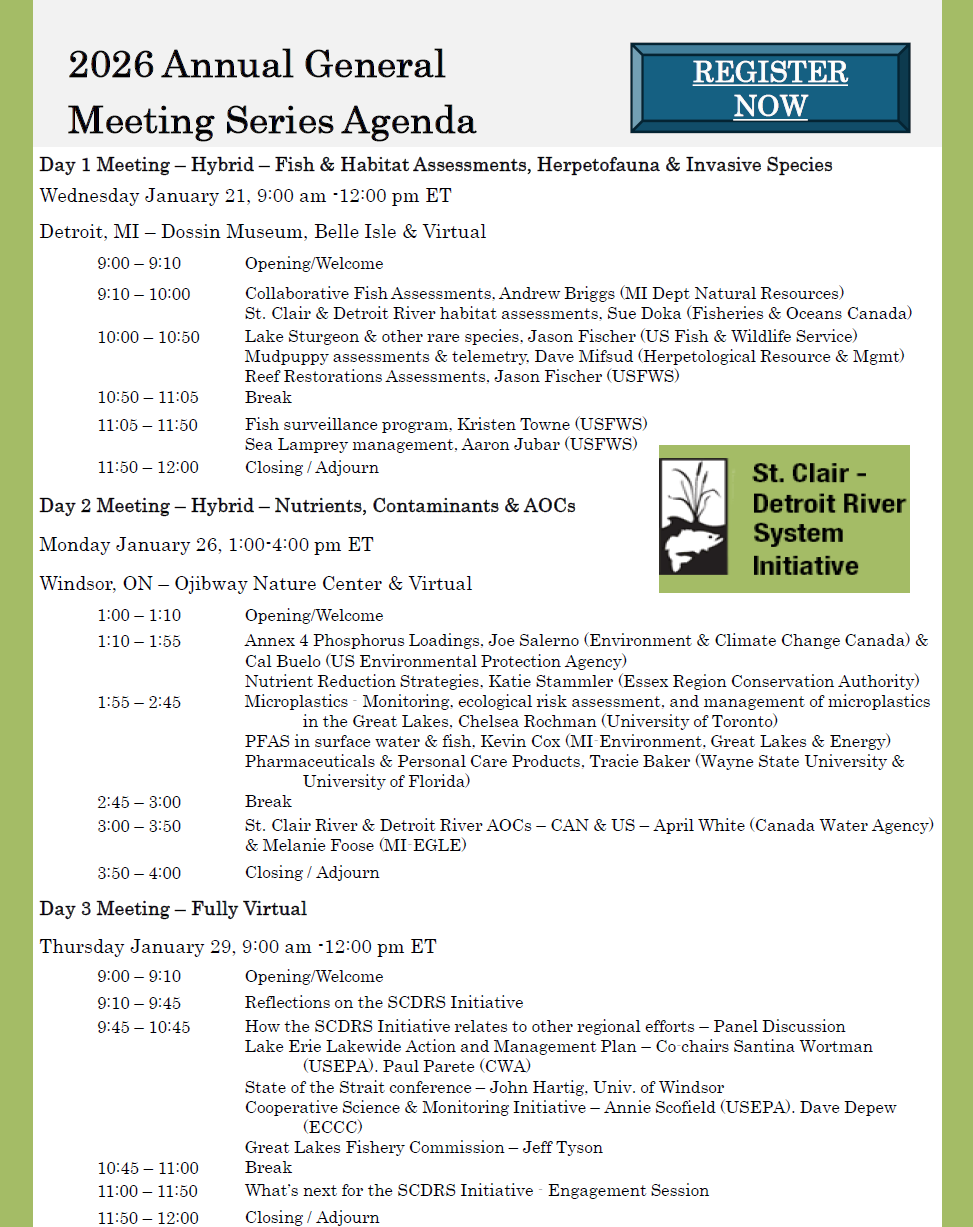
January 21 2026, 9:00am-12:00pm, hybrid, Dossin Great Lakes Museum, Belle Isle, MI
January 26 2026, 1:00pm-4:00pm, hybrid, Ojibway Nature Centre, Windsor, ON
January 29 2026, 9:00am-12:00pm, fully virtual
We hope you’ll join us to hear from experts, connect with colleagues, and help shape the next phase for the St. Clair Detroit River System Initiative. Learn from regional experts about status updates and priorities on a range of topics related to SCDRS objectives, including:
- Fish assessments & habitat
- Lake Sturgeon, mudpuppies, and other rare species
- Reef restoration monitoring
- Nutrient loadings and reduction strategies
- Microplastics, PFAS, and pharmaceuticals
- St. Clair and Detroit River Areas of Concern
Participants will also have opportunities to provide input on future directions for the SCDRS Initiative.
All three ½-day meeting events will be accessible virtually, but we hope you can make it to one or both in-person (hybrid) sessions as well.
There is no registration fee for this event, but there will be valuable updates, lively discussion, engagement opportunities, friendly faces, and, if you join in person, tasty refreshments!
Register today!
| |
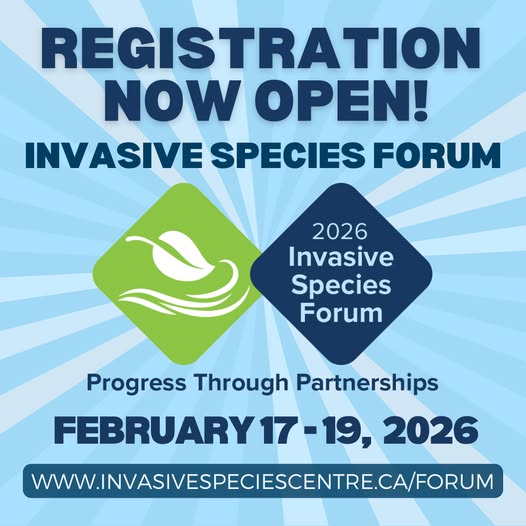
Invasive Species Forum
February 17 to 19 2026, virtual
Registration is now open for the 2026 Invasive Species Forum, taking place virtually from February 17–19, 2026.
The Forum is Canada’s leading event for invasive species professionals, bringing together researchers, policymakers, Indigenous communities and organizations, non-profits, and community organizations to exchange knowledge and discuss solutions to some of the most pressing invasive species challenges.
This year’s theme, “Progress Through Partnerships,” emphasizes the importance of collaboration in advancing prevention, management, and restoration efforts across the country.
Join us to connect with experts, learn about innovative approaches, and help shape the national dialogue on invasive species. Register for free here!
| |
Little River Litter Cleanup
April 11 2026, 10am to 12pm, Teedie Park, Windsor, ON
On April 11, 2026, Essex Region Conservation Authority (ERCA), Little River Enhancement Group (Lil' Reg), the City of Windsor and the Detroit River Canadian Cleanup (DRCC) will work with volunteers to remove accumulated debris and litter along a portion of the Little River corridor and Ganatchio Trail.
Pre-registration is required. Event will take place rain or shine, and will be delayed because of severe weather only.
We will be set up in Teedie Park conducting onsite registration beginning at 10 am. A waiver will be sent to participants shortly before the event to review, print and sign to bring to the event. You can then access cleaning supplies and begin the cleanup.
Parking is available at the Canadian Tire off of Tecumseh Road East. We ask volunteers to not park in the neighbourhood near Teedie Park. Teedie Park's address is 8049 Hawthorne Dr, Windsor, ON. The Canadian Tire address is 8505 Tecumseh Road East, Windsor, ON.
Please dress for the weather and wear closed toed sturdy shoes. This location involves walking long distances with litter collection bags/buckets and moving up and down the slopes of the Little River valley. Please note, no volunteers will be permitted to enter the Little River with waders at this location.
RSVP here: Little River Litter Cleanup | ERCA
| | If you have an upcoming local event that you want The Current readers to know about please send us an email at postmaster@detroitriver.ca | | Extra! Extra! Read all about it! | The Detroit River and Great Lakes in the news. Here are some links to articles that may pique your interest. Click the link to read on. | | | |
Have Something to Share?
We're always looking for fun and dynamic content to include in our monthly newsletters! If you'd like to share a personal story about the Detroit River, promote an upcoming event, or recognize a local environmental hero in our monthly newsletter, please email: postmaster@detroitriver.ca.
| | The Detroit River Canadian Cleanup is a partnership between government, industry, academics, as well as environmental and community organizations that work together to improve the Detroit River ecosystem through a Remedial Action Plan. Our goal is to remove the Detroit River from the list of Great Lakes Areas of Concern. |
| | | |