|
"NCA Health & Safety News" provides you with valuable information and assists in your quest to achieve a world-class safety culture. We believe that developing a safe work ethic is a never-ending process that must be part of every business's professional development.
Please do not hesitate to contact the office with your input, suggestions or safety questions.
We value your feedback!
| |
⚠️ Important OHSA Safety Regulation Changes Coming in 2026–2027 ⚠️
Ontario is introducing several important updates to workplace safety regulations that will affect construction employers, workers, and workplaces handling designated substances.
Key Changes to Know:
Type 2 Head Protection Requirements
Effective July 1, 2027, workers exposed to potential side-impact hazards on construction projects may be required to wear Type 2 protective headwear compliant with CSA or ANSI standards. Unlike traditional hard hats, Type 2 head protection offers added lateral impact protection. Employers should begin reassessing site hazards now to determine where upgraded head protection may be necessary.
New Elevated Work Platform Training Rules
A new standalone regulation for elevated work platforms comes into effect January 1, 2027. The regulation introduces enhanced training requirements for operators of mobile elevating work platforms, including both theory and practical instruction covering equipment selection, PPE, inspections, hazards, malfunctions, and safe operation procedures. Employers will also be required to evaluate workers’ competency before operation.
Workers who already completed compliant training under the current regulation will have a grace period of up to five years before retraining is required.
Expanded Respirator Standards Accepted
Beginning July 1, 2026, Ontario will allow CSA-compliant respirators and particulate filters in addition to existing NIOSH-approved equipment for workplaces dealing with designated substances such as asbestos and chemical agents. This change may provide employers with more approved PPE options.
What Employers Should Do Now:
- Review head protection policies and assess side-impact hazards.
- Evaluate current elevated work platform training programs for compliance.
- Review respirator and filter inventory to ensure standards compliance.
-
Stay informed on implementation timelines and regulatory updates.
These upcoming changes reinforce the importance of proactive safety planning and worker training across Ontario workplaces.
Click here to read the full article from Hicks Morley.
| |
Powerline Safety: What Crews Need to Know
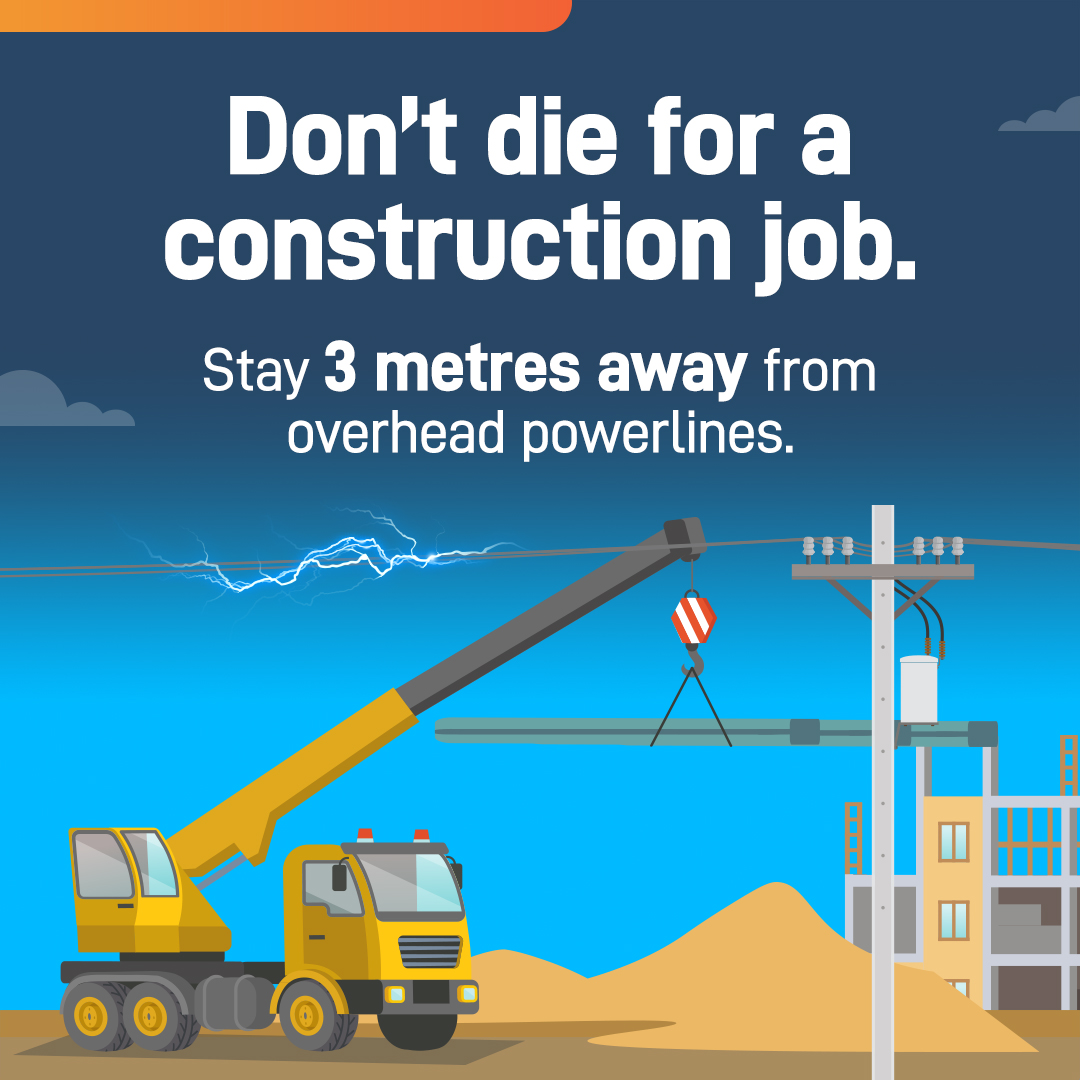
Powerline contacts are a leading cause of electrical fatalities in Ontario, and the construction industry continues to be at high risk. Over the past decade, Ontario has seen more than 1,600 overhead powerline contacts and nearly half of them involved construction work.
Powerline incidents are also on the rise, with 61% of fatalities happening between June and September – the heart of construction season. You don’t need to touch a powerline to get a shock. Electricity can jump or “arc” from a powerline to a person, tool or piece of equipment if it gets too close.
Are you and your crew working near powerlines? Here are a few things to remember:
· Locate all overhead and underground powerlines on site before work begins.
· Always keep yourself, your tools and your equipment at least three metres from overhead powerlines.
· Stay at least 10 metres away from downed powerlines and always assume they’re energized.
· Minimize distractions like cellphones when working near powerlines.
· Orange coverups are for visibility only and do not offer protection from the powerline.
A deadly shock from a powerline is closer than you think, so always be aware of your surroundings and maintain a safe distance when working near powerlines.
| |
Heat Stress in Construction: Staying Safe in Hot Weather
As temperatures rise, heat stress becomes a serious hazard on construction sites. Working outdoors, wearing PPE, and performing physically demanding tasks can quickly lead to dehydration, heat exhaustion, or even heat stroke if proper precautions are not taken.
Common Signs of Heat Stress
Workers should watch for symptoms such as:
- Heavy sweating
- Dizziness or fainting
- Headache
- Muscle cramps
- Nausea
- Fatigue or confusion
Heat stroke is a medical emergency and may include confusion, loss of consciousness, or hot, dry skin. Call emergency services immediately if heat stroke is suspected.
Tips to Prevent Heat Stress
Employers and workers can reduce the risk by:
- Drinking water regularly throughout the day
- Taking frequent breaks in shaded or cool areas
- Wearing light, breathable clothing when possible
- Scheduling strenuous tasks during cooler parts of the day
- Using a buddy system to monitor coworkers for symptoms
- Gradually adjusting to hot conditions when returning to work or starting new tasks
Remember...
Heat-related illnesses can happen quickly, especially during the first hot days of the season. Staying hydrated, recognizing the warning signs, and speaking up when feeling unwell can help keep everyone safe on the job site.
Stay cool, stay hydrated, and make heat safety a priority this summer.
| | Avoiding Poisonous Plants On The Jobsite | | Employers have a duty to protect workers who work outdoors. Learn more about the hazards and what you can do to comply with the Occupational Health and Safety Act. Click here to learn more. | |
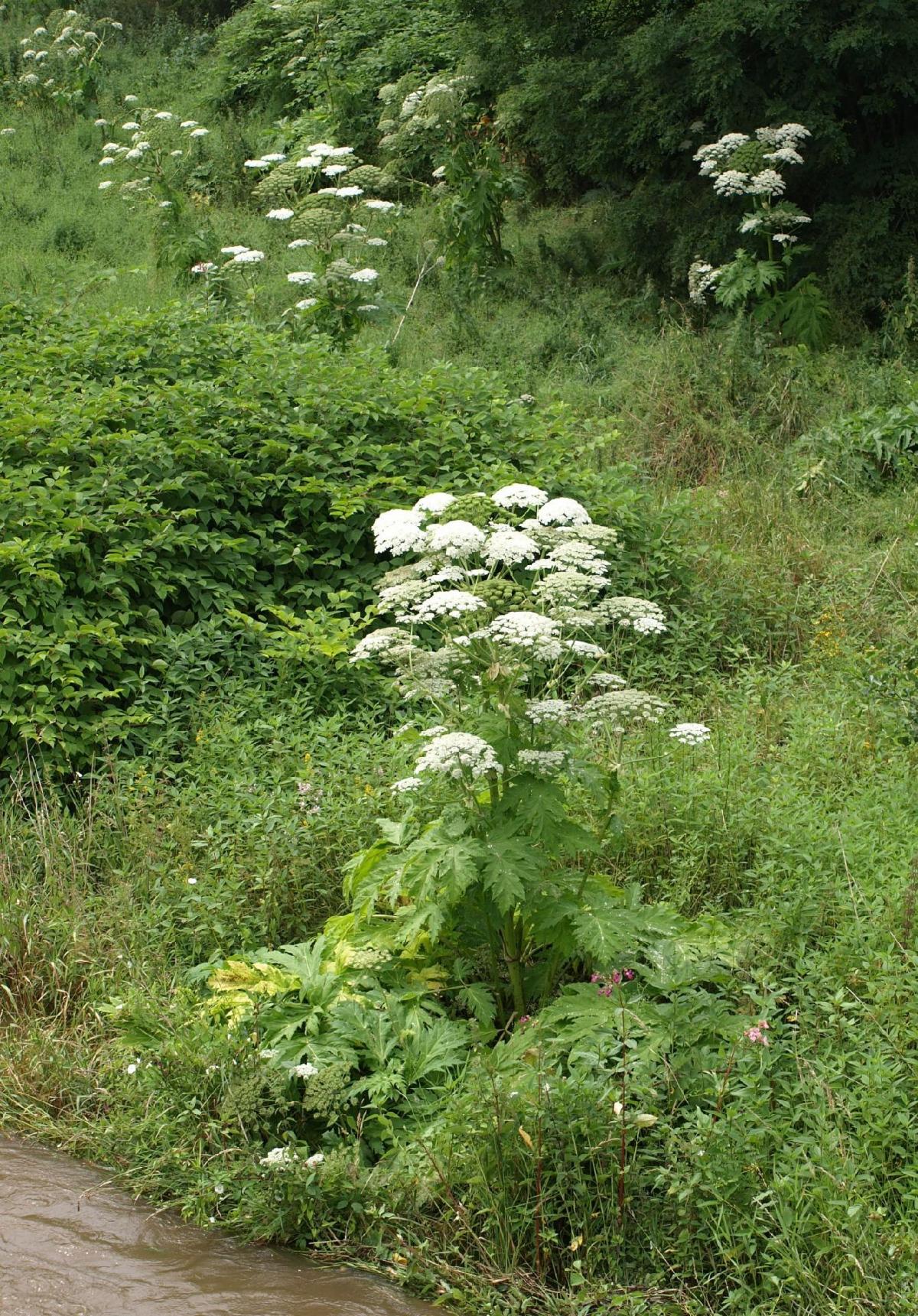
Giant Hogweed: A Serious Public Safety Hazard
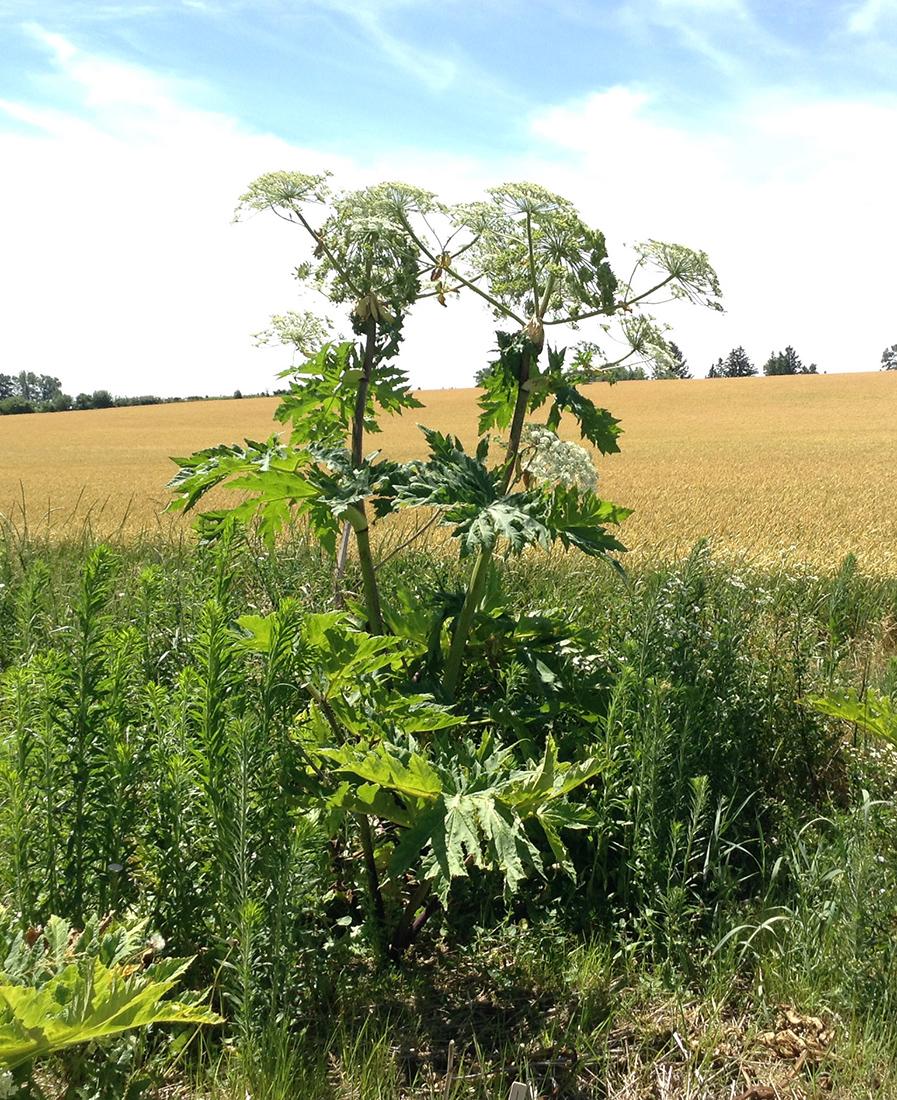
Giant hogweed is an invasive and noxious plant that can pose serious health risks to people and pets. The sap from giant hogweed can cause painful skin blisters and may even lead to blindness if it comes into contact with the eyes.
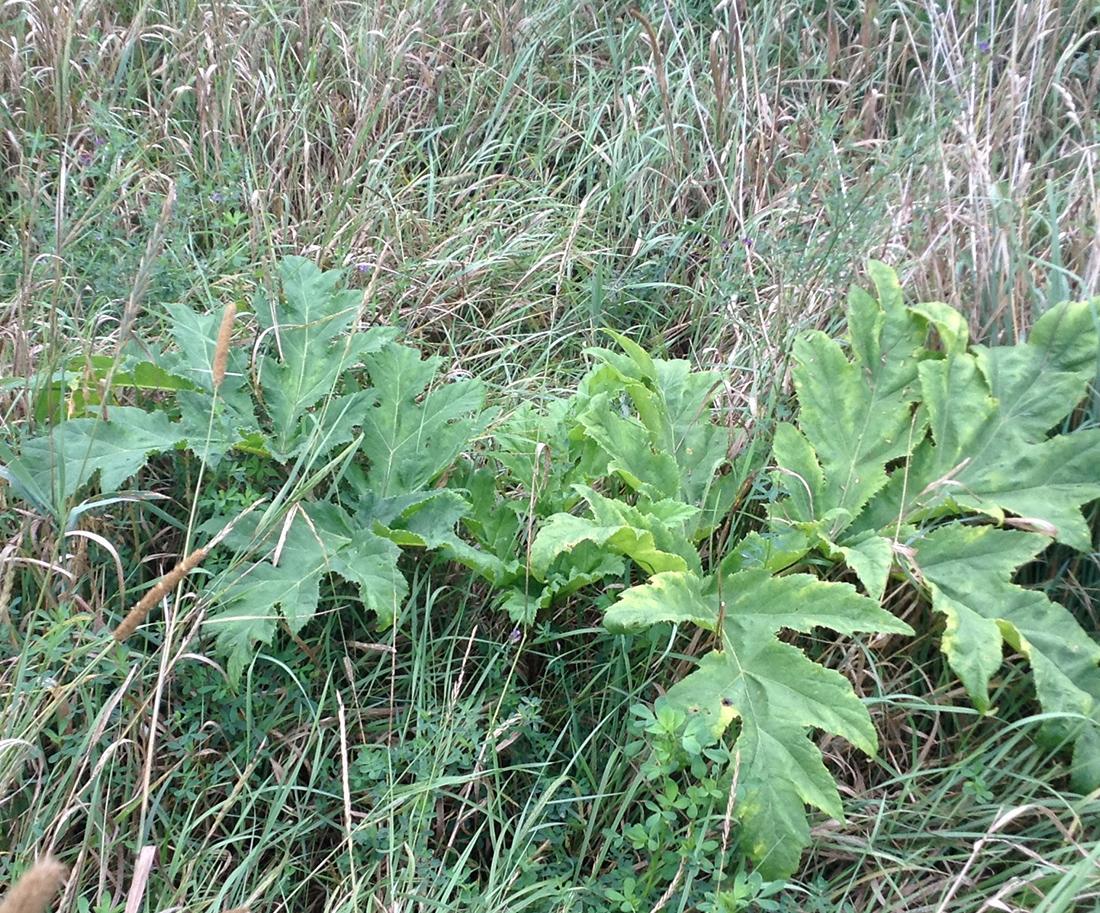
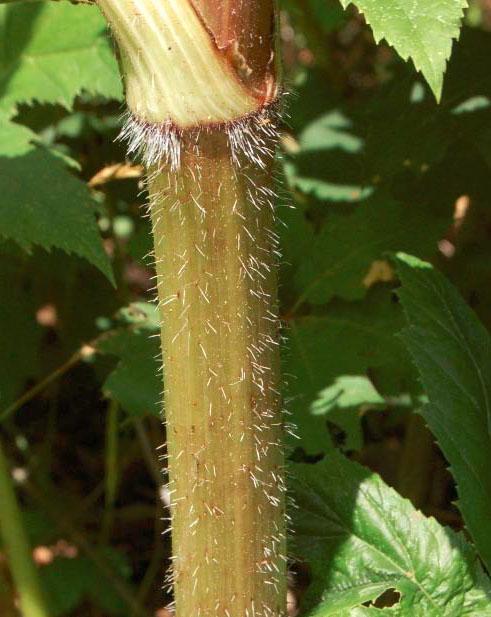
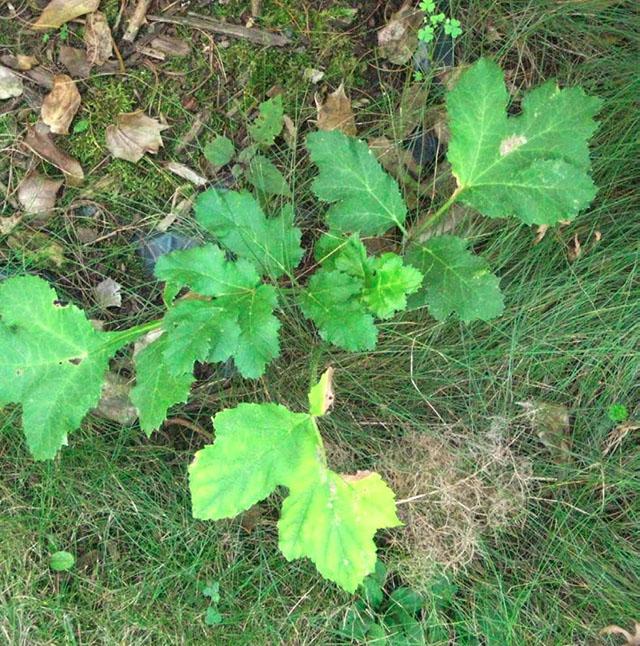
How to Identify Giant Hogweed
Giant hogweed lives up to its name, growing as tall as 3 to 4 metres. When in bloom, it produces large umbrella-shaped clusters of small white flowers. The plant is often mistaken for Queen Anne’s lace, wild carrot, angelica, or cow parsnip because of its similar leaf pattern. Giant hogweed is most recognizable by its thick flowering stalks and typically blooms from mid-May through July.
| |
Where Does It Grow?
Giant hogweed is commonly found throughout Southern Ontario, including along the Grand River watershed. It thrives in undisturbed areas with plenty of sunlight but can also grow along forest edges and partially shaded areas. Originally introduced from Asia as an ornamental plant, it has spread rapidly through waterways and natural areas. As a perennial plant, it returns each spring.
Increasing Sightings Across Ontario
Experts report that sightings of giant hogweed have become more common across Ontario. It is now frequently found near forests, rivers, trails, ditches, and even residential backyards.
What To Do If You Spot It
If giant hogweed is found on your property, it is recommended that it be removed as soon as possible, as it is considered a public health hazard and can be dangerous to both children and pets.
Safety Tips:
- Do not touch the plant with bare skin
- Keep children and pets away from the area
- Wear protective clothing and gloves if handling is necessary
- Avoid getting sap on skin or in eyes
- Consider contacting a professional for safe removal
Early identification and safe removal can help prevent injuries and limit the spread of this hazardous invasive species.
Images sourced from ontario.ca and invasivespeciescentre.ca
| |
Ticks & Lyme Disease
Blacklegged ticks can carry Lyme disease and other tick-borne illnesses, making prevention and early action important. When spending time outdoors, wear long sleeves and pants, use tick repellent, and check yourself, children, and pets for ticks after being outside. If you find a tick, remove it carefully with fine-pointed tweezers, clean the area thoroughly, and save the tick for identification if possible. The longer a tick remains attached, the greater the risk of disease transmission. Watch for symptoms such as fever, headache, fatigue, or muscle and joint pain, and speak with a healthcare provider if you have concerns following a tick bite.
Click here to learn How to Handle a Tick Bite.
Click here to learn more about Lyme Disease.
Image sourced from entomologytoday.org
| | |
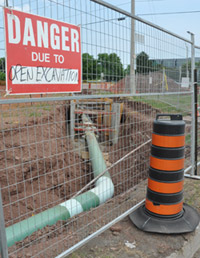
Stay Safe Around Trenches and Excavations
Trenching and excavation work remain some of the most hazardous tasks on construction sites, with risks including cave-ins, falls, electrical contact, and struck-by injuries. IHSA reminds employers and workers that proper safeguards such as sloping, shoring, and trench boxes are critical to preventing serious injuries and fatalities — even on smaller, short-term jobs. The article also highlights the importance of locating underground utilities, maintaining safe access and housekeeping, using proper PPE, and ensuring workers receive adequate training before excavation begins. Click here to learn more.
Click here to download the Trenching Hazards chapter of IHSA's Construction Health and Safety Manual
| |
IHSA Surface Mining & Aggregates Newsletter Highlights 2026–2027
IHSA’s latest Surface Mining & Aggregates Network News highlights key health and safety updates for the mining sector, including the Ministry of Labour’s 2026–2027 compliance campaign focused on lockout/tagout and energy isolation procedures. The newsletter also outlines upcoming legislative changes, new and updated IHSA safety resources, sector-specific training opportunities, industry events, and workplace safety initiatives. Employers and workers are encouraged to stay informed on evolving regulations, participate in training, and access IHSA tools and expert support to help maintain safe and compliant workplaces. Click here to read more.
| | |
School Zone Safety Starts With You
As traffic increases around schools during morning drop-off and afternoon pick-up times, the City of St. Catharines is reminding drivers to stay alert and follow school zone safety rules. Drivers are encouraged to obey parking and traffic regulations, avoid double parking and idling, stop for school buses and crossing guards, and remain extra cautious around children walking or biking to school. Remember — children can be unpredictable and difficult to see, so slowing down and paying attention in school zones helps keep everyone safe. Click here to learn more about parking regulations and fines.
| | |
Click here for the IHSA monthly news & updates for May.
Click here for IHSA's 2-minute news for May.
| | |
New AED Requirement
On January 1, 2026, a major amendment to Ontario’s Construction Projects Regulation under the Occupational Health and Safety Act (OHSA) took effect.
This change requires construction projects lasting more than three months to install and maintain an Automated External Defibrillator (AED) on-site.
This article explains what the new AED regulation means for employers in Ontario’s construction industry, how to comply, and the legal risks of non-compliance.
| | Call Jenn for more information: 289-271-8623 | |  | Click here for more information. | | | |
Make your construction site safer and get rewarded—receive up to $2,500 toward an AED with WSIB's new reimbursement program for qualifying Ontario projects. Click here to learn more.
| | |
Ontario Proposes Major Changes to Workers’ Compensation System
Ontario has introduced proposed legislation that would significantly change the province’s workers’ compensation system. Key changes include increasing loss of earnings benefits from 85% to 90% of pre-injury net earnings, allowing some workers to receive benefits past age 65, removing the current 72-month limit on WSIB benefit reviews, capping combined income from WSIB and collateral benefits, and making WSIB coverage mandatory for privately operated residential care facilities and group homes. Employers — particularly Schedule 2 employers and organizations in the care sector — may see increased claim costs and operational impacts if the legislation is passed. Click here to read more.
| | |
Risk Assessment: Identifying Hazards Before Work Begins
An effective health and safety program includes a system for identifying, assessing, and controlling hazards in the workplace. Hazards may arise from activities, conditions, or substances and can pose safety or health risks to workers. Tasks that expose workers to higher levels of risk require additional planning through a job or task hazard analysis, completed in consultation with the Joint Health and Safety Committee or Health and Safety Representative, where applicable. Identified hazards and the controls used to reduce risk must be communicated to workers before work begins. Ongoing hazard monitoring, worker reporting, and follow-up help ensure controls remain effective throughout the job.
Click here for IHSA guidance on hazard assessment and control
| | |
Click here for the May edition of the Ministry of Labour, Immigration, Training and Skills Development monthly newsletter.
| | |
Track Workplace Exposures to Protect Your Health
The Ontario government’s new Occupational Exposure Registry (OER) Self-Tracker helps workers record and monitor exposure to hazardous substances on the job. By tracking workplace exposures and control measures over time, workers can better protect their health, support medical assessments, and help improve workplace safety across Ontario. The registry includes designated substances such as asbestos, silica, lead, benzene, and mercury, and reminds employers of their responsibility to assess hazards and implement proper controls, training, and PPE to reduce exposure risks. Click here to learn more.
| | |
Controlling health risks on construction sites
Exposure to biological or chemical agents used at construction jobsites can lead to serious injuries and illnesses. Assessing these occupational health hazards is critical—and mandatory—to minimize their risk to workers.
IHSA’s new guide, Preventing Exposures to Occupational Health Hazards (M077), helps workplace parties comply with the laws that keep workers safe from harmful levels of exposure. It provides information on the proper assessment and control of designated substances, including through air quality testing and the use of personal protective equipment.
Click here to download the guideline
| |
MHSP campaign 2026–2027: Lockout/tagout in focus
From April 1, 2026 to March 31, 2027 the Mining Health and Safety Program (MHSP) inspectors will be focusing on ensuring that mining employers:
Comply with Reg. 854, sections 158, 159, 185, and 196, which require energy sources to be de-energized, locked out, and tagged before any equipment work.
Ensure workers are trained in lockout/tagout procedures, and that lockout devices are properly installed and used.
Implement effective measures and procedures when workers are required to perform live work.
This campaign is part of ongoing efforts to keep mining workplaces safe and prevent incidents. IHSA will provide updates as more information becomes available.
Click here for IHSA's latest news and events.
| |
Train on Your Time with IHSA eLearning
Take charge of your training with IHSA’s fully interactive eLearning courses. Designed for flexibility and built with engaging multimedia content, these courses let you learn anytime, anywhere—when it works for you.
| | |
MLITSD Ministry of Labour, Immigration Training & Skills Development Report for: May 2026
Click above for full reports (critical injuries, fatalities, Provincial Coordinator's Comment, incidence details and codes, news)
| | |
GAIN THE COMPETITIVE ADVANTAGE OF GOLD SEAL CERTIFICATION - Gold Seal Webinars
The Gold Seal Certification program has been the industry’s most trusted, valued, and reliable certification for those in the management of construction. Gold Seal Certified (GSC) credentials demonstrate your commitment to the profession and your expertise through certifying education, experience, and competency.
Ever wonder what it takes to get Gold Seal Certified?
Find out the answers to these questions and more:
• Do I qualify to write the Gold Seal exam?
• Do I need more experience or training?
• What information do I need to apply?
• What is the application process through the online portal?
Watch a recording of a Gold Seal information session here.
Here are the next dates for this certification:
June 12, 2026
- Time: noon Eastern time.
- Enroll by May 22, 2026.
- For new enrolled applicants and in-progress applicants, the deadline for GSC applications and final reviews is June 3, 2026.
- The last date for approved GSC applicants to choose this exam date is June 3, 2026.
September 18, 2026
- Time: noon Eastern time.
- Enroll by August 28, 2026.
- For new enrolled applicants and in-progress applicants, the deadline for GSC applications and final reviews is September 9, 2026.
- The last date for approved GSC applicants to choose this exam date is September 9, 2026.
November 20, 2026
- Time: noon Eastern time.
- Enroll by October 30, 2026.
- For new enrolled applicants and in-progress applicants, the deadline for GSC applications and final reviews is November 11, 2026.
- The last date for approved GSC applicants to choose this exam date is November 11, 2026.
For more information, click here.
| | NCA Training & Development courses at the NCA | | |
NCA Training Courses
(membership discounts)
♦ Live Webinars & Workshops
♦ Online Courses
Please request the most recent training newsletter here.
| | Safety courses created to enhance health and safety awareness and help prevent injures to workers, e.g. Confined Space Safety Awareness, Pipeline Construction Safety Training and more - safety and management courses. Contact us for more information. | |
| Helpful H&S Resources and Information | | Ministry of Labour, Training & Skilled Trades NEWSROOM | | Stay up to date with the latest industry safety news and training by clicking here. | | Check out these valuable resources by clicking here. | | Check out this valuable resource by clicking here. | | Click Here for WSIB Newsletter | | |
NCA has made safety awareness a primary initiative for our Association.
We have launched our PATHS initiative, Partners Aligned Together for Health and Safety, formally making a stronger commitment to safety awareness and training.
P.A.T.H.S includes:
- NCA Health & Safety Newsletter
- NCA New Safety Training Partners
- NCA WSIB Health & Safety Excellence Program
- NCA Membership Appreciation Day & Safety/Member Tradeshow
- NCA Safety Resources and Guidelines
- NCA Guidance to become "Supporting Ontario’s Safe Employers" (SOSE) eligible
- NCA Partners with Audit Companies
Have a question for our Safety Committee? Email office@niagaraconstruction.org
| | | | |