|
|
Need a Last Minute Gift?
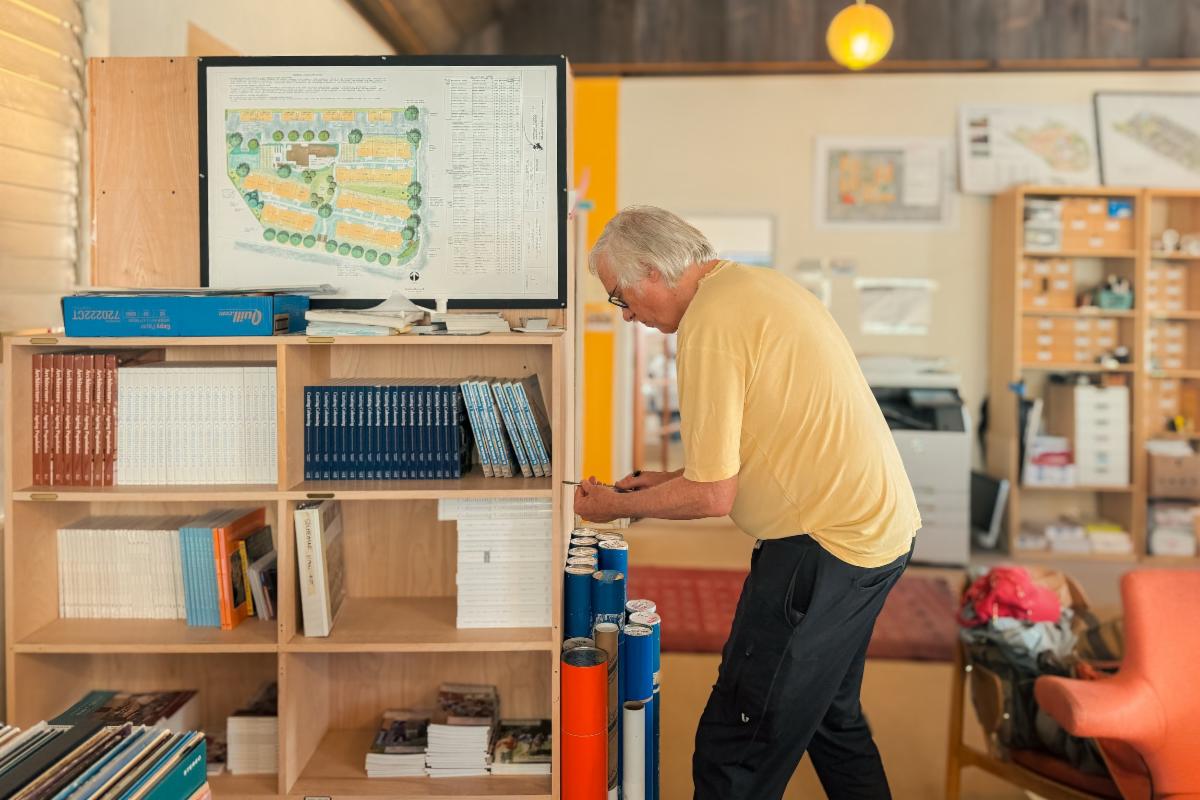
Grab an incredible deal! Get Charles’s new book, One Life, Live It!, along with a copy of Cohousing Communities and the Best of Both Worlds DVD, all for just $75 (a value of $109). To sweeten the offer, you'll also receive the Winter 2024 issue of Communities Magazine as a bonus. A great gift to give back to your community by donating to your local library, school, or city hall. Don't miss out on this fantastic opportunity!
Shop Now!
| | |
|
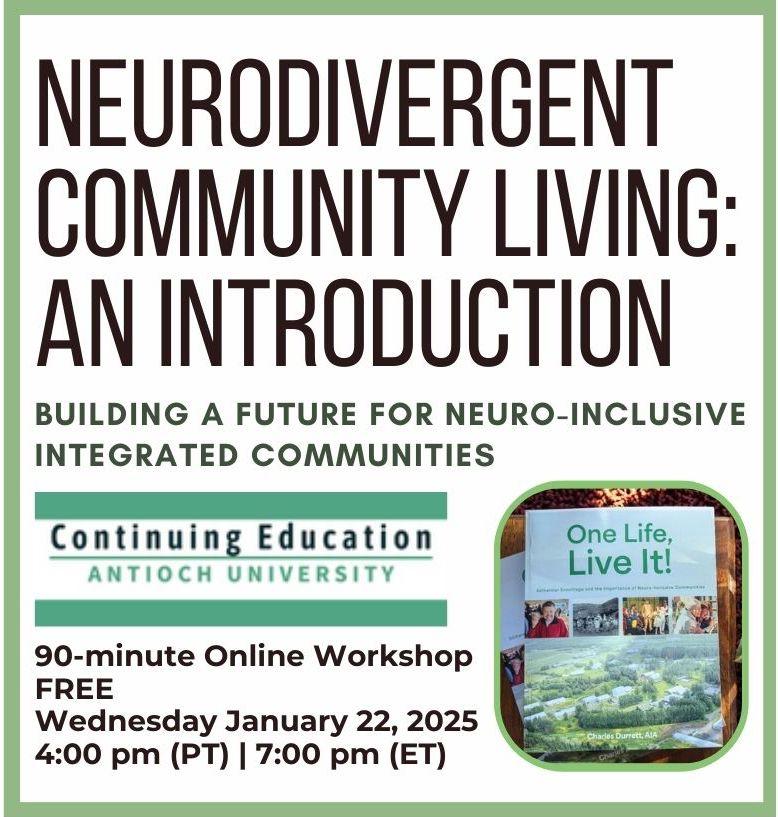
There is still time to secure your spot in our FREE 1.5-hour workshop. Join us to explore the vision and practical steps for creating a neuro-inclusive cohousing community. Participants will learn about the significance of fostering inclusive housing that promotes acceptance, purpose, and integrated living. We will also cover key strategies to help you start organizing a neuro-inclusive community initiative in your state and town. Fifty-two have already signed up.
Sign Up Now!
| |
|
|
Quincy Jones
An Exceptional Advocate
| |
|
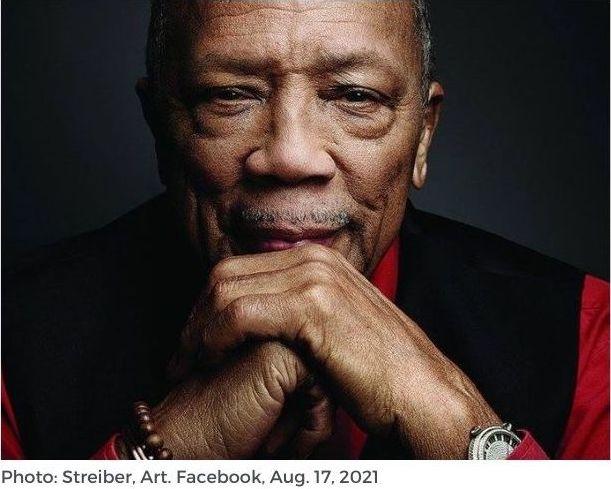
While Quincy Jones is best known for his musical brilliance, we at The Cohousing Company admire his advocacy and philanthropic work even more. His activism began in the 1960s with support for Martin Luther King Jr. and evolved into co-founding the Institute for Black American Music, which later provided funding for a national library dedicated to African-American art and music.
Through his vision, Jones founded the Quincy Jones Listen Up Foundation, a nonprofit organization that has built over 100 homes in South Africa. In 2001, he became an honorary member of the board of directors for the Jazz Foundation of America, where he worked tirelessly to support the homes and lives of elderly jazz and blues musicians in the United States, including survivors of Hurricane Katrina.
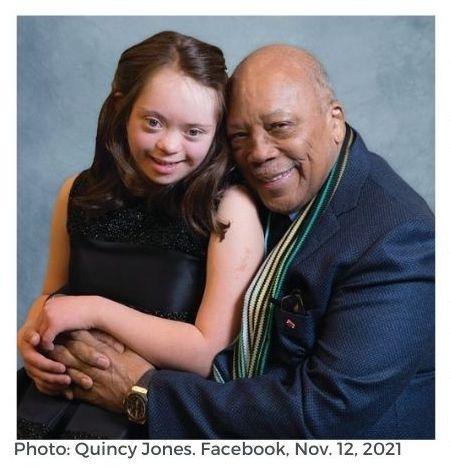
After meeting his friend John Sie’s granddaughter, Sophia, Jones became actively involved in Down syndrome advocacy. He expressed his deep connection by saying, “It got very personalized after I met Sophia because I just love her.” As a result of his commitment, he was appointed the first International Spokesperson for The Global Down Syndrome Foundation.
| |
His work with the Foundation led to the creation of the Quincy Jones Exceptional Advocacy Award, which honors his outstanding leadership and dedication to improving the lives of disadvantaged individuals. This prestigious award has been presented annually to celebrities such as Colin Farrell, Jamie Foxx, and most recently, Woody Harrelson, in recognition of their advocacy efforts. | |
Moreover, Jones was actively involved with the Linda Crnic Institute, the first national organization dedicated to basic and clinical research, as well as clinical care for individuals with Down syndrome. The Institute aims to enhance the lives of those with Down syndrome through advanced biomedical research. Jones strongly advocated for the Institute, expressing his belief that it would become the world’s leading care center for individuals with Down syndrome.
Before his passing, Quincy Jones was one of the celebrities we hoped would endorse One Life, Live It! We believe that his mission to support and improve the lives of individuals facing disadvantaged circumstances aligned with our vision of creating neurodiverse cohousing communities. These communities aim to support those with Down syndrome and neurodiversity alongside neurotypical individuals. We are saddened to hear of his passing and wish his soul peace. May his memory continue to inspire others to fight for others. We will continue our work to spread the word about One Life, Live It! and our mission to create neuro-inclusive cohousing communities around the world.
| |
|
Study Group One: Aging Successfully
The #1 Way of Marketing Senior Cohousing
| |
|
For 25 years, I have had the privilege of leading an annual class, both in person and, more recently, online. Until now, I haven't shared the exciting progress of Study Group 1: Aging Successfully in advancing the concept of senior cohousing in the U.S. However, impactful news from Copenhagen has inspired me to reflect on this journey. In a recent survey of 80,000 seniors, over half expressed their desire for cohousing as their preferred housing option for the future.
This revelation fills me with enthusiasm to discuss how this yearly class has played a vital role in promoting the growth of cohousing—not just in Denmark, but now also in the United States. It has emerged as the leading way to market senior cohousing in both regions.
You can read more about this transformative class in Chapter 7 of my book, Senior Cohousing. The initiative began in 1985 when six visionary women founded a small nonprofit called “Quality of Life in the Center” (QLC). Since then, dedicated individuals have been facilitating Study Group 1 across Denmark. Whenever at least 25 seniors in a community express interest, a representative from QLC visits to deliver an engaging presentation about aging with purpose and belonging in a supportive community.
| |  |
|
Initially, the benefits of cohousing were hard to communicate clearly. So, we created a 10-week course that meets for two hours each week, providing a space for participants to engage in meaningful discussions. Through discussion and discovery, seniors uncover the profound advantages of connection and support that come from knowing, caring, about, and supporting and being supported by neighbors. This journey helps them recognize the realities of aging, move past denial, expressing this perspective as “I’m getting older; you’re lucky if you’re getting older”, and take proactive steps toward enriching solutions like cohousing.
We can embrace aging as a beautiful and empowering journey, fostering connections that not only enhance our lives but also create thriving communities where everyone can age successfully.
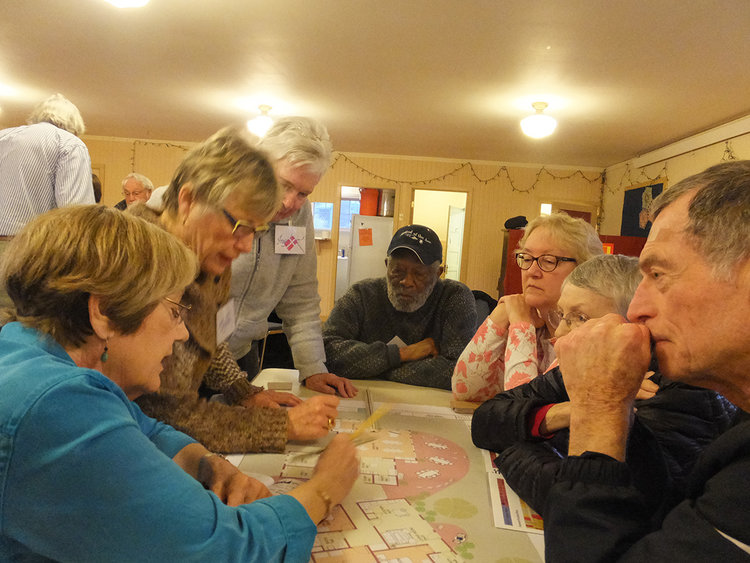
| Photo: The Cohousing Company, Participants work together to create their community, Study Group 1 | | |
2024 SG1 Student Reflections:
For the first time, I have asked students to reflect on their experience in the seminar "train the trainers for SG1."
| |
|
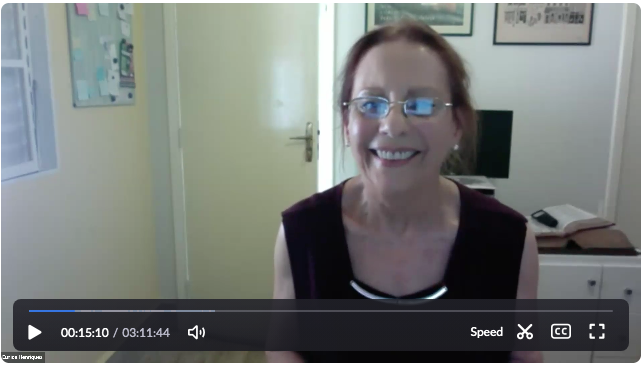
Eunice: “In this course, I have learned a lot from the material (the two guides and the readings) and mostly from Chuck’s approach, and experience. He is self-assured, and inspiring. Sometimes he even criticizes himself openly. Some of his observations show he pays attention to people’s body language by revealing some of our blind spots. He also says true stuff directly, but respectfully. At the same time, although he has lesson plans in mind, he is always open to discuss whatever comes up. In each session, what draws my attention is his strategy to engage us in the discussions: how to deal with real as well as conflicting issues by means of questions. He chooses the most relevant for us, and he presents the issues progressively, from the most down to earth (for example, getting out of denial and aging in community) to the deepest ones (mortality and death). I think this is extremely effective.”
“I faced a new challenge in every session:
There is more to aging successfully than taking care of my health and doing brain exercises daily.
Aging in a community guarantees that I will be treated with care and respect (something I would not get anywhere else, probably).
I had to reflect on my present physical and emotional health and my life (ten years ago and ten years from now) because future changes may result from past changes.
Made me consider the kind of support I would like to receive and the kind of care I would get from relatives, neighbors, friends, etc. I also had to consider the kind of support I could give to others (in case I lived in a cohousing community).
I learned that seniors can stay healthy through community because residents do many activities together; consequently, they become co-healers. This concept is essential because everyone contributes to everyone’s health.
This was the first time I felt motivated to review my monthly expenses. No matter how good they seem now, the near future could bring unpleasant surprises.
The exercises in this session are equivalent to ten years of psychotherapy. The questions helped me recall memories that had long faded, although they were very important in my life.
Having a voice, at my age, is empowering and motivating. Sharing feelings with peers is therapeutic. Although I am not a sage, I still have a lot to share with my peers and others.
I felt I had to build a cohousing community. I started talking to a few friends and relatives about it.
It helped me “get out of the box” and find people who could at least listen to me.”
| | |
|
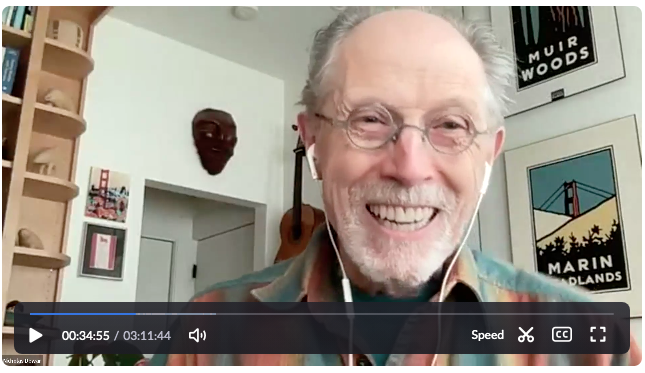
Nicholas: “I was mightily impressed by a graph plotting the occurrence of deaths within the upcoming year for white non-Hispanic males in 2019-2020. The likelihood of dying within the next twelve months is low and pretty flat for most ages, but once we get to our mid-70s the curve starts to climb quite suddenly. Of course we all know that the older we get the more likely we are to die and that we certainly will die sooner or later. What I had not internalized is that I should not expect aging and death to be a steady, gradual process such as the aging that I’ve experienced since my early 50s. This is likely to happen to me as the result of a precipitating event or a series of such events, and that the likelihood of these events increases rapidly after my mid-70s.”
“The ideal of a detached family home— that supports the myth of individual independence and is designed to minimize our awareness of others in our surroundings and make us as invisible to each other as possible— is a trap. The mechanism restrains the sort of conviviality that might happen if we were to accept the physical proximity that was inevitable in all human communities until a few generations ago. It’s a mechanism that constrains us to separate ourselves from each other and may propel us into the sort of isolation that many of us dread. This sort of chronic isolation is not just inconvenient and unpleasant. It is extremely harmful and is associated with a heightened risk of a catalog of dreaded illnesses: heart attack, stroke, dementia, atherosclerosis, metastatic cancers ... the list goes on and on.”
"So my take-aways: situate myself where I will inevitably weave my life into as complex a
community as possible, and start doing it at once!”
| |
Elizabeth: “I really appreciated the intimate learning environment of Study Group 1, where the small group format allowed me to connect meaningfully with other participants and understand their varied goals. While the course's strong emphasis on senior cohousing opened my eyes to inspiring possibilities, I found myself grappling with how to adapt these ideas for my South African context, where such concepts haven't yet taken root.”
“The course has encouraged me to think creatively about how I can apply aging in place principles both for myself and for the women in my online Wisdom Circles. I'm excited to integrate these insights into my existing online workshops. The course has motivated me to research local alternatives like retirement villages which, despite their limitations in intergenerational connection, may offer viable options worth exploring. Most valuably, the practical focus has helped me look concretely at solutions and tap into my own creativity to make aging in place work within this country's context. I look forward to sharing these adapted insights with others online, contributing to the spread of these important conversations in ways that resonate with community's needs here.”
| | |
|
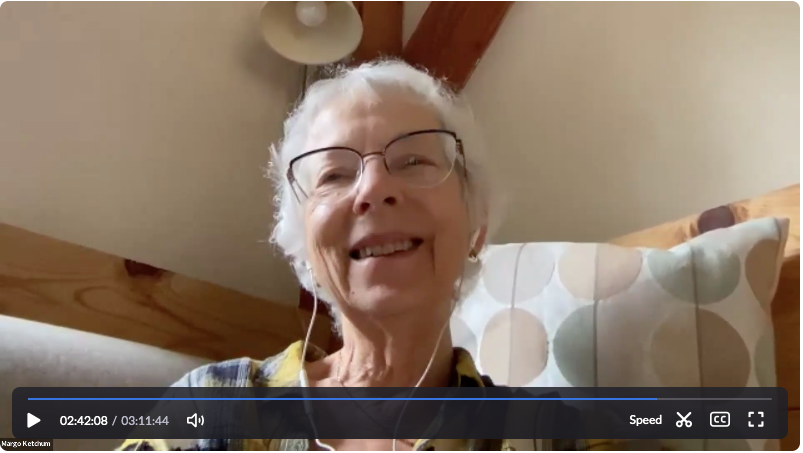
Margo: “A huge thank you to Chuck for leading us through this 10-week study of issues around Aging Successfully and how Cohousing is a perfect solution for aging in community. The proximity of neighbors who know and care about each other is truly the best option for those who can afford to purchase homes in a cohousing community.”
“Each session brought our group of 10 participants closer together as we pondered aspects of Aging Successfully (Getting out of Denial, Group Process, Realities of Getting
Older, Co-Care and Outside Support, Connection & Staying Healthy Through Community, Economics of Getting Older, Philosophy/ Spirituality/ Mortality, Saging, Taking Action/ Risks, Exploring Options). We were given readings each week, presentations to draw from Chuck’s experience, and other homework to help us facilitate our own groups in our respective local communities.”
| | |
Marina: “I took this class to help me push my skills by putting myself in an environment which would challenge them and give me a purpose for growing with them. I want to remember that my biggest reason for taking this class is to create my own clarity and proactivity re: aging and how this relates to the tribes and groups to which I am a part or would like to be a part of. It has been great absorbing the broad wild sage perspective of Chuck!” |
The next session of SG1 begins the first Wednesday of October 2025, 9:30 AM PST | | |
Waning Cohousing:
...And What Do We Do About It?
| |
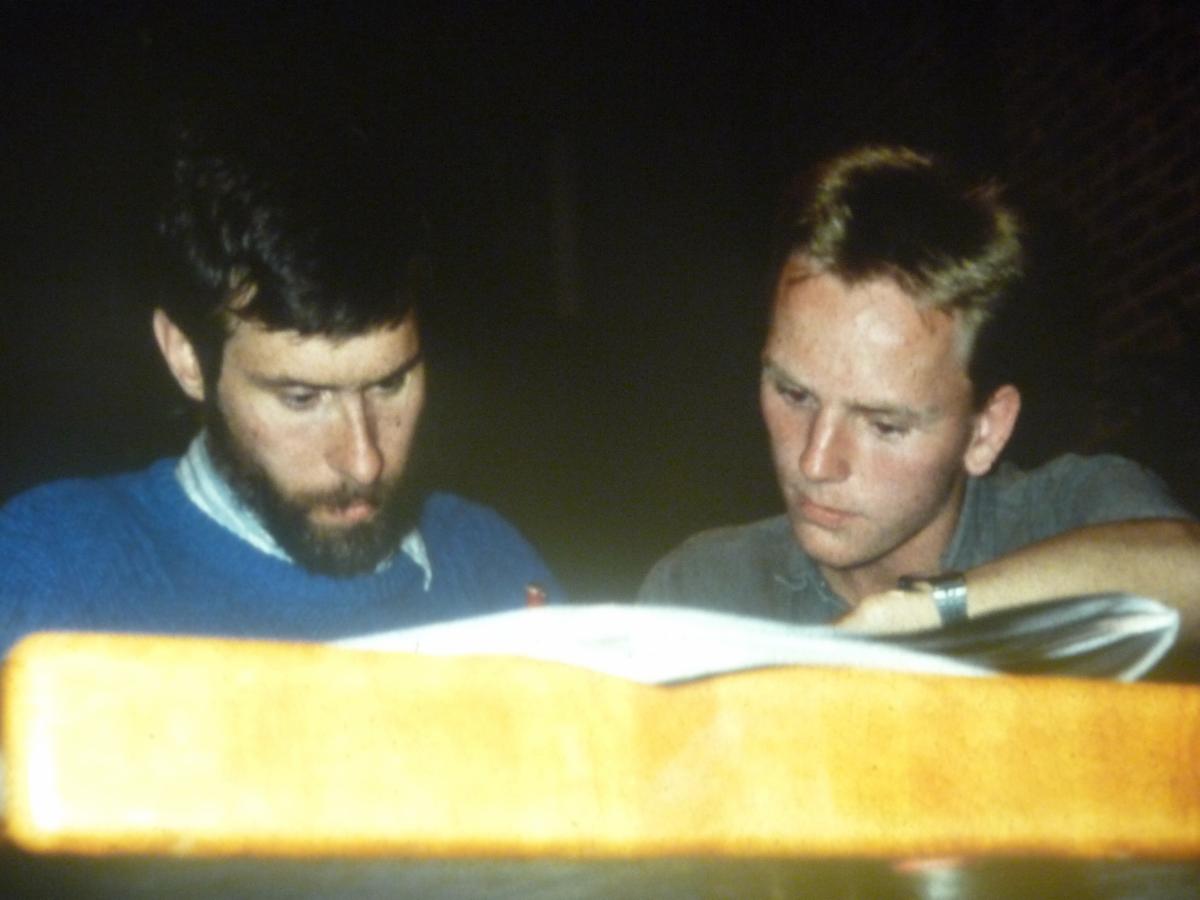
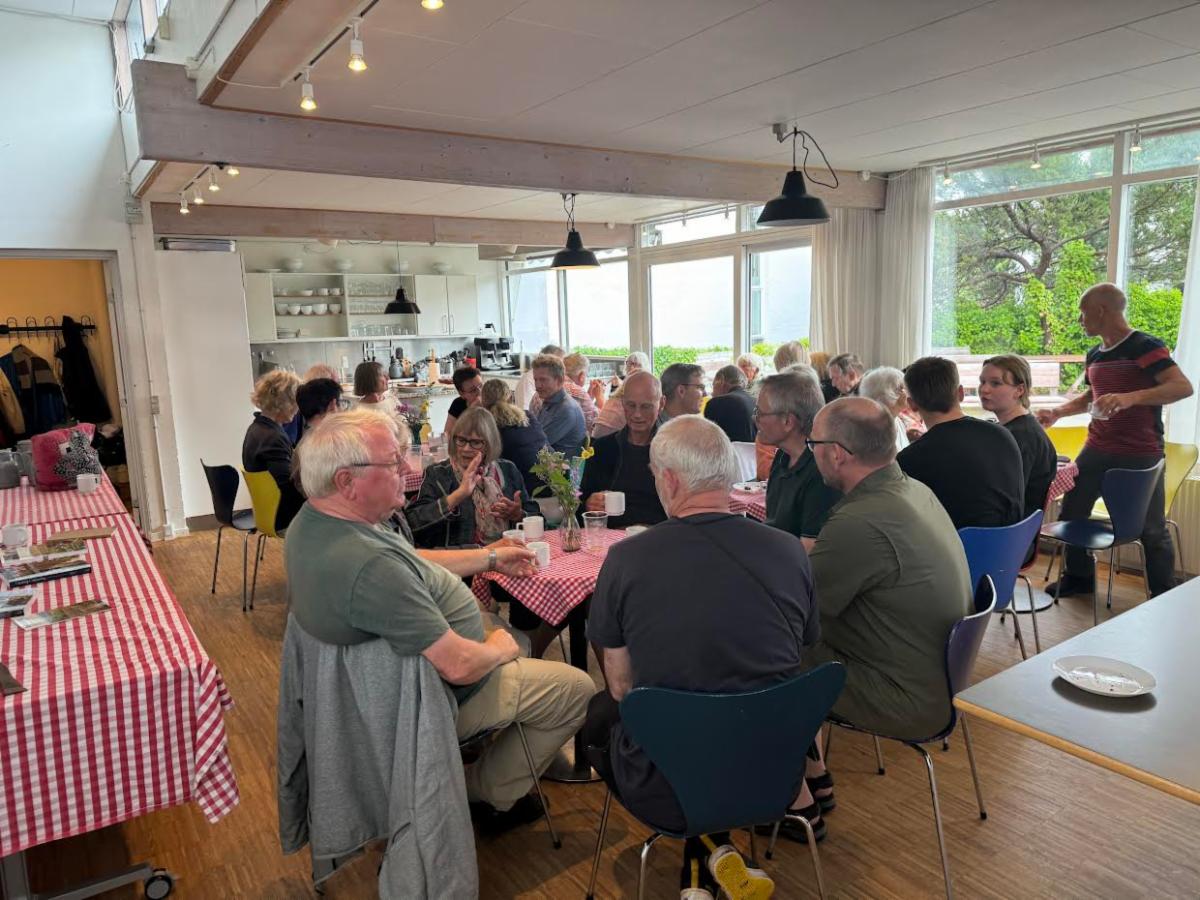
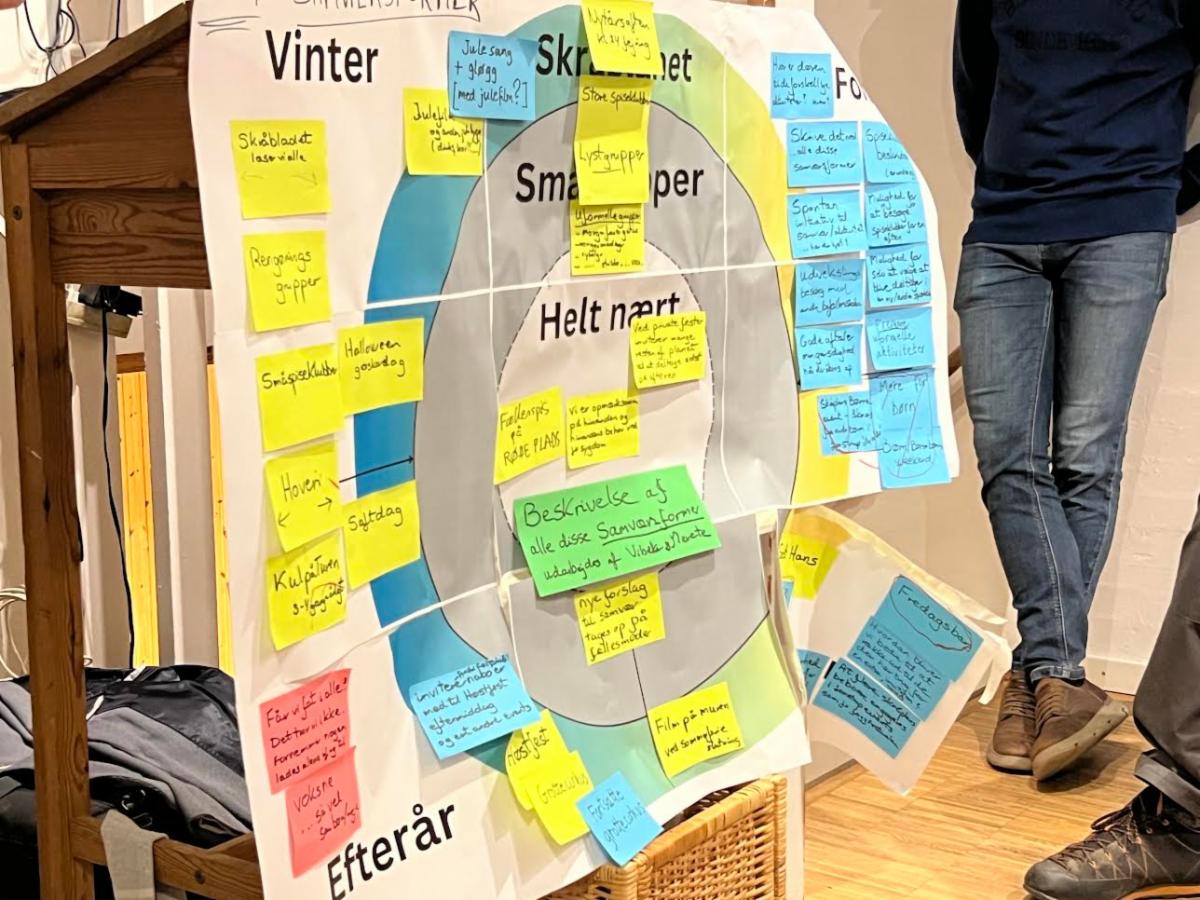
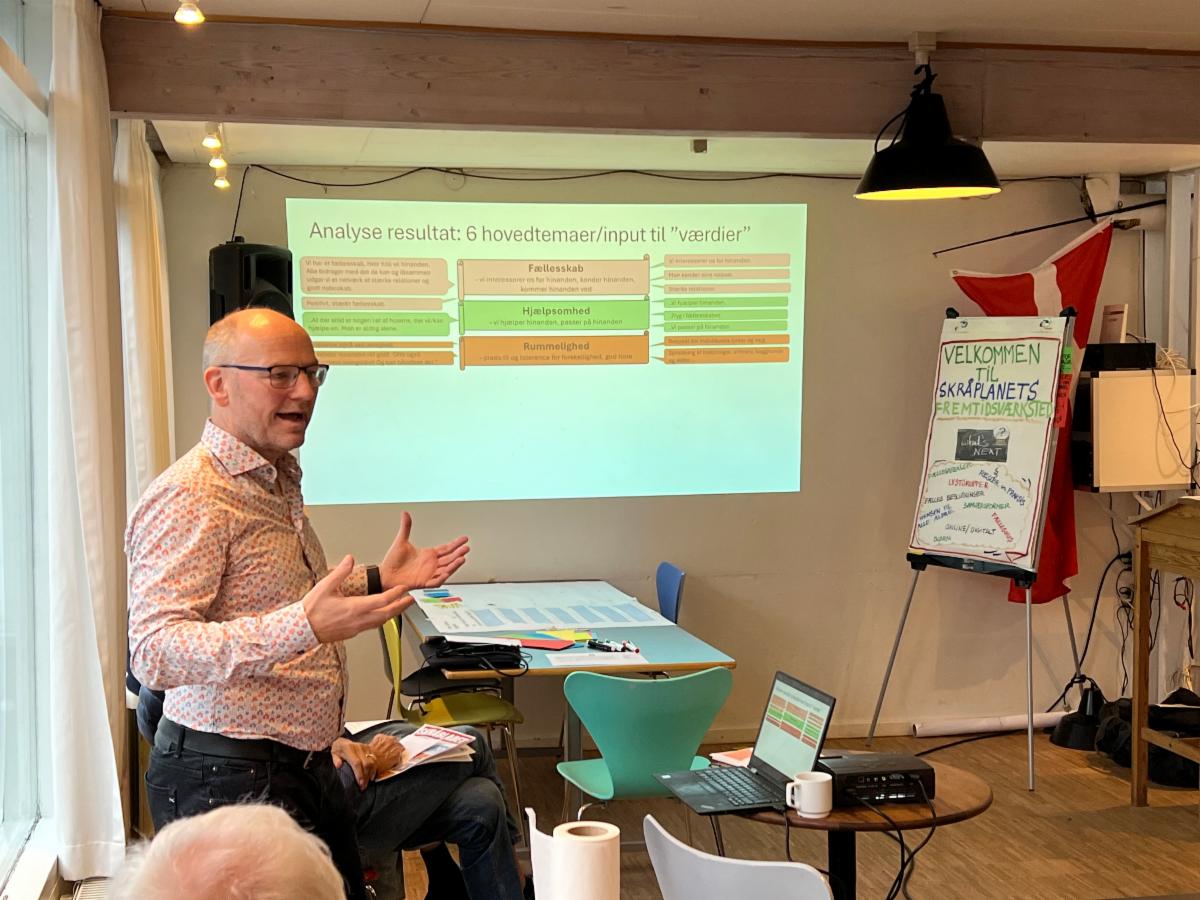
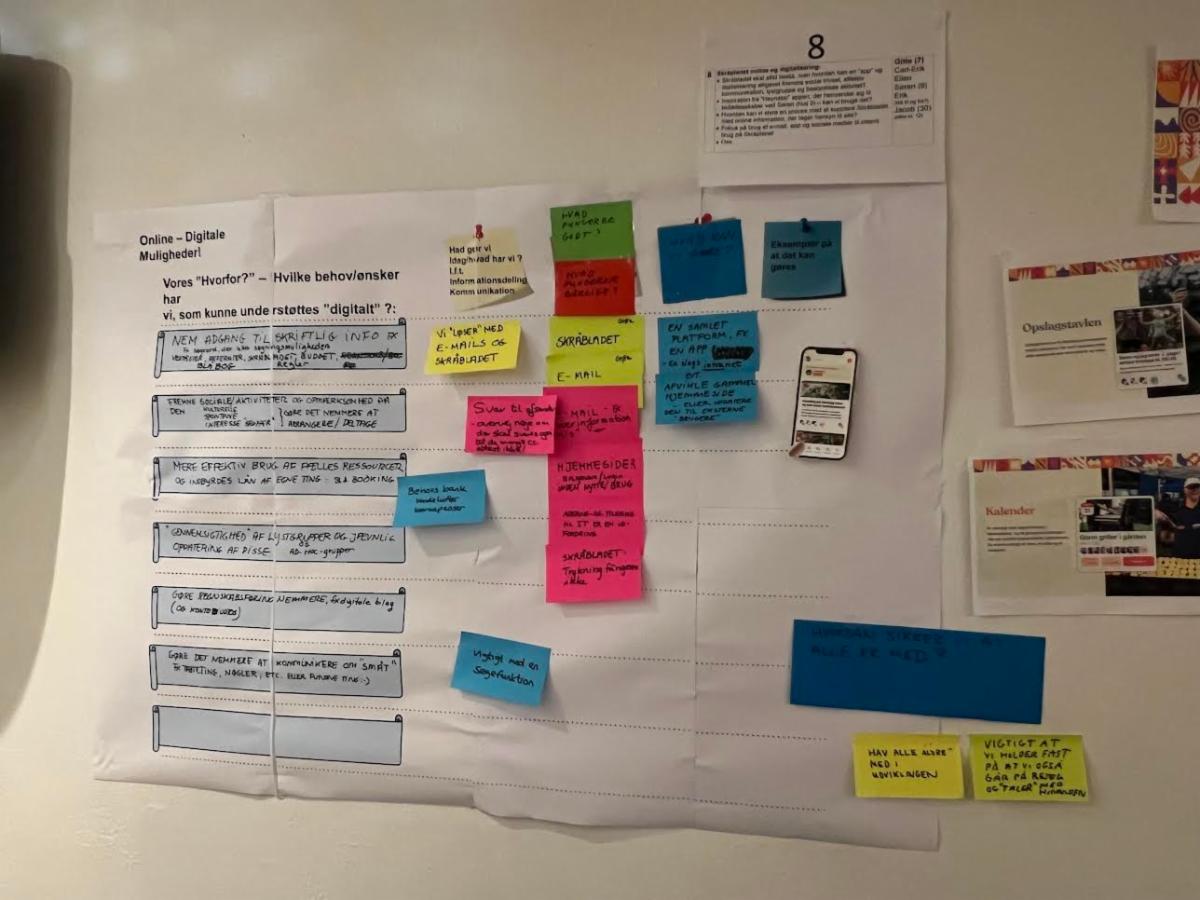
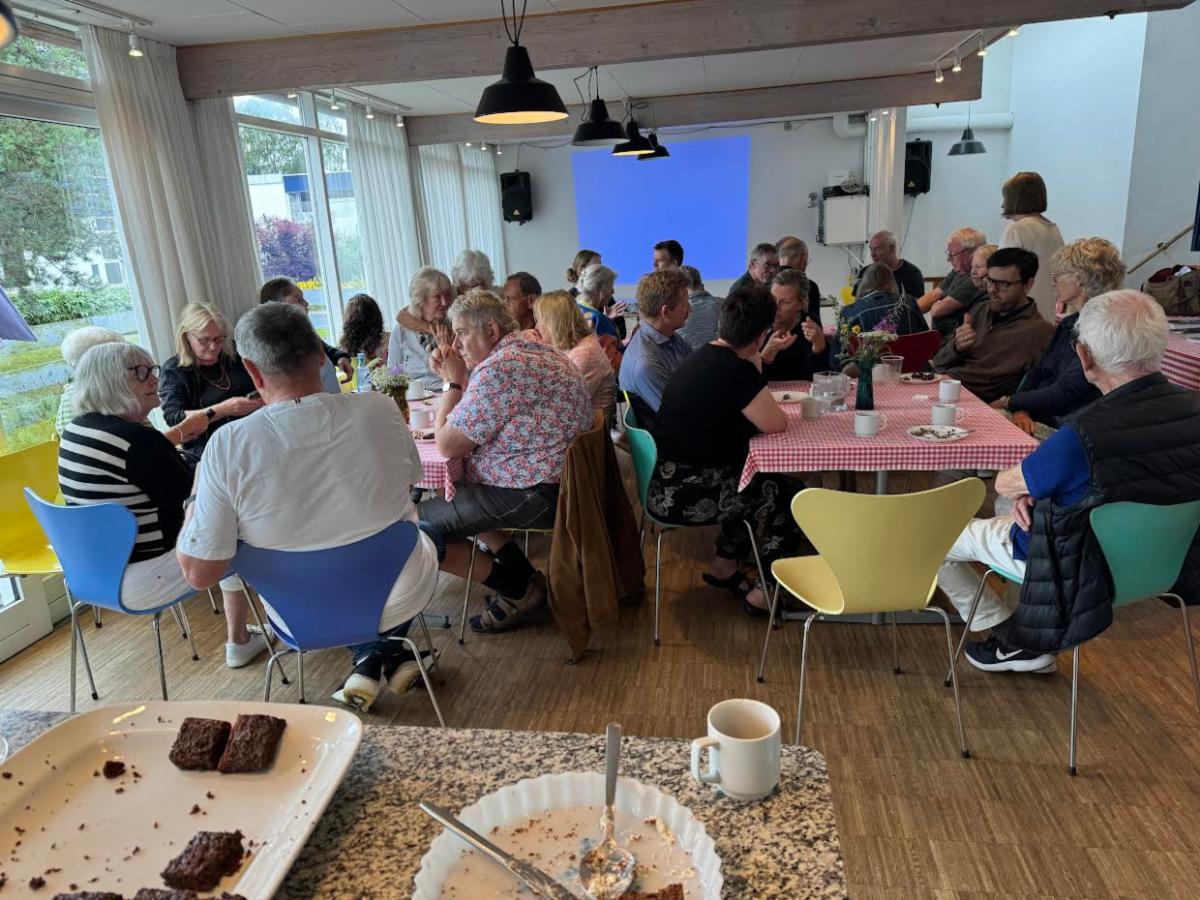
Yes, as cohousing is making its way around the world, we see a new and predictable issue emerging. “Waning Cohousing.” The book Happily Ever Aftering in Cohousing, Cohousing Communities along with Creating Cohousing are all written to help head off “waning cohousing” but it still happens on occasion. | Some cohousing communities that fired on all cylinders when they were brand new years ago are now waning. Originally community dinners might happen 3-5 times per week, but now it’s more like 3-5 times per month. | Søren Skovland, a psychologist who moved into cohousing as a youngster at 4 years old, then left to go to college, started a career, then moved back to Skraplanet with his family to finish raising his children and plans to grow old there. But he noticed the common house, once extremely busy (over 500 people-hours per week), might have been affected by the exodus of children that grew up and then went off to college, etc. Perhaps that alone left the common house emptier (less than 200 peoplehours per week now). They used to have after school art classes, music lessons and more, and adult card playing, theater and much more. | Photo: The Cohousing Company, Charles Durrett with Søren Skovland, 1985 | Søren noticed the changes there when he returned. Maybe communities needed to make a conscious shift, instead of just drifting into a new place. Perhaps that needed to embrace the new realities, we have few children now, a lot of new people and we’re getting older if not old. This is a common sentiment. Let’s go the direction that we choose to go, let’s not just drift, was Søren’s sentiment. | Photo: The Cohousing Company, Charles Durrett working with Skraplanet, June 2024 | So Søren asked The Cohousing Company to help jump-start the revitalization ball rolling at his community. Last year we did a few hour workshop in June of 2024. It started with a mindful discussion about why cohousing is such a great place to raise kids and to grow old. And went on to talk about how needs have changed, in particular mobility and some cognitive capabilities and the needs of the new and upcoming families. For example, fewer kids per household warrants more formal activities in the common house. Soren has run subsequent workshops with the group – a big drill down in order to get to the bottom of what was really happening and how to get back to their roots of cooperation. For example, money and time fell away as an excuse. Obviously, we are going to save money by cooperation, and time if we cook community dinner, for example – not to mention committing more elsewhere because nothing facilitates community and dialogue more than breaking bread together. And early feminism goals have been compromised. The fewer common dinners, the more mom is making dinner again. “It was clear that life was more convenient, more social, more economical, healthier, and more practical when we cooperated more.” | Photo: The Cohousing Company, Skraplanet meeting notes, June 2024 | |
It became clear that revitalization was the future. Spend the time, rebuild the relationships, and the creation story that brought them all together in the first place. Cooperation, save money, save time, sustain relationships, sustainability in general, live out our values, and even contributing to help build a better, more socially viable larger culture. | Photo: The Cohousing Company, Søren Skovland at Skraplanet meeting, June 2024 | I recognize that it seems odd that an architect would focus so much attention on the software as much as the hardware but you do if you’ve been born into cohousing like Søren, it’s in your DNA at that point, or if you have studied hundreds and hundreds of cohousing communities and functioning cohousing is more motivating than compromised cohousing - it causes architects to do even better architecture- we’re not just making real estate here. We have a poster in our office that reads, “If it doesn’t work socially, why bother?” | Photo: The Cohousing Company, Skraplanet meeting notes, June 2024 | “Post occupying evaluation” allows architects to accomplish better work. What really worked to achieve said goals, what really didn’t, what detracts from the goals, and what part of the story are we just making up. And for this architect, the architecture is not an end in itself - just a method to a better work, and to suggest the possibilities of a high functioning community. | Objectifying community, exactly what works is the beginning of building places that will have a long history - the beginning of not making preventable mistakes. I hope that many more people, in Denmark and the U.S. pick up the noble trade of helping groups fire on all cylinders and revitalize. The practicing anthropologist or as they call them in Denmark the “kuturarbejderne” culture workers suggest that’s how we evolve in a positive direction. Søren is considering doing more of this work for other waning communities. | A few years ago, I went to Lebensram cohousing communities just outside of Vienna, the first cohousing built in Austria in 1995. I was the key note speaker at the biannual Austrian Cohousing conference there. The community of 24 houses had gone from everyone making dinner once per month to only half of the residents making dinner each month in 10 years. Then, after a day workshop and subsequent consulting, they went back to everyone making dinner once a month again over the next year. It was easier than everyone had guessed it would be. My daughter joined me for that venture, having been born into cohousing herself. It’s very doable. | Photo: The Cohousing Company, Charles Durrett working with Skraplanet, June 2024 | The bones are there, reignite the spark, make peace, rekindle the passion, and rediscover the enthusiasm. Find your way not only to design correctly, but also to deliberately adjust, avoid drifting, and revitalize. It’s like a home that is waning – entropy inevitably takes over as if without obvious maintenance – just like a community. | |
|
Communities Magazine:
Thank You to Søren Skovlund & Chris Roth
| |
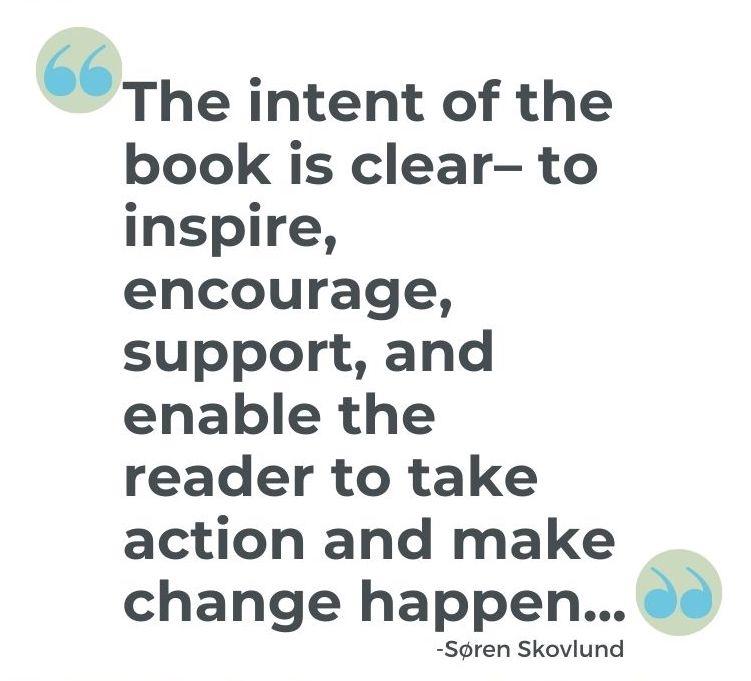
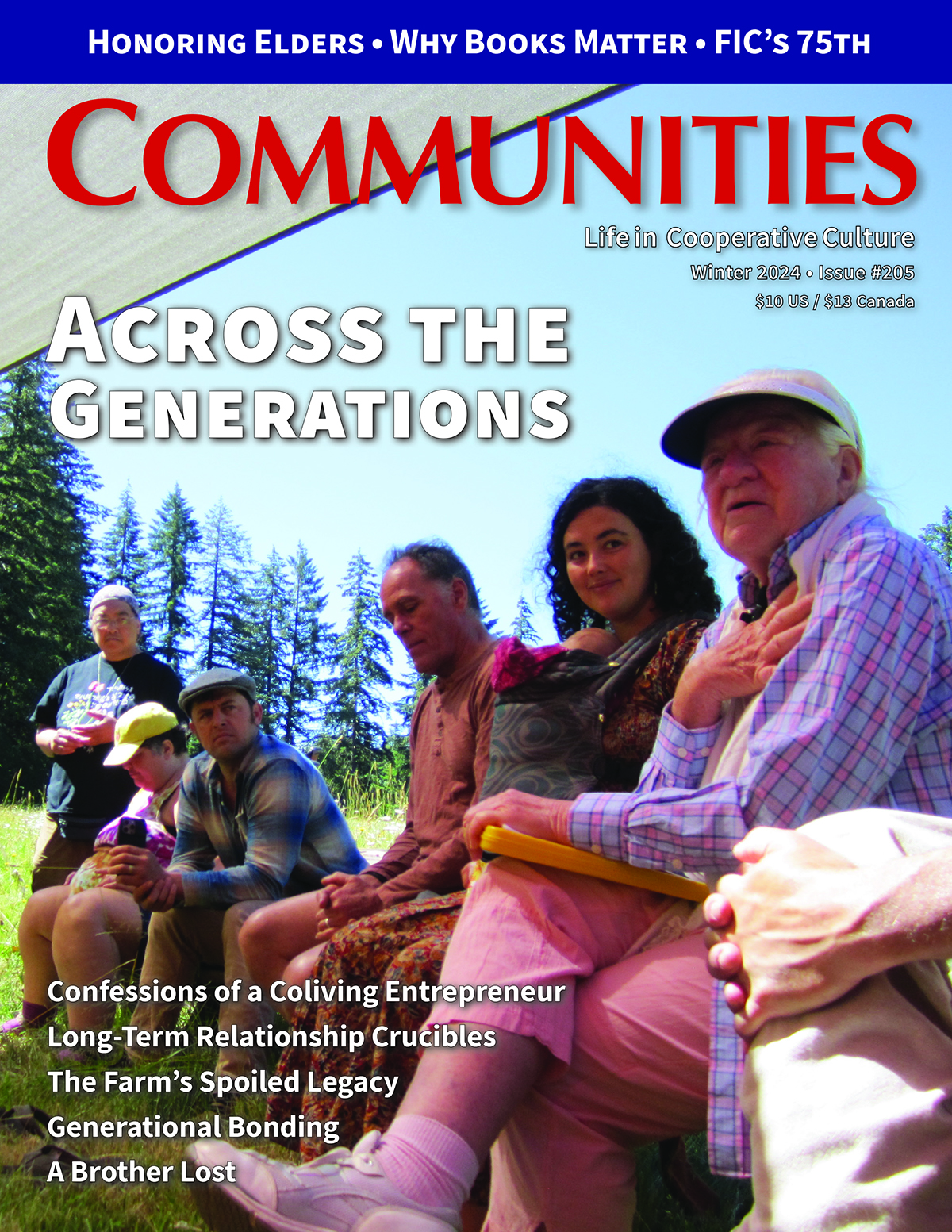
In the latest issue of Communities Magazine, I am filled with gratitude to see a wonderful review by Søren Skovlund of my new book, One Life, Live It!. Additionally, I’m thrilled to share my article titled “Why Books Matter” in this issue, which has also been featured on the Cohousing Co blog. Be sure to grab the Winter 2024 issue to see those among the unique and personally touching articles. | Chuck Durrett’s “Why Books Matter” can also be found on The Cohousing Company’s Blog | |
Photo: Communities Magazine, Winter 2024, Issue #205 | Communities Magazine truly stands out among housing-focused publications, and I commend their courageous commitment to addressing the important issue of diversity. Their dedication to this vital topic is inspiring, and I genuinely appreciate the platform they provide to promote meaningful conversations. A heartfelt thank you to editor Chris Roth for featuring both the review and my article in this issue. | |
|
A Celebration of Learning:
A Morning with the Students of Sierra Academy of Expeditionary Learning
| |
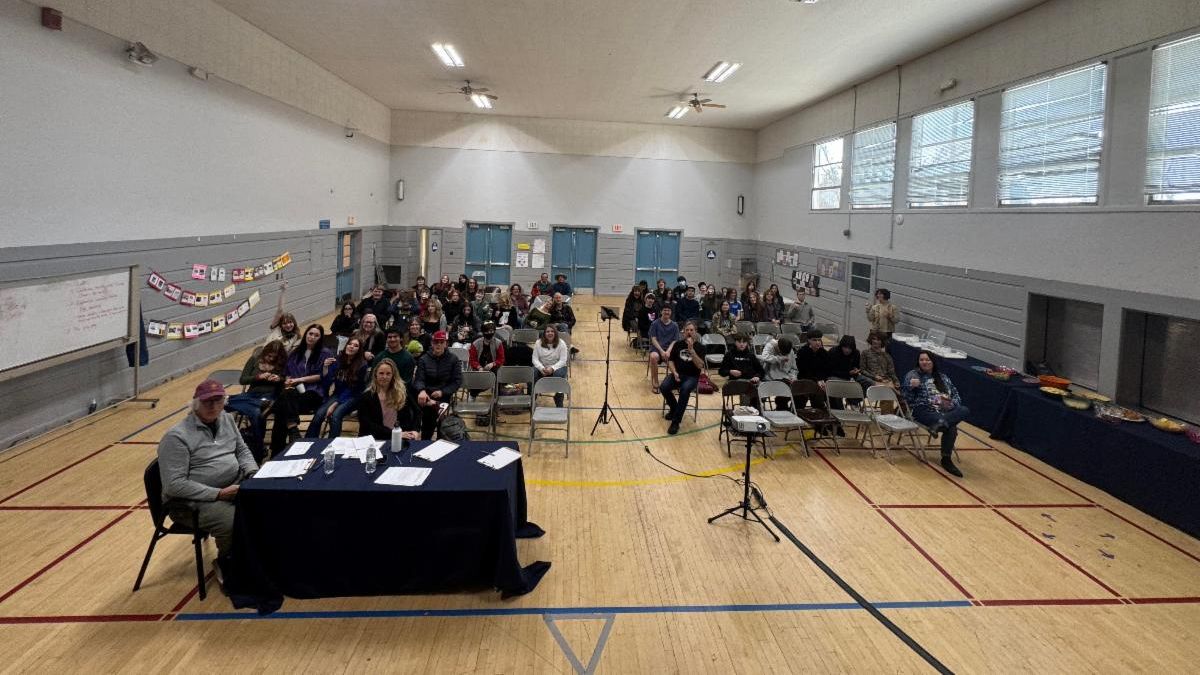
Photo: The Cohousing Company, Charles Durrett judges for the Sierra Academy of Expeditionary Learning, Dec. 11 2024 | |
“Sierra Academy is a tuition free, project-based, college preparatory high school in the Sierra Nevada Foothills of Northern California. We are located in the historic NCE building in downtown Nevada City. Using the nationally acclaimed EL Education model, students take their learning deeper with hands on, interdisciplinary experiences in the classroom and in the field.”
Learn More
| | | |
|
On Wednesday, December 11th, Sierra Academy of Expeditionary Learning (SAEL) hosted an extraordinary event showcasing the remarkable talents of their high school students. Five student groups presented their impressive architecture projects, which were the culmination of months of dedication, collaboration, and creativity. These projects were part of SAEL's hands-on, project-based curriculum—a unique approach that empowers students to apply their knowledge to real-world issues and challenges. As a college preparatory public charter school with a strong emphasis on interdisciplinary learning, SAEL is helping its students develop the skills needed to think critically, problem-solve, and engage meaningfully with their communities.
| |
|
The projects presented addressed a range of complex issues surrounding the redevelopment of a 108-acre site near the former airport site located just outside Nevada City, California, population: 3,000 people. Students tackled topics such as affordable housing, sustainable trails, parks, nature conservation, community event spaces, and the importance of Native American history. They also explored how to create spaces that foster a strong sense of belonging while considering the commercial needs of the area and the pressing issue of mitigating global warming.
I had the distinct honor of serving as a judge on the two-person panel, and it was truly a pleasure to witness the students' creativity, critical thinking, and ability to collaborate in presenting innovative solutions to such significant and meaningful challenges. Their work not only demonstrated academic excellence but also a deep commitment to making a positive impact on the world around them. It was clear to me that these students have a bright future ahead of them.
| |
|
To fully embrace the experience of growing older, it is essential to feel connected, safe, comfortable, and joyful—not only in our homes but also within our bodies, neighborhoods, and broader communities. Families with children should experience a strong sense of love and support, while singles should find companionship and fulfillment in their vibrant neighborhoods. Everyone should feel a connection that allows them to engage with their individuality and the community around them seamlessly.
This is why we are especially grateful for the community that cohousing creates this holiday season, and we extend our appreciation to the courageous entrepreneurs who cultivate these environments into place.
May your hearts be filled with joy, love, fulfillment, and gratitude this season.
Wishing you an amazing holiday season,
From all us here at
The Cohousing Company
| |
|
|
|
We’d love to hear from you! Your feedback is important to us, and we want to know your thoughts on our newsletter. You may have noticed changes in the format and an increase in the amount of information provided. Whether you love the new layout, have suggestions for improvement, or would like to see different content, we’re eager to listen! You can view past newsletters using the link below. Select an icon below or simply reply to this email with your insights—we appreciate your input and look forward to hearing from you!
View Past Newsletters
| | | |
| How did you like this email? | | | | | | |