OCTOBER 2026

Your Peek Into Sacramento’s Coordinated Access System


Stories, updates, and data from Sacramento’s front door to homelessness services.


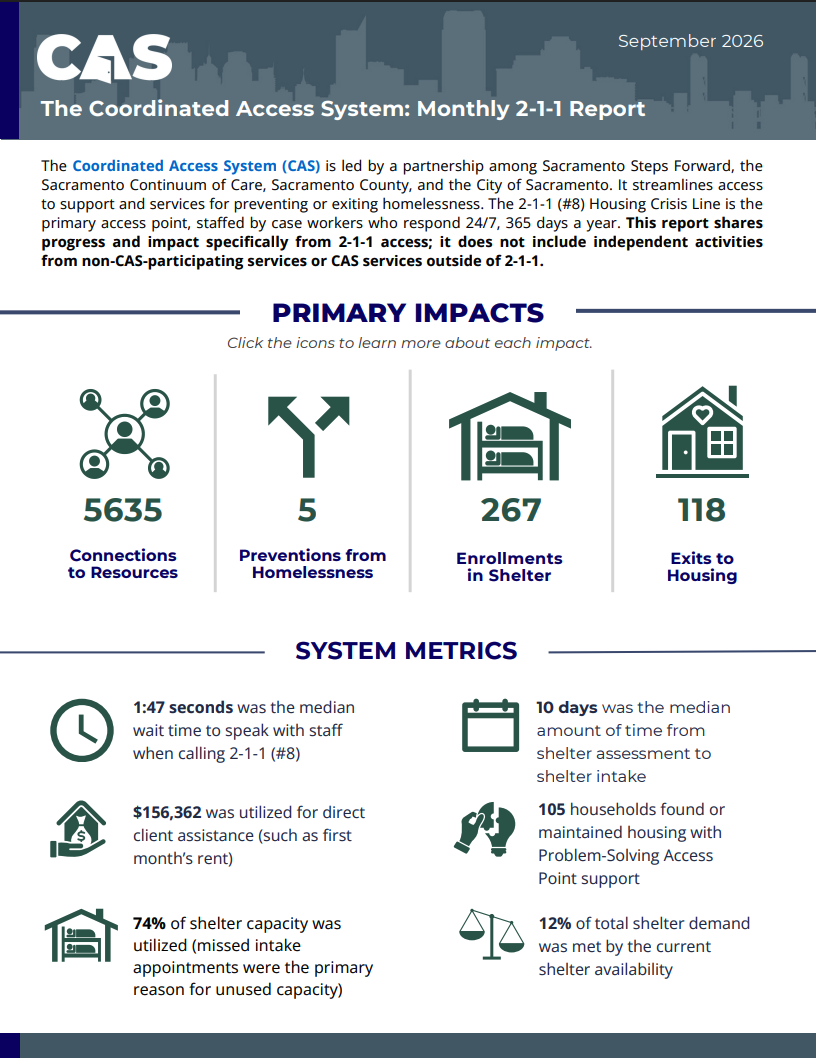
September Data & Analysis


In September, Sacramento’s Coordinated Access System (CAS), through the 2-1-1 Housing Crisis Line, made 5,635 connections to resources, supported 118 exits to housing, and facilitated 267 shelter enrollments. These outcomes are particularly meaningful given that available shelter resources met just 12% of total shelter demand.


Problem-Solving Access Points (PSAPs) supported 105 households in finding or maintaining housing, with $156,362 in direct client assistance helping address financial barriers to housing stability. Shared housing is also emerging as an important pathway, offering households another option when affordable housing opportunities are limited.


READ THE FULL REPORT & ANALYSIS ➜

An Inside Look at Coordinated Access Navigation  


Operated by First Step Communities, the Coordinated Access Navigation (CAN) team works within Sacramento's Coordinated Access System (CAS) to help people experiencing homelessness navigate shelter opportunities and connect with community resources. Through individualized support, coordination with the 2-1-1 Housing Crisis Line, and collaboration with service providers, the team helps bridge the gap between referrals and access to services.


Greg Stupplebeen, CAN Team Program Manager and the subject of this month's Staff Spotlight below, shares how this coordination shapes the team's daily work.


The CAS is central to the daily work of our CAN team. For people experiencing homelessness, navigating available services and finding a path toward stable housing can be challenging. The CAS provides a coordinated framework that helps our team assess needs, connect clients with resources, and support them through that process. From crisis assessments and Housing Conversation Tools to field outreach, much of our work is connected through the CAS. Our dedicated staff engage with clients within 24 hours of receiving a referral through the 2-1-1 Housing Crisis Line, working to understand their immediate circumstances, identify their goals, and explore available services and housing options. This includes connecting clients with community agencies and identifying opportunities to resolve their housing crisis. Throughout these interactions, our team uses a trauma-informed, empathetic approach that recognizes each person's circumstances, preferences, and right to be treated with dignity and respect. 


Another important part of our work is coordinating with 2-1-1 and other CAS partners to help clients access emergency shelter. Our team communicates regularly with 2-1-1 staff, advocates for clients' needs, and helps facilitate referrals and transitions into available shelter placements. Through the CAS, shelter referrals are coordinated based on eligibility, vulnerability, and available resources, helping prioritize households with the greatest needs.  


Our navigators also recognize that entering shelter can be a significant adjustment, particularly for clients who may feel more comfortable in non-congregate settings, such as tiny homes, rather than traditional congregate shelters. We work with clients to understand these preferences, discuss available options, and support them in making informed decisions. When a placement becomes available, our team can help coordinate the transition and provide a warm handoff to shelter staff. While shelter availability remains limited, the coordination provided through the CAS helps reduce gaps in services, maintain communication across providers, and ensure clients remain connected to support as they work toward greater housing stability. 

Updates & Reminders


Presenters Wanted for the 2027 Frontline Learning Collaborative 


Sacramento Steps Forward is seeking presenters for its monthly Frontline Learning Collaborative sessions in 2027! 


We’re looking to connect with organizations making a meaningful impact in our community, particularly those providing services and resources to individuals experiencing homelessness or at risk of homelessness. This is an opportunity to share your organization’s work, highlight innovative approaches, and connect with others dedicated to supporting our community. 


If your organization is interested in presenting in 2027, please contact Shaitra Ken at sken@sacstepsforward.org.

The People Behind the Progress


Behind every referral and placement are people working together to make it possible.


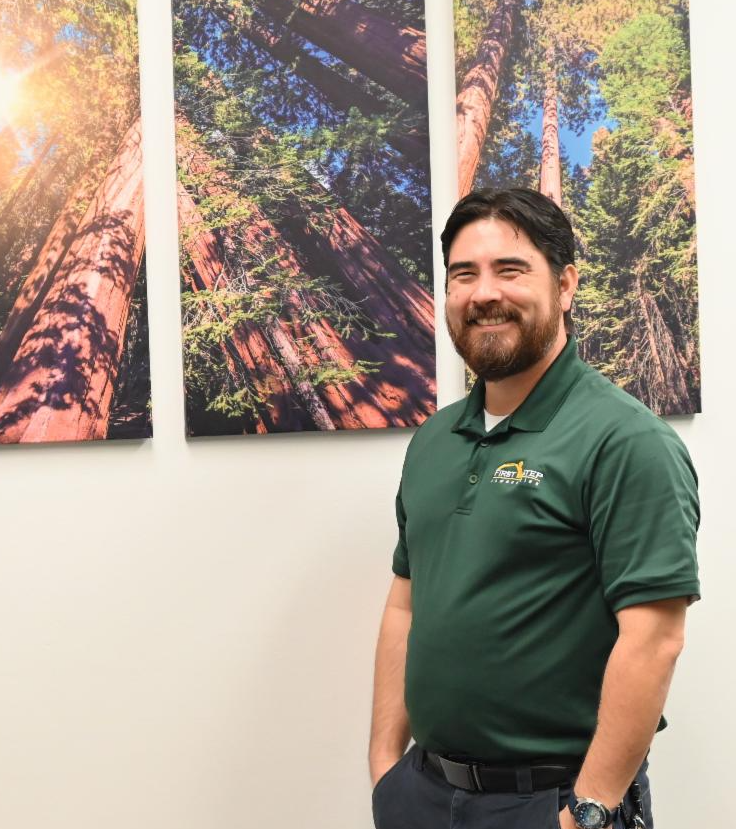
This Month’s Spotlight: Greg Stupplebeen, CAN Team Program Manager, First Step Communities


"What makes me proud? My team. They are fully dedicated to their clients and will do whatever it takes to reduce additional trauma for their clients. Each day, we send out shelter requests and each day we follow up until a spot opens for them. Their clients speak highly of them and that reinforces the importance of the CAS and the CAN Team."


READ THE FULL SPOTLIGHT ➜

The Q&A Corner: Problem Solving Access Points


This month’s most-asked question.


Q: If I already have my client’s documents ready, is there anything else I need to do? 


A: This depends on the client’s current level of document readiness. 


If the client is literally homeless and unable to obtain the documentation needed to establish chronic homelessness, follow the steps below. These steps also apply to clients who are chronic homelessness document ready, the highest level of documentation readiness.


  • Keep the client’s documents and information up to date. 


  • Keep the client active in the Coordinated Access System (CAS). 


  • Ensure the most accurate and current information is reflected in CAS. 


  • Watch for notifications from HMIS regarding new housing programs. 


  • Refresh or complete a new Housing Conversation Tool (HCT) when appropriate. 


If the client is literally homeless and does meet the definition of chronic homelessness, please continue working toward obtaining the necessary documentation while following the maintenance steps outlined above.

🏠︎ Housing Highlights


A New Housing Opportunity is Coming to Sacramento! 


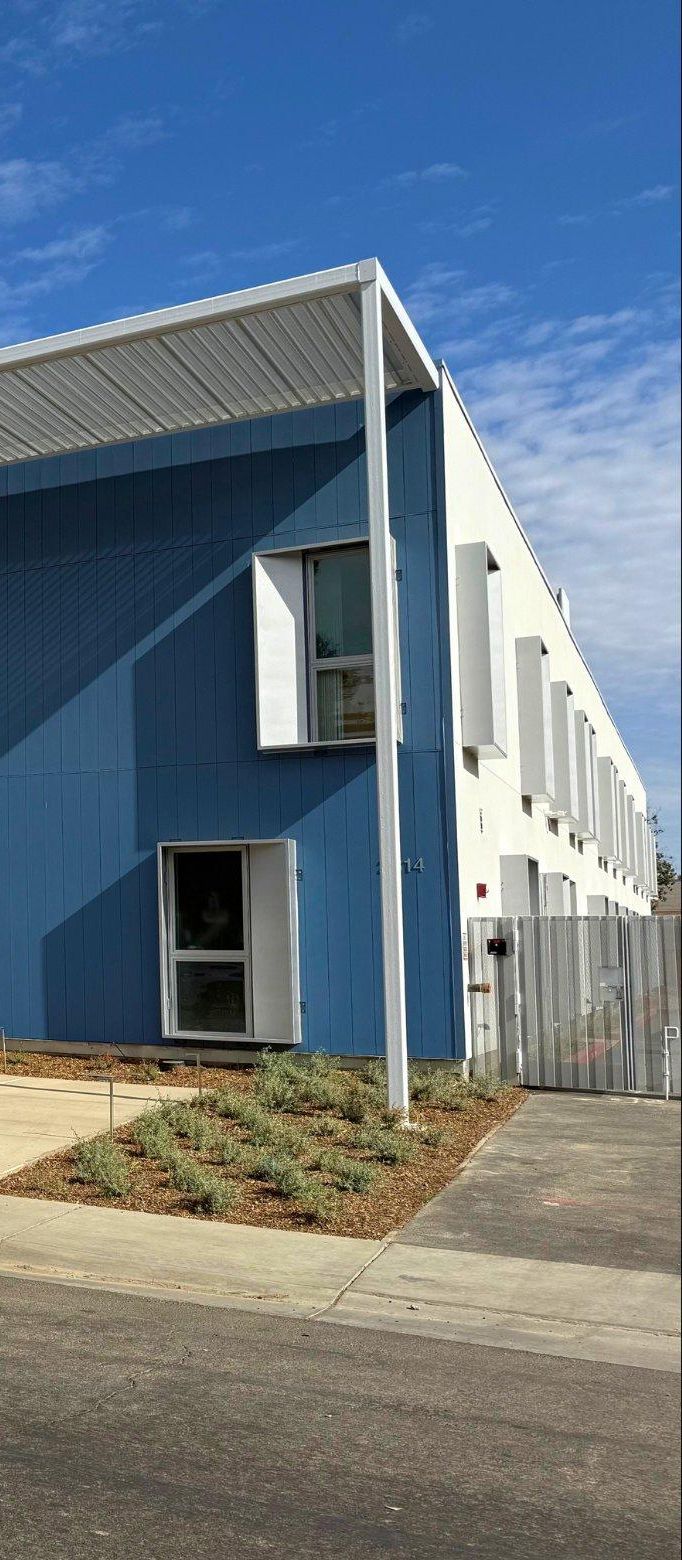
We’re excited to share that the 69th Street Project-Based Voucher site is preparing to offer 60 units of housing (one-, two-, and three-bedroom apartments) for individuals and families who meet HUD’s definition of At-Risk of Homelessness. This program is made possible through a partnership with SHRA, The John Stewart Company, and LifeSTEPS. 


CAS referrals are expected to begin in early November 2026, with move-ins anticipated in late February 2027. 


Please start preparing eligible households now by ensuring Housing Conversation Tools are up to date and all required documentation uploading in HMIS, including:


  • Valid identification,
  • Social Security cards, and
  • At-Risk of Homelessness Certification.


Thank you for helping prepare our community for this exciting opportunity to prevent homelessness! 


Thank you for being part of this work.


Questions about the Coordinated Access System?

Contact: CAS@sacstepsforward.org