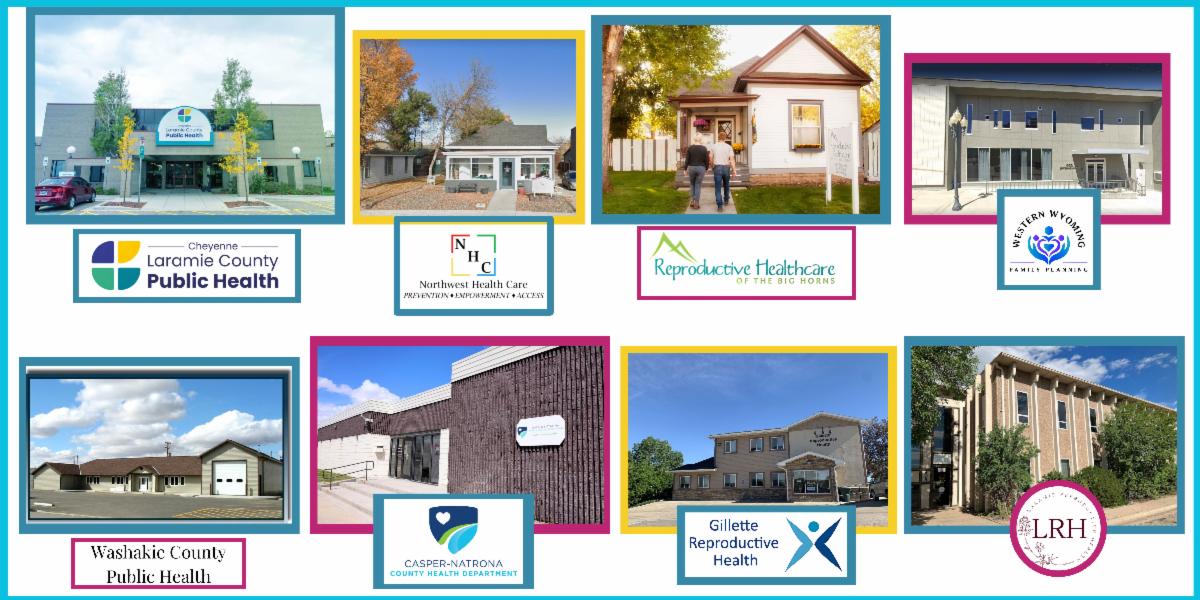
The Wyoming Health Council works to ensure that all people can access equitable, inclusive, high-quality, and affordable reproductive and sexual health care. | | October is Breast Cancer Awareness Month | | |
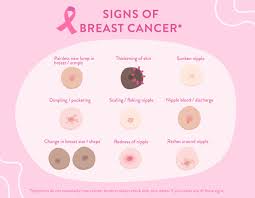
The 7 Breast Cancer Symptoms to Look Out For Early
Breast cancer rates are rising in the U.S. among adults under the age of 50.
While the number of early cases has ticked up steadily over the past two decades, researchers reported a sudden spike in 2016 — and they don’t yet know why.
This year, physicians expect nearly 317,000 new cases and more than 42,000 deaths in women of all ages. The most common cancer among women, less than half of adults recognize symptoms of breast cancer other than a noticeable lump. So, how do you know if you might be at risk?
There are seven symptoms oncologists want people to look out for, and early detection could save your life.
| | |
What To Know About Sex After Caner, From Three Survivors Who Have Been There
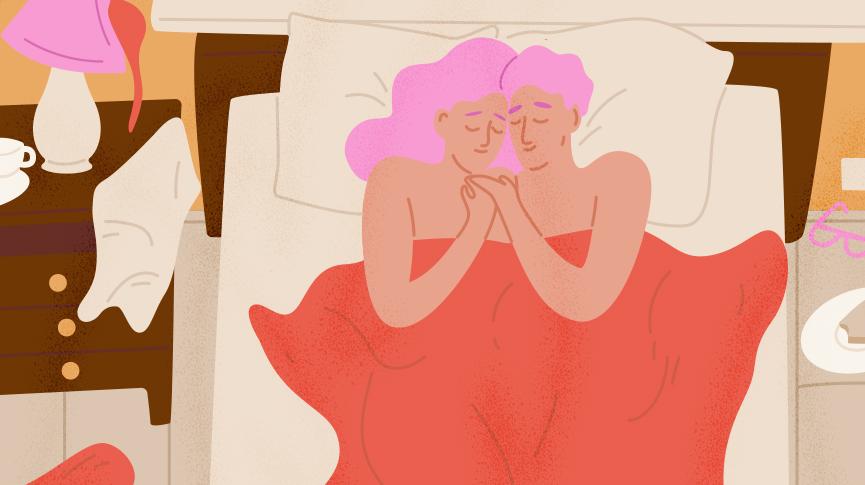
Nearly everyone who goes through breast cancer struggles with sex and intimacy, but most were never told what to expect: 'It's not talked about, but it's hugely important,' says one expert.
More than half of breast cancer survivors responding to a recent survey say they’ve experienced decreased interest in sex. “It’s extremely common,” says Dr. Anne Katz, a sex counselor and author of Cancer, Sex, and Intimacy (out Feb. 10, 2026, available for preorder): “If we don’t talk about it, we’re doing our patients a huge disservice.”
Being prepared for how treatment can change your body—and your sex life—is a good start, she says. “For many women, breasts play an important part in arousal,” she says. “But reconstructed breasts do not respond the same way as healthy breasts.” Partners may need to relearn how to use touch: “Many couples complain about touch hunger. So just ask: ‘Do you want to be touched? Where do you want to be touched?’ ”
| | |
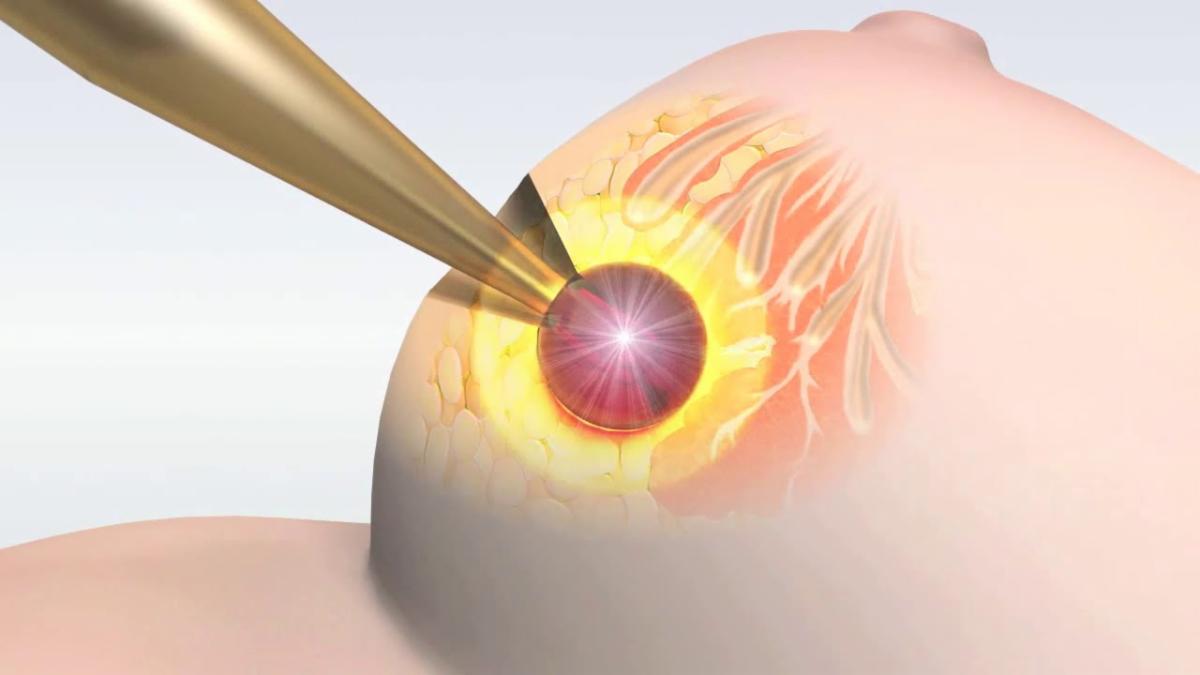
U.S. Women Are Increasingly Shut Out of a Breast Cancer Treatment Valued Around The World
The technique, known as IORT, has numerous benefits, surgeons says, but it generates less money for hospitals and radiation oncologists.
It’s not uncommon for breast cancer patients in the rural South to travel hundreds of miles to reach the medical practice run by Dr. Phillip Ley, a cancer surgeon in Jackson, Mississippi.
For those who are good candidates, Ley recommends a therapy that delivers a single, targeted radiation dose to a patient’s breast tissue immediately after surgery to remove a tumor. Known as intraoperative radiation therapy, or IORT, it costs patients less in both time and money than traditional radiation treatments, and it is far less grueling.
“For our patient population here, [IORT] has been such a boon because we have so many rural patients,” said Ley, who is the director of oncology services at Merit Health Surgical Oncology. “I have patients that don’t have enough gas money to go to radiation every day.”
But the treatment is not as widely available in the United States as it once was, according to interviews with a dozen breast surgeons. They contend that is because it cuts into the revenue of doctors and hospitals that rely on the far larger sums of money generated by traditional radiation treatments.
| | |
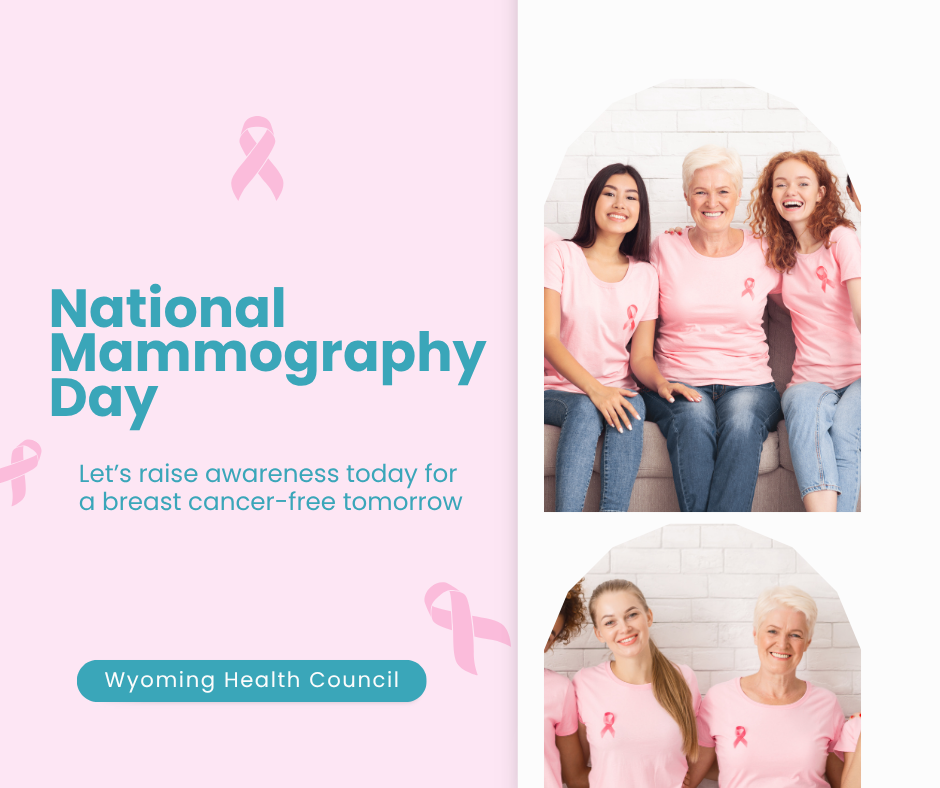
Here's Why You Should Get Screened For Breast Cancer With A Mammogram
In the United States, nearly 1 in 8 women (13%) will develop invasive breast cancer at some point in their life. While this statistic can seem daunting, early detection with mammograms can significantly improve health outcomes. A mammogram, which is a diagnostic imaging test that uses x-rays to identify breast cancer even before symptoms occur, represents the most effective method to screen for breast cancer. If you are a female, here are important reasons why you should get screened for breast cancer.
Mammograms Are Life-Saving
The most important reason to get a mammogram is that it can save your life. This test has the ability to detect breast cancer even before you feel a lump on your body, or even before you have other symptoms of breast cancer like pain, nipple discharge or nipple retraction. Catching breast cancer at an early stage, when there are no symptoms to begin with, is associated with better survival and more effective treatment. Research consistently shows that screening at the age of 40 saves lives compared to no screening with mammography.
| | | You can get a mammogram in Wyoming without insurance through the Wyoming Cancer Program and its partnership with the Wyoming Breast Cancer Initiative. | | |
*Let's Talk Month*
Parents want the best for their children and teens. That means helping them with homework, encouraging their hobbies, and … talking about sex and relationships.
During Let’s Talk Month each year, young people and parents are encouraged to communicate with one another about sexuality — including relationships, bodies and body image, reproduction, gender, sexual behavior, and preventing pregnancy and STDs.
| | |
6 Ways To Talk To Your Teens About Sex Without The Cringe
Parents play an important role in teaching their children about sex and relationships. But our new report shows many parents – fathers in particular – find it mortifying.
Our national survey of 1,918 parents shows they are most likely to be very confident talking with children about body image (45%) and puberty (38%) and least confident talking about masturbation (12%) or sexual satisfaction (13%).
Mothers are more likely than fathers to start discussions about sex (32.3% vs 23.9%).
Our survey confirms the most common barriers to discussing sex with children are children feeling uncomfortable or refusing to engage. But parents are uncomfortable too, fearing they’ll say the wrong thing, and not knowing how to start the conversation.
But if a teenager knows their parents are up for non-judgemental discussions about sex, they’ll be more likely to share what is happening in their lives, ask questions and seek help when they need it.
Here’s how to start those discussions, even if you feel awkward.
| | | |
National Period Action Day
October 11th
| | |
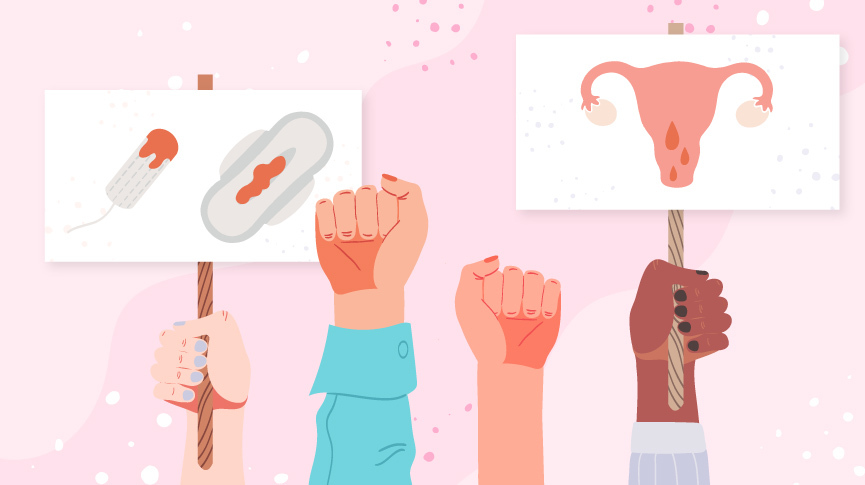
Period Overtly and Its Real Reach Across The U.S.
A recent study highlighting potentially toxic levels of metals in a sample of store-bought tampons has raised concerns among some members of the public and garnered attention in the media. While this study only showed the potential for toxicity—not an increased level of toxins in individuals who use the selected brands of tampons—it does highlight the importance of individual choice in access to period products. While some people may find that tampons are the most comfortable and convenient option, others might feel more comfortable using reusable or organic products. Those in the U.S. who can afford to buy the period products they need at their convenience have a plethora of choices available to them—pads or tampons, with an applicator or none, organic or not, disposable products or reusable ones.
However, a shockingly large percentage of those who menstruate in the U.S. cannot afford the period products they need, when they need them. These individuals often have no choice. They rely on homemade, makeshift products like toilet paper, paper towels, rags, or cut up diapers. Alternatively, they may rely on donated products from schools, food pantries, churches, or other community organizations. In these cases, their choices are often restricted to whatever items have been donated, which may not always align with their specific needs.
| |  | |
Period Poverty-Why Millions of Girls and Women Cannot Afford Their Periods
Millions of women and girls worldwide still cannot afford menstrual products or access water and sanitation facilities to manage their menstrual health and hygiene. Periods make them miss school, work, and negatively impact their health, but it does not have to be that way.
Every month, more than two billion people[1] around the world menstruate. Menstruation – or period – is a natural and healthy process, yet millions of women and girls cannot afford menstrual products or access to safe water and sanitation to manage their menstrual health and hygiene. This interrupts their lives, rights, and freedoms.
Period poverty refers to the inability to afford and access menstrual products, sanitation and hygiene facilities and education and awareness to manage menstrual health. Simply put, period poverty costs women and girls too much and it doesn’t have to be this way.
| | | |
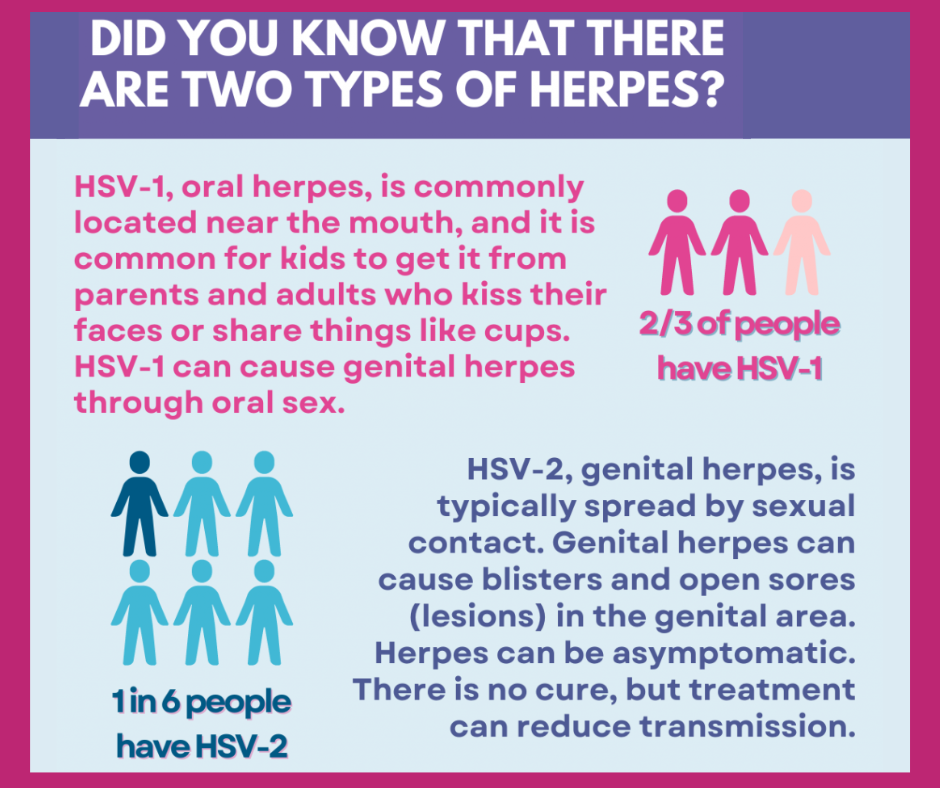
National Herpes Day
Oct 13
| | |
Facts About Genital Herpes (HSV-2): Everything You Need To Know
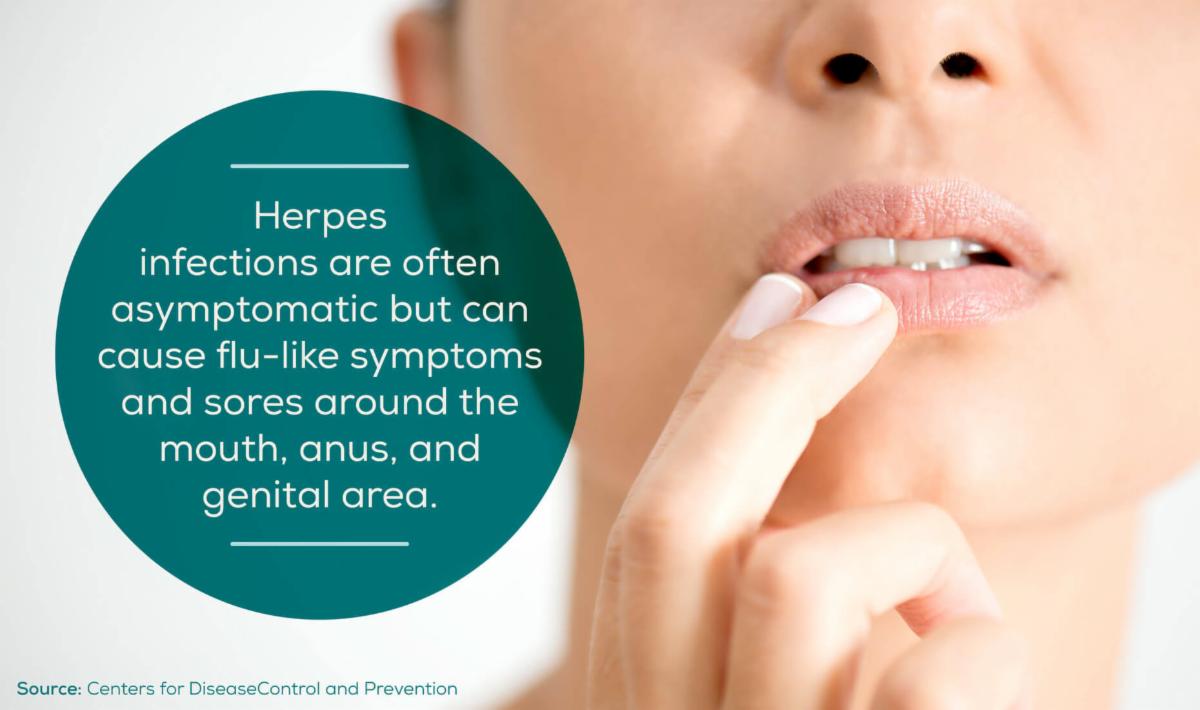
Herpes simplex virus type 2 (HSV-2) is the virus most commonly linked to genital herpes, a sexually transmitted infection (STI) that causes painful blisters and ulcers on the penis, vagina, or rectum. The virus is passed during intimate sexual contact prior to and following the outbreak of ulcers.
Herpes simplex type 1 (HSV-1) is a related virus more commonly linked to oral herpes (a.k.a. cold sores). Even so, HSV-1 can sometimes be passed to the genitals during oral sex.
Although HSV-2 accounts for most genital herpes outbreaks, it is impossible to tell which virus caused the infection without lab tests.
This article looks at the causes and symptoms of genital herpes and explains how this common viral disease is diagnosed and treated. It also offers tips on when to seek treatment to potentially reduce the duration and severity of an outbreak, or to suppress and prevent outbreaks and transmission.
| | | |
How To Date With Herpes, According To Doctors and Someone Who Has It
Everyone knows that dating is hard, and finding the One feels daunting. So imagine my horror when I tested positive for HSV-1 and had to try dating with herpes.
If you find yourself in a similar boat, know that I’m writing from the other side. It’s been over a decade since I was diagnosed with herpes, and it’s not just something I’ve learned to live with but a condition I've grown comfortable talking about.
Seriously, ask any of my friends—they can likely retell my diagnosis story verbatim (it was St. Patrick’s Day and my outbreak was initially misdiagnosed as a mosquito bite in my vagina).
“People panic because we are very uneducated about STIs, especially herpes,” content creator Tricia Wise, who runs the HSV empowerment and sex positivity Instagram account @Safe.Slut, tells Glamour.
Dating with herpes might be hard, but that's only because dating is hard period, not because of HSV.
Still, it can be helpful to educate yourself on what it means to live with and potentially transmit HSV. This way, you can go on to educate your future partner(s) accordingly—or, at the very least, calm yourself down about what it really means to live with your newly acquired virus.
Ahead, everything you need to know about dating with herpes, according to doctors specializing in sexual health and people who have it. You've got this; I promise!
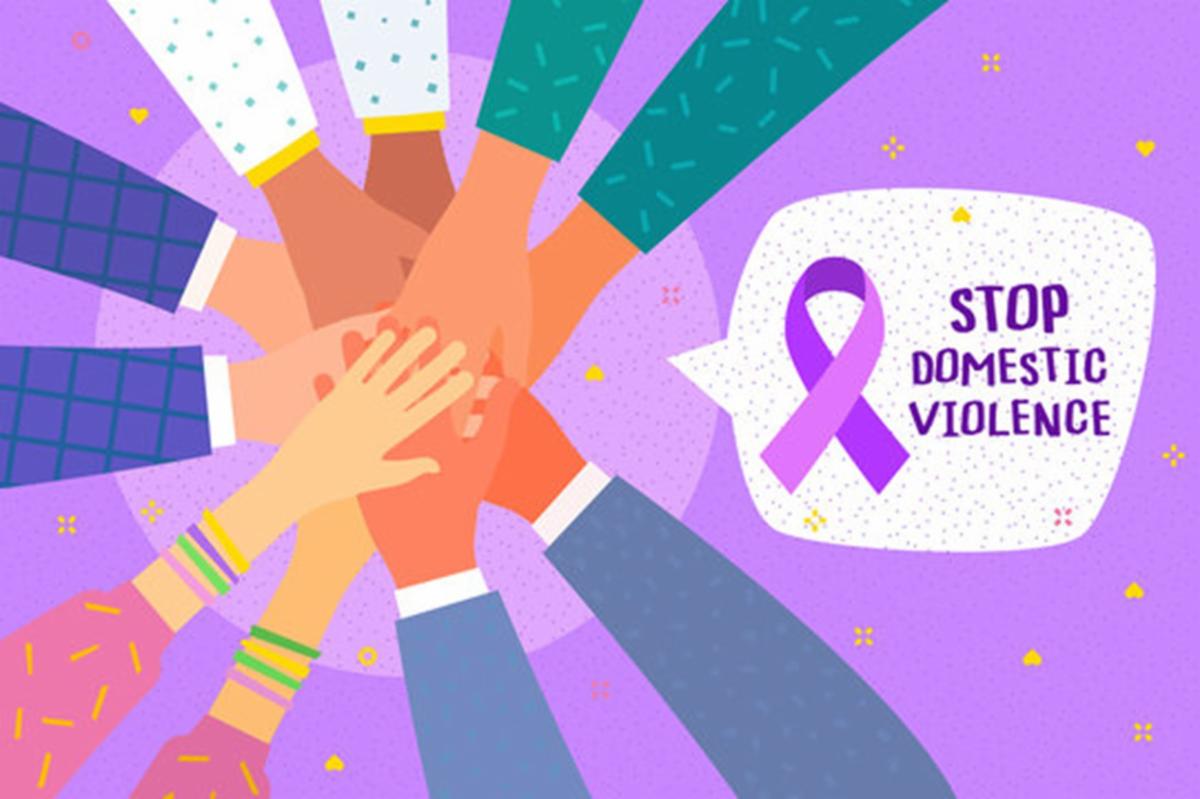
| | | Domestic Violence Awareness Month | | We all have relationships with friends. Some may even become romantic! Sure, relationships can be complicated. Do you know the difference between a healthy relationship and an unhealthy relationship with a friend or romantic partner? | | |
What I Learned Working With Survivors of Domestic Violence
In her testimony in New York federal court last week, Casandra Ventura, also known as Cassie, detailed shocking revelations about the horrific abuse she suffered at the hands of Sean (Diddy) Combs, who is currently on trial for racketeering conspiracy and sex trafficking. And almost immediately, social media started bubbling with an old chestnut of a response: “Why didn’t she just leave?” That question reveals a dangerous myth about domestic violence—namely, that a survivor can just walk out the door anytime.
Did you know that the most lethal time for a person in an abusive relationship is when they are attempting to leave or after they have left? I didn’t. When I took the position of associate director for my rural North Carolina county’s domestic violence and rape crisis response agency, I spent the first six months in my new job unlearning misconceptions about the common experience of domestic violence, also called intimate partner violence. I discovered that 75 percent of domestic violence homicides occur either when she’s trying to leave or after she has left, and that the risk factor for homicide remains high for at least two years after a breakup, since ex-partners frequently stalk and continue to abuse survivors even after the relationship has ended.
| | | |
Understanding and Addressing Intimate Partner Violence in Healthcare
October is recognized as Domestic Violence Awareness Month in the United States. According to the National Coalition Against Domestic Violence, nearly 20 people in the United States are physically abused by an intimate partner per minute.
It is important to remember the vital role that health care practitioners can play in raising awareness about this issue and contributing to efforts to prevent it and care for patients impacted by intimate partner violence (IPV). Central to these efforts is the importance of the patient’s voice.
The American Medical Women’s Association recently held its second conference centered on educating health care providers about IPV through the voices of patients and other stakeholders – and shedding light on how to best intervene to support and protect patients.
Please consider the suggestions below on ways to improve identification and response to IPV in your health care setting.
| | |
Please consider supporting reproductive and sexual health care in Wyoming!
You can donate directly to us—100% of your contribution goes toward supporting health care access in our state.
| | | |
This newsletter was developed (in part) with federal funds from the Office of Population Affairs. For more information on the rules and regulations that apply to our programs, please visit
https://opa.hhs.gov/grant-programs/title-x-service-grants
This project is supported by the Office of Population Affairs (OPA) and the Office of the Assistant Secretary of Health (OASH) of the U.X. Department of Health and Human Services (HHS) as part of a financial assistance award 1 FPHPA 006541-0-00 totaling $978,380 with 100 percent funded by OPA/OASH/HHS. The contents are those of the author and do not necessarily represent the official views of, nor an endorsement, by OPA/OASH/HHS or the U.X. Government.
| |
WYOMING HEALTH COUNCIL
111 S. Durbin, Suite 200
Casper, WY 82601
Call Us: (307) 439-2033
| | | | | |