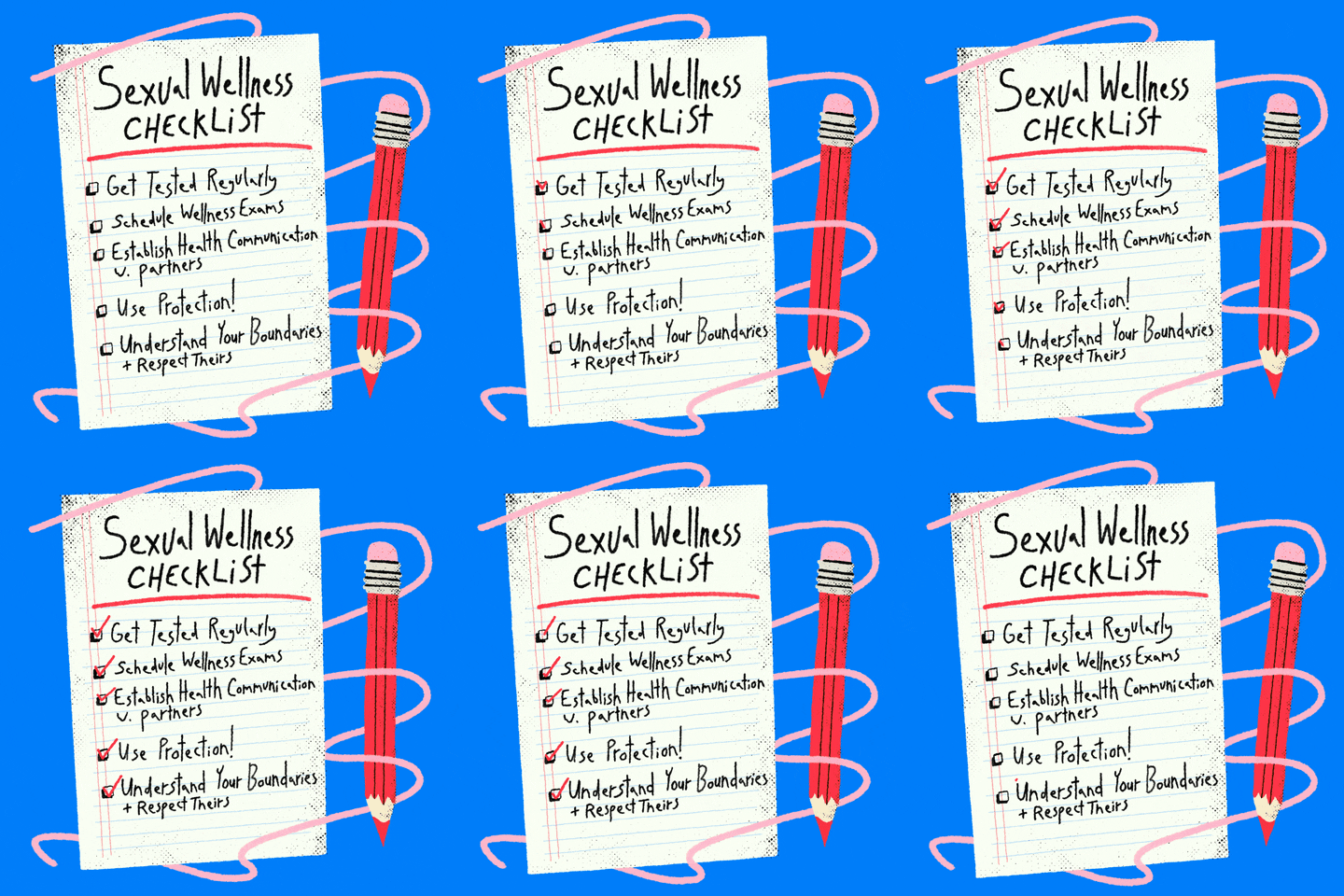
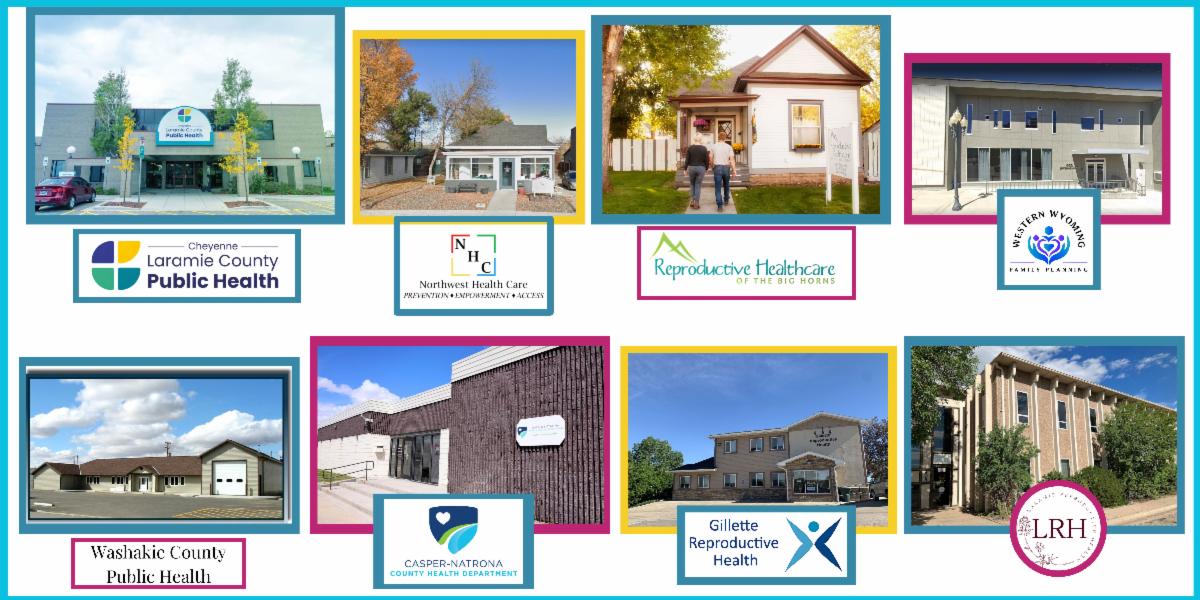
The Wyoming Health Council works to ensure that all people can access equitable, inclusive, high-quality, and affordable reproductive and sexual health care. | | |
House Appropriations Full Committee Markup Decimates Title X Family Planning Program
September 10, 2025
Washington, D.C. – The National Family Planning & Reproductive Health Association (NFPRHA) issued the following statement in response to the House Labor-Health and Human Services, Education, and Related Agencies (Labor-HHS) Appropriations Committee fiscal year (FY) 2026 funding proposal, attributed to Clare Coleman, President & CEO of NFPRHA.
“The U.S. House Appropriations Committee marked up a bill on Tuesday that would entirely eliminate funding for the Title X family planning program. Title X supports a network of more than 3,000 providers nationwide that offer care to millions of people. As restrictions on reproductive health care intensify every day across the country, it’s paramount that people continue to have access to indispensable care from the federal family planning program, like cancer screenings, STI testing and treatment, contraception, and other vital sexual health services.
“Many members of Congress claim to support access to contraception, yet repeatedly fail to back policies that make contraception available and accessible. Eliminating funding for Title X is just the latest example of that disconnect. Zeroing out the program would devastate the capacity of safety-net providers to meet growing family planning and sexual health needs. More than one-third of patients who rely on Title X are uninsured, 65% live at or below the federal poverty line, and more than 20% have limited English proficiency. Without the critical resources, agencies will be forced to shorten hours, lay off staff, and even close their doors, leaving patients without access to care."
“NFPRHA urges Congress to reject this reckless proposal.”
| | |
7 Ways to Celebrate Sexual Health Awareness Month
Fun, easy tips to celebrate your body, pleasure, and health!
September is Sexual Health Awareness Month, which makes it a perfect time to give yourself, and your body, a little extra attention. Sexual health can sound serious, but the truth is, it isn’t just about what happens in a doctor’s office. It’s about feeling good in your body, having honest conversations, and making choices that support your joy, your confidence, and your well-being overall. And that sounds like something worth celebrating to us! So here are seven fun and simple ways you can join in this month:
| |  | |
7 'Embarrassing' Sex Questions Experts Get Asked All The Time
From vibrators to penis size to whether squirting is just pee, these are the topics sex educators say people secretly want to know more about.
Conversations about sex are happening more freely and frequently than they once did. But even as we become more comfortable discussing certain topics, there are others that still make some people a little bashful.
We asked sex educators to share the seemingly “weird” or “embarrassing” questions they actually get asked all the time. If you, like so many others, have wondered about some of these things, you’re definitely not alone ― so there’s no reason to be embarrassed.
Below, sex experts reveal seven common questions and their answers.
| | | |
Activate-6 Tips for Youth-Supporting Professionals for Talking with Youth About Sexual and Reproductive Health
Youth-supporting professionals can play a critical role in educating youth about sexual health. For example, professionals can support young people in developing the skills they need to safely negotiate sexual encounters. When professionals approach conversations with youth about sexual and reproductive health openly and honestly, they can build and maintain a rapport with young people.
This tip sheet provides youth-supporting professionals with six tangible recommendations to promote effective and open conversations about sexual and reproductive health with young people, especially youth who are in the child welfare or juvenile justice systems or who are experiencing homelessness or disconnection from work and school (also referred to as opportunity youth).
| | | |
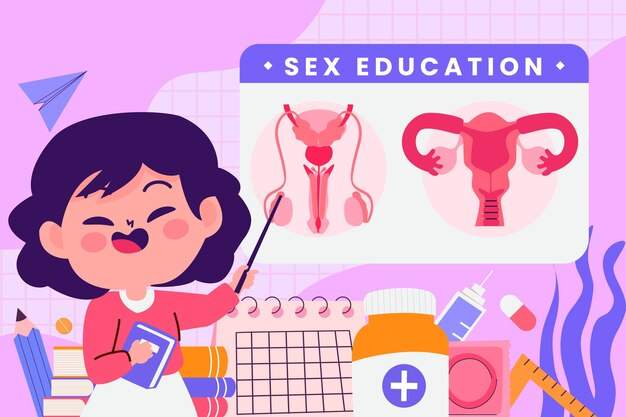
Sex Ed 101 For Educators
Whether you’re a teacher, health educator, sex educator, peer educator, program facilitator, or any other kind of youth-supporting professional providing sex ed programming for young people, this elearning is for you!
Providing quality sex ed is more than just anatomy and pregnancy. But how do you focus on all the stuff that matters to help young people make informed and healthy choices? How do you explain consent? How do you help young people feel more comfortable? How much should you share about your personal life? How does birth control work? For all these important questions and more, we’ve got you covered with these short, practical elearning lessons.
Sex Ed 101 for Educators has 14 lessons to cover the basics of what you need to know. Go through all 14, or pick and choose what works best for you. Review the units in any order, at your own pace. With each lesson, we identify the Professional Learning Standards for Sex Education topics and indicators addressed, so you can get the professional development you need to continue to build your sex ed facilitation skills.
| | | |
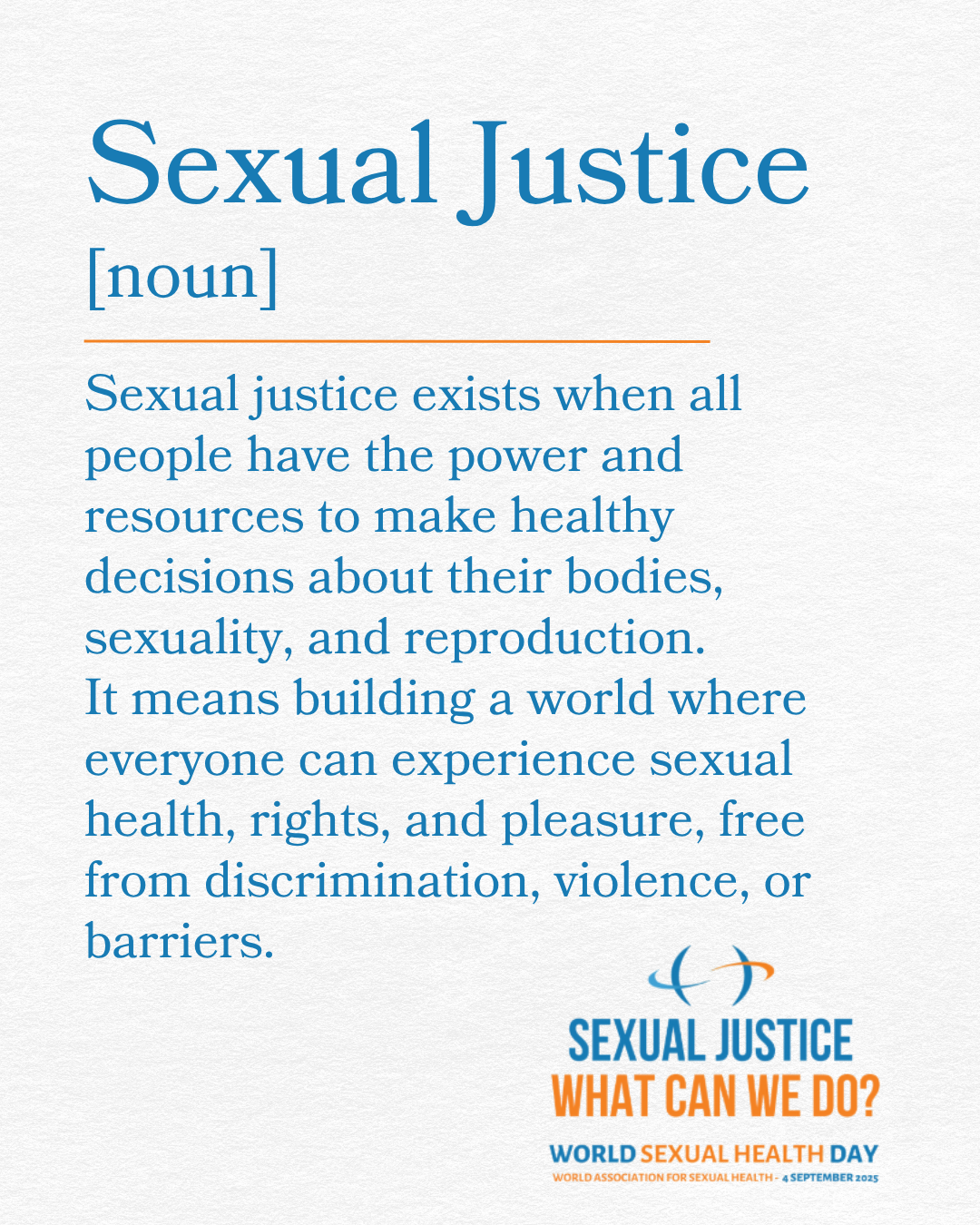
World Sexual Health Day 2025
Sexual Justice: What Can We Do?
| | World Sexual Health Day was created by The World Association for Sexual Health (WAS) in 2010 to promote sexual health and rights globally. Launched by then-President Rosemary Coates, the day aims to break down social taboos, encourage dialogue, and recognize sexual health as a fundamental human right, with events held annually on September 4th. | | |
Female Condom Day
September 16
| | |
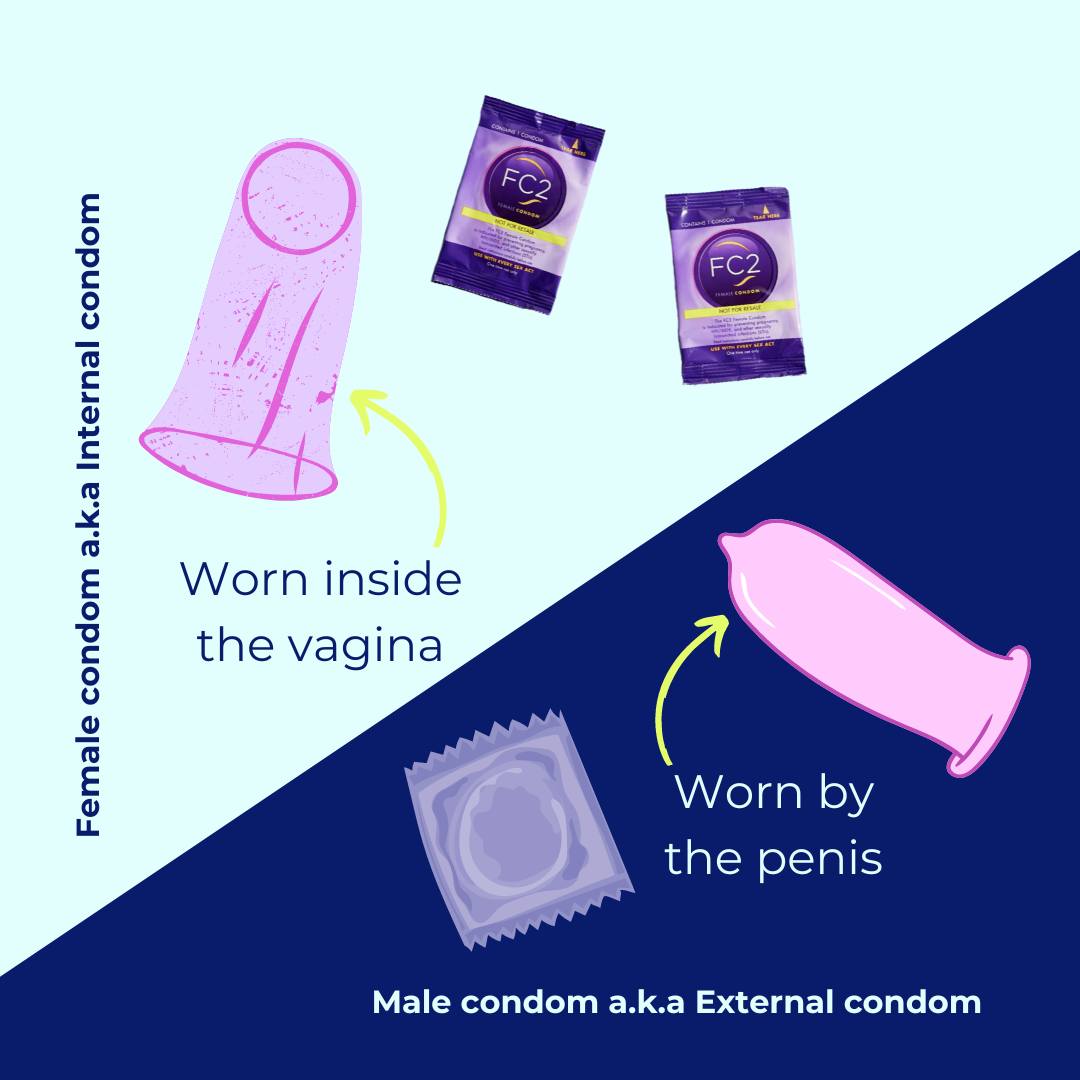
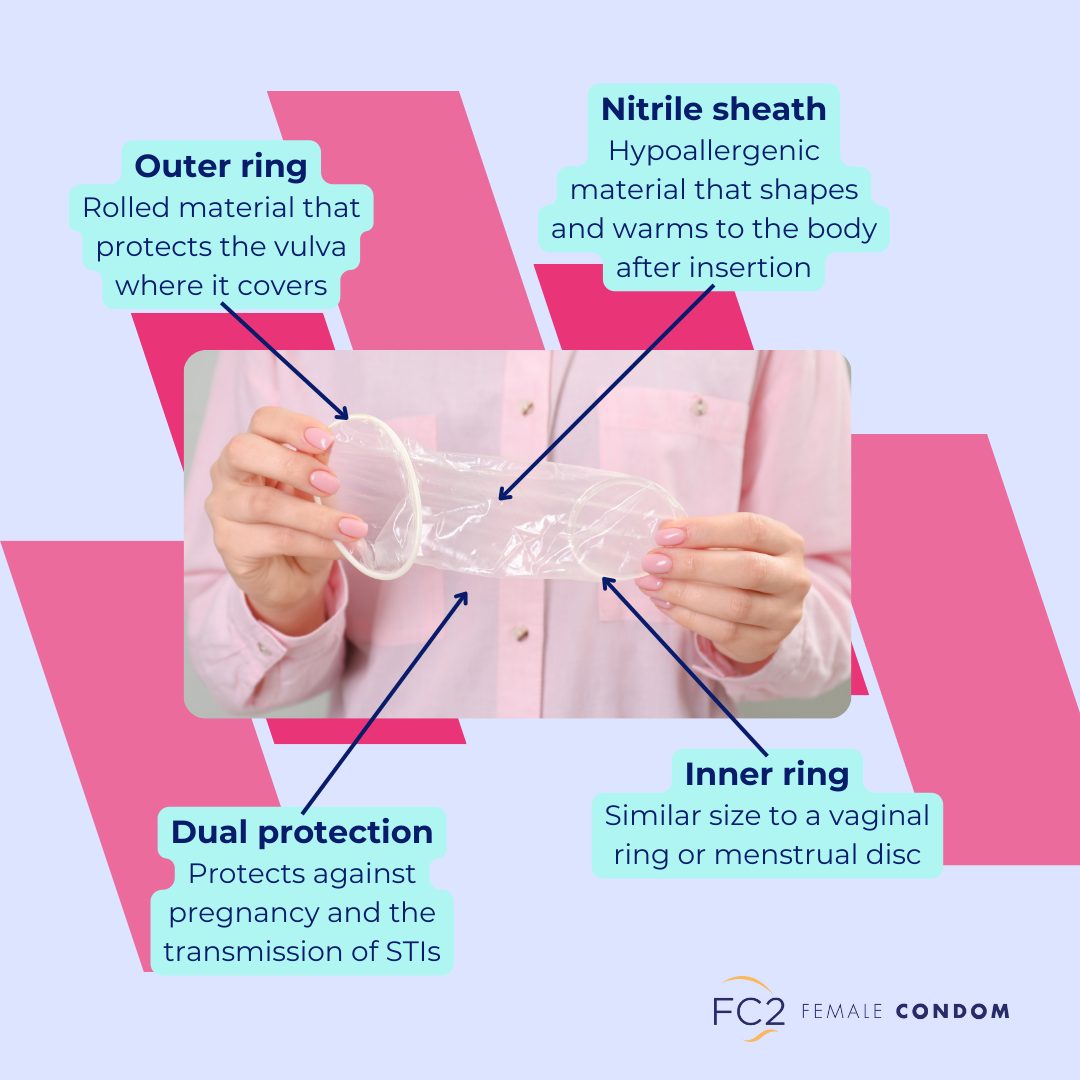
A group of advocates founded Global Female Condom Day (GFCD) in 2012. They believe, as do we, that female condoms are a powerful tool for protection and pleasure. Advocates, health providers, NGOs and sex educators across the globe now recognize September 16 as an international day of action focused on increasing knowledge, availability, and use of female condoms. For more background information, click here.
Why is GFCD important?
- The female condom is still the ONLY dual protection method that is under the full control of the woman.
- Female condoms save lives, and they provide women and girls around the world with an additional option to protect themselves against STIs, including HIV and Zika, as well as unplanned pregnancies.
- In times of scarcity and tight budgets, supply of female condoms is not something to take for granted.
| | |
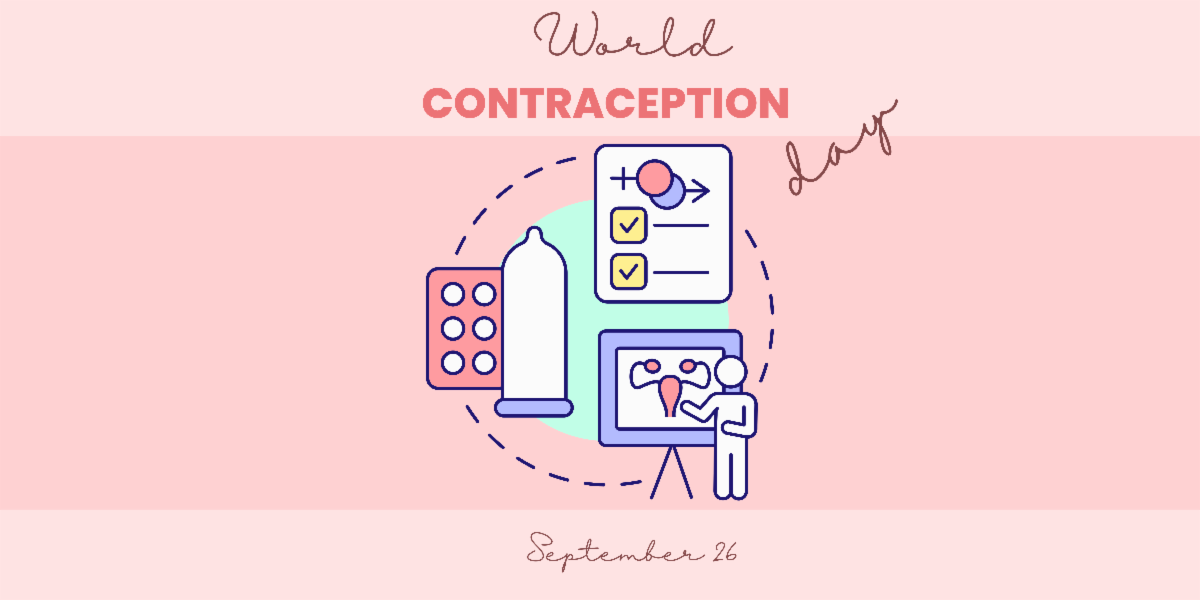
World Contraception Day
September 26
| | |
New Study Reveals Global Progress Towards Reducing Inequalities in Family Planning Access
From 1990-2020, 48 countries reduced socioeconomic-related inequalities in both modern contraceptive use and demand for family planning satisfied by modern methods.
While the “120 by 20” goal was not achieved, the researchers found notable improvements in the usage of contraception in these 48 countries, that represent 86% of the FP2030 population. Researchers examined two rounds of Demographic and Health Survey data per country, to assess the progress in reducing socioeconomic related inequalities in modern contraception prevalence rate and demand for family planning satisfied by modern methods among in-union and all women of reproductive age. Modern contraception methods include oral pills, intrauterine devices (IUDs), injections, male or female condoms, male or female sterilization, implants, and lactational amenorrhea. Women are considered to have a demand for family planning if they are sexually active but wish to delay, space, or limit childbearing.
| | | |
U.S.-funded contraceptives for poor nations to be burned in France, sources say
The supplies comprise contraceptive implants and pills, as well as intrauterine devices to help prevent unwanted pregnancies.
U.S.-funded contraceptives worth nearly $10 million are being sent to France from Belgium to be incinerated, after Washington rejected offers from the United Nations and family planning organizations to buy or ship the supplies to poor nations, two sources told Reuters.
The supplies have been stuck for months in a warehouse in Geel, a city in the Belgian province of Antwerp, following President Donald Trump’s decision to freeze U.S. foreign aid in January.
They comprise contraceptive implants and pills as well as intrauterine devices to help prevent unwanted pregnancies, according to seven sources and a screengrab shared by an eighth source confirming the planned destruction.
The U.S. government will spend $160,000 to incinerate the stocks at a facility in France that handles medical waste, according to four of the sources with knowledge of the matter, following Trump’s decision to shut down the U.S. Agency for International Development (USAID).
| | | |
Birth Control Access: Scorecard evaluates family planning policies across the U.S.
When it comes to ease of finding affordable contraception, a new report finds "stark" differences from state to state.
There are “two different Americas” when it comes to birth control, family planning experts say.
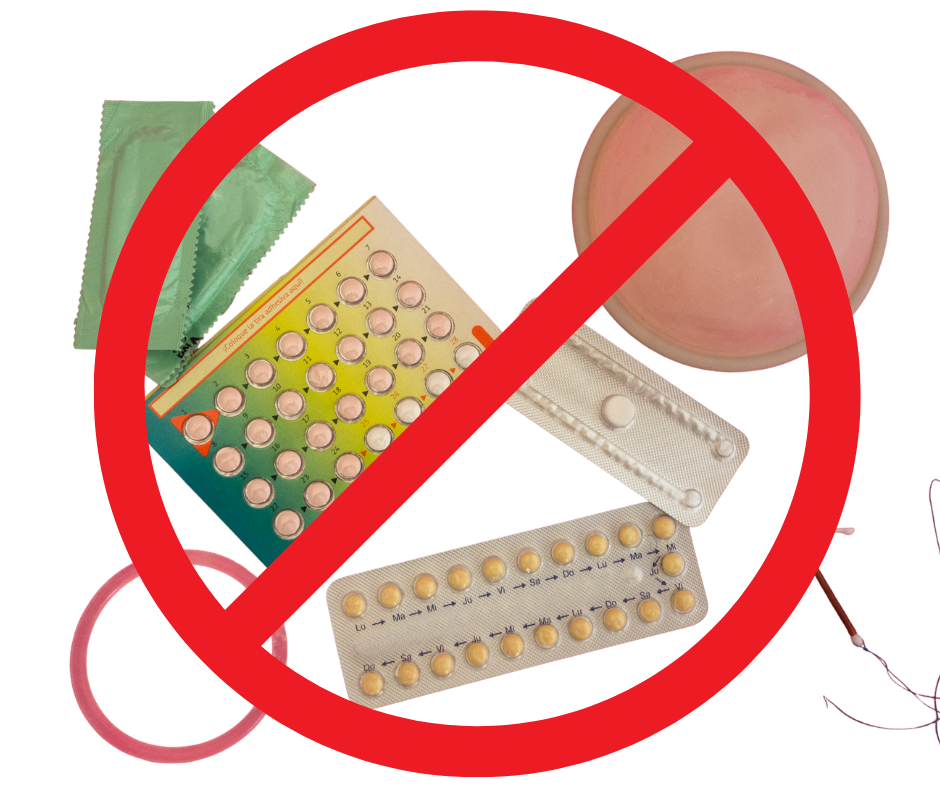
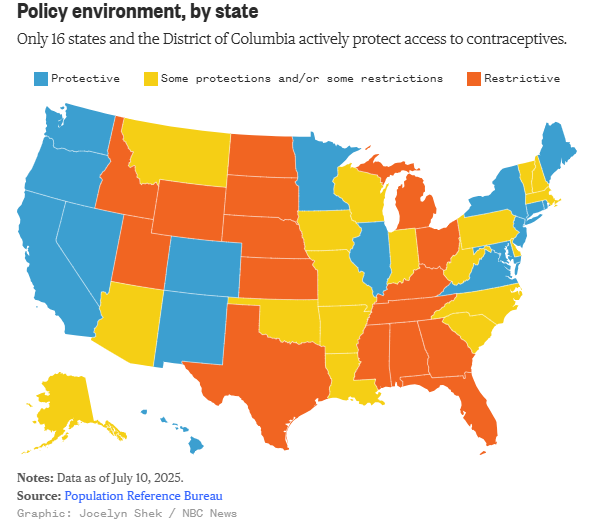
A new report finds that only a third of states protect access to affordable contraception through their policies, such as Medicaid expansion or requiring health insurers to pay for prescriptions for months at a time.
The report, released Wednesday, analyzed current birth control policies across the 50 states and Washington, D.C. It comes as finding affordable birth control becomes more difficult for many women across the country and as conservative state and federal lawmakers look to limit access to some forms of contraception.
The report — a state-by-state contraceptive policy scorecard — shows how important local legislation is to family planning and health care.
“Seeing the full picture across all 50 states and D.C. really solidified how uneven access is,” said Christine Power, a senior policy adviser for the Population Reference Bureau, a nonprofit that analyzes population data from around the world and published the report.
| | | |
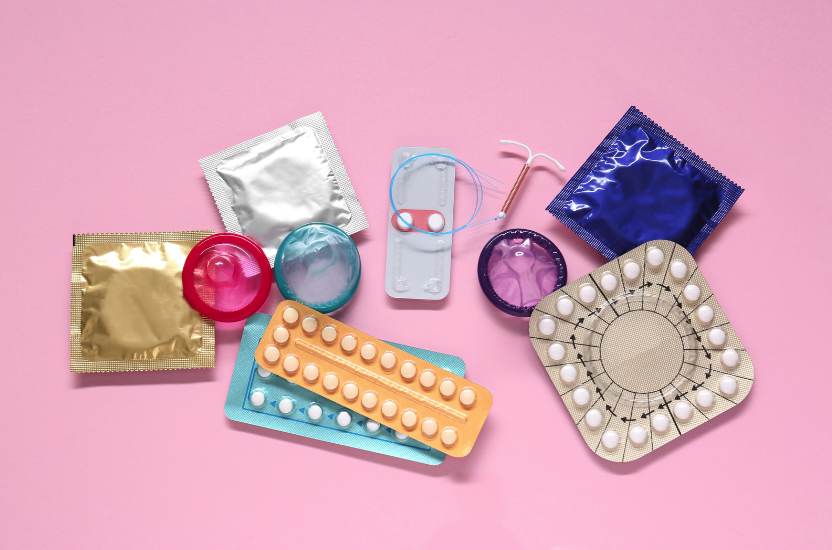
Which Birth Control is Right For Me?
Top things to know about choosing a birth control
- There are a variety of options when it comes to choosing a type of birth control
- Some birth control options have hormones and others don’t
- It’s best to choose the birth control you’ll use correctly and consistently
If you’ve decided you’re ready for birth control, you’ve definitely got options. But choosing the type of birth control that’s right for you can be overwhelming. Don’t worry—we’re here to help.
Birth control can be taken for a variety of reasons, including managing unpredictable periods, reducing period cramps, or skipping periods altogether. For the purposes of this article, we’re going to be talking about birth control used to prevent pregnancy.
Here we’ll outline all of your birth control options, along with their efficacy rates. Researchers often measure how well a birth control method works in two ways: typical use and perfect use rates. You can learn more about what they mean and how they’re calculated here.
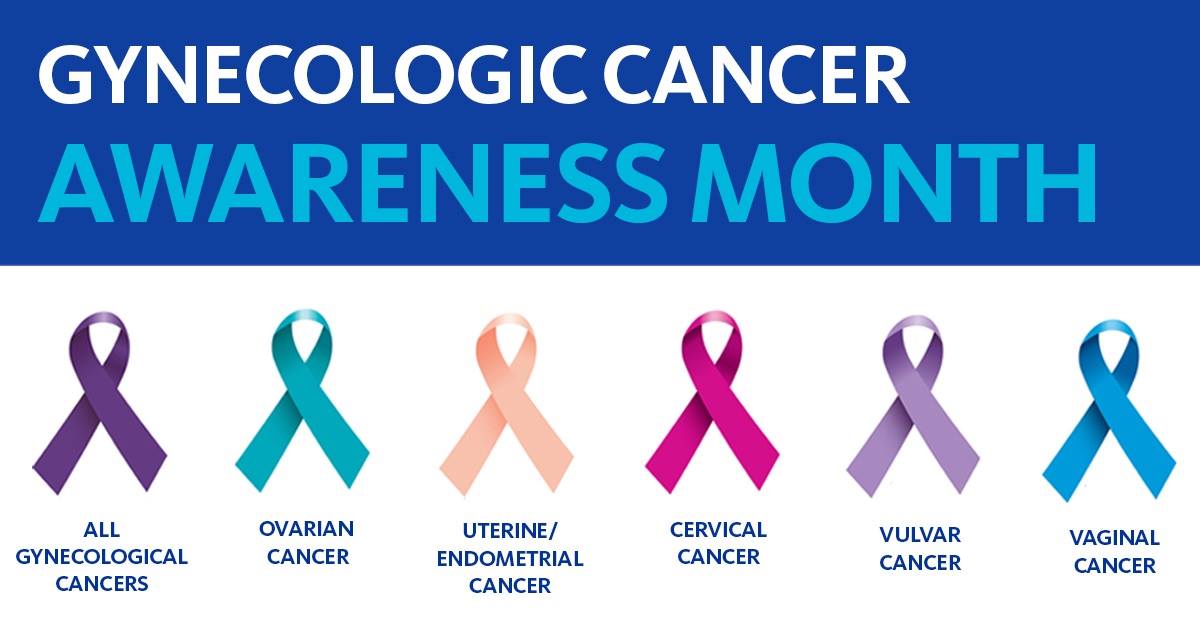
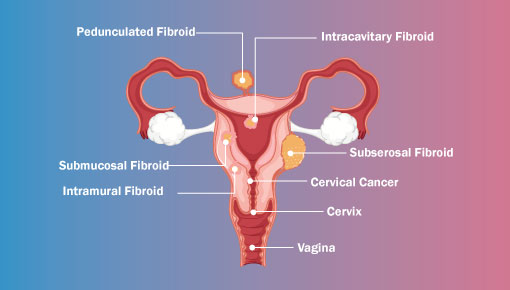
| | | The goal of Gynecologic Cancer Awareness Month is to educate women about these cancers, encourage regular screenings, and promote early detection and treatment. These cancers include Cervical cancer, Ovarian cancer, Uterine (endometrial) cancer, Vaginal cancer, and Vulvar cancer. | | |
Breaking the silence on sexuality after gynecological Cancer
For many women who survive gynecological cancer, the desire for sex and intimacy disappears. The healthcare system rarely asks. Their partner might not do so either.
Anita Paulsen is a nurse and sexologist. She recently defended her doctoral degree on sexual health communication after gynecological cancer. Through her work and research, she has met many cancer survivors who miss the intimacy in their lives.
"One couple I met made an impression. They had stopped being sexually active but had also stopped kissing and hugging. And she missed it very much. She longed for what had been. There was so much sorrow there," says Paulsen.
The topic of sexual life after gynecological cancer is often not discussed, neither by patients nor health professionals. This is something Paulsen has researched.
| | | |
New Speculum, Who's This?
The most hated thing in your doctor’s office just got a much-needed glow-up
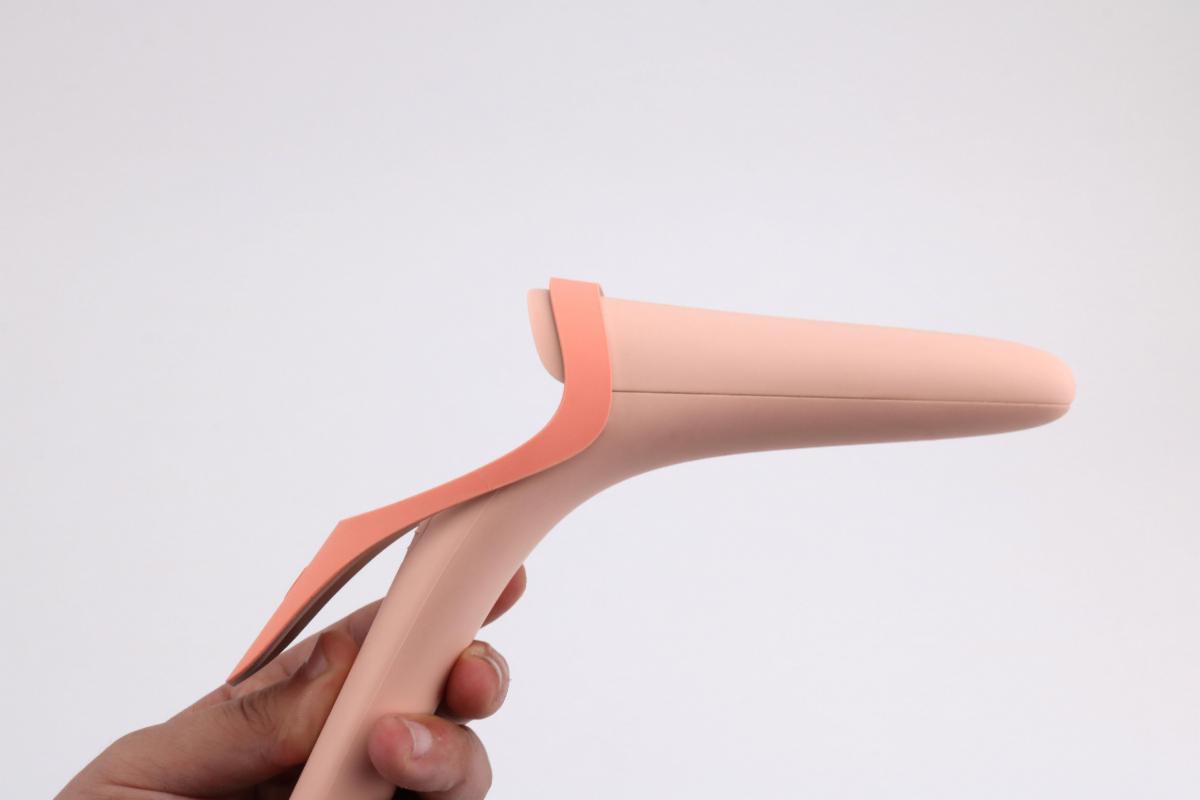
If you look past the rust, an ancient Roman speculum is instantly recognizable as an instrument a gynecologist might put inside you today. There are two curved metal bills, a screw to hold them apart, and the ghostly echo across the eons of a patient grunting in pain as the doctor employs it.
For centuries, the speculum’s job has been simple and essential: Hold apart the walls of the vagina so a clinician can see inside it, all the way up to the cervix. Most women encounter it every few years for a Pap smear, which screens for cervical cancer, or during an IUD insertion, fertility treatment, or pelvic exam in the case of abnormal bleeding or discharge.
Why has one of the most widely used tools in gynecological care barely changed in two millennia? “Because it has to do with women’s health, and women’s health doesn’t get enough money or attention,” said Carrie Sopata, a gynecologist and professor at the University of Virginia. In the past, patient comfort during pelvic exams was an afterthought, if it was thought about at all. The only thing that mattered was the doctor’s ability to do the job.
In the widespread dissatisfaction with a common device, some have seen an opening for lucrative innovation. The Yona, a prototype that hasn’t made it into production, features metal covered in silicone, which preserves a comfortable temperature and can be sterilized in an autoclave.
| | | |
PCOS affects 1 in 8 women worldwide, yet it’s often misunderstood. A name change might help
Polycystic ovary syndrome (PCOS) affects one in eight women globally. However, this complex hormonal condition is under-researched and often misunderstood.
This is partly due to its name, which overemphasizes “cysts” and the ovaries. In fact, you can have PCOS without cysts.
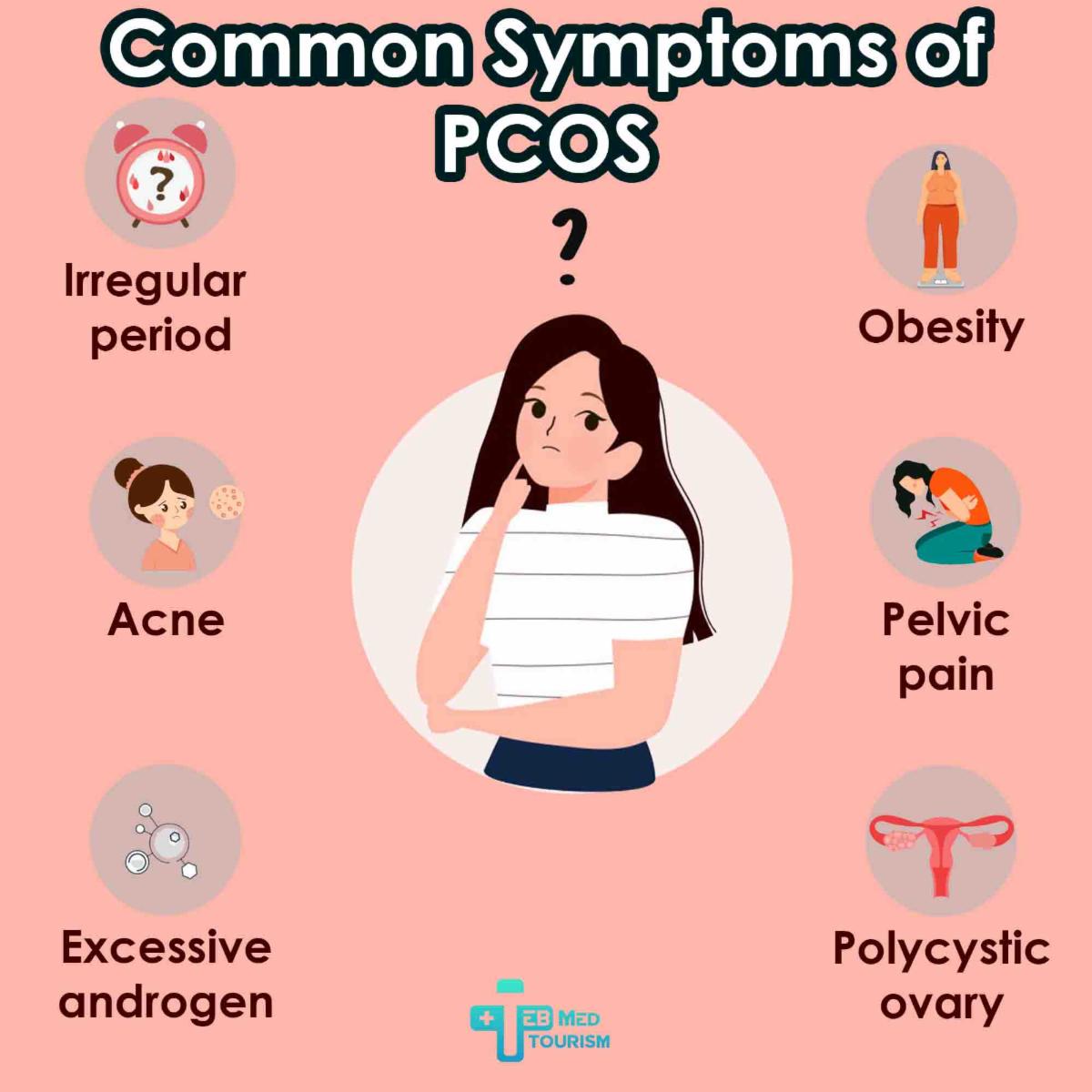
It can affect many parts of the body, not just the ovaries, leading to acne, excess body hair, changes in metabolism and even mental health issues.
Our new research, published today, shows that changing the name would help better reflect the complexity of PCOS and improve awareness about this condition. We surveyed 7,700 health professionals and people with PCOS and found the majority supported a name change.
What is PCOS?
PCOS is a chronic condition caused by an imbalance of multiple hormones – the body’s chemical messengers – that circulate through the body.
Genes and environment play a role. Lifestyle factors, such as diet (especially ultra processed foods) and activity, can also lead to weight gain and worsen its severity.
In PCOS, the “cysts” are actually partially developed eggs that, due to underlying hormonal imbalance, remain dormant. This means they are less likely to be released (ovulation).
Unlike conventional ovarian cysts, these dormant eggs will generally not grow larger, cause pain, require surgery or burst. Instead, they are slowly reabsorbed over time back into the ovary.
Having dormant eggs in your ovaries is not, by itself, enough to be diagnosed with PCOS – and you can have PCOS without any dormant eggs.
| | | |
What It’s Like Living with PCOS? Here’s What You Had To Say
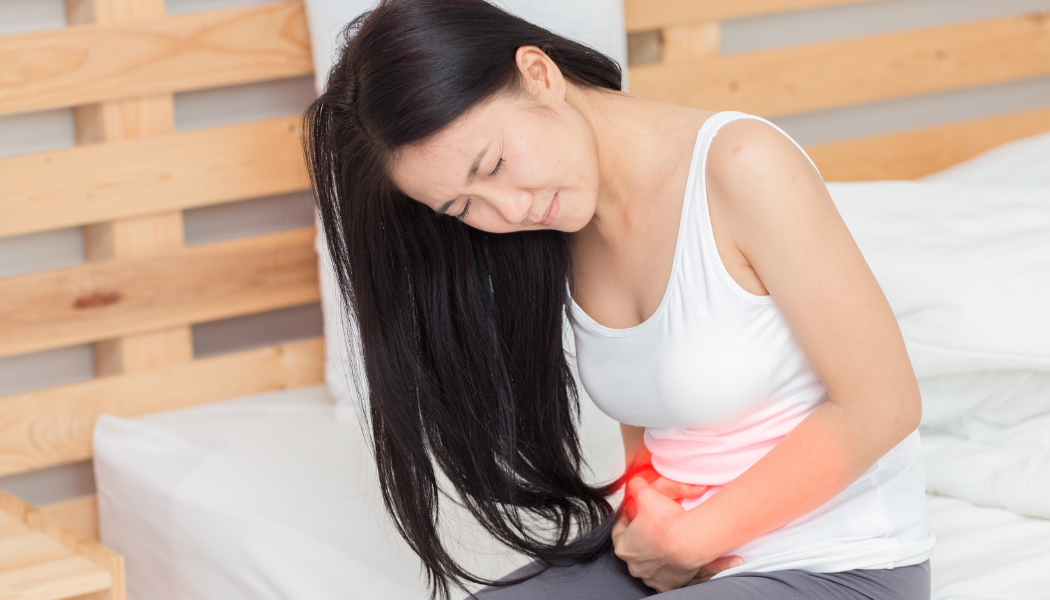
The symptoms creep up on you: periods that last too long or don’t come at all, acne that persists well beyond the teen years, excessive hair growth, stubborn weight gain, and an increased risk of anxiety, depression, and eating disorders.
The World Health Organization estimates that polycystic-ovary syndrome, or PCOS, affects anywhere from 6 to 13 percent of reproductive-age women. The syndrome is a leading cause of infertility and is associated with the development of metabolic issues like type 2 diabetes, obesity, and cardiovascular disease as well as a heightened risk of endometrial cancer. Recent studies have even linked PCOS to cognitive decline later in life, and diagnostic rates are on the rise among younger women. While most experts think this is because there’s simply more awareness around the syndrome, researchers also believe genetics and exposure to environmental pollutants — including microplastics, chemicals in pharmaceutical and personal-care products, and endocrine disruptors like pesticides — may contribute to the development of the condition. And yet, despite its pervasiveness, PCOS is still widely misunderstood, under researched, and woefully underdiagnosed; the WHO estimates that up to 70 percent of affected women worldwide may not know they have it.
We polled 120 women about their biggest struggles with the syndrome and took their questions to a panel of doctors. Here, what we learned.
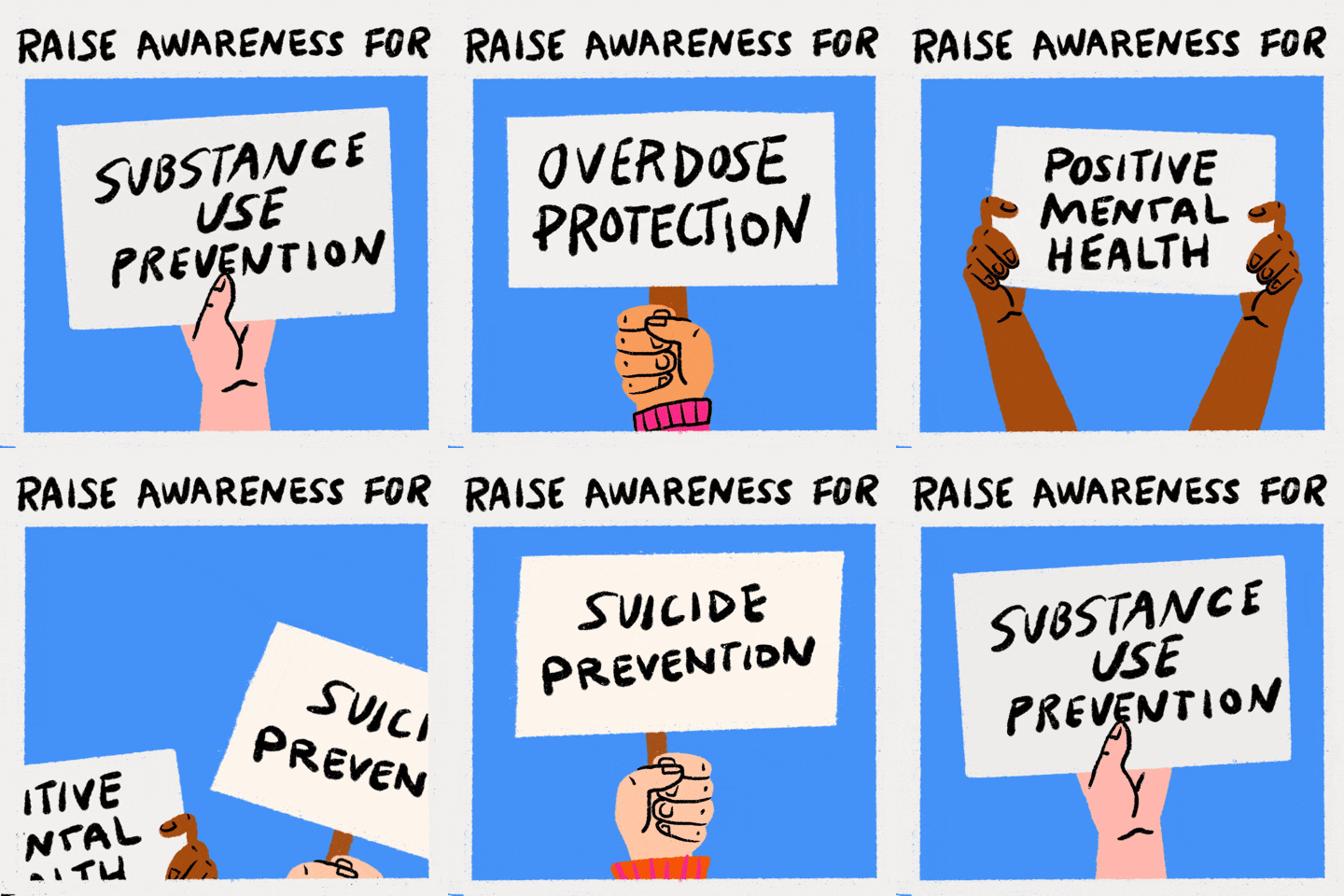
| | | September is Suicide Prevention Awareness Month—a time to raise awareness, promote hope, and normalize help-seeking. Suicide affects millions of people every year, yet too many struggle in silence. Whether you’re facing challenges, supporting a friend or loved one, or are looking to help, your voice matters. This month is dedicated to recognizing the warning signs for suicide, encouraging open conversations about mental health, and connecting people to proven treatment and resources. When we stand together in strength, dignity, hope, and purpose, we can make a difference—we can help save lives. | |
Please consider supporting reproductive and sexual health care in Wyoming!
You can donate directly to us—100% of your contribution goes toward supporting health care access in our state.
| | | |
This newsletter was developed (in part) with federal funds from the Office of Population Affairs. For more information on the rules and regulations that apply to our programs, please visit
https://opa.hhs.gov/grant-programs/title-x-service-grants
This project is supported by the Office of Population Affairs (OPA) and the Office of the Assistant Secretary of Health (OASH) of the U.X. Department of Health and Human Services (HHS) as part of a financial assistance award 1 FPHPA 006541-0-00 totaling $978,380 with 100 percent funded by OPA/OASH/HHS. The contents are those of the author and do not necessarily represent the official views of, nor an endorsement, by OPA/OASH/HHS or the U.X. Government.
| |
WYOMING HEALTH COUNCIL
111 S. Durbin, Suite 200
Casper, WY 82601
Call Us: (307) 439-2033
| | | | | |