|
Theme:
- High-Leverage Practices (HLPs) 11, 12, and 13: Goals
Articles:
- Empowering Students who are DHH Through HLPs
- Deaf Awareness Month
- National Preparedness Month
News from RMTC-D/HH
- TA-Live! High-Leverage Practices 11, 12, and 13
Expanded Skills Spotlight
- America’s Founders: Friends of the Deaf
- Standards: SP.PK12.DH.1.4a and SP.PK12.DH.1.4b
Teacher Toolkit
- LiveBinder of Tools for HLPs
- Loan Library Resources
Did You Know?
- FEDHH Registration Now Open
- Children's Hearing Aid Program (CHAP)
- FLASHA Call for Papers Open
Upcoming Events
| |
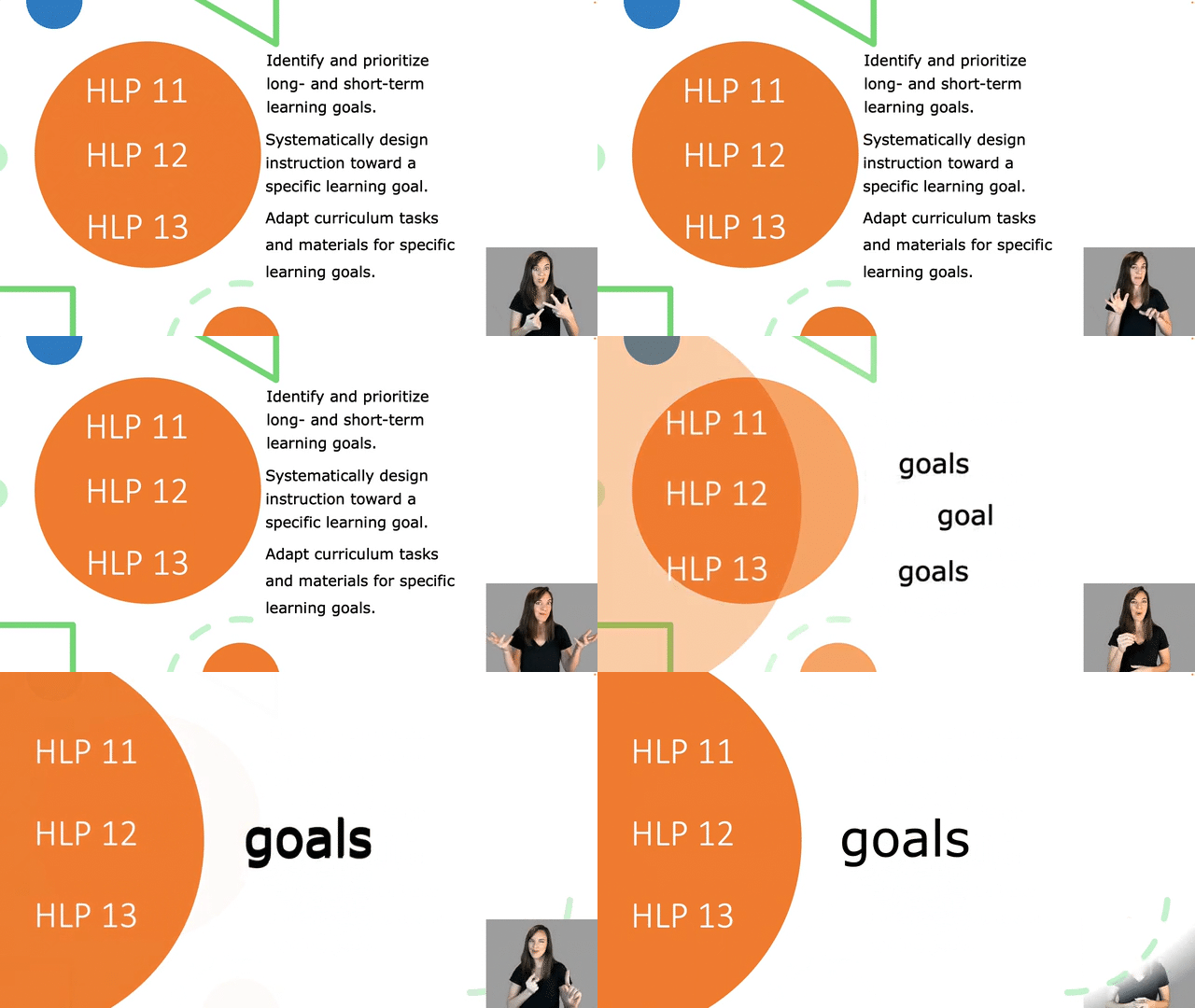
The theme for this month is based on the 11th, 12th, and 13th high-leverage practices (HLPs) from the Collaboration for Effective Educator Development, Accountability, and Reform (CEEDAR) Center and Council for Exceptional Children (CEC)’s High-Leverage Practices in Special Education. HLPs 11-13 all focus on goal planning, setting, and implementing. Keep reading for resources and more! | | | |
Empowering Students Who Are Deaf or Hard of Hearing Through High-Leverage Practices | |
|
Tailoring education to the unique needs of students who are deaf or hard of hearing (DHH) requires a strategic approach. High-Leverage Practices (HLPs) 11, 12, and 13 stand as essential tools in this endeavor. HLP11 involves setting clear, personalized learning goals that span both long-term achievements and short-term milestones. These goals consider language development, communication skills, and content mastery, offering a roadmap for success.
HLP12 focuses on designing instruction with precision. Educators must consider the diverse communication modalities available, from sign language to assistive technology, ensuring content is accessible and engaging. Multimodal approaches enable effective comprehension and participation, fostering an inclusive learning environment. HLP13 extends this by adapting curriculum tasks and materials. Personalized adaptations, such as sign language content or visual aids, address language and comprehension gaps, making learning more accessible and effective for students who are deaf or hard of hearing.
In uniting these practices, educators create a powerful framework that caters to individual needs, breaking down barriers to educational achievement. Through collaborative efforts and thoughtful implementation, students who are DHH are empowered to thrive academically across all environments and disciplines encountered in their academic journey.
| |
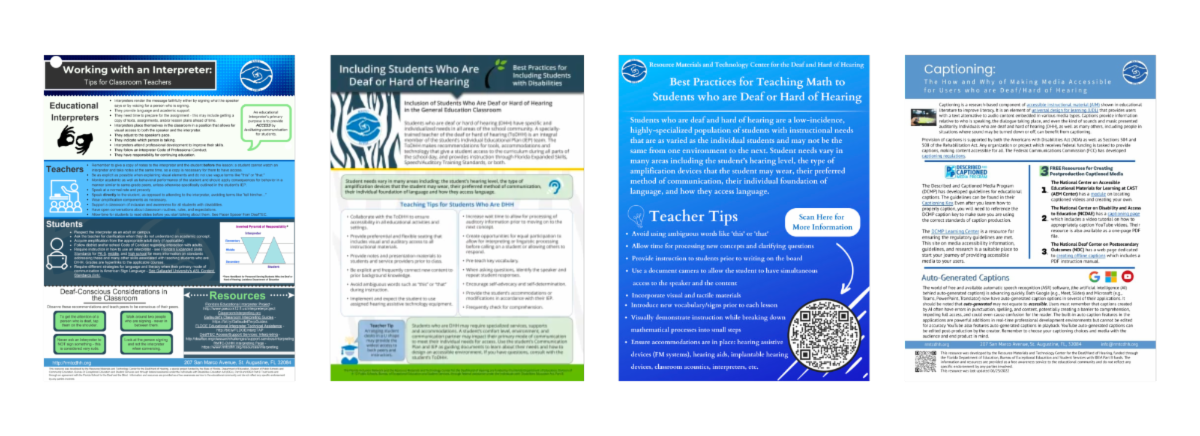
Deaf Awareness Month, observed in September, presents an opportunity to collaborate with educators who may not have experience teaching students who are DHH. Consider equipping them with these quick resources found on our Teacher Toolkit page: | |
National Preparedness Month | |
|
In the TA-Live! series, RMTC-D/HH is diving deep into the High-Leverage Practices in Special Education.
Before the next scheduled discussion, participants will be encouraged to*:
*Unable to complete the homework? Please still feel free to join RMTC-D/HH staff for a discussion on resources and tools Florida educators utilize related to the HLP discussed.
When?
The next TA-Live! session will be September 13, 2023 from 2:00 p.m. to 3:00 p.m. ET (1:00 p.m. to 2:00 p.m. CT). With a watch party of the homework starting at 1:45 p.m. ET (12:45 p.m. CT).
| |
For this month’s TA-Live! discussion session, RMTC-D/HH will be joined by the Florida Problem Solving and Response to Intervention Project (PS/RtI). Have questions for PS/RtI you would like to submit before the discussion session? Please fill out this form.
|
| |
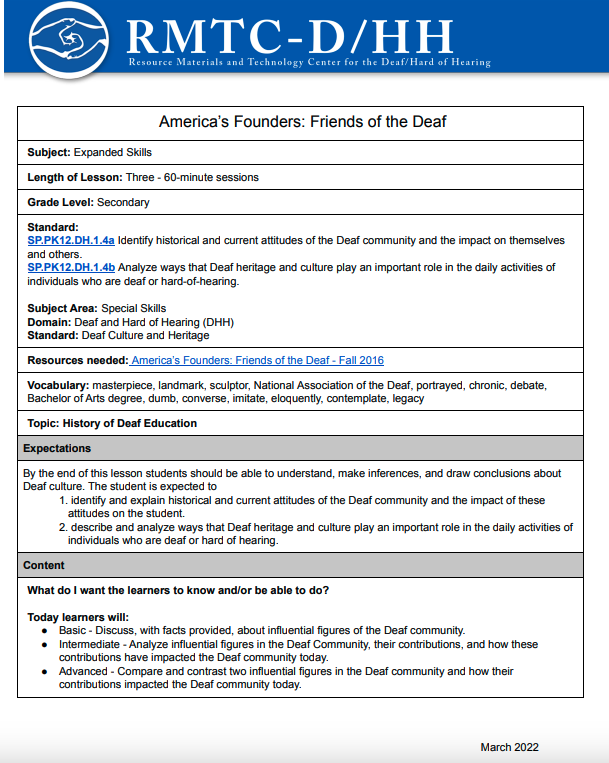
America’s Founders: Friends of the Deaf | |
|
|
Resources:
In order to keep all the resources in one place, RMTC-D/HH has created a LiveBinder that is categorized by the twenty-two “High-Leverage Practices for Students with Disabilities” from the CEEDAR Center and the Council for Exceptional Children (CEC). To see the resources available by each category, check out the LiveBinder!
| | | |
Resources from the RMTC-D/HH Media and Materials Loan Library:
The below resources from the Media and Materials Loan Library* have relevance to Deaf Awareness Month.
*Florida stakeholders may borrow these and many other resources from RMTC-D/HH's Media and Materials Loan Library, for FREE. Each material comes with a return label, making even the shipping at no charge to the borrower.
| | | |
|
|
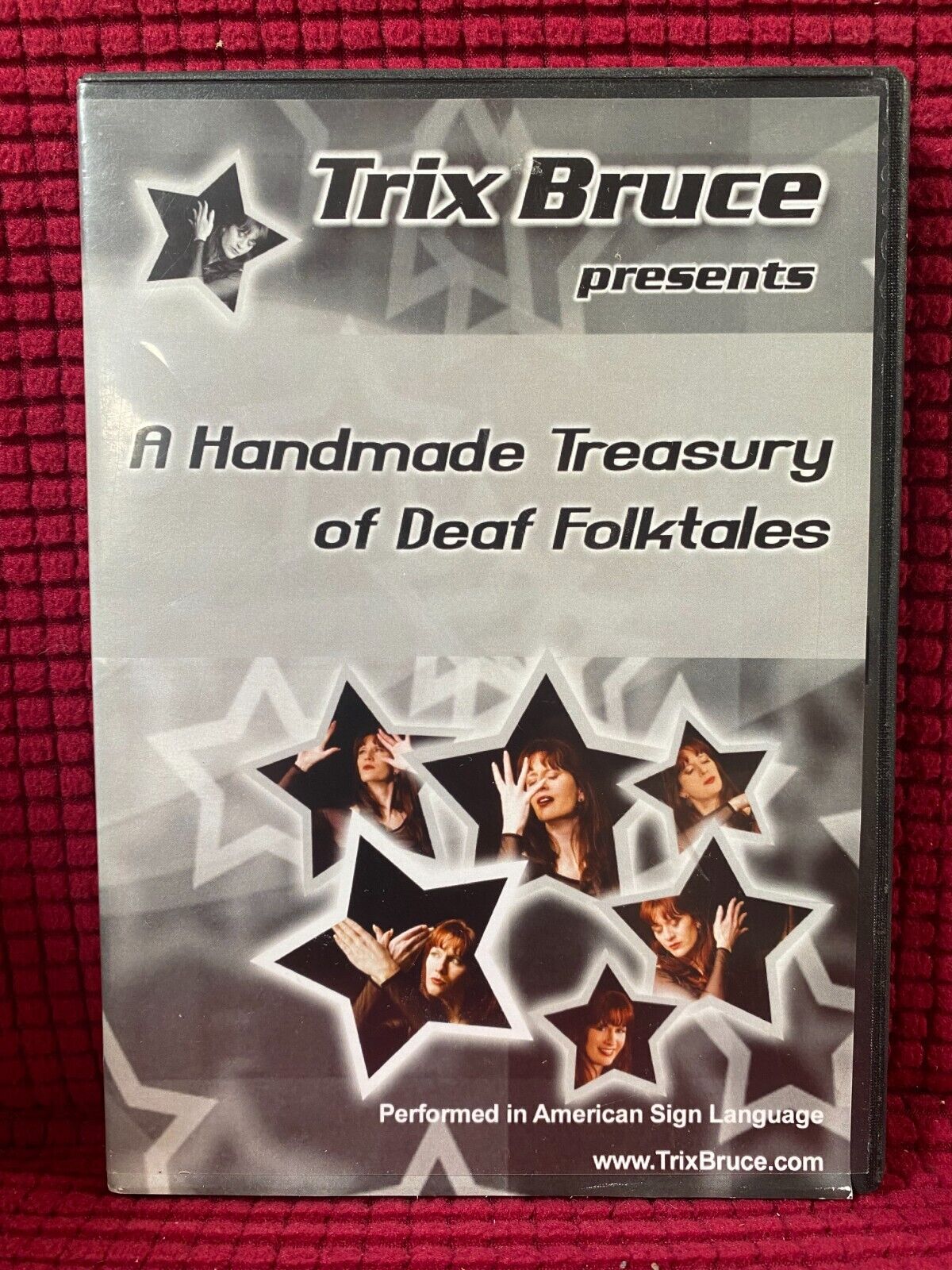
A Handmade Treasury of Deaf Folktales
(Catalog Number: 363) “The heart and soul of Deaf culture is passed from generation to generation through sign language folktales, stories, jokes, puns and other forms of cultural expression. As the performer weaves these tales into a performance, the audience will gain insight into the Deaf experience and the ways in which Deaf people view the world around them. These cultural gems help to explain Deaf identity, beliefs and the ways in which Deaf people arrange their lives”
| | | |
|
|
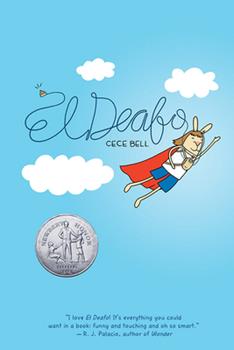
El Deafo
(Catalog Number: 1955): "Starting at a new school is scary, especially with a giant hearing aid strapped to your chest! At her old school, everyone in Cece’s class was deaf. Here, she’s different. She’s sure the kids are staring at the Phonic Ear, the powerful aid that will help her hear her teacher. Too bad it also seems certain to repel potential friends.
Then Cece makes a startling discovery. With the Phonic Ear she can hear her teacher not just in the classroom but anywhere her teacher is in the school—in the hallway . . . in the teacher’s lounge . . . in the bathroom! This is power. Maybe even superpower! Cece is on her way to becoming El Deafo, Listener for All. But the funny thing about being a superhero is that it’s just another way of feeling different . . . and lonely. Can Cece channel her powers into finding the thing she wants most, a true friend?"
| | | |
Have you seen the new items in the loan library? Check them out! | | | |
|
|
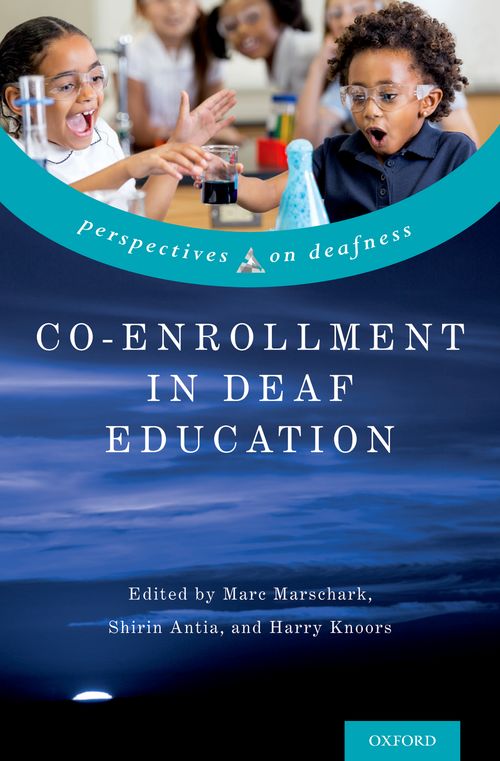
Co-Enrollment in Deaf Education
(Catalog #1983): Co-enrollment programming in deaf education refers to classrooms in which a critical mass of deaf and hard-of-hearing (DHH) students is included in a classroom containing mainly hearing students and which is taught by both a mainstream teacher and a teacher of the deaf. This volume sheds light on this potentially groundbreaking method of education, providing descriptions of 14 co-enrollment programs from around the world, explaining their origins, functioning, and available outcomes.
| | | |
|
|
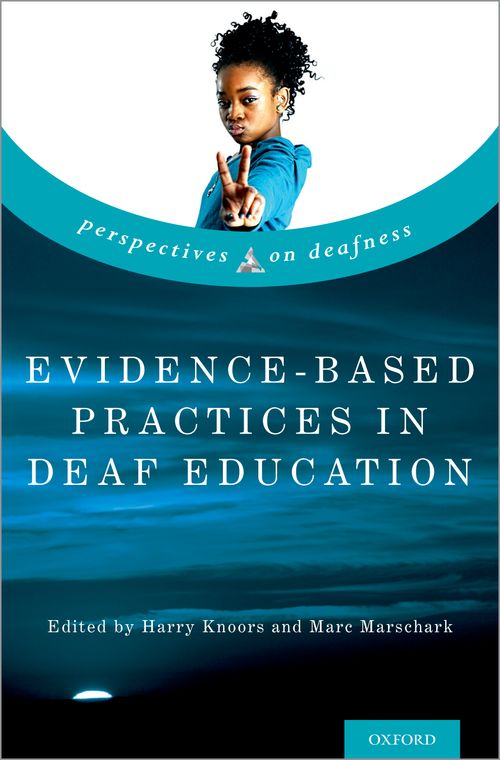
Evidence-Based Practices in Deaf Education
(Catalog #1984): This volume presents the latest research from internationally recognized researchers and practitioners on language, literacy and numeracy, cognition, and social and emotional development of deaf learners. Focusing on the topic of transforming state-of-the-art research into teaching practices in deaf education, the volume addresses how we can improve outcomes of deaf education through professional development of teachers, the construction and implementation of evidence-based teaching practices, and consideration of "the whole child," thus emphasizing the importance of integrative, interdisciplinary approaches.
| | | |
|
|
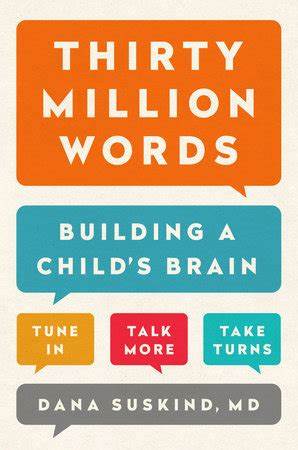
Thirty Million Words: Building A Child's Brain
(Catalog #1985): The way you talk with your growing child literally builds his or her brain. Parent talk can drastically improve school readiness and lifelong learning in everything from math to art. Discover how to create the best "language environments" for children by following the simple structure of the Three Ts: Tune In; Talk More; Take Turns. Dr. Suskind and her colleagues around the country have worked with thousands of families; now their insights and successful, measured approaches are available to all.
| | | |
Children's Hearing Aid Program (CHAP)
The Children's Hearing Aid Program (CHAP) is provided by the Florida Department of Health and managed by Sertoma Speech & Hearing Foundation of Florida. This program is designed to provide assistance in obtaining hearing aids and other hearing technologies for children residing in Florida aged 0-18 who do not have private insurance or have insurance that does not cover hearing technologies.
| |
FLASHA Call for Papers
The Florida Association of Speech-Language Pathologists and Audiologists (FLASHA) is excited to announce that the 2024 FLASHA Annual Convention call for papers submission is now open until 10/15/2023. The 2024 Convention will be held June 19-22, 2024 at Hilton Daytona Beach Oceanfront Resort.
| |
RMTC-D/HH provides Tech Notes as a free resource to teachers, professionals, and families around the state in order to pass along potentially useful information and expand the knowledge and opportunities available to educators and families of children who are deaf/hard of hearing. This email was funded by the Florida Department of Education Bureau of Exceptional Education through federal assistance under the Individuals with Disabilities Education Act (IDEA), Part B funds. The information included does not reflect any specific endorsement by any parties involved. | |
Suggested Citation:
Resource Materials and Technology Center for the Deaf/Hard [RMTC-D/HH]. (2023, September). High-Leverage Practices 11, 12, and 13. Tech Notes. https://www.rmtcdhh.org/tech-notes-archive/
| | | | |