THIS WEEK IN
Federal Policy News
|
|
Last Call on Ag Labor Survey with UC Davis & ASU |
CAFB would like to encourage your feedback on an agricultural labor survey recently conducted this month in partnership with UC Davis and Arizona State University. The survey examines how farmers adapted to reduced worker availability, how the COVID-19 pandemic impacted farming operations, and the extent to which labor-saving technologies are helping mitigate problems stemming from labor shortages. The results will be used for a statistical study to inform farmers, community leaders, and policy makers on how these issues are impacting the agricultural sector here in California. The survey should only take about ten minutes to complete and will remain completely anonymous. We will be closing submissions in the next week and welcome any last feedback you might have. |
|
White House Council on Environmental Quality Releases Final Phase 1 NEPA Rule |
The White House Council on Environmental Quality (CEQ) has published a “Phase 1” rulemaking that largely rescinds three major parts of the of the 2020 National Environmental Policy Act (NEPA) rule and reverts back to the 1978 regulations. The three changes would:
- Reinstate the requirement from 1978 that agencies must consider the “direct,” “indirect,” and “cumulative” impacts of a proposed decision including “fully evaluating climate change impacts and assessing the consequences of releasing additional pollution in communities that are already overburdened by polluted air or dirty water.”
- Revert the initial project “purpose and need” statement to the 1978 regulations and remove part of a definition of “reasonable alternatives.” The 2020 rule required agencies to base the purpose and need on the goals of an applicant and the agency’s statutory authority when reviewing an application.
- Establish CEQ’s NEPA regulations as a floor, rather than a ceiling, for the environmental review standards that federal agencies should be meeting.
CAFB previously submitted comments in opposition to these changes. This is the first step in CEQ’s review of NEPA rules. “Phase 2” is expected to more broadly revisit the 2020 rule and propose further revisions.
|
|
House Legislators Pen Letter to USDA on Delayed WHIP+ Payments |
Last week, Rep. Mike Thompson (CA-05) submitted a bipartisan letter to Secretary Tom Vilsack calling on the immediate distribution of Wildfire and Hurricane Indemnity Program Plus (WHIP+) payments. CAFB has previously helped lead efforts to secure billions in funding for this disaster aid program, which would distribute payments for losses experienced in 2020 and 2021. Unfortunately, the USDA has lagged behind in ensuring that these payments get issued in a timely fashion. In February, they had announced plans to begin a rollout in the Spring; however, there have been no reports of any impacted farmers and ranchers actually seeing any payments at this point.
Rep. Thompson and others have continued to help bring attention to these ongoing WHIP+ delays and have highlighted the substantial losses producers continue to face from these disasters. The USDA has previously cited ongoing technological issues as one of the driving factors behind the delayed payments, but no new information has yet been cited for the ongoing lag in distributions. If you are having similar issues with troubles accessing the program, please reach out to Matthew Viohl at mviohl@cfbf.com. |
|
Secure Rural Schools Program to Receive Additional Funding |
Earlier this week, Senators Padilla and Feinstein announced that California would be receiving nearly $30 million in funding through the Secure Rural Schools Program. The funds come from the Bipartisan Infrastructure Framework that was signed into law last year. Included in the new funding will be a portion dedicated to improving forest conditions, infrastructure, and jobs in rural communities in or near national forests. In a release from Tuesday, Senator Feinstein stated, “More than half of the forests in California are on federal land so it’s imperative that the federal government remains committed to supporting the communities in or near our national forests.”
|
|
Forest Service Announces $31 million for 15 Landscape Restoration Projects |
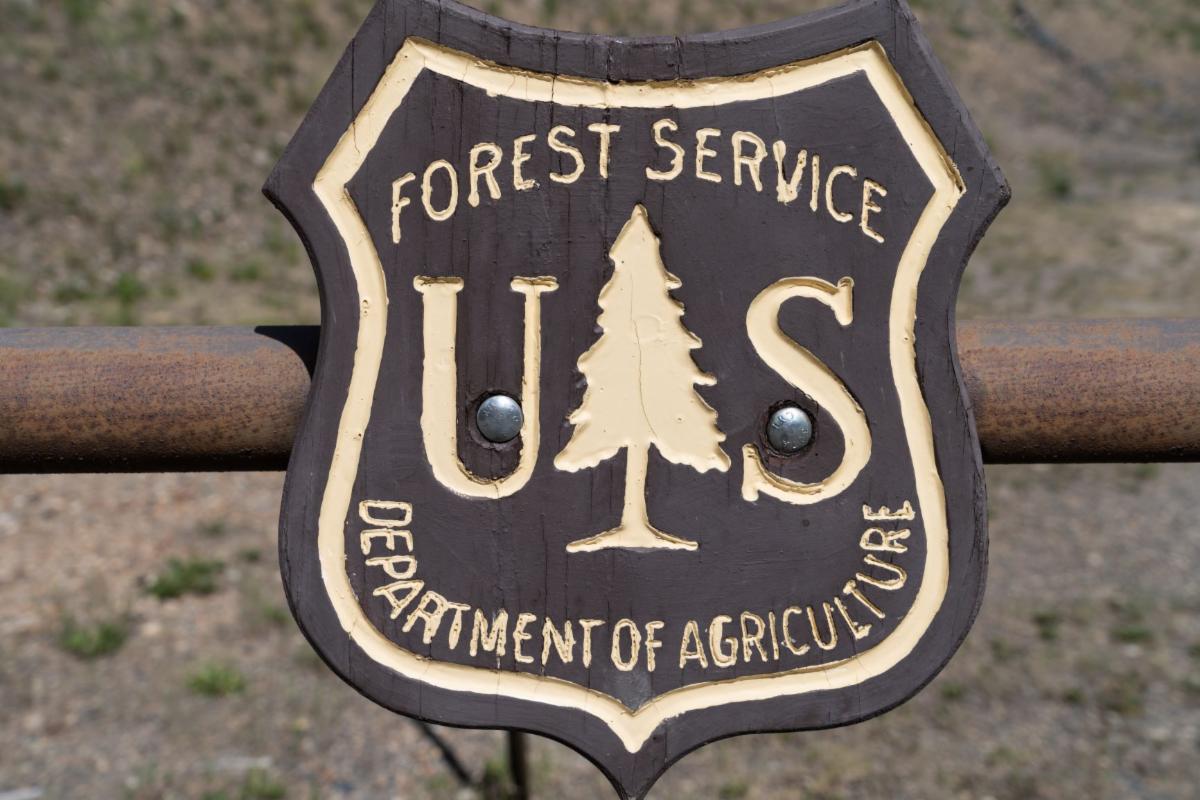
The United States Forest Service has announced $31.1 million for 15 projects funded through the Collaborative Forest Landscape Restoration Program (CFLRP). With partnership support, the CFLRP projects aim to reduce the risk of severe wildfires, support local economies, create jobs and enhance forest and watershed health. The selected projects are in Arkansas, California, Colorado, Missouri, New Mexico, Oklahoma, Oregon and Washington. The California projects selected for Fiscal Year 2022 include:
- $757,000 to Dinkey Collaborative, a 154,000-acre project that sits in the epicenter of unprecedented fuel loading due to the Southern Sierran tree mortality that to date has received $7.6 million in CFLRP funding.
- $3 million to the Western Klamath Mountains Fire and Fire Resiliency Project, a 1.2-million-acre project to prepare the landscape for frequent, yet smaller, lower-intensity wildfires to protect communities and critical transportation routes.
- $3 million in the North Yuba River watershed across 356,000 acres where there is an urgent need to address high wildfire hazard potential and areas more susceptible to insects, disease and drought.
|
|
Attention Grows as Title 42 Expiration Approaches |
At the beginning of April, the CDC announced their plans to end Title 42, a policy that has led to the expulsion of nearly 1.7 migrants at the US’ southern border since the start of the pandemic. Originally issued under the Trump Administration, the order was intended to help prevent the spread of COVID-19 by dramatically limiting the flow of migrants into the country. Critics of the order have suggested—whether intentional or not—that it has served more broadly as an anti-immigration tool. Despite this, President Biden’s CDC has kept the policy in place up until their recent announcement.
Republicans were swift to denounce the planned repeal, which would come at the end of May. They have argued such a maneuver will lead to a massive surge in illegal immigration at the southern border. And in recent days, several moderate Democrats have also voiced similar concerns, bringing into question whether the President will look to delay the CDC’s withdrawal of the order. Legal challenges have also been a factor in the Administration’s decision-making process, but it remains to be seen whether a delay will be issued.
|
|
Cattle Price Discovery and Transparency Act of 2022 |
At the end of March, the Cattle Price Discovery and Transparency Act of 2022 was introduced and is sponsored by Senator Deb Fischer (R-NE) and Senator Chuck Grassley (R-IA). The bill is also cosponsored by 16 other Senators from both sides of the aisle. S.4030 would add language to price discovery by including in the definition of negotiated prices transactions at stockyards and on other cattle trading platforms through “approved pricing mechanisms” that would qualify as a negotiated transaction under the mandatory minimum.
The bill also directs the Secretary of USDA to create 5-7 new cattle marketing regions that include all lower 48 states. The mandatory minimums would also be established by the Secretary in each of the newly established regions. CA Farm Bureau is working with American Farm Bureau Federation who is committed to staying fully engaged with lawmakers, USDA, and other stakeholders to find solutions for price discovery and transparency while remaining opposed to mandates on how cattle are purchased.
|
|
Avian Influenza Cases Outpacing 2014/2015 Outbreak |
The number of highly pathogenic avian influenza (HPAI) cases in the United States are outpacing the 2014/2015 outbreak, but the higher numbers might be attributed to improvements in detection and reporting protocols. The American Farm Bureau Federation’s latest Market Intel examines the impact of HPAI region by region.
Farm Bureau economists found as of April 7, there have been more than 600 detections of HPAI in wild birds across 31 states, and 158 detections in commercial and backyard flocks across 25 states. The 2014/2015 outbreak prompted revisions to the National HPAI Surveillance Plan, which has led to heightened annual surveillance plans, providing poultry producers earlier notice to increase their biosecurity measures.
AFBF economists analyzed HPAI detections in commercial flocks and found the Mississippi flyway is the most impacted, with 49% of detections, followed by the Central flyway at 36% and the Atlantic with 15% of cases. The Pacific flyway has not had a reported case. While HPAI has affected the laying hen population, inventory of eggs is actually 38% higher in 2022 than during the same time in 2015.
|
|
Sara Arsenault
Federal Policy, Director
916-561-5619
|
|
Matthew Viohl
Federal Policy, Associate Director
916-561-5612
|
|
Erin Huston
Federal Policy, Consultant
916-849-3746
|
|
|
|
|
|
|