THIS WEEK IN
Federal Policy News
|
|
Action Alert: Comment on the Securities and Exchange Commission Proposed Rule Today |
The Securities and Exchange Commission (SEC) is currently seeking public comment on a proposed rule that would amend its rules under the Securities Act of 1933 and Securities Exchange Act of 1933 which would require registrants to provide certain climate related information in their registration statements and annual reports. The proposed rule would require registrant companies to report climate related risks that are reasonably likely to have a material impact on its business, results of operations, or financial condition. The required information about climate-related risks would also include disclosure of a registrant’s greenhouse gas emissions, which have become a commonly used metric to assess a registrant’s exposure to such risks.
Currently, farmers and ranchers are not considered registrants or otherwise subject in any way to the jurisdiction and oversight of the SEC. However, the proposed rule would change this by extending reporting requirements for public companies to report on Scope 3 greenhouse gas emissions. Scope 3 emissions are emissions that result from activities from assets not owned or controlled by an organization but contribute to its value chain including farms and ranches. As a result, the proposed rule would force disclosure of private information, create burdensome reporting requirements for family farms and ranches who sell into supply chains and result in multiple, new sources of substantial costs and liabilities.
Click here to write the SEC in opposition to the proposed rule today!
|
|
USDA Announces Food System Transformation Framework |
Yesterday morning, USDA Secretary Tom Vilsack announced a department-wide initiative called the “Food System Transformation Framework.” The framework is intended to address a number of weak points identified in our nation’s food supply chains and is a follow-up to an Executive Order issued by President Biden last year. Some of the delegated funds include up to $300 million for farmers to transition to organic production, $375 million in support for independent meat and poultry processing plants, $100 million towards the training and development of ag workers for meat processing jobs and other roles, and $600 million in financial assistance for critical infrastructure expansion such as increasing cold-storage availability and adding more processing facilities.
The framework will also dedicate hundreds of millions of dollars towards regional food business centers, certain food and nutrition programs for students and underserved families, and other programs aimed at addressing food insecurity. Much of the funding draws from the American Rescue Plan Act and other pandemic-era relief bills that have already allotted funds to the USDA. While it remains to be seen what the timing will be for some of these initiatives, it represents a major step towards addressing several areas of priority previously outlined by the President. CAFB’s Federal Policy team will continue to share updates as more details are provided on the finer details of these programs.
|
|
White House Releases Drought Resilience Report |
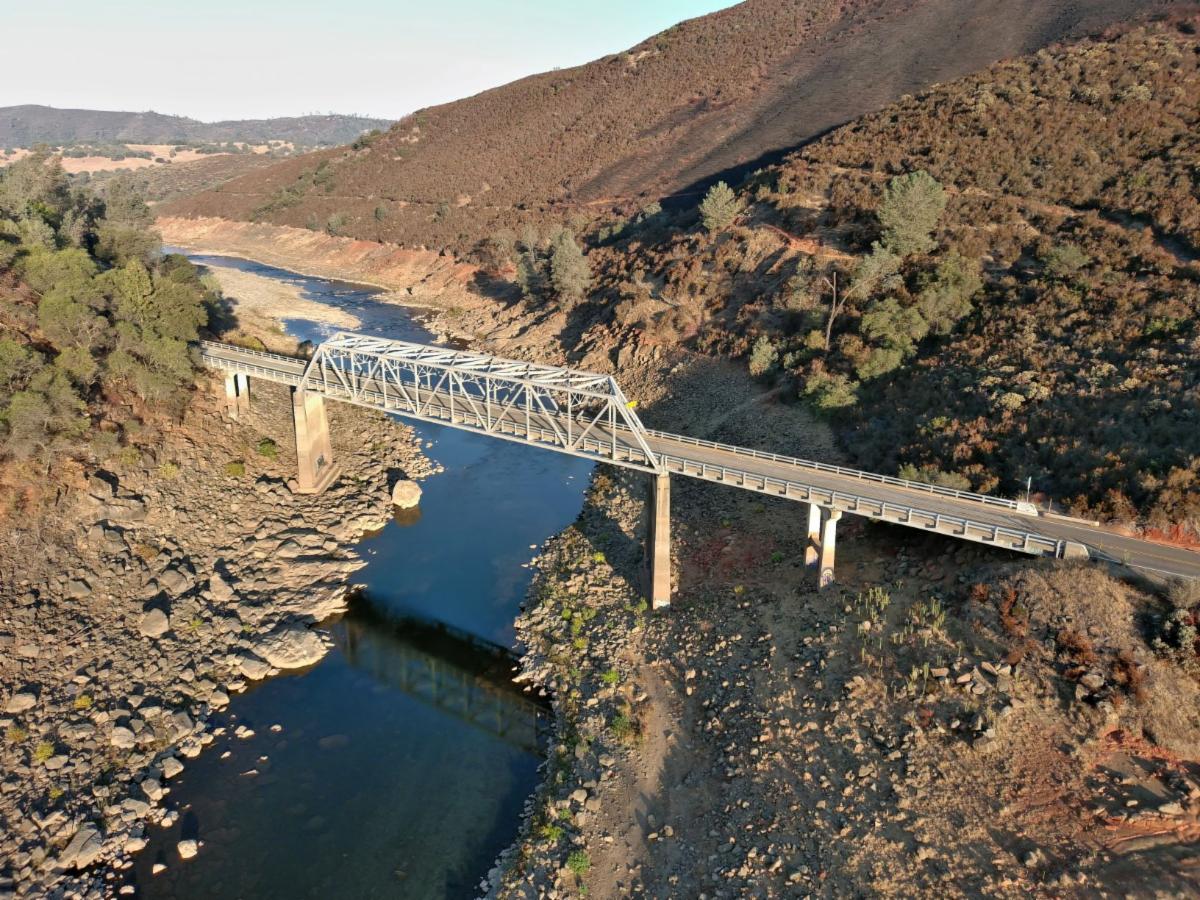
On June 1, the Administration released the Drought Resilience Interagency Working Group’s (IWG) Summary Report outlining the financial and technical assistance actions taken to date to improve drought-stricken communities' resilience to drought. Created under the White House’s National Climate Task Force, the IWG is co-chaired by the U.S. Department of Agriculture and the U.S. Department of the Interior. The purpose of the IWG is to work in a whole government manner to address drought through existing programs and resources including funds provided by the Bipartisan Infrastructure Law.
|
|
Reminder: Deadline for USDA's Climate-Smart Commodities Second Funding Pool is June 10 |
A friendly reminder that the deadline for the second round of funding is on Friday, June 10, 2022, at 11:59 p.m. Eastern. This funding pool will include proposals from $250,000 to $4,999,999 that emphasize the enrollment of small and/or underserved producers, and/or monitoring, reporting and verification activities developed at minority-serving institutions. For more information, visit the USDA Partnerships for Climate Smart Commodities website here.
|
|
USDA Announces Conservation Program Flexibilities to Help Mitigate Global Food Supply Challenges |
The U.S. Department of Agriculture has announced that it will allow Conservation Reserve Program (CRP) participants who are in the final year of their CRP contract to request voluntary termination of their CRP contract following the end of the primary nesting season for fiscal year 2022. Participants approved for this one-time, voluntary termination will not have to repay rental payments. This one-time termination is a flexibility implemented this year to help mitigate the global food supply challenges caused by the Russian invasion of Ukraine and other factors. USDA Farm Service Agency is mailing letters to producers with expiring acres that detail this flexibility and share other options. If approved for voluntary termination, preparations can occur after the conclusion of the primary nesting season. Producers will then be able to hay, graze, begin land preparation activities and plant a fall-seeded crop before October 1, 2022.
USDA also announced additional flexibilities for the Environmental Quality Incentives Program (EQIP) and Conservation Stewardship Program (CSP) participants who have cover cropping included in their existing contracts. The Natural Resources Conservation Service (NRCS) will allow participants to either modify their plans to plant a cover crop, and instead shift to a conservation crop rotation, or delay their cover crop plans a year without needing to terminate the existing contract. This is intended to allow for flexibility to respond to market signals while still ensuring the conservation benefits through NRCS financial and technical assistance for participating producers. Read the USDA announcement here.
|
|
Senators Feinstein and Padilla Send Letter on Rail Issues Impacting California Supply Chains |
Earlier this week, California Senators Dianne Feinstein and Alex Padilla submitted a joint letter to the Surface Transportation Board urging them to address ongoing delays that have plagued the freight rail industry in recent months. These disruptions have made it more difficult for farmers and ranchers to get critical shipments both in and out of the state, particularly regarding feed grain for livestock and poultry operations. Given the importance of timing for those raising chickens and turkeys (and for livestock), weeks-long delays can be extremely difficult for farmers to adjust to. The Senators also cited increased fuel surcharges and demurrage fees which have added on additional costs for producers as well. CAFB thanks the Senators for their attention on this issue and will continue working on a number of supply chain issues impacting our industry. |
|
USDA Releases Farm Labor Survey Data for First Two Quarters |
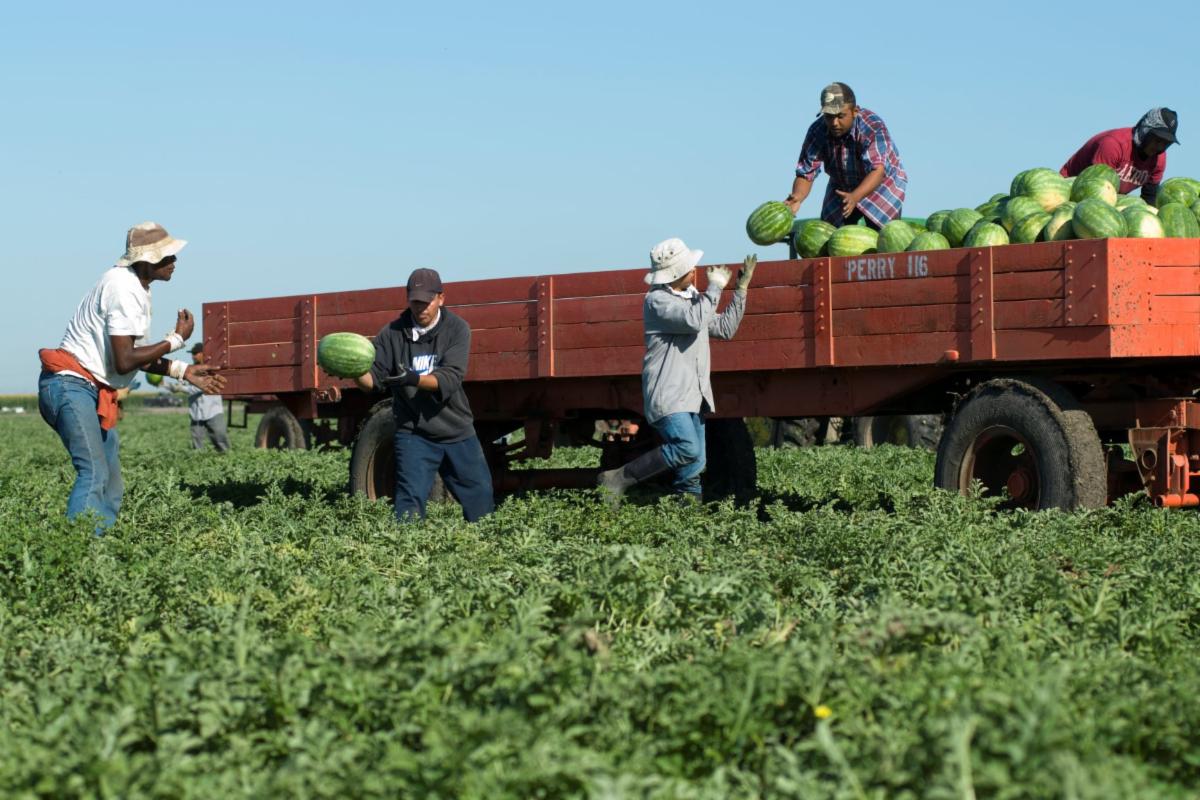
Late last week, the USDA released their Farm Labor Survey, covering the two quarters of data for 2022. This data is currently used to help direct the Adverse Effect Wage Rates (AEWR) that are utilized in the H-2A visa program. The release showed about a 9% increase on average for the various regions measured around the country, which points towards a potential increase once again for next year’s AEWR if this trend remains true for the remaining half of the year. CAFB has actively pushed lawmakers to continue moving on the Farm Workforce Modernization Act, which would place a freeze on these wages and include added scrutiny on the H-2A program. Increased costs continue to make the program less sustainable despite its critical importance for many farmers in California and around the country. |
|
California Farm Service Agency Hiring for Potential County Executive Directors |
The California Farm Service Agency (FSA) sent out a notice that they will be collecting applications for County Operations Trainees up until June 8 th. Trainees have the opportunity to complete a 36 – 52 week training program in order to be considered for County Executive Director positions (each FSA office is managed by one). Directors help serve as a critical link between local farmers and ranchers and the services provided by the FSA. If you would like to learn more or share this information, please reference the following flyer, or click on the USA Jobs posting here. |
|
Sara Arsenault
Director of Federal Policy
|
|
Matthew Viohl
Federal Policy, Associate Director
|
|
Erin Hutson
Federal Policy, Consultant
|
|
|
|
|
|
|