THIS WEEK IN
Federal Policy News
|
|
U.S. Bureau of Reclamation Releases Initial
Central Valley Project Allocation
|
The U.S. Bureau of Reclamation announced the initial 2023 water supply allocation for Central Valley Project (CVP) contractors on Wednesday. Reclamation bases allocations on estimates of water available for delivery to CVP water users and reflects current reservoir storage, precipitation, and snowpack in the Sierra Nevada. The allocations reflect cautious optimism by water managers following the rain and snow from recent December and January storms that have helped boost water levels of CVP reservoirs.
Currently, both the Trinity and Shasta reservoirs remain below the historic average for this time of year. Additionally, not all river basins were equally improved by recent storms. Reclamation has stated that late winter and early spring precipitation will still be necessary. View reservoir conditions and water supply allocations by contractor type here.
|
|
President Johansson, CAFB Members Attend AFBF Issue Advisory Committee Meetings in DC |
CAFB President Jamie Johansson and several CAFB members traveled to Washington, DC last week to represent California on the American Farm Bureau Federation’s Issue Advisory Committee (IAC) meetings. AFBF’s IACs provide an avenue for Farm Bureau’s grassroots leaders to contribute their expertise on specific issues to the organization’s policy deliberations. Committee members meet in person once per year and hold additional meetings via webinar or conference calls throughout the program year as needed to discuss new developments on their assigned issues.
Outcomes of the committees’ deliberations include advice and counsel to the AFBF Board of Directors on policy-related actions AFBF might take, recommendations for state Farm Bureau policy development, and policy recommendations to the AFBF Resolutions Committee. The additional California members participating included CAFB District 13 Board Member Ron Peterson on the Budget and Economy IAC, CAFB District 19 Board Member Taylor Hagata on the Federal Lands IAC, and Orange County Farm Bureau President Mark Lopez on the Organic, Food Safety and Direct Marketing IAC. We thank these members for their participation in these important meetings.
|
|
2023 Farm Bill: Food and Agriculture Climate Alliance Releases Recommendations, CBO Releases Baseline |
The Food and Agriculture Climate Alliance (FACA) released its policy recommendations for the 2023 Farm Bill on Wednesday. FACA’s recommendations, developed by the 23-member steering committee including the American Farm Bureau Federation, are divided into six categories which include: conservation, risk management, and credit; energy, food waste, forestry, livestock and dairy; and research, extension, and innovation. The policy recommendations are intended to help achieve climate goals while also creating economic opportunities for farmers, ranchers, and foresters. CAFB is a general member of FACA. Read the FACA farm bill recommendations here.
Additionally, the Congressional Budget Office (CBO) released its most recent Baseline for Farm Programs on February 15. CBO releases projections on expected spending for farm programs for the 10-year baseline (the current budget year plus 10 years) up to three times a year. These projections identify expected outlays for farm program spending, assuming existing programs continue without changes, and inform Congress on the amount of program spending available as they begin to craft the 2023 farm bill. Based on the 2024-2033 10-year outlay projection, a 2023 farm bill would cost nearly $1.5 trillion, making it the most expensive farm bill on record. In the new baseline, CBO increased its estimate of outlays for the Supplemental Nutrition Assistance Program (SNAP) by $8 billion (6%) for 2023 and by $93 billion (8%) between 2023-2034. The CBO also projected that SNAP is estimated to make up 82% of farm bill spending followed by federal crop insurance at 6.6%. For a more in-depth review of the new CBO baseline for the 2023 Farm Bill, view American Farm Bureau Federation’s Market Intel here.
|
|
Senate Farm Bill Hearing Draws Nutrition into Focus |
Last week, the Senate’s Committee on Agriculture, Nutrition, and Forestry held a Farm Bill hearing on the nutrition programs covered under the legislation. The Farm Bill, which is up for renewal this year (and typically once every five years), actually spends about 80% of its funding towards food and nutrition programs such as SNAP and WIC. This significant portion came under fire from several Republican Senators, many of whom were critical of the USDA’s handling of spending in recent years. Ranking Member John Boozman (R-AR) routinely highlighted a Government Accountability Office (GAO) report from late last year that criticized the USDA’s lack of transparency and accountability, particularly as it related to emergency funding distributed during the pandemic.
Chairwoman Debbie Stabenow (D-MI) did hit back on some of these criticisms, but did note that there are some concerns from the GAO’s report. Overall, most Democrats on the committee felt that while these nutrition programs have been critical to combating hunger in the US, many of them do not go far enough to help for those reliant on the system. Given the significance of nutrition funding in the Farm Bill—and the split control in the House and Senate—this will likely be a key area of focus as both sides try to come together on compromised changes. Republicans are eager to revisit work requirements and overall spending within the program while Democrats would generally like to see funding remain static at the very least.
|
|
USDA Joint Chiefs Announcement on the Landscape Restoration Partnership |
This week, USDA announced it will invest more than $48.6 million this year through the Joint Chiefs’ Landscape Restoration Partnership for projects that mitigate wildfire risk, improve water quality, restore forest ecosystems, and combat climate change. This year, USDA Forest Service and the Natural Resources Conservation Service (NRCS) will invest in projects, including 14 new projects, that bring together agricultural producers, forest landowners, and National Forest System lands to improve forest health. Funding utilized for these projects comes from available Farm Bill conservation programs and other authorities. One of the 14 new projects includes the three-year, $3.3 million Forest Health and Fire Resilient Rural Communities Phase Three project in the Shasta-Trinity and Six Rivers National Forests. For more information, visit the USDA NRCS Joint Chiefs’ Landscape Restoration Partnership webpage. |
|
Pollinator Participation Opportunities |
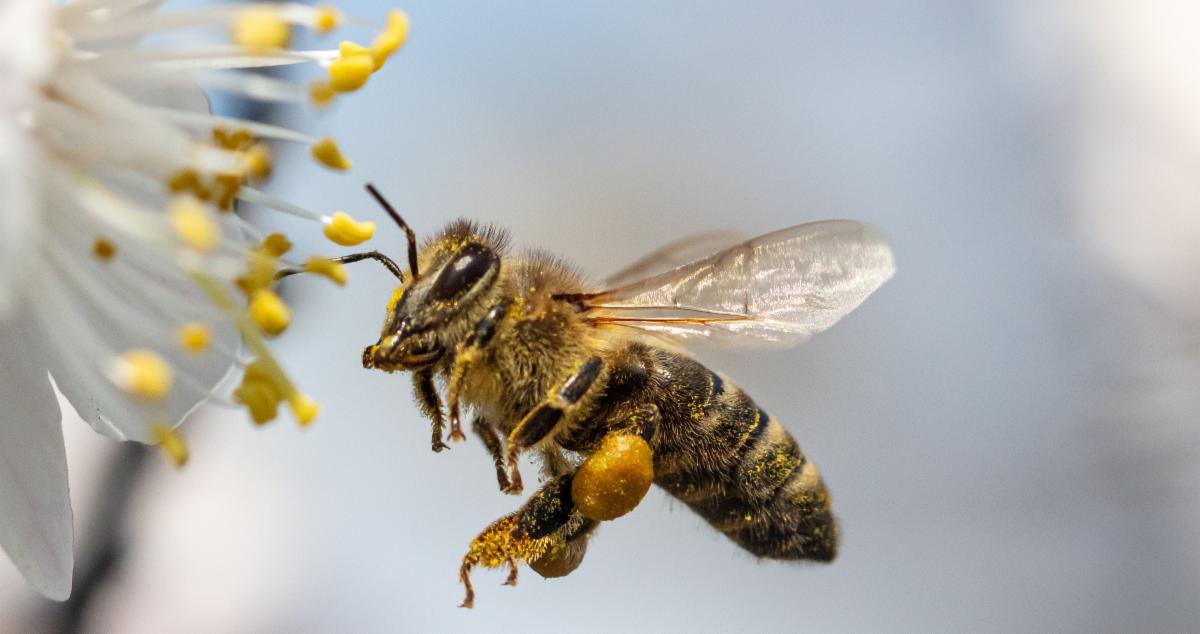
Two participation opportunities for producers interested in pollinators are now available. On February 28 at Noon Pacific, the Pollinator Partnership will host a 90-minute webinar that will deep dive into various pollinator habitat types, their agronomic benefits, and financial and technical assistance programs available. For more information, click the button below.
Additionally, the Monarch Joint Venture’s 2023 Monarchs and More Western Habitat Program (previously known as the California Working Lands Free Seed Program) has been announced. This program provides free and subsidized native wildflower seed mix, milkweed plugs and technical assistance available for establishing pollinator habitat in California as well as southern Oregon. Priority is given to working land ¼ or more in the California Central Valley. Participants are selected on a rolling basis, and no later than May 31, 2023, as long as there is funding available. For more information, click the button below.
|
|
General Conservation Reserve Program (CRP) Signup Begins February 27 |
The USDA’s Farm Service Agency (FSA) will be opening up the Conservation Reserve Program (CRP) for general applications on February 27 th. The signup period will remain open through April 7 th. CRP is a voluntary land conservation program that pays yearly rental fees to farmers for removing environmentally sensitive land from agricultural production and instead planting species that are intended to improve the environmental quality of the surrounding soils and waters. Contracts are typically between 10-15 years in length, and while there is a continuous year-round program available as well, this general selection period only offers competitive bids once a year. For more information, click here. |
|
USDA Will Continue to Accept Census Responses Beyond Deadline |
The USDA’s Census of Agriculture (or “Ag Census”) will continue to accept census questionnaire submissions through the spring despite the official February 6, 2023 deadline. Although more than one million producers have completed the survey, the agency is leaving the survey open to allow more the maximum number of producers to respond. Those that have not filled out their information are encouraged to do so. The data helps examine trends on land use, income and expenditures, production practices, and more. Since 1840, the information has generally been collected every five years, with some slight alterations at various points. While individualized data is private, the aggregate information is then compiled and released in a national report, helping shift conversations around agricultural industry here in the US. |
|
FDA Proposed Rule Under Fire for Guidance on Labeling of Non-Dairy “Milks” |
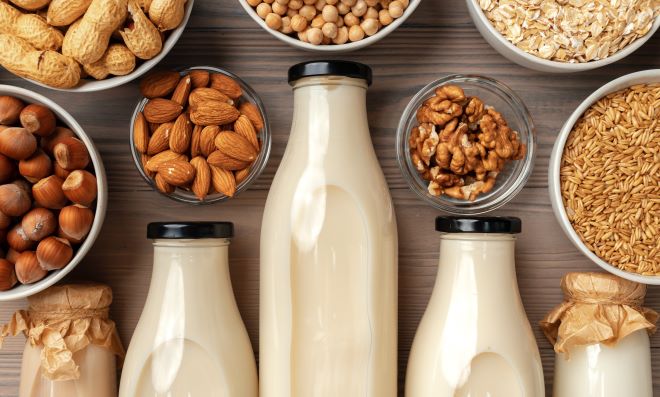
This week, the US Food & Drug Administration announced draft recommendations for the naming of plant-based foods that are marketed and sold as dairy milk alternatives. The recommendations come in the form of guidance and would not place a legal labeling requirement on private industry, but it does suggest that non-dairy milks are within their right to continue using the “milk” terminology. A bipartisan group of legislators have already hit back against this announcement, pointing out their concerns that traditional dairy products are getting pushed out of school and other nutrition programs in recent years. The debate of “What is milk?” has certainly heightened in recent years with the growth in alternative non-dairy drinks such as almond and oat milks. It is certainly possible that this contentious issue could be addressed in the upcoming Farm Bill, particularly since a significant portion of its funding deals directly with nutrition programs. |
|
Matthew Viohl
Federal Policy, Associate Director
|
|
Erin Huston
Federal Policy, Consultant
|
|
|
|
|
|
|