THIS WEEK IN
Federal Policy News
|
|
CAFB's Board of Directors Conducts DC "Fly-In" |
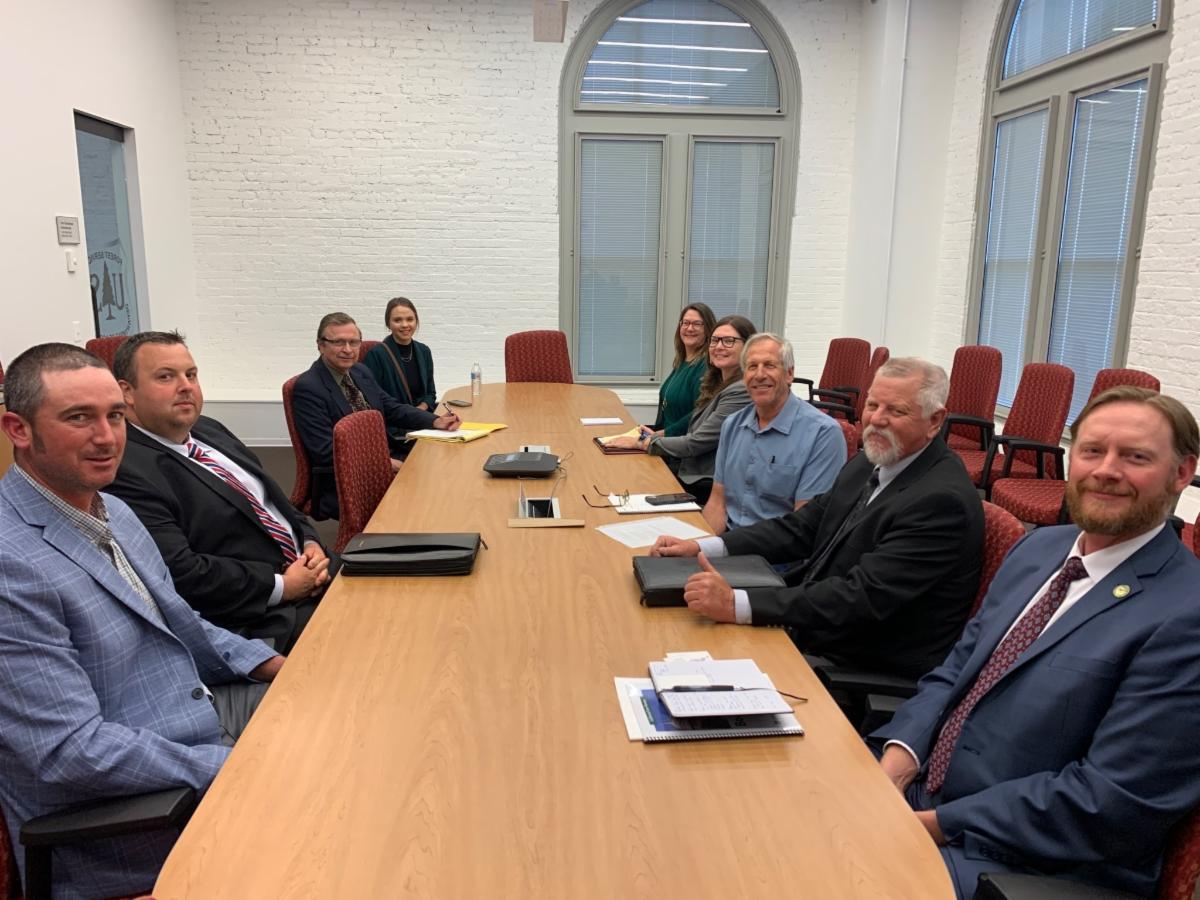
Last week, California Farm Bureau’s Board of Directors conducted a “fly-in” to Washington DC to meet with key legislators, agency officials, and coalition partners. Although typically an annual event, this marked their first return to DC in over three years due to the pandemic. Over three days, Board members had the opportunity to discuss several critical issues impacting agriculture in the state, including trade and supply chain problems, labor challenges, disaster relief, and various water and drought issues.
In the wide range of meetings, the Board met with representatives from the Department of Interior, the US Forest Service, the Japanese Embassy, the National Immigration foundation, and several House and Senate offices from states such as Colorado, Idaho, and Kansas. The US Department of Agriculture also hosted the Board for meetings with nearly half a dozen sub-agency officials and staff, which proved to be a great opportunity to discuss the myriad of issues mentioned above.
The productive week was a “return to normalcy” for most in the room, as several federal agencies only somewhat recently began permitting in-office visits and travel for officials and staff. Constructive dialogues helped raise both broad and specific challenges that have been plaguing farmers and ranchers across the state. Although the Board is now back here in California, our Federal Policy team will continue working to ensure lawmakers and federal agencies remain on top of these critical issues.
|
|
USDA Announces "Phase One" Distributions of Emergency Relief Funds for 2020 and 2021 |
Last week, the US Department of Agriculture announced a $6 billion rollout of what they’re referring to as the Farm Service Agency’s Emergency Relief Program (ERP). This is essentially a rebranding of sorts for the Wildfire and Hurricane Indemnity Program Plus (WHIP+), which is designed to distribute payments for disasters experienced in 2020 and 2021. CAFB helped spearhead efforts last fall to secure $10 billion in funding for the program. Despite passing and being signed by the president in early November, payments have been extremely slow to roll out.
Part of these delays appear to be for this reorganization of WHIP+ into the ERP. In the USDA’s announcement, they also confirmed that payments would be distributed in two separate phases. The first phase will issue roughly $6 billion to those that were already involved in Federal Crop Insurance or the Noninsured Crop Disaster Assistance Program (NAP). These individuals will receive pre-filled out application forms in order to streamline the distribution of funds. Phase One is intended to include applicable farmers and ranchers that were impacted by wildfires, hurricanes, floods, derechos, excessive heat, winter storms, freezes, smoke exposure, excessive moisture, qualifying drought, and related conditions.
These application forms were supposed to go out prior to the end of the month, with no timeline given for the second phase of payments. Unfortunately, in California, only 67 of roughly 400 commodities are covered by existing crop insurance programs, meaning the Phase Two rollouts could prove to be more important for our producers. CAFB continues to push agency officials on understanding the importance of ensuring these payments remain as timely as possible, particularly as droughts and other disasters begin to take foot here in 2022.
|
|
USDA Announces Signup Period for Commodity Container Assistance Program |
Yesterday, USDA Secretary Tom Vilsack announced that the agency would begin accepting applications for the Commodity Container Assistance Program (CCAP), which is being held in partnership with the Port of Oakland and the Northwest Seaport Alliance (covering Seattle and Tacoma). The program is intended to help cover some of the costs associated with the purchase and movement of shipping containers.
Per their release, the Farm Service Agency (FSA) would offer payments of $200 per dry container and $400 per refrigerated shipping container (or “reefers”). They would also provide $125 per container payment to partially reimburse agricultural product owners for additional logistical expenses at the Port of Oakland. Interested applicants can click the link below to learn more about the program or submit an application.
|
|
CAFB & Other Organizations Urge US Solicitor General to Withdraw Brief on Glyphosate Case |
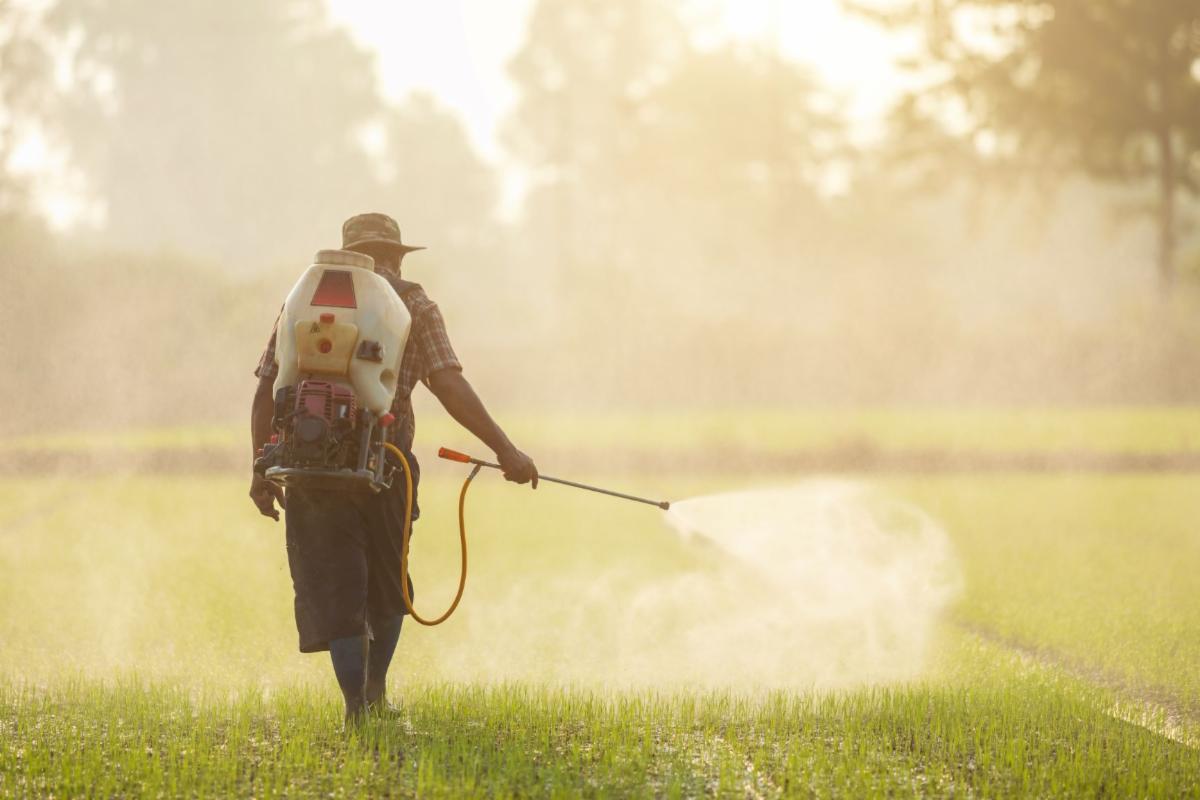
Earlier this week, California Farm Bureau joined over fifty other organization in a letter submitted to the White House, urging them to withdraw a brief submitted by the US Solicitor General in which they advised the Supreme Court to not hear an ongoing case regarding carcinogen labels for glyphosate in California. Despite countless regulatory bodies all around the world—including the US Environmental Protection Agency—concluding that the herbicide is not a carcinogen, California has tried to move forward with requiring such a label for these pesticides. The Solicitor General argued that federal regulations do not prohibit a state from requiring even more robust labeling standards.
Unfortunately, they have not considered the substantial empirical evidence showing that such a warning label would simply be false or misleading. With rising input costs and supply chains continuing to be pushed to their limits, there is little room for new regulatory burdens that threaten food production both here in California and around the country, particularly when those requirements threaten long-standing science-based policies. CAFB will continue to monitor these developments and update members as we learn more.
|
|
Forest Service Issues Pause on Prescribed Fire Operations on National Forest System Lands |
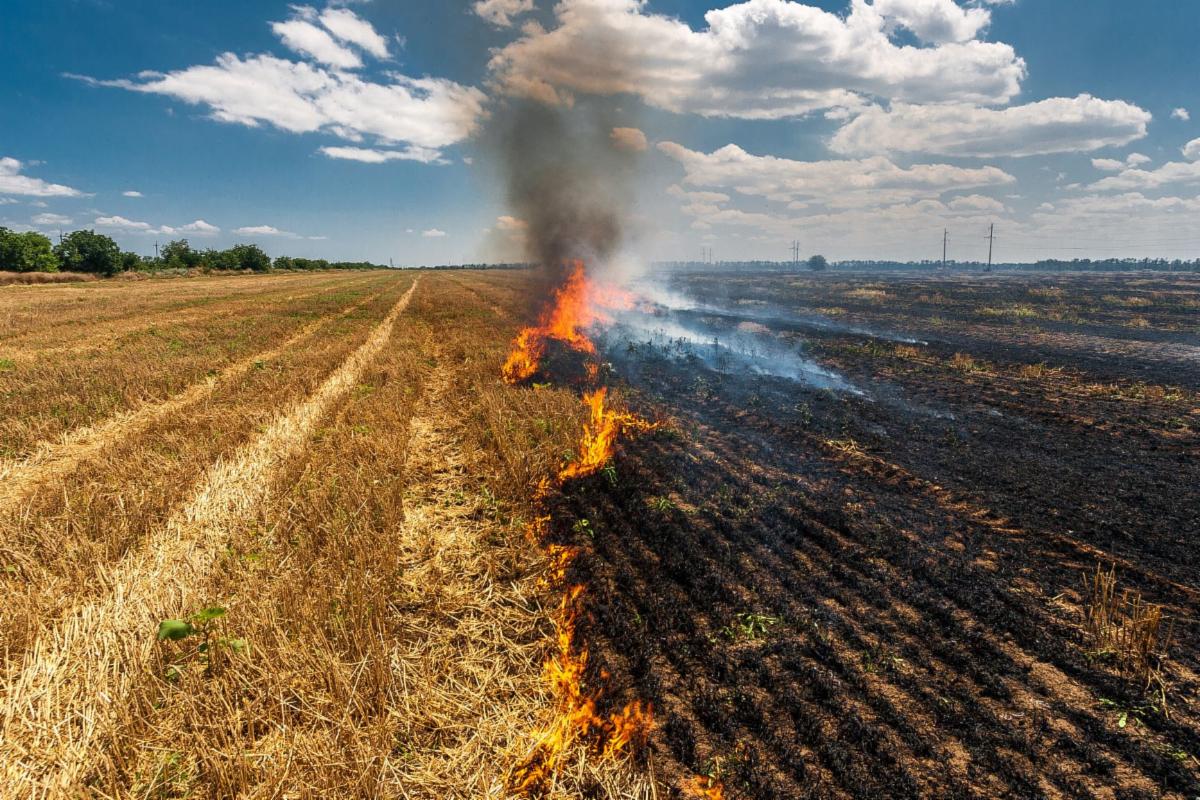
On May 20, U.S. Forest Service Chief Randy Moore issued a statement saying, that due to current extreme wildfire risks conditions in the field, a pause on prescribed fire operations is being initiated on National Forest System lands while the Service conducts a 90-day review of protocols, decision support tools and practices ahead of planned operations this fall. The review includes tasking representatives from across the wildland fire and research community with conducting the national review and evaluating the prescribed fire program. Lessons learned and any resulting program improvements will be implemented prior to the Service resuming prescribed burning. The Service has stated that the pause will have minimal impact on both short- and long-term objectives of the Service as 90% of Service prescribed burn operations are conducted between September and May.
|
|
California Farm Bureau's Western Region WOTUS Roundtable Scheduled for June |
On May 4, 2022, U.S. EPA and the U.S. Army Corps of Engineers announced the schedule of ten stakeholder roundtables that will highlight geographic differences and a range of perspectives on the agencies’ proposed Waters of the United States (WOTUS) Proposed Rule. The agencies previously announced the selection of ten roundtables in February 2022 with California Farm Bureau's roundtable proposal selected as one of the two roundtables representing the western region. The roundtable will be chaired by President Jamie Johansson and will include stakeholders from a variety of organizations representing perspectives from agriculture, conservation, development, drinking and wastewater management, Tribal nations, state government and more. The roundtable will take place Thursday, June 16 from 2:00 to 4:30 PM EDT and can be viewed via livestream here.
|
|
House Committee Passes Meatpacking Oversight Bill |
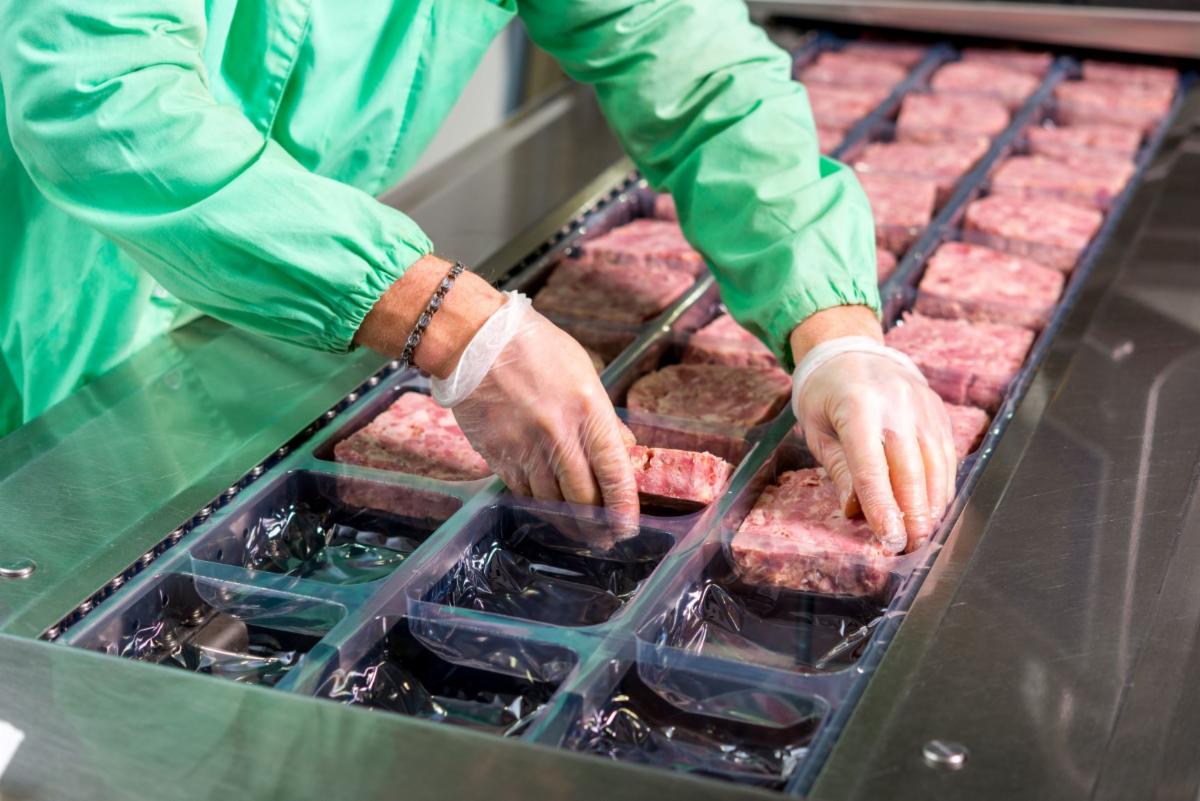
The House Agriculture Committee passed a bill last Wednesday that would install an office of special investigations at the USDA specifically designed to examine allegations of unfair practices in the meatpacking industry. The bill passed mostly along party lines, although one Republican did join in the 27-21 vote to send it out of committee. The President has stated on several occasions his belief that price increases have not accurately matched inflation due to a number of problems existing in the current system, some of which is due to a lack of competition.
Critics have suggested the bill would be duplicative of ongoing efforts and that existing investigative staff simply need better resources at the Packers and Stockyards Division of USDA. The American Farm Bureau Federation sent a letter to the leadership for both House and Senate Agricultural Committees, asking for some clarity on certain aspects of the bill. AFBF has existing policy that supports the USDA’s efforts to end predatory practices in the industry, but the letter below helps highlight remaining questions on the legislation. CA Farm Bureau has raised similar concerns with members of the House Ag committee and is still awaiting official response to the listed questions in the letter.
|
|
President Appoints New Rural Development Director for California |
Late last week, the President announced his intentions to appoint Maria Gallegos Herrera as the Rural Development Director for the state of California. State Directors are supposed to assist in the implementation and review of the USDA’s Rural Development programs. These include initiatives aimed at improving essential services such as water and electric infrastructure, broadband connectivity, healthcare, housing, and first responder services. Although not limited to agricultural producers, the sub-agency has a strong connection with farmers and ranchers given the nature of their focus. Herrera previously served as the Central California Regional Director of External Affairs under Governor Gavin Newsom and was involved in community development organizations prior to that.
|
|
Sara Arsenault
Director of Federal Policy
|
|
Matthew Viohl
Federal Policy, Associate Director
|
|
Erin Hutson
Federal Policy, Consultant
|
|
|
|
|
|
|