THIS WEEK IN
Federal Policy News

January 11, 2023

First Funding Deadline Approaches,

New Calls for WIC Support

With the first of two government funding deadlines quickly approaching (January 19th), it’s looking increasingly likely that lawmakers might need to put together a one-month continuing resolution (CR) together to give Congress more time to finalize their appropriations packages. Tied up in these debates have been border security, Ukraine funding, and more money for the Special Supplemental Nutrition Program for Woman, Infants, and Children (WIC). Several organizations have also supported the latter of those, including the International Fresh Produce Association, which has warned against cuts that put fresh fruits and vegetables at risk of being limited for this and other nutrition programs.


While at least $1 billion is expected to be approved to help prop up WIC, it remains unclear if such a sum will be supported strongly enough in the House, where Republican leadership has sought certain cuts to the program. In addition, a supposed border agreement remains unfinished. The deal would reportedly lead to more stringent enforcement against illegal immigration, while also raising the legal bar for asylum seekers. With the 2024 primary season beginning next week in Iowa, it serves as a reminder that many of these issues are at risk for added gridlock as legislators weigh the political pros and cons of supporting or blocking certain bills or measures. 


USDA and DOE to Host Virtual Listening Sessions on Clean Energy Siting in Rural Communities

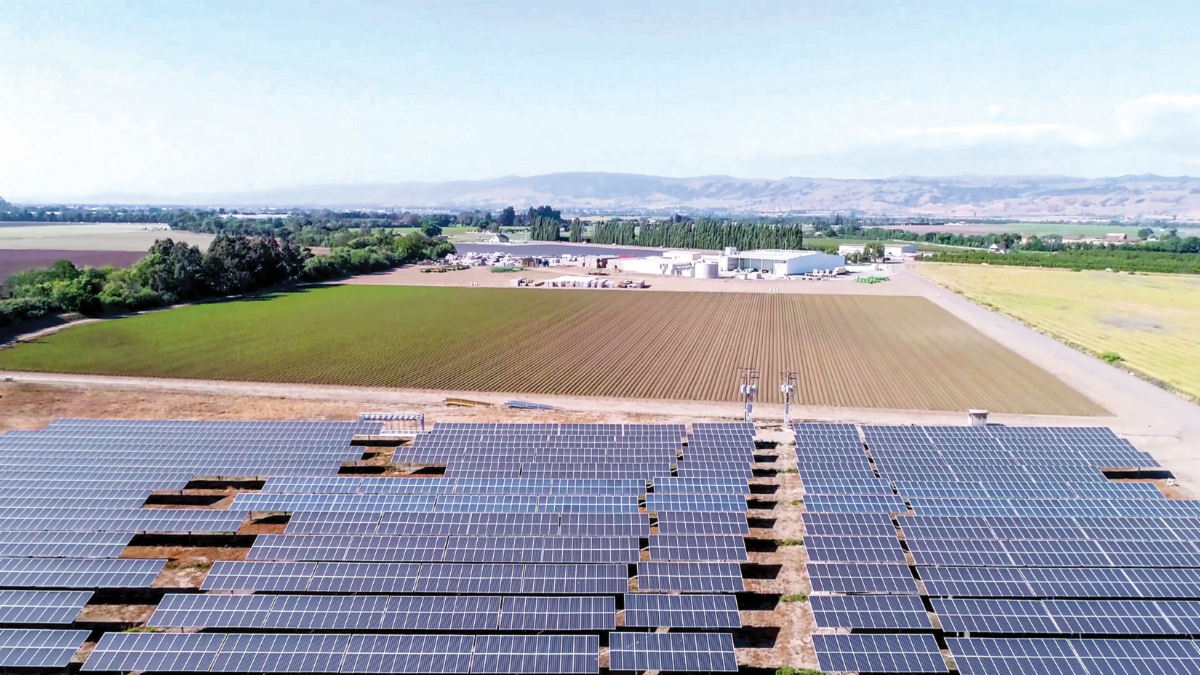
USDA and the Department of Energy (DOE) are collaborating to host virtual listening sessions from January 12th-17th, seeking insights on the benefits and challenges associated with the increasing deployment of solar and wind energy in agricultural lands and rural communities. As the demand for electric power in the nation rises, projections indicate an accelerated growth in solar energy installations. According to a 2021 study by the U.S. Department of Energy (DOE), solar energy could surge from 4% to 45% of the country’s total energy production by 2050. To achieve this, approximately 10.4 million acres may be required, with 90% anticipated to be situated in rural communities.

Concerns in various communities include potential loss of farmland, decreased property values, and other impacts. Addressing these concerns is crucial for informed land-use decisions by farmers and rural communities. The sessions will be categorized as follows:


  • Jan 12. @ 9:30 PST: Government permitting and policy representatives at state, county, and local levels - Register Here
  • Jan. 16 @ 7:00 a.m. PST: Agricultural producers - Register Here
  • Jan. 16 @ 11:30 PST: All stakeholders and members of the public on Jan. 16, 2024, at 2:30 – 4:00 p.m. ET - Register Here
  • Jan. 17 @ 12:00 p.m. PST: Rural electric coops and clean energy developers - Register Here


All participants are encouraged to comment during the session and/or submit comments via CleanEnergySiting@USDA.gov. Such comments need to be provided by January 20th.

USDA Announcement
 
 
Facebook  Twitter  Instagram  
Federal Policy Team
 

Matthew Viohl

Federal Policy, Director

Erin Huston

Federal Policy, Consultant

Isabella Quinonez

Public Policy Coordinator