THIS WEEK IN
Federal Policy News
|
|
First Round of Proposals for Partnerships for Climate-Smart Commodities Closes, Second Round of Funding Still Available |
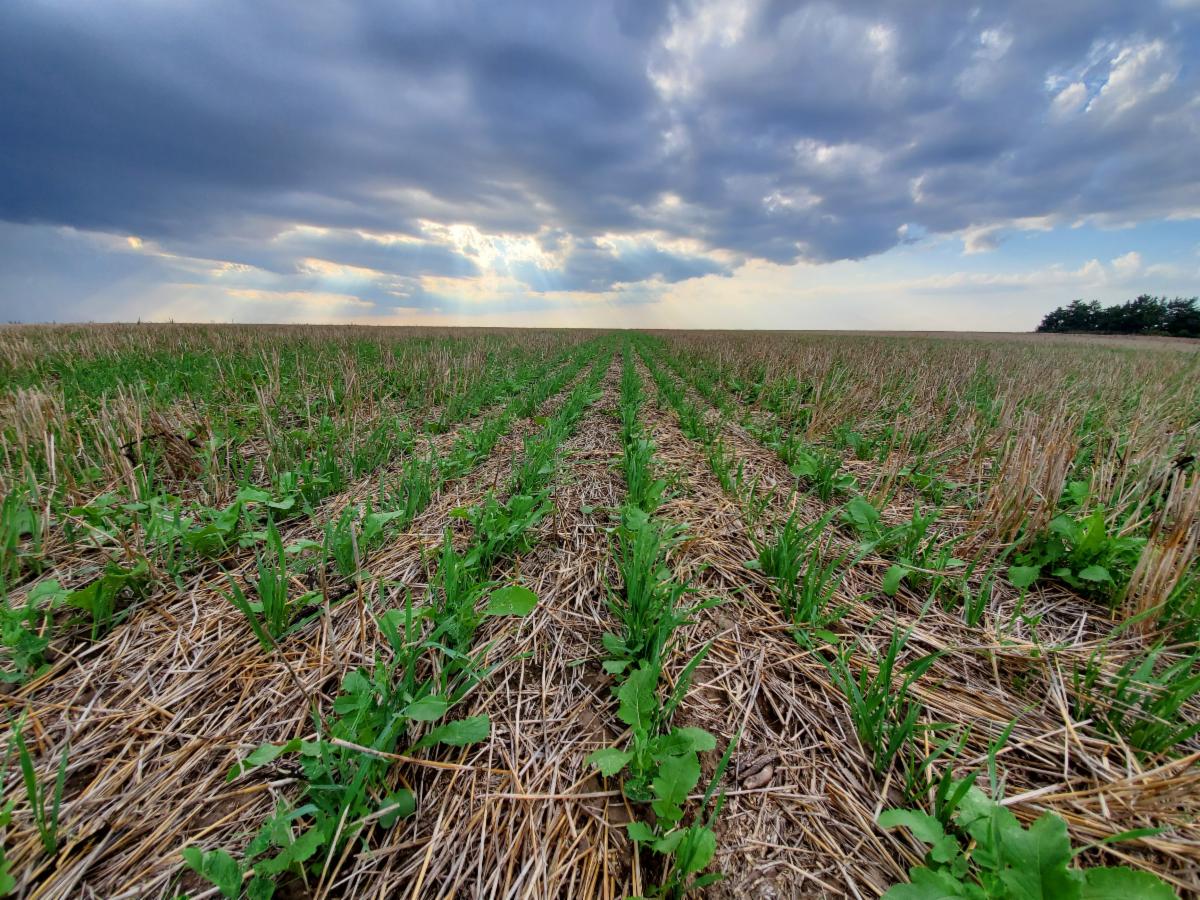
On May 10th, Agriculture Secretary Tom Vilsack announced that the first round of funding through the new Partnership for Climate Smart Commodities received over 450 proposals ranging from $5 million to $100 million each. The deadline for these large-scale proposals closed on Friday, May 6th. The applications received by USDA came from over 350 groups, including nonprofit, for-profit and government entities; farmer cooperatives; conservation, energy and environmental groups; state, tribal and local governments; universities; small businesses and large corporations. The applications also covered every state in the nation as well as tribal lands, D.C., and Puerto Rico.
The deadline for the second round of funding is on Friday, June 10th, 2022. This funding pool will include proposals from $250,000 to $4,999,999 that emphasize the enrollment of small and/or underserved producers, and/or monitoring, reporting and verification activities developed at minority-serving institutions. For more information, visit the USDA Partnerships for Climate Smart Commodities website here.
|
|
SEC Comment Period Extended for Climate-Related Disclosures |
The Securities and Exchange Commission announced on May 9th that it has extended the public comment period on the proposed rulemaking to enhance and standardize climate-related disclosures for investors until June 17, 2022. Previously, California Farm Bureau had signed onto a coalition letter requesting an extension from the original comment period of May 20th.
In an April 11th Federal Register notice, the Securities and Exchange Commission announced it would seek public comment on amendments to its rules under the Securities Act of 1933 and Securities Exchange Act of 1933 that would require registrants to provide certain climate related information in their registration statements and annual reports, including potentially invasive and burdensome information about farms.
|
|
Reminder: May 26 NCRS Services & Funding Program Information Session |
USDA Natural Resources Conservation Service (NRCS), in partnership with the Fresno State Office of Community & Economic Development (OCED) and USDA Office of Partnerships & Public Engagement, is hosting an information session to provide stakeholders a chance to learn and ask about such services as Conservation Technical Assistance and learn about funding programs like the Environmental Quality Incentives Program (EQIP) and the Conservation Stewardship Program (CSP).
The information session is scheduled for Thursday, May 26, 2022, at 10:00 AM PDT. If interested in participating, please RSVP here.
|
|
Administration Nixes Plan to Boost US Farm Production in Response to Ukraine Conflict |
Yesterday, USDA Secretary Tom Vilsack confirmed that the Administration had dropped efforts to boost American production of certain commodities in response to the Russian invasion of Ukraine. Both are some of the biggest producers of wheat globally, and the conflict has also contributed to growing supply chain concerns for other commodities and resources as well. The original plan would have provided nearly half a billion dollars to try and boost the production of soybeans, wheat, and other crops here in the US; however, critics felt that high prices and other flaws in their setup would not have led to the results they were hoping for. Given the speed at which lawmakers wanted to move the Ukraine aid package, there simply wasn’t enough time to rework the funds and the proposal was cut out altogether. |
|
President Announces Plans to Hold Hunger Summit |
Last week, President Biden announced his intentions to hold a Conference on Hunger, Nutrition, and Health in September. The last such conference was held over 50 years ago during the Nixon administration. USDA Secretary Tom Vilsack has been a proponent of raising hunger and nutrition issues during his tenure, but the President‘s announcement points towards new initiatives aimed at food insecurity and similar issues. In recent years, ideas such as food box programs and partnerships between local producers and public schools have helped highlight the import role American farmers can play in addressing these challenges. Although in the early stages, CAFB will continue to update members as more details are made available.
|
|
Sara Arsenault
Director of Federal Policy
|
|
Matthew Viohl
Federal Policy, Associate Director
|
|
Erin Hutson
Federal Policy, Consultant
|
|
|
|
|
|
|