THIS WEEK IN
Federal Policy News

November 16, 2023

Deal Reached on Farm Bill Extension & Government Funding

While not fully wrapped up as of Wednesday afternoon, the Hill appears well-poised to avoid a government shutdown just before the holidays. The biggest hurdle—the House—passed the bifurcated funding bill in a 336 to 95 vote, with 93 of those no votes coming from Republicans. It now heads to the Senate where it is expected to pass prior to the Friday deadline. The two-tract measure will fund several agencies through late January, while the others in early February. The hope is it will give lawmakers more time to come together on a longer-term extension early next year.


Included in the package was a one-year extension of the Farm Bill. Key Congressional members have reiterated that they plan to get a full five-year extension done well before the end of next year, but the major election year dynamics will certainly complicate matters. CAFB, AFBF, and other organizations are pushing hard for a deal to get done though, as some of the major changes likely included would greatly benefit western agriculture.


CAFB Submits Comments on DOL Temporary Worker Protections

This week, CAFB submitted comments in opposition to a proposed rule by the Department of Labor (DOL) regarding expanded worker protections for temporary visa workers (namely, H2-A). The DOL’s proposal would potentially make several negative changes in their hopes to try and offer National Labor Relations Act-level protections to seasonal workers. Some of those provisions include giving “labor organizations” (which are ill-defined) the power access to private contact info for H-2A workers as well as physical access to common areas within employer-provided housing.


It would also make it much more difficult for employers to fire workers for poor performance and require employers to adopt annual Adjusted Effect Wage Rate (AEWR) changes immediately. Currently, employers have two weeks to comply with the annual updates. Given the substantial problems with the current AEWR between costs and a fundamentally flawed calculation formula, such changes would make the H2-A program (and others) even more complex and costly to use. AFBF and the National Council of Agricultural Employers (of which CAFB is a member) submitted highly critical comments as well. We will update members as the DOL reviews the several hundreds of comments provided.

CAFB Comments
AFBF Comments
NCAE Comments
 

MOU Signed Between Several Agencies on Wildfire Protections

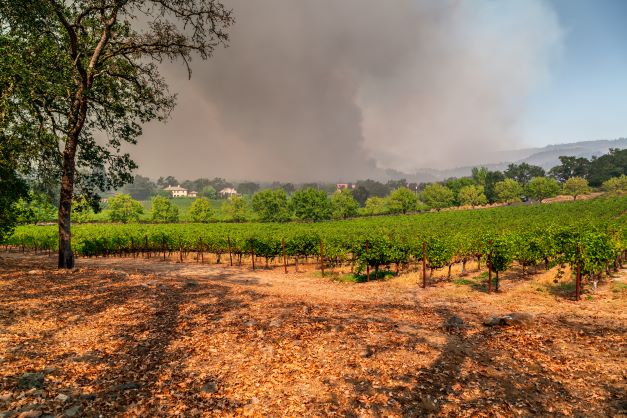
Late last week, the White House announced a memorandum of understanding signed between several agencies on the issue of wildfire risks. It included the USDA, Department of the Interior (DOI), Environmental Protection Agency (EPA), and Centers for Disease Control and Prevention (CDC). The MOU outlines how the agencies plan to work together in a more cohesive manner to help minimize the risks from wildfires and smoke. This includes assisting with community preparedness, proper land management, unified data collection and sharing, and more aligned interagency communication and messaging. The news should hopefully be a positive development as it can often be challenging covering issues on forest health and wildfires given the various agency jurisdictions.

USDA Release
 

USDA to Boost Specialty Crop Competitiveness 

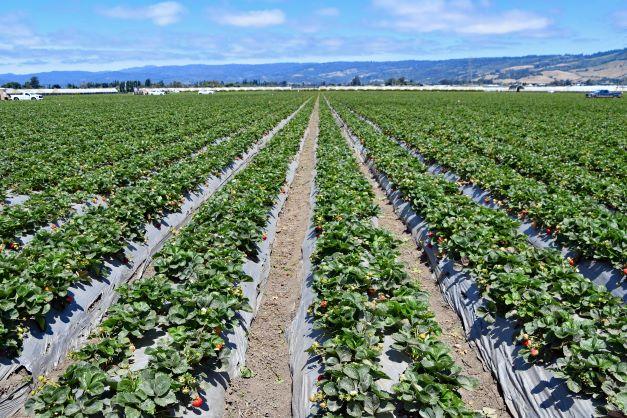
Last Thursday, the USDA announced a new effort aimed at increasing the competitiveness of American specialty crops. Included in it was a Resource Directory that captures all of the many programs and resources available for specialty growers. They also announced $70.2 million in new funds for the Specialty Crop Research Initiative (SCRI) for 21 research projects, two of which are here in CA. A full readout of the initiative can be seen below.

USDA Release
Specialty Crop Resource Directory
 

USDA Poultry Contracts Rule Finalized

The USDA recently finalized a rule that will require live poultry dealers to give additional information to growers they contract with. Per a release, dealers will be expected to “…disclose earnings for growers by quintile, establish minimum flock placements, and explain variable costs growers may incur and how companies handle certain important circumstances such as sick flocks and natural disasters.” The rule is intended to give more transparency to poultry growers as they navigate potential contracts with processors. More info can be found here.


Gray Wolf Protection Recodified; Colorado Population Approved

Earlier this month, the US Fish & Wildlife Service formally reinstated the Gray Wolf as a protected species under the Endangered Species Act. The move was mostly technical, as a court order in late 2020 reversed the USFWS’ plan to drop the species from ESA protection. Ongoing litigation continues to appeal that court’s decision. In addition, they finalized a rule that permits the introduction of a formal experimental population of grey wolves into Colorado.


FSA County Committee Elections Now Open

As a reminder, elections for county and urban county committee elections have now opened through the Farm Service Agency (FSA). Ballots should have been mailed out at this time, giving recipients the chance to vote up until December 4th. These committees help provide an opportunity for local producers to be involved with their regional FSA offices in a more official capacity. Members are encouraged to seek out the candidates in their region.

USDA Release
CCE Portal
 
 
Facebook  Twitter  Instagram  
Federal Policy Team
 

Matthew Viohl

Federal Policy, Director

Erin Huston

Federal Policy, Consultant

Isabella Quinonez

Public Policy Coordinator