THIS WEEK IN
Federal Policy News
February 3, 2022
USDA Announces Partnership with Port of Oakland to Help Ease Congestion
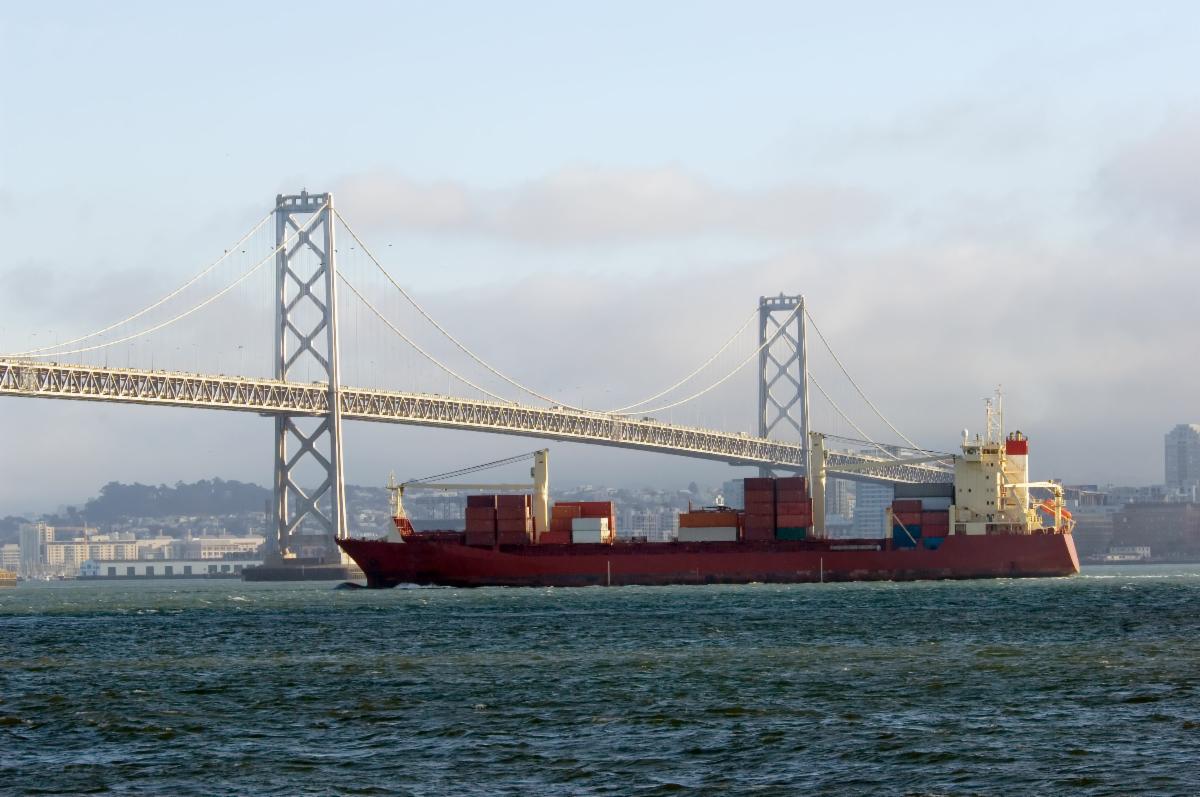
On Monday, USDA Secretary Tom Vilsack announced that the federal government would be partnering with the Port of Oakland in order to build a new “pop-up” 25-acre container yard in order to help agricultural exporters get their products into carrier containers. The USDA is eyeing an opening date sometime in early March. AFBF President Zippy Duval voiced their organization’s approval of the announcement while also calling for broader support on the Ocean Shipping Reform Act (OSRA) which passed overwhelmingly in the House late last year. 
 
CAFB has been actively engaged in port congestion and other related supply chain issues, as many agricultural exporters have encountered significant challenges in getting their products shipped overseas. The downstream impacts have also resulted in harder-to-find equipment and price increases across the board. The Senate has been slower to act on this front but is expected to introduce OSRA this week, pending any new delays. 
FDA Enforcement Discretion Begins on Agricultural Water Requirements
Beginning on January 26th, the US Department of Agriculture began enforcement discretion on agricultural water requirements under the Produce Safety Rule of the Food Safety and Modernization Act (FSMA). As previously announced, USDA filed a notice of proposed rulemaking (NPRM) concerning updates to these water requirements, intended to give farmers clearer and more flexible options to remain in compliance. The enforcement discretion should remain in effect until that rule is finalized. The public comment period closes in early April and would likely be under review for subsequent changes for several months. CAFB welcomes feedback in this area and will continue to update members as the USDA holds several public listening sessions on the topic in the coming weeks. 
CAFB Submits Comments on Proposed AEWIR Methodology Changes for Certain H-2A Workers
On Monday, CAFB submitted comments on a proposed methodology change for the way certain H-2A workers’ wages are calculated. The Employment and Training Administration (ETA) believes that the changes would be “economically insignificant,” however, CAFB, American Farm Bureau, and several other organizations have significant concerns that the proposed rule would likely inflict severe labor cost increases for farmers and ranchers. Under our interpretation, an H-2A employee that dedicates a nominal amount of their working time towards a task such as driving harvested produce in a pickup truck would be liable to fall under a new occupational category in which requires nearly a 150% increase in their salary (up from the state AEWR rate). 
 
Even if most of their time is spent picking and harvesting, the rule—as written—would suggest they could fall under several other occupational roles, each with vastly higher wage rates. Farm and ranch work often requires flexibility for workers, a distinction the ETA has seemingly overlooked in their analysis. We know the H-2A and AEWR processes have been significantly challenging for farmers and ranchers over the years, which is why CAFB continues to be broadly engaged on the regulatory front, as well as legislative endeavors such as the Farm Workforce Modernization Act.
REMINDER: Submit Your Comments on Waters of the United States (WOTUS) to EPA Before Feb.7
The U.S. EPA and Army Corps of Engineers are currently accepting public comment until February 7, 2022, on their Proposed Rule that would repeal the National Waters Protection Rule and redefine “Waters of the United States”. CAFB has created a Farm Team alert for members to assist members with submitting comments. We urge you to access the Farm Team alert and let your voice be heard! 
Inaugural Federal Advisory Committee on Urban Agriculture Announced by USDA
On Tuesday, Secretary of Agriculture Tom Vilsack announced an inaugural Advisory Committee for Uban Agriculture through the USDA. The diverse 12-person committee is made up of individuals representing higher education, non-profits, businesses and economic development, supply chain development, and financing. Their aim is to help identify existing barriers and other challenges, while simultaneously looking to offer support for this growing sector in the form of grants and other investments. 
 
“Urban agriculture has been growing in impact and importance, and we are taking bold actions to build a support structure,” said the Secretary in released remarks. It is not yet clear when the committee will first come together, but CAFB will be following their work closely. 
Contact Federal Policy
Sara Arsenault
Federal Policy, Director
916-561-5619
Matthew Viohl
Federal Policy, Associate Director
916-561-5612
‌
Erin Huston
Federal Policy, Consultant
916-849-3746