|
We are rather glad to leave 2025 behind. It was a rough year. You may have heard that Catherine and I were absent following complicated medical occurrences that kept us homebound. Beginning last September, our reintegration back into bookstore duties has been gradual. Please forgive me for skipping the details – I prefer to root my attention in the present. We are both back to work and happy to be.
During our absence, our wonderful staff operated without us. Everyone added tasks to cover Catherine’s and my duties. Stephanie, Claire, Thomas, and Frank were especially heroic taking more work than their hours could contain, holding operations together by delegation and grit. We feel huge gratitude to them and the others who kept operations running well without us. We tend to lead by principle, with more emphasis on perception, principles and outcomes than on rules. I believe our booksellers excel at self-navigation. They think well and move confidently knowing they are capable.
| |
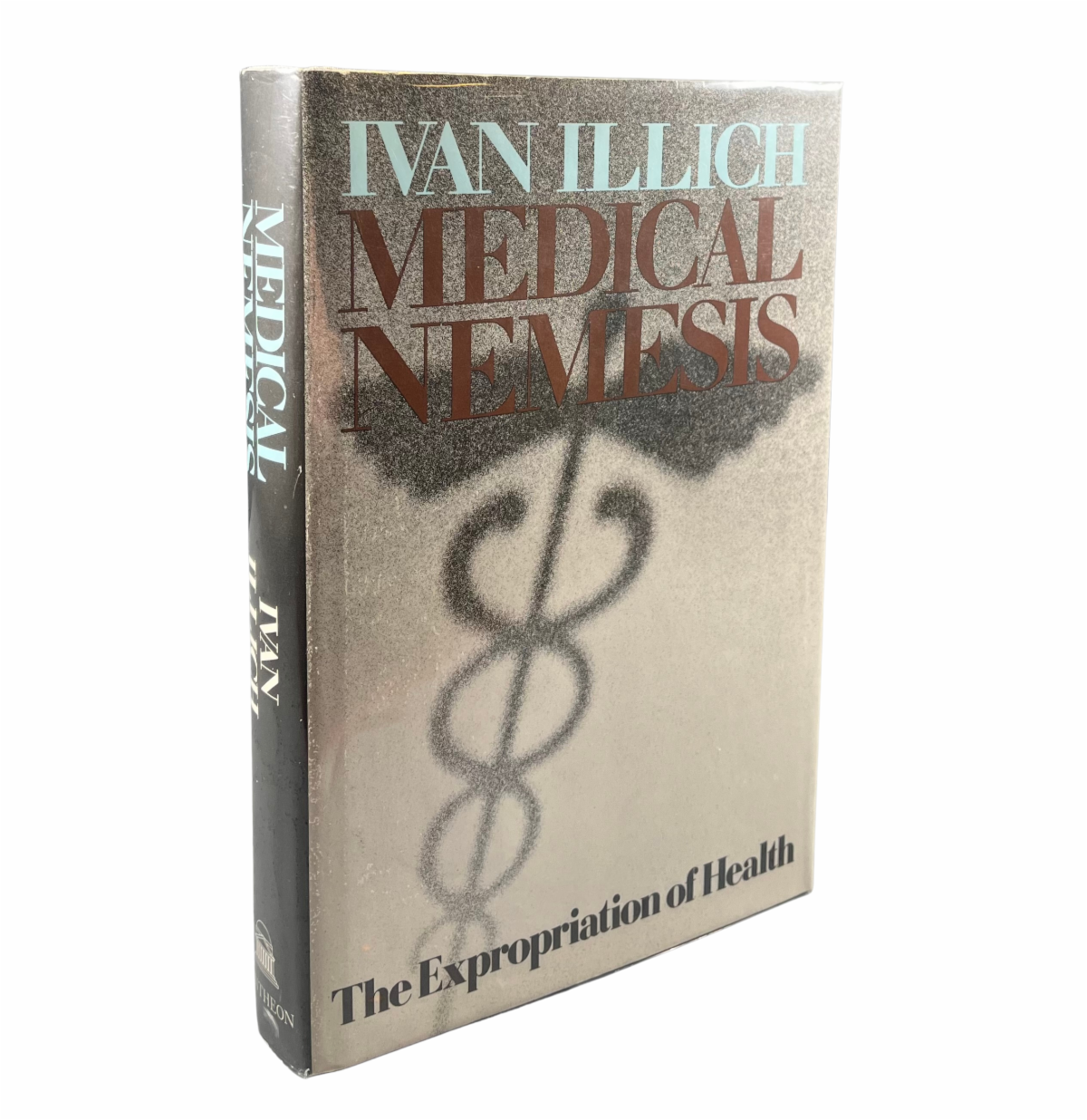
After a nearly four-month disruption, I returned to work somewhat changed. I lost most interest in my own expressions. Our experiences brought me to questions of value, time and purpose. And of course, there was reading.
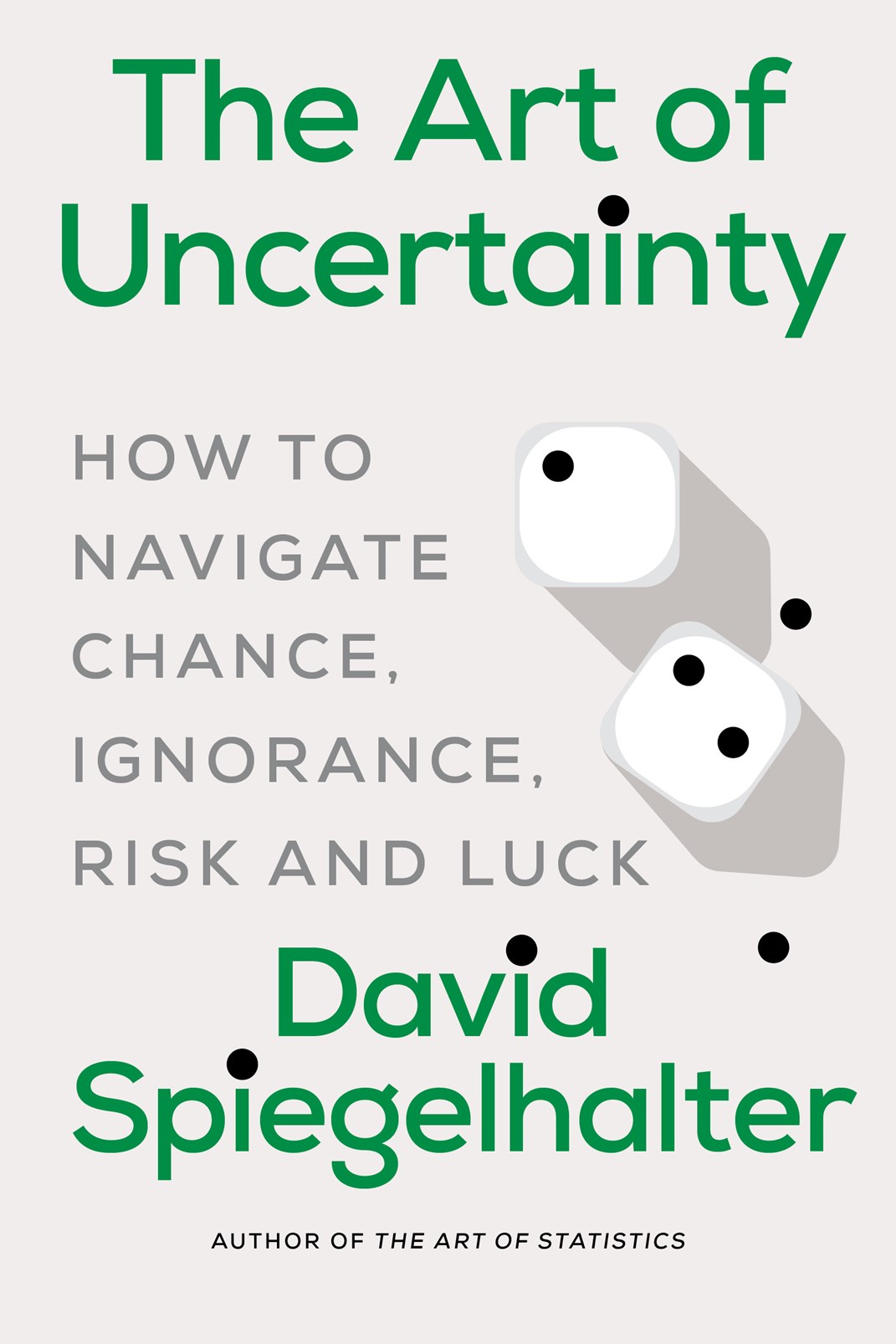
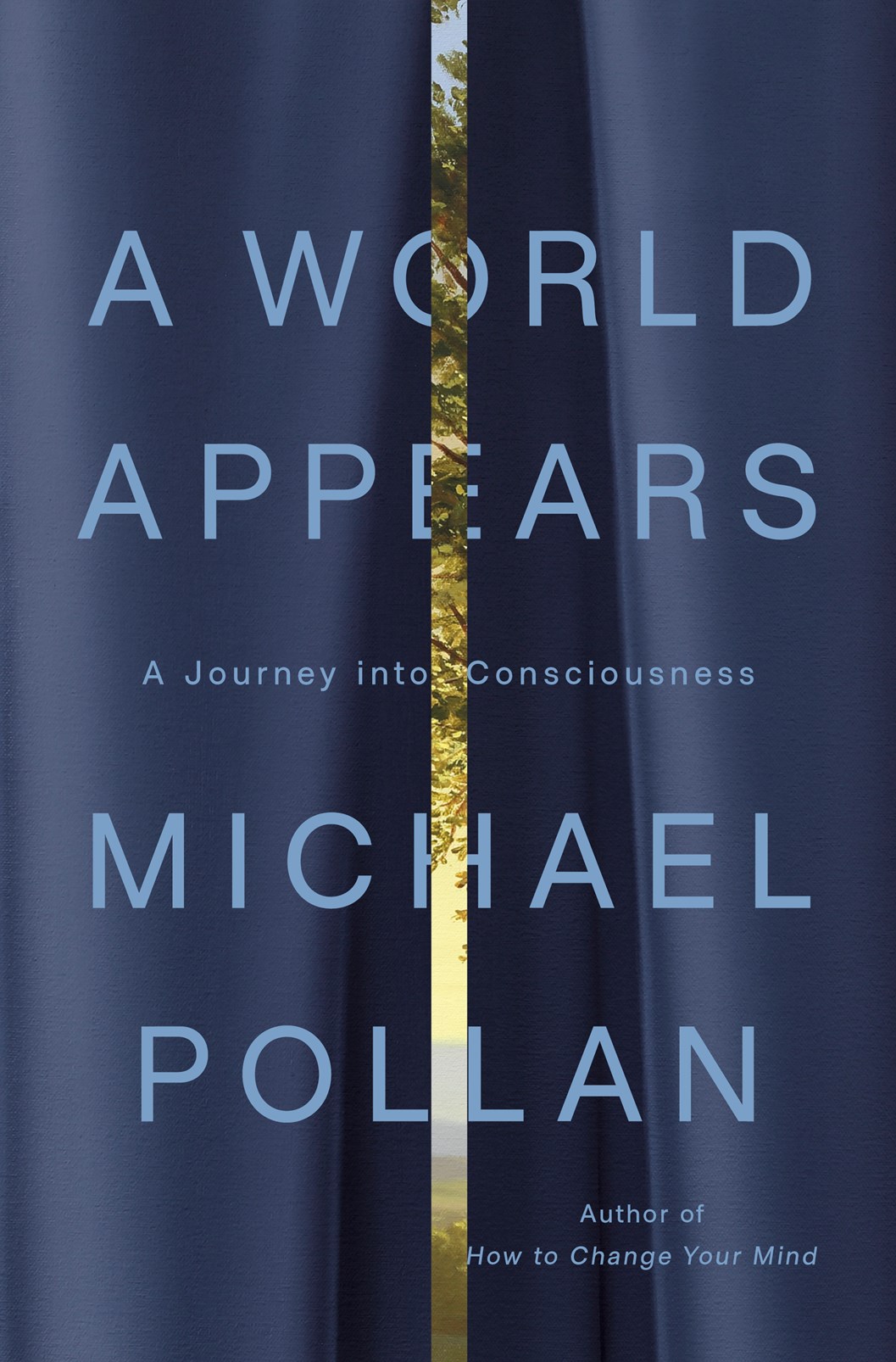
I diligently completed The Art of Uncertainty by David Spiegelhalter, 2025, and I just finished Michael Pollan’s new book, A World Appears: A Journey into Consciousness, published in February.
During and following hospital time, Catherine and I have been reading Buddhist works, Pema Chodron, Daniel Doen Silberberg, Dzongsar Jamyang Khyentse and Dogen. Between Spiegelhalter’s statistics, Pollan’s ontological investigations and various Buddhas, I find myself decreasingly interested in making words describe reality.
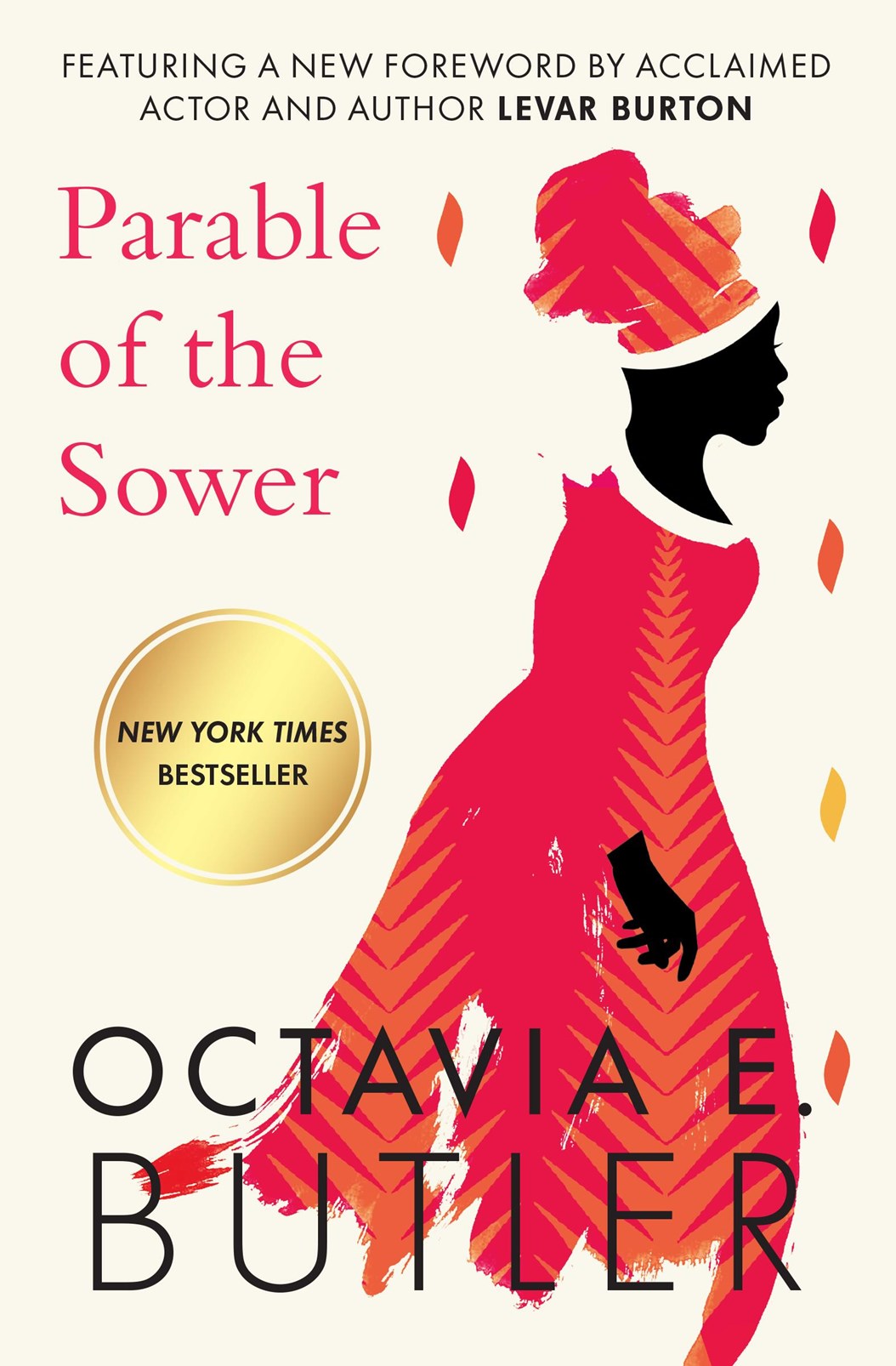
But I continue reading – somehow, the existential worries we endured, deepened the pleasure I enjoy dumping the thoughts of great writers into my own. By her writing alone, I befriended Octavia Butler. Her book, The Parable of the Sower, is tragic and hopeful. In a time of intolerance, Octavia lights the higher road.
| | RECEIVE 20% OFF WHEN YOU PURCHASE DURING MARCH AND APRIL | | |
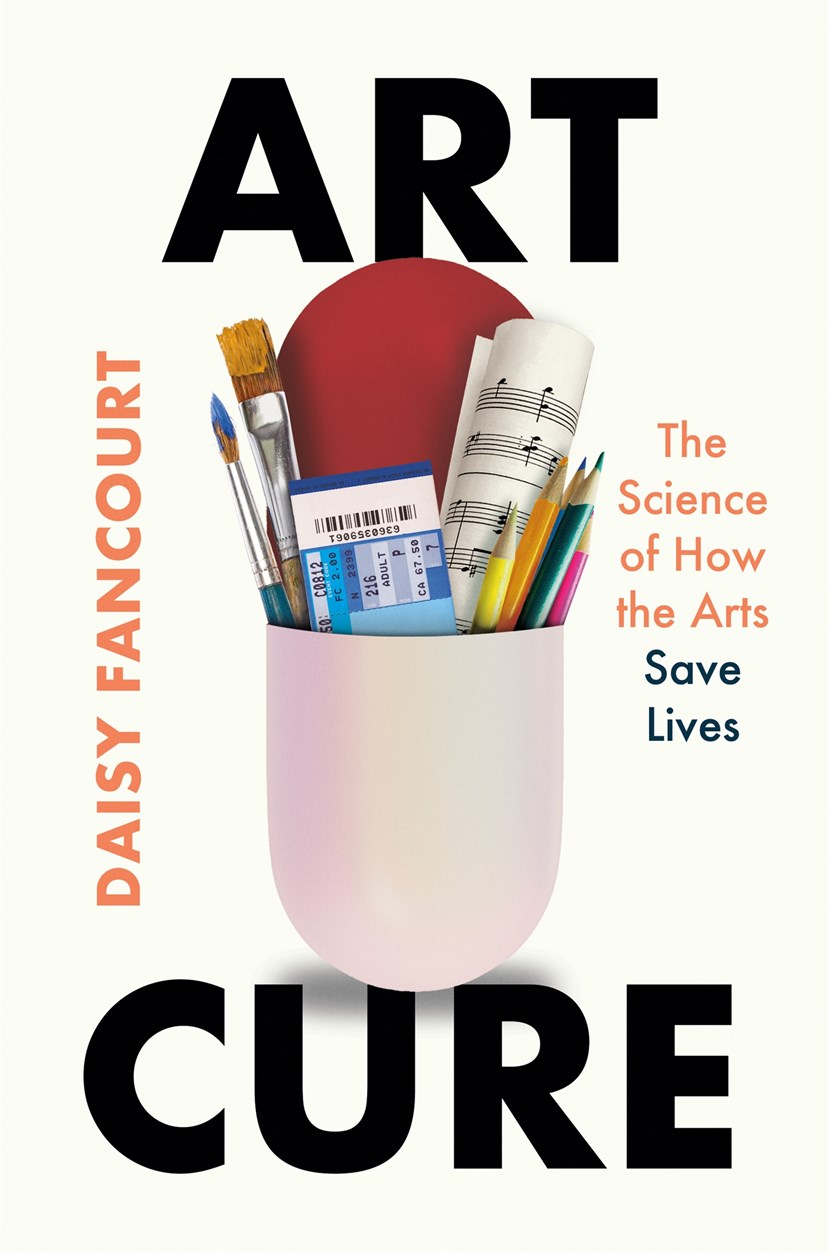
By Daisy Fancourt
Celadon Books
Hardcover $28.99
Best Wellers Price $23.19
Reviewed by Thomas Moore
Perhaps you've heard it said that "Art is good for the soul." This may be true, but what it seemingly fails to encapsulate is just how beneficial arts engagement can be for our health in general. In a few hundred pages, Professor Daisy Fancourt explains the impact of art in all its forms upon our well-being through the lens of science. The book is nothing short of a fascinating read, with statistical analysis, interesting anecdotes, and sound advice for how you might incorporate the arts more fully into your daily life. I started the book on a whim, intrigued by the premise, and I discovered that it put words to something I've observed in my own life, yet could never explain competently.
Early in her endeavor to communicate the ways in which art supports health, the author addresses an essential, but elusive, question: What is art? She lists no arbitrary set of activities, instead presenting the arts as any number of things possessing certain "ingredients." Provided are a few potential examples of these ingredients, such as "imagination", "creativity" and "novelty," which might be identifiable in various activities, for example, viewing a sculpture or performing a magic trick.
The concept is subjective; the essential ingredients of art might be different, and present within different activities, between one person and another. Importantly, she asserts that embracing these ingredients through art can serve to activate psychological, biological, social, and behavioral mechanisms that in turn can impact health. She likens this to the active ingredients in a drug, which work through the mechanisms in our body to take effect. From this premise, the book goes on to tackle several spheres of health that can be positively impacted in this manner, with sections on overall well-being, mental health, brain and memory, movement, stress and pain, healthy behaviors, and longevity. Finally, Fancourt rounds out the book by presenting some of the barriers that prevent us from participating in arts, and what we might do about them.
This book masterfully interweaves the data from scientific studies with personal accounts. The statistical data is presented meaningfully, with quantifiable examples provided. Many of these studies were conducted by the author herself, while other findings have been analyzed from the data available in wider studies. The personal stories are touching and offer perspective on how music, painting, and other art forms can dynamically affect a person's well-being, even so far as to save their life. One of my favorite features of this book is the inclusion of a "daily dose" section at the end of each chapter. Here, the author suggests ways in which the reader might more comprehensively implement arts engagement in their own life, with an emphasis on optimal health outcomes. I also enjoyed the communicative writing style, which presents concepts that might be hard to visualize in an understandable way. Often, it leans into the realm of inspiration without stretching beyond realistic conclusions.
Fancourt's message is an important and timely one. In the present day, support for careers in the arts is too often labeled 'non-essential' and art programs are frequently the first victims when funding is slashed. The science supports a very different conclusion: that art is an essential element of humanity and, in fact, necessary for a healthy society. The most oppressive barriers that seclude us from these vital experiences are societal, and this book is as much a call for societal change as it is an informative guide.
Overall, this is an excellent and worthy book. If you have an appreciation for creative impulses, you might find this book to be the push you need to embrace them more regularly.
| | |
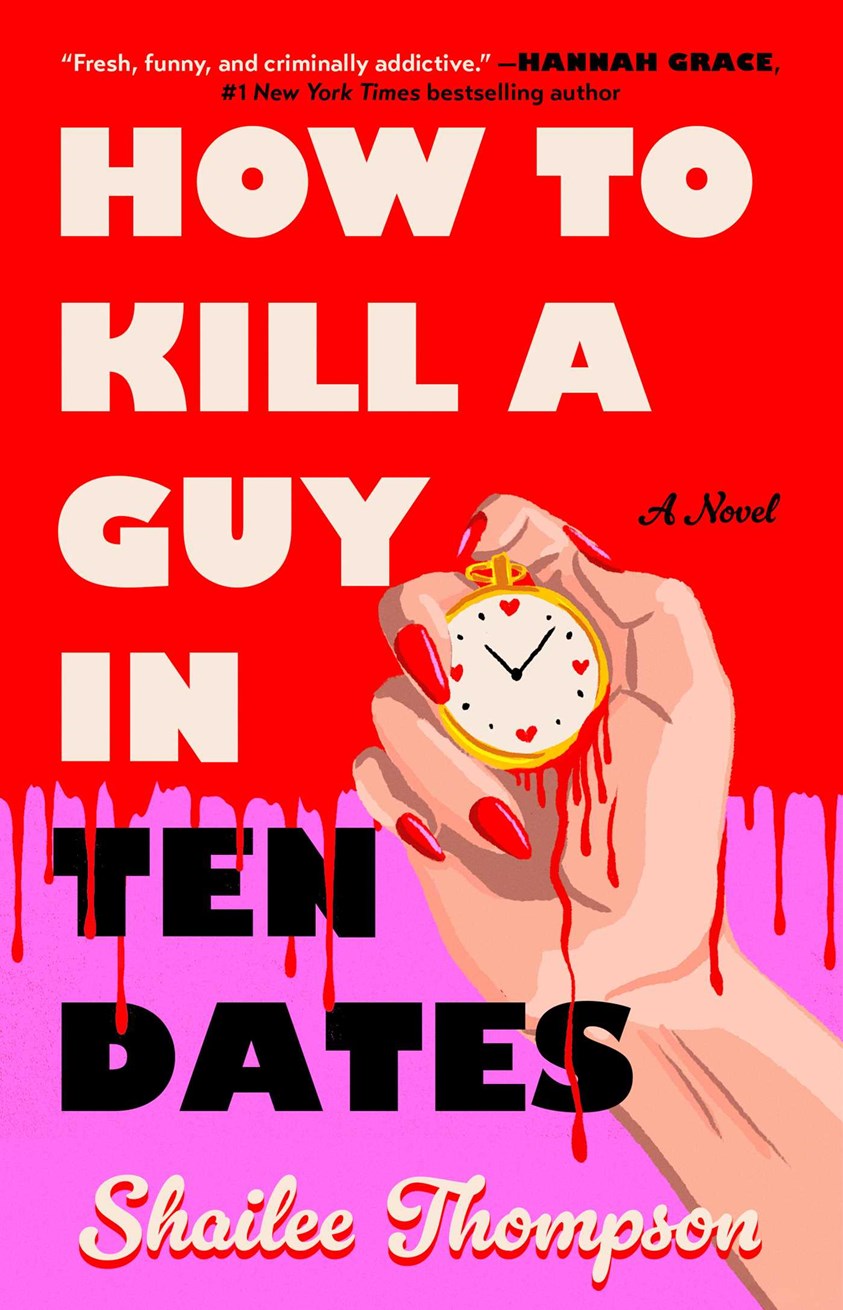
By Shailee Thompson
Gallery Books
Paperback $18.00
Reviewed by Theresa Moore
I didn't know I needed a slasher/rom-com until I read this book. It encapsulates both genres so well, blending them together in a beautiful, bloody mess.
It follows our lead, Jamie, a slasher movie and rom-com afficionado, as she finds herself at a speed dating event. Ten dates, ten minutes each. What's the worst that could happen? Well... murder. Lots of murder.
As the lights go out and the massacre begins, Jamie and the other survivors must navigate through the bowels of the club, not only for a way out, but for a way to survive. Alliances form, tensions spike, and even romance blossoms.
Caught in a twisted mashup of her favorite genres, Jamie must rely on her slasher movie instincts if she has any hope of making it to the end. This was such a fun, fast paced, and honestly thrilling read. The balance of horror and comedy make this book truly unique, I can't help but get hooked to it. How to Kill a Guy in Ten Dates is witty, gripping, and an absolute blast from cover to cover.
| | |
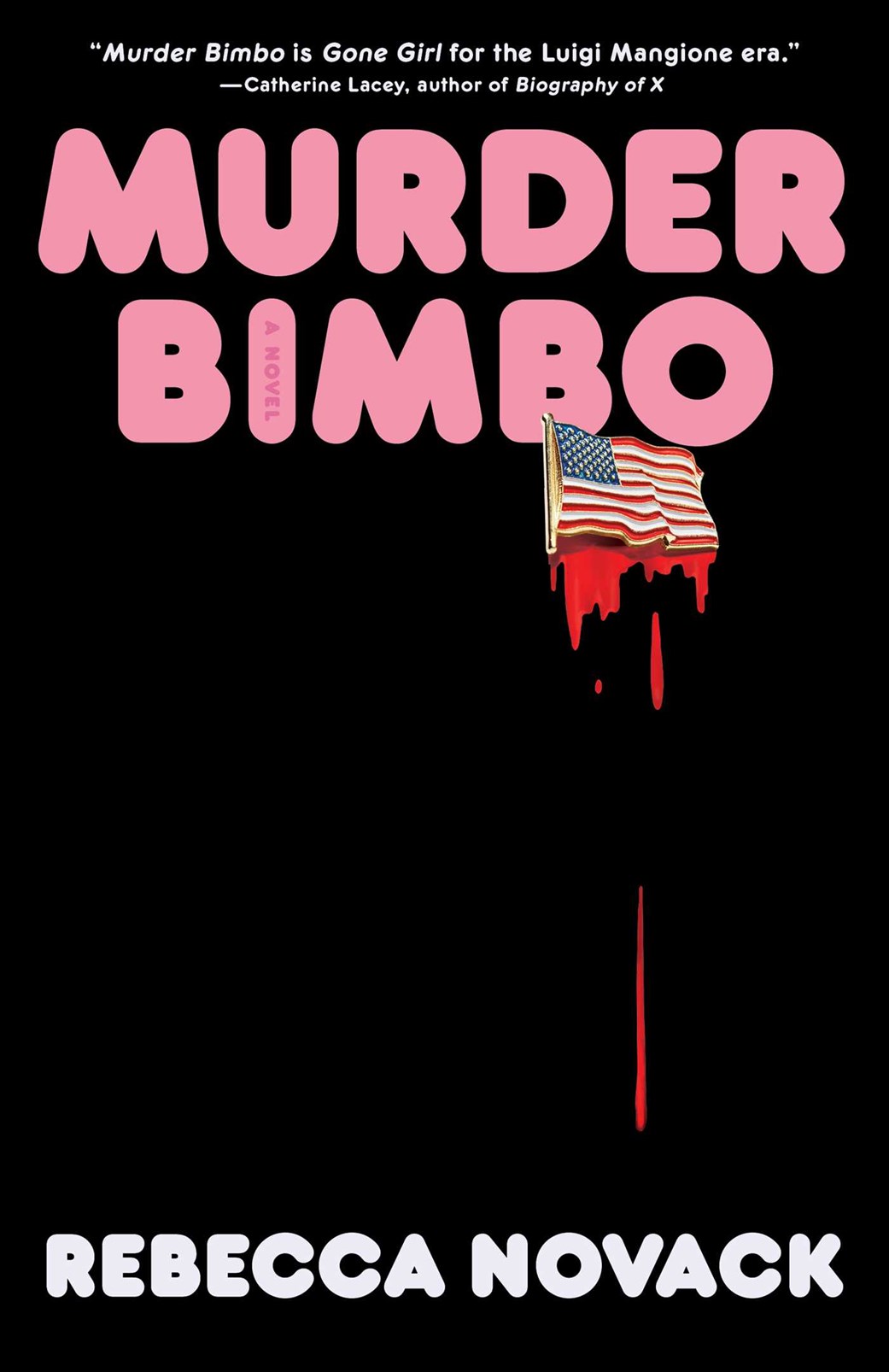
By Rebecca Novack
Simon & Schuster
Hardcover $28.99
Reviewed by Theresa Moore
Murder Bimbo is a sex worker who has been hired to assassinate the controversial politician, Meat Neck. That's about all we know for certain. No matter who hired her, she's more than glad to take out Meat Neck. Once the deed is done, however, it occurs to her that she was chosen for this job because she is perfectly disposable.
Hiding for her life in an off-the-grid cabin, she has naught but her wits and a laptop to help clear her name. She begins writing emails to an investigative journalist, Justice for Bimbos. Murder Bimbo explains her side of the story, how she was recruited and trained by a government agency to take out Meat Neck.
She begins writing emails to her ex, and the details begin to change. Who was it that contracted her: a government agency or a group of neo-Nazis? Did they approach her, or did she approach them? Did fate put this opportunity in her lap, or has she been lying in wait for the perfect moment to enact her own version of justice on Meat Neck?
A tale told in three acts, each one adding more questions and uncertainties. Murder Bimbo has the answers, but which version of her story do we trust?
| | |
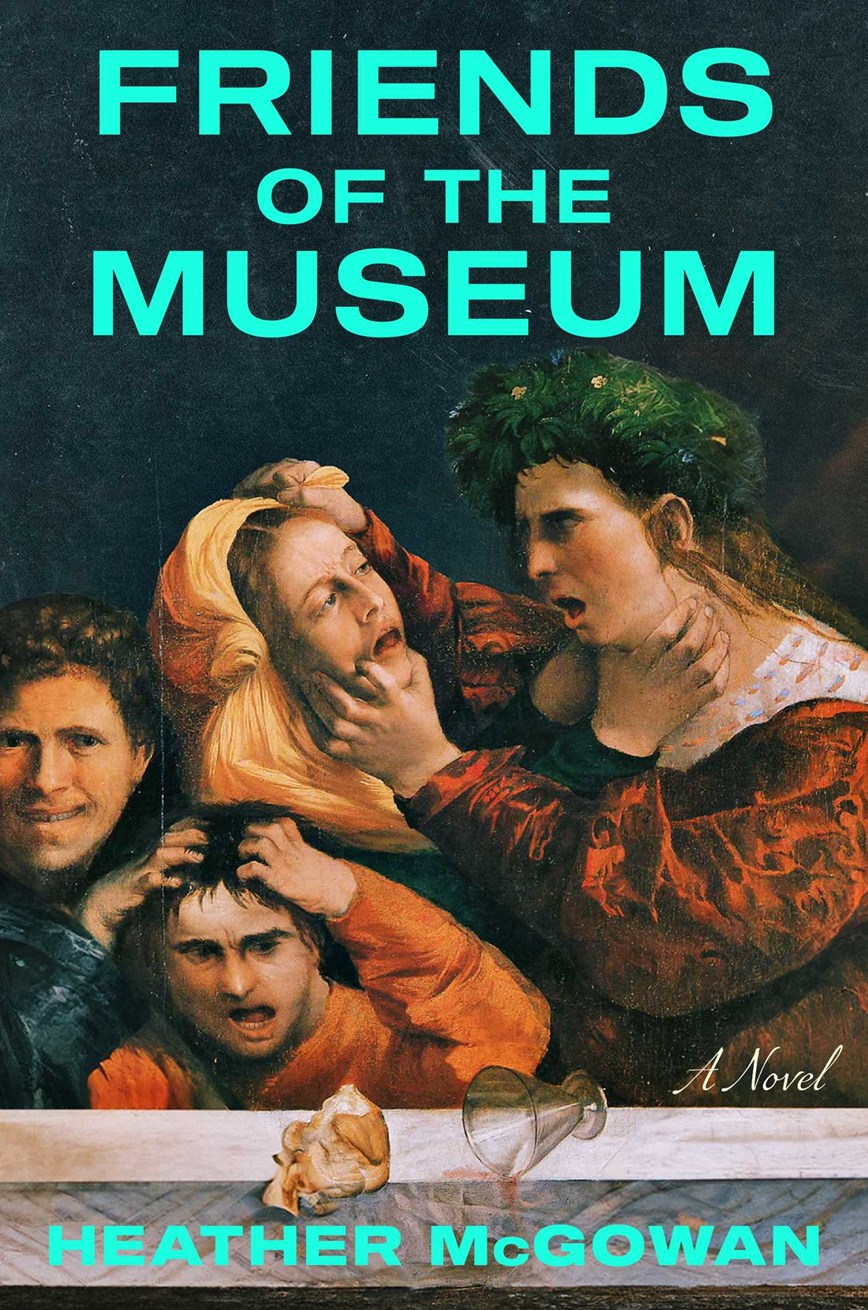
By Heather McGowan
Washington Square Press
Hardcover $29.99
Reviewed by Claire Corwin
Not to get too existential, but Jean-Paul Sartre might have been onto something when he put forward his little gem, "hell is other people." There is no better place to test this theory than 24 hours in a nonprofit.
When Diane Schwebe, the director of a major New York museum, wakes up to an alarming message from the museum's lawyer, the calamities are already piling up. Not only is she met with most of her staff calling out due to food poisoning from a coworker's retirement party the previous night, there are rumors flying about of fraudulent pieces in a recent acquisition. That is just at 6:00AM. As the day unfolds, tiny secrets take on colossal proportions and gigantic lies are hidden in storerooms, only to be unpeeled in layers as thin as onionskin. Come for the drama, stay for the tea.
There are so many players in Diane's orbit that also get tied up in the spectacle: Shay, the director of security with memory problems; Chris, the silver-tongued (cocaine fueled?) personal assistant; the bored costume curator who is looking for a thrill; the debonaire British employee that everyone (and I mean everyone) has a crush on, and the cook who suddenly finds himself as the lead chef on gala day.
Like any workplace, the politics between all these people is absolutely bonkers. As a reader, you get to see the nitty-gritty interpersonal relationships between everyone and delight in all the miscommunications and backstabbing. This entire ensemble is on a collision course to a climax that can only be described as "monumental."
As the seconds of the day tick toward the gala, the threads in the intertwining stories are pulled tighter and tighter until you cannot read fast enough to know what happens next. Every delicious nugget of mess builds on the last- upping the ante on even the slightest interactions to laugh out loud degrees. If you're needing something light and fun to read, RSVP to this unforgettable gala event.
| | |
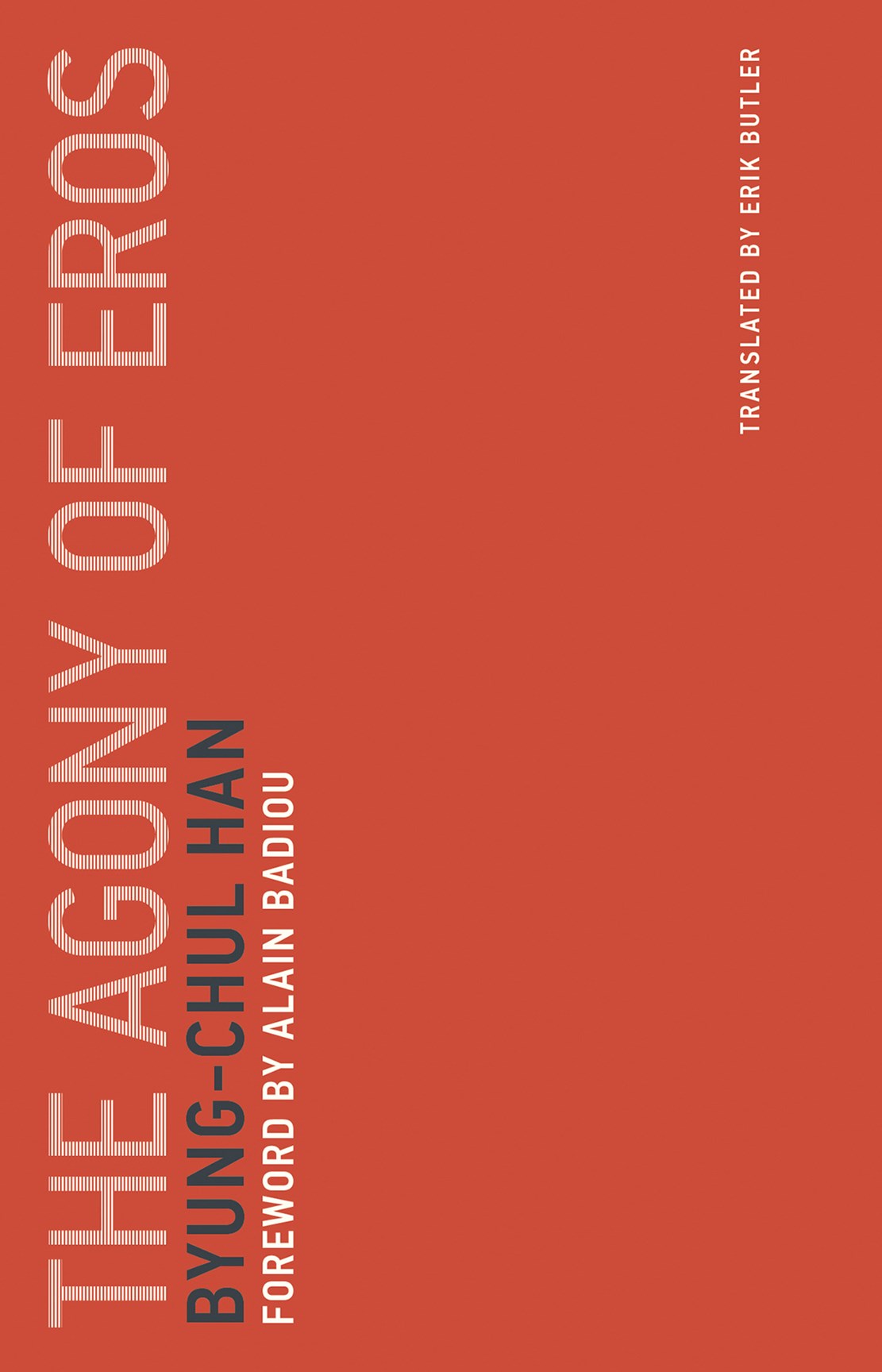
By Byung-Chul Han
MIT Press
Paperback $14.95
Reviewed by Dylan Parry
What happens when love becomes more like a script we’ve decided to follow dogmatically, rather than genuinely exploring what love is to us as individuals? What happens when we surrender Eros to market forces and let profit motivated companies dictate how we imagine love? Do we end up with an honest and real understanding of Eros, or just another commodity to be consumed? These questions and more are what the philosopher, Byung-Chul Han, looks to tackle in his rich little book, The Agony of Eros.
When I first read The Agony of Eros, I had already read a few of Han’s other works, and was impressed with his breakdown of today’s world. However, while it may seem somewhat dense compared to his other works, Han once again had me from the beginning. After a couple subsequent rereads, Han, while seemingly writing simply, always has me taking away something new and interesting to think about and question. This is the beauty of his philosophy and what I may qualify as great philosophy in general.
What is Han’s criticism of love as it’s expressed and viewed in today’s globalized world? To start, Han has us take notice of how Eros has become like everything else we could imagine, a commodity to be bought and sold to whoever wants it, and thus a performance. Think about dating apps and how at one time they promised their users the ability to expand beyond their traditional dating pool and hopefully find love. Only this wasn’t the reality. Their goal is to commodify their users and thus sell them to one another in a transactional deal based on little more than some pictures and a scant profile bio. All of whom look the same, because without certain performative qualifiers in individual bios, the users aren’t likely to get many opportunities at matching.
To Han, this is not engaging honestly with the erotic truth of Eros. This is the loss of the Other, and the dictatorship of the same. Everyone on dating apps looks the same, has the same profile notes, and at the end of the day, can’t decide on which same profile to swipe on that they’ve swiped a hundred times over, just with slightly different septum piercings or colored beanies.
Instead, Han urges us to explore what is known as the Other, or that which is not ourselves. This negative space gives us actual space to appreciate the unknown, to start seeing Eros as a creative act of exploration within ourselves and those around us. When Eros melds with the other, we begin to genuinely feel, imagine, and thus create our own unique forms of Eros, happily sharing it with others and their unique forms of love. In this way we come to find that Eros is truly something unique in us all, and in a world becoming more of the same, who doesn’t want to be wild and free?
| | |
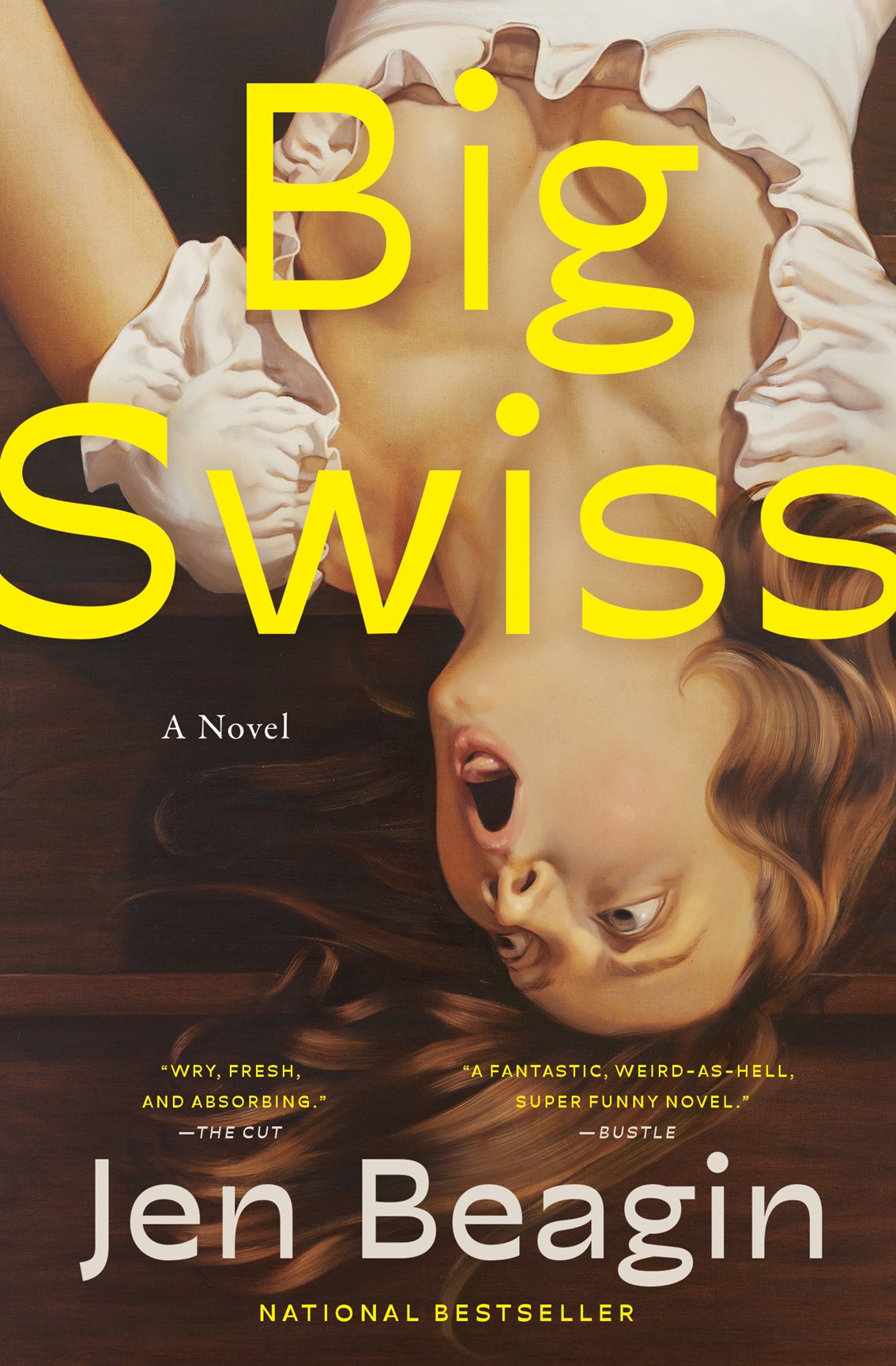
By Jen Beagin
Scribner Book Company
Paperback $18.00
Reviewed by Jami Maxwell
Hey, it’s okay. You can judge this book by its cover-- it’s exactly as unhinged as it looks. Greta, a lonely lesbian living in a cursed farmhouse, takes a job as a sex therapist’s transcriber and ends up utterly infatuated with a particular client: Falvia (Big Swiss), a massive, stoic, Swiss woman who is deeply unsatisfied in her marriage. They meet up under false pretenses and fall into an intense, obsessive affair. It’s messy, kinky, grotesque, and so unbelievably addicting. You won’t be able to look away.
Reading this is what I imagine it’s like to read someone's top-secret diary. Greta and Flavia are deeply flawed women, and you are exposed to every single dirty detail of their lives and desires. You will be swept away in the chaos of their mutual obsession with each other, and against all moral odds, you will start rooting for them.
I love it because it is an unflinching exploration of female sexuality and trauma. It's raw and honest, but perfectly balanced with absurd humor making it more exciting, rather than exhausting to read. Despite the horrors of the lives of these women, this book is written in such a tongue-in-cheek approach that you just can’t help but love it-- and them.
Reading this is exhilarating, and bizarrely fun. You might have nightmares about some of these women' s sexual fantasies, but you will not regret diving into the kooky, painfully-human venture that is Big Swiss.
| | |
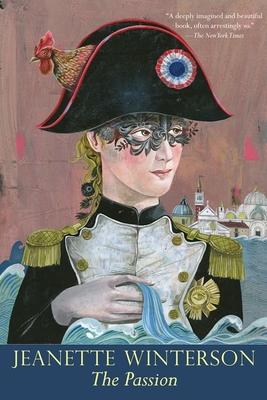
By Jeanette Winterson
Grove Press
Paperback $17.00
Reviewed by Jami Maxwell
When I finished reading The Passion for the first time, I remember holding it hard against my heart and never wanting to let it go. I just gush about it to everyone I know– and have yet to find another book like it! It is so unique in its charm, and inflicts such an intense emotional impact for how short it is. Jeanette Winterson writes the most breathtaking prose; every word, scene, character, and emotion is painted in intricate detail, wrapping you up in the story completely. I have never written more poetry than when I was reading this book. Her lush writing will leave you feeling inspired, and utterly enchanted.
The Passion has two narratives that slowly come together in a very unlikely, but satisfying way. Henri is a young Napoleonic soldier, disillusioned by Napoleon, and coming to terms with the harsh realities of war. Villanelle is a web-footed Venetian woman who is on the run from her evil husband. Villanelle takes pleasure in cross-dressing at the casino she works at, but when her heart gets stolen (literally) by an alluring patron, Henri joins her taking drastic measures to get it back.
Together they take you on a journey through love, risk, friendship, identity, and dare I say it—passion! There is magical realism; There is romance– with an unexpected twist; There’s loss, grief, revenge, and an absolute roller coaster ride of emotions. You will laugh, cry, swoon, shout in frustration, and wish this book was longer than 176 pages; every page stealing more and more of your heart.
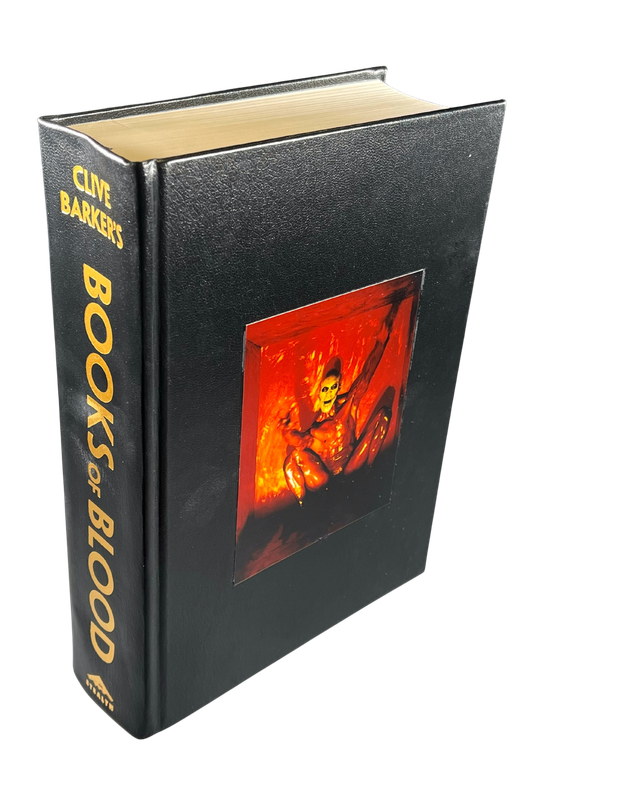
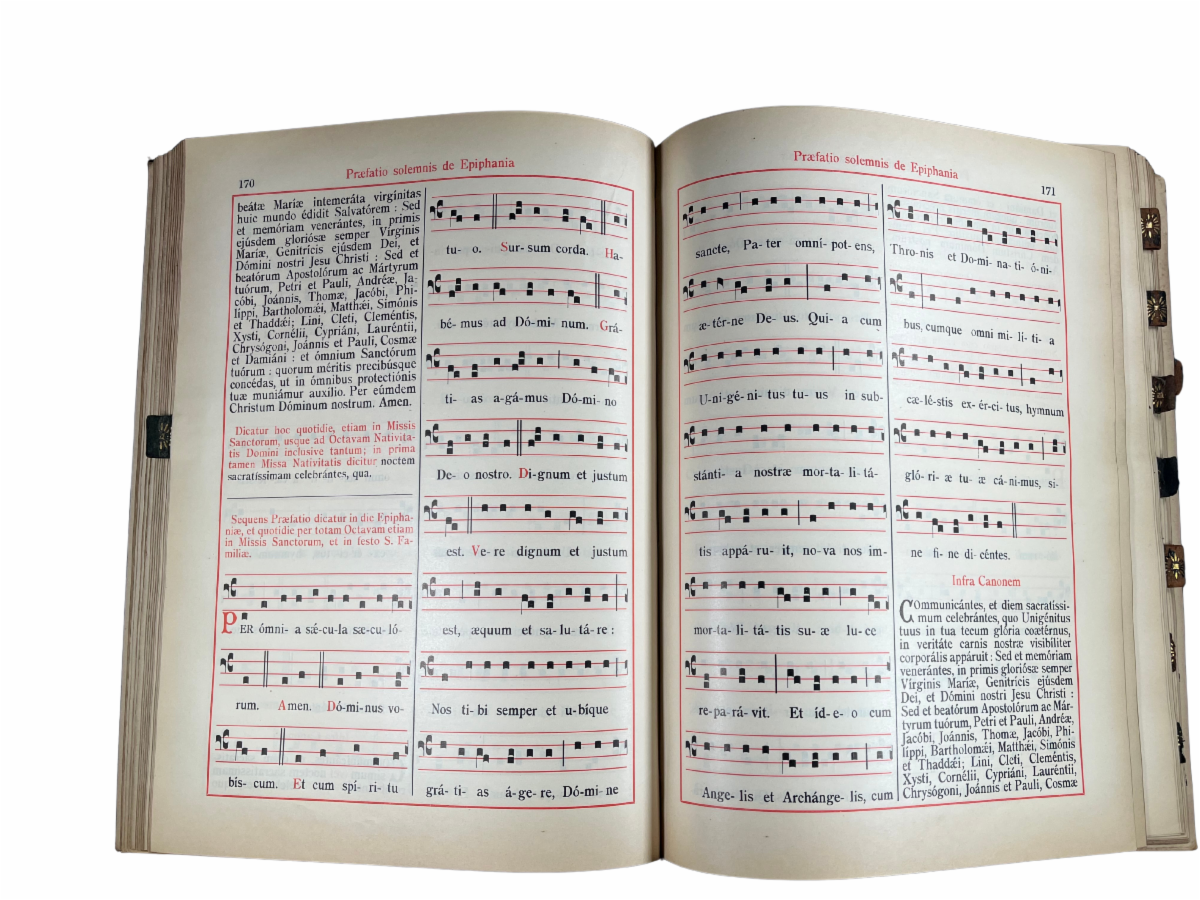
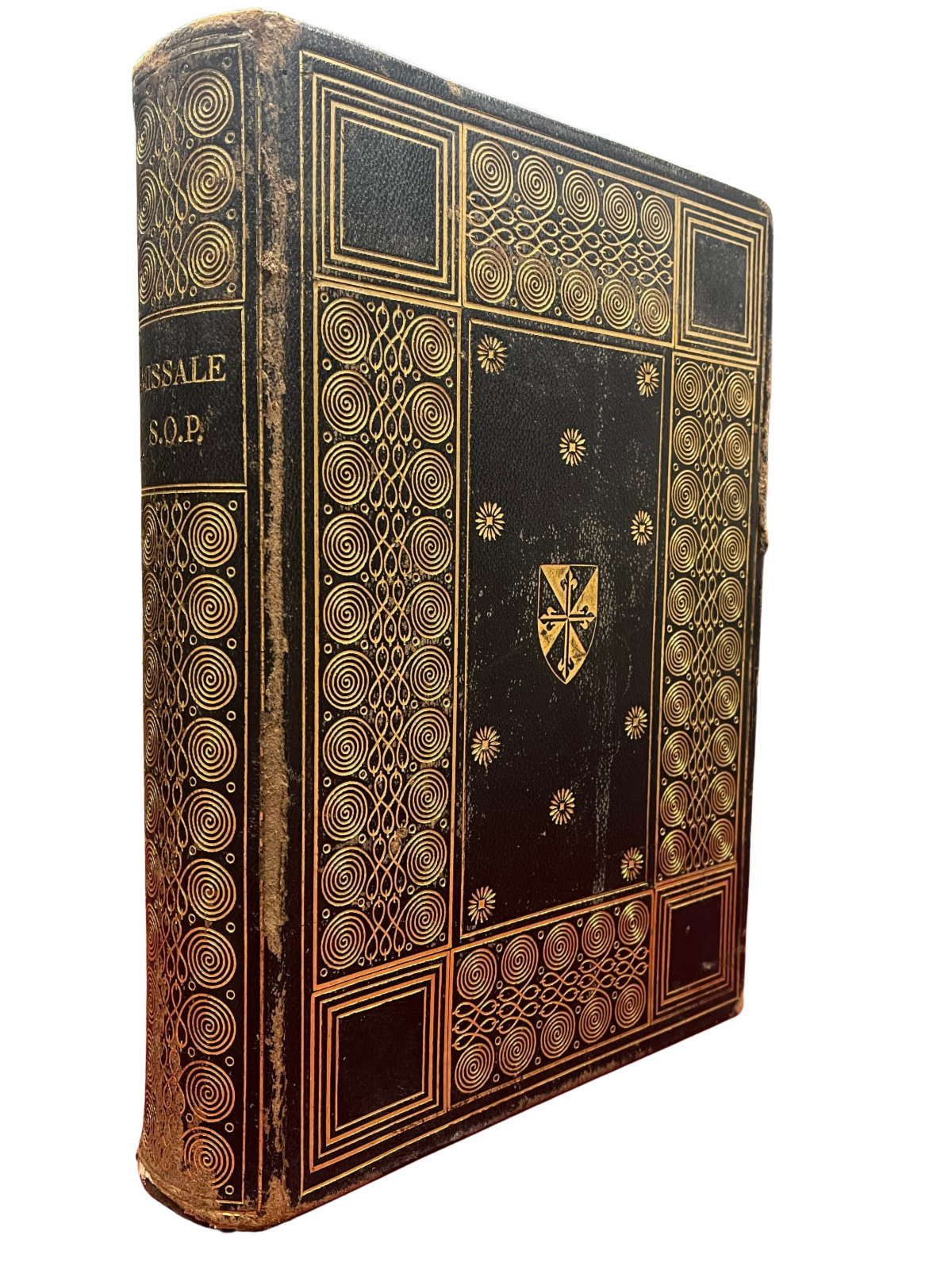
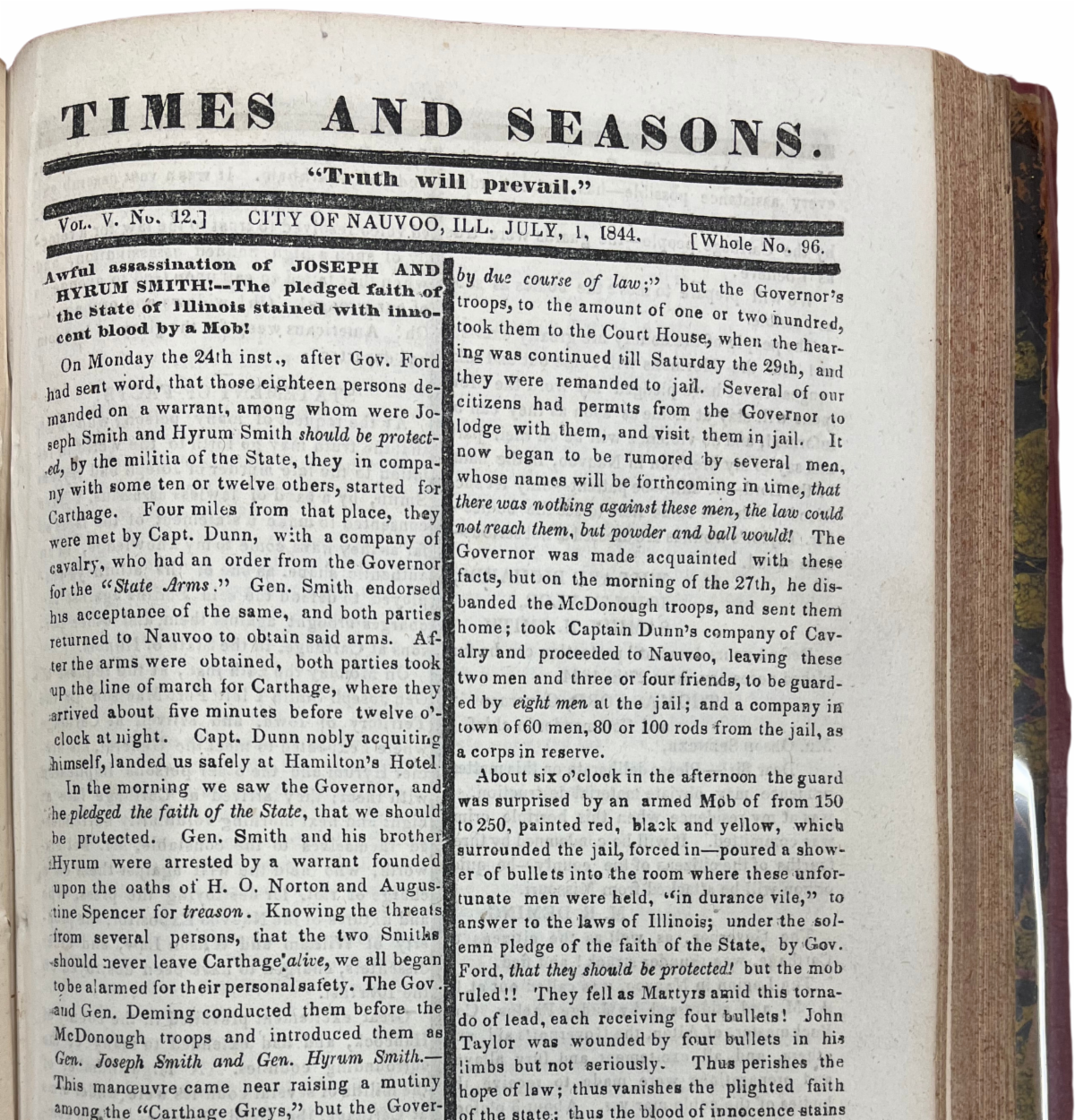
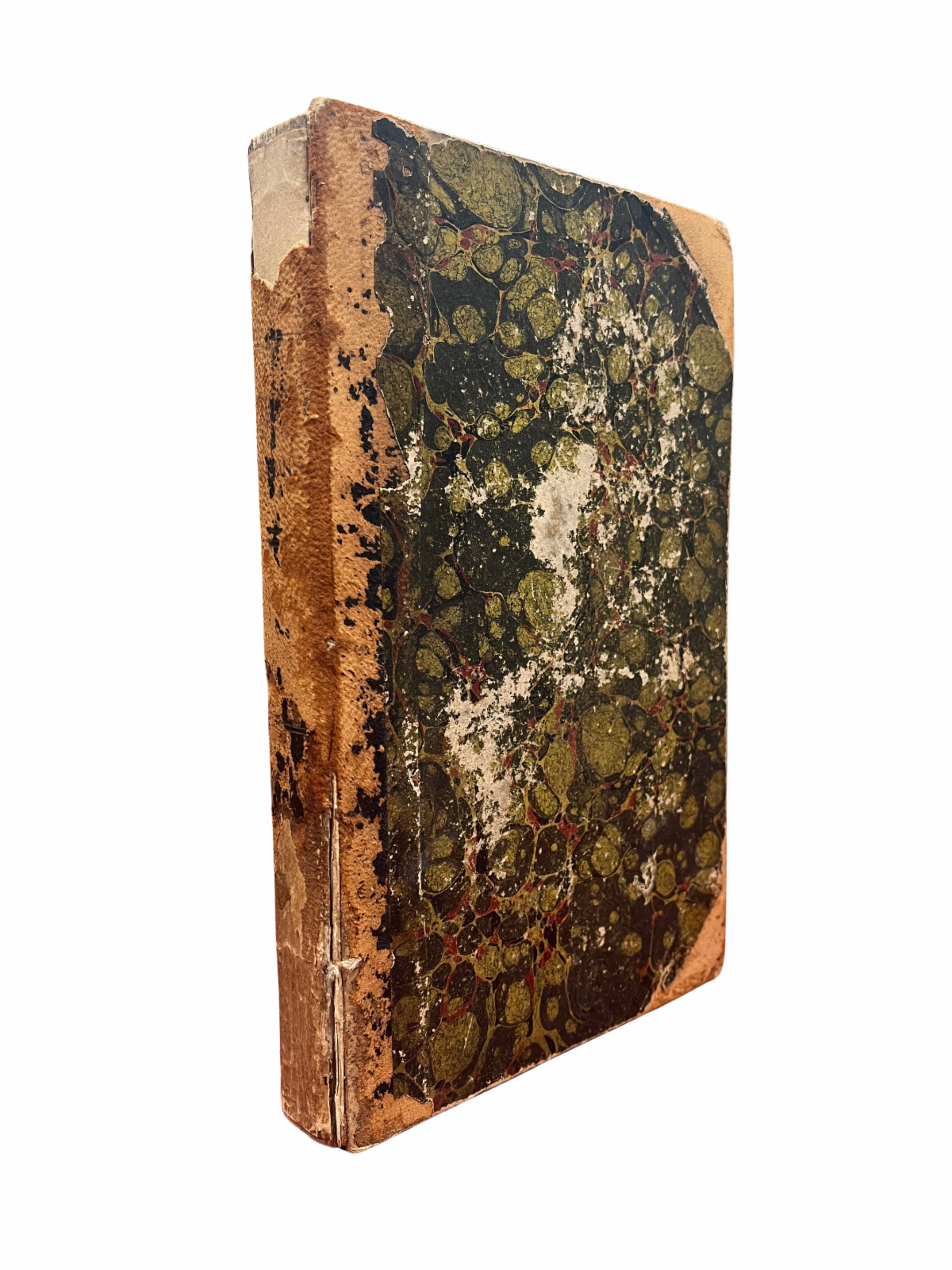
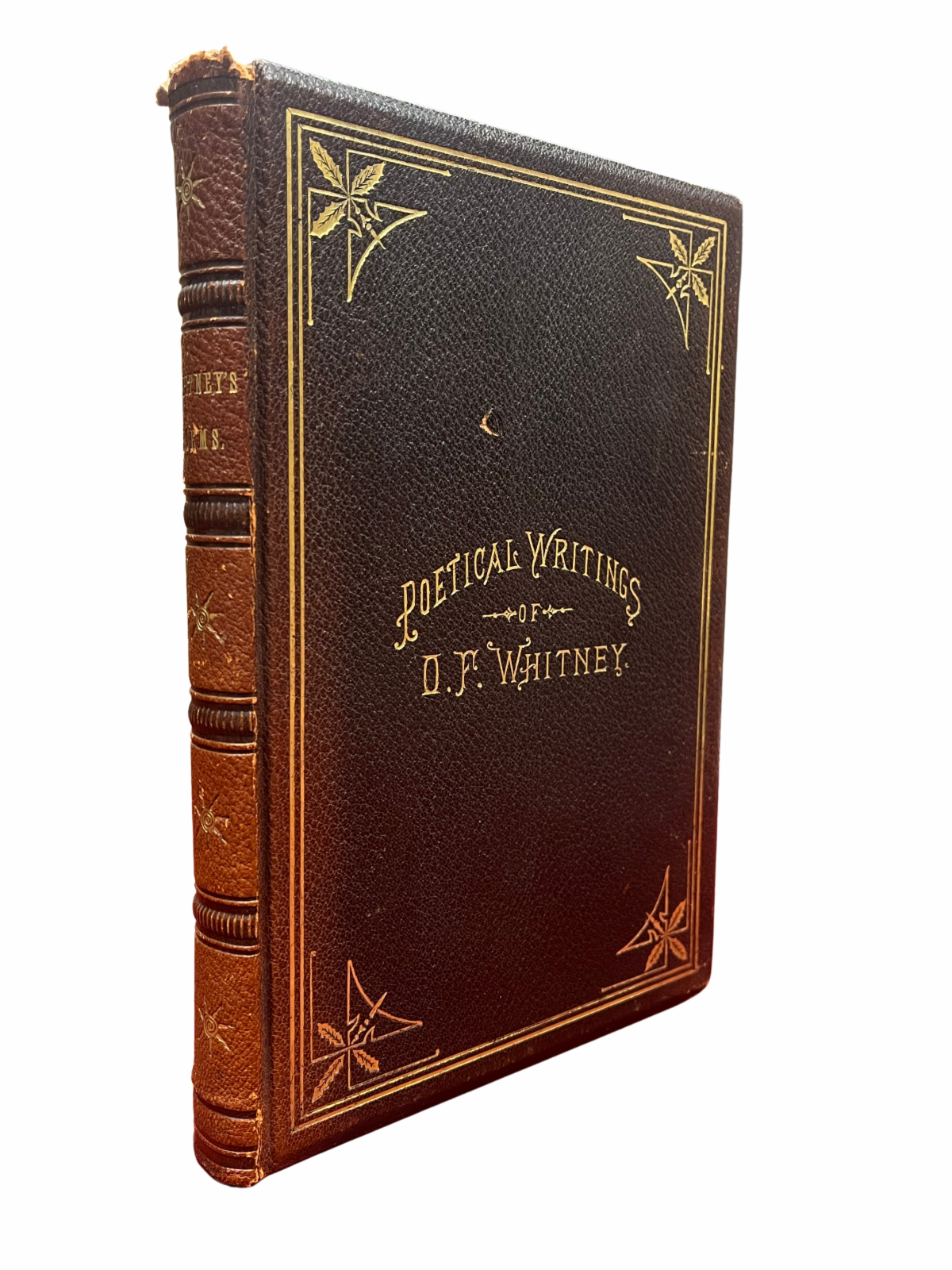
| | Books of Blood by Clive Barker. Black leather 2001 Stealth edition of 500 copies signed by Barker. Quarto format in matching slipcase. $1000 | | | Beautifully bound Roman Missale from 1923. Missale S. Ordinis Praedicatorum in Hospitito Magistri Ordinis edited by Martin Stanislaus Gillet. Quarto black leather with elaborate gilt décor and leather tabs marking sections. Strange reptile skin like endsheets in brown and black. Printed in black and red. A few loose gatherings. | | | June 27th, 1844 Joseph and Hyrum Smith were killed by a mob at the Carthage, Illinois Jail. Accounts of their deaths were printed in Nauvoo’s semi-monthly newspaper, the octavo format Times and Seasons on July 1. Full years of these Nauvoo newspapers were commonly bound together. We are offering a contemporarily bound 1844 volume V of the volume containing the fresh account of the tragedy. ¾ brown leather with marbled-paper covered boards. Leather is missing from spine ends and corners. Internally clean. $7000 | | | David O. McKay’s copy of Orson F. Whitney’s Poetical Writings in the fancy binding – full pebbled brown leather with gilt lettering, décor and edges. Corners are rubbed and bumped. Front joint is somewhat brittle. Small gouge in front cover. A note from McKay on the front flyleaf presenting this book to his son Edward. $800 | | | |
Click here for our March events newsletter.
And, as always, view our events calendar to see all of our upcoming events.
We host both virtual and in-person events, and we look forward to seeing you soon.
| | |
Come visit us!
SUNDAY 12-5
MONDAY-THURSDAY 10-8
FRIDAY & SATURDAY 10-9
| | |
Can’t make it to the store?
Support your local indie from home!
Order by phone or online, then pick up at the store or the curb! We also ship!
| | |
Give us a call at 801-328-2586.
Shop new books on our website.
Browse our entire inventory of new, used and rare books on Biblio.com.
Listen to audiobooks from Libro.fm.
| | | | |