|
May-June
Best Wellers’ Pick
| | RECEIVE 20% OFF WHEN YOU PURCHASE DURING MAY AND JUNE | | |
Hanif Abdurraqib
Two Dollar Radio
Paperback $18.95
Best Wellers Price $15.16
Reviewed by Aura Martinez and Caroleine James
The first time I heard ‘80s pop icon Whitney Houston I was at my 7th grade winter formal. I’m sure I’d heard her before then, but since memory fails me—and I don’t really consider myself a person before the age of ten—I’m going with this version. Here’s what I remember: pixie cut slicked back, a thick rim of black eyeliner smeared around my eyes, a neat bow tie clipped tightly at my neck. I was going through a phase. I was always going through a phase. The month before, it was heavy side bangs and Three Days Grace. The month of the dance: Doctor Who and Evanescence—hence the iconic eyeliner and clip-on bow tie combo. If I’m being honest I don’t remember much of the dance. Flashes of awkwardly shuffling my feet to the beat of classic ‘80s hits, a cliché line dance or two, lemonade so sour it made my teeth ache. Even though I no longer remember their faces, I can still hear the bursting laughter of my best friends as we swung and tumbled around to the lyrics, "I wanna dance with somebody. I want to feel the heat with somebody!"
Every time I play that song, I remember that little bubble of happiness. I remember singing it at the top of my lungs in my first car—a 2005 Bug convertible, in case you were wondering. I remember just a few weeks ago, when they played it at a dance club and I swung around again with new friends, my old friends still tucked in my heart. That’s the power of music. It can make you dance, or cry. It can make you feel so full, or so unbelievably lonely, but it also reminds us that we’re never really as alone as we think we are. At least that’s what I learned from reading Hanif Abdurraquib’s They Can’t Kill Us Until They Kill Us. In this collection of essays Hanif blends cultural critique with memoir, diving into music, pop culture icons, and the intersection between art, life, and death. Specifically black art, life, and death. I picked up this book after a recommendation from a friend, so in the spirit of mixtapes and collaborations I have invited that friend to write this review with me, because what’s the point of art if you can’t share it with the people close to you? Caroleine, take it away:
I didn’t expect some of the most moving essays I’ve ever read about anti-Black racism to be in the same book as a glowing review of Carly Rae Jepson’s E*MO*TION in concert. I didn’t expect one of the most devastating essays I’ve ever read about grief to also be a mini-biography of Fall Out Boy. I didn’t expect, at the ripe age of 25, to become a diehard My Chemical Romance fan. But here we are. Hanif Abdurraqib–poet, music journalist, Midwest emo kid, elegist of American brutality and triumph–can make me see what he wants me to see.
For many nonfiction writers, the point of an essay is to use research and rhetoric to win an audience over to a point of view. Abdurraqib can make points with the best of them, but he’s not solely concerned with winning. Uncertainty, curiosity and contradiction abound in these pages. The essays often read like conversations between Abdurraqib and his favorite artists, his fellow poets, his past selves, and his friends, both living and dead.
This book has a dizzyingly wide emotional range, so wide that I’m kind of shocked it works as well as it does. Abdurraquib chuckles at Macklemore’s “White Privilege II,” a nearly nine-minute, self-flagellating guilt number; he draws clever parallels between Johnny Cash and the Migos; he probes the melodramatic lore behind Rumors-era Fleetwood Mac. But there’s also an essay in here about the night Trayvon Martin was murdered. There’s an essay about Dylann Roof and the legacy of the Black church. Even at his heaviest, however, Abdurraqib invites his readers to witness with him, and to grieve. It’s rare that I read such a dark book without feeling paralyzed or numb.
The essays that make up the soundtrack to They Can’t Kill Us Until They Kill Us are a poignant mixtape of memory, grief, joy, resistance, and communion. Music reveals us, it's a window to a larger truth about who we are, what we survive, and how we love. Hanif Abdurraqib gave me the feeling of being seen in a time and country that is constantly trying to keep me hidden. ”There is no moment in America when I do not feel like I am fighting. When I do not feel like I’m pushing back against a machine that asks me to prove that I belong here.” Abdurraqib reminds us that celebration isn’t always loud or easy, but it is necessary. It is fundamental.
Celebration is freedom. Love is freedom. This book is a celebration of love. A eulogy. A party. A prayer. It is, most of all, a reminder that the soundtrack of our lives is worth listening to together. To borrow the words of Prince, “Dearly beloved, we are gathered here to celebrate this thing called life”. Will you celebrate it with us?
| | |
By Kenneth C. Davis
Scribner Book Company
Hardcover $30.99
Reviewed by Tony Weller
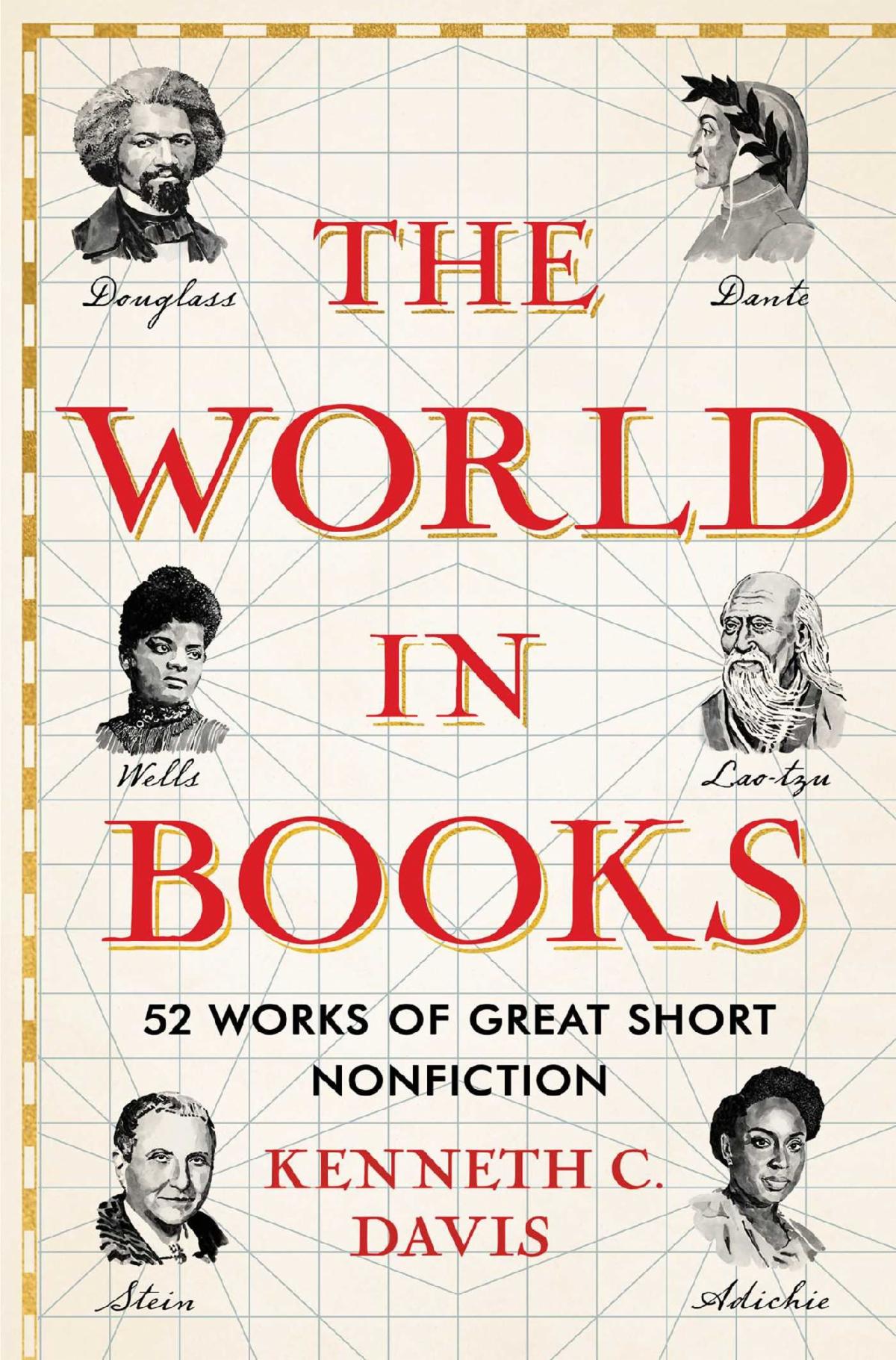
The World in Books: 52 Works of Great Short Nonfiction by Kenneth C. Davis pulls you right in. It is a smart carefully selected compendium of short works that shaped history and ones that may show sage ways forward into the future. Davis employs a wide grasp arranging his entries chronologically. It is satisfying how, from Gilgamesh and Genesis to Chimamanda Ngozi Adichie, Toni Morrison and Elizabeth Kolbert, he describes the important concepts that make these books so influential, not only in their own eras, but in ours. By nature, books with ideas attractive enough to influence behavior will disrupt cultural mores, so many of the books herein may be considered revolutionary.
Each section begins with an excerpt from the book to be examined. It is followed by a summary of the title, a biographical essay about the author and Davis’s explanation of why you should read the book. Last, he includes a list of further reading, including other works by the author as well as related works by other writers. Davis writes with the humility of intelligence, nonetheless, the reader shares his carefully presented urgency as he must contrast many brilliant ideas with the culture we suffer today. Knowledge must embrace diversity. Books civilize. Descriptions of older works include sad evidence of the overriding stubbornness and stupidity of cultures that censor and persecute those whose insights do not align with whatever power dominates.
Especially do the last entries in this book bring light to dilemmas of our time. Davis includes Timothy Snyder’s increasingly relevant 2017 book, Best Weller’s Pick in March and April, On Tyranny.
Most informed readers will be familiar with the first half of the titles and authors in this book. I have read fewer of these books than I like admitting. The World in Books motivated me to read many books I own and inspired me to acquire several others. Beginning around the Renaissance, I found myself drawn to nearly every title included. I thank Davis for deepening my interest in numerous later authors, about whom I knew little. Later titles about pressing contemporary matters seem urgently necessary. None of my concerns are not addressed somewhere in this book.
Curious persons read books. I admire deep knowledge. I am also gleeful about the whole so I am grateful to the thinkers who focus on difficult issues, who parse and consider them and give opportunity for progress to the rest of us, we who read and parse and consider and grow different with our insights.
| | |
Babel
Or the Necessity of Violence
| | |
By R.F. Kuang
Harper Voyager
Paperback $20
Reviewed by Arua Martinez
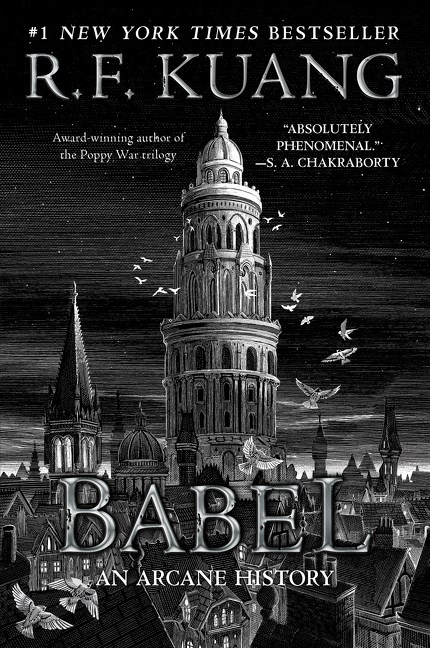
A town inhabited by the bodies of the dead, a barren room thick with rank air, and the corpse of his mother lying beside him in bed—this is how we meet Robin Swift, the protagonist of R.F. Kuang’s historical fantasy novel Babel, or the Necessity of Violence. After a cholera outbreak decimates his town and leaves him orphaned, young Robin is rescued by Richard Lovell, an Oxford professor who spirits him away from his home in China to the foggy streets of London. Now Lovell’s ward, Robin immerses himself in the study of language—from Ancient Greek to Latin to Mandarin—all in preparation for admission to Oxford’s Royal Institute of Translation, better known as Babel.
Here the students train in hopes of one day specializing in silver-working, a process that involves inscribing silver bars with word pairs in different languages. This is where the foundation of Babel’s magic lies—in the art of translation. To translate a word from one language to another means changing and shifting the context of a meaning in order to make it recognizable to foreign eyes. In this shift, something is always lost—but in Kuang’s world, what is lost in translation is captured by silver and converted to magic—as long as the words are spoken by someone fluent in both languages. Thus, the more native the speaker, the more powerful the effect.
R.F. Kuang invites us into the grand world of Babel, where Robin is captivated by the dazzling wealth and excitement of academic success. But as the gilded bricks of Babel begin to crack, Robin finds himself torn between betraying his motherland or everything he’s been taught to believe in. What follows is a masterful exploration of language, translation, and the violent realities of decolonization.
“Translation means doing violence upon the original, means warping and distorting it for foreign, unintended eyes. So then where does that leave us? How can we conclude, except by acknowledging that an act of translation is then necessarily always an act of betrayal?”
Kuang’s love and mastery of language shine through the pages of Babel. From academic footnotes that mimic Oxford textbooks to character conversations that shift fluidly from theory to etymology and language to language, every element reflects her deep linguistic knowledge. Kuang uses this knowledge to examine the effects of imperialism and the ruthlessness of colonization. As Robin and his cohort ascend the ranks of Babel, it becomes increasingly clear that only Britain truly benefits from the systems built at Oxford. At the same time, the students begin to realize that they, too, are complicit—benefiting from the very machine that exploits their homelands and mother tongues. In the end, the central question is clear: is there morality in using violence to fight violence, or is it a doomed cycle of destruction from the start?
“English did not just borrow words from other languages; it was stuffed to the brim with foreign influences, a Frankenstein vernacular. And Robin found it incredible, how this country, whose citizens prided themselves so much on being better than the rest of the world, could not make it through an afternoon tea without borrowed goods.”
| | |
By Jim Grimsley
Chronicle Books
Paperback $20
Reviewed by Apollo Frenzel
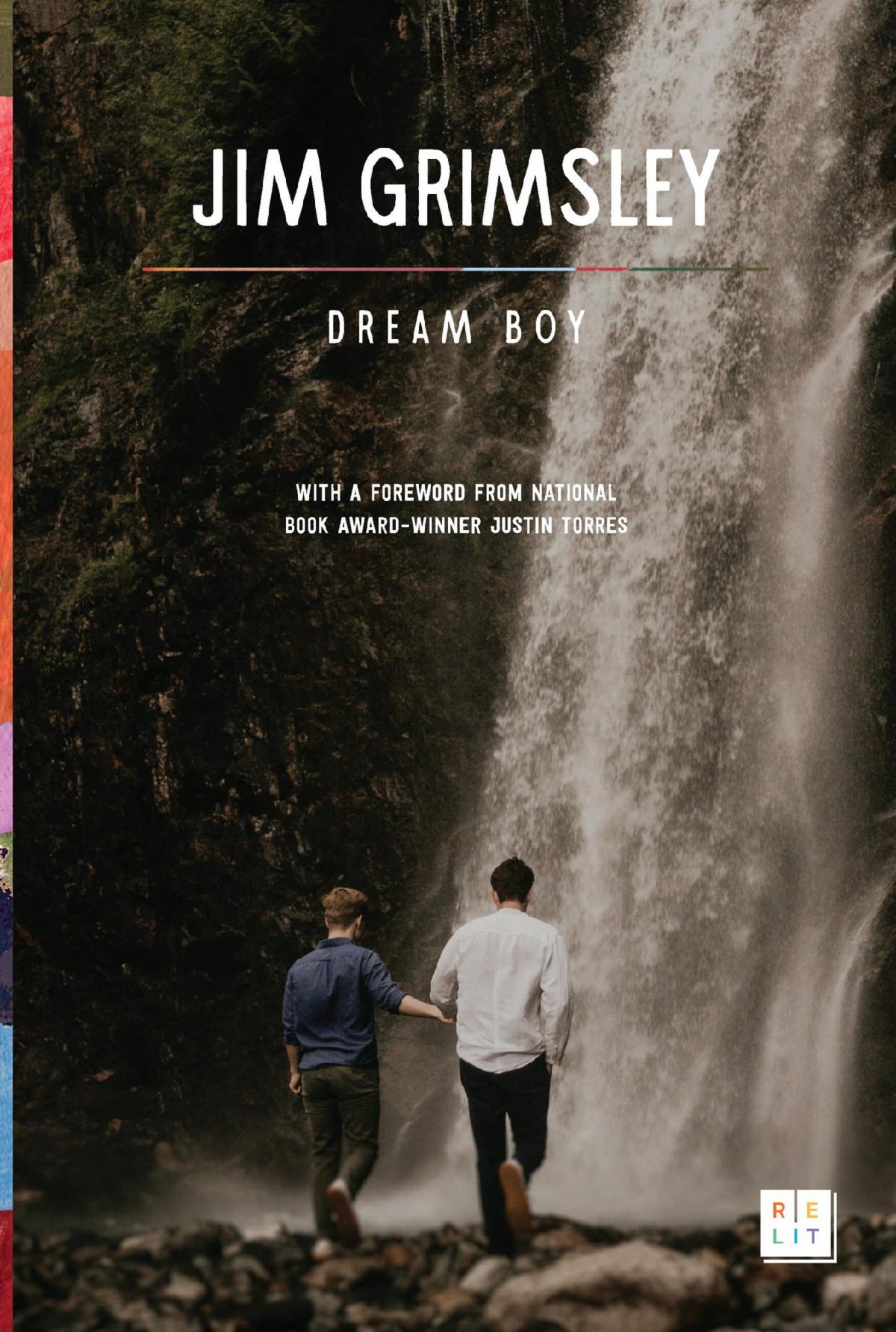
You know that feeling when you finished a book that was devastating? You’re about to feel that when you read Dream Boy. Set in the 1950s south, this book battles sexuality, religion, abuse, and just about everything that could go horribly together. However, in between all the heartache and pain, you get visions of autumn evenings showered in gold light as both Nathan and Roy navigate their shit world.
Written in 1995 and reprinted this year, Dream Boy has won the Stonewall Book Award. Even if it was written 30 years ago, it still rings true with its depiction of sexual abuse and violence towards queer people. The very same Bible quotes that rattle our queer friends, rattle Nathan and Roy. Jim Grimsley is amazing at painting a picture of the world with both physical and imaginary perspectives. Nathan's house is painted both physically gray and mentally. Envisioning what would be an inviting country home as “underwater,” so gray that it feels that everything is muted and monochrome.
This definitely did a number on me. Growing up religious, many aspects of this makes me both nostalgic and sad. Nathan moving to and from school, doing his schoolwork and eating lunch, all like a ghost moving from one destination to another. I did the same growing up. But, there are times where you feel alive much like when Nathan is alone with Roy, going on adventures or just existing next to each other. I have done the same. This book will exist both on my shelf and in my memory forever.
Also, not to spoil anything but, you will need tissues. It’s a rough landing.
| | |
By B. Traven
Picador USA
Paperback $20
Reviewed by Dylan Parry
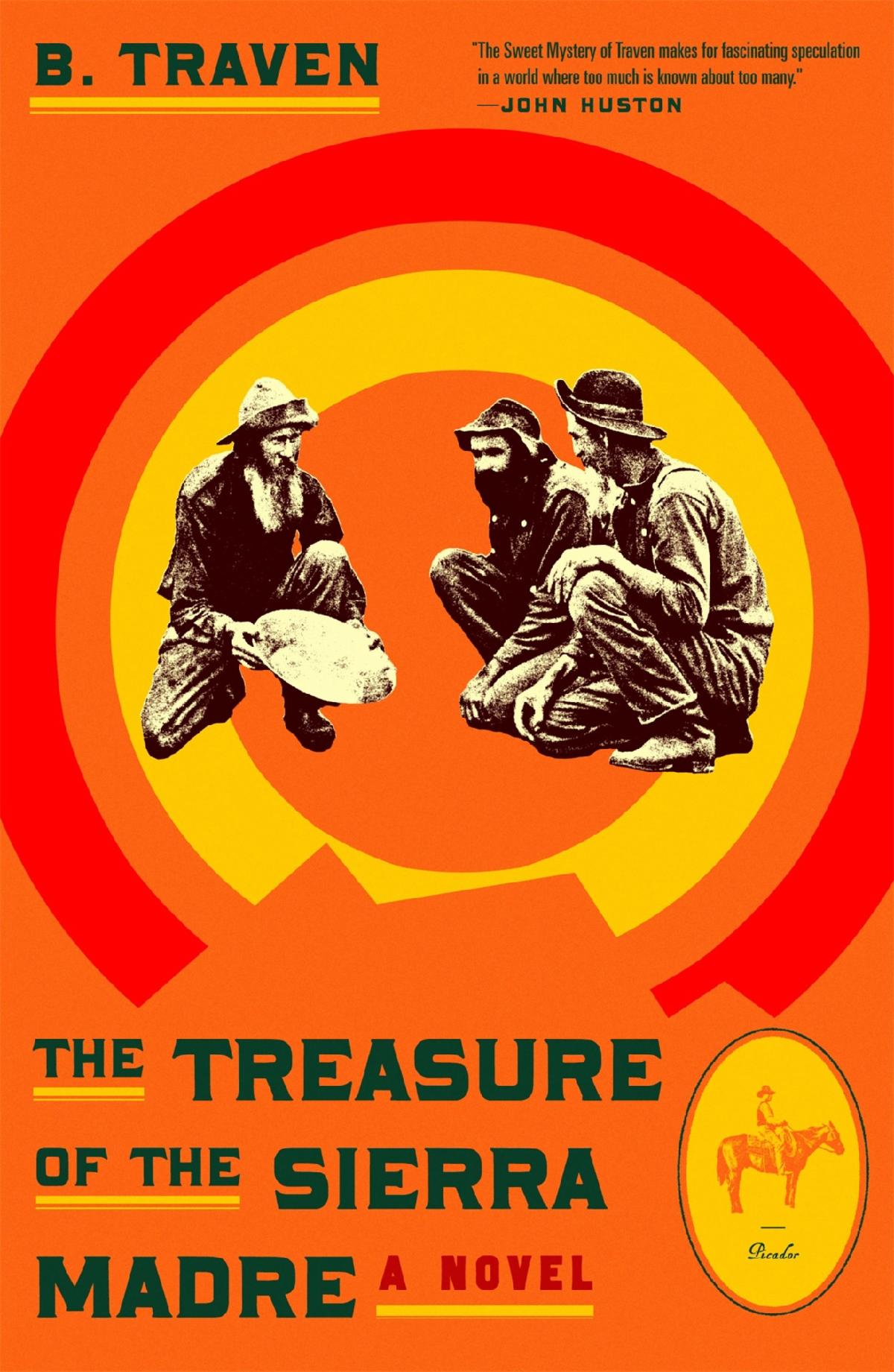
What can be said about this wonderful novel that hasn’t already? Published 90 years ago, in 1935, and later made into one of the few novel-to-film successes by director John Huston, author B. Traven’s excellent adventure novel, The Treasure of the Sierra Madre is not one to be overlooked.
As a child I loved the film, starring one of Hollywood’s greatest actors, Humphrey Bogart in arguably his greatest role. As an adult, I still love it. However, the novel is so rich in metaphor and realism I recommend you pick up a copy—even if you've already seen the movie.
Set in the days following the Mexican Revolution and a restoration of peace, when American and other foreign interests were rushing into Mexico to capitalize on one thing or another, B. Traven shows us not the glitz and glamor of the Bourgeois— American, Mexican or otherwise, but the poor Americans and Mexicans who were the true backbone to so much sudden “progress” in the country, and their exploitation.
The poor Americans are there because the United States itself has become a letdown to those without money, and Mexico is seen as a land of promise, whether it’s working the oilfields, running a construction crew, or striking out with a couple mules and load of tools to make one’s fortune hunting for gold! None of them expect to be in Mexico for long, but reality has a way of slapping them in their faces, and they find themselves months later stuck, trying to make ends meet just as they did in the US, drifting between flophouses and jobs.
Dobbs, Curtin, and a man named Howard are our three protagonists who, after crossing paths in Tampico, decide to take up hunting for a rumored goldmine in the famous Sierra Madre mountains that will turn their lives around. Each man knows what it is to starve, but all three are fed on stories. After all, Howard tells Dobbs and Curtin a story about the goldmine they desire. Several other characters they meet have stories that also feed their desires and fears. And along the way, Reality has a tendency to give them all a bit of a slap.
Traven shows us many things through the characters he writes, but most of all, he shows us the desire of all people to live a life of respect, no matter their background, class, or where they come from, and being able to obtain the basic necessities to do so.
It is a novel, you will see for yourself, with a heart for our times.
| | |
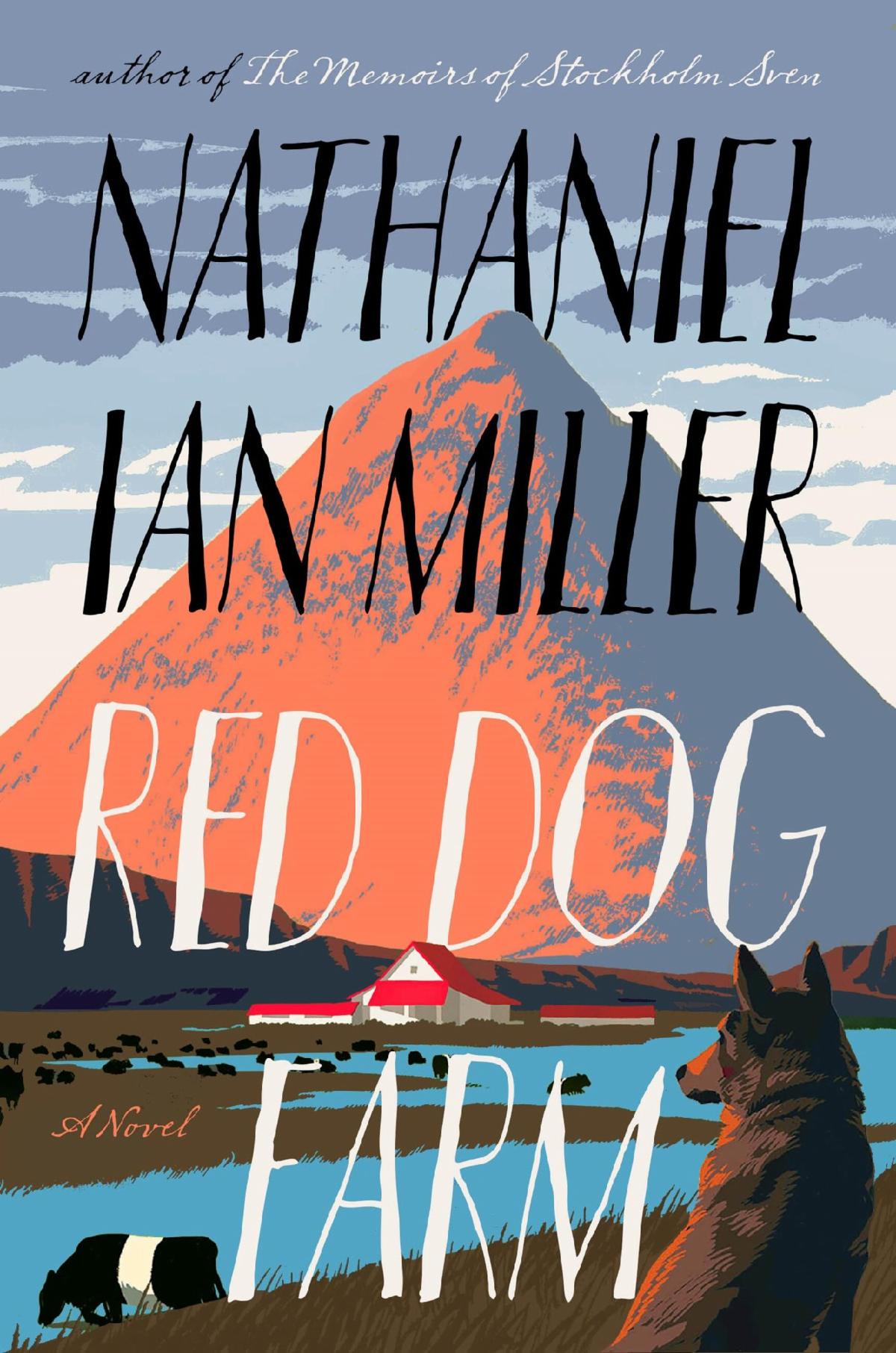
By Nathaniel Ian Miller
Little Brown and Company
Hardcover $28
Reviewed by Claire Margetts
Slow down. Take a deep breath. Let Red Dog Farm surround you. In these pages, Nathaniel Ian Miller will teleport you directly into the stillness of rural Iceland. You'll feel the passing of each season perfectly in your senses within these pages. It's positively lovely.
Orri, a young man who is not too keen on the university lifestyle, returns to his father’s cattle farm one spring to help out with calving. What starts as “just one season” soon rolls into more as Orri falls in love with the land and the people around him. While he is there, he finds himself at odds with his father who has grown tired of the whole business and considers farming to be a hellish drudge of tasks. Where Orri is optimistic, his father snuffs at the job—tired and burnt out. Their push/pull is an intimate look at aging and the transfer of control (whether existential or work) to a new generation.
The magic of this book lies in its measured pace and focus on the robust characters. It's a meditation on hope and family ties— both blood and found. Orri's eagerness to connect with the land and his new neighbors brings him into contact with a great cast of misfits, all of whom have come to the wilds of Iceland for one reason or another. With his gentle openness, Orri is able to bring them all together into the warmth of the farm. Their interactions and conversations with each other really make the book something special. There's comfort in their ruminations and thoughtful exchanges.
Capturing a long-lasting, unconditional kind of love in a story is no small feat, and Nathaniel Ian Miller really delivers. Each character cares for one another in a way that is refreshing to read. I couldn't get enough of the understated story, the expansive writing, and Iceland in general. If you want a soft and heartfelt story this is the one for you. You'll be wrapped in a warm hug of a book.
Plus, you'll learn more about cows than you'll ever know what to do with.
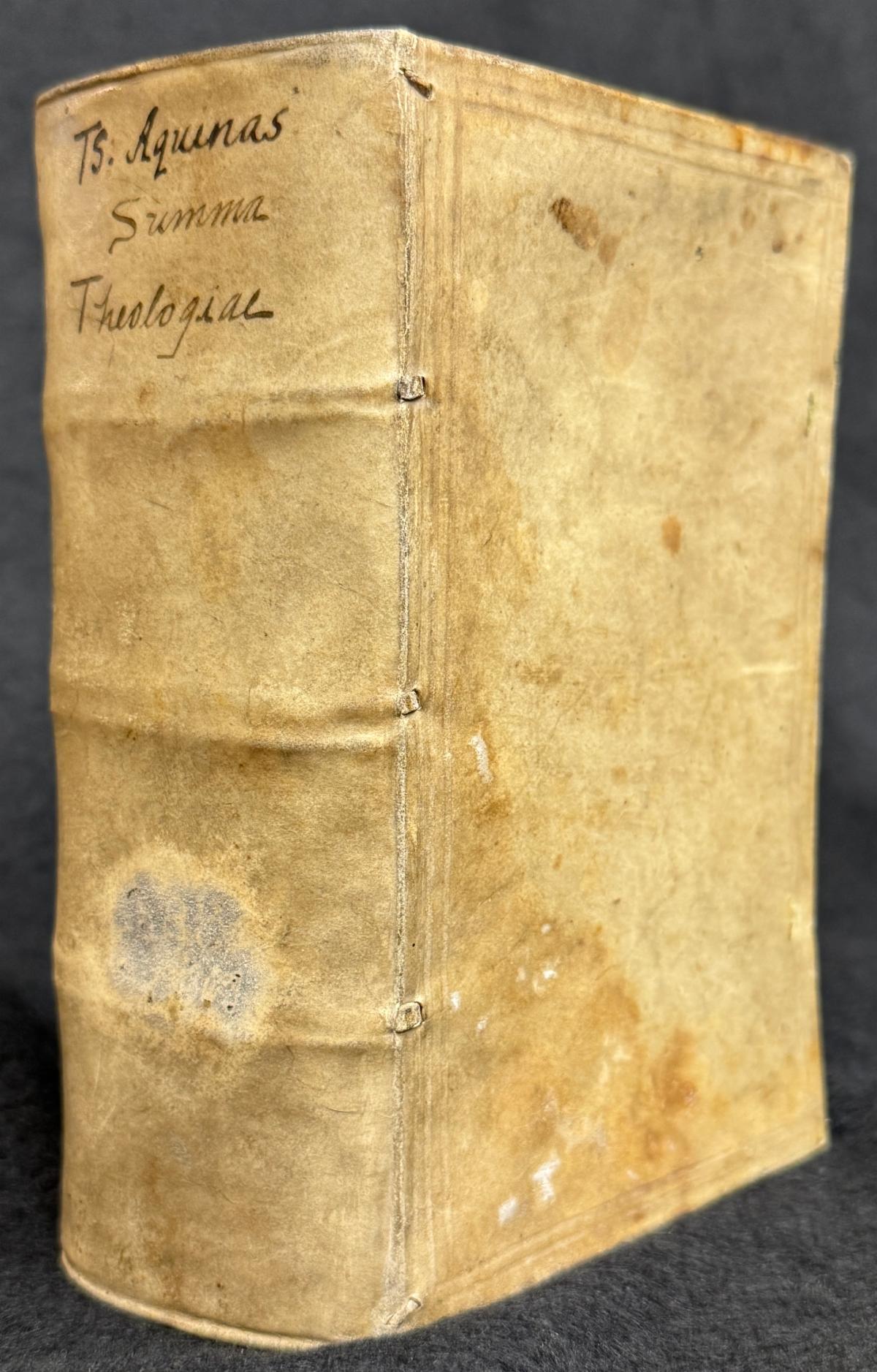
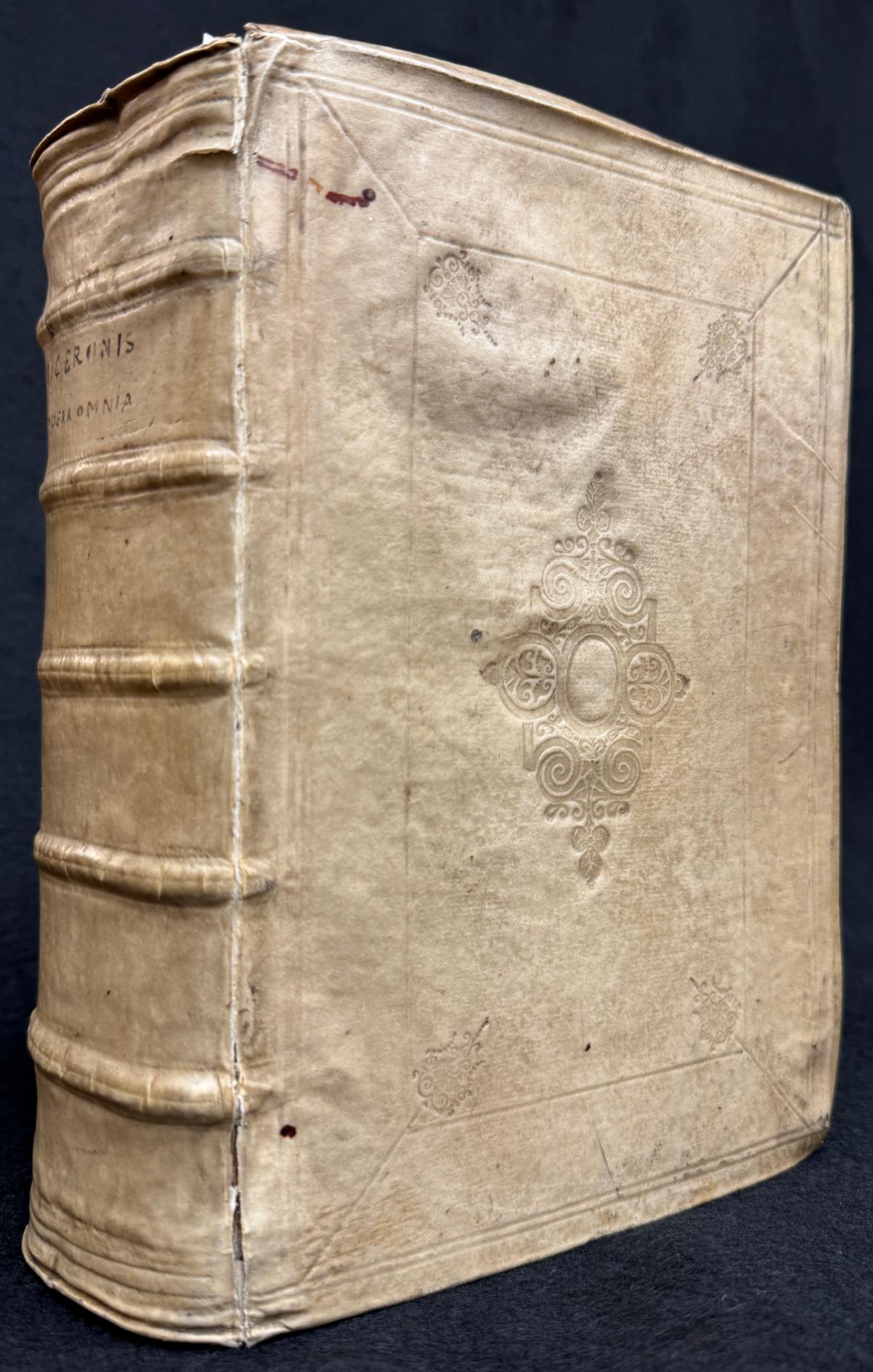
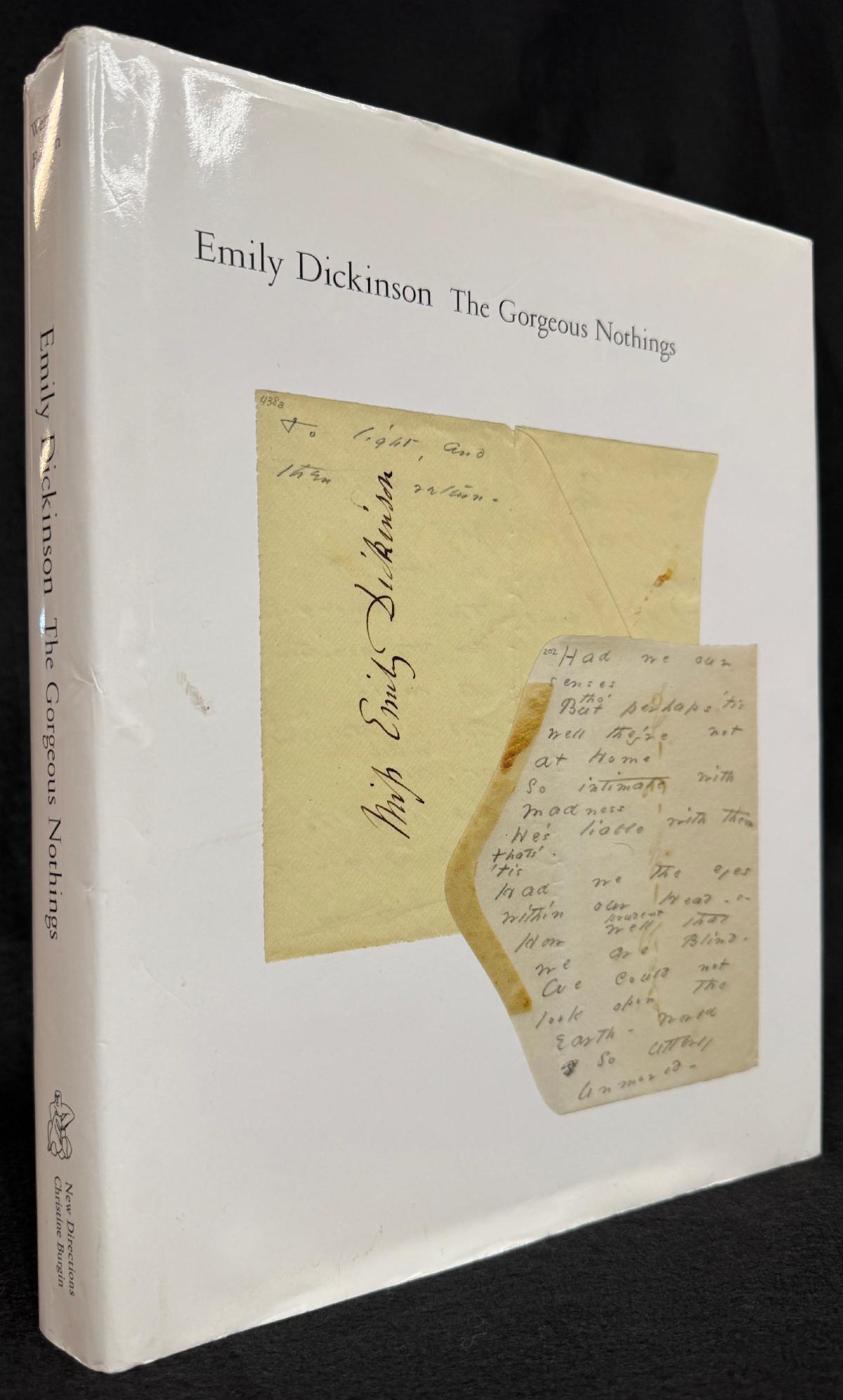
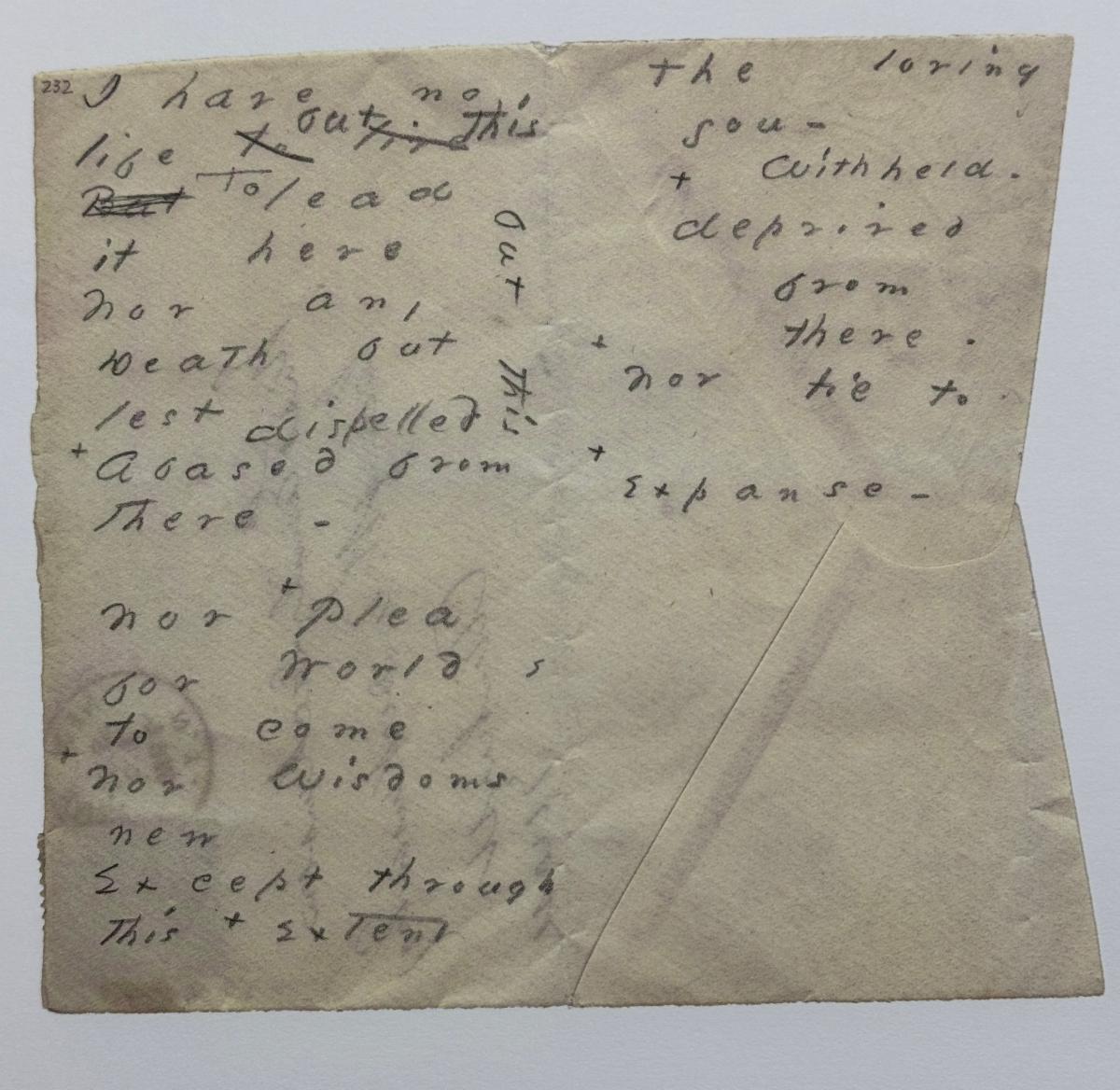
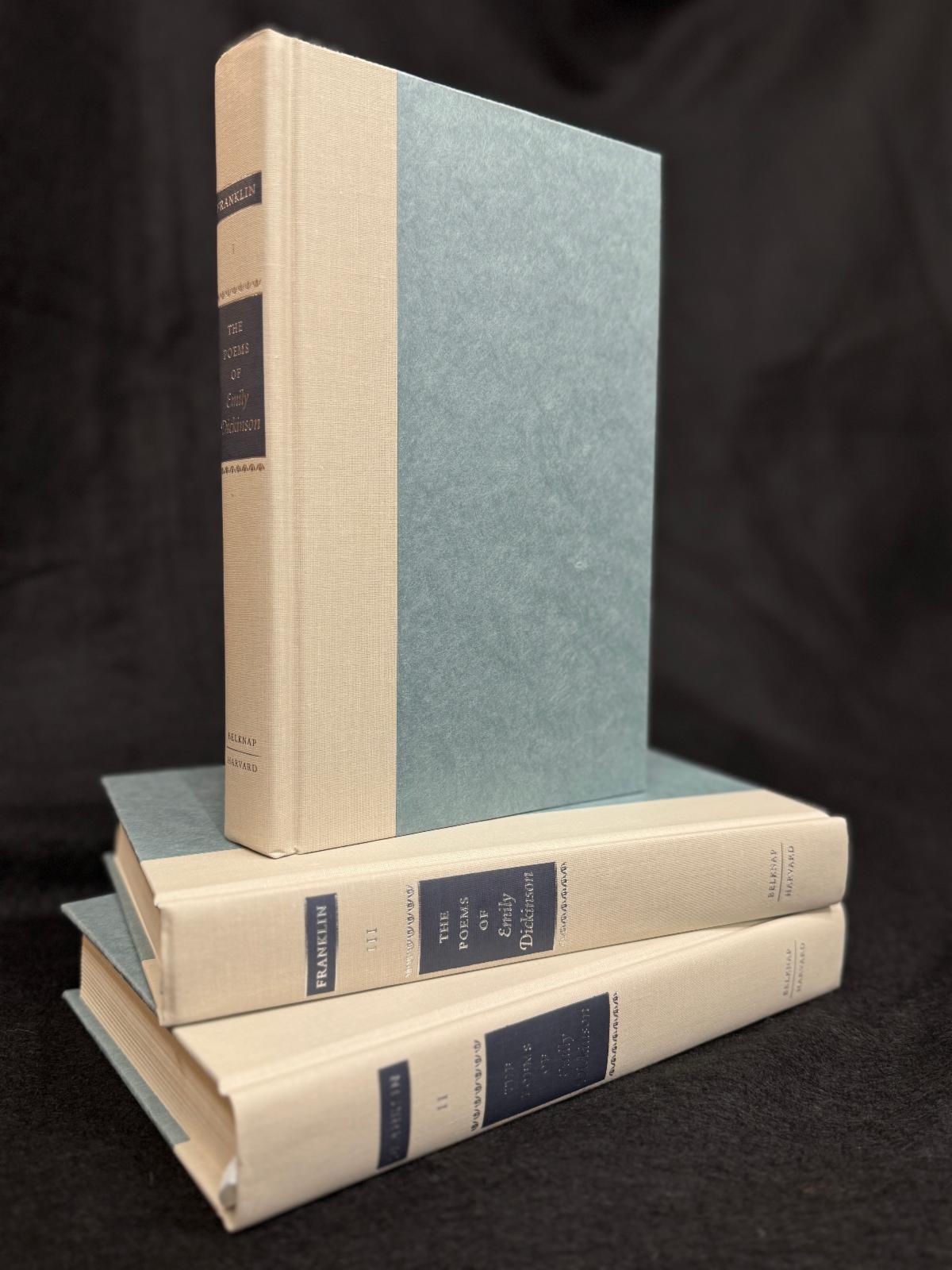
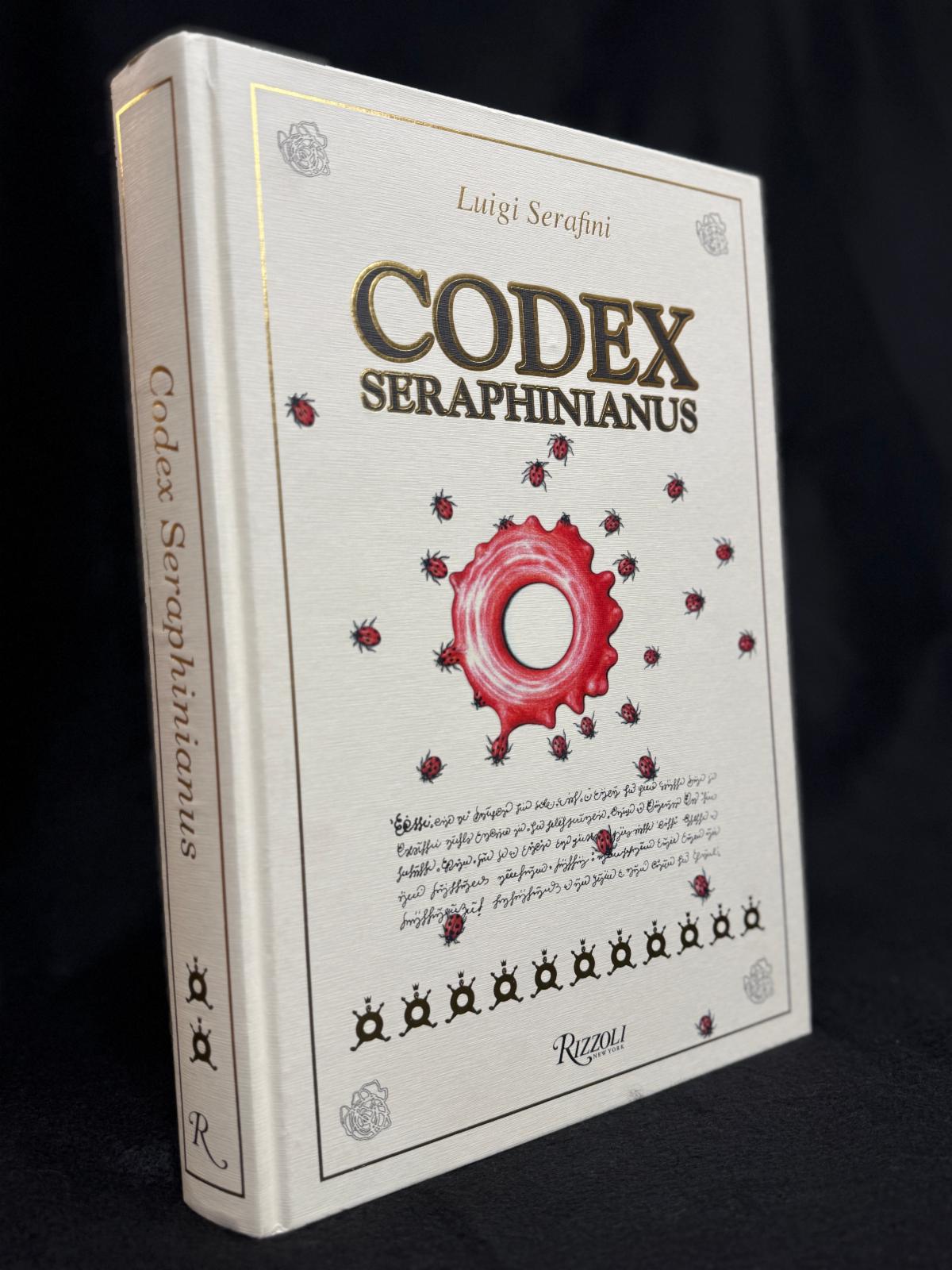
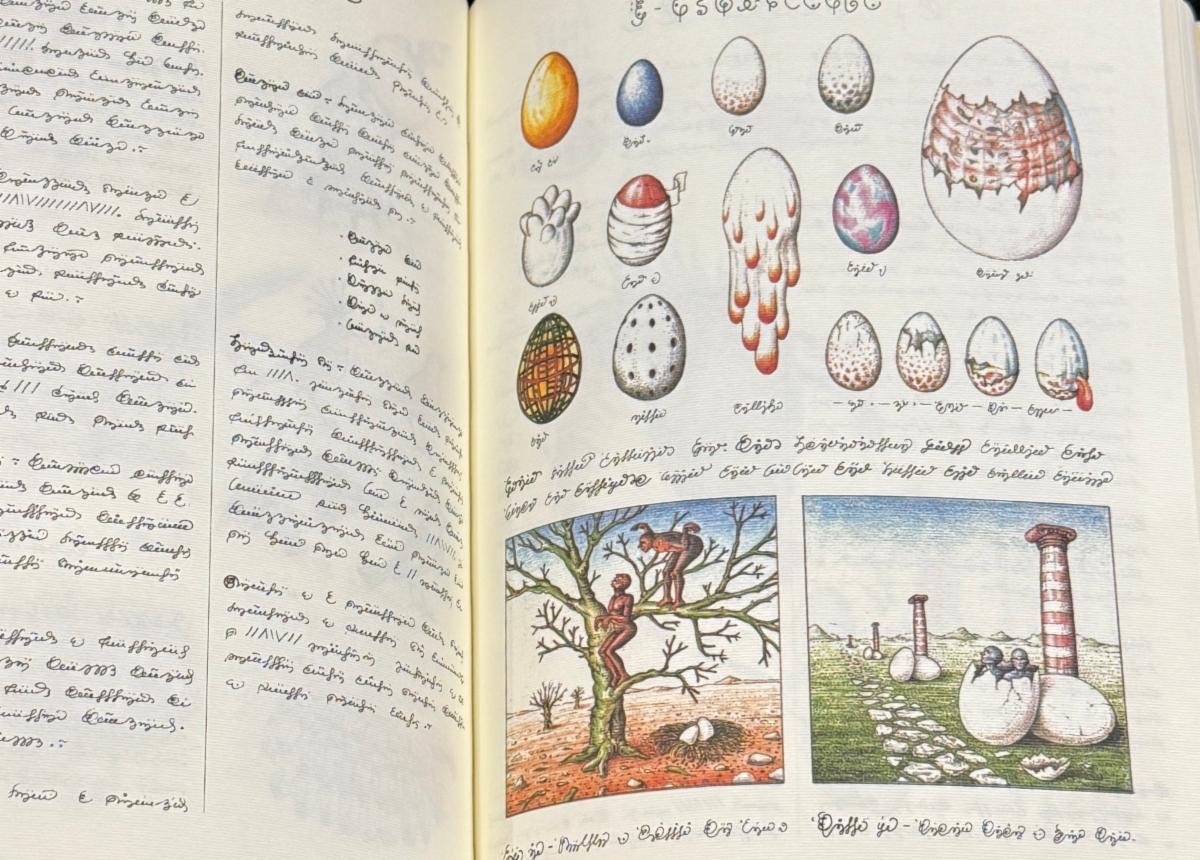
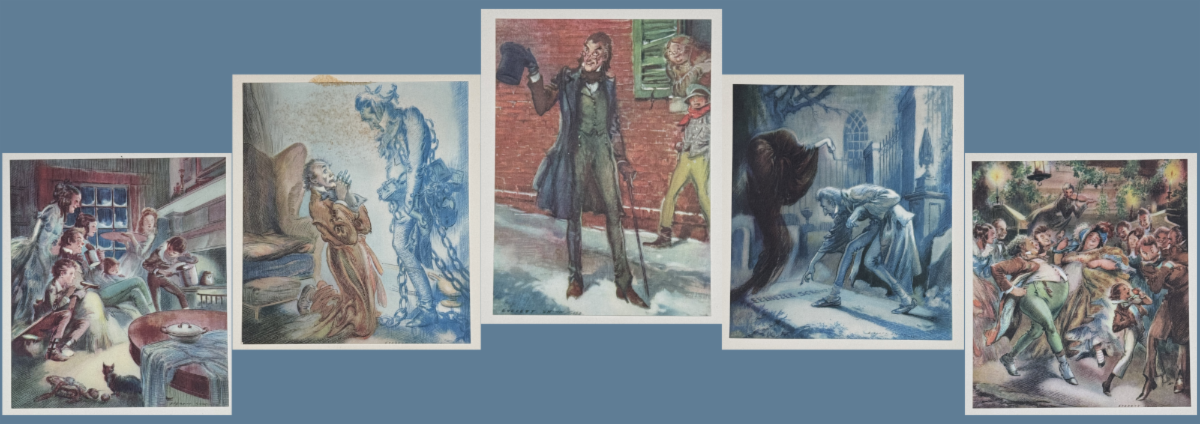
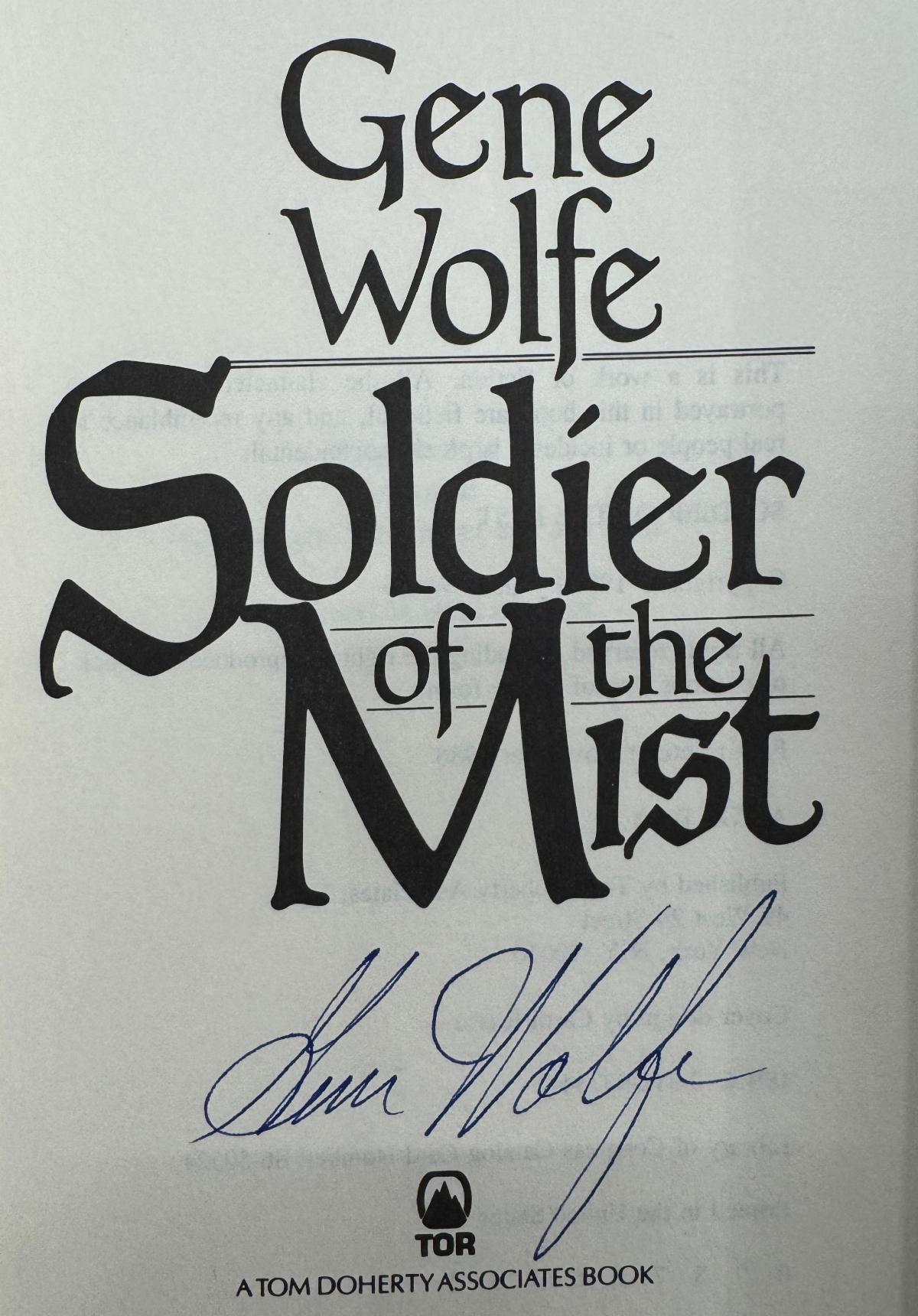
| | Summae Theologiae (Summa Theologica) by St. Thomas Aquinas. A vellum bound Latin edition measuring 115 x 175 mm. Cologne: Conradi Butgenii, 1622. 1352 pages. Hand titled on backstrip. Yapp fore edges. Old library marks. $850 | | | Opera Omni by Cicero. A 1606 Latin edition printed by Petrum de la Rouiere and bound in vellum. Thick quarto 160 x 225 mm. $700 | | | The Gorgeous Nothings by Emily Dickinson. 1st edition of this 2013 New Directions quarto that collects photographs of the scraps of paper on which Dickinson composed her verses. $125 | | | My favorite book I can’t understand. We offer a Rizzoli edition of the interpretively resistant Codex Seraphinianus. A 2015 printing of this book by Luigi Serafini, first published in Italy in 1981. $250 | | | A five-print suite of vivid color illustrations from A Christmas Carol by Everett Shinn. Scrooge at his grave is especially chilling. $75 | | |
Click here for our May events newsletter.
And, as always, view our events calendar to see all of our upcoming events.
We host both virtual and in-person events, and we look forward to seeing you soon.
| | |
Come visit us!
SUNDAY 12-5
MONDAY-THURSDAY 10-8
FRIDAY & SATURDAY 10-9
| | |
Can’t make it to the store?
Support your local indie from home!
Order by phone or online, then pick up at the store or the curb! We also ship!
| | |
Give us a call at 801-328-2586.
Shop new books on our website.
Browse our entire inventory of new, used and rare books on Biblio.com.
Listen to audiobooks from Libro.fm.
| | | | |