Yves St Laurent offers
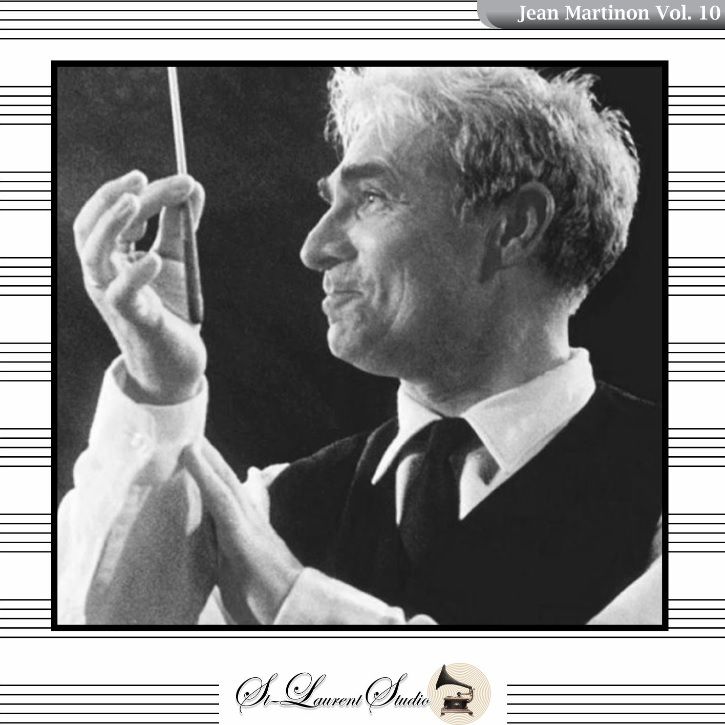
JEAN MARTINON, Vol. 10 (Mahler) . . .
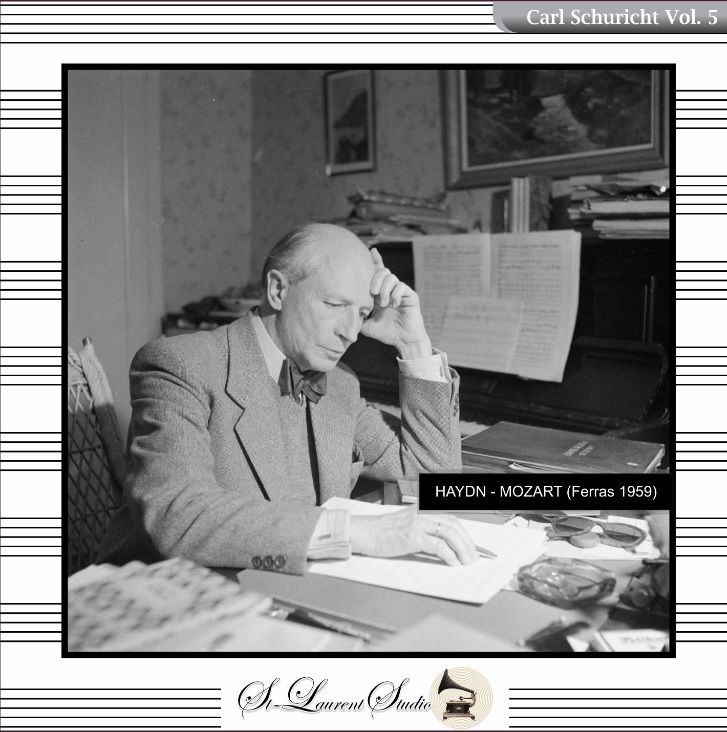
CARL SCHURICHT, Vol. 5,
w.CHRISTIAN FERRAS. . .
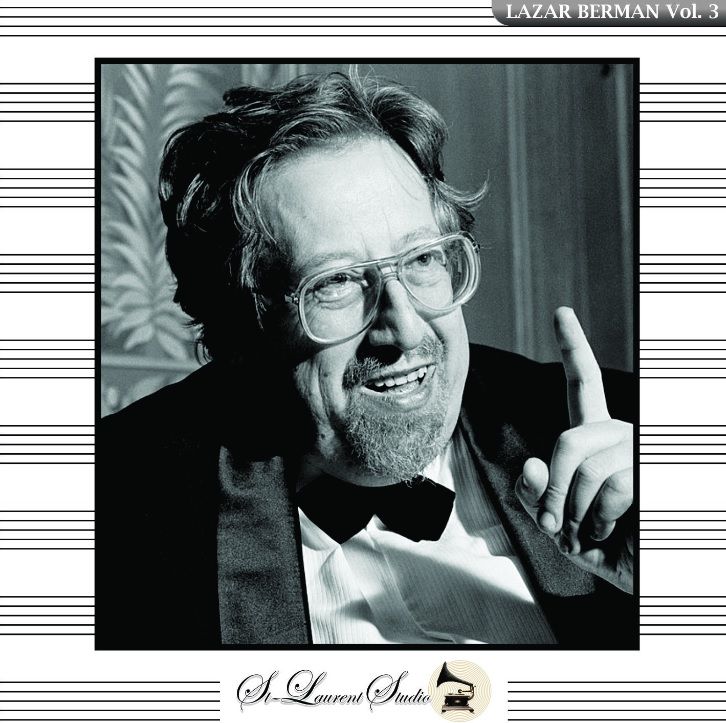
LAZAR BERMAN, Vol. 3 . . .
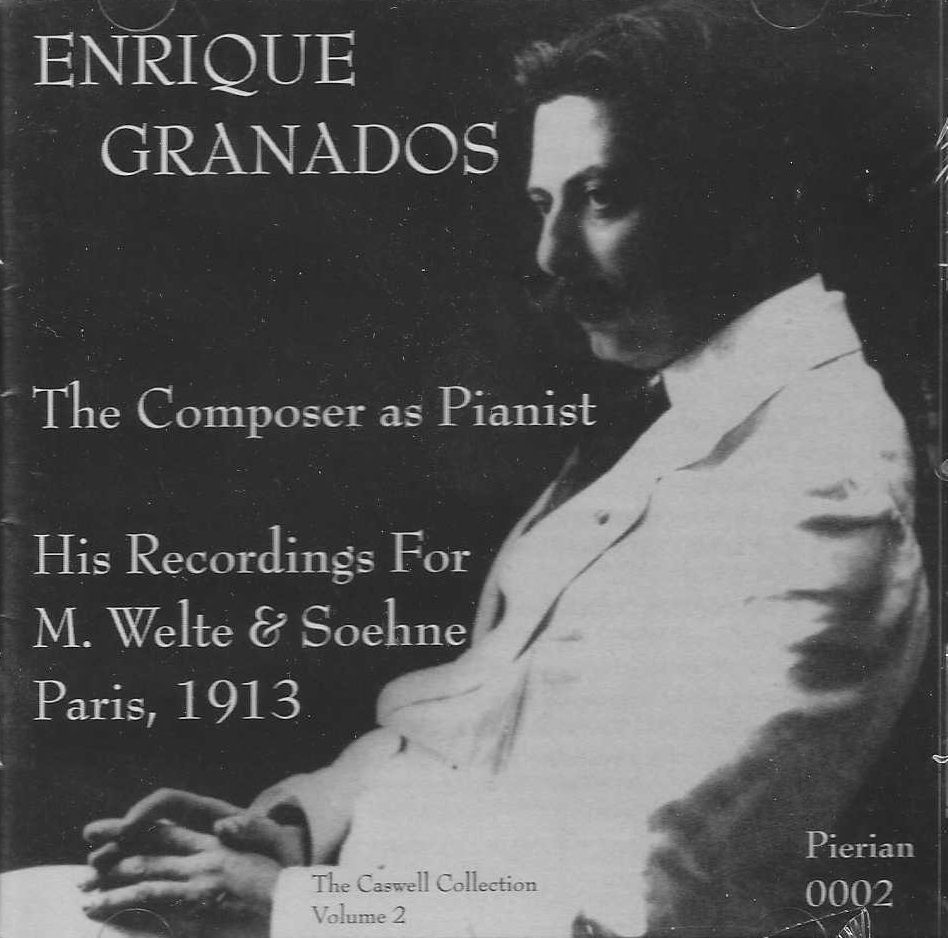
and from Pierian we have a newly discovered
ENRIQUE GRANADOS . . .
and the ‘sale’ titles continue . . .
|
|
|
|
JEAN MARTINON Cond. ORTF S.O.: 'Titan' Symphony #1 in D; w.Jocelyne Taillon & Siegmund Nimsgern: Des Knaben Wunderhorn (both Mahler). (Canada) 2-St Laurent Studio YSL T-1227, Live Performance, 17 Nov., 1971, Theatre des Champs-Elysees. Transfers by Yves St Laurent. (C1981)
|
|
Critic Reviews
“In the words of one of his biographers, conductor Jean Martinon's performances ‘were distinguished by a concern for translucent orchestral textures, and sustained by a subtle sense of rhythm and phrasing’. Occasionally ‘he stressed a poetic inflection at the expense of literal accuracy’.
Martinon's first instrument was the violin; he studied at the Lyons Conservatory (1924-1925), then transferred to the Paris Conservatory, where he won first prize in violin upon his graduation in 1928. He subsequently studied composition with Albert Roussel, and conducting with Charles Munch and Roger Desormiere. Until the outbreak of World War II Martinon was primarily a composer. His early substantial works include a Symphoniette for piano, percussion, and strings (1935); Symphony #1 (1936); Concerto giocoso for violin and orchestra (1937); and a wind quintet (1938). At the start of the war he was drafted into the French army. Taken prisoner in 1940, he passed the next two years in a Nazi labor camp. There, he wrote 'Stalag IX’ (Musique d'exil), an orchestral piece incorporating elements of jazz; during his internment, he also composed several religious works, including ’Absolve’, ‘Domine’ for male chorus and orchestra, and ‘Psalm 136’ (Chant des captifs), the latter receiving a composition prize from the city of Paris in 1946.
Upon his release from the Nazi camp Martinon became conductor of the Bordeaux Symphony Orchestra (from 1943 to 1945) and assistant conductor of the Paris Conservatory Orchestra (from 1944 to 1946), then associate conductor of the London Philharmonic (from 1947 to 1949). He toured as a guest conductor as well, although his U.S. debut did not come until 1957, with the Boston Symphony giving the American premiere of his Symphony #2. Although he devoted as much time as he could to composing in the early postwar years -- producing a string quartet (1946), an ‘Irish’ Symphony (1948), the ballet ‘Ambohimang’a (1946), and the opera HECUBE (1949-1954) -- he was increasingly occupied with conducting, working with the Concerts Lamoureux (from 1951 to 1957), the Israel Philharmonic (from 1957 to 1959), and Dusseldorf Symphony Orchestra (from 1960 to 1966). Martinon resumed his career as a composer around 1960, writing his Violin Concerto #2 (1960) for Henryk Szeryng, his Cello Concerto (1964) for Pierre Fournier, and his Symphony #4 (‘Altitudes’), composed in 1965, for the 75th anniversary of the Chicago Symphony. He acknowledged Prokofiev and Bartok as strong influences on his scores, which meld Expressionism with French Neoclassicism. Martinon continued composing into the 1970s, but he seldom recorded any of his own music, with the notable exceptions of the Second Symphony, ‘Hymne a la vie’ (ORTF, for Barclay Inedits) and Fourth Symphony, ‘Altitudes’” (Chicago SO, for RCA).
In 1963, he succeeded Fritz Reiner as head of the Chicago Symphony. Martinon's tenure there was difficult. In five seasons he conducted 60 works by modern European and American composers, and made a number of outstanding LPs for RCA, mostly of bracing twentieth century repertory in audiophile sound. Chicago's conservative music lovers soon sent him packing.
Martinon jumped at the chance to take over the French National Radio Orchestra in 1968; working with this ensemble he recorded almost the entire standard French repertory for Erato and EMI. His earlier Erato efforts that focused on such secondary but nevertheless interesting figures as Roussel, Pierne, and Dukas, whereas EMI assigned him integral sets of the Saint-Saens symphonies and the orchestral works of Debussy and Ravel, among other projects. In 1974, he was appointed principal conductor of the Residentie Orkest in The Hague, but he died before that relationship could bear much fruit.”
|
|
|
|
CARL SCHURICHT Cond. l'Opera de Monte-Carlo Orch.: 'London' Symphony #104 in D (Haydn); 'Haffner' Symphony #35 in D, K.395; w.CHRISTIAN FERRAS: Violin Concerto #4 in D,K.218 (both Mozart). (Canada) St Laurent Studio YSL T-1292, Live Performance, 15 Aug., 1959, Basilique Saint-Michel Archange de Menton, France. Transfers by Yves St Laurent. (C1980)
|
|
Critic Reviews
“Christian Ferras was a French violinist who, at the age of 10, won the first prize of the Nice Conservatory and won the first prize of the Paris Conservatory in 1946, where he studied with Rene Benedetti and Joseph Calvet. He started an international career with leading orchestras and conductors, notably recording the romantic concertos of Beethoven, Tchaikovsky, Sibelius and others with Herbert von Karajan. Since the recent retirement of Zino Francescatti, he was considered France's leading concert violinist.
Mr. Ferras, who made his New York debut in 1959 when he was 25, won consistently high praise for his musicianship. Howard Taubman, music critic of THE NEW YORK TIMES, wrote that Mr. Ferras was 'uncommonly gifted’ and that his playing had ‘fire and brilliance’. Over the years, the violinist appeared on the concert stage as soloist with the New York Philharmonic, Boston Symphony, Minneapolis Symphony and other leading orchestras. His grasp of the violin repertory, and in particular the works of Bach, Brahms and Mendelssohn, was enhanced by what Mr. Taubman called ‘a texture and muscularity that reflects the Gallic style’ of playing the instrument.”
- THE NEW YORK TIMES, 16 Sept., 1982
“Small of stature but sumptuous of tone, Christian Ferras represented the best of the Franco-Belgian violin school. Of his two main teachers, Rene Benedetti inculcated a respect for technique and George Enescu broadened his outlook - he was to command a much wider repertoire than most French violinists of his era. In the 1960s he was the favoured violin soloist of Herbert von Karajan and their recordings together sold by the thousand. Unfortunately the illness that was to lead to his death often kept Ferras away from the concert hall. But today his reputation continues to grow, as his records are discovered by a fresh audience.”
- Medici-TV
“Carl Schuricht was among the most distinguished German conductors of the inter- and post-War years. He studied composition with Engelbert Humperdinck at the Hochschule fur Musik in Berlin, and then with Max Reger in Leipzig. He became music director in Wiesbaden in 1911 and elected to stay there until 1944. From this base he made frequent guest conducting appearances elsewhere and appeared at many summer music festivals. He was known for his interest in French music and other modern compositions, and frequently played music of Debussy, Ravel, Schonberg, and Stravinsky.
He toured abroad often, and made his first U.S. appearance in 1927. For many years he conducted annual summer concert series in Scheveningen, Holland, a resort town next to the capital city, The Hague. In recognition of this, the Dutch government gave him the Order or Orange-Nassau in 1938.
In 1942 he was appointed conductor of the Dresden Philharmonic Orchestra. He often opposed the Nazi government's policies, and in 1944 fled to Switzerland, where he resided thereafter. As many German conductors who had favored modern music in the inter-War years did, he settled firmly to the traditional symphonic repertory in the post-War years and thereafter became strongly associated with performances in the Romantic tradition, with rhythmic freedom and a smooth, beautiful and expressive sound.
He was chosen to conduct the re-opening, after the War, of the Salzburg Festival in Austria in 1946, and continued his frequent guest conducting appearances and associations with summer festivals, including the Ravinia Festival in Chicago and the Tanglewood Festival with the Boston Symphony Orchestra in Massachusetts. He often conducted the London Philharmonic and the BBC Symphony Orchestra. He was chosen to share conducting duties with Andre Cluytens when the Vienna Philharmonic made its first American tour in 1956. In later years he often took the podium with that orchestra and the Berlin Philharmonic and frequently conducted the Stuttgart Radio Symphony Orchestra.”
|
|
|
|
ENRIQUE GRANADOS: Enrique Granados, The Composer As Pianist. Pierian 0002, recorded 1912 & 1913, from ‘Duo-Art system’ piano music rolls. Long out-of-print, Final Sealed Copy! (P0049)
|
|
CRITIC REVIEWS
“Enrique Joaquín Granados played an important role to help establish a golden age of classical and piano music in Spain. He was himself an accomplished pianist known for his improvisation skills who composed both vocal and piano music.
In 1887, he traveled to France to study music in Paris. However, he was unable to acquire admission to the famous Paris Conservatoire, settling for private lessons from Charles-Wilfrid de Beriot, a faculty member at the conservatoire. Beriot was the son of Maria Malibran, the legendary Spanish soprano, one who insisted on intricate refinement when it came to tone production. He fostered Granados’ pedal technique and also was a big influence on Enrique’s abilities in improvisation.
In 1911, he composed his greatest piece GOYESCAS, a set of six pieces for piano based from the paintings of Francisco Goya. The critical, as well as public acclaim, was tumultuous. From a technical viewpoint, GOYESCAS offers a formidable challenge for any pianist, with complex subsidiary themes, interweaving rhythmic patterns, and elaborate passageworks that a master pianist like Enrique himself could effortlessly maneuver. Every note of GOYESCAS counts as musical finesse, and articulation of one of the most distinguished virtuosos at work. The success compelled him to work further on the set and expand it. In 1914, he also wrote an opera based on GOYESCAS, but the European premiere was eventually canceled due to the sudden outbreak of World War I. In 1916, the opera was finally performed in New York City and was an overwhelming success. He was soon invited to the White House to perform a piano recital for the then President of the United States of America, Woodrow Wilson. Soon, he collaborated with the Aeolian Company of New York City, utilizing their ‘Duo-Art system’ to create live recorded piano music rolls.”
- Galaxy Music Notes
|
|
|
|
LAZAR BERMAN: Rachmaninoff, Liszt, de Falla & Beethoven (the latter's Sonata #18 in E-flat, Op.31, #3). (Canada) St Laurent Studio YSL T-1208, Live Performance, 30 Sept., 1954, Moscow. [The producer, Yves St Laurent, offers the caveat of some sound problems.] Transfers by Yves St Laurent. (P1421)
|
|
Critic Reviews
“The Russian pianist Lazar Berman was a virtuoso in the grandest of grand traditions. Long confined to the Soviet Union and its then communist satellite countries, he began his international career only in the mid-1970s, achieving extraordinary celebrity through performances of great power and command.
Berman continued his studies with Alexander Goldenweiser at the Central Children's music school - his concerto debut given with the Moscow Philharmonic when he was 10 - and then, from 1948 to 1953, at the Moscow Conservatory, where his postgraduate studies continued until 1957. At the time he entered the Queen Elizabeth international competition in Brussels in 1956, such events were star-studded: on that occasion the competitors included Vladimir Ashkenazy, John Browning and Cecile Ousset, and the jurors Arthur Rubinstein, Emil Gilels and Annie Fischer. Berman came fifth, and a European tour followed, including a 1958 London recital of Beethoven, Prokofiev and Liszt at the Royal Festival Hall.
Though Gilels had already described him as ‘the phenomenon of the musical world’, Berman was however then confined to the Soviet Union for 17 years from 1959, possibly because of his marriage to a French woman. Nonetheless, his reputation was still able to grow through recordings on the Melodiya label. Once he was free to resume international touring in 1976, he took London, Paris, New York and the rest of the musical west by storm, appearing with such celebrated conductors as Karajan, Giulini, Abbado, Bernstein and Barenboim, and with orchestras such as the Berlin and the New York Philharmonics. Extravagantly billed as ‘the world's greatest living pianist’, he played to awe-struck audiences in programmes that often included the Liszt and Rachmaninov works known from the early recordings; new recordings included Tchaikovsky's First Piano Concerto and Rachmaninov's Third. And if his Liszt recordings rank among the most intimidating displays of physical bravura, they were also notably for an intense drama and romantic fervour.
From 1980, at the height of his success, he was beset by further travel restrictions after the discovery of banned American books in his luggage. In 1990, he left Moscow to teach in Norway and Italy, where he eventually settled.”
- Bryce Morrison, THE GUARDIAN, 13 Feb., 2005
“Lazar Berman, a Russian pianist with a huge, thunderous technique that made him a thrilling interpreter of Liszt and Rachmaninoff and a representative of the grand school of Russian Romantic pianism, had a gentle manner that seemed at odds with his often-muscular approach to the piano. His repertory, though, was broader than his reputation would suggest. It ran from Bach and Handel, through Mozart, Clementi and Beethoven, to Scriabin and Shostakovich. Although Mr. Berman was best known for the grandeur of his Liszt, Chopin, Prokofiev and Rachmaninoff playing, he played Mozart and early Beethoven, for example, with a light touch that could surprise listeners who had typecast him as a firebrand. He also proved a supportive and deferential chamber music collaborator in recitals with his son, the violinist Pavel Berman, in the early 1990s.
Lazar Berman studied with Alexander Goldenweiser, a renowned Russian pianist who remained Mr. Berman's teacher at the Moscow Conservatory in the 1940s and 1950s.
Mr. Berman made his professional debut at age 10, playing a Mozart concerto with the Moscow Philharmonic. By the mid-1950s, he had won several competitions in the Soviet Union, as well as prizes at the Queen Elisabeth Competition and at the Franz Liszt competition. A European tour and a legendary recording of Liszt's Transcendental Etudes for the Melodiya label, in 1959, helped solidify his reputation as a virtuoso player. So did a glowing report from Emil Gilels, one of the greatest Russian pianists of the time, who called Mr. Berman ‘the phenomenon of the music world’. When Harold C. Schonberg, then the chief music critic of THE NEW YORK TIMES, heard Mr. Berman in Moscow in 1961, he wrote that the pianist had 20 fingers and breathed fire.
Soviet authorities, however, prevented Mr. Berman from traveling to the United States until 1976, when he was 45. When he made his New York debut, playing the Tchaikovsky Piano Concerto #1 with Lukas Foss and the Brooklyn Philharmonic, Schonberg wrote that ‘he may be that rarest of musicians - a real, true blue Romantic, one who understands the conventions and has the ability to put them into effect’. Still, Mr. Berman left the piano world deeply divided. Just as he was idolized by fans of titanic Romanticism, other listeners faulted him for perceived deficits in subtlety or stylistic variety. At any rate, his American career was short-lived. After a flurry of performances between 1976 and 1979, he was again prevented from touring by the Soviet authorities after American books were discovered in his luggage.
By the time he could travel again in 1990, Mr. Berman had largely tired of the concert stage, preferring to devote himself to teaching and to judging competitions, with occasional performances on his own or with his son. He moved to Florence in August 1990 and was granted Italian citizenship in 1994.”
- Allan Kozinn,
THE NEW YORK TIMES, 9 Feb., 2005
|
|
. . . REPEATED . . .
FROM THE RECENT PAST . . .
|
|
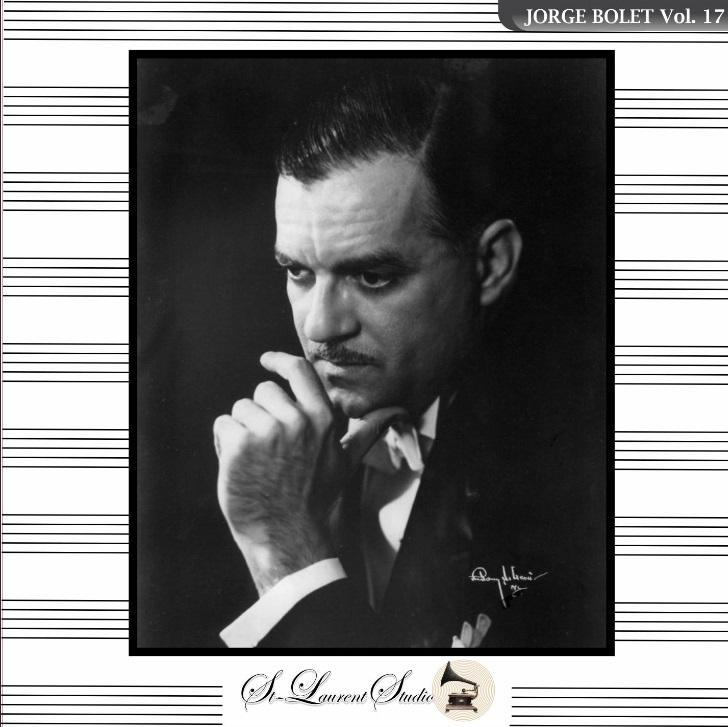
JORGE BOLET: Cello Sonata in c (Rachmaninoff) (w. JOEL KROSNICK); 'Forellen' Piano Quintet in A (Schubert) (w. DONALD PALMA (Double Bass) & Juilliard String Quartet); JUILLIARD STRING QUARTET: Eine Kleine Nachtmusic, K.525 (Mozart) - Live Performance, 19 Dec., 1978, Coolidge Auditorium, Library of Congress; JORGE BOLET, w. Members of NYPO (Kenneth Gordon, Oscar Ravina, Dorian Renee & Nathan Stutch): Piano Quintet in f (Franck), Live Performance, 5 Jan., 1987, Kaufman Music Center. [Among the most prized Bolet issues from Yves St Laurent, this treasure offers the celebrated Rachmaninoff Cello Sonata!] (Canada) 2-St Laurent Studio YSL T-1268. Transfers by Yves St Laurent. (P1419)
|
|
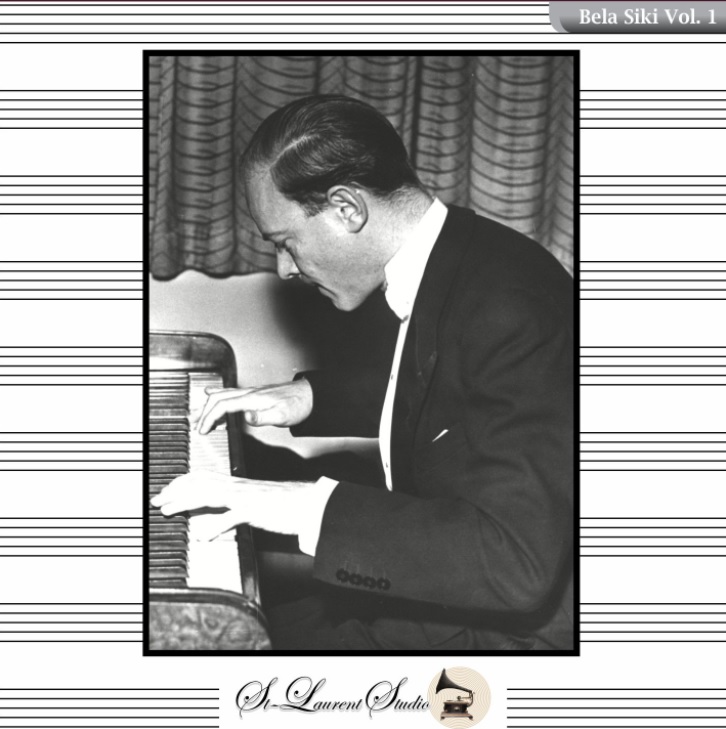
BELA SIKI: Partita #6 in e (Bach); 'Waldstein' Sonata #21 in C, Op.53 (Beethoven); Ballade #3 in A-flat, Op.47; Scherzo #3 in c-sharp, Op.39; Etude in F, Op.10, #8; Several Mazurkas, Op.50 (all Chopin), Live Performance, 5 Jan., 1990, Seattle; w.Ruben Gurewich Cond. University of Washington S.O.: Piano Concerto #3 in D (Prokofiev), Live Performance, 19 April, 1989. [A jewel of a recital in marvelous sound! Issues like this enrich our lives and give us great encouragement to continue our work!] [Siki was courted by Juilliard and most of the major music conservatories but chose to live and teach in Seattle Washington. His students played in Carnegie Hall, won international competitions and performed with all the major orchestras. If you are serious about technique and interpretation, you must study Siki's book. I remember walking down the hallway toward his door for my lesson and passing his other students sitting on the bench and floor, writing notes long after their lessons. Read this book. You will learn more than you might expect - anonymous]. (Canada) 2-St Laurent Studio YSL T-1296. Transfers by Yves St Laurent. (P1418)
|
|
SERGIO FIORENTINO: French Suite #5 in G (Bach); Prelude, Aria & Finale (Franck); Sonata #21 in B-flat, D.960; Moments musicaux, #3, Allegro moderato in F Minor, D. 780 (both Schubert); Der Rosankavalier - Walzer (Strauss). (Canada) 2-St Laurent Studio YSL T-1219, Live Performance, 17 July, 1994, Erwitte, Germany. Transfers by Yves St Laurent. (P1409)
|
|
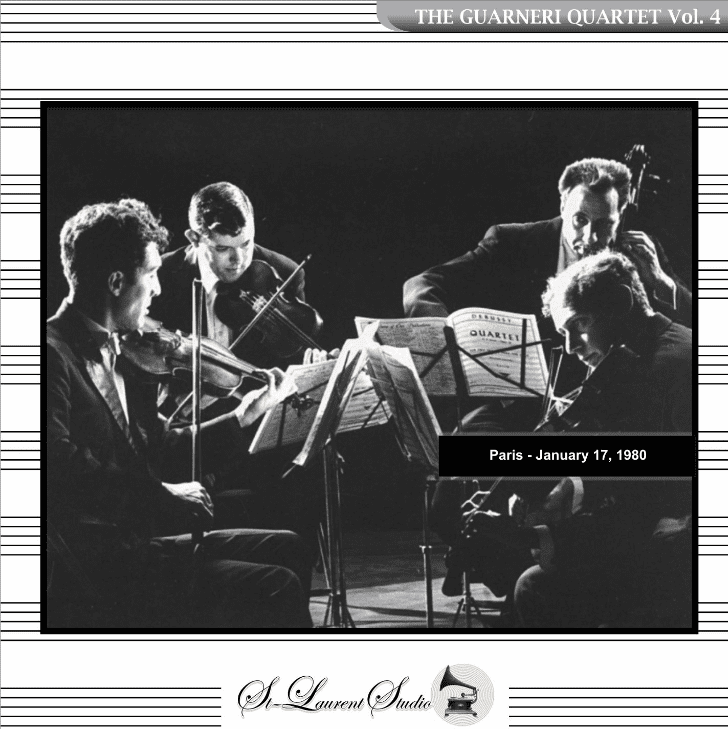
GUARNERI QUARTET: String Quartet #3 in D, Op.18, #3; String Quartet #11 in f, Op.95; String Quartet #16 in F, Op.135; String Quartet in G, Op.76, #1 - Allegro ma non troppo (Haydn). [Highly distinguished performances recorded in a fresh, open acoustic before an ecstatic audience!] (Canada) St Laurent Studio YSL T-1225, Live Performance, 11 Jan., 1980, Salle Pleyel, Paris. Transfers by Yves St Laurent. (S0810)
|
|
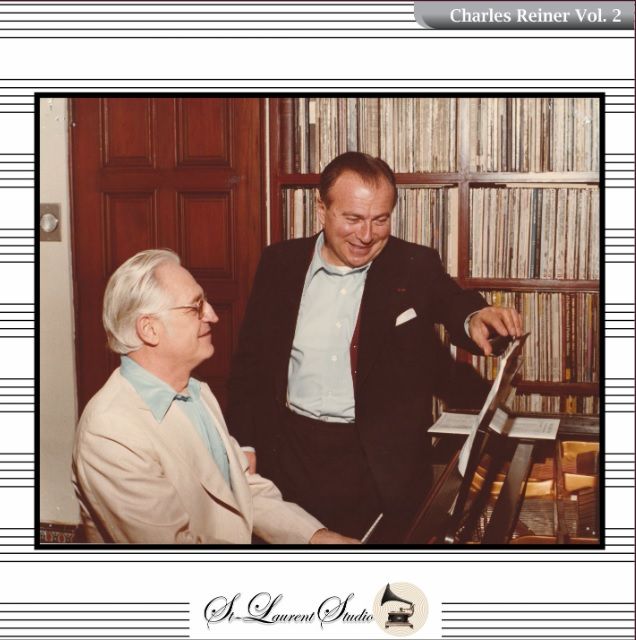
CHARLES REINER: Sonata #1 in g for solo Violin (Bach); w.HENRYK SZERYNG: Violin Sonata #2 in A, Op. 100 (Brahms); Romanian Folk Dances (Bartok); Violin Sonata in a, Op.13 (Paderewski); Encores by Halffter, de Sarasate, Novacek, Marroquin, de Falla & Brahms. (Canada) 2-St Laurent Studio YSL T-1230, Live Performance, 26 Feb., 1984, Roy Thompson Hall, Toronto. Transfers by Yves St Laurent. (P1417)
|
|
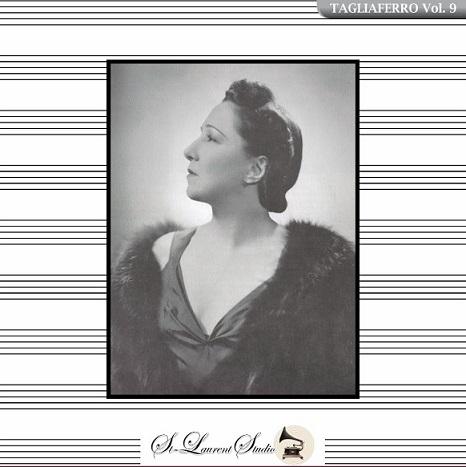
MAGDA TAGLIAFERRO: Chopin, Mompou, Albeniz & Beethoven Recital (the latter's 'Appassionata' Sonata #23 in f), Live Performance, 13 March, 1964, Palais d'Orsay, Paris; w. OUBRADOUS Cond. Paris Chamber Orch.: 'Coronation' Piano Concerto #26 in D, K.537 (Mozart), Live Performance, 27 March, 1955. (Canada) St Laurent Studio YSL T-1242. Transfers by Yves St Laurent. (P1420)
|
|
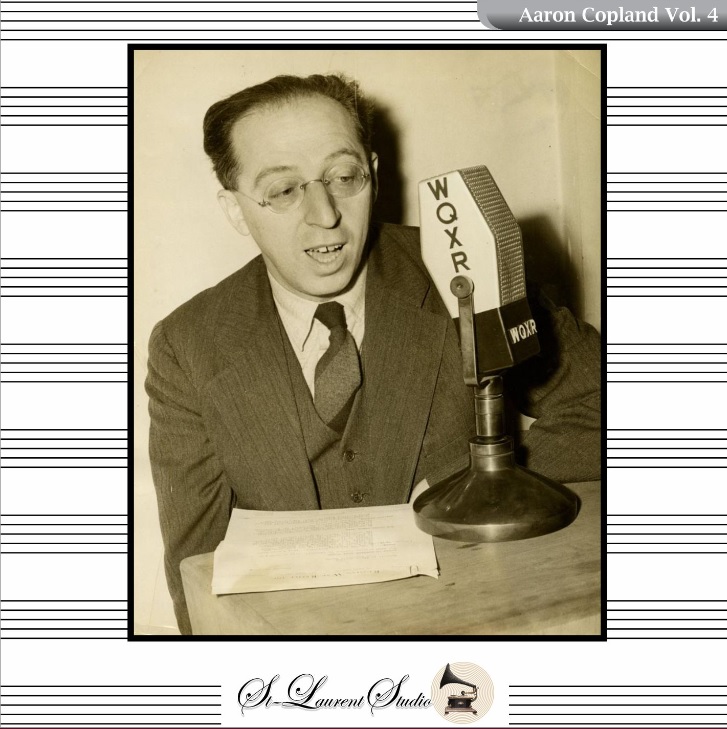
AARON COPLAND Cond. Hungairan State S.O.: Serenade (Kadosa); Decoration Day - Holidays Symphony (Ives); Symphony #3 (Roy Harris); Fanfare for the Common Man; Billy the Kid - Suite (both Cond. by the Composer). (Canada) St Laurent Studio YSL T-1228, Live Performance, 28 Sept., 1973, Budapest. Transfers by Yves St Laurent. (C1979)
|
|
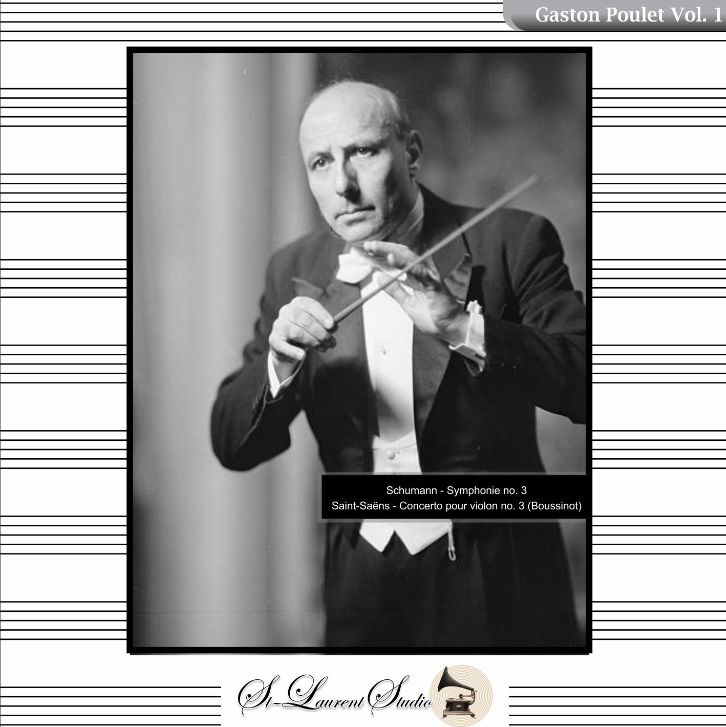
GERARD POULET Cond. RTF S.O.: ‘Rhenish’ Symphony #3 in E-flat (Schumann); Espana (Chabrier); w.MICHELE BOUSSINON: Violin Concerto #3 in b (Saint-Saens). (Canada) St Laurent Studio YSL T-1300, Live Performance, 26 July, 1956, Paris. Transfers by Yves St Laurent. (C1977)
|
|
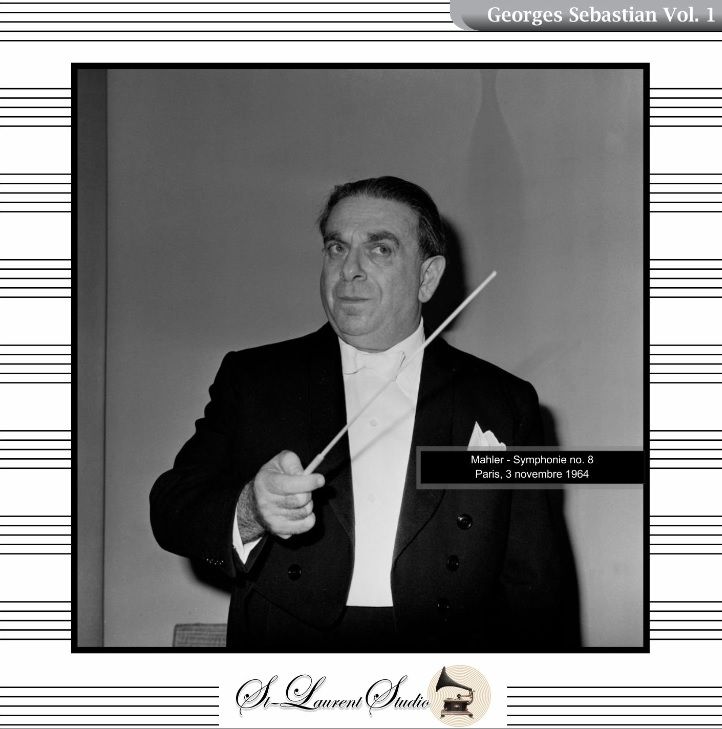
GEORGES SEBASTIAN Cond. RTF S.O., w.Colette Herzog, Liane Synek, Ruth Hesse, Helga Jenckel, William Blankenship, Hans-Otto Kloose & Gerhard Nienstedt: ‘Symphony of a Thousand’ #8 in E-flat (Mahler). (Canada) St Laurent Studio YSL T-1297, Live Performance, 3 Nov., 1964, Theatre des Champs-Elysees, Paris. Transfers by Yves St Laurent. (C1978)
|
|
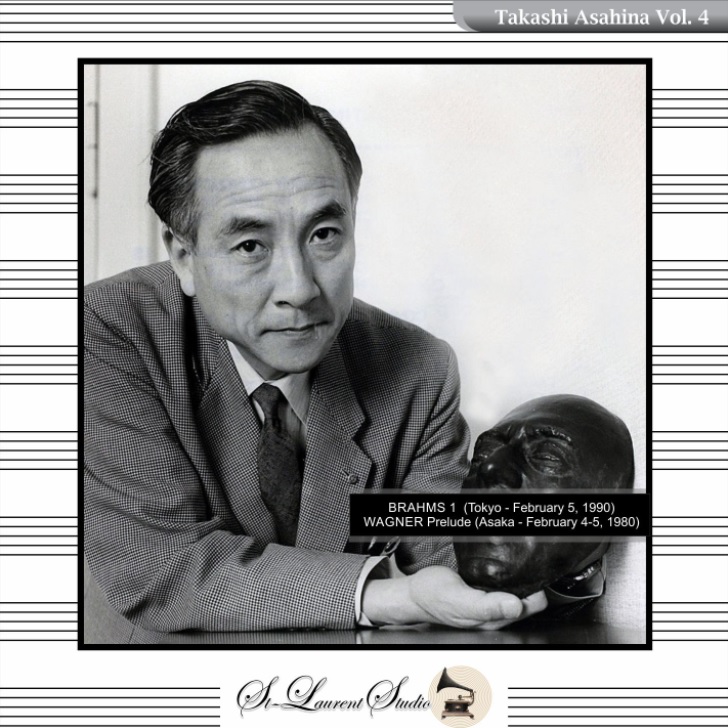
TAKASHI ASAHINA Cond. New Japan Phil.: Symphony #1 in c (Brahms), Live Performance, 5 Feb., 1990, Orchard Hall, Tokyo; TAKASHI ASAHINA Cond. Osaka Phil.: Die Meistersinger - Prelude (Wagner), Live Performance, 4-5 Feb., 1980, Osaka Festival Hall. (Canada) St Laurent Studio YSL T-1248, Live Performance, 21-25 July, 1993, Festival Hall, Osaka. [A treasurable issue from Yves St Laurent!] Transfers by Yves St Laurent. (C1976)
|
|
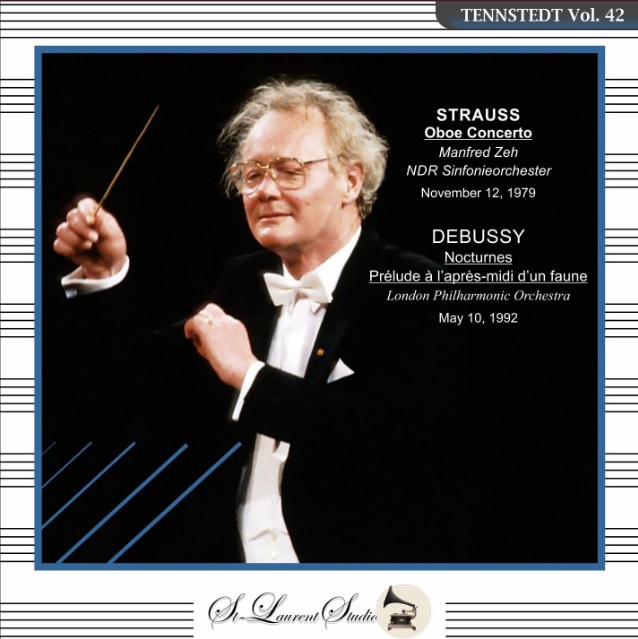
KLAUS TENNSTEDT Cond. London Phil.: Nocturnes; Prelude a l'apres-midi d'un faune (both Debussy), Live Performance, 10 May, 1992; KLAUS TENNSTEDT Cond. NDR S.O., w. MANFRED ZEH: Oboe Concerto in d (Strauss), Live Performance, 12 Nov., 1979. (Canada) St Laurent Studio YSL T-1252. Transfers by Yves St Laurent. (C1975)
|
|
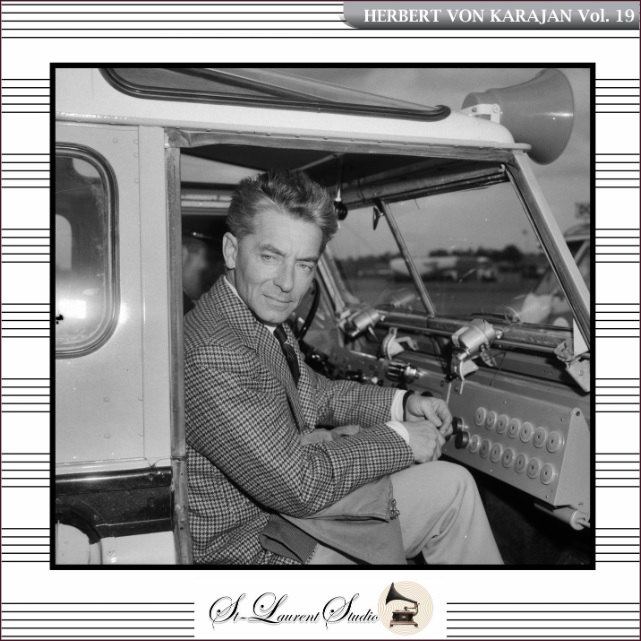
HERBERT von KARAJAN Cond. Vienna Phil.: Concerto Grosso in E-flat, op. 4/10 (Locatelli); ‘Unfinished’ Symphony #8 in b (Schubert); Also sprach Zarathustra (Strauss); Delirium Waltz (Josef Strauss). (Canada) St Laurent Studio YSL T-1224, Live Performance, 9 April, 1962, Theatre des Champs-Elysees, Paris. Transfers by Yves St Laurent. (C1974)
|
|
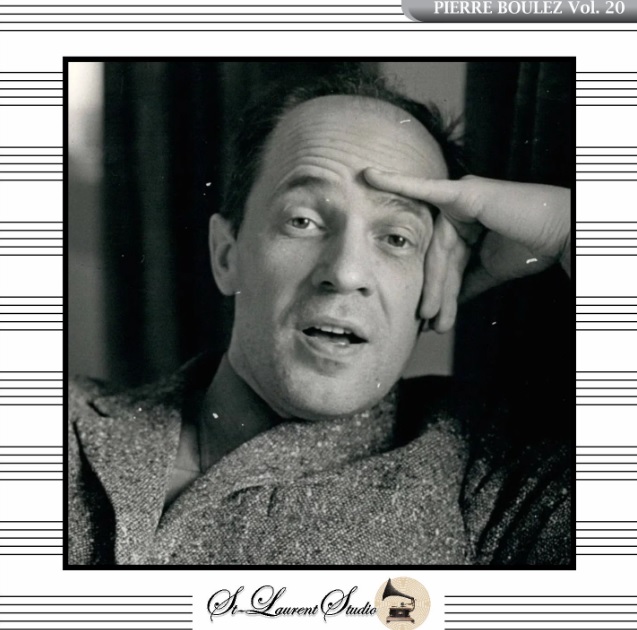
PIERRE BOULEZ Cond. Paris Opera Orch.: Symphony #10: - Adagio; w. YVONNE MINTON & JON VICKERS: DAS LIED VON DER ERDE (both Mahler) (Canada) St Laurent Studio YSL T-1276, Live Performance, 20 Feb., 1981. Transfers by Yves St Laurent. (C1973)
|
|
ARTURO TOSCANINI Cond. NBC S.O: Symphony #2 in D Major, op. 36 (Beethoven); 'Enigma' Variations, op. 36 (Elgar), Live Performance, NBC Studio 8H, New York, 5 November, 1949; 'Enigma' Variations, op. 36 (Elgar), Rehearsal Excerpts, New York, February 14, 1951. (Canada) 2-Immortal Performances IPCD 1152, with Commentary by Ben Grauer. Notes by Robert Matthew-Walker. Transfers by Richard Caniell. (C1969)
|
|
LEONARD BERNSTEIN Cond. Orchestre National de Monte Carlo: 'Titan' Symphony #1 in D (Mahler); Candide - Overture (Cond. by the Composer); Piano Concerto #17 in G, K.453 (Mozart). (Canada) 2-St Laurent Studio YSL T-1258, Live Performance, 11 Aug., 1962, Palais du prince, Monaco. Transfers by Yves St Laurent. (C1967)
|
|
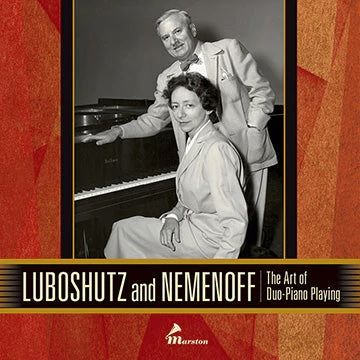
LUBOSHUTZ AND NEMENOFF: The Art of Duo-Piano Playing, w.Serge Koussevitzky, Robert Shaw & Harl MacDonald: Bach-Vivaldi, Handel, Mozart, Brahms, Chopin, Debussy, Saint-Saens, Mendelssohn, Weber, Reger, Schumann, Strauss, Glinka, Cui, Khachaturian, Mussorgsky, Kreisler, de Falla, Rossini, Levitzki, Milhaud, Luboshutz, Portnoff, Shostakovich, Stravinsky & Harl McDonald. 4-Marston 54010. (P1413)
|
|
GEORGE GROSSMITH, Jr.: George Grossmith’s records for the Gramophone Company, incl. Songs & Duets from Theodore, Peggy, Our Miss Gibbs, The Sunshine Girl, Peggy, The Girl on the Film, The Cabaret Girl, Tonight’s the Night, Genevieve de Brabant, The Naughty Princess, Sally, No, No Nanette & Lady Mary; three additional songs plus the 1908-10 Jumbo Records. (England) 2-Palaeophonics 173A & 173B, recorded 1909-28. [Of note: This 2-CD Set of improved restoration replaces the earlier Palaeophonics issues Nos. 86 & 100], w.Elaborate 'The Play' 24pp. Brochure replete with numerous photos from various productions & biographies. Excellently transferred from the legendary Acoustic 78rpm rarities. [Beyond any doubt, this piece de resistance, Dominic Combe's most recent and elaborate production, is the ultimate of his delightful creations; the duet from GENEVIEVE DE BRABANT is among these priceless renditions!] (PE0364)
|
|
BOOKS ON SALE
“Books have become our lonely stepchildren! By spending so many hours constantly revising our thousands of CDs we realize we have paid scant attention to our BOOKS ON SALE, thus many have been added (with more appearing), accompanied by greatly reduced prices! Have a glance at our SALE section - for BOOKS!
[many sealed copies of
numerous out-of-print additions:
The Record Collector, Naxos, VRCS, Issues of
Symposium's Harold Wayne series,
Romophone, GOP &
many Met Opera broadcasts &
operas from Moscow's Aquarius, plus
numerous lesser-known operas have been added
throughout our listings, in appropriate categories. .
out-of-print books [many biographies,
Record Catalogue-Discographies . . .
numerous CDs are added each week] . . .
Once again . . .
Welcome to our new bookshop & list of Original Cast LPs, www.norpete.com where you will see a vast array of excellent, used out-of-print books. You're sure to find many books of interest which may have long eluded you, so now is your opportunity to fill in missing gaps. Our online bookshop includes composer and performer autobiographies and biographies. Soon we will include musical criticism, theory and history, plus histories of symphony orchestras, opera houses and festivals. In addition, we shall offer quite an array of vocal scores, many of which are most rare and unusual.
Take a look at our exciting array of Broadway & Off-Broadway Original Cast and London Original Cast LPs, all in superb condition.
We carry splendid CD offerings from Yves St Laurent, VRCS, The Record Collector, Marston, Palaeophonics, Immortal Performances (Canada), Malibran, Aquarius, Truesound Transfers, Walhall, Bongiovanni, Clama and many other labels.
As always, please contact us with any special requests.
Please remember that we can take your order over the telephone from 10:00am to 6:00pm (EST), thereby providing you with the most current status of your order. Should you order by email or shopping cart and do not receive a timely acknowledgement of your order, please telephone.
Thank you again for your loyal support, and happy browsing our new website and exciting offerings.
|
|
|
Norbeck, Peters & Ford | 1-802-524-7673 or 1-800-654-5302
|
|
|
|
|
|
|