| Strengthening Readiness Before the
Next Challenge | | As we enter the summer months, many facilities are turning their attention to seasonal hazards, including hurricanes, extreme heat, and wildfires. At ZDR3, part of our mission is to help facilities strengthen their ability to mitigate, prepare for, respond to, and recover from challenges affecting people, animals, and facility operations. | | |
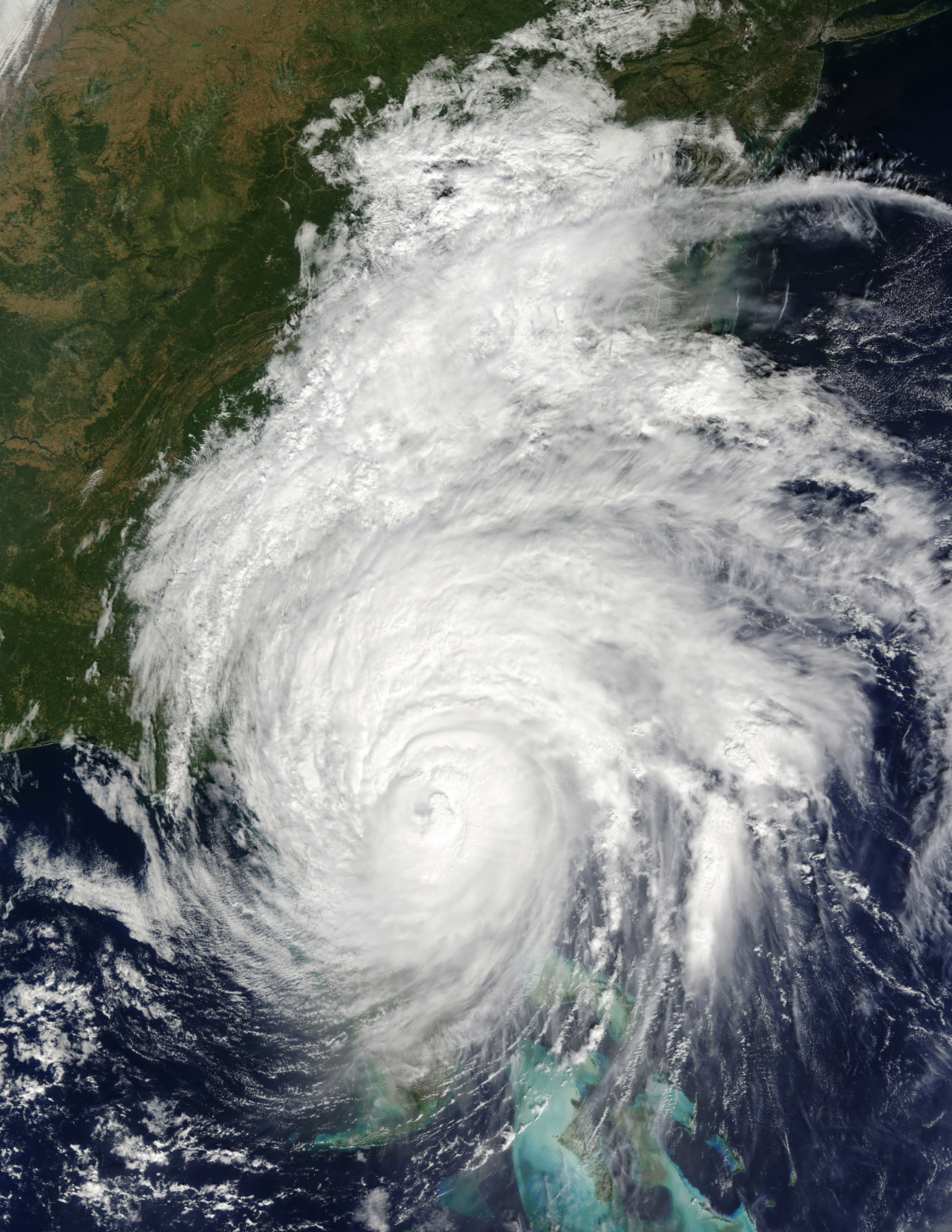
With hurricane season officially underway, every organization can benefit from taking a fresh look at its preparedness efforts. Whether your facility is along the coast or miles inland, tropical systems can bring staffing challenges, flooding, power outages, transportation disruptions, and supply chain impacts that affect daily operations.
Consider reviewing:
- Contact lists
- Mutual aid networks
- Communications plans
- Shelter in place vs. evacuation measures
- Backup power
- Life support system (LSS) continuity
- Access to vital records
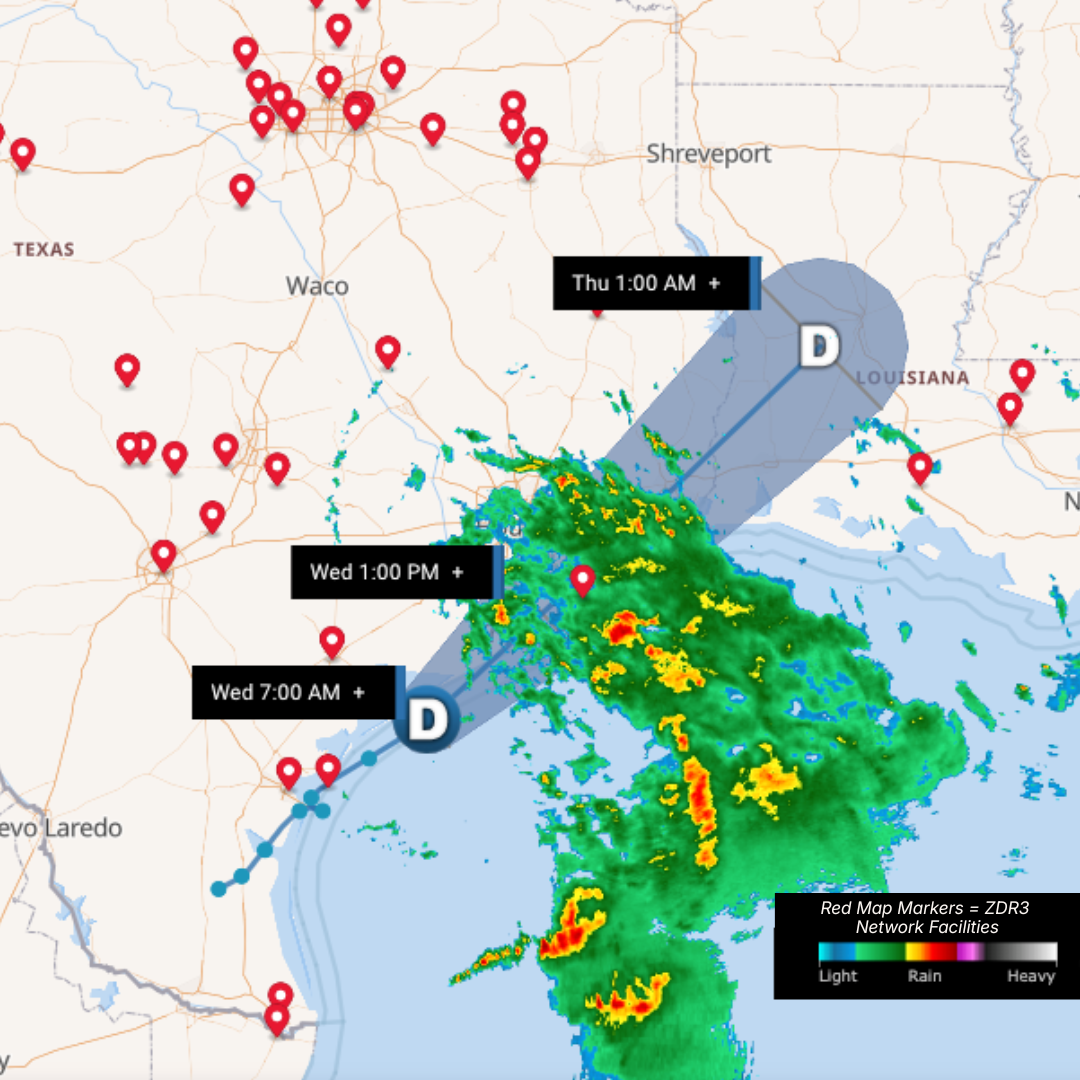
| | | | | Due to recent activity in the Gulf of Mexico, ZDR3 actively monitored Tropical Storm Arthur, and maintained communication with facilities potentially affected by the storm’s impacts. While Arthur remained a relatively weak system, it served as an important reminder that early-season tropical events can still produce significant rainfall, flooding, and a wide range of operational impacts. | | |
Strengthening Readiness One Conversation at a Time
One way ZDR3 supports facilities is through individualized preparedness conversations. These discussions allow us to better understand each facility’s unique needs within its own operational environment. By taking into account factors such as geographic location, facility type, and potential hazards, we can help identify available resources and connect facilities with support options to strengthen overall readiness!
| |
|
Preparedness Resource Spotlight
Lightning Safety
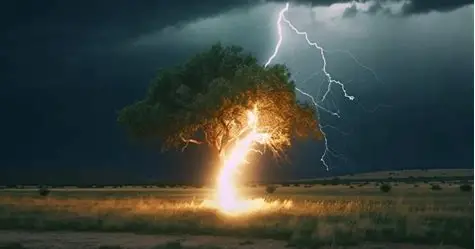
| Lighting remains one of the most common weather hazards affecting outdoor operations during the summer months. Facilities should review lightning safety procedures, sheltering locations, guest notification procedures, and thresholds for suspending outdoor activities. | To support planning, the U.S. Department of Homeland Security’s (DHS) Cyber and Infrastructure Security Agency (CISA), in coordination with the National Center for Spectator Sports Safety and Security (NCS4), released its Lightning Safety Guide for Sports and Special Events, which provides practical guidance for operational decision-making for venues of all sizes. | | |
Florida Disaster Preparedness Sales Tax Exemption
Do you have the right equipment and supplies needed to support your organization? Florida’s Disaster Preparedness Sales Tax allows eligible supplies to be purchased tax-free, providing an opportunity for individuals and facilities to boost readiness before hurricane season intensifies. A list of authorized sales tax exemptions is brought to you by the Florida Department of Revenue.
| |
Building Connections Before They Are Needed
Recent security incidents affecting zoological facilities have reinforced the importance of establishing valuable connections and collaborations.
The U.S. Department of Homeland Security’s (DHS) Cybersecurity and Infrastructure Security Agency (CISA) encourages ongoing outreach and connectivity with its local Protective Security Advisors (PSAs) and the use of resources, such as its Bomb Threat Guide, to support security planning across the industry.
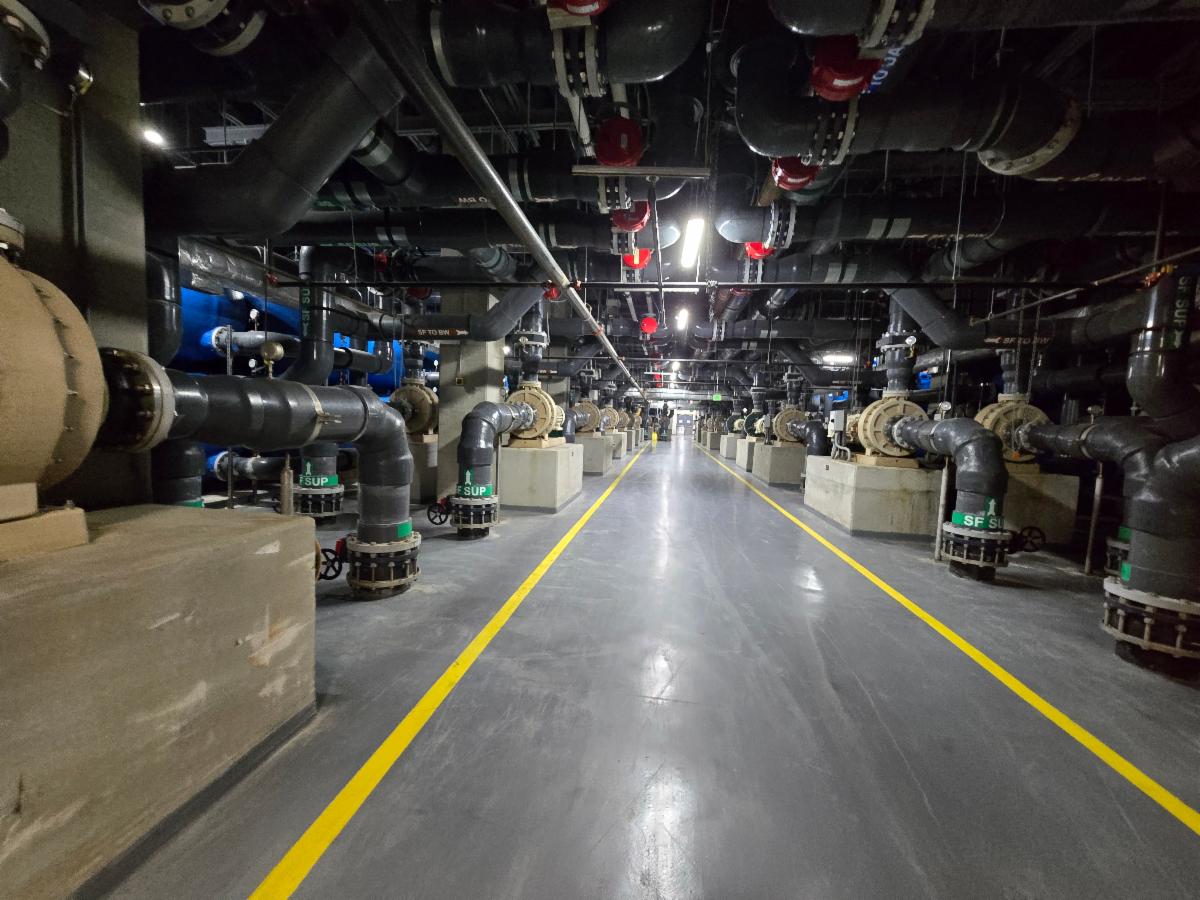
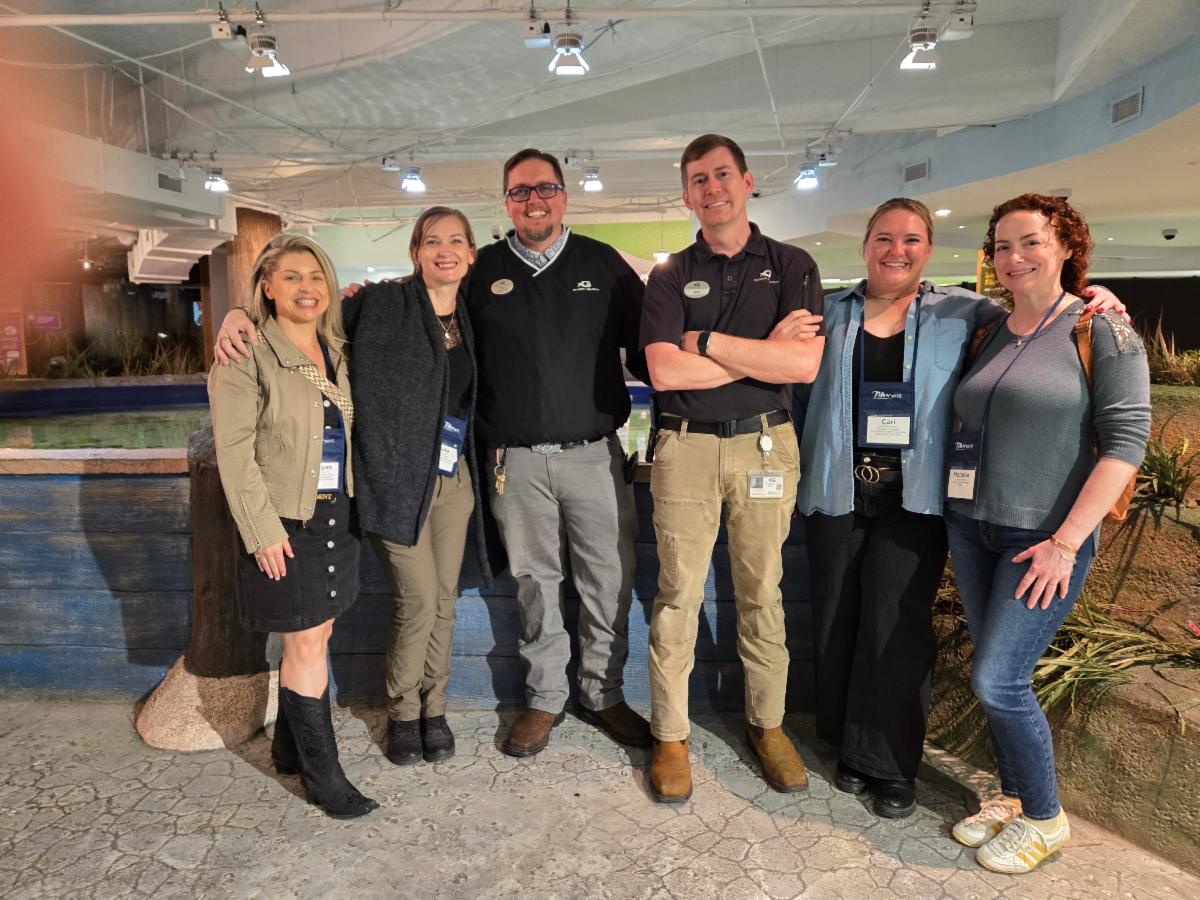
| | | | Recent Outreach and Education | | This spring, ZDR3 had the opportunity to engage with professionals and students across the country through presentations and industry outreach. ZDR3 personnel presented the AAZK webinar A Keeper's Role in a Natural Disaster (Passcode: 5pK$oCr3) and gave presentations at the AZA Mid-Year Safety Summit, Aquatic Animal Life Support Operators (AALSO) Conference, and three veterinary colleges focused on preparedness and emergency management. These conversations continue to highlight the growing interest and need for preparedness across the zoological profession. | | During the AZA Mid-Year Safety Summit, ZDR3 had the opportunity to connect with experts from Georgia Aquarium to deepen our understanding of Life Support System (LSS) operations and the unique challenges of maintaining these critical systems during emergencies. We gained valuable insight into the complexities of LSS continuity planning, including backup power considerations, equipment redundancy, operational contingencies, and recovery strategies. | | Georgia Aquarium Life Support System Pump Room | | ZDR3 staff alongside John Masson, Director of Life Support Systems, Georgia Aquarium, and John Drummond, Life Support Systems Manager of Training, Georgia Aquarium | | These discussions are further strengthened by our ongoing collaboration with John Drummond, Chair of the Emergency Response Committee (ERC) for AALSO. Through both his leadership within the aquatic life support community and his experience providing support during multiple incidents, he has shared valuable perspectives on the operational realities of managing LSS disruptions and supporting facilities during emergencies. | | |
ZDR3 also participated in the National Alliance of State Animal and Agricultural Emergency Programs (NARSC) annual meeting. As a member of the coalition, this provided the opportunity to connect with national animal response organizations, strengthen relationships with emergency management partners, and explore ways to enhance collaboration before, during, and after incidents affecting animals and animal care facilities.
That same commitment was reflected in the response to our Planning, Preparedness, and Readiness (PPR) Survey. We extend our sincere thanks to everyone who participated! The feedback received from across the industry is helping us identify common needs and guide the development of relevant resources to keep at your fingertips.
If you have not yet had an opportunity to participate, there is still time to share your perspective. Every response helps strengthen our understanding of industry needs and ensures future resources, training, and outreach efforts reflect the realities facilities face every day.
Thank you for being part of a growing community dedicated to supporting people, protecting animals, and strengthening the systems that connect us.
| | | | |