Christopher Columbus arrived in the Americas in 1492. In 1494, he launched the trans-Atlantic slave trade, sending enslaved Taínos from the Caribbean to Spain, and forcing them to find gold in Hispaniola.
Shortly after, Spaniards brought kidnapped and enslaved Africans to the Americas. One Spanish governor complained as early as 1503 that enslaved Africans were “teaching disobedience to the Indians.” Spaniards put Africans to work in the mines and harvesting sugar cane (which Columbus had brought on his second voyage).
|
|
Of course, the Taínos needed no instruction in resistance. They fought back every way they could.
In the Americas, it began with Columbus: Taíno slavery, African slavery, enslaving women for sex, exploiting nature for profit. But also anti-colonial resistance.
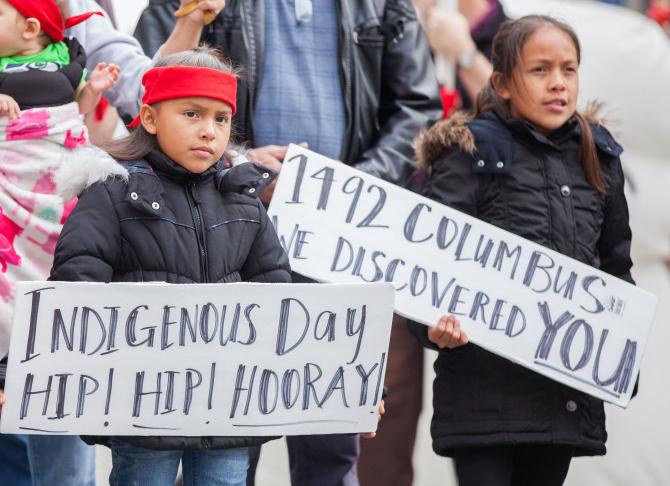
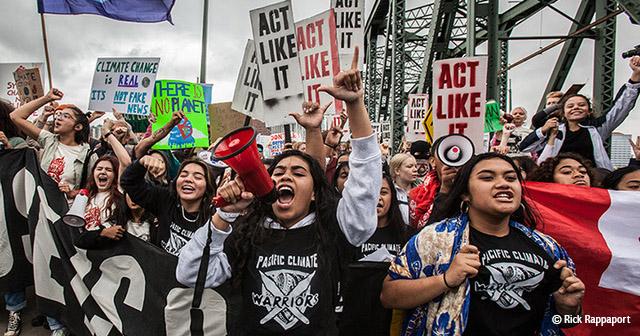
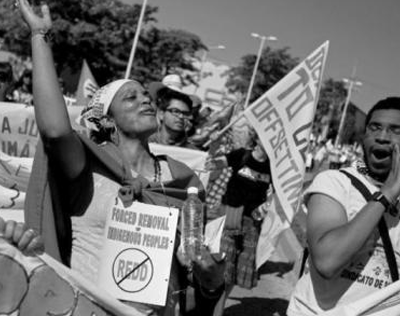
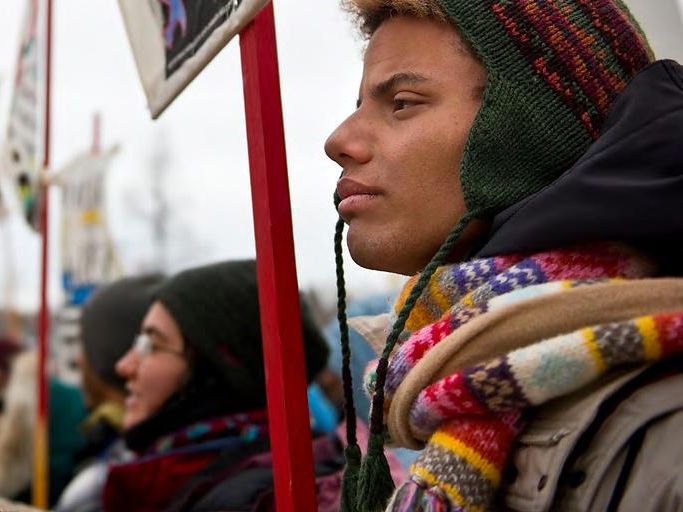
This Indigenous Peoples’ Day, we remember the lives that were stolen, the wealth extracted, but also those who fought — and fight — for an end to the violence, and an end to using nature to satisfy greed.
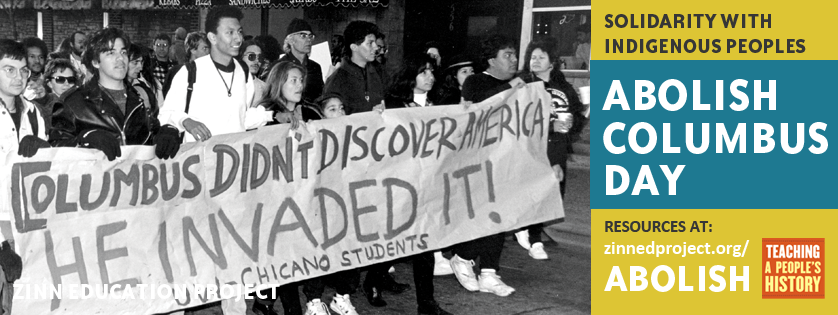
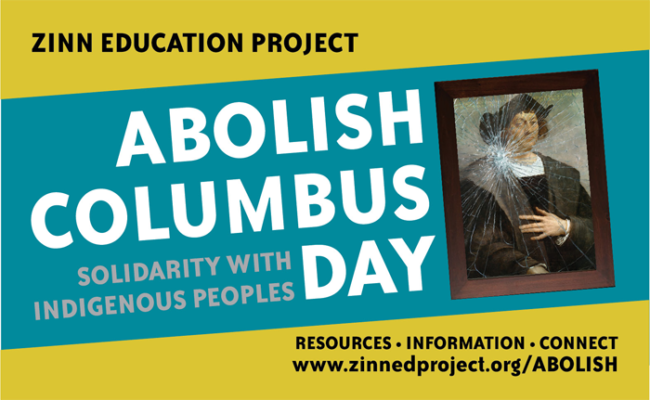
At the Zinn Education Project, we continue our work to Abolish Columbus Day, to commemorate Indigenous Peoples’ Day, and to offer resources to help our students understand this essential history. |
|
Teaching Indigenous Peoples' Day |
|
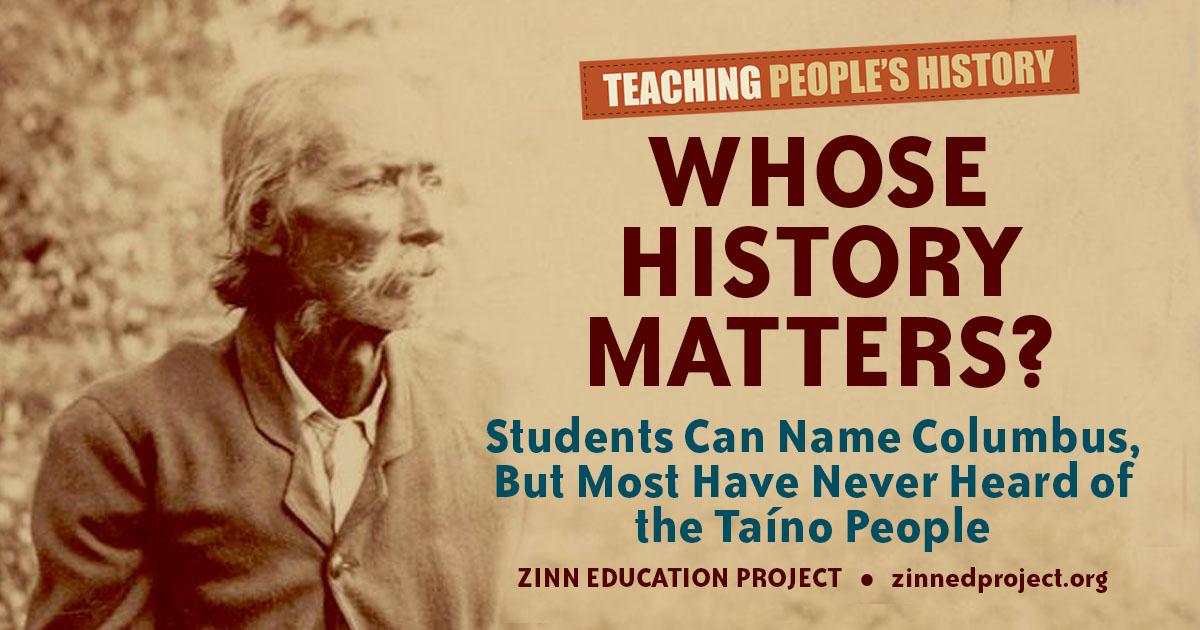
Whose History Matters? Students Can Name Columbus, But Most Have Never Heard of the Taíno People |
We usually think about the curriculum as what is taught in school. But as important — perhaps more important — is what is not taught, which includes the lives rendered invisible.
For the Taíno people of the Caribbean, their erasure began almost immediately, with Columbus’s arrival. It was not curricular, it was flesh and blood. “With 50 men we could subjugate them all and make them do whatever we want,” Columbus wrote in his journal on his third day in the Americas.
|
|
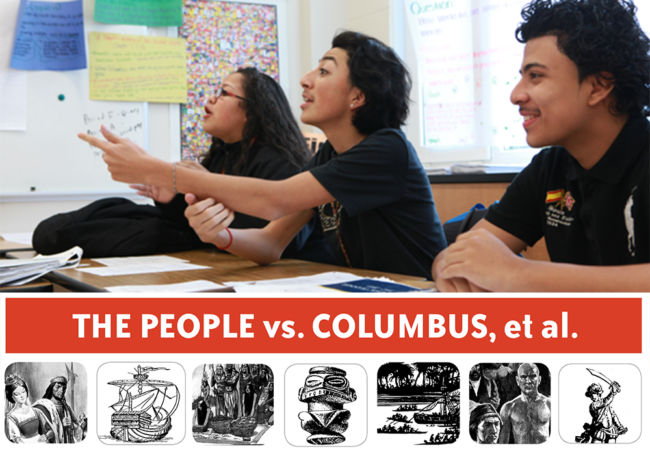
Lesson: The People vs. Columbus, et al.
|
A trial role play asks students to determine who is responsible for the death of millions of Taínos on the island of Hispaniola. Roles available in Spanish. |
|
Christopher Columbus:
No Monuments for Murderers
|
While some corporate publishers talk about the "complexity" of the "Columbian Exchange," there is nothing murky about Columbus’ legacy of slavery and terrorism in the Americas. The record is clear and overwhelming.
|
|
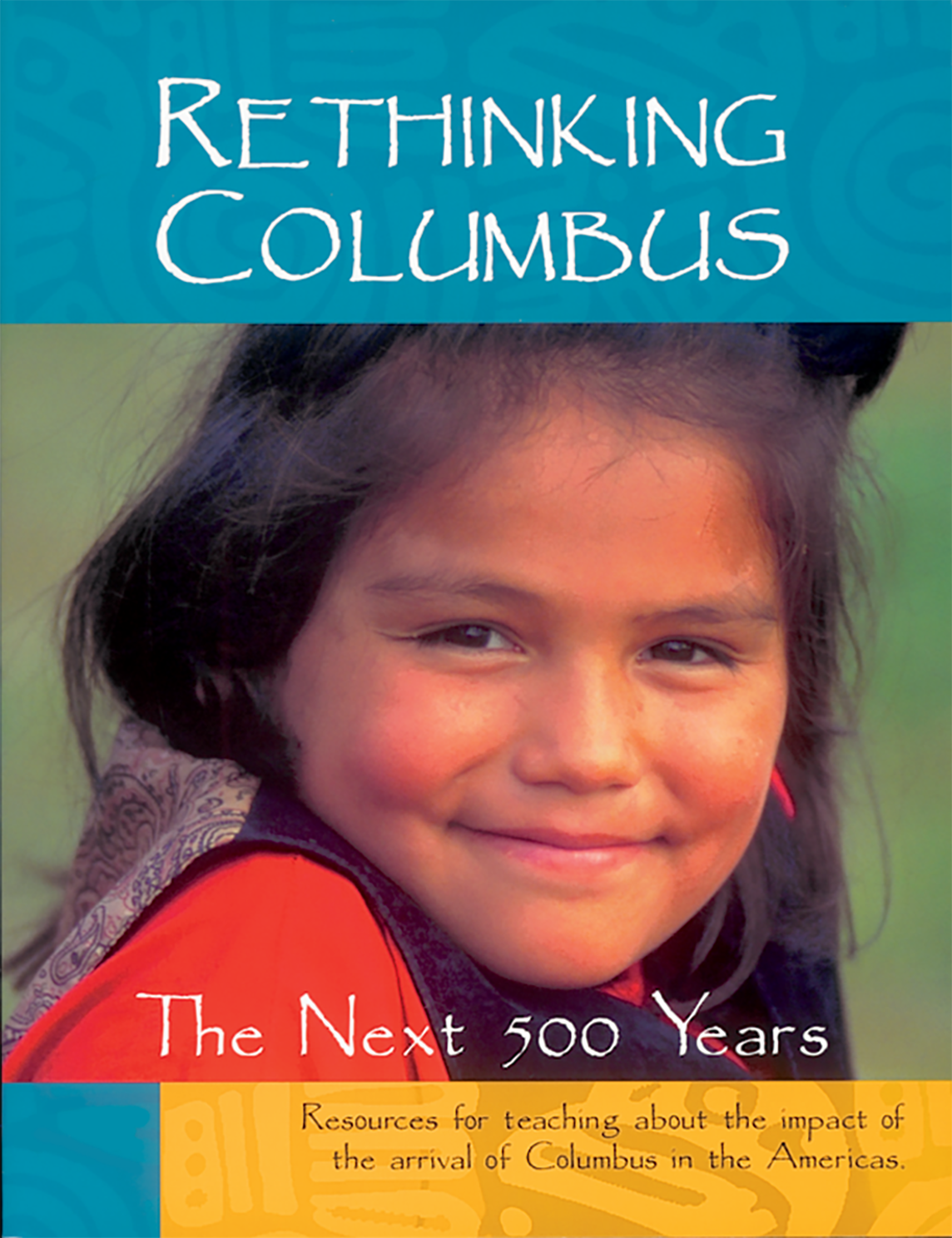
Rethinking Columbus: The Next 500 Years |
Edited by Bill Bigelow and Bob Peterson
|
|
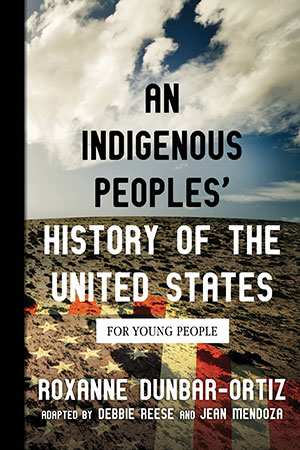
An Indigenous Peoples’ History of the United States for Young People |
By Roxanne Dunbar-Ortiz, Debbie Reese, and Jean Mendoza
|
|
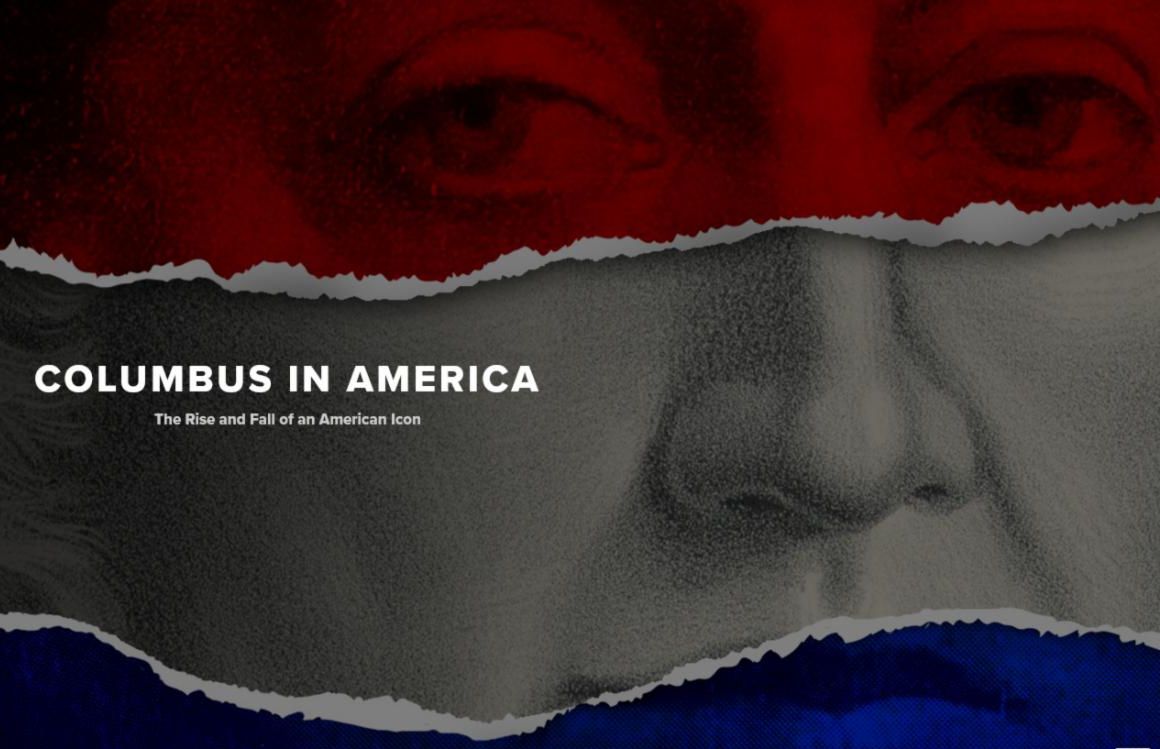
Columbus in America is the best and most comprehensive film on the history of Columbus — and the uses and abuses of the so-called discovery of America.
Columbus in America explores the history of what transpired in 1492 and after, and how “Columbus” has been used throughout U.S. history to legitimate the marginalization of Indigenous peoples. However, the film is ultimately hopeful, as it also highlights stories of resistance and the fight for the rights of Indigenous peoples today.
|
|
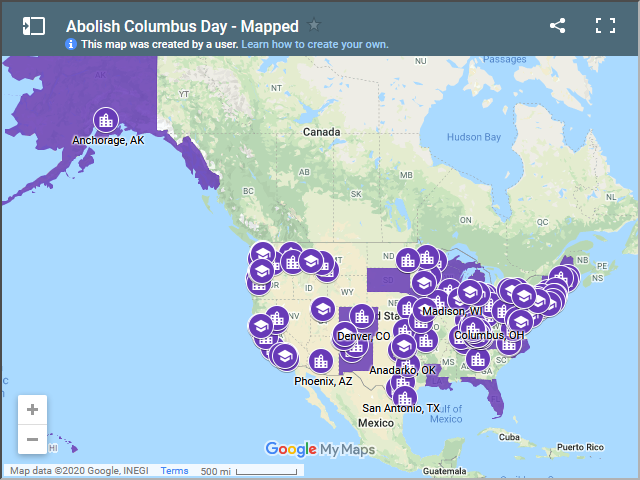
Abolish Columbus Day and Mapping Project |
|
We encourage schools to petition their administration and for communities to introduce legislation to rename Columbus Day to Indigenous Peoples’ Day. To support that project, we provide information and resources in our campaign to Abolish Columbus Day.
|
|
The climate crisis threatens our students’ lives. And yet, throughout the United States, schools have failed to put the climate at the center of the curriculum.
|
|
‘Don’t Take Our Voices Away’: A Role Play on the Indigenous Peoples’ Global Summit on Climate Change |
|
Standing with Standing Rock: A Role Play on the Dakota Access Pipeline |
A role play helps students recognize the issues at stake in the historic struggle of the Standing Rock Sioux to block construction of the Dakota Access oil pipeline. |
|
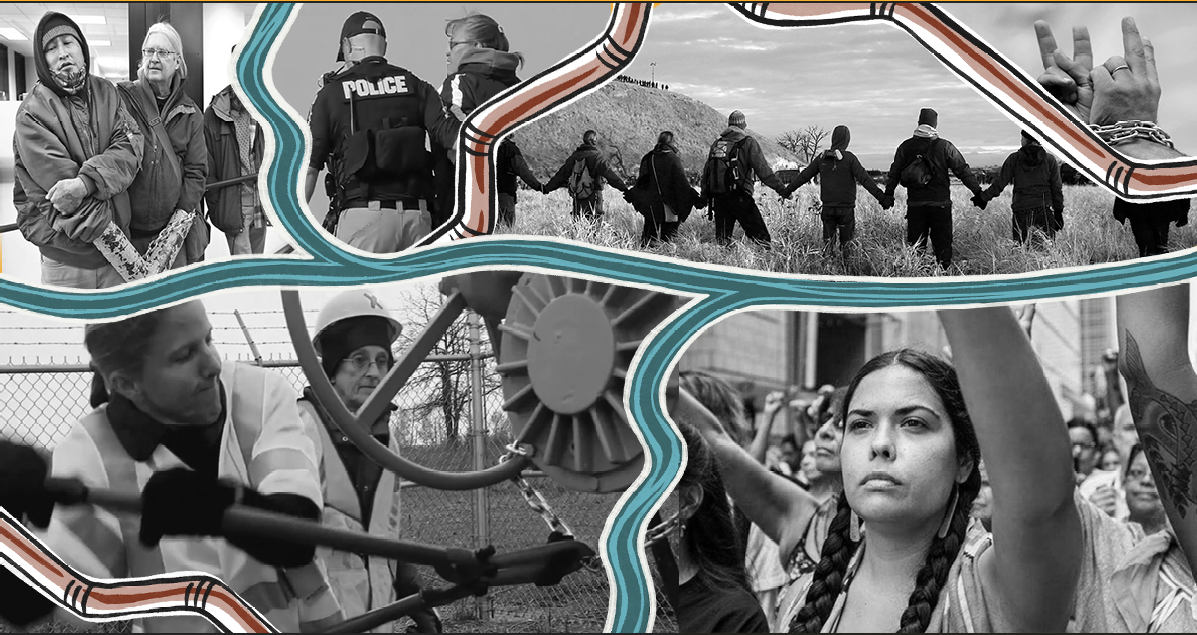
Necessity: Oil Water, and Climate Resistance profiles the work of Indigenous organizers and non-Indigenous allies in Minnesota, in which climate activists used the necessity legal defense to argue for the right to act to stop the fossil fuels that are killing us all.
|
|
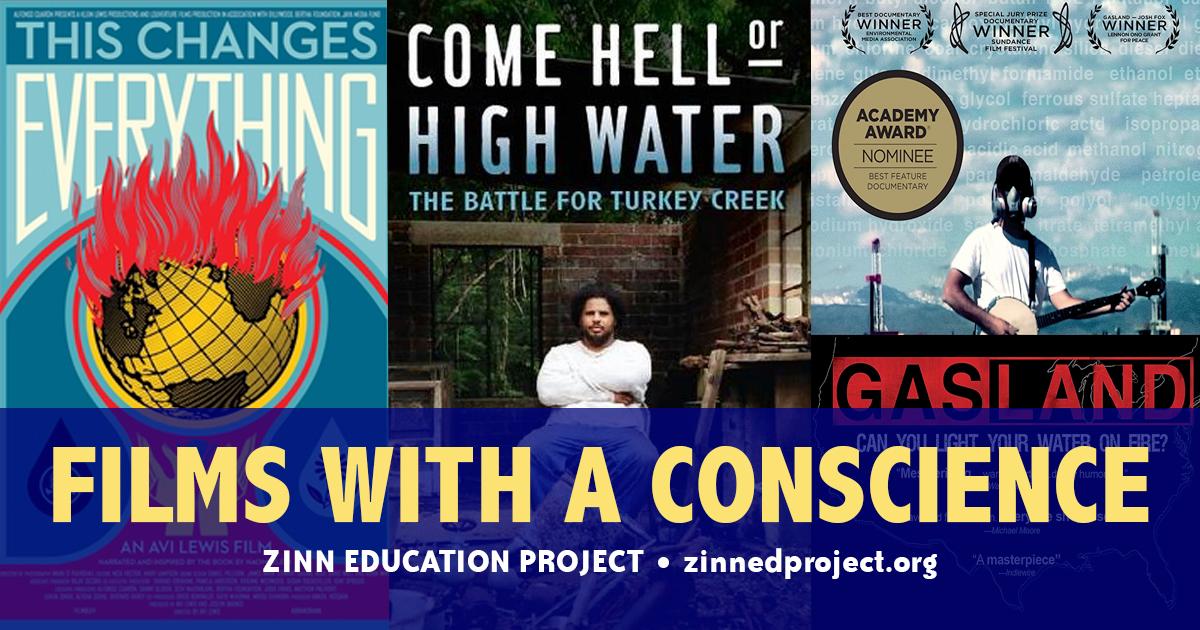
It has always been a good idea to use " films with a conscience," but films may now be an even more accessible "text" we can use to help young people think deeply about the world.
|
|
Support People's History Students |
|
|
|
PO BOX 73038, WASHINGTON, D.C. 20056
|
|
|
|
|
|
|