In light of the stunning greed, racism, and cruelty of the Trump administration, many commentators have declared his presidency "unprecedented." While Trump may be louder, coarser, and more explicitly racist, sexist, and nativist than recent presidents, his policies ---- from immigration to the environment, taxes to LGBTQ issues, criminal justice to foreign policy ---- share ugly continuities with his predecessors.

This Presidents Day, rather than mythologize past presidents as kinder and gentler than Trump, let's remind students that this country has been at its best when people have organized to question and challenge
presidents
---- opposing presidential support for slavery, war, invasion, segregation, and injustice of all kinds.  Our students need stories of this resistance to inform and inspire their own activism now and in the years ahead.

Here are a few of the many resources available at the Zinn Education Project to critically teach the presidency. With your support, we can bring these lessons to classrooms everywhere.
History of U.S. Presidents

Missing from Presidents Day: The People They Enslaved  

Article by Clarence Lusane

Schools across the country are adorned with posters of U.S. presidents and the years they served in office. U.S. history textbooks describe the accomplishments and challenges of the major presidential administrations. Children's books put students on a first-name basis with the presidents. Nowhere in all this information is there any mention of the fact that more than one in four U.S. presidents were involved in human trafficking and slavery.


Presidents and Slavery: Helping Students Find the Truth

Lesson by Bob Peterson

A 5th-grade teacher and his students conduct research to answer the question: "Which presidents owned people?" What they came up with will surprise you. 


Rethinkin' Lincoln

Article by Bill Bigelow

Students need to rethink the Great Emancipator myth by examining Abraham Lincoln's first inaugural address, the Emancipation Proclamation, his timid approach to ending slavery, and, by contrast, the heroism of the enslaved people themselves and the abolitionists who sought their freedom.


Andrew Jackson Revisited

Reading by Howard Zinn

What does it tell us about the Trump administration that Andrew Jackson's portrait now hangs prominently in the Oval Office? As Howard Zinn explained, "Jackson was a land speculator, merchant, slave trader, and the most aggressive enemy of the Indians in early American history."


Teach Reconstruction

Reconstruction rarely gets more than a few days in most U.S. history classrooms. When it is taught, it's too often presented as a top-down drama of presidents and Congress. Invite students to look at Reconstruction as a powerful social movement with the economic, education, and political goals of freedpeople at its center.


Stoneman Douglas High School Massacre: One Year Anniversary

Guns Out of Our Schools, Propaganda Out of Our Classrooms

Article by the editors of Rethinking Schools

Just a week after 14 students and three staff members were murdered at Marjory Stoneman Douglas High School in Parkland, Florida, in February, President Donald Trump predictably endorsed the National Rifle Association's prescription for school shootings and our nation's gun violence epidemic: more guns and give them to teachers. Continue reading.


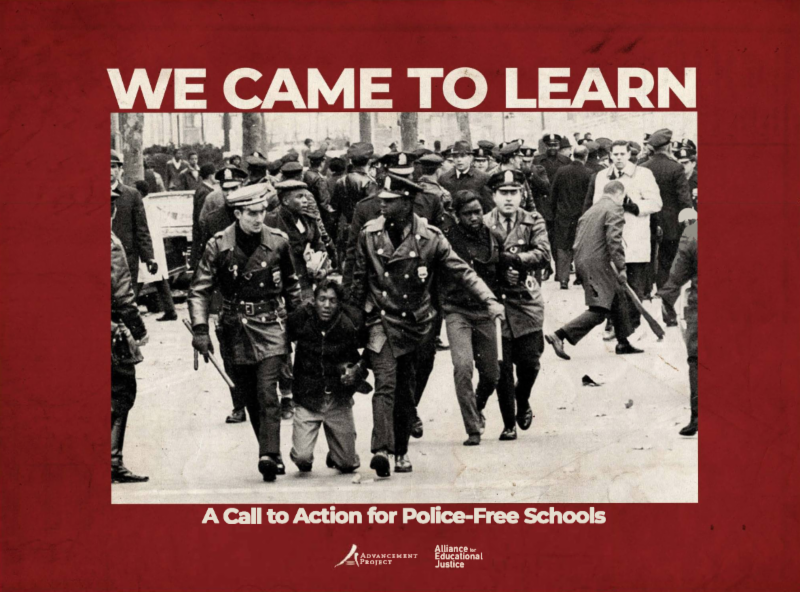
The Advancement Project offers a report and 
action kit called  We Came to Learn: Report: A call to action for police free schools. We also recommend the Dignity in Schools campaign,  Counselors, Not Cops. Both are available online for free.
Anniversary of Executive Order 9066
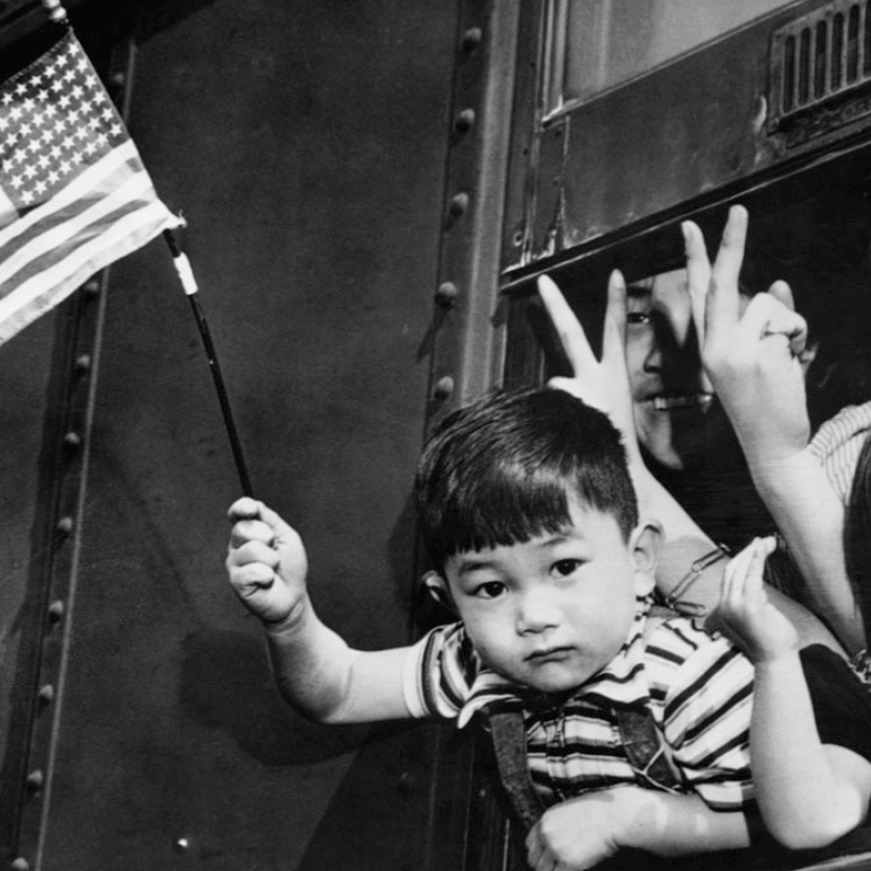
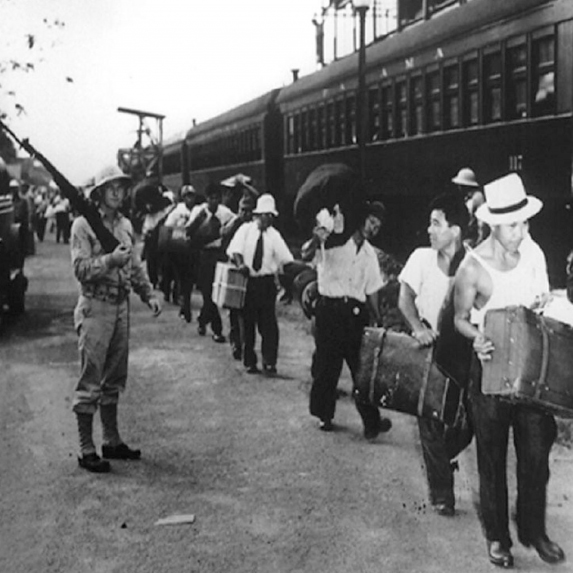
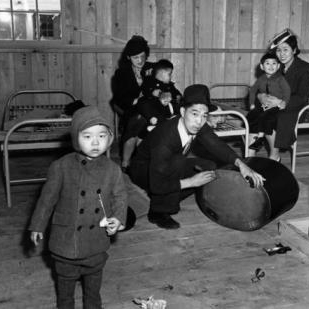
This month (Feb. 19) marks the anniversary of Executive Order 9066, issued by President Franklin D. Roosevelt authorizing the internment of U.S. citizens of Japanese descent. This history has chilling relevance today with the Trump administration's references to a Muslim registry, the detention camps for migrants from Central America and Mexico, and the forced separation of thousands of children from their families. Here are lessons for teaching about Executive Order 9066.

A Lesson on the Japanese American Internment 

Lesson by Mark Sweeting

How one teacher engaged his students in a critical examination of the language used in textbooks to describe the internment.


The Other Internment: Teaching the Hidden Story of Japanese Latin Americans During WWII

Lesson by Moé Yonamine

This role play lesson uses poetry, photography, and text to teach about the seldom told history of Japanese Latin American internment during WWII.


Learning About the Unfairgrounds: A 4th-Grade Teacher Introduces Her Students to Executive Order 9066

Lesson by Katie Baydo-Reed

A mixer and a mock trial prepares students to read literature about internment.


New from Rethinking Schools
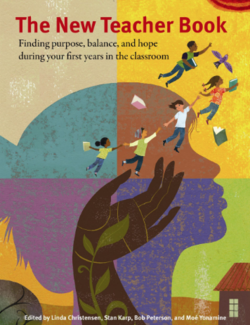
The New Teacher Book: Finding Purpose, Balance, and Hope During Your First Years in the Classroom

Edited By Linda Christensen, Stan Karp, Bob Peterson, Moé Yonamine

This expanded third edition of The New Teacher Book grew out of Rethinking Schools workshops with early-career teachers. It offers practical guidance on how to flourish in schools and classrooms and connect in meaningful ways with students and families from all cultures and backgrounds.


-
Book ships early March -
 
Zinn Education Project - Stacked logo 
 
COORDINATED BY:
 
 
Rethinking Schools logo
 
&
PO BOX 73038, WASHINGTON, D.C. 20056 
202-588-7205 | zinnedproject.org

ZEP Donate Now 
STAY CONNECTED: