|
The Zero Waste Schools newsletter will help you get your school on a path toward
generating zero waste through waste prevention, recycling, composting, and food recovery. You’ll also find resources that connect zero waste to healthy eating, school gardens,
and environmental education and action.
Share the newsletter with friends, colleagues, and students interested in zero waste.
| | |
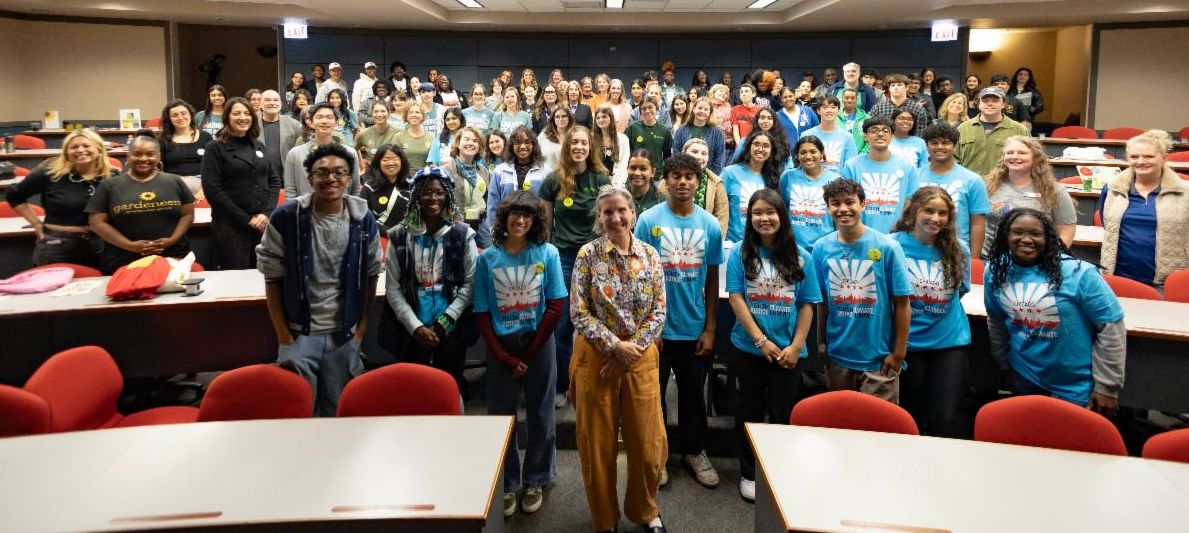
Chicago youth come together to celebrate the inaugural Youth Climate Justice Summit
By Jaidon Santos-Volpe, Evanston Township High School senior, YCJS Committee Member and
Climate Action Planning session co-lead
| | |
On October 10, 2025, It’s Our Future (IOF) and Seven Generations Ahead hosted Illinois’ first Youth Climate Justice Summit (YCJS). With the help of the Wild Center in New York, the Chicago Youth Climate Justice Summit aimed to assist participating Chicagoland schools in bringing Climate Action Plans to their schools and communities. Nearly 100 hundred students from 26 Chicago area schools participated in the youth-led summit, which was organized by 20 IOF students.
The morning took an interesting turn of events when the summit planners were informed that a fire drill would be taking place at the exact time the keynote speech was supposed to begin. While many thought it would throw a wrench in the day, it ended up being a blessing in disguise. “The fire drill was definitely a surprise, but it ended up being a great chance for everyone who attended to get to know each other as we all came from different schools and backgrounds,” said Lillia Gregg, a member of the Vibes Committee for the summit.
To read the full article, click HERE.
| | Introducing the Illinois Climate Education Hub! | | |
Last month, SubjectToClimate launched the highly anticipated Illinois Climate Education Hub. This hub is a resource for educators to find curriculum vetted by scientists and reviewed by teachers that will help provide Illinois students the vital education they need about climate change, climate justice, and sustainability. The site was developed to assist with compliance of Public Act 103-0837– legislation that requires every public school to provide instruction on climate change beginning in the 2026-2027 school year.
The hub launch was celebrated on Oct. 22 by students, educators, and community members that make up its growing supporters across the state. Use the following toolkits to spread the word about the hub in your schools and communities:
To watch the webinar recording, including insights from inspiring student leaders, click HERE.
SubjectToClimate will also be hosting two educational sessions to share how educators can use the IL Climate Education Hub to bring accessible climate education into their classrooms.
To register for the K-8 session, click HERE.
To register for the 9-12 session, click HERE.
| | |
Key takeaways from webinar on switching to
reusable foodware
| |
Last month, the Green Schools Alliance along with Dr. Manasa Matravati, pediatrician and founder of Ahimsa, and Ben Schleifler, the Green and Clean Procurement Coordinator for the Center for Environmental Health, presented a webinar focusing on an important, but often forgotten, topic in school lunchrooms - foodware.
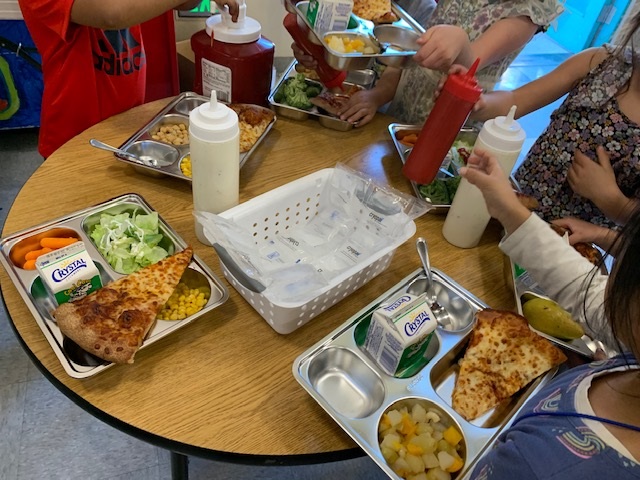
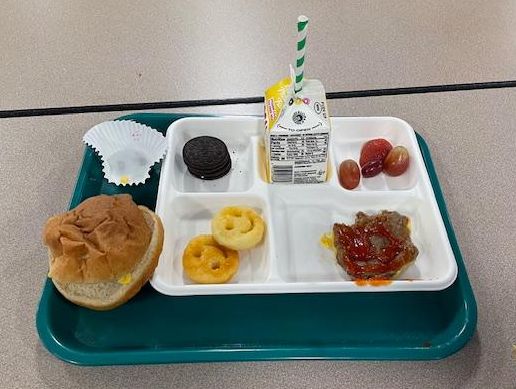
Foodware can vary from school to school and district to district. Single-use, disposable plastic trays are what is most typically found in school lunchrooms. These trays provide a convenient and low cost way to get kids quickly through the lunch line and allow them to easily dispose of their waste once they are done. However, the materials in these trays have been proven harmful to humans, particularly to developing bodies. The American Academy of Pediatrics (AAP) have formally warned against using plastics in foodware, linking its usage to rising rates of type 2 diabetes, obesity, and early puberty in children due to endocrine disrupting chemicals (EDCs).
The issue of plastic foodware in school lunchrooms requires a two-pronged approach-direct replacement of harmful foodware and policy changes to ensure that students are protected from EDCs. In this short video, Dr. Manasa Matravati provides an overview of the health impacts of plastics. Here, Ben Schleifler discusses the importance of advocacy to policy makers around this issue, as well as the steps needed to make the switch from disposables to reusables.
To learn key takeaways about both the health impacts of plastics and how to make the switch to reusable foodware, click HERE.
| | |
The biannual Plastic Free Plastic Free Lunch Day Day (PFLD) is coming up next week, Nov. 17 - 21! PFLD is presented by Cafeteria Culture and the Urban School Food Alliance and is an easy way for schools to ease into reducing disposable packaging and foodware. Schools can participate for one day, a couple days, or the whole week.
Plastic Free Lunch Day isn’t just about ditching disposable forks and wrappers – it's a student-powered opportunity to practice advocacy, lead change, and collect real-world data that matters.
Getting started is easy!
-
Educators: Harness your students’ leadership powers by encouraging them to write letters to the lunchtime decision makers in your school communities.
- Parents: talk to principals and school food managers.
-
Check out the step-by-step guide to Plastic Free Lunch Day.
-
Explore all PFLD resources and more at PlasticFreeLunch.org.
The impact is real. In just two years of monthly Plastic Free Lunch Days, New York City schools reduced plastic use by more than 22 million items – proving that when students and schools work together, small actions can lead to massive change.
| | Chef Ann Foundation: School food renegades | | |
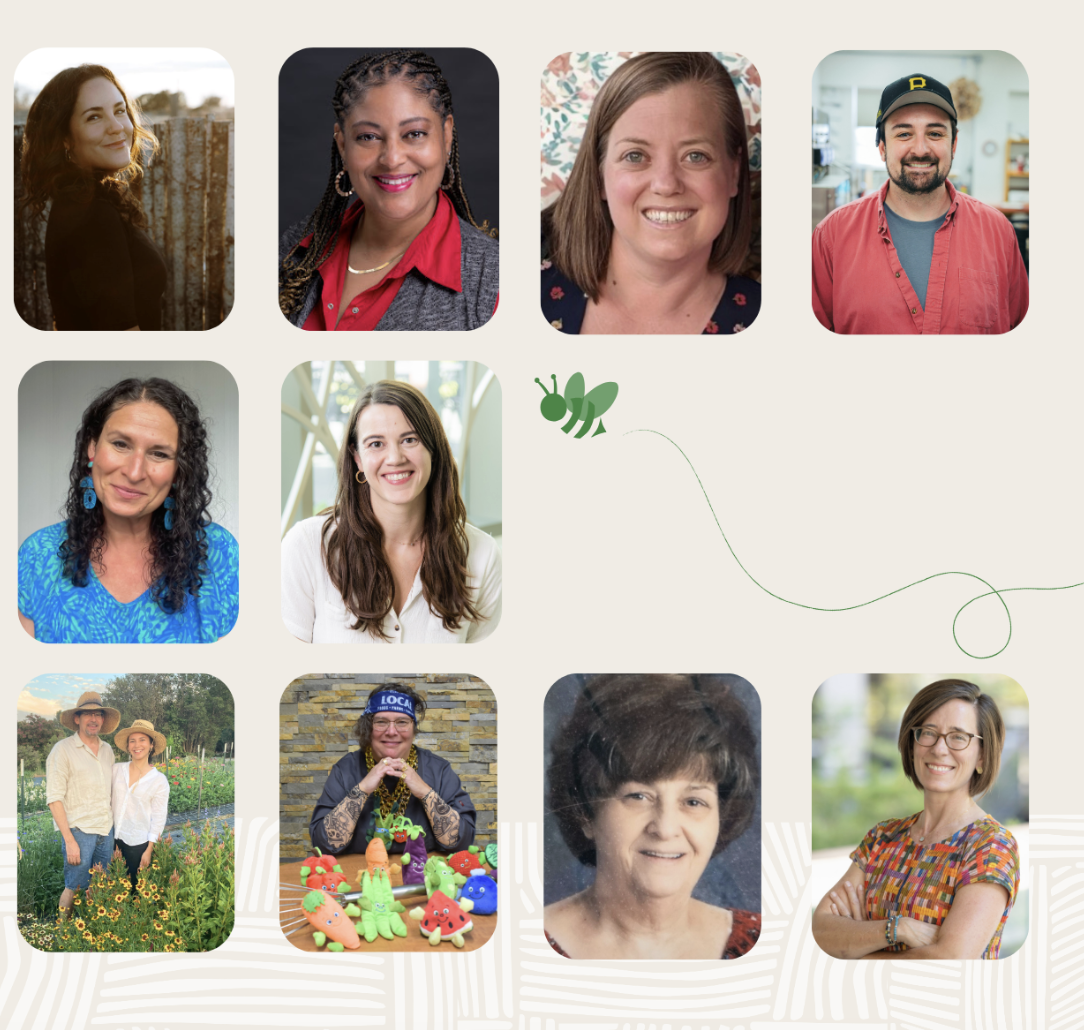
Last month, we celebrated National School Lunch Week. To promote the week, The Chef Ann Foundation released the School Food Renegades for 2025. These leaders are 10 school food changemakers from around the U.S. that are working to improve school cafeterias through groundbreaking changes and education that goes beyond the cafeteria.
Many cafeterias in the U.S. struggle to make meals that are appealing, nutritious, and meet the financial needs of the district. With all of these constraints, many school meals often fall short in providing tasty meals that create minimal waste.
The efforts of these school food service heroes to bring fresh, local food to school cafeterias, not only provide healthier meals for students, they also help minimize food waste. Food that is sourced locally often tastes better, may contain more nutrients, supports the local economy, and is better for the environment. Serving fresh, local food in school cafeterias increases the chances that it will get eaten. “When we invest in scratch cooking, farm-to-school, and edible education,” Allison England, the Food and Nutrition Services Director at Oceanview School District in Orange County, CA says, “we’re not just improving lunch — we’re building healthier communities, supporting local farmers, and teaching the next generation that food matters.”
| | Zero Waste Schools is here to help! | | Grants and other opportunities | | |
Salad Bars to Schools (SB2S): Expanding Access to Fresh Fruits and Vegetables in
School Meals
The Salad Bars to Schools (SB2S) program is a national granting initiative that equips schools and districts with salad bar equipment and support, helping to ensure that every student has daily access to fresh fruits and vegetables. Through this program, awarded schools receive Cambro salad bars, camchillers, and ongoing technical assistance to strengthen their school meal programs. Open to K–12 school districts that participate in the National School Lunch Program with an enrollment of at least 100 students per school site. Applications are accepted on a rolling basis.
Greenprints for the Future: Wild Classroom’s Sustainability Project Fund Educators can apply to receive financial and personalized support to guide students in designing and carrying out real-world sustainability projects in their schools and communities.
Apply by Nov. 15.
President's Environmental Youth Award recognizes outstanding environmental stewardship projects developed by K-12 youth. This program promotes the work being done to protect our natural resources and recognizes young people for protecting our nation's air, water, land, and ecology. There are two categories for this award, one for grades k-5 and one for 6-12. Apply by Dec. 1.
Illinois Schoolyard Habitat Action Grant Earn up to $2000 for the development of wildlife habitat at your school! Projects must emphasize student/youth involvement with planning, development and maintenance and increase the educational and wildlife habitat values of the site. Apply by Dec. 3.
FY2026 Farm to School Grant
The FY 2026 Grant Program offers more funding than ever before — up to $500,000 per applicant! It’s also easier than ever for interested organizations to apply thanks to streamlined application templates, a consolidated program objective, and additional instructions for completing Federal forms. Apply by Dec. 5.
2025 Youth Garden Grant Since 1982, the Youth Garden Grant has supported school and youth educational garden projects that enhance the quality of life for students and their communities. Apply by Dec. 12.
Lake Michigan School Food System Innovation Hub Spark and Innovation Collaborative Awards
These grants fund projects that need a short-term infusion of funds for school food system and marketplace improvements and projects that promote systems-level change of the school food system and marketplace across Illinois, Indiana, Michigan, and Wisconsin. Apply by Jan. 23.
The Earth Prize is an annual, global $100,000 environmental sustainability competition for students between the ages of 13 and 19, which rewards the teams whose projects have the most potential to address environmental issues. This opportunity aims to inspire and empower the next generation of environmental leaders and innovators, creating a global platform for sharing and scaling their solutions. Apply by Jan. 31.
| | |
America Recycles Day
Nov. 15
The National Recycling Coalition and Keep America Beautiful have joined together to celebrate the benefits of recycling. Recycling is a great way to reuse valuable items and reduce our footprint on earth. Currently, there are over 3,000 events happening nationally!
Chef Ann Foundation: School Meals for a Sustainable Future
Nov. 19, 12 - 1 pm cst
Join the Chef Ann Foundation for an educational discussion featuring Chef Ann Foundation’s school food procurement and policy experts, plus special guests from World Wildlife Fund, The Common Market, and Swette Center for Sustainable Food Systems at Arizona State University.
Center for Green Schools: Behavior Change Improve School Waste Practices
Nov. 20, 1 - 2 pm cst
Join the Center for Green Schools for this exciting webinar series exploring how insights from behavioral science can drive meaningful sustainability and health outcomes in schools. These sessions will offer practical strategies that can motivate lasting change across your school community.
| | |
This newsletter was created by Seven Generations Ahead.
Funding for Zero Waste Schools is provided by Food:Land:Opportunity, a collaboration between Kinship Foundation and The Chicago Community Trust and funded through the Searle Funds at The Chicago Community Trust.
| | | | |