|
The Zero Waste Schools newsletter will help you get your school on a path toward
generating zero waste through waste prevention, recycling, composting, and food recovery. You’ll also find resources that connect zero waste to healthy eating, school gardens,
and environmental education and action.
Share the newsletter with friends, colleagues, and students interested in zero waste.
| | Reusable Revolution: Northwood Middle School's
Zero Waste Success | | |
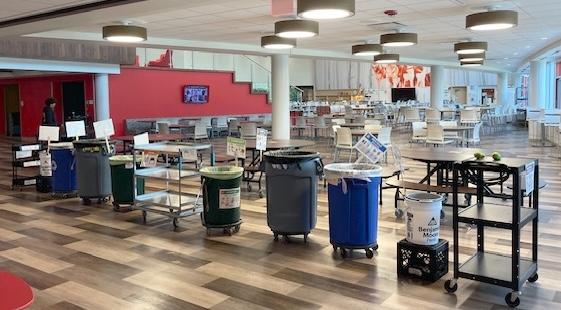
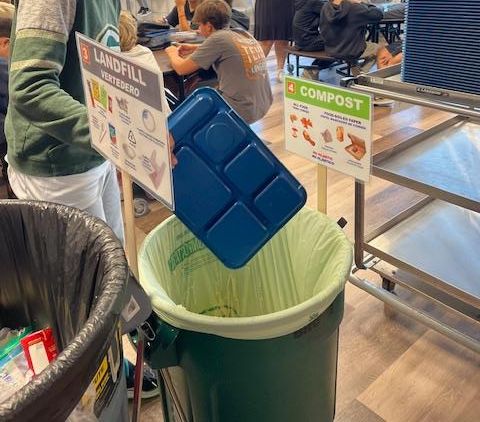
Northwood Middle School in Highland Park, IL just launched their zero waste program, and it was a resounding success. With 524 students, Northwood is the fifth school in North Shore School District 112 (NSSD112), to launch a zero waste program. The staff and students’ comfort with zero waste processes was apparent on launch day, which was one of the smoothest and most successful the Zero Waste Schools (ZWS) team had seen, according to Becky Brodsky, Senior Program Manager for Seven Generations Ahead’s (SGA) ZWS program.
One of the biggest contributors to Northwood’s success? Reusable, washable trays and utensils. This is the first school the ZWS team launched with reusable items, and it had a huge impact on reducing overall waste and made it much easier for students to sort.
Click HERE to read the full article.
| | Key takeaways from SGA's webinar,
Feed Your Kids, Not the Can | | |
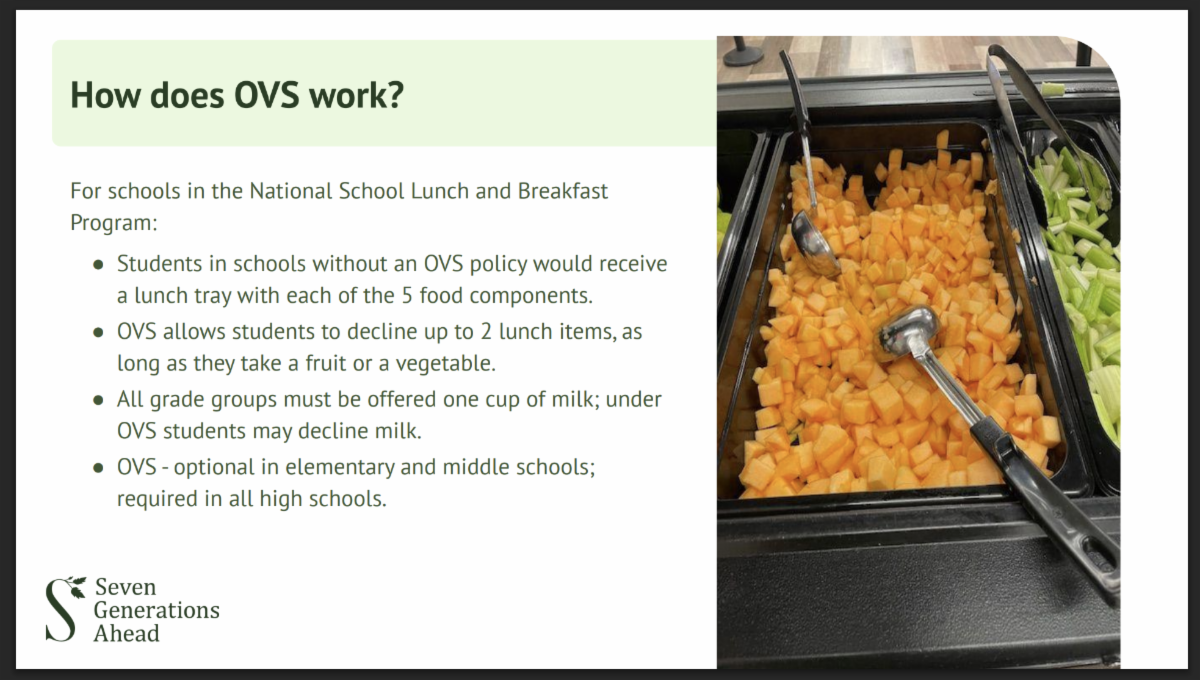
On Wednesday, October 1st, Seven Generations Ahead (SGA)’s Zero Waste Schools team and Illinois Farm to School Network (IFSN) hosted “Feed Your Kids, Not the Can,” a webinar highlighting how schools can serve lunches with more taste and less waste. Speakers shared practical strategies and valuable resources for serving local foods in school meals and tips on how to minimize food waste in the cafeteria. Delicious, fresh food and a few simple strategies can ensure students are eating more and wasting less.
The webinar kicked off with an overview of SGA’s Farm to School program from Senior Program Manager, Diane Chapeta. The program helps schools bring healthy, local food into cafeterias and implement scratch cooking. Initiatives like the Great Apple Crunch and Harvest of the Month (HOTM) provide resources that make local food and healthy eating fun and accessible for students, while providing staff the training and tools to more easily integrate fresh food into school lunches.
Click HERE to read the full article.
Click HERE to watch the recording.
| | Illinois Climate Education Hub launch celebration | | |
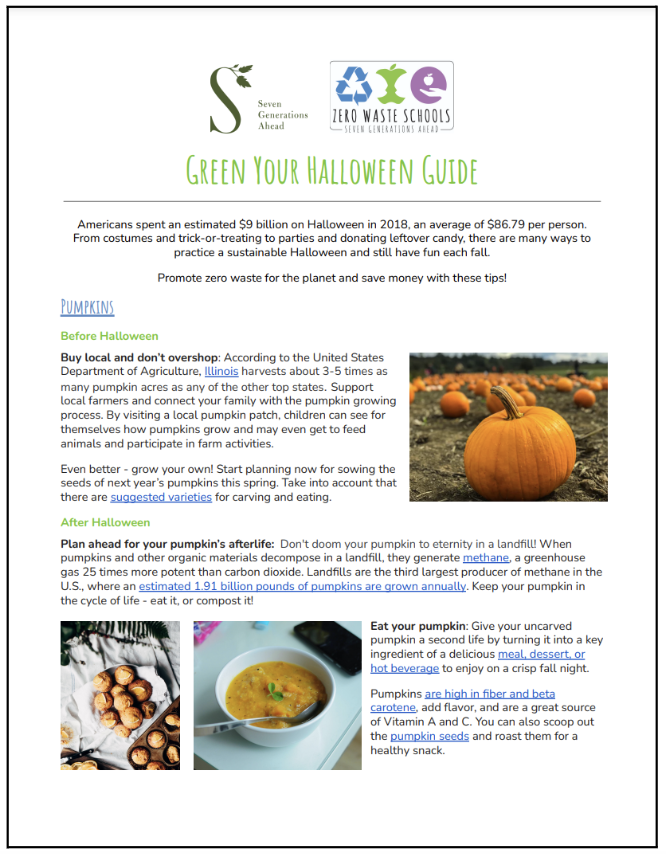
Check out SGA's Green Your Halloween Guide for helpful tips on how to make your Halloween low or even zero waste.
From costumes and trick-or-treating, to parties and pumpkins, our guide has creative ideas about how to celebrate sustainably, have fun, and save money.
Small actions can make all the difference in creating a more sustainable celebration. Some ideas include:
- Buying locally grown pumpkins and composting them after the holiday.
- Visiting a thrift store or organize a costume swap with neighbors.
-
Visiting the World Wildlife Fund's website to read their tips on how to celebrate a sustainable Halloween.
-
Reducing plastic waste with help from Beyond Plastics' Plastic Free Halloween tips
Looking for more guidance? Plan your zero waste Halloween event with the help of SGA's Zero Waste Schools Event Guide. The guide features general advice on eliminating waste no matter the event. For example, get volunteers to help with sorting stations, consider foods that do not require utensils, and find decorations that can be reused and repurposed.
Remember, zero waste is a path, and even small steps can make a difference!
| | |
The biannual Plastic Free Plastic Free Lunch Day Day (PFLD) is coming up on Nov. 17 - 21. PFLD is presented by Cafeteria Culture and the Urban School Food Alliance and is an easy way for schools to ease into reducing disposable packaging and foodware. Schools can participate for one day, a couple days, or the whole week.
PFLD programming can include:
-
Screening the film Microplastic Madness, the award-winning (and very engaging) student-led film in your school or classroom for free Sept. 8 - Nov. 30.
- Conducting a plastics audit in the lunchroom
-
Plastic foodware reduction: bulk condiment dispensers, individual utensil dispensers, serving finger-foods. There is an action for everyone!
-
EasyStart K-12 packet
-
Zero waste lunches from home
Join the movement! Over 3,000 schools participated nationwide during the Spring PFLD!
| | International Compost Awareness Week 2026
poster & video contests | | |
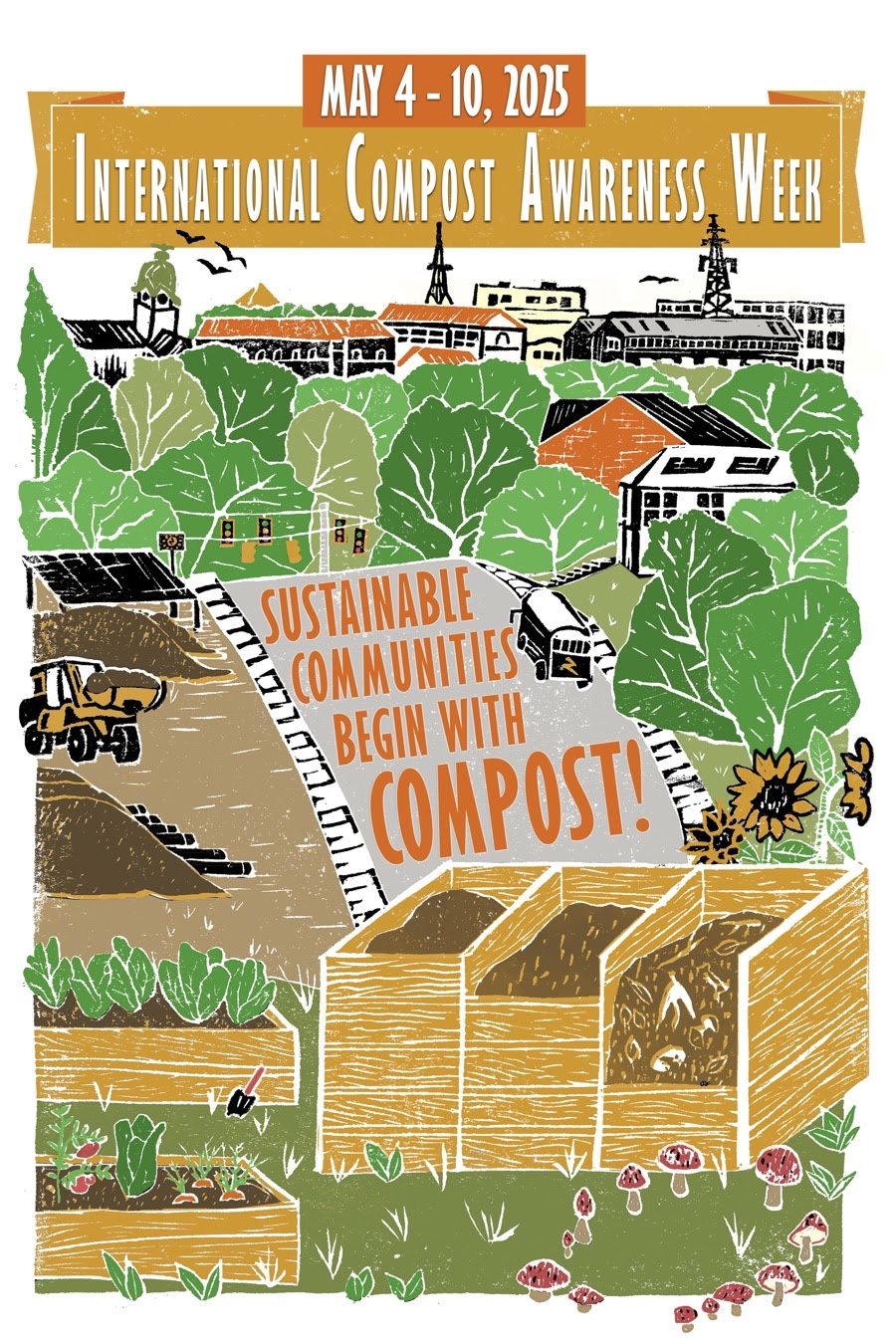
Know any creative students who would like to help spread the word about the benefits of composting? Encourage them to enter this year's International Compost Awareness Week (ICAW) poster and video contests. Deadline to enter is Nov. 14, 2025.
All entries should highlight the theme of ICAW 2026: “Compost! Feed the Soil that Feeds Us!” ICAW is May 3 - 9, 2026.
Poster contest: Anyone around the world Grades 9 - 12 or older may enter. The winning poster will be reproduced and distributed to thousands nationwide to promote ICAW and will be featured on the Compost Research & Education Foundation website and the US Composting Council website. The winner will receive a $500 prize.
Bookmark contest: This contest is for grades 3-8. The winning design will be shared nationwide to promote composting, and the winner will receive a $100 Amazon gift card. To read more about this contest, click HERE.
Posters cannot be an AI generated design. Any AI designed posters will be eliminated from the contest.
| | |
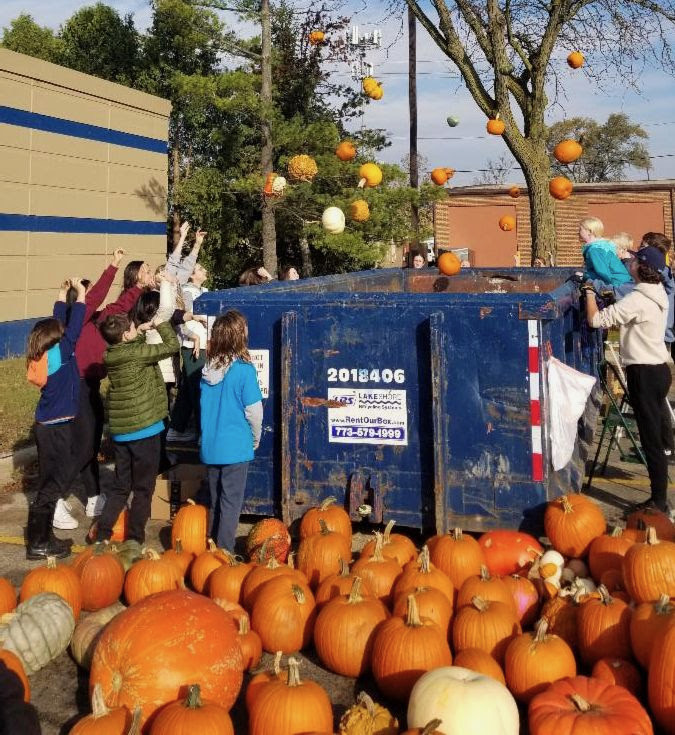
Don't trash it, smash it! Facilitated by our friends at SCARCE, Pumpkin Smash is an annual effort to divert pumpkins from landfills by providing locations for residents to drop off their jack-o-lanterns for composting.
By composting your pumpkin, rather than tossing it in the landfill, you will be helping to reduce and reverse methane emissions, capture carbon, enrich the soil, water, and air. Composting pumpkins and other water-intensive organic materials, not only helps conserve the water that is already in the soil, it rescues and returns water to the soil.
Last year, the Pumpkin Smash composted over 164.7 tons of pumpkins (that’s 326,000 lbs!), reduced greenhouse gas emissions by 118.46 tons of CO2e, and diverted 35,419.35 gallons of water from landfills. Keep the awesome momentum going by incorporating the Smash into a project for school, environmental or service clubs, and community groups. Find a Pumpkin Smash near you.
Interested in hosting a Pumpkin Smash at your school or in your neighborhood? Since city approvals must be submitted to your county recycling coordinator at least 30 days in advance of the event, now is the time to start planning! Refer to SCARCE's How to Host a Pumpkin Collection guide for more information and register your site HERE.
To ensure a successful pumpkin smash, make sure your pumpkin does not have any of the following non-organic material: googly eyes, glitter, stickers, candles, or metal.
| | Illinois Green Schools Project | | |
Registration is open for the 2025–26 Illinois Green Schools Project (IGSP), a program that helps schools lead hands-on sustainability projects with students and staff. Schools are paired with a sustainability mentor, receive resources and support, and can apply for up to $1,000 in mini-grant funding. Registration is open through Oct. 17.
| | Zero Waste Schools office hours! | | |
Join the Zero Waste Schools team for office hours on Wednesdays at 4pm where we will support schools with existing zero waste programs, provide guidance for schools that are just getting started on their zero waste journeys, and share resources.
Contact zerowaste@sevengenerationsahead.org to request a meeting link.
| | Check out the World Wildlife Fund’s new Green Club Guide! This guide provides educators that support middle- and high-school clubs the tools they need to help students create projects that have a positive environmental impact. The content connects local action projects to WWF’s conservation mission and helps students create a sustainable school environment. | |  | This October, the World Wildlife Fund is launching their first-ever Food Waste Warrior Postcard Campaign to empower students to lead food waste reduction efforts in their schools. Download the free digital postcards, along with lesson plans and Food Waste Fact Sheets, to help students craft messages that advocate for change in school cafeterias. Check out WWF's new Food Waste Audit Guide to measure the impact of your efforts. | | | Grants and other opportunities | | |
Salad Bars to Schools (SB2S): Expanding Access to Fresh Fruits and Vegetables in
School Meals
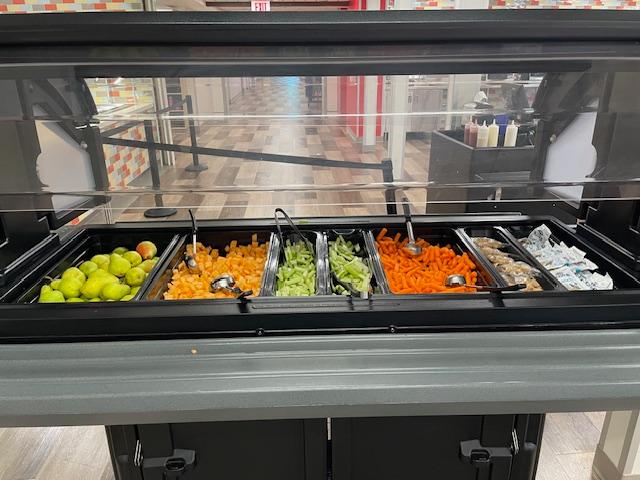
The Salad Bars to Schools (SB2S) program is a national granting initiative that equips schools and districts with salad bar equipment and support, helping to ensure that every student has daily access to fresh fruits and vegetables. Through this program, awarded schools receive Cambro salad bars, camchillers, and ongoing technical assistance to strengthen their school meal programs. Open to K–12 school districts that participate in the National School Lunch Program with an enrollment of at least 100 students per school site. Applications are accepted on a rolling basis.
Illinois Agriculture in the Classroom: Teacher Grants Each fall, IAITC offers K-12 Teachers in the State of Illinois book and project grants to incorporate agriculture into their content-area classrooms. Apply by Oct. 17.
ITEF Catapult Grant Schools within the ITEF qualifying zip code service area can apply for up to $30,000 in the Catapult Grant. This annual grant opportunity is for educators who need basic technology or technological infrastructure. Apply by Oct. 31.
Outdoor Classroom Challenge Project Green Schools is challenging schools across the country to develop and implement a meaningful outdoor classroom and learning space for a chance to win a Grand Prize of $10,000 to further enhance an existing space or build a new space. All U.S. schools Pre-K–12 are eligible to apply. Applications open on Nov. 7.
Greenprints for the Future: Wild Classroom’s Sustainability Project Fund Educators can apply to receive financial and personalized support to guide students in designing and carrying out real-world sustainability projects in their schools and communities. Apply by Nov. 15.
Illinois Schoolyard Habitat Action Grant Earn up to $2000 for the development of wildlife habitat at your school! Projects must emphasize student/youth involvement with planning, development and maintenance and increase the educational and wildlife habitat values of the site. Apply by Dec. 3.
FY2026 Farm to School Grant
The FY 2026 Grant Program offers more funding than ever before — up to $500,000 per applicant! It’s also easier than ever for interested organizations to apply thanks to streamlined application templates, a consolidated program objective, and additional instructions for completing Federal forms. Apply by Dec. 5.
| | |
Challenges, Opportunities, and Insights from the 2025-2026 School Year
Oct. 16, 12 - 1 pm
Healthy Green Schools and Colleges will host a conversation to explore why certain challenges persist and how institutions are finding creative ways to strengthen collaboration and continue to innovate in their work. Participants will compare strategies across K–12 and higher education contexts and leave with practical insights they can bring back to their own teams and settings.
Reuse-a-Palooza!
Oct. 19, 11 am - 3 pm, 1400 W. 46th St., Chicago
This semiannual event provides opportunities to repair clothing and household items, safely dispose tricky-to-recycle items, and donate bicycles, gently used books, and more, all while bringing attention to strategies that reduce waste.
Oct. 22, 3 - 3:45 pm cst
Designed for educators eager to bring environmental education into their schools, this kickoff session features Gerin Hennebaul, STEM/AgSTEM content specialist at Lovin Elementary in Georgia, who will share how she introduced cafeteria sustainability efforts to her school.
ReFED: The Pact Town Hall
Oct. 22, 12 pm cst
Join ReFED and WWF for their annual U.S. Food Waste Pact town hall—and come prepared to ask questions! The team will be giving an overview of projects and milestones that have been accomplished since last year's event, and then speakers will give a preview of what's to come for all programmatic pillars of the Pact.
Behavior Change for Healthier School Environments
Oct. 23, 1 - 2 pm cst
Join the Center for Green Schools to explore the psychology behind decision-making and learn practical strategies to foster behavior change and build staff buy-in. Hear from a panel of school district leaders and behavior change experts.
Midwest Environmental Educators Conference
Nov. 13 - 15, Makanda, IL
Join the Environmental Education Association of Illinois for a three-day conference complete with workshops and field experiences. Sessions are all designed around the theme, "Nature Connects All.”
| | |
This newsletter was created by Seven Generations Ahead.
Funding for Zero Waste Schools is provided by Food:Land:Opportunity, a collaboration between Kinship Foundation and The Chicago Community Trust and funded through the Searle Funds at The Chicago Community Trust.
| | | | |