|
The Zero Waste Schools newsletter will help you get your school on a path toward
generating zero waste through waste prevention, recycling, composting, and food recovery. You’ll also find resources that connect zero waste to healthy eating, school gardens,
and environmental education and action.
Share the newsletter with friends, colleagues, and students interested in zero waste.
| | Recap: Rescuing Food and Feeding Students
with Share Tables | | |
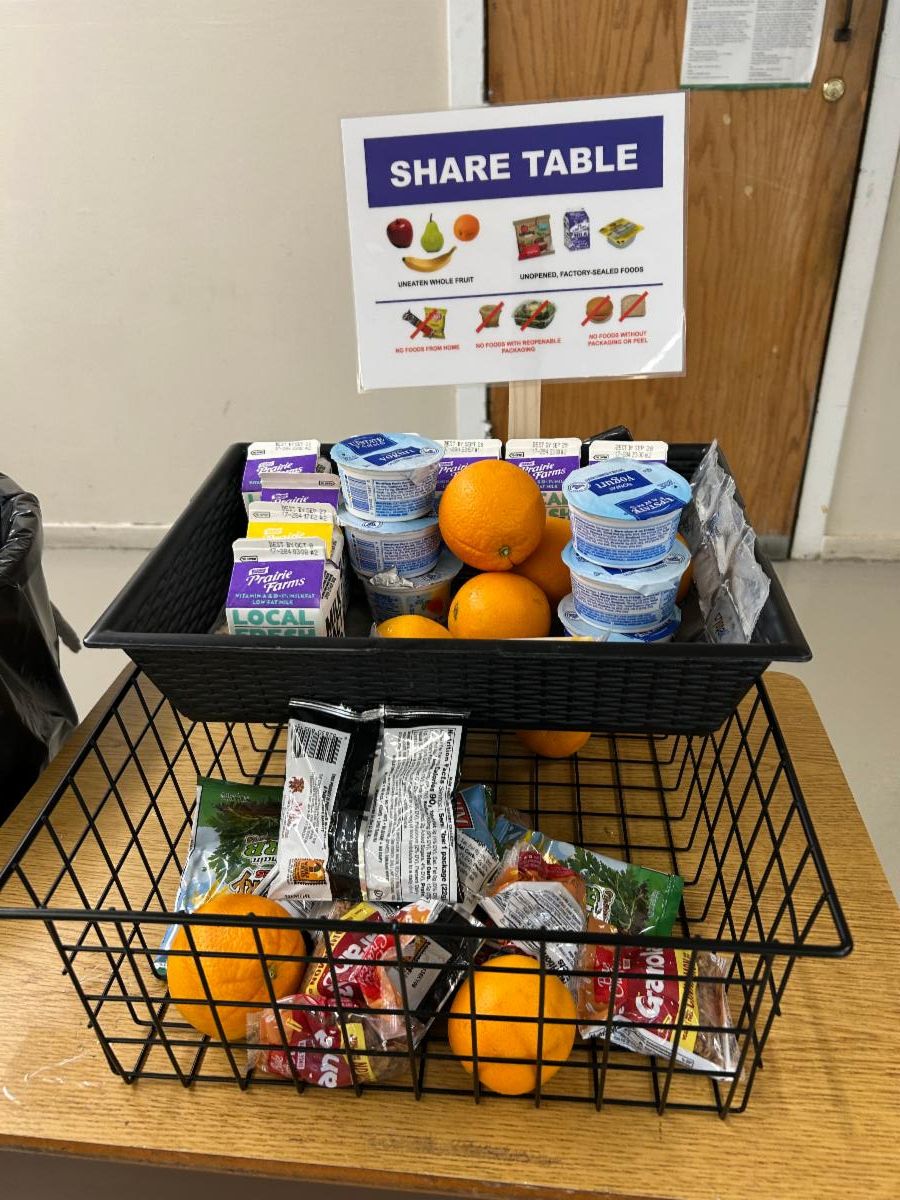
Last month, the Zero Waste Schools team and partners presented Rescuing Food and Feeding Students with Share Tables: All you need to know to minimize risk and maximize benefits as part of Seven Generations Ahead’s 25th anniversary webinar series.
Schools produce a significant amount of edible food waste despite the staggering number of hungry students and community members. The presentations focused on using share tables as a solution to this problem and providing tools for schools and health departments to safely and confidently support their use. Our expert panelists appealed to both schools and health departments by addressing each stakeholder group’s unique concerns and by defining how each can play a part in successful implementation.
Dr. Melissa Prescott, an Assistant Professor in the Department of Nutrition and School of Medicine at Case Western Reserve University, presented her findings on a multistate share table pilot that focused on food safety and operational barriers to share tables. Dr. Prescott highlighted content from the recently published Share Table Toolkit for Schools that provides all the resources schools need to work with health departments and implement share tables.
Dr. Gabby Pinto, a fourth year PhD-MPH candidate in Food Science and Epidemiology at the University of Illinois Urbana-Champaign, shared insights into some common misconceptions around the safety of share tables, focusing on fruit with edible peels and milk.
Our third panelist, Lauren Gibrick, a special education teacher in CPS, spoke about her experience implementing share tables at two CPS schools with the assistance of the Zero Waste Schools team. She shared practical tips and recommendations for keeping share tables running smoothly.
The three panelists provided a well-rounded view of what it takes to implement a successful share table and how to bridge the gap between schools and local health departments in the process.
If you missed it, you can watch the full recording, click HERE.
To see the full Q&A, click HERE.
| | |
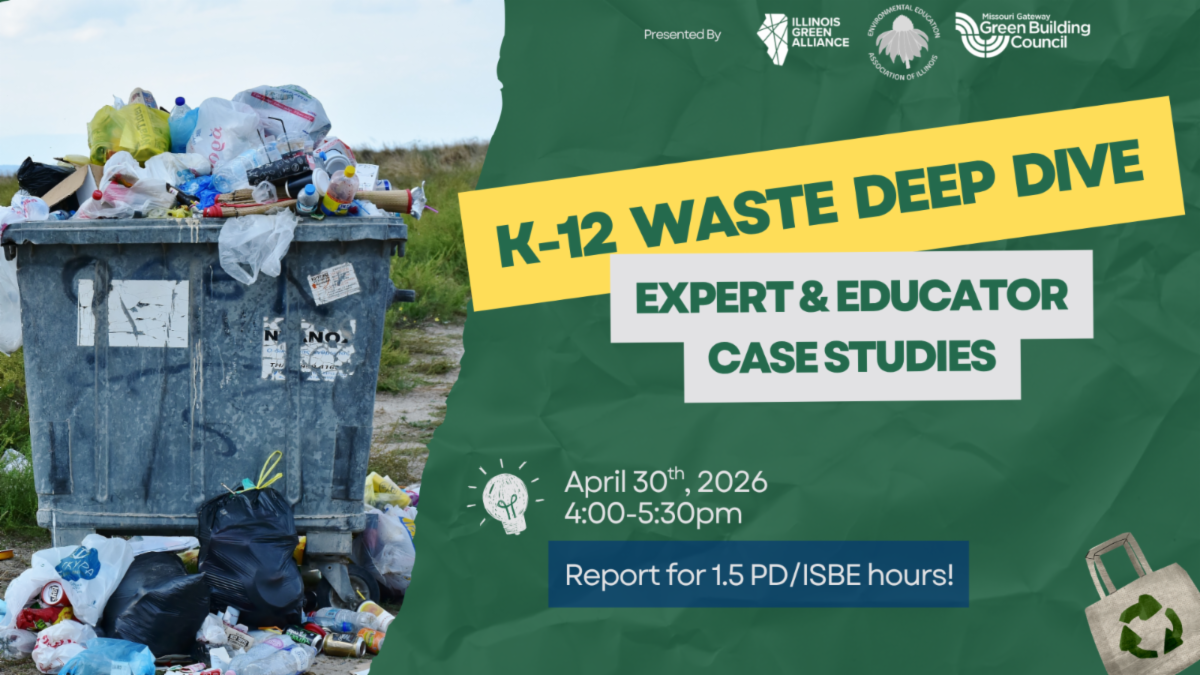
K-12 Waste Deep Dive:
Expert and Educator Case Studies
April 30, 4 - 5 pm cst
| | |
End Earth Month strong by joining the Missouri Gateway Green Building Council and Illinois Green Alliance for a webinar focusing on K-12 waste reduction. Tune in to this 1.5 hour educator professional development session to dive deep into K-12 waste reduction projects and practices that actually work. Experts from the St. Louis Department of Public Health and Seven Generations Ahead will provide their insights into the impact that grassroots projects can have on students and the environment. K-12 educators from Illinois and Missouri will also share about their own waste reduction projects, including lessons learned, step-by-step processes, and impacts.
K-12 Educators who tune in live can report this session for 1.5 PD or ISBE Clock Hours.
Register for the webinar HERE.
| | Plastic Free Lunch Day is this month! | | |
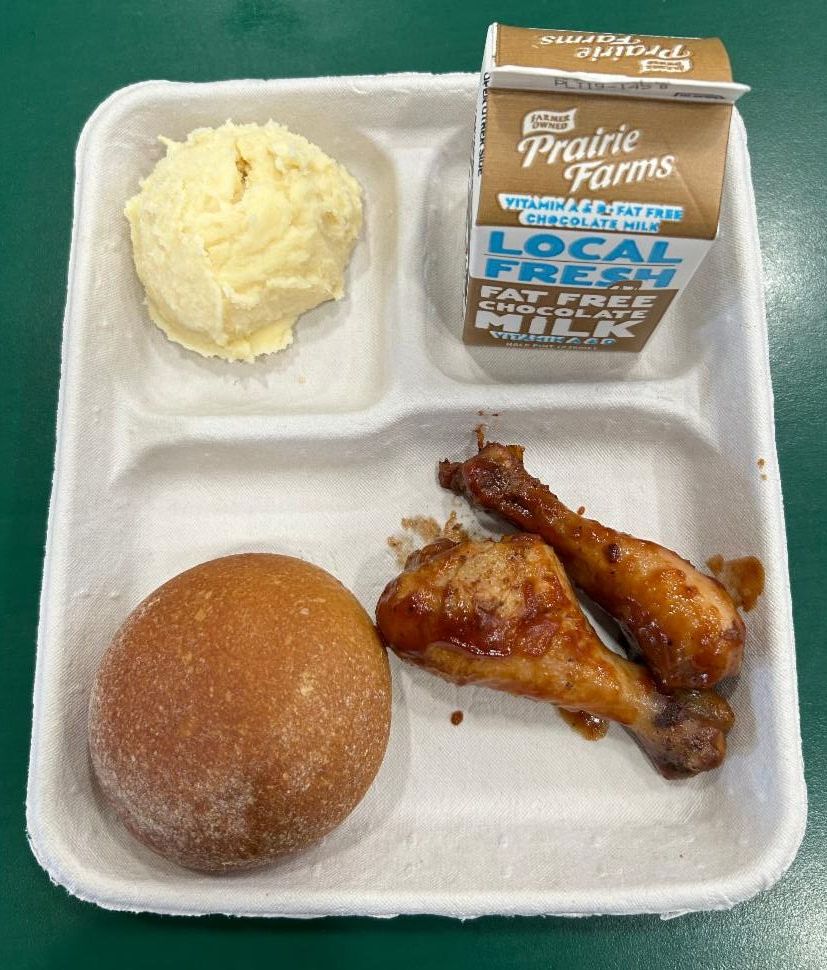
The biannual Plastic Free Lunch Day (PFLD) is coming up on April 20-24! PFLD, presented by Cafeteria Culture and the Urban School Food Alliance, is an easy way for schools to reduce disposable packaging and foodware. Schools can participate for one day, a couple days, or the whole week.
-
Share this video to get your school excited for PFLD.
-
Share this video with kitchen staff to help them prepare plastic-free menus.
-
Host a free screening of Microplastic Madness to engage students.
Consider implementing these easy changes to reduce plastic and save your school money:
- Replace single-use condiment packets with bulk service of sauces/dressings.
- Serve finger-foods to eliminate the need for utensils.
- Wrap sandwiches in bulk (put in serving trays with an aluminum foil cover instead of individually wrapped with plastic film).
Read HERE to learn more about the campaign.
| | |
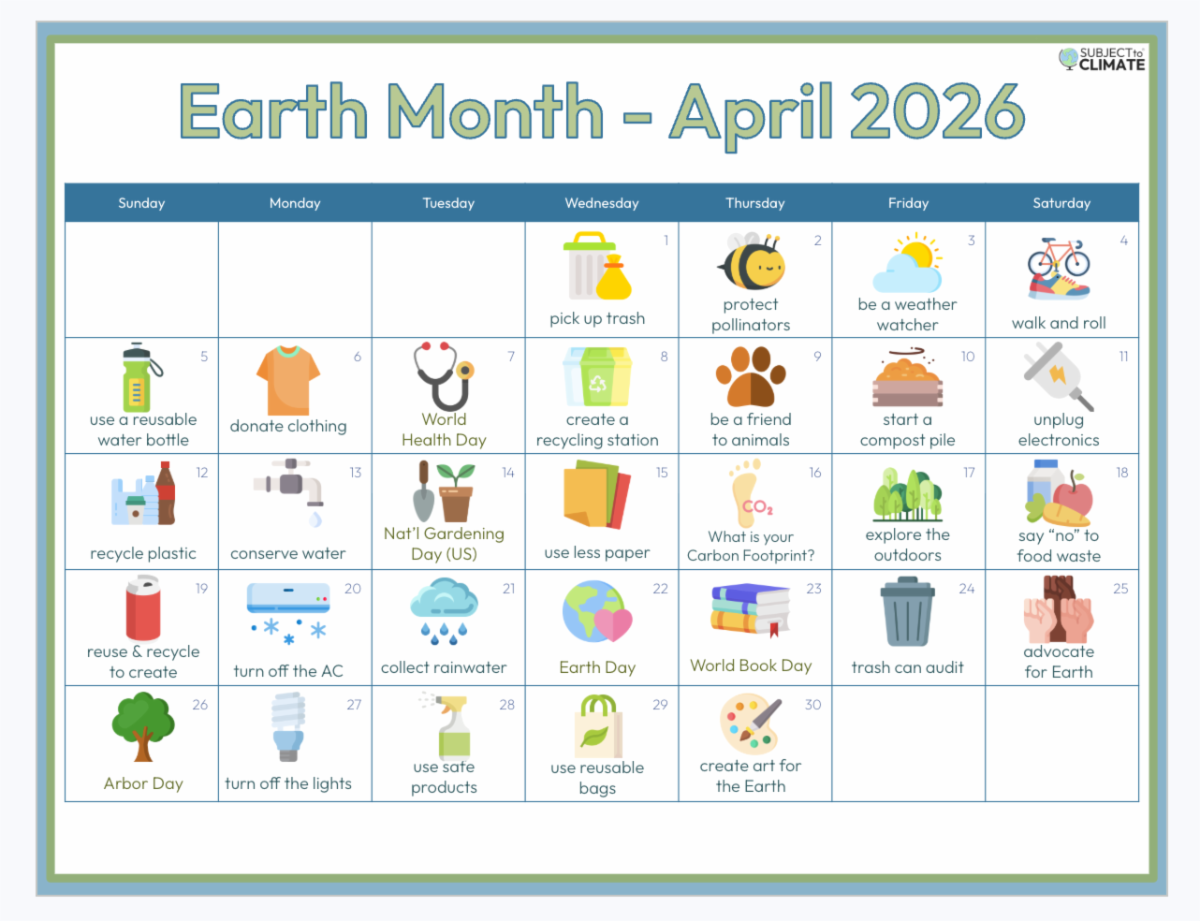
Earth Day is an annual celebration on April 22nd that provides us the opportunity to appreciate our amazing planet Earth and the importance of protecting it. These are just some of the many ways you can educate and inspire your students to take action.
| | |
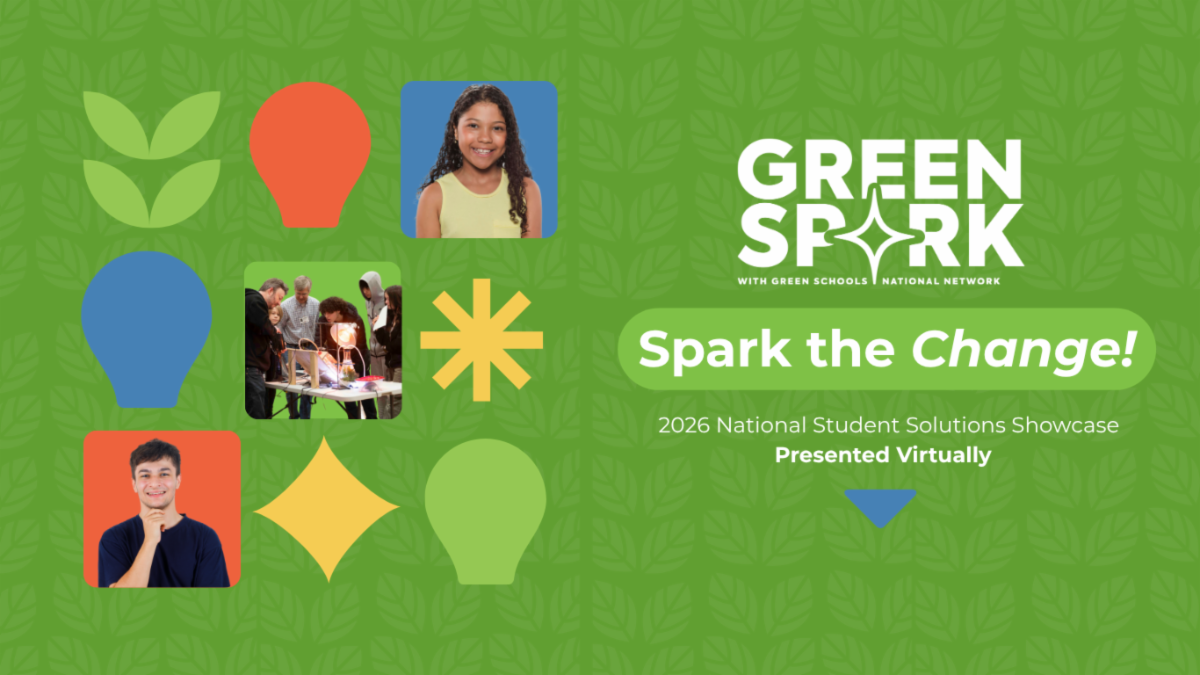
Green Spark 2026:
National Student Solutions Showcase
April 24, 10:30 am - 2:30 pm cst
| |
Green Spark 2026 is an interactive virtual showcase that celebrates K-12 students across the nation who are transforming their ideas into real solutions for sustainability and the climate. The event will highlight student projects that utilize creativity to enact change in their schools and communities.
There will be three live sessions that focus on a variety of projects, including advocacy campaigns, design challenges, and art projects. Attendees will hear innovative ideas, have the opportunity to provide feedback, and brainstorm how to start similar initiatives in their own communities. Join a session to celebrate student work, connect with peers, and get inspired to start your own project.
Register HERE.
| | |
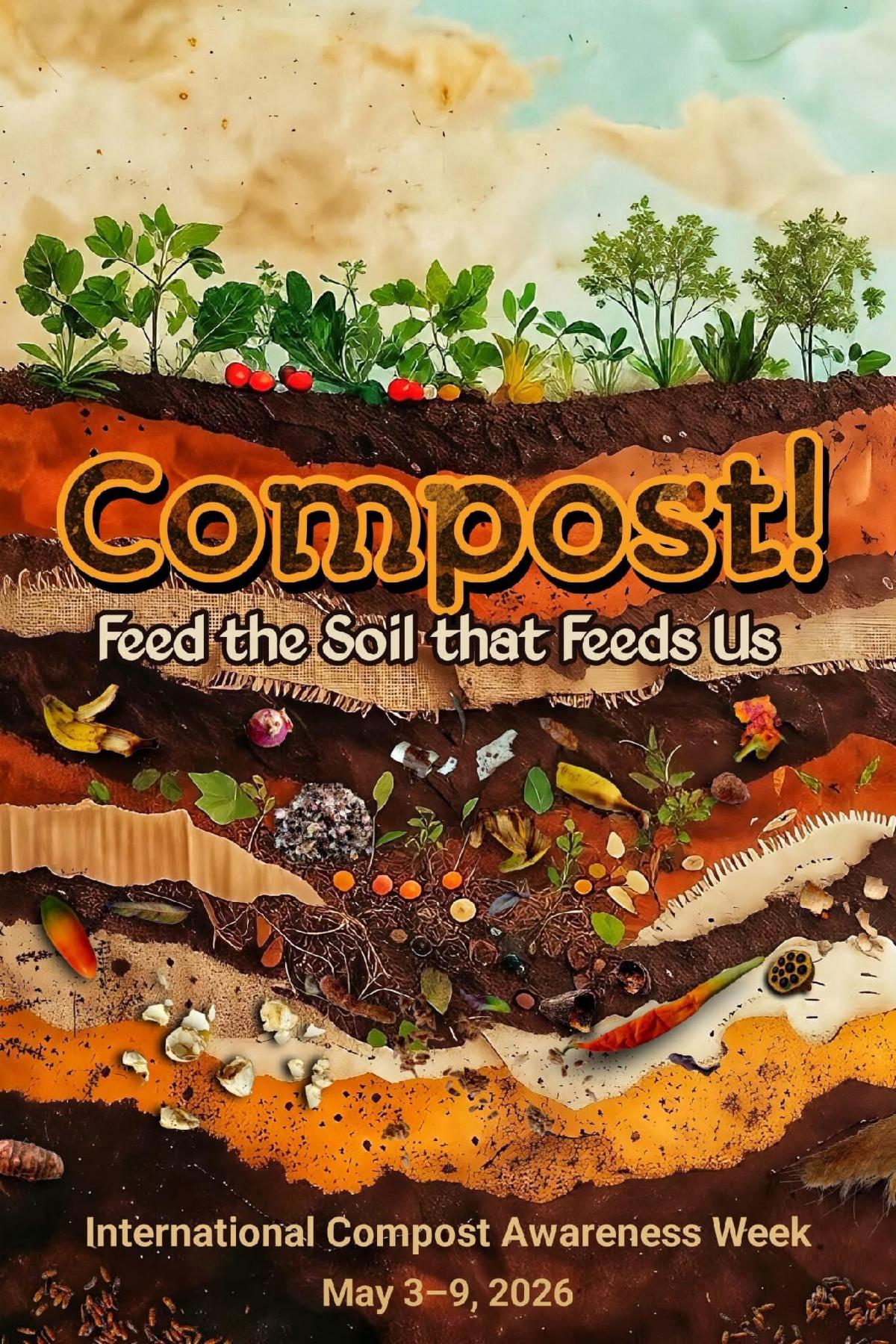
International Compost Awareness Week 2026
May 3-9
| | |
Mark your calendars for this year’s International Compost Awareness Week (ICAW). The theme, “Compost! Feed the Soil that Feeds Us," highlights the vital role compost plays in sustaining life on land. Soil is the foundation of life. It grows the food we eat, filters the water we drink, and sustains the biodiversity that keeps our ecosystems in balance. Yet soil is also one of our most threatened resources, with erosion, topsoil & nutrient depletion, and contamination endangering soil health worldwide.
The Illinois Food Scrap & Composting Coalition (IFSCC) is inviting communities, schools, governments, and businesses to raise awareness about the importance of composting by hosting educational events. Libraries and schools are a great place to introduce young people to composting and its many benefits. Start planning an event at your school or library by using this helpful guide.
| | The Zero Waste Schools team is here to help! | | Please contact us at zerowaste@sevengenerationsahead.org if you need support
with your existing waste reduction initiatives or if you'd like some help figuring
out where to start. | | Grants and other opportunities | | |
Plastic Free Restaurants Plastic Free Restaurants is dedicated to eliminating single-use petroleum-based products in everyday foodware. Plastic products are not only harmful to the environment but also human health. Their subsidy program is available to schools, non-profits, restaurants, and other for-profit entities to purchase safe reusable foodware products. Apply for a subsidy HERE.
SWANCC Waste Reduction Grants are a great opportunity for schools, libraries, and nonprofits that serve SWANCC member communities. Funds can help cover the cost of materials and equipment that support waste-smart projects and sustainability initiatives. Apply for either $200 for clean up event supplies, or $1,000 for waste reduction themed projects. Apply HERE.
Shane McConkey EcoChallenge empowers young people to learn about environmental issues in their community, engage in critical thinking, identify innovative solutions, and take action as EcoChallengers for the planet. The competition is open to individuals or teams of students (pre-K through undergraduate students). Students under the age of 18 must have an adult advisor. Apply by April 22.
Pilot Light's Food Education Fellowship is a year-long, paid professional development opportunity for PreK-12 educators located anywhere in the United States. Fellows will learn how to enrich their teaching practice through Pilot Light's Food Education Standards and participate in 1-on-1 coaching and peer learning opportunities.
Apply by May 25.
One Earth Film Festival
OEFF invites students from age 8 to age 25 to submit their short, environmental films to the Young Filmmakers Contest. Submit by June 25.
| | |
Food Waste and Composting DNU
April 25, 9-3:30 pm, Glencoe, IL
Have some fun with gross science! Discuss how food is a problem in the waste stream and ways we can help save the planet by composting. Learn how to set up and manage a successful compost pile in your school garden or at home. And by the way, what are those “compostable” plastic bags made of? Find out in this workshop! 6 ISBE PD hours available.
Cafeteria Circularity Virtual Workshop
April 29, May 5, 2 - 3:30 pm cst
Join the Center for Green Schools for a free, interactive, two-part virtual workshop on advancing circularity in school cafeteria materials. Designed for school district sustainability, facilities, and nutrition leaders, this workshop will explore practical strategies to select healthier, more sustainable materials and provide opportunities to connect with peers in structured breakout discussions.
SCARCE: Growin’ Green Garden Market
May 2, 9 - 1 pm, 800 S Rohlwing Rd (IL Rt 53), Unit D, Addison, IL
Kick off your gardening season at SCARCE on Saturday, May 2nd in Addison at the Annual Growin’ Green Garden Market! The 2025 event had more than 500 attendees, and this year will be bigger and better than ever before!
Sustainability Fest 2026: Pollinators
May 23, 4 - 7 pm, 841 S River Rd, Des Plaines, IL
Come learn about the importance of pollinators in our world! Talk to experts including representatives from the Xerces Society and U of IL Conservation @ Home. Crafts, games, and fun for the whole family!
Green Teacher Gathering
June 24, Academy for Global Citizenship, 4942 W 44th St, Chicago, IL
The Green Teacher Gathering seeks to bolster the environmental and sustainability education movement in the Chicagoland area. This gathering is to expand participants' knowledge through engaging workshops and networking opportunities.
Alliance for the Great Lakes: Adopt-a-Beach
Ongoing
Adopt-a-Beach cleanups are a fun, easy way to give back to your community and keep plastic pollution out of the Great Lakes.
| | |
This newsletter was created by Seven Generations Ahead.
Funding for Zero Waste Schools is provided by Food:Land:Opportunity, a collaboration between Kinship Foundation and The Chicago Community Trust and funded through the Searle Funds at The Chicago Community Trust.
| | | | |