The Zero Waste Schools newsletter will help you get your school on a path toward generating zero waste through waste prevention, recycling, composting, and food recovery. You’ll also find resources that connect zero waste to healthy eating, school gardens, and environmental education and action.


Share the newsletter with friends, colleagues, and students interested in zero waste.

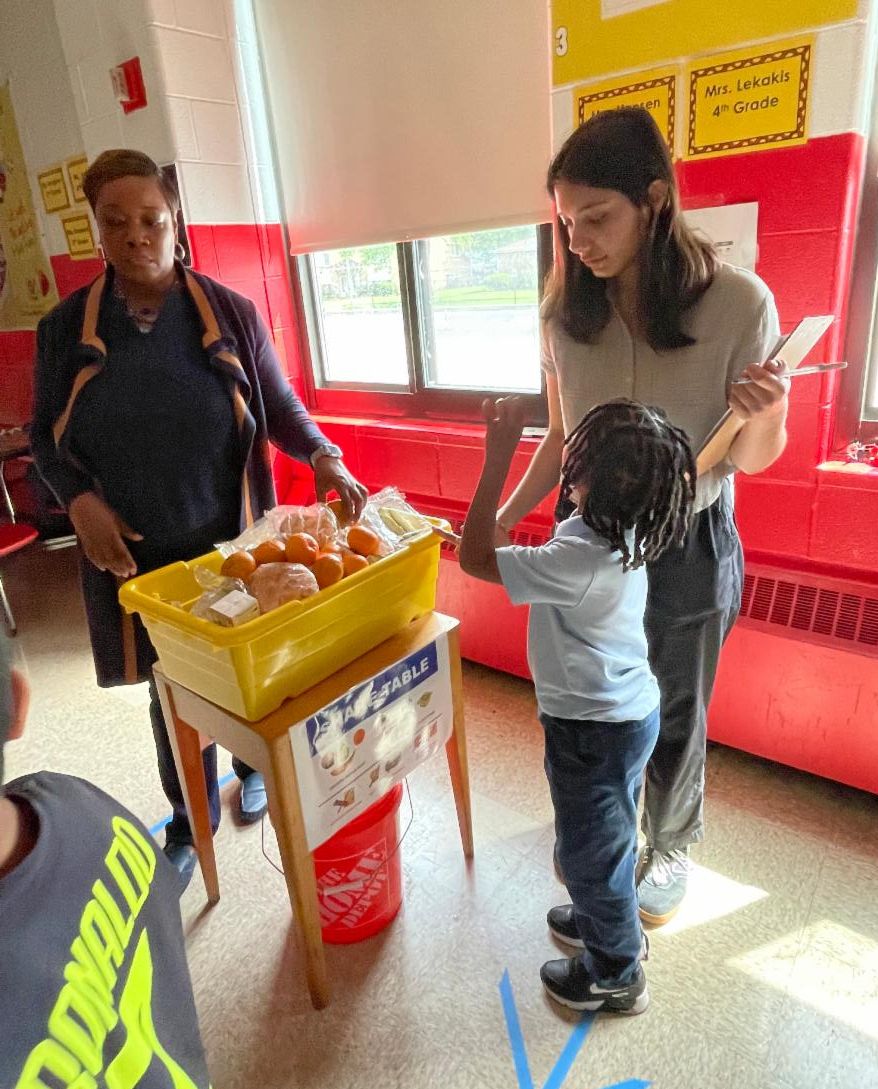
SGA Webinar Series: Rescuing Food and Feeding Students with Share Tables

Join Seven Generations Ahead for part two of our webinar series! On March 17th at 2 pm, Zero Waste Schools (ZWS) will be presenting Rescuing Food and Feeding Students with Share Tables” during which a panel of experts will share practical advice on how to safely and easily set up share tables in K-12 schools. Attendees will learn key tips to bridge the gap between their schools and local health departments, as well as practical implementation strategies.


Our Zero Waste Schools team will be joined by Lauren Gibrick and Dr. Melissa Pflugh Prescott. Lauren is a Special Education Teacher in Chicago Public Schools and has long been an advocate of sustainability in schools. She has twice worked alongside the ZWS team to implement waste sorting composting and recycling in her schools' lunchrooms. She also has a passion for getting food to hungry students and has prioritized the use of share tables as part of the sorting process. Lauren will talk about her experience engaging staff and students, as well as share helpful guidance on how to keep a share table running smoothly. 


Dr. Melissa Pflugh Prescott is a behavioral nutritionist and an Assistant Professor in the Department of Nutrition and School of Medicine at Case Western Reserve University. She recently conducted a Multistate Share Table Pilot that studied food safety and the operational barriers of share tables. Dr. Prescott will share tips on working with health departments while highlighting food safety research that promotes a risk-based approach to share tables.


We hope you can join us on March 17th! To register, click HERE
Download a flyer to share
HERE.

IOF and ZWS partner up to bring climate action to Proviso West High School

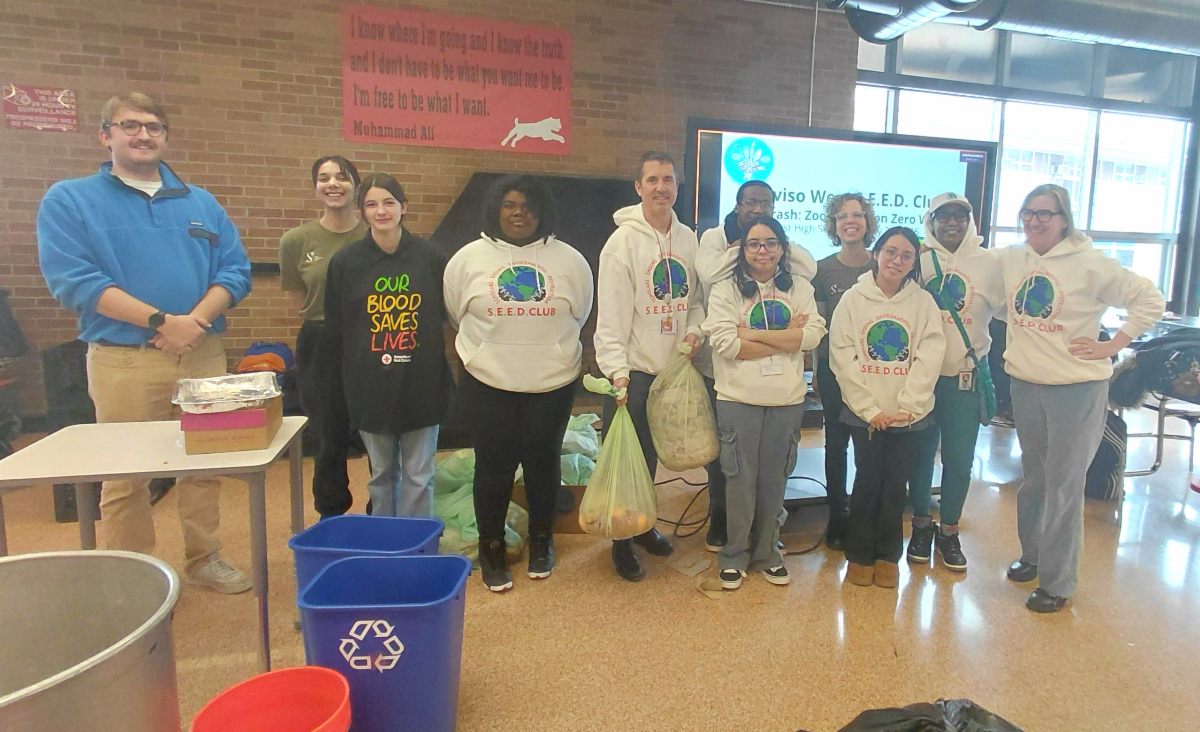
Last month, SGA’s youth centered programs, Zero Waste Schools (ZWS) and It’s Our Future (IOF), partnered to help a west suburban high school turn their ideas into action. Students at Proviso West High School had created a Climate Action Plan (CAP) at the Youth Climate Justice Summit (YCJS) hosted by IOF this past October. Along with 100 students from 22 schools, they attended a variety of relevant workshops that helped inform the plan and also met with experts who shared ideas about what strategies might be most impactful.


During these conversations at the Summit, members of Proviso West’s Scholars Ending Environmental Destruction (SEED) club decided to focus their CAP on reducing waste at their school. After the Summit, the SEED club joined IOF’s weekly office hours in order to receive tailored support from the IOF and ZWS team and determined that a cafeteria waste audit would be an ideal way to get started on their sustainability journey. Read full article HERE.

Celebrate Plastic Free Lunch Day!

The biannual Plastic Free Lunch Day (PFLD) is coming up on April 20-24! PFLD, presented by Cafeteria Culture and the Urban School Food Alliance, is an easy way for schools to reduce disposable packaging and foodware. Schools can participate for one day, a couple days, or the whole week.


Get your school excited for PFLD by presenting a free screening of Microplastic Madness during the months of March and April. Start planning NOW by checking out these great ideas!


Consider meeting with your school's food service staff to implement one or more of these changes:

  • Replace single-use condiment packets with bulk service of sauces/dressings
  • Wrap sandwiches in bulk (put in serving trays with an aluminum foil cover instead of individually wrapped with plastic film)
  • Offer plastic utensils upon request only


Read HERE to learn more about the campaign.

One Earth Young Filmmakers Contest is Seeking Submissions!

The One Earth Young Filmmakers Contest (non-profit) is free for students to enter, and prizes go from $100 to $1,000 in scholarships, plus matching gifts.


We would love to see submissions from your students so they may have a chance to be honored this year!


We invite students from age 8 to age 25 to submit their short, environmental films to the Young Filmmakers Contest by June 25, 2026.


  • Winning films will be screened in Chicago on Sept. 27, 2026, and/or at the One Earth Film Festival in April 2027.
  • Scholarships, prizes, and matching grants (from $100 to $1000) will be awarded for 3 to 8-minute films or 45+ second animations.
  • Visit One Earth Film Festival Young Filmmakers Contest for details and to see past winners, visit our winners page.


This two-minute video explains what the Young Filmmakers Contest is all about.

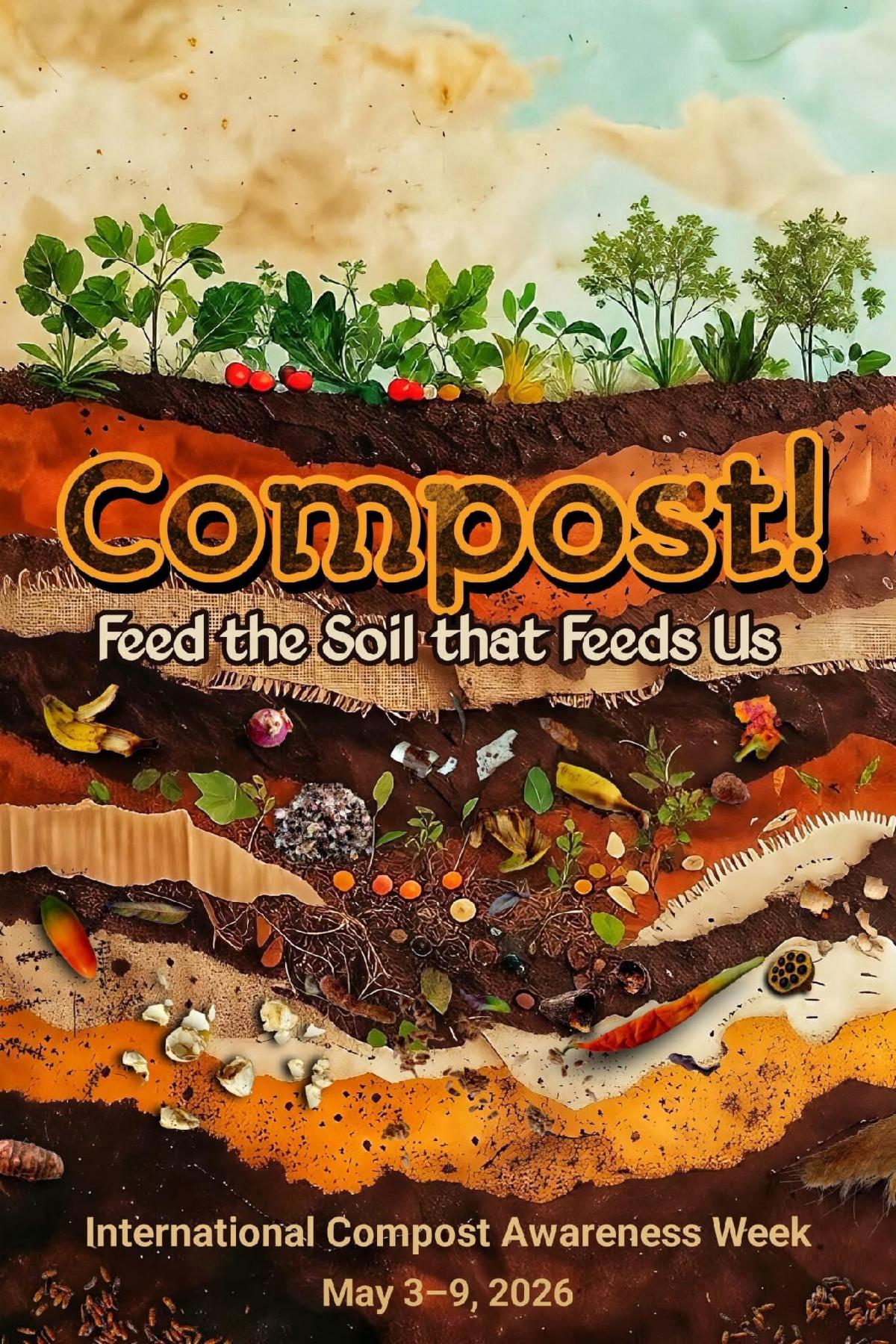
International Compost Awareness Week 2026

May 3-9

This year’s International Compost Awareness Week (ICAW) theme, “Compost! Feed the Soil that Feeds Us," highlights the vital role compost plays in sustaining life on land. Soil is the foundation of life. It grows the food we eat, filters the water we drink, and sustains the biodiversity that keeps our ecosystems in balance. Yet soil is also one of our most threatened resources, with erosion, topsoil & nutrient depletion, and contamination endangering soil health worldwide.


The Illinois Food Scrap & Composting Coalition (IFSCC) is inviting communities, schools, governments, and businesses to raise awareness about the importance of composting by hosting educational events. Libraries and schools are a great place to introduce young people to composting and its many benefits. Start planning an event at your school or library by using this helpful guide.

Prioritizing school meals

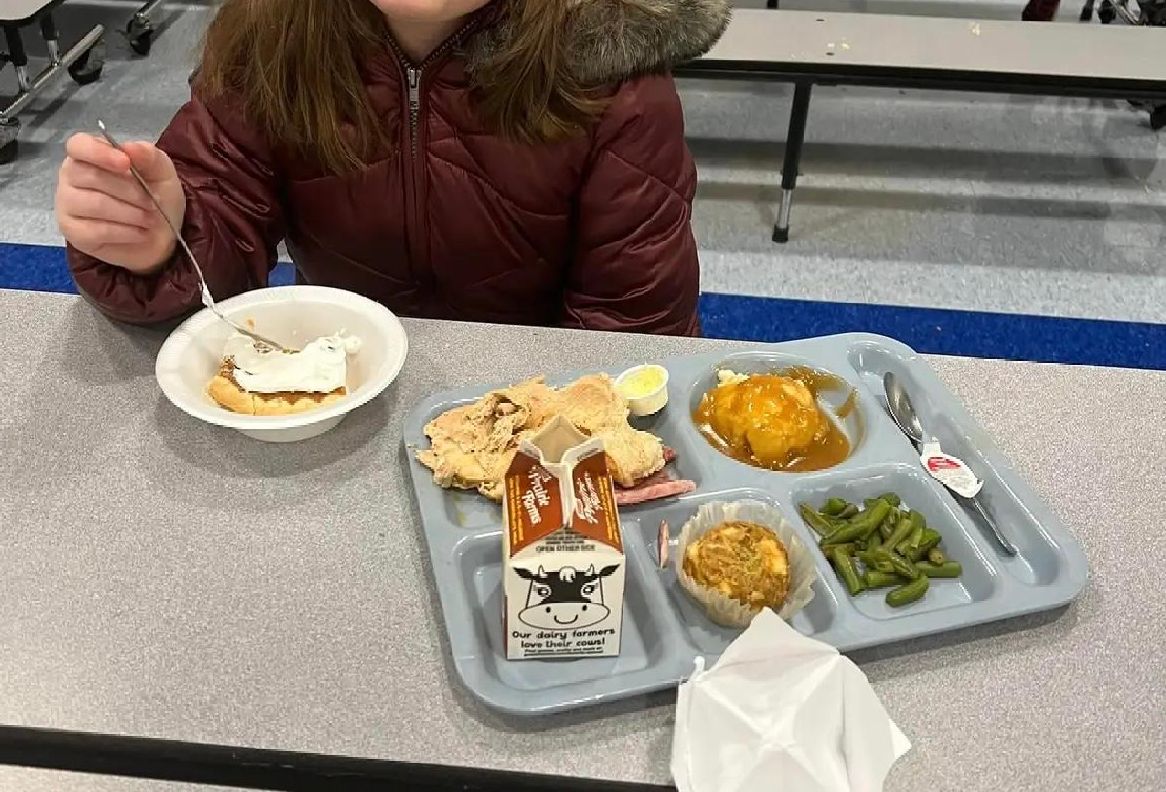
The Chef Ann Foundation has a new and exciting short film for those interested in serving better school meals. Through a partnership with the Brownsville Independent School District located in Texas, the Chef Ann Foundation worked to create better school meals for over 37,000 students across 55 locations. By enhancing culinary skills, creating 15 new scratch meal recipes, and sourcing local ingredients, the school district improved school meals and saw positive results from their most important critics - the students. 

The Zero Waste Schools team is here to help!

Please contact us at zerowaste@sevengenerationsahead.org if you need support 
with your existing waste reduction initiatives or if you'd like some help figuring 
out where to start.

Grants and other opportunities

Plastic Free Restaurants Plastic Free Restaurants is dedicated to eliminating single-use petroleum-based products in everyday foodware. Plastic products are not only harmful to the environment but also human health. Their subsidy program is available to schools, non-profits, restaurants, and other for-profit entities to purchase safe reusable foodware products. Apply for a subsidy HERE.


SWANCC Waste Reduction Grants are a great opportunity for schools, libraries, and nonprofits that serve SWANCC member communities. Funds can help cover the cost of materials and equipment that support waste-smart projects and sustainability initiatives. Apply for either $200 for clean up event supplies, or $1,000 for waste reduction themed projects. Apply HERE.


School Nutrition Association Equipment Grants Eligible SNA members have access to equipment grants from Alto-Shaam, AmTab, Cambro, FWE, Hobart, Innoseal, LTI Inc., Sterno Delivery, Vulcan, and Winston Foodservice. Eligible applicants have the opportunity to win equipment grants, each worth between $20,000 to $100,000 of equipment. This grant can be used to add equipment to increase scratch cooking capabilities.


Salad Bars to Schools (SB2S): Expanding Access to Fresh Fruits and Vegetables in 

School Meals 

The Salad Bars to Schools (SB2S) program is a national granting initiative that equips schools and districts with salad bar equipment and support. Awarded schools receive Cambro salad bars, camchillers, and ongoing technical assistance to strengthen their school meal programs. Open to K–12 school districts with an enrollment of at least 100 students per school site that participate in the National School Lunch Program. Applications open Feb. 2026.


International Young Eco-Hero Awards recognizes young people ages 8 to 16 who are taking personal action to protect our planet. Winners receive a cash prize of up to $1,000 to fuel their projects, plus global recognition and a formal certificate. Apply by Feb. 28.


Illinois Conservation Foundation's Conservation Achievement Scholarship Awarded to 4 high school seniors in Illinois who have demonstrated effective, voluntary, and longterm dedication to the preservation, protection, enhancement, and/or promotion of Illinois' natural resources. Apply by Mar. 1.


Whole Kids Garden Grant Schools and nonprofits have the potential to earn a $3,500 grant to support or create an edible educational garden to educate students and community members about the importance of local food systems. Apply by Mar. 1.


Educator Mini Grants Educators are eligible to apply for funding to support meaningful-learning experiences and action-focused projects that focus on student empowerment and activation centered around plastic pollution. Apply by March 1.


ComEd Green Region Grant Now in its fourteenth year, the ComEd Green Region Grant awards grants of up to $10,000 for conservation projects in Northern Illinois. Continuing this year, non-profits and educational agencies can apply for a grant with a letter of support from a government agency in their community. Apply by Mar. 13.

Events

Global Recycling Day

March 18

Recycling reduces the need to produce new materials by transforming old materials into new valuable resources. This practices reduces pollution and saves energy.


21st Annual Chicago Food Justice Summit

March 11 - 13, South Shore Cultural Center

Join the Chicago Food Policy Action Council online for two days of virtual workshops and sessions that explore how to ground policy in community action and engage in reimagining Chicago’s foodscape. Then come together in person on March 13th for a celebration of the powerful impact of the last 20 years and to envision what comes next.


Hold the Plastic: How to Get This Toxic Material Out of Student Meals

March 12, 3-4pm cst

Join Alison Rogers Cove, USEFULL founder and CEO, Dr. Manasa Mantravadi, Ahimsa founder and CEO, Judith Enck, Beyond Plastics president and former US EPA Regional Administrator, and Trisha Vaidyanathan, Ph.D., Beyond Plastics science director to learn more about the health and economic case for reusable stainless steel foodware in school cafeterias.

Seven Generations Ahead | Email | Website

Facebook  Twitter  Instagram  

This newsletter was created by Seven Generations Ahead.

Funding for Zero Waste Schools is provided by Food:Land:Opportunity, a collaboration between Kinship Foundation and The Chicago Community Trust and funded through the Searle Funds at The Chicago Community Trust.

X Share This Email
LinkedIn Share This Email