-
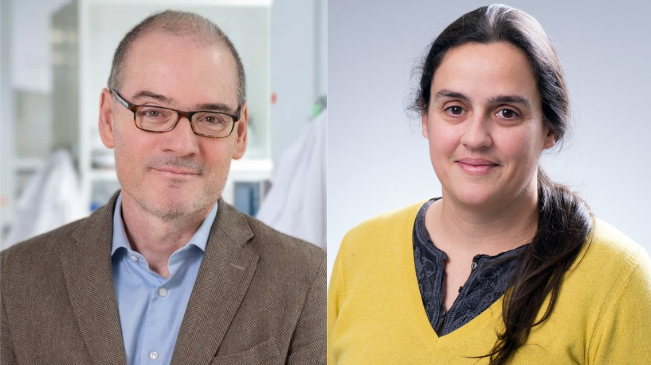
Researchers led by Ludwig Princeton’s Won Dong Lee, Daniel Weilandt and Director Joshua Rabinowitz report in Cell Metabolism the metabolic circuits and underlying molecular mechanisms that control lactate homeostasis in mice.
-
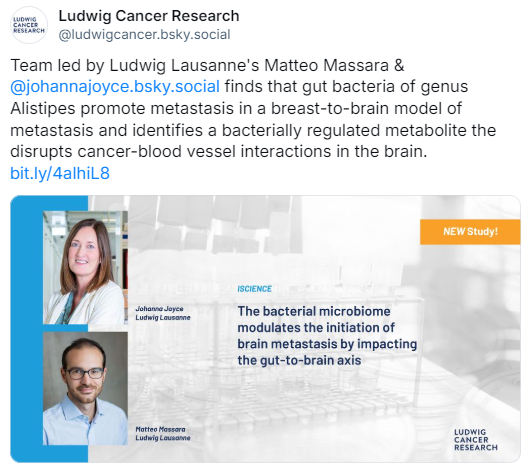
Ludwig Lausanne’s Matteo Massara, Johanna Joyce and colleagues report in iScience that bacteria of the genus Alistipes promote metastasis in a mouse model of breast-to-brain metastasis.
-
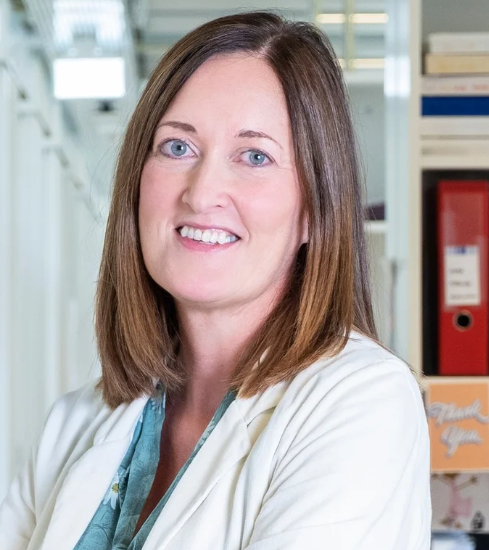
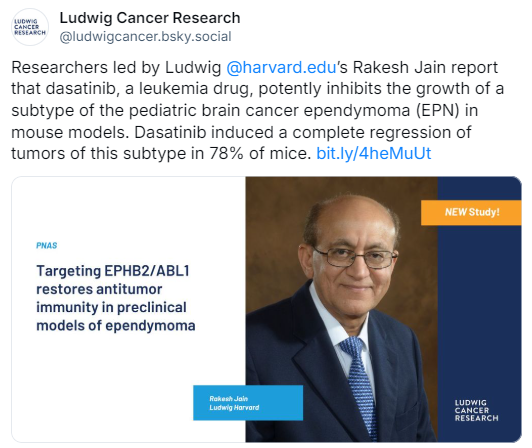
Researchers led by Ludwig Harvard’s Rakesh Jain report in PNAS that dasatinib, an FDA-approved leukemia drug, potently inhibits the growth of a subtype of the pediatric brain tumor ependymoma and describe the mechanism of its efficacy in mouse models.
| |
|
Regulatory T cells (Tregs) play an essential role in controlling inflammation and supporting tissue repair and are frequently engaged by tumors to suppress immune responses. This study, led by Ludwig MSK’s Alexander Rudensky and Stanislav Dikiy, explored whether the adaptations of Tregs to different nonlymphoid tissues—essential to their immunosuppressive and supportive functions—are the products of reversible states or of stable differentiation. They identify a terminally differentiated population of colonic effector Treg cells that are distinguished by stable expression of the cytokine IL-10. They show that this subset of effector Treg cells, but not their expression of IL-10, is indispensable for colonic health.
| |
|
A byproduct of glycolysis, lactate is cleared by metabolic processes known as the TCA cycle and gluconeogenesis (production of glucose). But how its appropriate systemic balance—or homeostasis—is maintained is not well understood. Researchers led by Ludwig Princeton’s Won Dong Lee, Daniel Weilandt and Director Joshua Rabinowitz report here the metabolic circuits and underlying molecular mechanisms that control lactate homeostasis in mice. They find that high levels of lactate inhibit insulin-induced glycolysis in muscle, suppressing lactate production. The metabolite, meanwhile, drives its own consumption by activating HCAR1, a receptor expressed on fat cells, to inhibit lipolysis and depress levels of circulating fatty acids, which compete with it for mitochondrial oxidation. Insulin similarly drives lactate oxidation by inhibiting lipolysis. Their quantitative modeling suggests this circuit suffices to maintain lactate homeostasis.
| |
|
Researchers led by Ludwig Lausanne’s Matteo Massara and Johanna Joyce explored the role of gut microbiota in the establishment of brain metastases using a mouse model of breast-to-brain metastasis under germ-free conditions or with antibiotic treatment. They found that depletion of gut bacteria by antibiotics delays the onset of metastasis in this system, and that bacteria of the genus Alistipes promote metastasis. They also quantified circulating metabolites in these mice and noticed a differential abundance in kynurenic acid, a bacterially regulated metabolite of the amino acid tryptophan that is known to have neuroprotective effects. They show in ex vivo functional studies that the metabolite disrupts interactions between cancer cells and brain blood vessels.
| |
|
Ependymoma is a pediatric brain cancer for which few treatments of lasting efficacy have been identified. Researchers led by Ludwig Harvard’s Rakesh Jain used a mouse model of EPN in immunocompetent mice to identify potential drug targets for the cancer. They report here that dasatinib, an FDA-approved leukemia drug, potently inhibits the growth of the ST-ZFTA molecular subgroup EPN and describe the mechanism of its efficacy in mouse models. Jain and his colleagues found an increased frequency of pro-tumor M2-like tumor-associated macrophages (TAMs), which proportionally increased with tumor size during tumor progression. Treatment with dasatinib reprogrammed the TAMs into an anti-tumor state and increased the activation of effector CD8 T lymphocytes that kill cancer cells. The treatment induced complete regression of established EPNs of this subtype in 78% of the mice and prevented tumor recurrence.
Additional coverage: MGH
| |
|
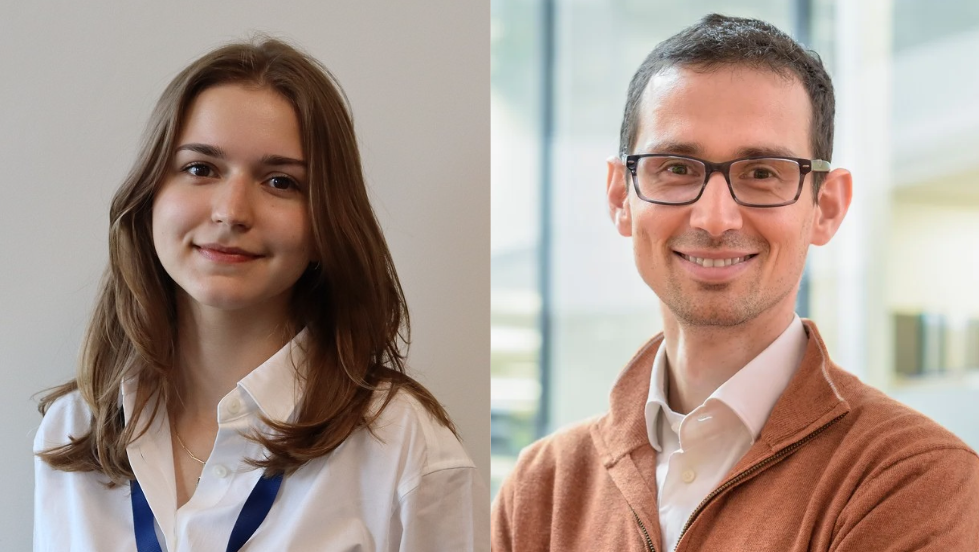
Single-cell RNA sequencing enables detailed characterization of cell states but provides limited insight on tissue clonal structures. Ludwig Harvard’s Jonathan Good, Ksenia Safina and Peter van Galen detail here a protocol to probe cell states and clonal information simultaneously by enriching mitochondrial DNA (mtDNA) variants from 3′-barcoded full-length cDNA. They also describe computational steps to illuminate cell states and clonal dynamics in primary human tissues.
| |
| |  | Extracting granular molecular features related to disease from standard whole histopathology slides is difficult and further complicated by a paucity of associated labels for disease subtypes as well as by variations in structural features across different scales. This study, co-led by Ludwig Oxford’s Jens Rittscher, presents a method to address this challenge named Inter-MIL (Interpretable Multiple-Instance Learning). Inter-MIL employs a weakly-supervised machine learning approach (which can detect genuine patterns in the absence of detailed annotations) and combines morphological features detected at different magnifications in the same patch of a slide to improve accuracy in the identification of molecular traits. The researchers tested Inter-MIL against difficult molecular subtyping tasks for ovarian, colorectal, lung and breast cancer. They show it is a robust framework for morpho-molecular subtyping of malignant tissues for which fewer than 100 training slides exist and that the method leads to the identification of more reliable histopathology biomarkers.
| |
|
CAR-T cell therapies can induce severe immune-related adverse events, most notably cytokine-release syndrome. Such risks have limited the use of this therapeutic strategy for cancer treatment. This review, coauthored by Ludwig Lausanne’s Arthur Mulvey, George Coukos and Caroline Arber and a UNIL-CHUV colleague, discusses current management of cytokine release syndrome and immune effector cell-associated neurotoxicity syndrome, and reviews T cell- and myeloid cell-intrinsic druggable targets and cellular engineering strategies to develop safer CAR-T cell therapies.
| |
|
Check out this interview with Ludwig Lausanne’s Johanna Joyce on her work on the tumor microenvironment and with the cancer community. Joyce is also the president-elect of the European Association for Cancer Research.
| |
|
Check out this article on emerging answers to some of the greatest conundrums of cancer etiology, initiation and progression. It features comments and explanations from Ludwig Harvard Co-director George Demetri, Ludwig Lausanne’s Douglas Hanahan and Ludwig MIT Co-director Robert Weinberg on why some mutations lead to cancer while others don’t, what inflammation has to do with cancer and how this growing body of knowledge is influencing cancer therapy.
| |
|
Gestational trophoblastic disease (GTD) describes a group of rare benign and cancerous growths that originate from the trophoblast cells of the placenta. Although they were first described more than a century ago, the drivers of this disease remain unknown. Recent findings have, however, shed new light on the development of these neoplasms. This review, co-authored by Ludwig Oxford’s Alina Nicheperovich and Benjamin Schuster-Böckler, discusses the role of genetics, epigenetics and microRNAs in GTD and offers a framework for understanding the pathogenesis and progression of the disease.
| |
|
This Spotlight article co-authored by Ludwig Johns Hopkins’ Xuyang Li discusses a Science paper in which researchers described their design and preclinical evaluation of novel engineered human T cells to recognize T cells involved in autoimmune reactions. The synthetic receptors on the most effective engineered T cells triggered the expression of payloads that include an anti-inflammatory cytokine and a receptor that served as a sink to deplete a pro-inflammatory cytokine. The cells could be designed to include logic programs—transcriptional circuits—that only enable such protection locally, in tissues erroneously targeted by autoimmunity, circumventing the risks associated with systemic immunosuppression.
| |
|
Cancer is not solely driven by genetic abnormalities but also by considerable metabolic dysregulation. Understanding the metabolic adaptations associated with metastasis can unveil new therapeutic targets to disrupt the metastatic process and improve patient outcomes. This book chapter, written by Ludwig Princeton’s Qianying Zuo and Yibin Kang for a book on current breast cancer research covers the metabolic alterations linked to breast cancer metastasis and highlights the potential for targeted interventions in this context.
| |
ICYMI: In case you missed it... | |
This News article reports on a survey of some 5,300 Nature readers about their usage of the social media app BlueSky, an alternative to X (formerly Twitter), that has exploded in popularity over the past few months. Half the respondents said they had bailed on X entirely, chiefly owing to its increasingly toxic, trolling atmosphere and anti-scientific ethos, though a small number continue to use it. We invite you all to follow us on BlueSky as well. | |
|
CA: A Cancer Journal for Clinicians – January 16, 2025
| |
|
The American Cancer Society has published its annual cancer stats paper, along with the educational Cancer Facts & Figures 2025. Bookmark it for your ready reference. The cancer mortality rate continued to decline through 2022, averting nearly 4.5 million deaths since 1991. Yet alarming disparities persist. Native American people bear the highest cancer mortality, including rates that are two to three times those in white people for kidney, liver, stomach, and cervical cancers. Similarly, black people have two-fold higher mortality than white people for prostate, stomach, and uterine corpus cancers. Overall cancer incidence has generally declined in men but has risen in women, narrowing the male-to-female rate ratio from a peak of 1.6 (95% confidence interval, 1.57–1.61) in 1992 to 1.1 (95% confidence interval, 1.12–1.12) in 2021. Rates in women aged 50–64 years have already surpassed those in men (832.5 vs. 830.6 per 100,000), and younger women (younger than 50 years) have an 82% higher incidence rate than their male counterparts (141.1 vs. 77.4 per 100,000), up from 51% in 2002.
Additional coverage: New York Times | ABC News
| |
|
Get involved
Events, careers and collaboration opportunities
| |
Do you know of any news, studies or events that would be relevant to the Ludwig community? Please contact us! | |
Ludwig Cancer Research | www.ludwigcancerresearch.org | |
Please note these clips are not intended to be a comprehensive overview of the news, but a compilation of Ludwig coverage, as well as topics and issues considered to be most relevant to our scientific community. Any views or opinions presented in the news clips are solely those of the cited news sources. When available, a link to the original study is provided. *Asterisk indicates a subscription or login may be required.
| | | | |