NACD invites you to join us in San Antonio, Texas, for the 2026 Annual Meeting! Hosted in partnership with the Association of Texas Soil and Water Conservation Districts, our 80th meeting will take place on February 15-19, 2026, at the San Antonio Marriott Rivercenter on the River Walk. Help us celebrate this milestone anniversary—the Oak Anniversary—and explore the theme, "Deep Roots, Bold Horizons." | |
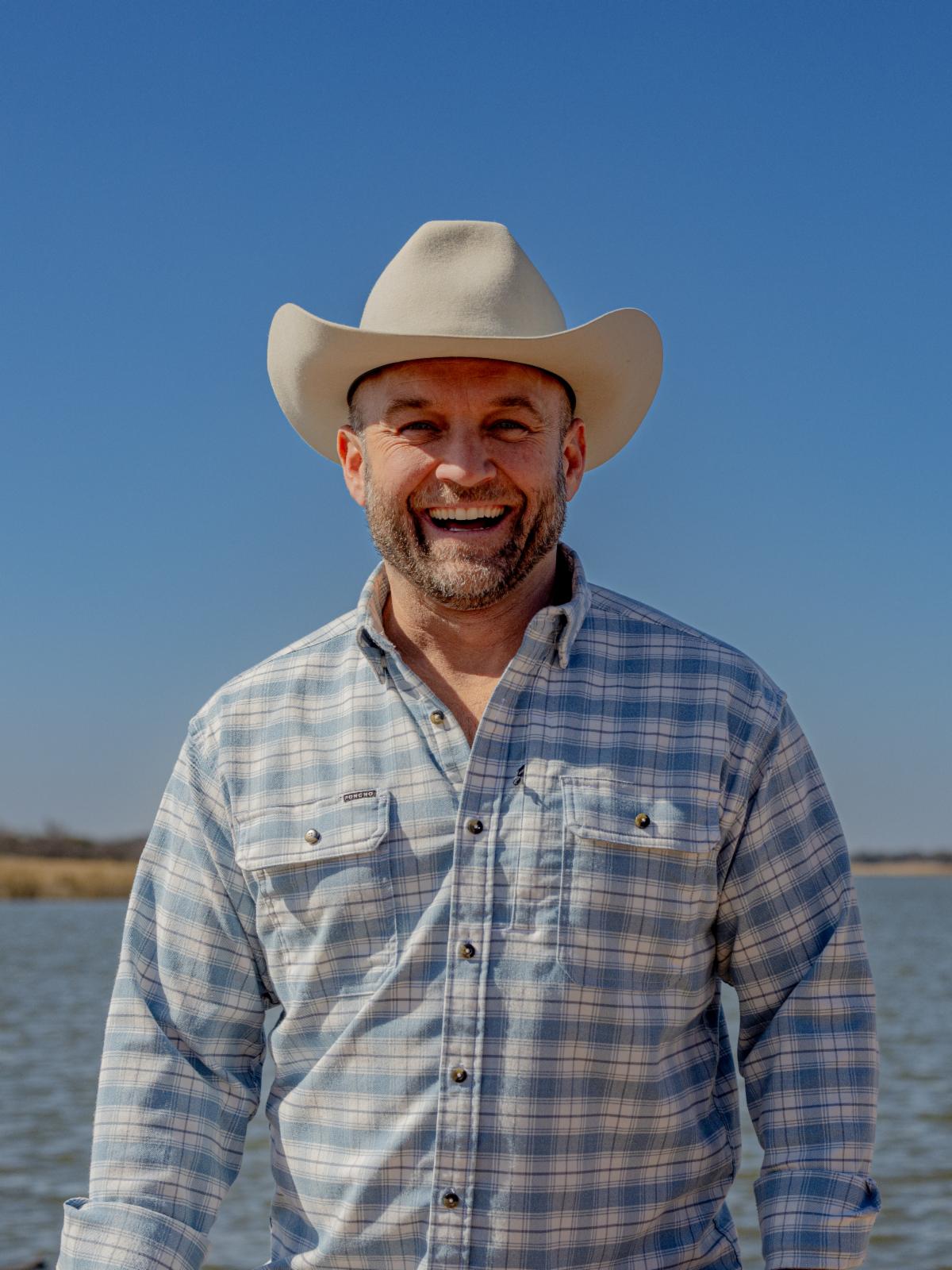
As we countdown to NACD’s Annual Meeting, we’re excited to share that Chet Garner will join us in San Antonio as our keynote speaker during the Tuesday, February 17, 2026, general session!
Chet is the creator, host, and executive producer of The Daytripper, an 18-time Emmy-award-winning Texas travel show airing on PBS stations across the country. Now in its sixteenth season, The Daytripper takes viewers on adventures with Chet as he explores Texas’ natural wonders, food, and history. All things made possible—in Texas and everywhere—through good land stewardship and natural resources conservation!
A native Texan, Chet’s love for storytelling began at a young age around the Boy Scout campfire and toting around his grandfather’s VHS video camera. He earned a degree in Radio-Television-Film from the University of Texas at Austin and went on to graduate first in his class from Baylor Law School. He now follows his passions and simultaneously inspires folks to appreciate the beauty, history, and food of the Lone Star State. Chet’s travels have inspired a community of travelers who share their stories and encourage one another to grab life by the wheel. Learn more about The Daytripper at thedaytripper.com.
| |
Ready to join in? Registration for the meeting is open! Act now to get an early-bird discounted rate before December 19.
Find all the details on registration, exclusive hotel and travel discounts, sponsorship opportunities, and more on NACD's website. If you have any questions, please contact events@nacdnet.org.
| WHAT'S UP IN WASHINGTON? GOVERNMENT AFFAIRS UPDATE | |
Last week, the USDA announced the opening of the second phase of enrollment for the Supplemental Disaster Relief Program, a $16 billion program that allows producers to be indemnified for losses that did not exceed their crop insurance deductible. The first rollout of SDRP funding began in July, with both stages having an enrollment deadline of April 30, 2026. Visit the program website for more information on applications and benefits.
The USDA also announced the enrollment period for the Milk Loss Program, which will run from Nov 24, 2025, to Jan 23, 2026. Check out USDA’s fact sheet and website for more information.
The Trump administration is seeking multiple changes to the Endangered Species Act, releasing four proposed rules regarding how the Fish and Wildlife Service (FWS) and the National Marine Fisheries Service will approach listing endangered and threatened species, designating critical habitats, and changing language around acceptable measures. You can check out the FWS press release for more information on the comment period, which will be ending on December 22, 2025.
On Friday, November 21, Representative Troy Downing (MT) introduced the Floodplain Enhancement and Recovery Act, a companion bill to the one introduced by Senators Murray and Daines earlier this year. This bill creates an opportunity for local communities to engage in floodplain and ecosystem recovery without requiring permitting under certain circumstances. NACD supports and applauds these efforts to streamline restoration and will continue to provide updates as they come.
Changes to NRCS' Leadership Team
Among NRCS' political leadership team, Colton Buckley now serves as NRCS Associate Chief overseeing the National Deputy Areas and Partnerships Division and policy development and implementation. Cody Cornell is now serving as NRCS Chief of Staff. Garrett Unger is now NRCS Policy Advisor, supporting the alignment of NRCS policy with Administration priorities.
Among the Regional Conservationists, Louis Aspey is now the Southeast Regional Conservationist, Astor Boozer is the Northeast Regional Conservationist, Emily Fife is the West Regional Conservationist, and David Doctorian is the Central Regional Conservationist.
| KTRCD STABILIZES MARKETS, ADVANCES CONSERVATION, AND UPLIFTS YOUTH | |
When the Klamath Trinity Resource Conservation District (KTRCD) formed in 2007, economic development, food security, and tribal sovereignty were just as integral to their mission as natural resources conservation.
Food Hub
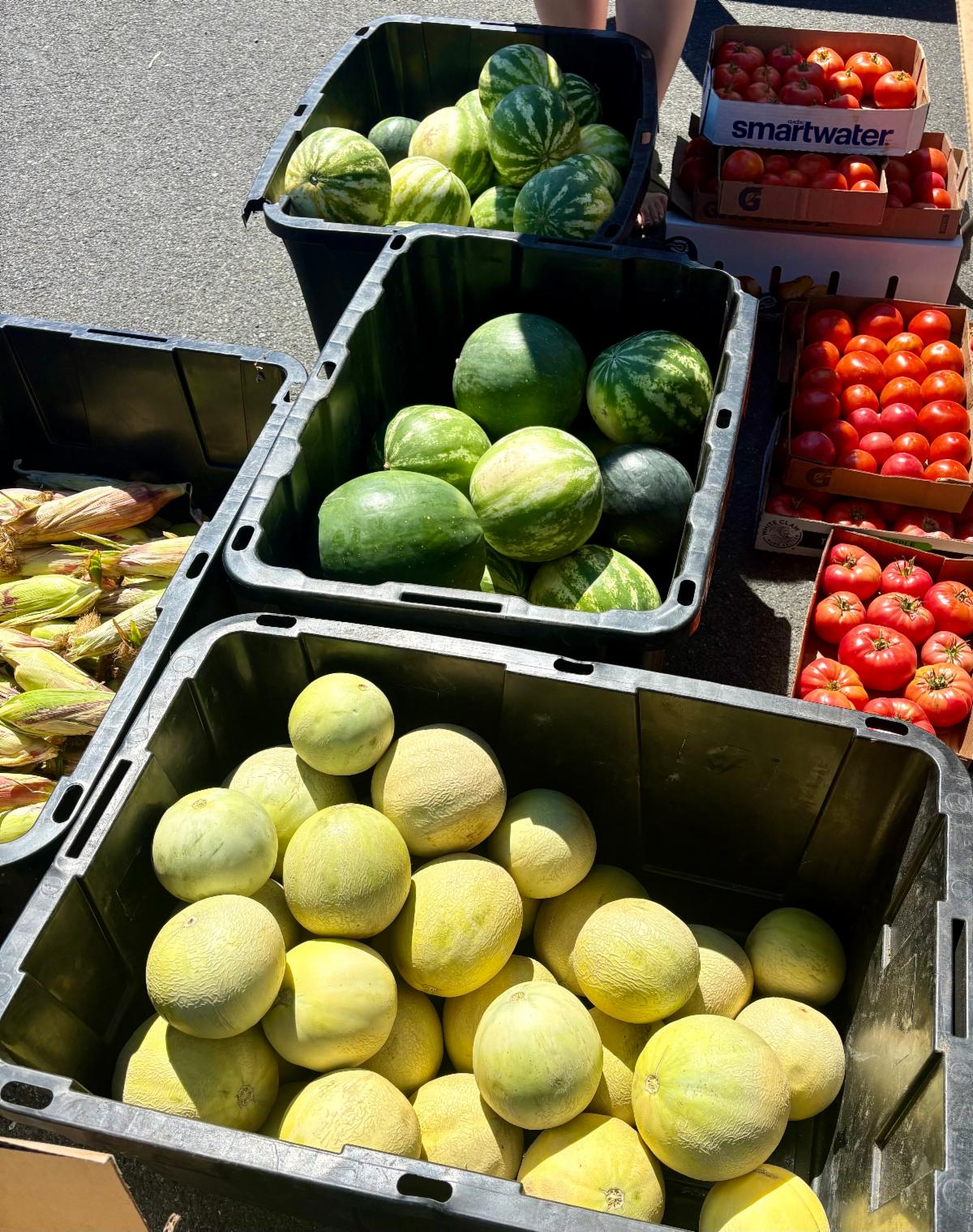
For KTRCD, fostering tribal food sovereignty meant creating and maintaining sustainable markets for farmers. Thus, the KTRCD Food Hub was born, allowing the district to purchase produce and meat directly from producers and redistribute it to the Hoopa Valley Tribal Community in northwest California.
“The Food Hub creates a stabilized, reliable market. We can grab hold of our farmers to keep them farming, especially during these challenging times,” said KTRCD District Coordinator Allie Hostler. “They know what we’ll buy and when we’ll buy it instead of struggling to compete with large-scale farms to access customers.”
In 2025, KTRCD purchased over $260,000 in products–mostly fresh produce and locally raised beef–ensuring producers in their community have a reliable and regular income.
Youth Livestock Project
While building and maintaining reliable markets, such as the Food Hub and a weekly farmers market, the KTRCD also invested in the education and training of current and upcoming local producers. They procured grants from the Native American Agriculture Fund (NAAF)—a charitable trust that invests in Native agriculture to empower Native and rural communities with knowledge, resources, and support to foster agricultural resilience and economic self-sufficiency—to create the Youth Livestock Project.
| |
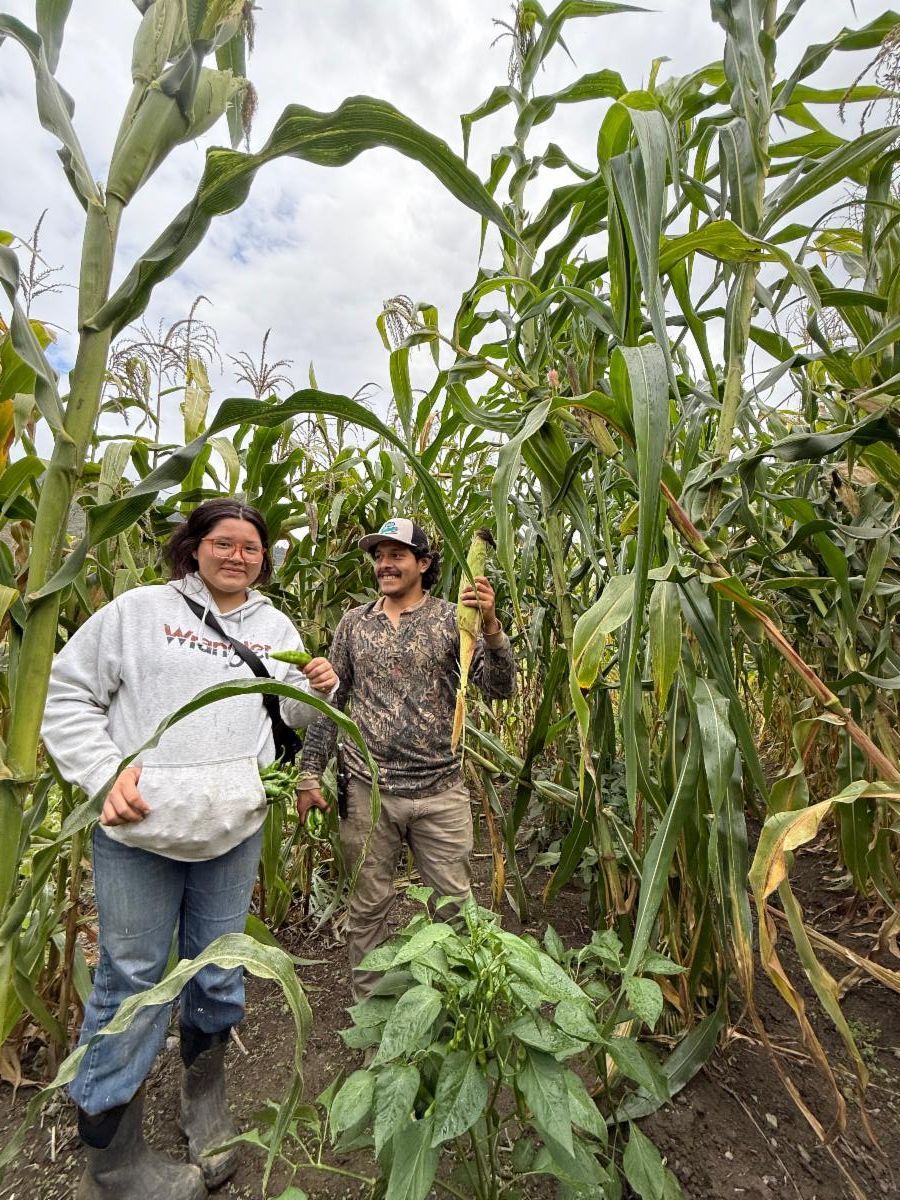
The Youth Livestock Project mentored ten individuals who were interested in raising livestock, such as cattle, hogs, and chickens. The youth in this group were mentored by local producers who taught them how to plan, care for, and feed their livestock of choice, all while keeping financial records to show their project’s success. The project helped implement a program similar to FFA models, which are less available to tribal families and rural areas.
“The Klamath Trinity Resource Conservation District continues to show what community-driven innovation looks like. Their Hoopa Youth Livestock Project is an investment in Tribal youth leadership, economic opportunity, and food sovereignty,” said NAAF CEO Toni Stanger-McLaughlin. “By helping young people build year-round livestock businesses and market their animals within the Hoopa Valley and surrounding communities, they are creating pathways for the next generation to thrive. NAAF is proud to support this work and the powerful future these youth are building with the resources provided to them by KTRCD.”
Learn more about KTRCD and read the full story on NACD's blog.
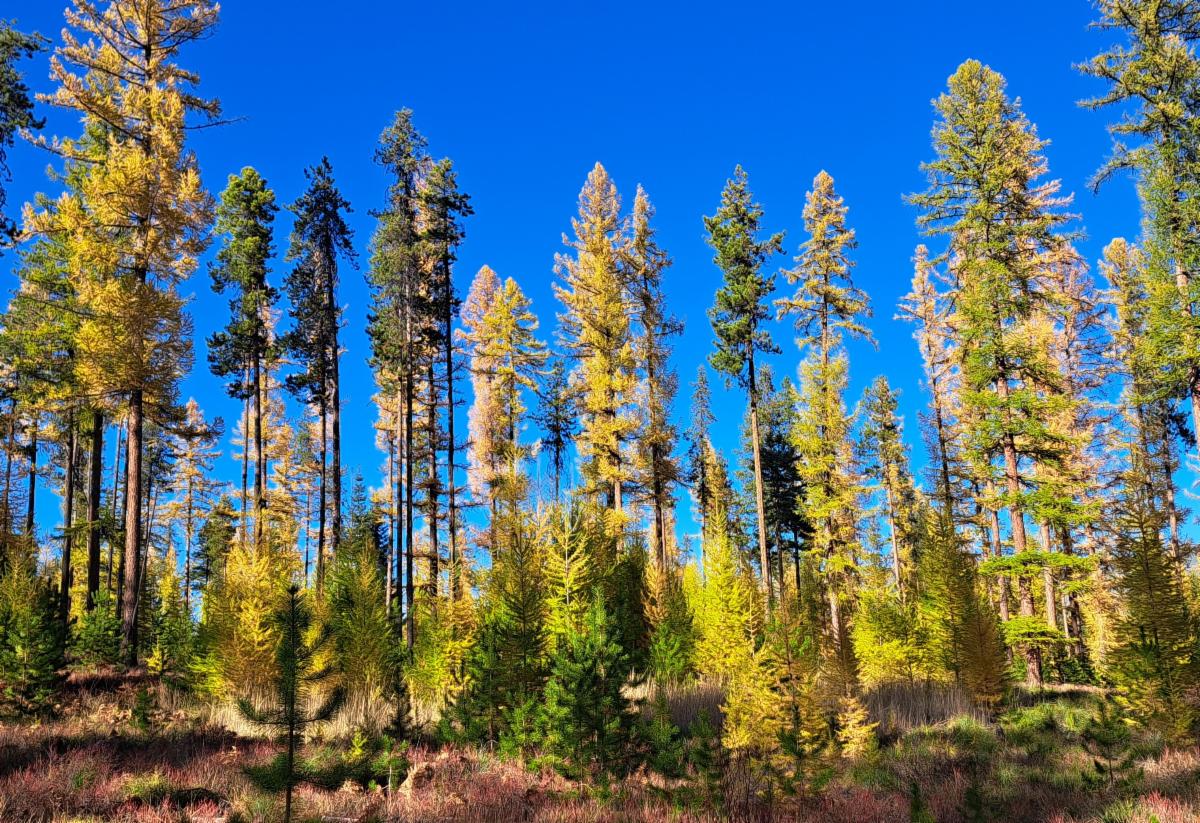
| LEADERS IN MONTANA RAISE THEIR VOICES FOR FORESTS | Across Montana, foresters, conservation districts, and local leaders are coming together to spark an important conversation about the future of the state’s forests. At the center of that discussion are two longtime foresters, Jim Simpson and Gordy Sanders, who launched the effort called “Which Montana Do You Want?” to raise awareness about the sharp decline in the state’s forest products industry and what that means for forest health, wildfire risk, and rural economies. | |
“Gordy and I are foresters, we know what proactive management of our forest looks like and how it can work with all other forest uses,” said Simpson. “We’re alarmed at the decline in the forest products industry, which is the tool we use to manage healthy forests.”
Since 1990, Montana has seen its large log-processing mills drop from 41 to just 6, a loss that mirrors the decline in harvest from federal lands. As a result, fewer local jobs, reduced capacity, and growing wildfire fuel have created both economic and ecological challenges.
To help raise awareness, Simpson and Sanders worked with Jim Petersen, Founder of the Evergreen Foundation, to develop a 24-page booklet called “Which Montana Do You Want?” that lays out the issue in plain terms.
Read the full story on NACD's blog.
| | NACD Closed for Thanksgiving | |
NACD will be closed this Thursday, November 27, in observance of Thanksgiving.
Thanks to the producers and conservation districts who help bring food to our tables and conserve our natural resources.
| Last Chance to Apply for a Friends of NACD Grant | |
Our Friends of NACD Grant application window closes on November 30 at midnight, but there’s still time to submit your proposal!
This grant program offers awards of up to $2,500, and it’s perfect for first-time applicants or districts that have an innovative project they have been trying to find support for.
Click here to read the request for proposals and view the complete eligibility requirements.
Send any questions to jackson-moody@nacdnet.org.
| Support NCF with a Donation to the Live Auction | |
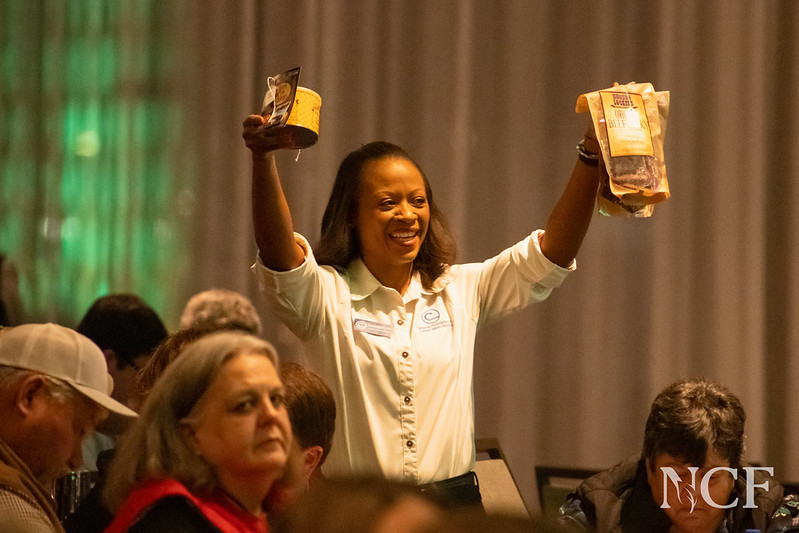
During the 2026 NACD Annual Meeting, NACD's sister organization, the National Conservation Foundation (NCF) will host their Live Auction on February 17 in support of the NCF-Envirothon program and the Next Generation Leadership Institute.
Individuals, conservation districts, and state associations are encouraged to donate unique items for the NCF Auction.
Items can feature local artists, a special product made only in your state or territory, or interesting items with a conservation theme. Popular items have included pottery, jewelry, and “made in” agriculture products.
Submit items at nationalconservationfoundation.org/auction.
The deadline for online donations is January 31, 2026. After that, donations will be accepted on-site in San Antonio.
| Conservation and Pest Management Webinar | |
Learn how to increase resource conservation through the adoption of Integrated Pest Management 595 conservation practice systems in a webinar on Wednesday, December 17, at 12:00 p.m. CT.
Integrated Pest Management (IPM) has substantial value in the Environmental Quality Incentives Program (EQIP) and other NRCS conservation programs to address resource concerns for plant health, water, air and biodiversity resources.
This webinar explains the basics of IPM that make it useful in resource conservation efforts. Using practical examples based on real world experiences, presenters describe how NRCS and conservation district staff, land grant scientists, Extension agents, and crop consultants can work together in supporting development and use of 595 pest management conservation systems.
Register for the webinar here.
| |
Thank you to everyone that has paid their membership dues for Fiscal Year 2026!
We rely heavily on your contributions to support our advocacy, education, and partnership activities.
If you are interested in contributing, we accept payments via check or online by credit card or bank draft.
Please reach out to us if you have questions about the best way to pay your dues.
In addition to supporting NACD, your dues enable you to access the tools on our Members Only webpage and apply for our Friends of NACD grants!
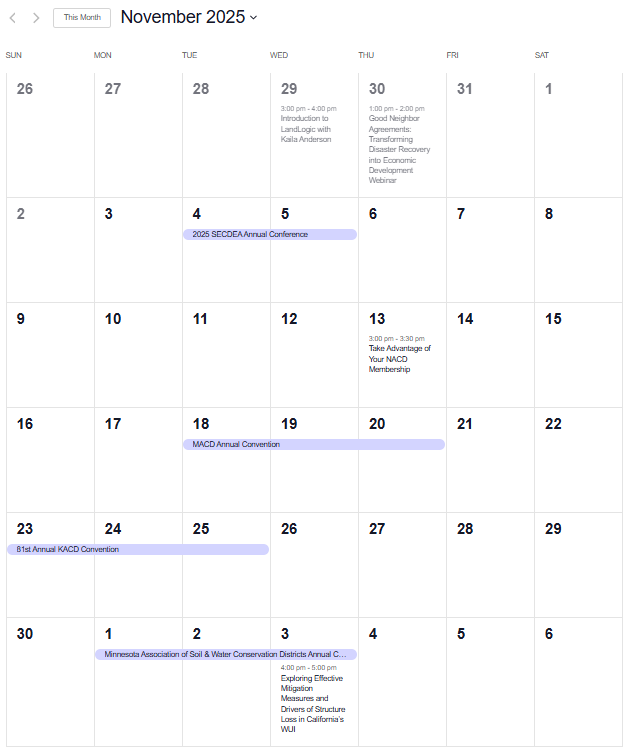
| Promote your conservation district or state association's tree sale, annual meeting, webinar, field day, or other events on NACD's Calendar of Events! | |