Replant, Refresh, and Keep Growing
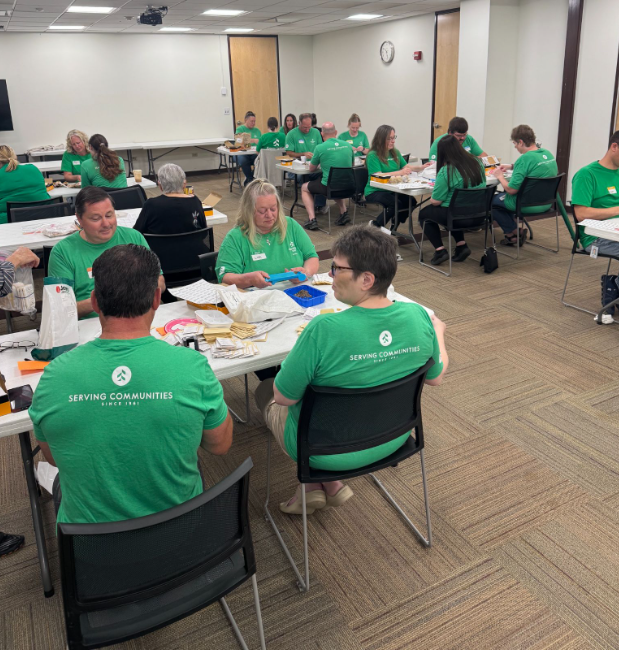
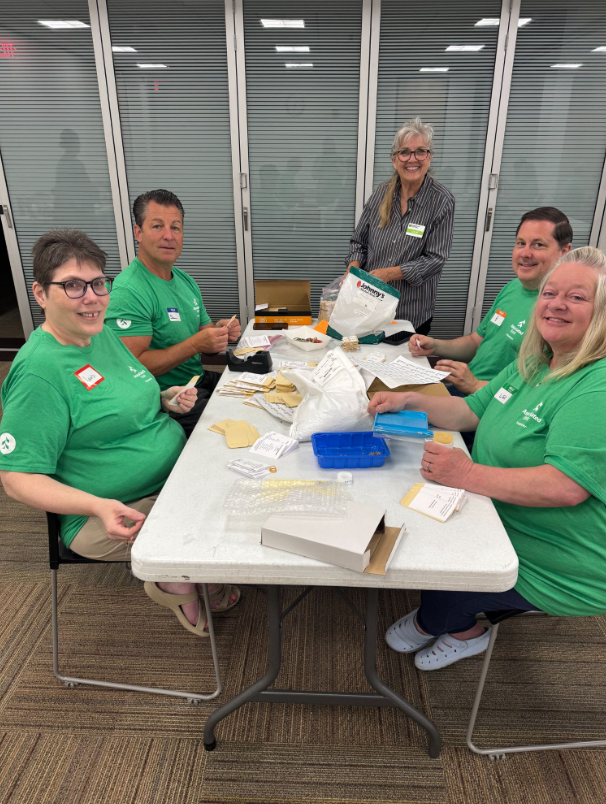
July offers plenty of opportunities in the garden, whether you're harvesting your crops or recovering from the recent storms. Thanks to the incredible volunteers from Associated Bank's Day of Service, we recently packed 4,214 seed envelopes and restocked the Brown County Seed Library. There's still plenty of time to sow many vegetables for a productive fall harvest. Be sure to check out this month's article highlighting BCSL seeds that can still be planted now and harvested before winter.
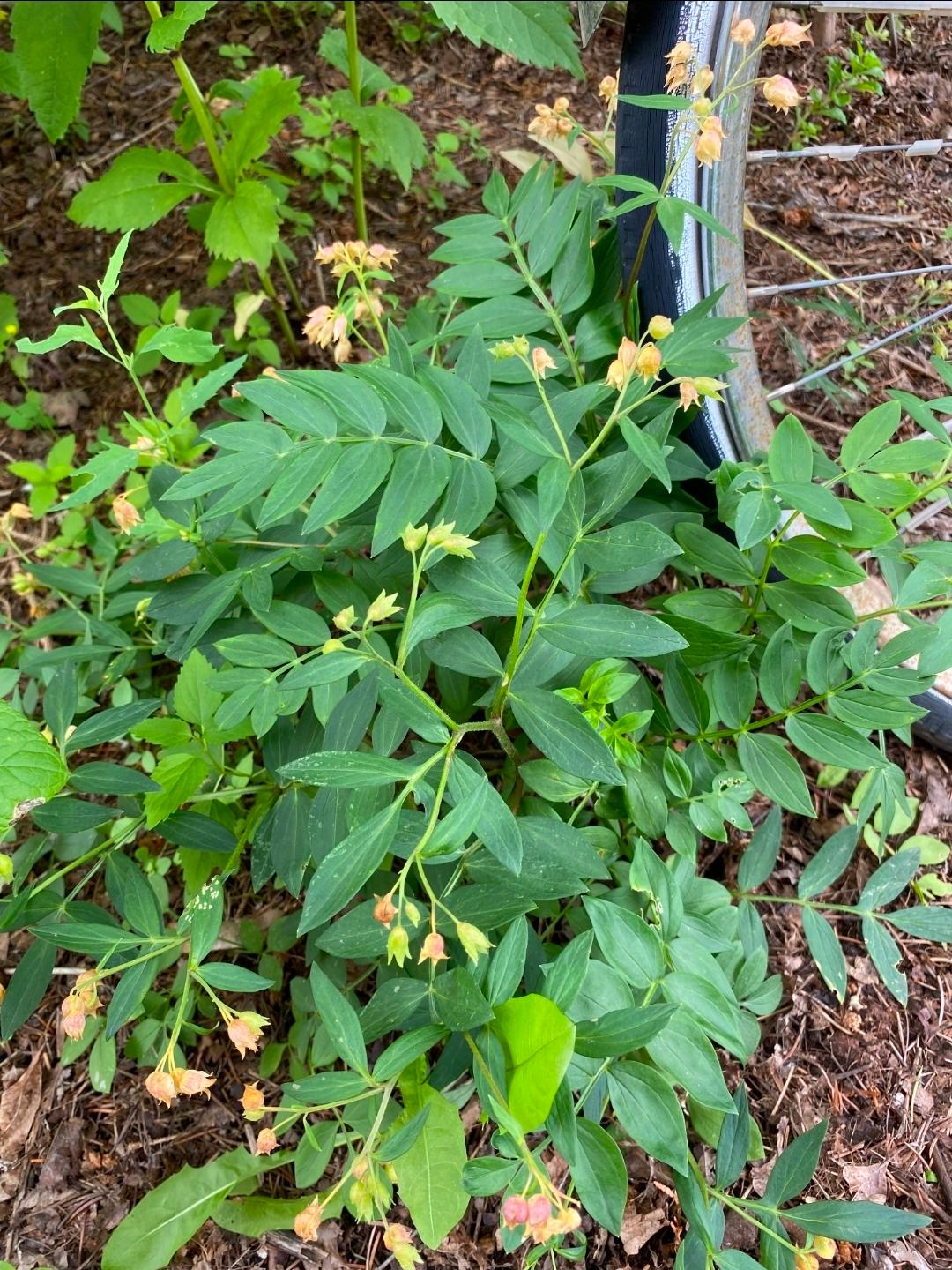
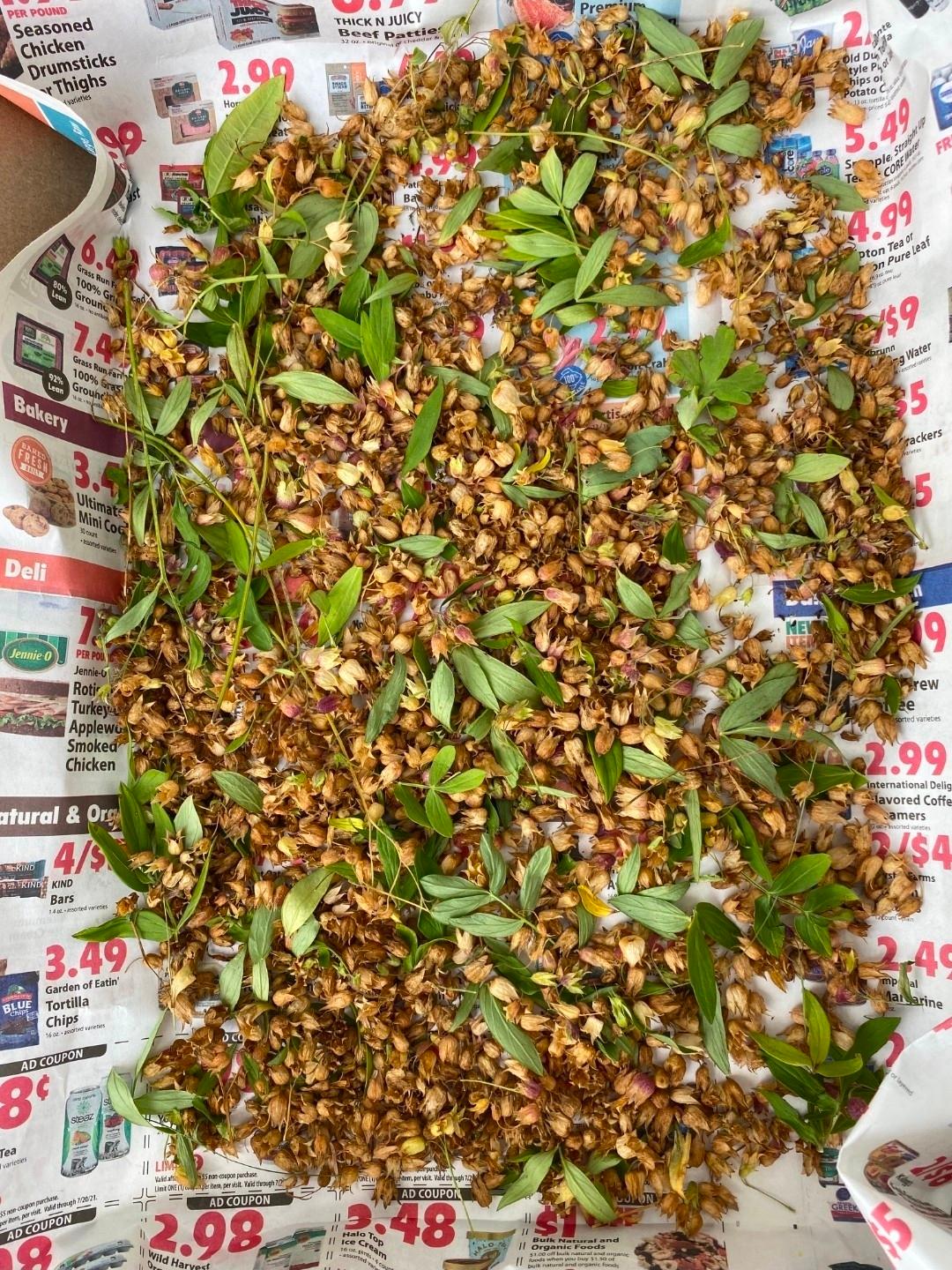
| | We also had a wonderful time at our Bumblebees, Butterflies & Friends event. It was exciting to see gardeners of all ages learning about Wisconsin's native pollinators and the plants they depend on. As we continue expanding our selection of native plants, we're hoping to add Jacob's Ladder, an important early-season bloomer, to the seed library next year. If you have Jacob's Ladder growing in your yard, now is the perfect time to collect seeds, and we'd greatly appreciate your donation. Harvesting note: If you wait for the seed heads to look dry, chances are the seed has already fallen. When the seed heads turn reddish, remove from the plant and lay on a flat box lid or screen to dry. | | Jacob's Ladder plant in seed | | Drying Jacob's Ladder seedheads | | |
Interested in learning more about how to save seeds? Join us for our Seed Saving Training on July 21 and discover how you can help grow locally adapted seed for our community.
Submitted by Melissa, N.E.W. Master Gardener
Jacob's Ladder Photos by Peggy, N.E.W. Master Gardener
| |
One Seed, One Community
Scarlet Runner Beans are our One Seed One Community selection this year. Here are some tips to ensure your plants thrive:
Trellising is Essential: Scarlet Runner Beans are pole beans, which means they require support to grow properly. A sturdy trellis is crucial for their vining nature. Ensure your trellis is set up early to guide their growth upward.
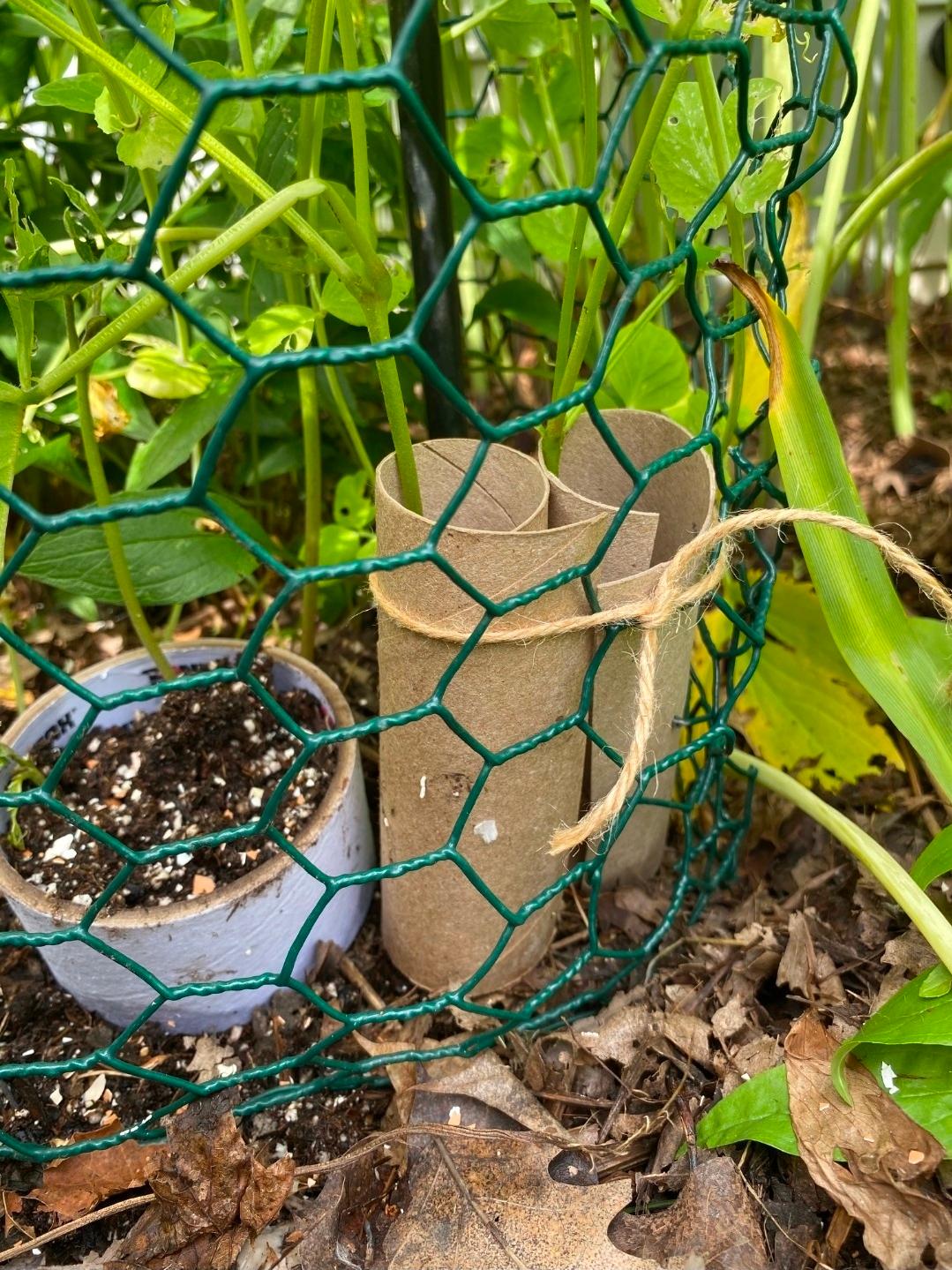
Protecting Against Slugs: Slugs are particularly fond of bean plants, but you can deter them with simple tricks. Sprinkling crushed eggshells around the base of your plants creates a sharp barrier that slugs avoid. Another method is using a protective paper tube. Plant beans in the ground with the tube sticking up. I forgot this year so I cut toilet paper tubes along the side and slipped them over the plant stems as seen in the photo. This barrier can help protect the young plants from further damage.
Watering Tips: Beans typically require little added fertilizer, but consistent watering is key. Use the "finger test" to check soil moisture: insert your finger about an inch into the ground. If it comes out with soil sticking to it, your soil is damp enough. If your finger comes out clean, it's time to water.
Guarding Against Japanese Beetles: If you notice Japanese beetles on your plants, a row cover or lightweight material can serve as protection. Cover the tops of the plants and don’t worry if they do not touch the ground, as these beetles fly onto plants rather than crawl up from the ground.
By following these tips, you can ensure your Scarlet Runner Beans grow strong and healthy, yielding a bountiful harvest of seeds.
Submitted by Peggy, N.E.W. Master Gardener
|
Hail Damage in the Garden?
Here's What to Do Next
Recent storms have left many Brown County gardens battered, but don't be too quick to pull damaged plants. Many vegetables can recover from hail if their growing points and stems remain healthy.
Wait 7–10 days before deciding whether a plant is beyond saving. During that time, monitor it for signs of fresh growth.
- Good chance of recovery: New leaves begin emerging, the stem remains firm, and the plant stays upright.
- Probably won't recover: The stem becomes limp, mushy, or turns brown, especially near the base. Plants with broken stems or destroyed growing points are unlikely to survive.
If a plant shows no signs of new growth after 7–10 days, it's usually best to remove it and replant.
Fortunately, it's not too late. July is an excellent time to fill empty spaces in the garden. Whether you're replacing plants lost to hail or succession planting after harvesting early-season crops, many vegetables still have plenty of time to mature before our average first hard frost in mid October.
The following crops can be planted now for a late summer or fall harvest:
- Peas (Green Arrow and Dwarf Sugar Gray) – Sow through early to mid-August. These varieties can tolerate light frost and may continue producing into fall.
- Carrots (Tendersweet and Cosmic Purple) – Sow through mid-July. The roots can remain in the ground and be harvested after frost as long as the soil isn't frozen.
- Lettuce (Brown County Mix) – Sow every two weeks through mid-August for a continuous supply of fresh salad greens.
- Radishes (French Breakfast) – Sow every 2 weeks during cool weather windows in spring and again in late summer (typically through mid-September). Matures quickly and tolerates light frost.
- Spinach (Bloomsdale Long and Viroflay) – Sow every two weeks through mid-September for delicious fall harvests.
- Beets (Golden Detroit and Chioggia) – Sow through mid-July. Beets tolerate light frost, and cooler temperatures often improve their flavor.
- Cilantro (Slobolt) – Sow every two weeks through late August. Cilantro thrives in the cooler temperatures of late summer and fall.
- Kale (Lacinato and Red Russian) – Sow through mid- to late July for a productive fall harvest. Kale thrives in cool weather, and its flavor becomes sweeter after a light frost.
- Rutabaga (Laurentian) – Sow from early to mid-July for a flavorful fall crop. Rutabagas develop their best flavor after cool weather and can remain in the garden until after a light frost.
- Cabbage (Golden Acre and Mammoth Red Rock) – Sow or transplant in mid-July for a fall harvest. Cabbage becomes sweeter after a light frost.
| | |
If you're replanting after storm damage, keep the soil evenly moist to encourage germination and consider adding a light layer of mulch to help retain moisture during the heat of summer.
Storms can be discouraging, but they're rarely the end of the gardening season. A little patience, followed by timely replanting where needed, can still provide a productive harvest well into fall.
Submitted by Melissa, N.E.W. Master Gardener
| |
|
What To Do When Mother Nature Sends You A Summer Heatwave
Summer heatwaves can be taxing on both gardeners and their beloved plants. When Mother Nature turns up the heat, providing relief for your garden can be critical for maintaining health and vitality.
There are some easy, effective, fairly inexpensive ways to protect your plants from the scorching, hot summer sun. Shade Cloth! Here is a guide on how to add shade to your garden and which plants will benefit from a little extra protection.
What is Shade Cloth?
Shade cloth is a fabric designed to reduce the amount of sunlight that reaches your plants, like an umbrella effect. It comes in various densities, typically ranging from 30% to 90% shade factor, allowing you to choose the level of protection your garden needs.
How to Use Shade Cloth in Your Garden
1. Assess Your Garden’s Needs: Determine which areas of your garden are most exposed to sunlight and which plants are struggling with the heat.
2. Choose the Right Shade Cloth: Select a shade cloth with an appropriate density. For most vegetable gardens, 30% to 50% shade cloth works well. For more delicate plants, such as ferns or certain flowers, consider a higher shade factor, 50% to 75%, depending on the heatwave Mother Nature has thrown at you.
3. Install the Shade Cloth:
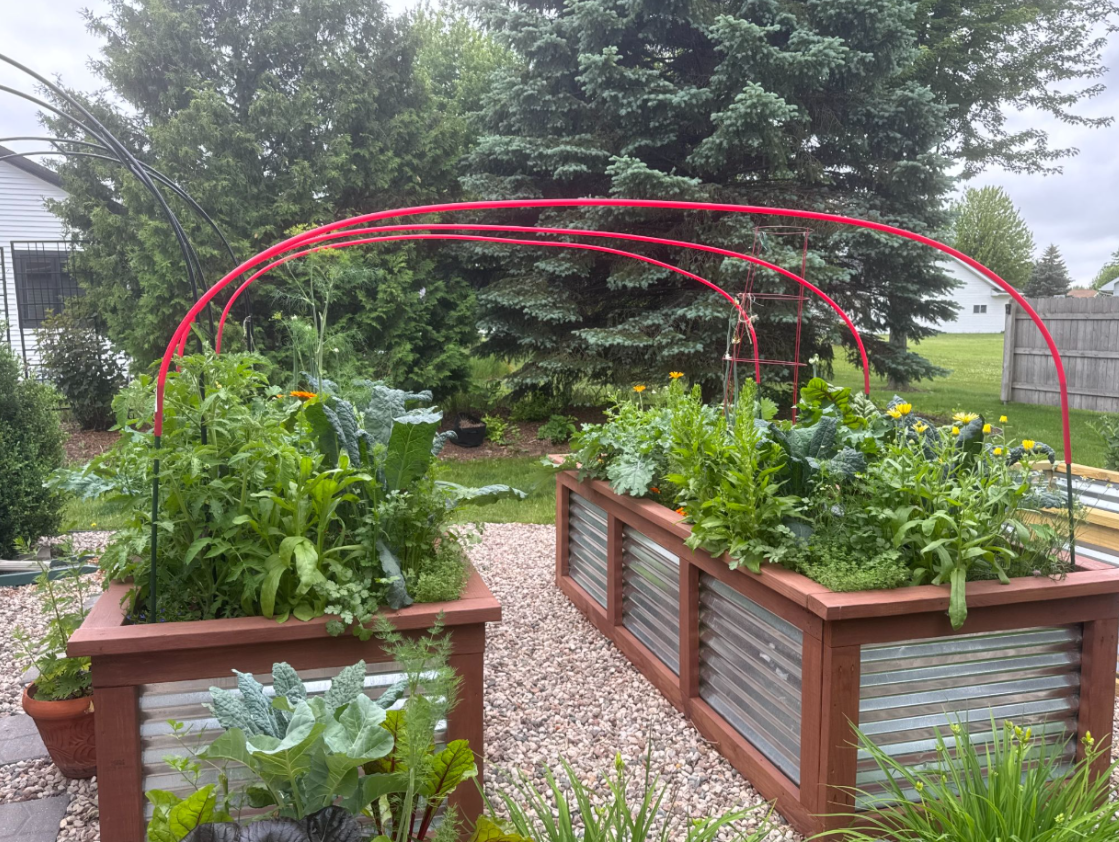
- Frame Setup: Construct a simple framework using wood, PVC piping, PEX tubing, or Hula hoops to suspend the shade cloth above your plants. Ensure the structure is sturdy enough to withstand wind.
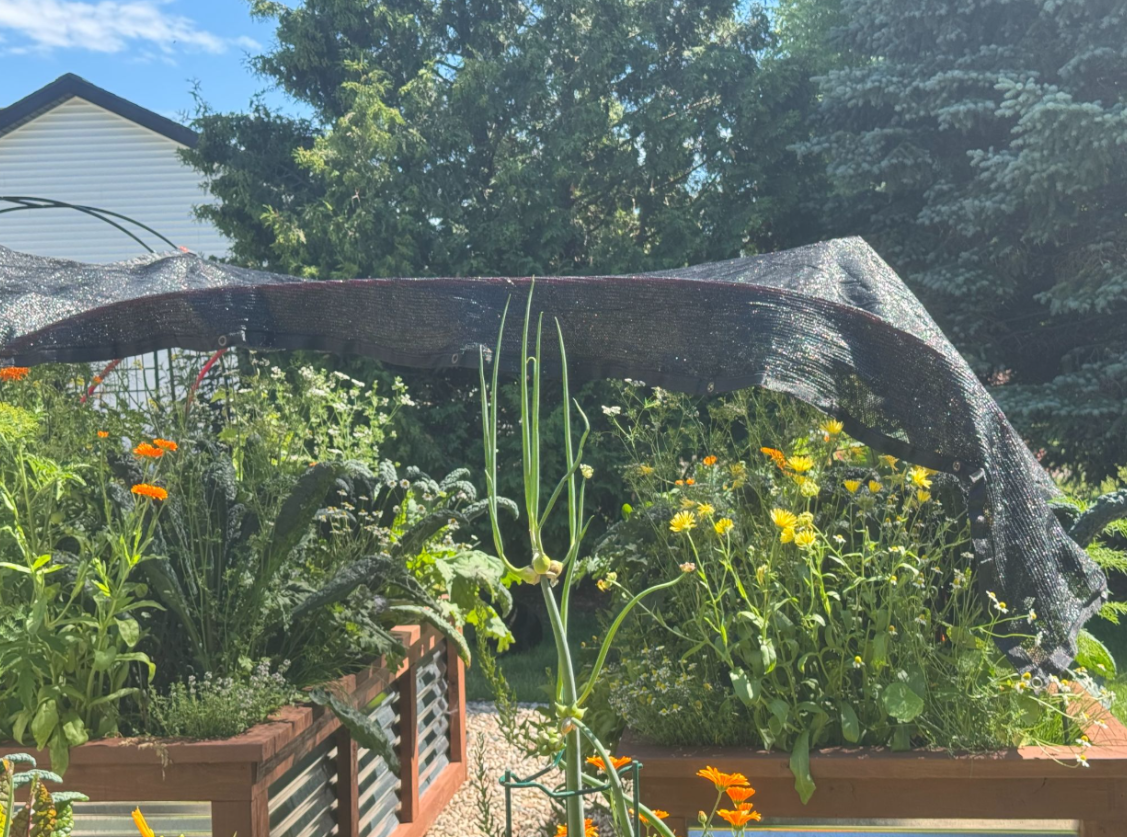
- Direct Covering: For smaller areas, directly drape the shade cloth over plants, using stakes, tomato cages or wood to keep the cloth from weighting down plants. Secure the cloth with stakes, clips or hand clamps. Ensure there is enough airflow to prevent overheating.
4. Monitor and Adjust: Regularly check your plants to see how they react to the shade. Adjust the cloth’s position or density if necessary to optimize protection with plant growth.
Note: I have a small area (my leafy greens) where I use 40% shade cloth. I will remove the cloth on cooler or cloudy days. It stores well in the winter for use years to come.
Plants that Benefit from Shade
Leafy Greens: Lettuce, spinach, kale, and arugula can quickly wilt under intense sunlight. Shade cloth helps keep them crisp and vibrant for a longer growing season.
Brassicas: Broccoli, cauliflower, and cabbage thrive with some shade, as it prevents bolting and helps maintain quality.
Herbs: Basil, cilantro, and parsley benefit from the cooler temperatures provided by the shade cloth, which helps them retain their delicate flavors.
Flowers: Shade loving flowers such as begonias, impatiens, and hostas will flourish under the protection of shade cloth, maintaining their colorful blooms.
By using shade cloth effectively, you can ensure your garden remains healthy and productive even during the hottest days of summer. As a bonus, shade cloth not only protects your plants, but it also conserves water by reducing evaporation, making it a sustainable choice for gardeners looking to beat the heat.
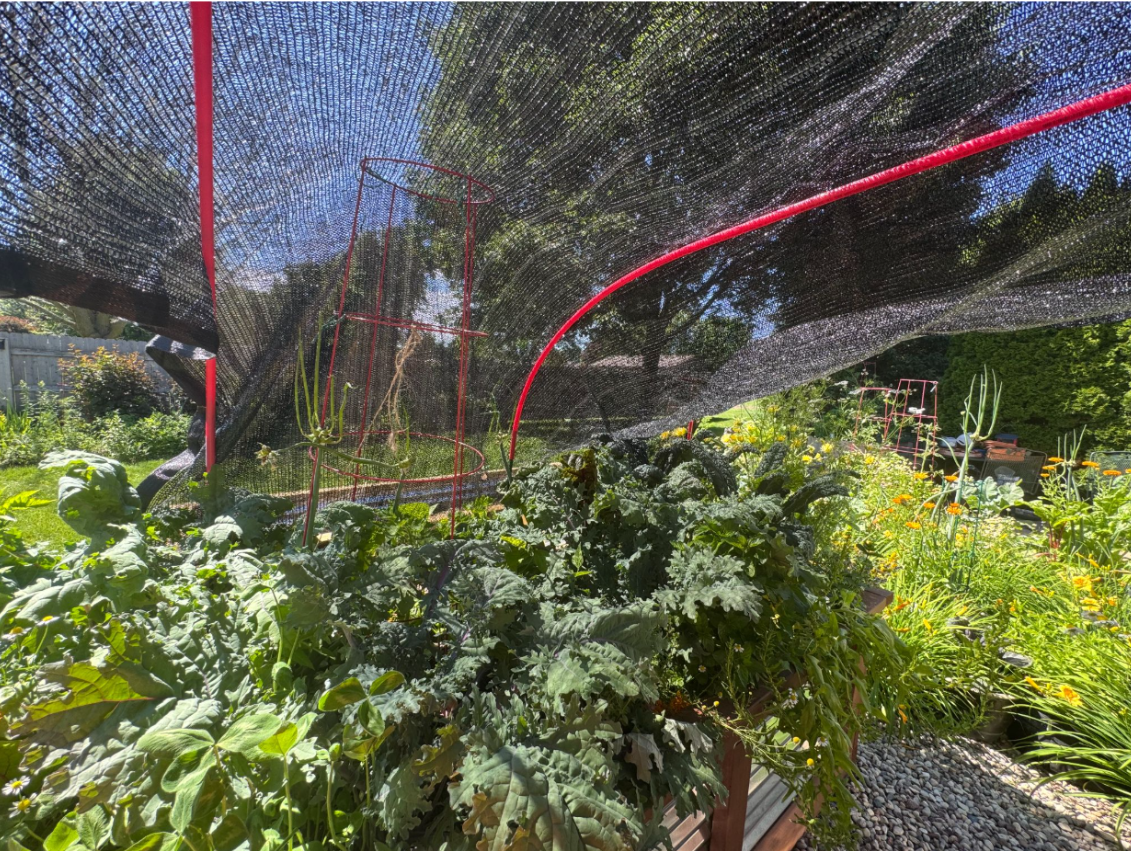
In my raised garden beds, I place regular garden stakes (available at box stores) at intervals, place end of PEX tubing (comes in sections of 10’ – box store) over the garden stake (make sure the diameter of the tubing will fit over your garden stake) like creating a “covered wagon” frame. Place the cloth over the tubing, clamping with plastic hand clamps where needed.
Watching the weather forecast, determines when the shade cloth is removed. I can enjoy my leafy greens, herbs and brassicas all through the summer and into the fall without having to replant, thanks to my 40% shade cloth.
Submitted by Janie, N.E.W. Master Gardener
| |
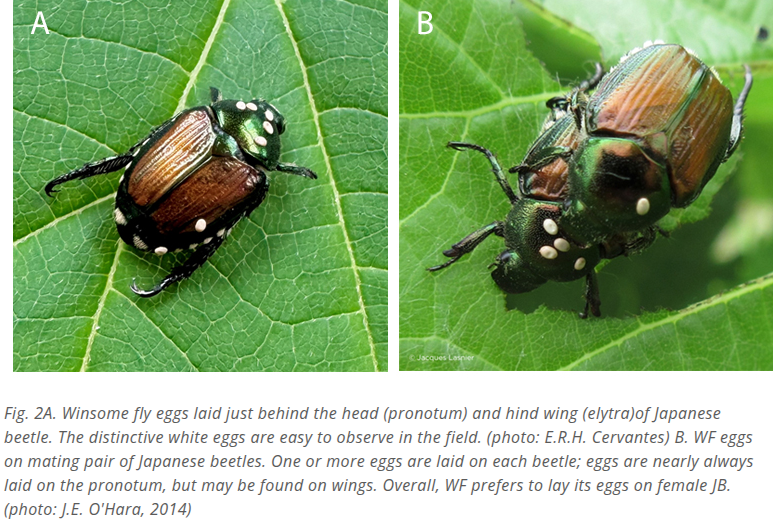
Keep an Eye Out for the Winsome Fly!
Japanese beetles are beginning to appear in gardens, but so might one of their natural enemies—the Winsome Fly (Istocheta aldrichi). This tiny beneficial fly lays a small white egg on the head or wing cover of an adult Japanese beetle. The developing larva eventually kills the beetle, helping reduce future populations.
Entomologist PJ Liesch is interested in learning whether the Winsome Fly has established itself in Brown County. As you're checking your garden, watch for Japanese beetles with tiny white eggs attached to them. If you spot one, take a photo and send it to PJ at pliesch@wisc.edu or upload your observation to iNaturalist. Your observations can help track this beneficial insect and contribute to community science.
Submitted by Melissa, N.E.W. Master Gardener
| | |
Calendar of Local Garden Related Events:
July 7, 9:30am - 10:30am (free for members, $ for non members)
Guided Tree Walks
Green Bay Botanical Garden, 2600 Larsen Rd
July 7, 6pm - 7pm (free)
Wild Ones Yard Tour: Will Dickerson
Military Ave Business District, 425 Military Ave, Green Bay
July 13, 5pm - 7pm (free)
Locktender Open House
100 William St, De Pere
(walk along the trail until you get to the Locktender House)
July 14, 10am - 11am (free)
The Magic of Seeds and Sprouts
Brown County Central Library, 515 Pine St, Green Bay
July 14, 6pm - 7pm (free)
Wild Ones Yard Tour: Mahon Creek neighborhood
2280 Nicolet Dr, Green Bay
July 15, 1:30pm - 2:30pm (free)
Ask Your Gardening Question: LIVE
Virtual, UW Extension
July 18, 9am - 3pm ($)
4th Annual Garden Walk by The Gardeners Club of Green Bay
Allouez, DePere and Green Bay
July 21, 5:30pm - 7:30pm (free)
Grassroots in the Garden Growing Community: Summer Maintenance
Seymour Park, 330 South Oakland Ave, Green Bay
July 21, 6pm - 7:30pm (free)
Saving Seeds: Why and How
Brown County Central Library, 515 Pine St, Green Bay
July 21 through September 29, 6pm - 7:30pm (free)
Tuesday Evenings in the Garden
Brown County Central Library, 515 Pine St, Green Bay
July 22, 6pm - 7pm (free)
How to Talk to Your Neighbors (and Your HOA) About Your Garden
Virtual, Wild Ones
July 22, 6pm - 8pm ($)
Intro to Foraging in an Urban Environment
Green Bay Botanical Garden, 2600 Larsen Rd
July 22, 6:30pm - 8:30pm (free)
2026 PDDC Plant Disease Talks - Evil Twins: Plant Disease Look-Alikes
Virtual, UW Extension
July 26, 11am - 1pm ($)
Intentional Wildcrafting: Herbal Tea
Paul Hartman Prairie, 4677 Co Rd JJ, Green Bay
July 29, 6pm - 7pm (free)
Tour of the nonpublic spaces and test gardens at GBBG with Mark Konlock, Director of Horticulture
A Gardeners Club of Green Bay Meeting
2600 Larsen Rd, Green Bay
August 1, 9am - 1pm ($)
Food Sovereignty and the Environment Roundtable
1641 Commanche Ave, Green Bay
August 4, 9:30am - 10:30am (free for members, $ for non members)
Guided Tree Walks
Green Bay Botanical Garden, 2600 Larsen Rd
August 15, 8:30am - 11:30am (free)
Grassroots in the Garden: Harvest & Maintenance
Seymour Park, 330 South Oakland Ave, Green Bay
August 18, 6pm - 7:15pm (free)
Growing & Maintaining Daylilies in Northeast Wisconsin
Brown County Central Library, 515 Pine St, Green Bay
August 19 - 23 ($)
Brown County Fair
Brown County Fairgrounds, 1500 Fort Howard Ave, De Pere
August 19, 1:30pm - 2:30pm (free)
Ask Your Gardening Question: LIVE
Virtual, UW Extension
August 19, 6pm - 7pm (free)
The Ecology of Home: Creating Habitat That Works
Virtual, Wild Ones
August 26, 6:30pm - 8:30pm (free)
2026 PDDC Plant Disease Talks - Hosta Diseases
Virtual, UW Extension
| |
For Kids!
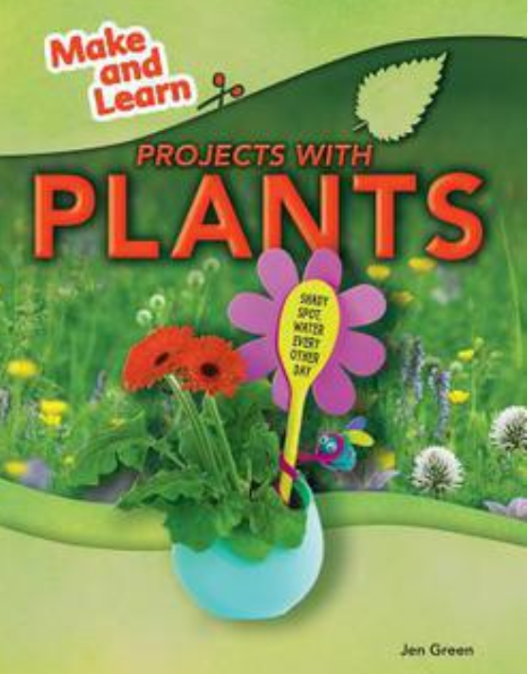
Projects with Plants
by Jen Green
Format: book; recommended for ages 8-11 with adult supervision
Projects with Plants is an engaging book for youth and their adults to discover the world of plants together.
Each section of the book begins with an introduction, quick facts, and a quiz (answers included in later pages of the book) to get makers thinking about the life of the materials used for their corresponding project. Each project can be completed in 4 steps.
Equipped with a glossary and a reference page for further reading, this is sure to facilitate an enjoyable project learning experience for kids!
| |
For Adults
Easy Ikebana:
30 beautiful flower arrangements you can make in three simple steps
by Shinichi Nagatsuka
format: ebook
Easy Ikebana is a recipe book for floral arranging! First readers learn about essential tools, vessels for arrangements, and cut flower care. Approximately 18 flowers are highlighted with information about how their attributes are ideal for flower arrangements. Then there are more than 30 recipes for various arrangement patterns. This is an easy to use guide with simple images and lots of step-by-step instructions to refresh floral ideas for the seasoned florist among us and a great guide for someone who is just getting started.
Submitted by Jennifer, N.E.W. Master Gardener
|
Growing French Breakfast Radish in WI
French Breakfast radish is a classic heirloom with elongated roots, red tops and white tips, and a crisp, mildly sweet flavor. It is a fast, cool-season annual crop that matures in about 28 days.
Sowing: Direct sow as soon as soil can be worked in spring, every 1–2 weeks through June, then again from mid-August through mid-September for a fall harvest. Avoid peak summer heat.
Depth: Sow seeds ¼ inch deep.
Spacing: Space plants 2 inches apart in rows 8–12 inches apart.
Sunlight: Full sun is best. Radishes grow best at 50–75°F and are frost hardy. During warm weather, light shade or 30–40% shade cloth can help delay bolting.
Soil & Water: Grow in loose, well-drained soil and keep it evenly moist for the best root quality.
Germination: 3–6 days.
Maturity: About 28 days. Harvest roots at 1½–2 inches for the best flavor.
Pollination and Seed Notes
French Breakfast radish (Raphanus sativus) is insect-pollinated and will readily cross with other radish varieties flowering at the same time. The Seed Savers Exchange recommends isolating different radish varieties by 800 feet to ½ mile to maintain varietal purity. Radishes may also cross with wild radish (Raphanus raphanistrum) if present nearby, so isolation is especially important where wild populations occur.
Because radish is an annual crop, it will flower and set seed in the same growing season if allowed to bolt.
Using French Breakfast Radish in the Kitchen
French Breakfast radishes are best eaten fresh—sliced in salads, on buttered bread, or as a crisp snack. The greens are also edible and can be sautéed or added to soups.
If plants bolt, the young green seed pods are also edible. Harvest them while tender for a crisp, peppery addition to salads, stir-fries, or fresh snacking. They become more mild when cooked.
Store harvested roots unwashed in the refrigerator for short-term use.
Submitted by Melissa, N.E.W. Master Gardener
| |
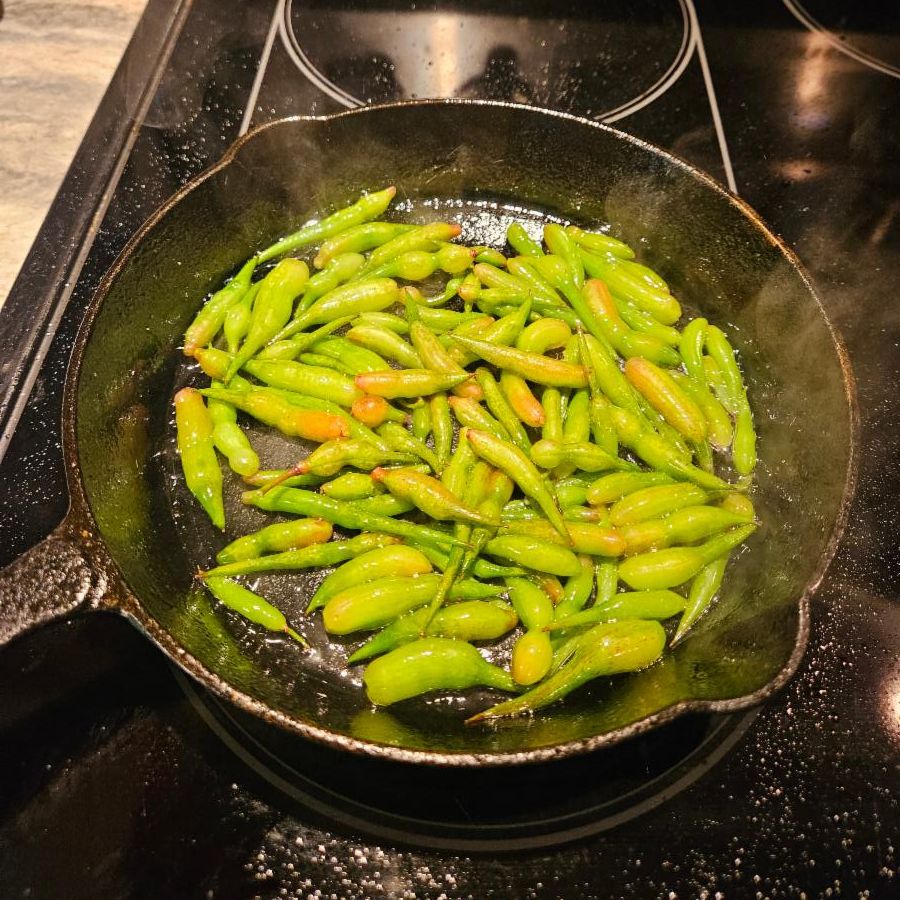
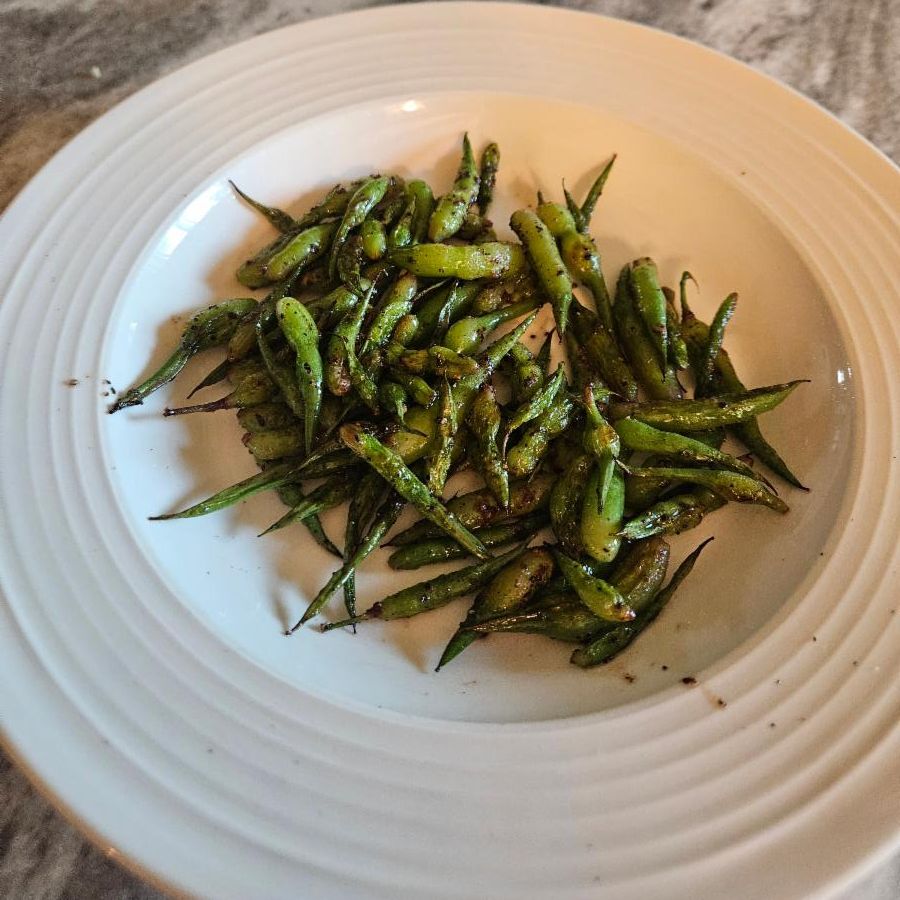
Blistered Radish Pods
Ingredients
- 1 cup fresh radish pods, stems removed
- 1 tablespoon cooking oil or other cooking fat
- Seasoned salt or your favorite seasoning blend
Directions
- Heat a skillet over medium-high heat until hot.
- Add the oil and heat until it shimmers.
- Add the radish pods and sauté for 2–4 minutes, stirring occasionally, until they begin to blister. Be careful not to overcook them, as they quickly become soft.
- Season with seasoned salt or your favorite spice blend. Ground sumac, along with a pinch of salt and pepper, is especially delicious.
Serving Suggestion
Blistered radish pods have a mild flavor and tender-crisp texture similar to asparagus. Enjoy them as a simple side dish, or use them as a garnish for grain bowls, tacos, salads, or fajita bowls.
Submitted by Melissa, N.E.W. Master Gardener
| |
|
Support the BCSL!
We are entirely supported by grants, donations and volunteers! If you are interested, there are many ways to support the BCSL.
*You can become a Seed Steward and support the library by growing out seeds from our core list to donate. We will accept seed donations by anyone who would like to donate, seeds can be dropped off at the STEM center or at the Central library.
*You can volunteer to sort and pack seeds. Opportunities will be posted on the New Leaf Foods Calendar of Events and included in our newsletters.
*You can make a monetary donation through our Fiscal Agent, New Leaf Foods. Click here to donate.
*You can visit our Amazon Wish List, which has basic packing supplies that we utilize for preparing our seeds for distribution. Click here to access the wishlist.
| | This newsletter is brought to you by: | | |
With assistance from AI technology
Disclaimer:
Although brand names of products are mentioned in this newsletter, NEWMG and BCL do not endorse any particular brands. These mentions reflect individual experiences and should not be interpreted as endorsements or recommendations.
| | | | |