May 2026 Newsletter

As the Days Grow Longer


April was full of learning, connection, and early signs of the season ahead. We were thrilled to welcome so many participants—both in person and online—to our two hybrid educational programs, Bountiful Branches and Beneficial Backyard Bugs. The enthusiastic participation and thoughtful feedback confirmed that offering programs in multiple formats helps make Seed Library education more accessible, and it’s something we hope to continue expanding.


May always feels like a turning point. The days continue to lengthen, gardens begin to wake up in earnest, and the energy of the growing season is all around us. As many gardeners prepare to plant, attention also turns to the calendar: according to the Farmers’ Almanac, the estimated last frost date for the Green Bay area is May 13. Because frost dates are based on historical averages, they’re best viewed as a guide rather than a guarantee. It’s always wise to monitor the forecast and be prepared to protect tender seedlings by covering them—or bringing them indoors—if frost threatens.


This month we’re focusing on how observation and knowledge help gardeners make informed choices that lead to healthier, more resilient gardens. From companion planting strategies and deer-resistant gardening approaches to preventing the spread of invasive species, small actions can strengthen both home landscapes and local ecosystems. In this issue, you’ll find several relevant book reviews, information on sharing plants safely to help prevent jumping worm spread, and a citizen science request from the Wisconsin Bug Guy, PJ Liesch. We also have several exciting learning opportunities coming up, along with our annual Seedling Swap.


Thank you for growing and learning with us!


Submitted by Melissa, N.E.W. Master Gardener

Community Science Request:

Have You Seen the Winsome Fly?


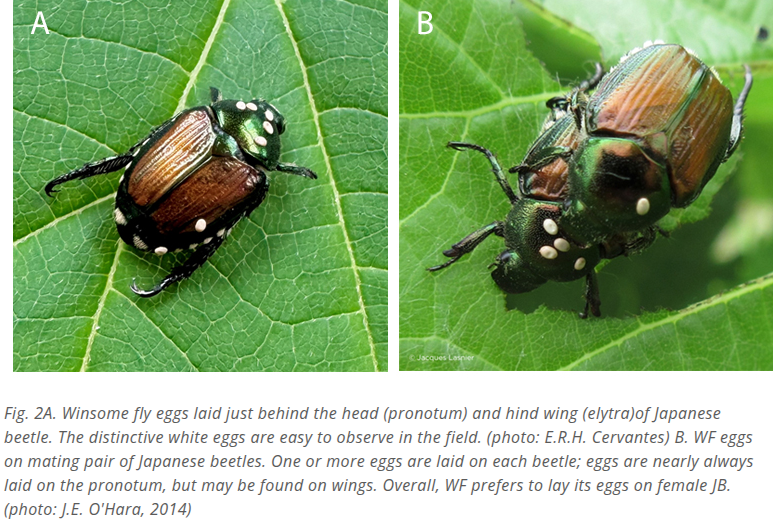
During our Beneficial Backyard Bugs talk, entomologist PJ Liesch introduced us to the Winsome Fly (Istocheta aldrichi), a tiny but important beneficial insect that parasitizes Japanese beetles. To learn more about this fascinating biocontrol agent, you can read a detailed article from the University of Minnesota here. To learn about the Winsome Fly in Wisconsin, here is an article from the WI DNR.


PJ has shared that, to his knowledge, there have not yet been confirmed sightings of the Winsome Fly in Brown County or the immediate surrounding area, though the species may be present but not yet formally documented. It has been recorded in both the Marquette, Michigan area and the Chicago, Illinois region, leading PJ to suspect there may be a low-level presence in between that has simply not yet been observed.


PJ is very interested in reports of Winsome Fly activity in our region and is asking for our help. One way to spot possible presence is by looking for tiny white eggs on the heads or wings of Japanese beetles. If you observe this, please take photos and share your findings with PJ at pliesch@wisc.edu or consider uploading to iNaturalist.


Another helpful resource for those interested in tracking this species is the Midwest Winsome Fly survey project led by Dr. Bill Hutchinson at the University of Minnesota, available here:

https://www.inaturalist.org/projects/midwest-winsome-fly-survey


Helping track beneficial insects is one small but meaningful way gardeners can contribute to community science and improve our understanding of local ecosystems. With the challenges Japanese beetles create in our gardens each season, the Winsome Fly is a welcome beneficial insect to keep an eye out for.


Submitted by Melissa, N.E.W. Master Gardener

Habitat Gardening Challenge


Looking for simple ways to support pollinators, build habitat, and garden with nature? Consider joining the free Less Lawn More Life Challenge, a 12-week nationwide program starting May 7 that offers practical weekly actions to help transform outdoor spaces into healthier ecosystems. Participants can join a free kickoff event with Robin Wall Kimmerer and receive expert guidance all season long. Learn more and register at lesslawnmorelife.com.


Book Review 


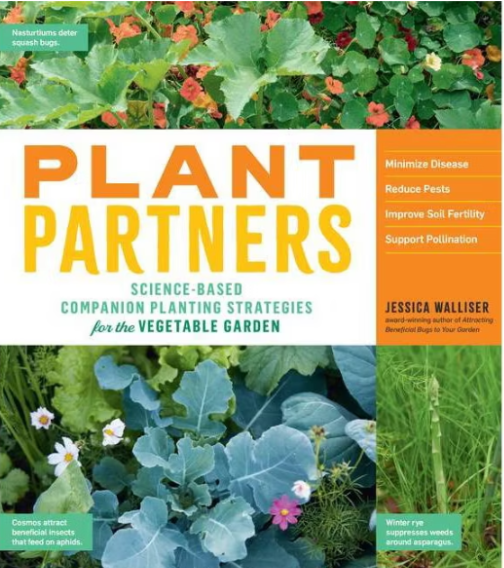
Plant Partners: 

Science-based companion planting strategies for the vegetable garden 

by Jessica Walliser

format: book, ebook


Plant Partners: Science-based companion planting strategies for the vegetable garden is written by Jessica Walliser, a horticulturalist and garden educator based in Pittsburgh, PA. She is taking growers’ long history of companion planting and backing it with research about the science behind successful companion planting. Each chapter outlines and/or addresses a specific strategy. It provides scientific explanation, background information, and instructions for accomplishing what is intended of that strategy. Plant Partners will likely inspire you to try some of these techniques and further connect you to the ecosystem thriving within your garden plot. 

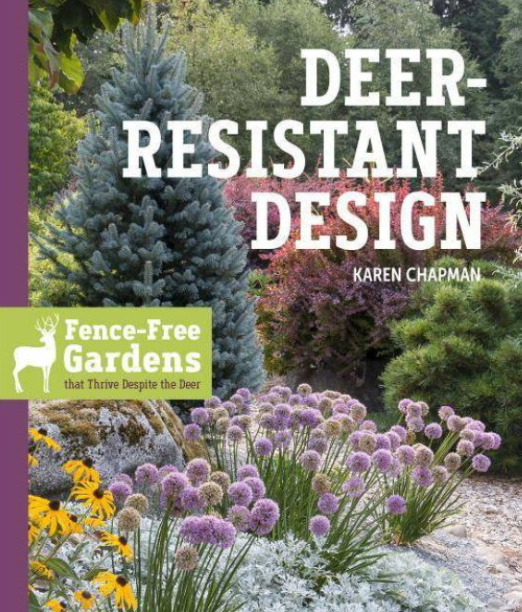
Deer-Resistant Design: Fence free gardens that thrive despite the deer

by Karen Chapman

format: book, ebook


Could this title be more appropriate for our region and this season as our gardens bud and sprout? Karen Chapman composes this book, writing from her own experience as a gardener. Employing the Rutgers New Jersey Agricultural Experiment Station (NJAES) rating system as well as local experts, Chapman suggests plants and designs for creating the most deer-resistant landscape possible. Each chapter features a distinct design theme (Collector’s, Storyteller’s, Confetti, etc.) in varying growing zones which are identified on the chapter’s first page. Readers must keep in mind how our differing growing zones may impact the success of Chapman’s strategies when tried in our region. Filled with beautiful photos and design graphics, readers are sure to be heartened that if anything, we can at least live in connection with our local fauna!


Other titles on this topic: 

The Naturally Bug-Free Garden: Controlly pests without chemicals by Anna Hess

Humane Critter Control: The guide to natural, nontoxic pest solutions to protect your yard and garden by Theresa Rooney

Garden Problem Solver by Rosemary Ward


Submitted by Jennifer, N.E.W. Master Gardener

Coming Up: Annual Seedling Swap


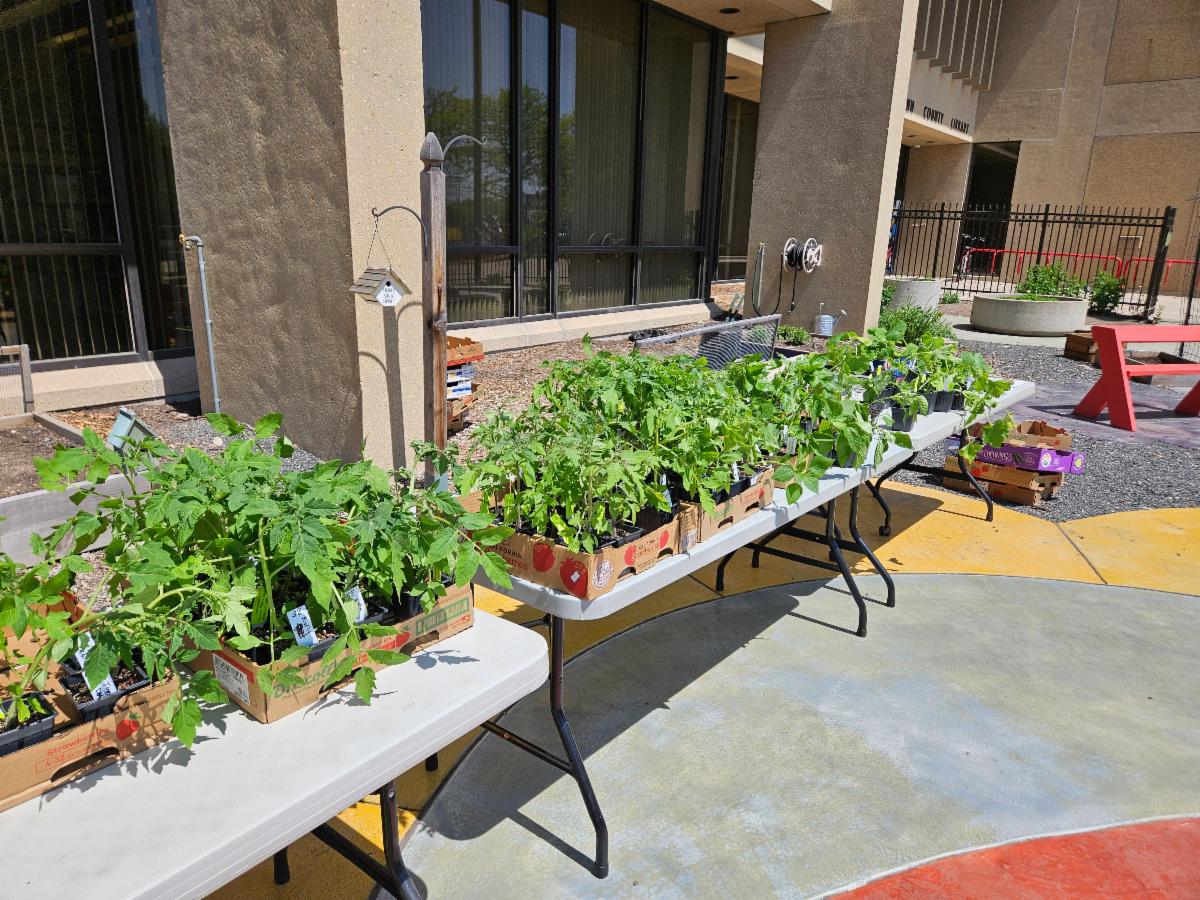
Our annual Seedling Swap will be held May 16 from 1:00–3:00 PM in the Children’s Edible Garden at the Brown County Central Library. This spring tradition is a great way for gardeners to share extra seedlings and find something new to grow.


Seedlings may be brought the day of the event, or you may arrange a drop-off by emailing seedsaver@newmastergardeners.org. We are also offering a pre-event drop-off on Thursday from 2:00–6:00 PM in the Children’s Edible Garden area. Please bring plants directly to the garden or ask for Sandy at the front desk upon arrival. Plants will be placed in a sheltered area under the library eaves on tables to protect them from weather and wildlife.


To help ensure safe plant sharing and protect our gardens, we are also providing guidance on preventing the spread of jumping worms. Seedlings grown indoors in sterile potting mix are safe to share as is. However, plants grown outdoors or in non-sterile soil (garden soil, compost that was not hot-composted, or other potentially contaminated media) should be prepared following the instructions from the next article.


Labels will be available—please clearly label each plant with its name and variety (e.g., tomato ‘Black Brandywine’). If bringing bare-rooted plants, small pots and soil will be available for repotting.


We look forward to another fun and generous community day of sharing plants, knowledge, and the joy of growing together!


Submitted by Melissa, N.E.W. Master Gardener

Sharing Plants Safely:

Preventing the Spread of Jumping Worms


Plant sharing can be safe when we take steps to avoid moving soil, compost, and mulch—where jumping worms and their cocoons hitchhike.

Golden Rule: Don’t Move Soil


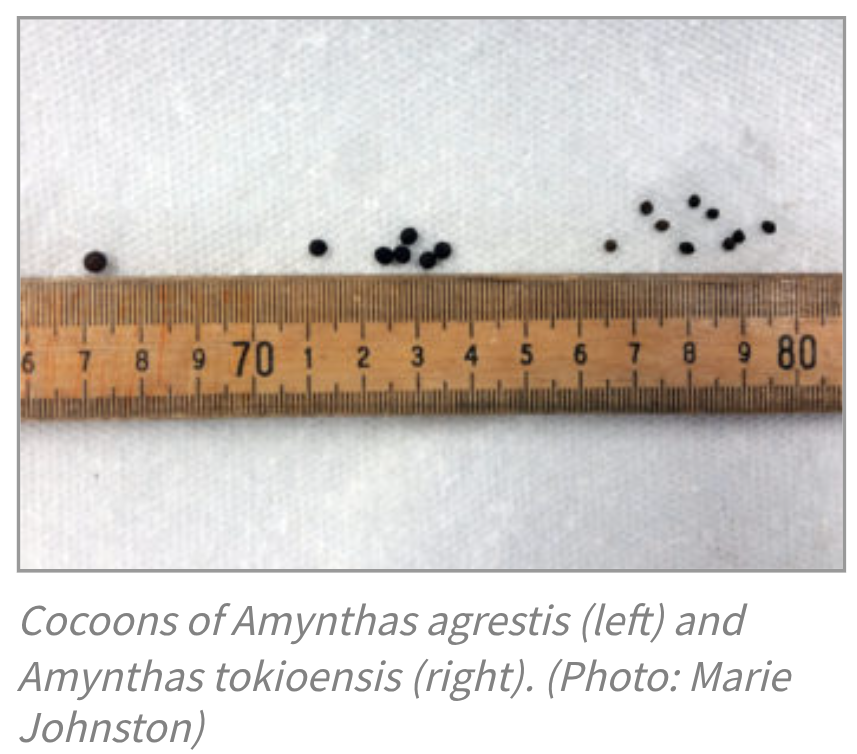
Jumping worm cocoons are tiny and difficult to see. The best way to prevent spreading them is to avoid sharing plants with garden soil attached. Seeds themselves do not spread jumping worms unless contaminated with soil. Unlike common earthworms, one jumping worm can start a new population.


Safest Ways to Share Plants


1. Share Seedlings Grown in Clean Media


The lowest-risk plants to share are seedlings grown:

  • Indoors from seed
  • In sterile or soilless potting mix, not outdoor garden soil
  • Without compost unless it has been properly hot composted


2. Bare-Root and Wash Plant Divisions


If sharing perennial divisions:

✔ Remove as much soil as possible from roots

✔ Wash roots thoroughly with water (bare-root plants)

✔ Inspect roots for worms or cocoons

✔ Replant into clean pots with fresh soilless potting mix

Avoid moving plants directly from one garden to another with native soil attached.


3. Keep Shared Plants Off the Ground


After repotting:

  • Grow containers on benches, pallets, or other elevated surfaces
  • Avoid setting pots directly on soil or landscape fabric
  • Monitor pots for signs of jumping worms before sharing


4. Clean Tools, Pots and Footwear


Jumping worm cocoons can hitchhike on garden objects as well as plants. Clean off soil from tools, pots and footwear before moving between gardens.


Know Before You Share


Do not share plants, soil, mulch, or compost from sites known to have jumping worms or other serious pests. If you suspect jumping worms, test soil with a mustard flush:


Mustard Test

Mix 1/3 cup ground mustard seed in 1 gallon water

Pour onto soil to bring worms to the surface for identification.


How to Identify Jumping Worms


Look for worms that:

  • Thrash violently or move snake-like when disturbed
  • Have a smooth, pale clitellum (band) that completely circles the body
  • Feel firm, not slimy
  • Leave behind coffee-ground-like castings


Remember: Share Plants, Not Soil! 


Start clean • Bare-root divisions • Repot in clean media • Inspect before exchanging


For the most up to date information on Jumping Worms in

Wisconsin, click here to go the DNR webpage.


Submitted by Melissa, N.E.W. Master Gardener

Time is Almost Up:

Order your Perennial Food Plants from the Bountiful Branches Plant Sale!

Calendar of Local Garden Related Events:


May 1-31 (suggested donation $25)

Pollinator Pocket Kits

Order online, pick up June 26 or 27 at Green Bay Botanical Gardens


May 5, 9:30am - 10:30am (free for members, $ for non members)

Guided Tree Walks

Green Bay Botanical Garden, 2600 Larsen Rd


May 6, 6pm - 7:45pm (free)

Compost Conversations

Brown County Central Library, 515 Pine St, Green Bay


May 6, 6:30pm - 7:30pm (free)

Adding Native Plants to Any Size Gardening Space

Virtual, Melinda Meyers


May 7, noon - 1pm (free)

Stopping Stiltgrass in the Upper Midwest

Virtual, UW Extension


May 7, 6pm - 7:30pm (free)

Vegetable Gardening for Novices

ADRC, 300 S Adams St, Green Bay


May 7 & 8, 9am - 5pm, May 9, 9am - 2pm ($)

NEWMG Plant Sale

STEM Center, 2019 Technology Way, Green Bay


May 9, 9am - 11am (free)

Spring Wildflower Walk

Neshota Park, 5757 Park Rd, Denmark


May 9, 10am - ? ($)

Spring Wildflower Hike

Christa McAuliffe Park, 3100 Sitka St, Green Bay


May 14, 5pm–7:45pm (free)

How-to-fest

Brown County Central Library, 515 Pine St, Green Bay


May 14, 6pm - 7pm (free)

Rhubarb Not Just Your Grandmas Favorite Plant

Virtual, UW Extension


May 16, 1pm - 3pm (free)

Veggie and Flower Seedling Giveaway

Brown County Central Library, 515 Pine St, Green Bay


May 20, 1:30pm – 2:30pm (free)

Ask Your Gardening Question: LIVE

Virtual, UW Extension


May 20, 6pm - 7pm (free)

Growing Herbs and Flowers for Cooking

A Gardeners Club of Green Bay Meeting

2600 Larsen Rd, Green Bay


May 21, 5:30pm - 7:30pm (free)

Grassroots in the Garden Growing Community: Pollinator Friendly Plants

Seymour Park, 330 South Oakland Ave, Green Bay


May 21, 6:30pm - 7:30pm (free)

Planting & Care of Your Rain Garden

Virtual, Melinda Meyers


May 26, 6pm – 7:30pm (free)

Gardening in Small Spaces: Growing More in Less Space

Menasha Public Library, 440 First St, Menasha


May 27, 3pm - 7pm ($)

GREEN BAY GROWS NATIVE:  Plant Sale and Native Plant Giveaway

Farmers Market on Broadway, 163 N Broadway, Green Bay


May 27, 6:30pm - 8:30pm (free)

Suburban Homesteading: All About Pollinators

Neenah Public Library, 240 E Wisconsin Ave, Neenah


May 27, 6:30pm – 8:30pm (free)

The Science (and Art) of Plant Disease Diagnosis

Virtual, UW Extension


May 30, 8:30am - 11:30am ($)

Wild Ones Plant Sale

Stone Silo Prairie Gardens, 2325 Oak Ridge Cir, De Pere


June 2, 9:30am - 10:30am (free for members, $ for non members)

Guided Tree Walks

Green Bay Botanical Garden, 2600 Larsen Rd


June 3, 6:30pm - 7:30pm (free)

Managing Your Landscape With Pollinators in Mind

Virtual, Melinda Meyers


June 4, 5:30pm - 7:30pm (free)

Grassroots in the Garden Growing Community: Weed Identification

Seymour Park, 330 South Oakland Ave, Green Bay


June 9, noon - 1pm (free)

Orchids 101

Virtual, University of Minn


June 9, 1pm - 3pm ($)

Amazing Insects of Wisconsin

Green Bay Botanical Garden, 2600 Larsen Rd


June 9, 16, 23 & 30,  6pm - 7pm (free)

The Whole Wheat Story Series

June 9: Seeds of Culture: How Wheat Shaped our History

June 16: Know Your Wheat: Choosing the Right Grain for Every Use

June 23: Wheat and Wellness: Understanding its Nutritional Power

June 30: From Seed to Table: The Art of Cooking with Wheat 

Brown County Central Library, 515 Pine St, Green Bay


June 17, 1:30pm – 2:30pm (free)

Ask Your Gardening Question: LIVE

Virtual, UW Extension


June 18, 8am - ? (free)

Pollinator Corridor Planting Days

Marquette Park and Fort Howard Park


June 24, 5:30pm - 7:30pm (free)

Grassroots in the Garden Growing Community: Berry & Cherry Harvesting

Seymour Park, 330 South Oakland Ave, Green Bay


June 24, 6:30pm – 8:30pm (free)

Plant Diseases in History

Virtual, UW Extension


June 27, 10:30am - 2pm (free)

Bumble Bees, Butterflies & Friends: A Pollinator Week Celebration

Brown County Central Library, 515 Pine St, Green Bay

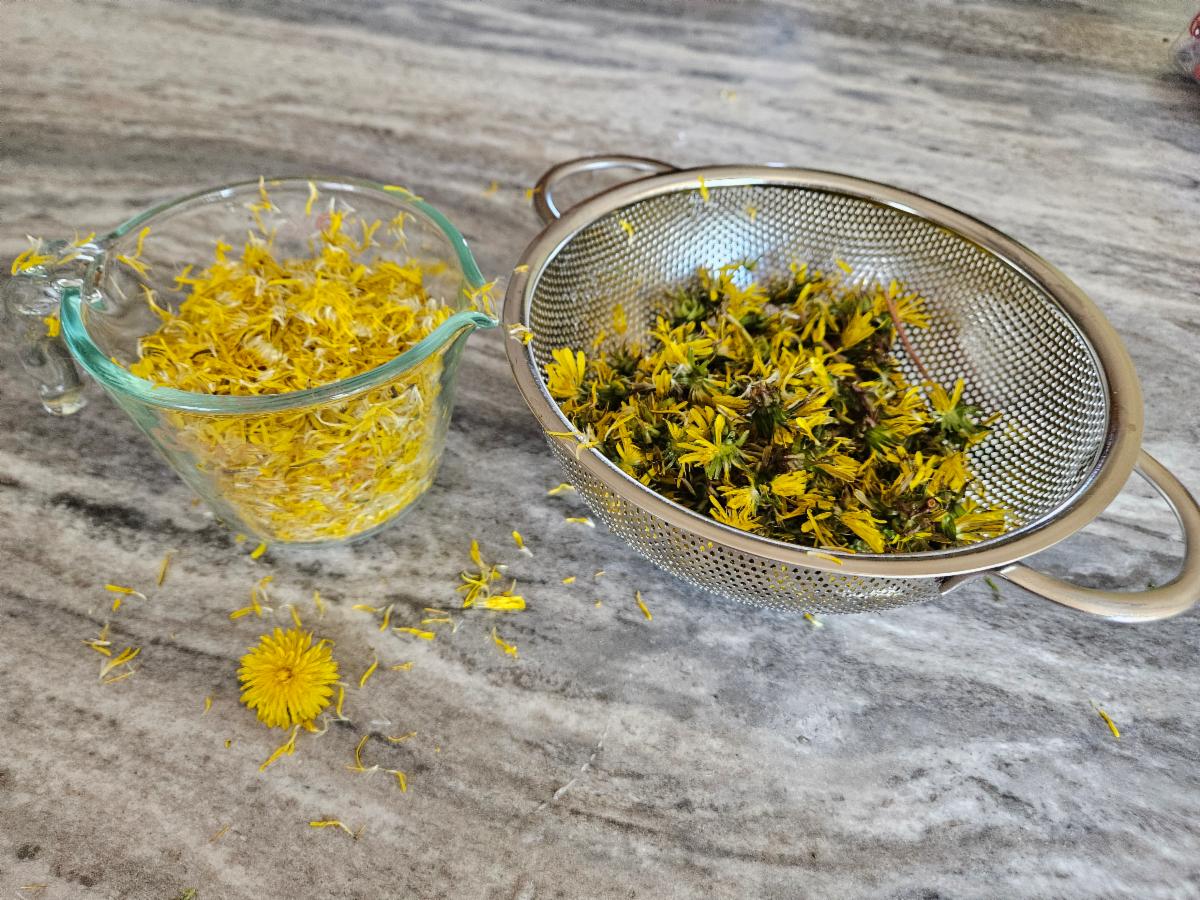
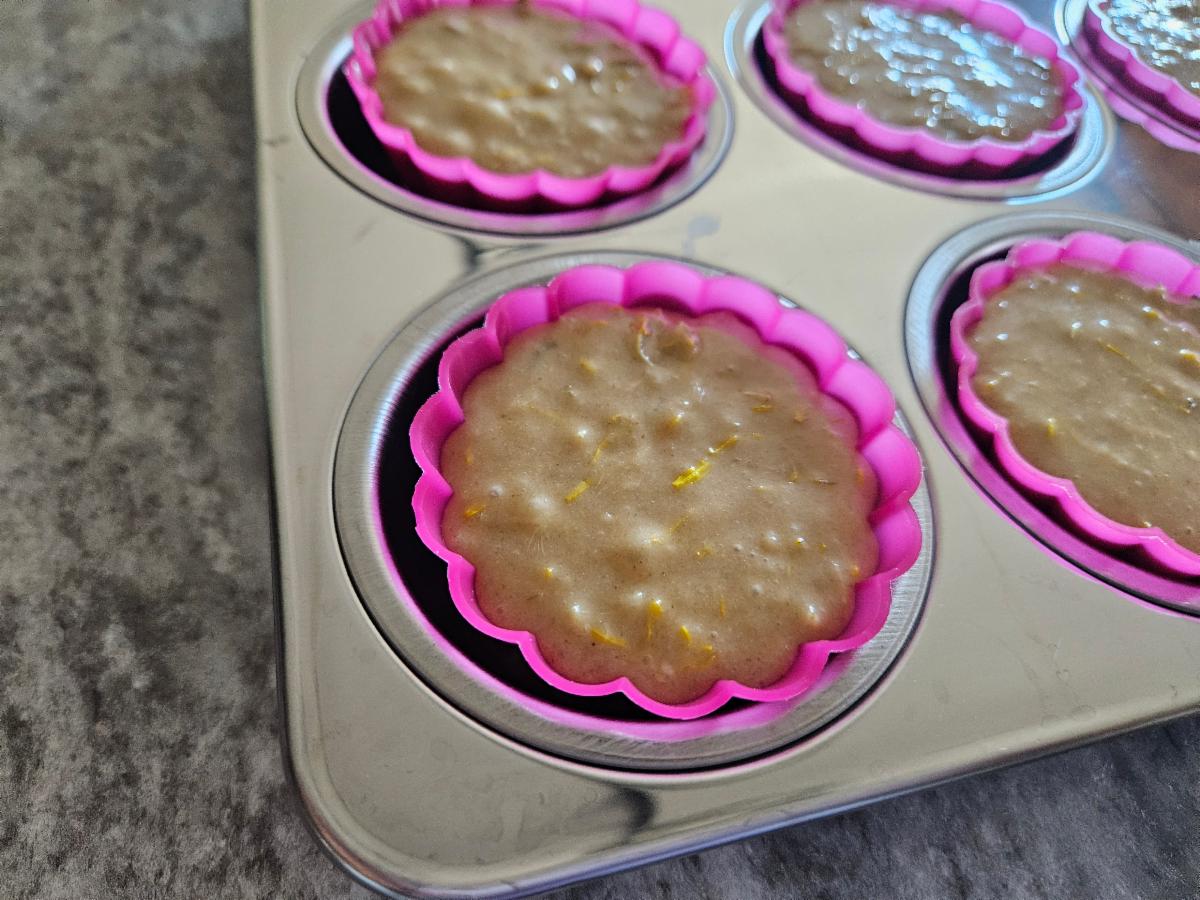
Cleaned dandelion petals

You can see the small flecks of petal in the batter

20260430_121241.jpg_p1.png

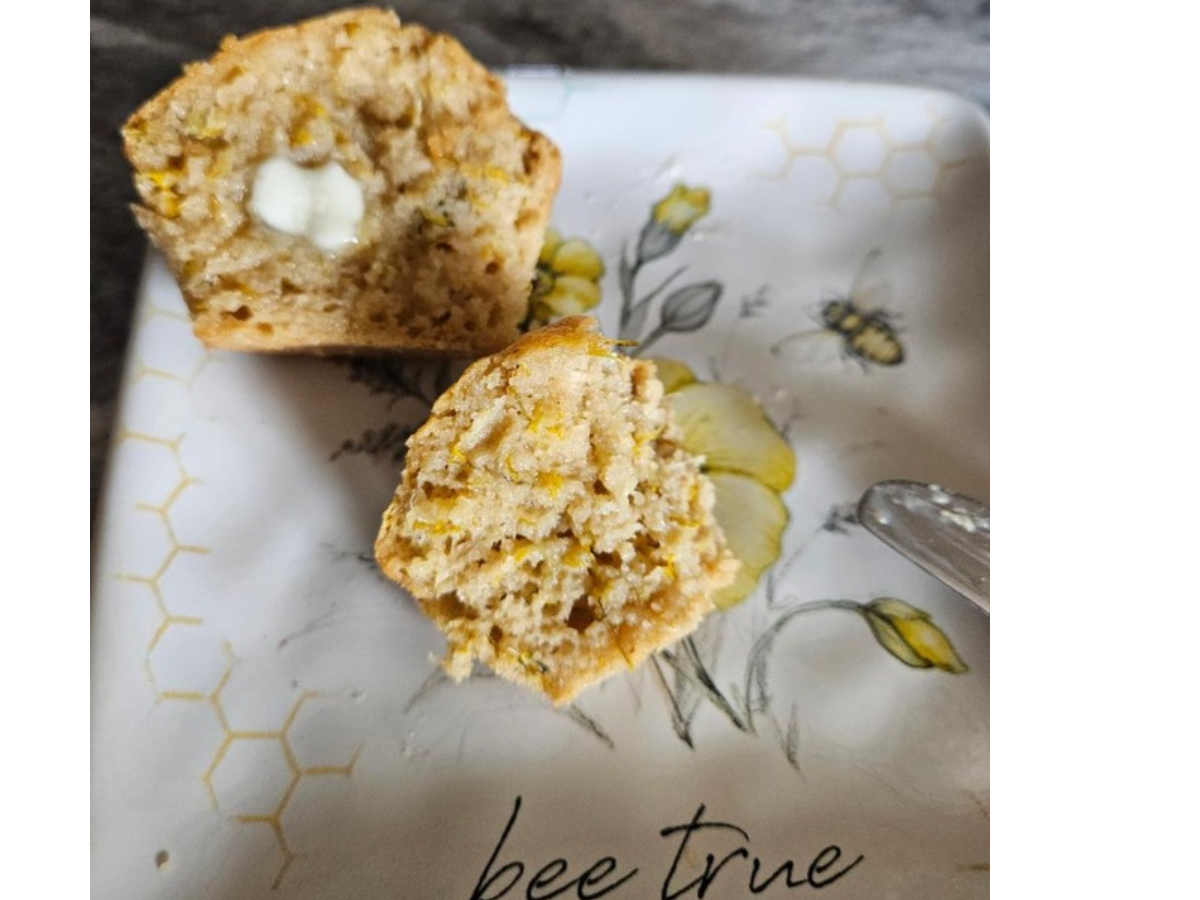
Bakes to a tender muffin, petals provide a sunny yellow hue.

Whole Food Dandelion Muffins


Ingredients:

2 cups all purpose flour

2 ½ tsp baking powder

¼ tsp salt

1 cup buttermilk

½ cup honey

2 eggs

¼ cup melted butter

¼ cup applesauce

½ cup dandelion petals


Instructions:


To prepare dandelions:

Harvest just the flowers into a bowl. Wash well, then spread on a kitchen towel to dry. (Petals are easier to remove when dry.) Hold each flower by the base and use your other hand to gently pull out the petals. Try to leave behind the green flower base, which is edible but can be bitter. You will need ½ cup loosely packed petals.
  1. Preheat oven to 375 degrees. Grease or line a muffin tin.
  2. Whisk together flour, baking powder and salt in a large bowl. Set aside.
  3. Whisk together buttermilk, honey, eggs, melted butter and applesauce until emulsified.
  4. Pour the wet ingredients into the dry ingredients and mix just until combined (batter may be slightly lumpy).
  5. Fold in dandelion petals. They have a tendency to clump together so make sure they are distributed evenly before you move on to the next step.
  6. Fill each muffin cup ¾ full with batter. You should have enough batter for 12-14 muffins. 
  7. Bake in the preheated oven for 20-25 min until a toothpick inserted in the center comes out clean. 
  8. Allow to cool in pan for 5-10 minutes and then remove to a cooling rack.


Note: On their own these muffins are mildly sweet, I prefer them buttered with vanilla sugar or cinnamon sugar. If you like sweeter muffins, you can add in ½ cup chocolate chips or dried fruit, or even frost them with your favorite frosting. However, the dandelion flavor is also very mild, and stronger flavors may overpower it.


Foraging Note:

Before harvesting any wild plants, it’s important to be confident in your identification. While dandelions (Taraxacum officinale) are common and beginner-friendly, there are lookalike species that can cause confusion. True dandelions grow in a low rosette with deeply toothed leaves and produce a single yellow flower on a hollow, leafless stem containing milky sap.


Always harvest from areas that have not been treated with pesticides or herbicides, and wash thoroughly before use. If you are unsure about identification, consult a trusted field guide, use reliable resources such as this UW–Madison Extension guide, or learn alongside an experienced forager.


Submitted by Melissa, N.E.W. Master Gardener.

Support the BCSL!


We are entirely supported by grants, donations and volunteers! If you are interested, there are many ways to support the BCSL. 


*You can become a Seed Steward and support the library by growing out seeds from our core list to donate. We will accept seed donations by anyone who would like to donate, seeds can be dropped off at the STEM center or at the Central library. 


*You can volunteer to sort and pack seeds. Opportunities will be posted on the New Leaf Foods Calendar of Events and included in our newsletters.


*You can make a monetary donation through our Fiscal Agent, New Leaf Foods. Click here to donate.


*You can visit our Amazon Wish List, which has basic packing supplies that we utilize for preparing our seeds for distribution. Click here to access the wishlist.

This newsletter is brought to you by: 

With assistance from AI technology


Disclaimer:

Although brand names of products are mentioned in this newsletter, NEWMG and BCL do not endorse any particular brands. These mentions reflect individual experiences and should not be interpreted as endorsements or recommendations.