March 2026 Newsletter

Its Time for the Seed Library Launch!


As we prepare for the 4th annual launch party of the Brown County Seed Library, we extend our heartfelt thanks to the many volunteers, partners, and community members who generously share their time, expertise, and enthusiasm. This year’s theme is Stone Soup, a story that reminds us how small contributions, when combined, can create something meaningful and nourishing. Just as each character adds an ingredient to the pot, our Seed Library thrives because of the seeds, knowledge, and time shared by many. Together, we nurture not only our gardens, but also our local food system and our community.


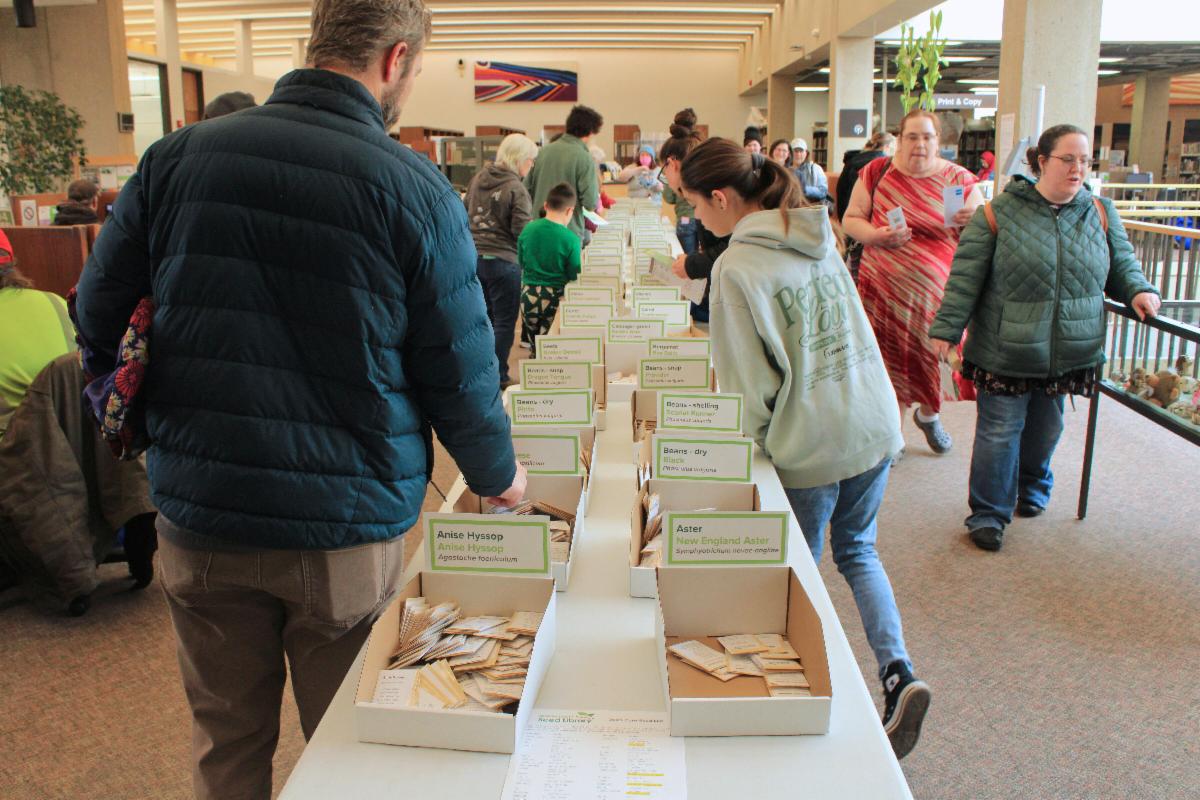
Our launch event will take place on March 7, 2026, from 12:00–2:30 pm at the Brown County Central Library, transforming the building into a vibrant hub of seed sharing and learning. Visitors can pick up free seeds upstairs and participate in a seed swap in the basement—bring seeds to exchange or simply take seeds home to grow. As you explore the activity tables and educational offerings, be sure to join our Garden Explorer Passport: collect stamps as you visit booths and complete activities, then submit your completed passport for a chance to win prizes for both kids and adults.


This year, we are excited to introduce several new seed varieties to our curated collection:


  • Eastern Red Columbine


  • Red Russian Kale


  • Laurentian Rutabaga


  • Viroflay Spinach


  • Russian Tarragon


  • Mountain Gold Tomato


In addition, thanks to a generous donation from Wisconsin seed company A.P. Whaley, we will offer a limited supply of Lacinato Kale, Slobolt Looseleaf Lettuce, and Chioggia Beet.


This launch celebrates more than the start of a growing season—it celebrates community, learning, and sharing. Thank you for helping bring the Seed Library to life.


For more information on activities and learning opportunities, visit our event page.


Submitted by Melissa, N.E.W. Master Gardener

2026 One Seed, One Community


We are excited to unveil the 2026 One Seed, One Community initiative, a much-awaited program that unites our community through gardening. Originally conceived by Hillie Salo from Silicon Valley, this project has flourished into a national movement, bringing neighborhoods together with a shared goal: to grow wholesome food and preserve seeds.


Many home gardens face space constraints, making it difficult to maintain the genetic diversity of various seed types. By choosing a single seed for multiple gardeners to grow and save, we enhance the genetic diversity of that particular variety. This effort not only enriches our seed library but also supports local adaptation and strengthens our food systems.


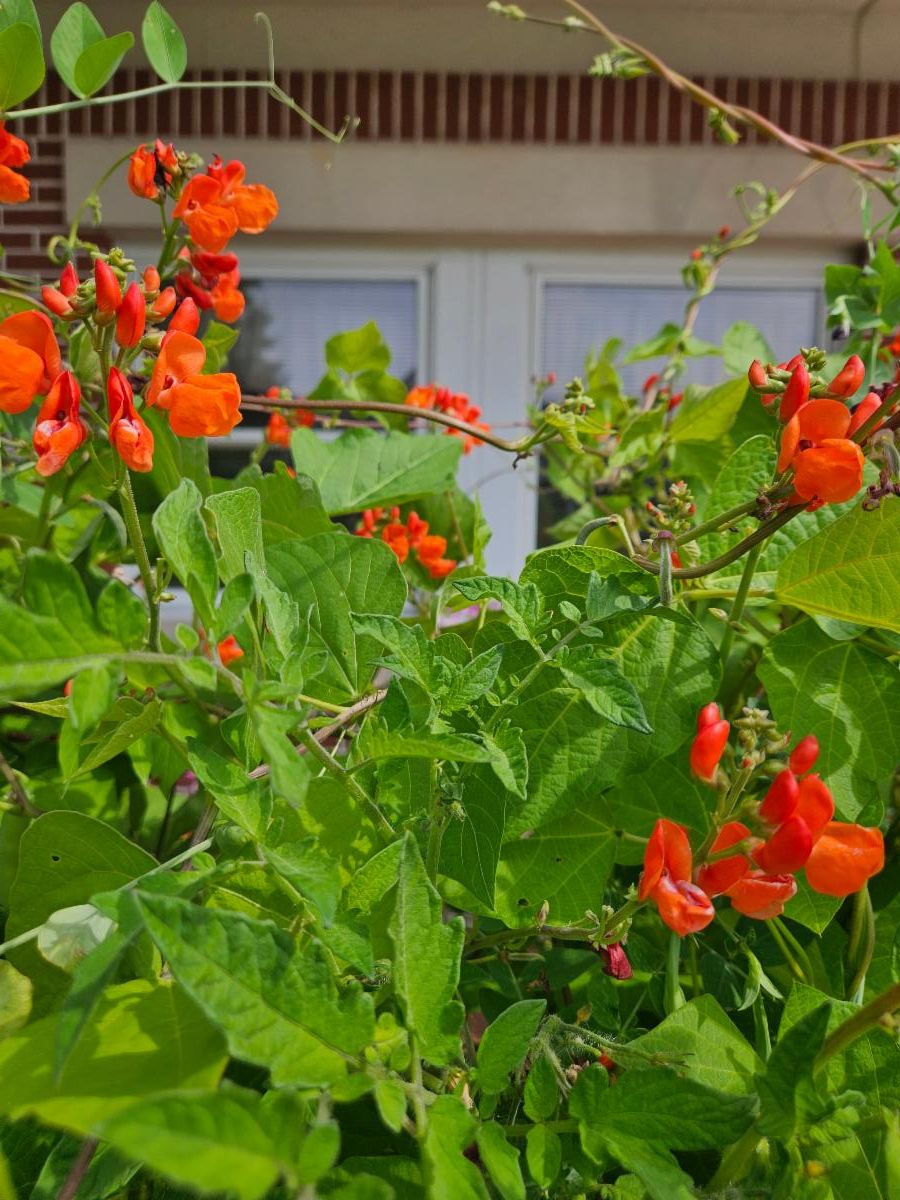
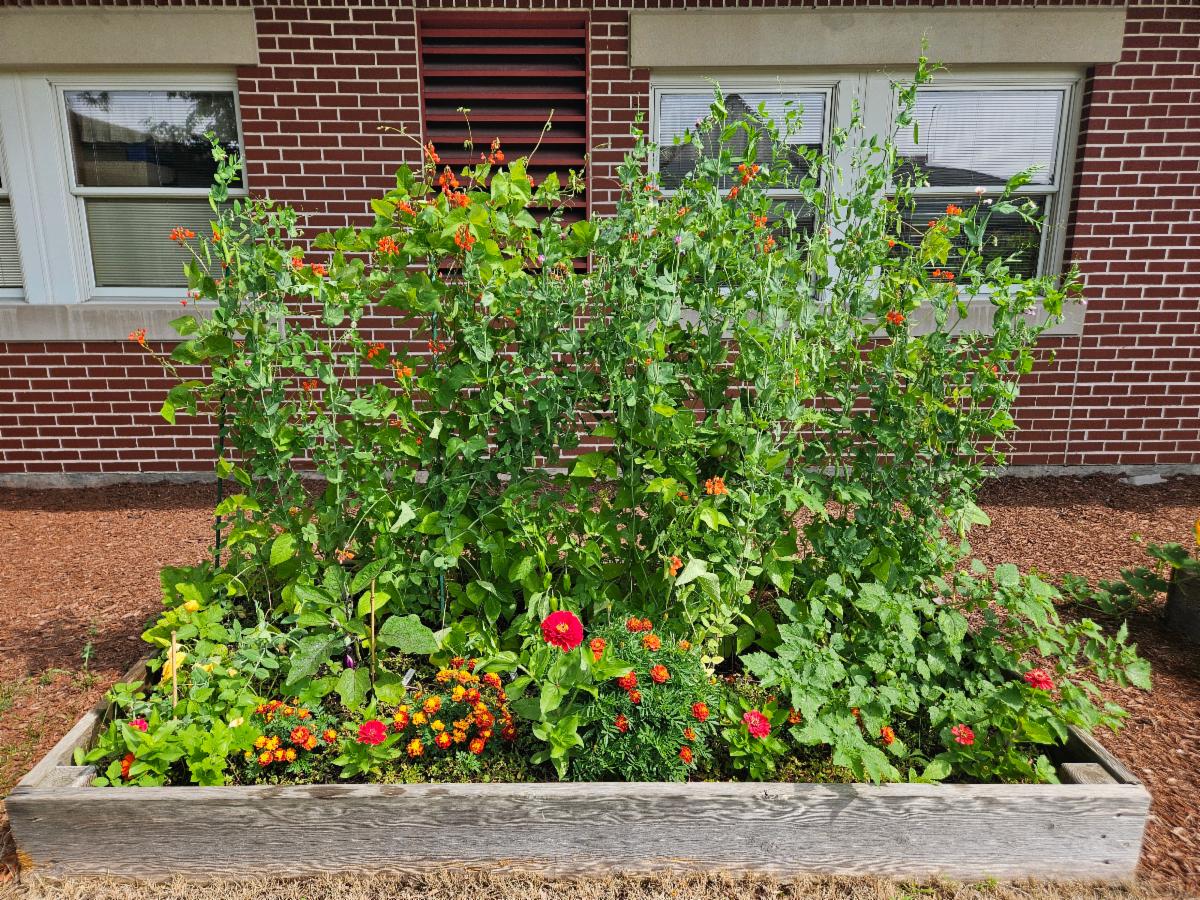
For 2026, we are pleased to introduce the beautiful Scarlet Runner Bean as our selected seed! We invite all gardeners to pick up a packet, as planting these beans will provide you with bright red flowers throughout the summer. As you care for your plants, be sure to allow the seed pods to mature and produce seeds. Once the pods have turned brown and stiff, dry them, and return them to the library to contribute to our ever-expanding community collection. This seed will require trellising, so make sure you read the next article for some ideas on how to do this.


Embark on this exciting journey with us to cultivate not only seeds but also a sense of community spirit and resilience. Together, let's ensure that this year's One Seed, One Community project is a tremendous success!


Submitted by Peggy, N.E.W. Master Gardener

Trellis Basics


Scarlet Runner Beans are vigorous climbers that can reach impressive heights, often growing up to 10 feet tall. Here's why using a trellis is advantageous when cultivating these beans. Trellises provide space efficiency, improve air circulation for plants, makes harvesting easier, and protects the beans from ground pests. You may be surprised how many hummingbirds will find these red flowers when positioned so high above the ground.


When constructing a trellis, consider using environmentally friendly materials. Here are some sustainable options:


  • Bamboo: A rapidly renewable resource, bamboo is strong and lightweight, making it ideal for creating sturdy trellises. Its natural look also blends well with garden aesthetics.


  • Branches: Branches can be woven into attractive and functional trellis structures. Willow is a good choice and available from pruned or fallen branches, making it a practical and eco-friendly choice.


  • Natural Twine or Jute: When binding parts of the trellis, opt for biodegradable twine or jute instead of synthetic materials to ensure that your trellis is as environmentally friendly as possible.


  • Metal or Wire: If opting for metal, choose recycled materials or repurpose old wire fencing. This provides durability while maintaining a commitment to sustainability.


By selecting sustainable materials for your trellis, you contribute to environmental conservation while supporting the growth of your Scarlet Runner Beans in a responsible manner.


Submitted by Peggy, N.E.W. Master Gardener

The Annual Bountiful Branches Plant Sale still has plenty of great plants available!


New this year, New Leaf Foods, Inc. has partnered with Greener Bay Compost, so you can now purchase compost along with your plants and pick everything up at the same time. Shopping for locally sourced plants and compost helps “shrink the loop” by keeping production and use within our own community—reducing transportation, supporting local growers and composters, and returning nutrients back to our local soil instead of relying on materials shipped from far away.

Book Review: Seeds on Ice


Seeds on Ice

Svalbard and the Global Seed Vault

By Cary Fowler


In SEEDS ON ICE, Cary Fowler tells the comprehensive inside story of how the “doomsday seed vault” came to be, while breathtaking photographs offer a stunning guided tour of the vault, the windswept beauty and majesty of Svalbard, and the enchanting community of people in Longyearbyen.


With growing evidence that unchecked climate change will seriously undermine food production and threaten the diversity of crops around the world, SEEDS ON ICE offers a personal and passionate reminder that we shouldn’t take our reliance on the world of plants for granted—and that, in a very real sense, the future of the human race rides on this frozen and indispensable biodiversity.


Excerpt from https://www.caryfowler.com/books-1


Submitted by Melissa, N.E.W. Master Gardener

Calendar of Local Garden Related Events:


March 3, 10, 17, 6:30pm - 7:30pm ($)

WIMGA March Speaker Series

March 3, Native Shrubs and Trees for Birds & Bees

March 10, Flowering Shrubs for All Seasons

March 17, The Art & Science of Pruning to Maintain Tree & Shrub Health

Virtual, WIMGA


March 5, noon - 1pm (free)

Emerging Berry Crops Winter Webinar Series: Elderberries and Currants

Virtual, UW Extension


March 5, 5:30pm - 7:30pm ($)

Green Thumb Gardening Winter 2026: Vegetable Garden Weed Management

Virtual, UW Extension


March 5, 6:30pm -7:30pm (free)

Starting New Plants from Seeds, Cuttings and More

Virtual, Melinda Meyers


March 7, noon - 2:30pm (free)

Seed Library Launch Party 2026

Brown County Central Library, 515 Pine St, Green Bay


March 10, 11:30am - 12:30pm (free for 60+)

Library Lunch & Learn: Container Gardening & Home Herbs

Weyers-Hillard Branch, 2680 Riverview Drive, Green Bay


March 11, 10am - 11:30am ($)

Cottage Garden Plants – Favorite Flowers and Combinations

Green Bay Botanical Garden, 2600 Larsen Rd, Green Bay


March 11, 6:30pm - 7:30pm (free)

Save Money & Boost Your Growing Success with Bare Root Plants

Virtual, Melinda Meyers


March 12, noon - 1pm (free)

Seasonal climate conversations: Spring in your yard and garden

Virtual, U of Minn


March 12, 5:30pm - 7:30pm ($)

Green Thumb Gardening Winter 2026: Cover Crops for the Vegetable Garden

Virtual, UW Extension


March 16, 11:30am - 12:30pm (free for 60+)

Library Lunch & Learn: Making the Most of Local & Seasonal Produce

Kress Family Branch, 333 N. Broadway, De Pere


March 18, noon - 1:15pm (free)

Fruit and vegetable production: Vegetable plant diseases

Virtual, U of Minn


March 18, 1:30pm - 2:30pm (free)

Ask Your Gardening Question: LIVE

Virtual, UW Extension


March 18, 6pm - 7pm (free)

Rethinking Horticulture with Real Ecology presented by Joey Santore

Virtual, Wild Ones


March 18, 6:30pm - 7:30pm (free)

Patio, Deck and Balcony Gardens

Virtual, Melinda Meyers


March 19, 5:30pm - 7:30pm ($)

Green Thumb Gardening Winter 2026: Vegetable Crop Disease Management

Virtual, UW Extension


March 19, 6:30pm - 7:30pm (free)

Badger Talk: Gardening with Native Plants

Virtual, Wild Ones Fox Valley Area


March 21, 11am - noon (free)

Neighbors for Nature and Native Plant Gardening

Brown County Central Library, 515 Pine St, Green Bay


March 21, 10am - 11am (free)

Ponds and Water Features

A Gardeners Club of Green Bay Meeting

2600 Larsen Rd, Green Bay


March 24, 10am - 11:30am ($)

What’s New in Gardening for 2026

Green Bay Botanical Garden, 2600 Larsen Rd, Green Bay


March 25, noon - 1pm (free)

Lunch and Learn: The dirt on worms webinar

Virtual, U of Minn


March 25, noon - 1:15pm (free)

Fruit and vegetable production: Understanding your soil test report

Virtual, U of Minn


March 25, 6:30pm - 9pm (free)

Fundamentals of Plant Diseases

Virtual, UW Extension


March 26, 5:30pm - 7:30pm ($)

Green Thumb Gardening Winter 2026: Vegetable Garden Succession Planting, Companion Planting, & Season Extension

Virtual, UW Extension


March 26, 6:30pm - 7:30pm (free)

Getting Started Growing Vegetable & Flower Gardens

Virtual, Melinda Meyers


April 1, noon - 1pm (free for members)

T.I.L.L. Talk: Our Native Plants – Uses and Folklore

Green Bay Botanical Garden, 2600 Larsen Rd, Green Bay


April 1, 6:30pm - 7:30pm (free)

Growing a Bountiful Harvest

Virtual, Melinda Meyers


April 11, 9am - 11am (free)

Grassroots in the Garden: Tending Established Blueberries Workshop

Seymour Park, 330 South Oakland Ave, Green Bay


April 15, 10am - 11:30am ($)

Cottage Garden Support – Build Unique Structures to Grow Vertically

Green Bay Botanical Garden, 2600 Larsen Rd, Green Bay


April 15, 1:30pm - 2:30pm (free)

Ask Your Gardening Question: LIVE

Virtual, UW Extension


April 16, 6pm - 7:30pm (free) 

Bountiful Branches Mini Class

Virtual or Brown County Central Library, 515 Pine St, Green Bay


April 18, 1pm - 3pm (free)

Beneficial Backyard Bugs with Entomology Extension Specialist PJ Liesch

Virtual or Brown County Central Library, 515 Pine St, Green Bay


April 21, 10am - 11:30am ($)

A Guide to Hydrangeas and Other Amazing Flowering Shrubs

Green Bay Botanical Garden, 2600 Larsen Rd, Green Bay


April 21, 5:30pm - 7:30pm (free)

Grassroots in the Garden: Planting and Tending Apple Trees

Seymour Park, 330 South Oakland Ave, Green Bay


April 22, 6pm - 7pm (free)

Raised Bed Gardening

A Gardeners Club of Green Bay Meeting

2600 Larsen Rd, Green Bay


April 25, 10am - noon (free)

Grafting Workshop

NWTC Garage behind NWTC Sustainable Agriculture building,

 2600 Larsen Rd, Green Bay 


April 27-30 ($)

Friends of the Library Big Book Sale

Brown County Central Library, 515 Pine St, Green Bay

Introducing Rutabaga ‘Laurentian’ (Brassica napus var. napobrassica): A Community-Requested Addition to Our

Curated Seed Collection


We’re excited to introduce Rutabaga ‘Laurentian’ to the Brown County Seed Library’s curated collection — added in response to a community request. We truly value your input, and your suggestions help shape the seeds we offer. If there’s something you’d love to grow, please let us know!


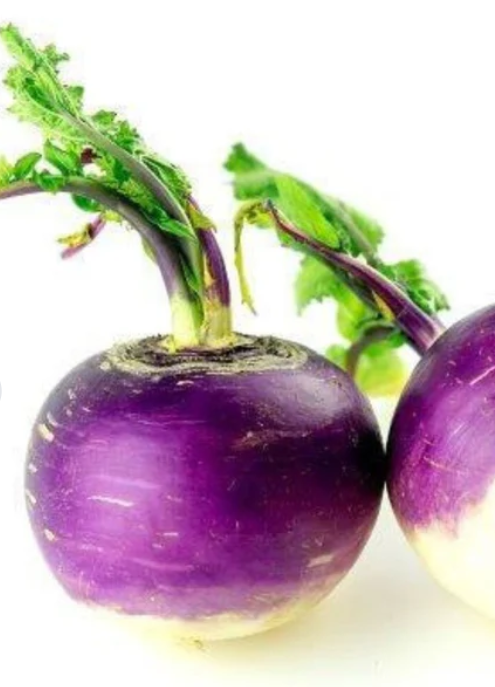
‘Laurentian’ is a classic heirloom rutabaga known for its smooth purple shoulders and creamy yellow flesh. With a mild, slightly sweet flavor, it’s perfect for roasting, mashing, soups, and stews. This hardy root crop thrives in Wisconsin’s cool growing conditions and stores beautifully for winter meals.


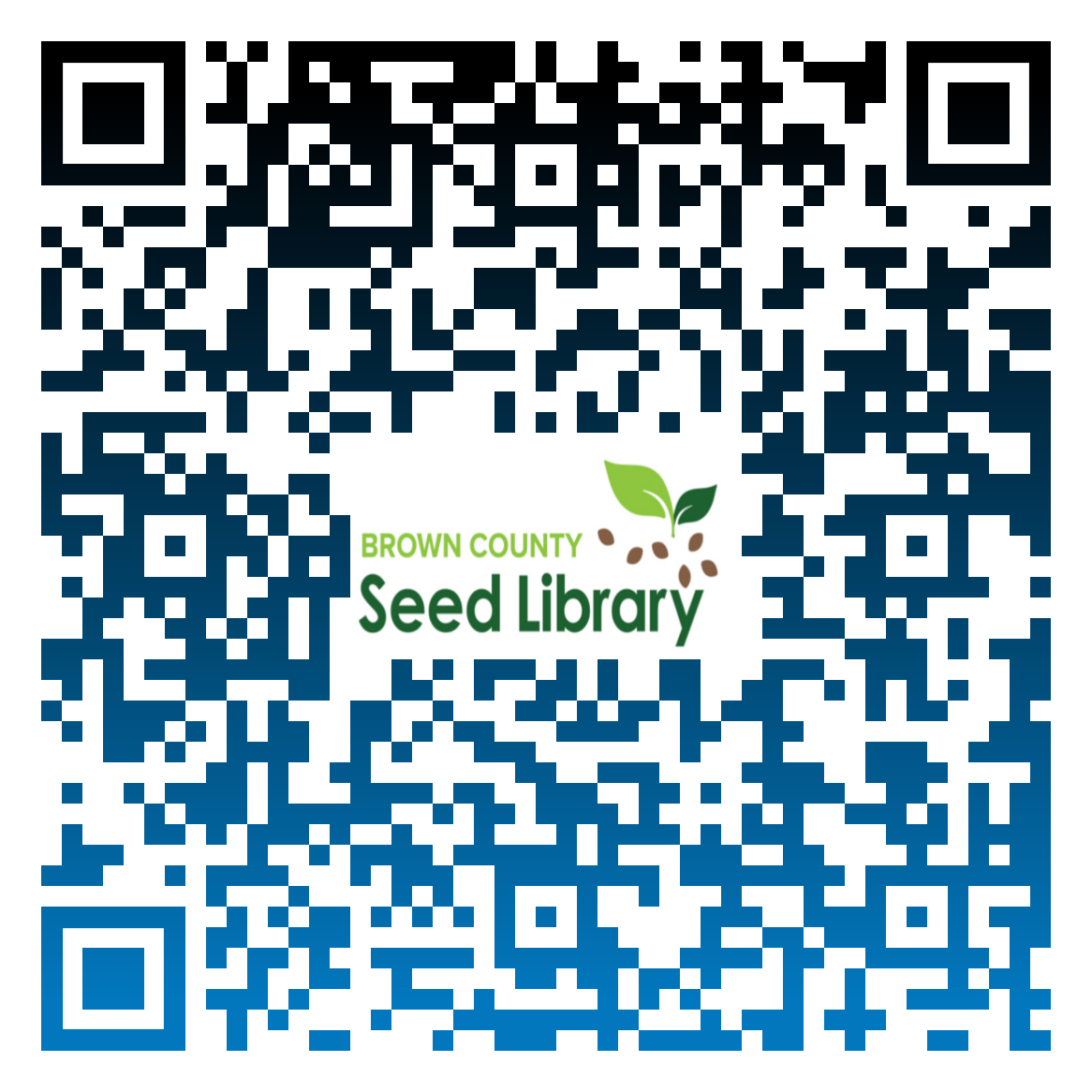
(Scan or click on the QR code below for a detailed UofM-Extension growing guide for rutabagas.)

Growing Rutabaga in Wisconsin


Rutabagas are frost-hardy, cool-season crops that perform especially well in spring and fall.


Sowing: Direct sow seeds outdoors as soon as the soil can be worked in spring, or plant in mid- to late summer for a fall harvest. Transplanting is not recommended, as rutabagas develop best when direct seeded.


Depth: Sow seeds ½ inch deep.


Spacing: Space seeds 4–6 inches apart in rows 18–24 inches apart. Thin seedlings as needed to allow proper root development.


Sunlight: Plant in full sun to partial sun.


Soil: Rutabagas prefer loose, well-drained soil. Avoid freshly manured soil, which can cause forked or misshapen roots.


Watering: Keep soil consistently moist, especially during germination. Seeds typically sprout in 5–20 days, with ideal soil temperatures between 50–65°F.


Maturity: Approximately 95 days to harvest. Roots are best harvested at 3–5 inches in diameter. Light frost improves sweetness.


Pollination and Seed Notes


Rutabagas are biennial, meaning they produce seed in their second year after overwintering. They belong to the Brassica napus species and can cross-pollinate with other Brassica napus crops flowering at the same time. Gardeners interested in seed saving should plan to overwinter healthy plants to allow flowering the following season.


Using Rutabaga ‘Laurentian’ in the Kitchen


This versatile root vegetable shines in cool-weather cooking. Try it roasted with olive oil, mashed with butter, or cubed into hearty soups and stews. After harvest, trim tops to about 1 inch and store roots in a cool, humid place (32–40°F). Properly stored rutabagas can last for several months.


We’re grateful to our Seed Library community for inspiring this addition. Keep those seed requests coming — your idea might be the next new variety in our collection.


Submitted by Melissa, N.E.W. Master Gardener

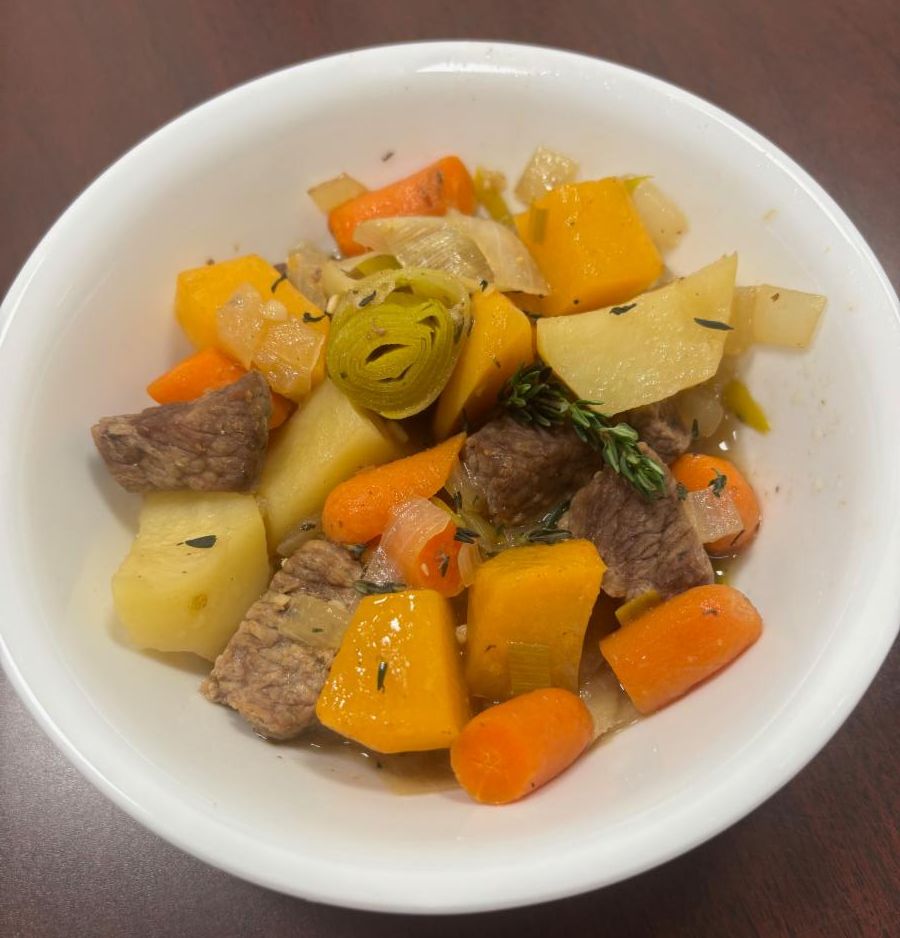
Beef and Rutabaga Irish Stew


by Eileen Rueden 


Ingredients


black pepper and salt to taste

2 bay leaves

2 cloves garlic, minced 

1 rutabaga, peeled and cubed

2 cups of carrots, peeled and sliced

oil or fat for cooking 

2 cups of potatoes, peeled and chopped

1 leek washed well and chopped

1 onion, diced

2 lb. beef chuck (cut into 1 to 1.5-inch cubes for even cooking)

1 cup Guinness beer

4 cups beef broth 

2 tbsp fresh thyme or ½ teaspoon dried

1 Tablespoon Worcestershire


Instructions


  1.  Add all of your prepared vegetables into a slow cooker with bay leaves. Season them with salt and pepper or any other preferred spices to taste.
  2. In a skillet over medium-high heat, melt your desired cooking fat. Season your beef with salt and pepper. Brown the beef cubes in small batches, ensuring each side is seared, approximately 1 to 2 minutes per side. Once browned, transfer the beef cubes into the slow cooker with the vegetables.
  3. After removing the beef from the skillet, deglaze the pan by adding the beer. Pour in the beef stock, thyme and Worcestershire. Mix well and remove from heat.
  4. Pour the prepared sauce over the beef and vegetables in the slow cooker. Cover the slow cooker with a lid and set it to cook on low heat for 6 hours. This slow cooking process will allow the flavors to meld together and the meat to become tender.


Submitted by Eileen, N.E.W. Master Gardener

Support the BCSL!


We are entirely supported by grants, donations and volunteers! If you are interested, there are many ways to support the BCSL. 


*You can become a Seed Steward and support the library by growing out seeds from our core list to donate. We will accept seed donations by anyone who would like to donate, seeds can be dropped off at the STEM center or at the Central library. 


*You can volunteer to sort and pack seeds. Opportunities will be posted on the New Leaf Foods Calendar of Events and included in our newsletters.


*You can make a monetary donation through our Fiscal Agent, New Leaf Foods. Click here to donate.


*You can visit our Amazon Wish List, which has basic packing supplies that we utilize for preparing our seeds for distribution. Click here to access the wishlist.

This newsletter is brought to you by: 

With assistance from AI technology


Disclaimer:

Although brand names of products are mentioned in this newsletter, NEWMG and BCL do not endorse any particular brands. These mentions reflect individual experiences and should not be interpreted as endorsements or recommendations.