Volume 11 Issue 3

January 23, 2026


Things change quickly in marketing.

We give you the quick download so you can stay informed each week.

Meta Against Teen Social Media Bans

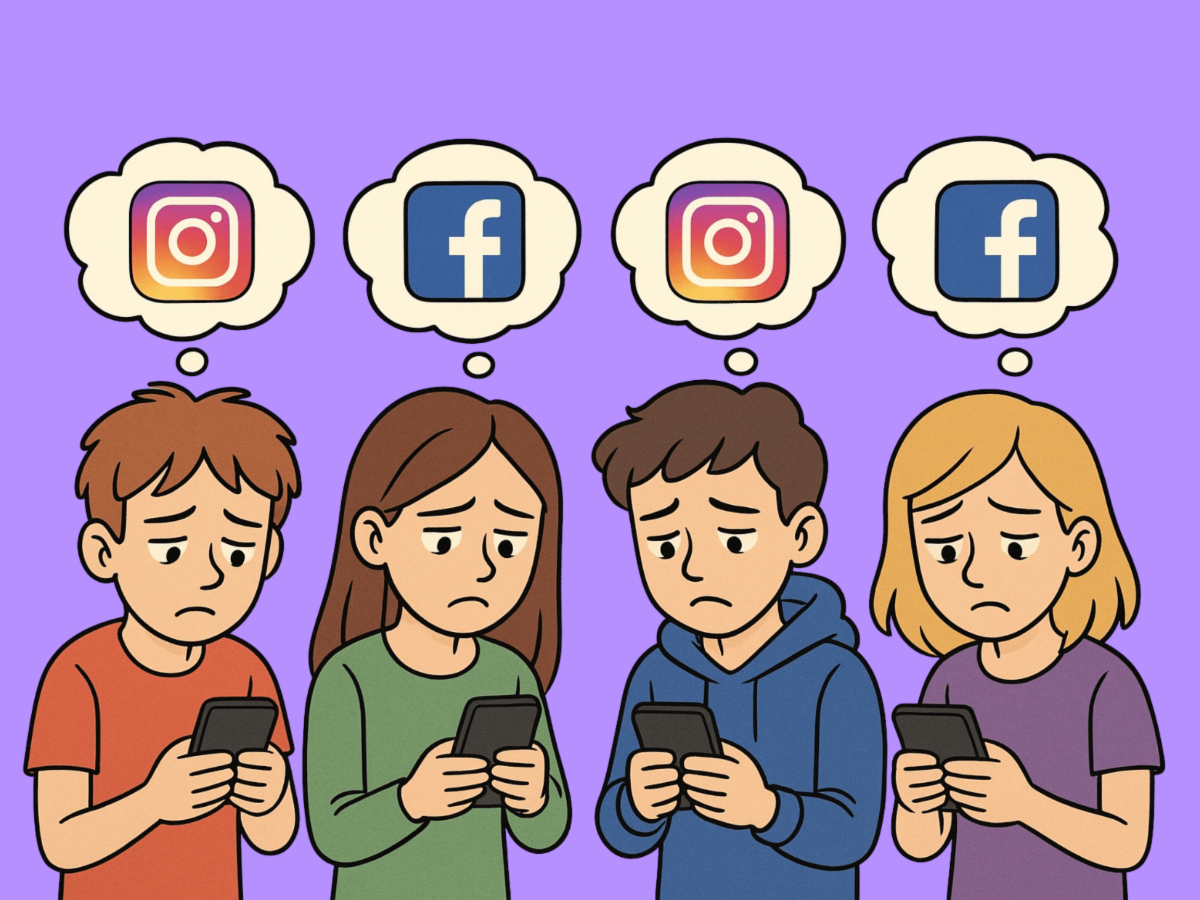
The DL: Meta argues that current scientific research does not support broad bans on teen social media use, pushing back against growing political and public pressure to restrict youth access to platforms. The company says teen mental health challenges are influenced by many factors beyond social media, including family dynamics, school stress, and wider societal issues, and that blaming platforms alone oversimplifies a complex problem. Meta also disputes claims that it concealed harmful research, emphasizing its investments in safety tools, parental controls, and ongoing collaboration with academic experts. Citing recent research, Meta notes that studies show mixed outcomes, with social media offering both risks and benefits rather than clear, population-wide harm. For advertisers, this debate matters because regulatory decisions around teen usage could directly impact audience reach, targeting capabilities, and platform policies. Understanding how platforms frame the science helps advertisers anticipate potential changes, assess brand safety narratives, and align campaigns with evolving standards around youth protection and responsible marketing.


Read More: Social Media Today

2026 Media and Marketplace Trends

The DL: Digital media planning in 2026 is being reshaped by rapid advances in AI, major shifts in consumer behavior, and the growing importance of first party data. According to Forbes, media buying is moving toward extreme precision, with AI acting as a “copilot” that analyzes billions of signals in real time, supports more agile optimizations, and even enables new formats such as ads embedded within AI powered chatbot experiences. This year also elevates the value of first party data as third‑party cookies fade, brands with strong data collection and activation strategies will gain significant competitive advantage. Mindgruve’s 2026 predictions further reinforce the central role of AI, forecasting the rise of fully transactional AI experiences such as “shoppable” ChatGPT interfaces and increasing pressure on planners due to DSP fragmentation. They also note the explosive growth of TikTok Shop, the rising importance of optimizing for AI powered search engines, and the unexpected resurgence of offline, experiential marketing tactics, which blend seamlessly with digital experiences through AR and real world activations. Together, these reports depict a media landscape where success in 2026 hinges on AI integrated planning, agile workflows, deeper reliance on first‑party data, expansion into CTV and social commerce, and a more holistic approach that connects digital and physical consumer touchpoints.


Read More: Forbes

Hershey's Marketing Makeover

The DL: The Hershey Company is increasing the marketing budget for its core Hershey’s bar by about 20 percent and launching a campaign that leans heavily into both traditional and newer media like TikTok influencers, live events and major cultural moments like the Winter Olympics and America250. This push marks a shift from a seasonally concentrated strategy to a year-round relevance effort, with tie ins from a forthcoming biographical film to limited edition bars and big city activations that grab attention. Many legacy brands in the US are looking to grab the attention of consumers as the media landscape changes to accommodate younger audiences preferences in media consumption.


Read More: Wall Street Journal

MediAI Minute

OpenAI Tests Advertising in ChatGPT

DL: OpenAI is beginning to test advertising inside ChatGPT for free and lower-cost users in the U.S., signaling a shift toward ad-supported monetization while keeping paid tiers ad-free. Ads will appear as clearly labeled sponsored placements at the bottom of relevant responses and will not influence ChatGPT’s answers or use conversation data for targeting. OpenAI says the move is designed to support broader access to the platform while maintaining user trust, with safeguards in place to avoid ads around sensitive topics and for users under 18.


Read More: AdWeek

We are always up for a chat on our favorite topic: media! So, if you would like to brainstorm on how to navigate the ever-changing media landscape, we'd be happy to connect.


Bridging your brand to
your consumer
 
Facebook  X  Instagram  Linkedin