|
First, we have to acknowledge that the gap exists. We can’t fake it. We have to notice it, name it, and sit with it even if it means being vulnerable with our students or others. It is okay to say to your students, “Hey everyone, that activity didn’t go the way I thought it would. I’m sorry about that. Let’s regroup.” It is perfectly fine to note that something you may have said informally during a class hit students in a manner that you didn’t expect. Paying attention to the impact of our words and/or actions on our students can provide a wonderful opportunity for us to learn among and with our students. As faculty we don't need to be perfect or the keepers of all knowledge. In fact, when we show up as our imperfect selves and reveal ourselves as learners, we make it more likely that students will do the same.
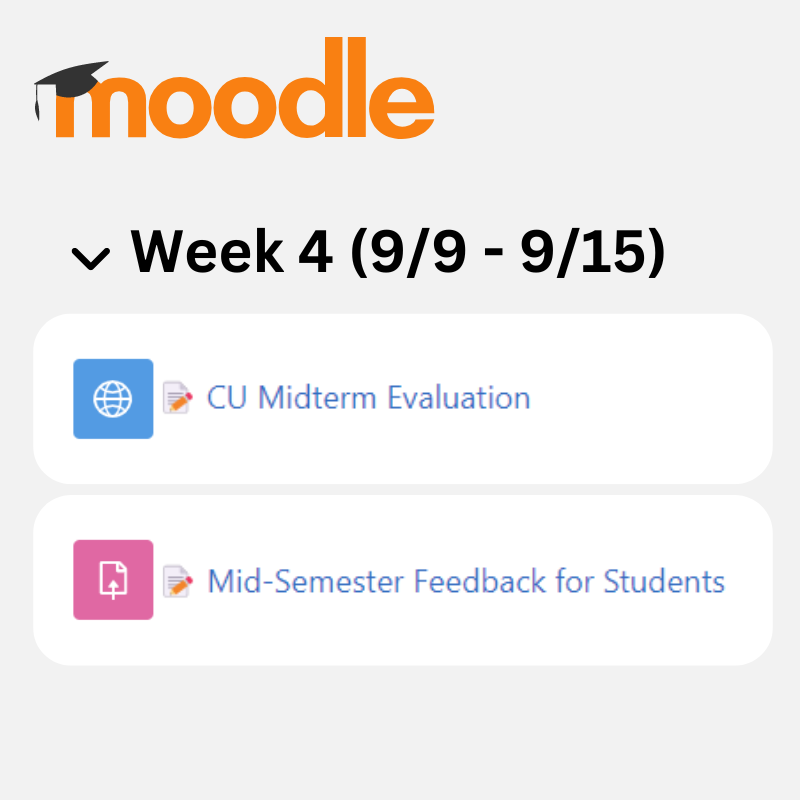
Second, we can have open conversations with students about how things are going, not only when things go astray, but as part of our regular practice. We can and should check in with students about how assignments went, ask about what worked, what didn't work and what may not have been clear. We can ask our students how they experienced something we said or did, and seek out feedback about what would have made it a better experience for them.
Inviting students to be in dialogue with us in this manner allows us to narrow the gap between our intention and our impact. It is also an important part of strengthening rapport and trust with students, growing excellence in teaching, and ensuring students have a voice in cultivating their own learning.
|