Welcome to the University of Oklahoma Carceral Studies Consortium Newsletter. The Carceral Studies Consortium strives to build a community for intellectual exploration that includes faculty, staff, graduate students, community members, practitioners, and organizers.
Carceral Studies is concerned with the independent function and nexus of the political and social systems that organize, shape, sustain, and entrench practices of punishment, surveillance, incarceration, and harm.
|
|
|
|
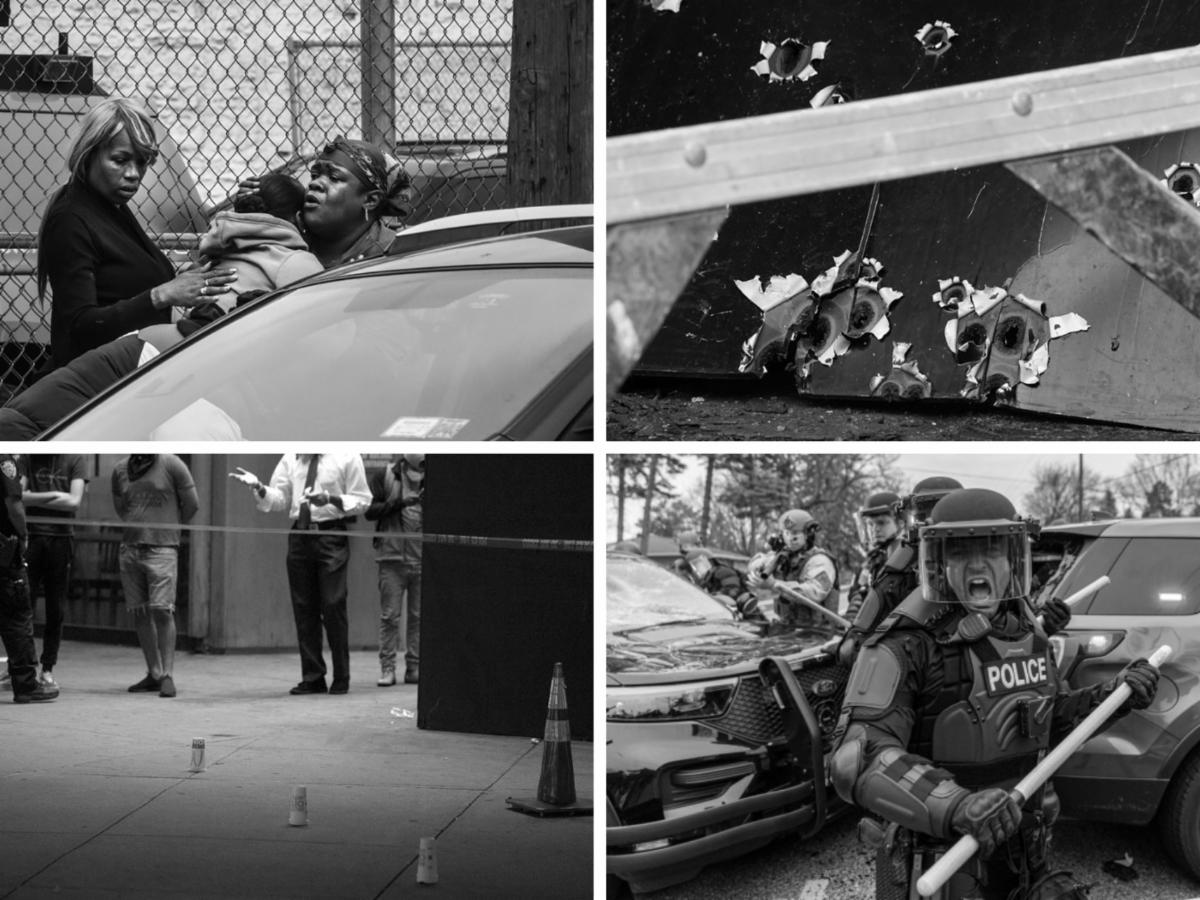
Over the past year a nationwide homicide spike has led to attempts to undermine criminal legal reforms. John Pfaff argues: “it’s unsurprising that those who favor the status quo are trying to use the rise in homicides as grist for rolling back policies they dislike.” The data, however, shows those defending of the status quo are misrepresenting the effects of reforms: “the rise in homicides has occurred more or less equally in places that adopted reforms and those that rejected them. And given how few places have significantly altered their approach to crime, the homicide spike by and large took place on the status quo’s watch. Those who want policy to remain more punitive are thus arguing for more of what has mostly failed us this past year, and they are trying to blame reforms that appear to be uncorrelated with the surge.” Arguing for the status quo, moreover, ignores the consequences of the past decades in which the criminal legal system has produced harm for defendants, their families, and their communities. The nationwide surge in homicides disproves the claim that reforms, such as those of progressive prosecutors, have caused the recent violence. The idea that we can instead address increased violence without broadening carceral authority recognizes the local organizations that interrupt violence (e.g., Cure the Streets and Cure Violence) and the fact that police officers typically spend only about four percent of their time responding to calls about violence.
|
|
|
|
In 2016, voters in Woodbury County, Iowa, passed a $50 million bond to cover the cost of a new jail complex near Sioux City, but due to pandemic-related inflation of budget materials the cost of the jail rose to $65 million. County supervisors voted unanimously to use federal pandemic relief money to cover the shortfall. The money comes from the American Rescue Plan Act, which was passed to provide direct relief to Americans affected by the pandemic and to bolster the US economy. Whether the county can use these funds for the jail under the Treasury’s broad guidance is unanswered. For example, Oklahoma returned more than half of the $40 million of CARES relief funds that it used for the Oklahoma County jail after public outcry and legal concerns. Gene Boykin, who spoke at the local county supervisors’ meeting in Woodbury County, said: “It is baffling to me that we are even considering using COVID relief funds for this.”
|
|
|
|
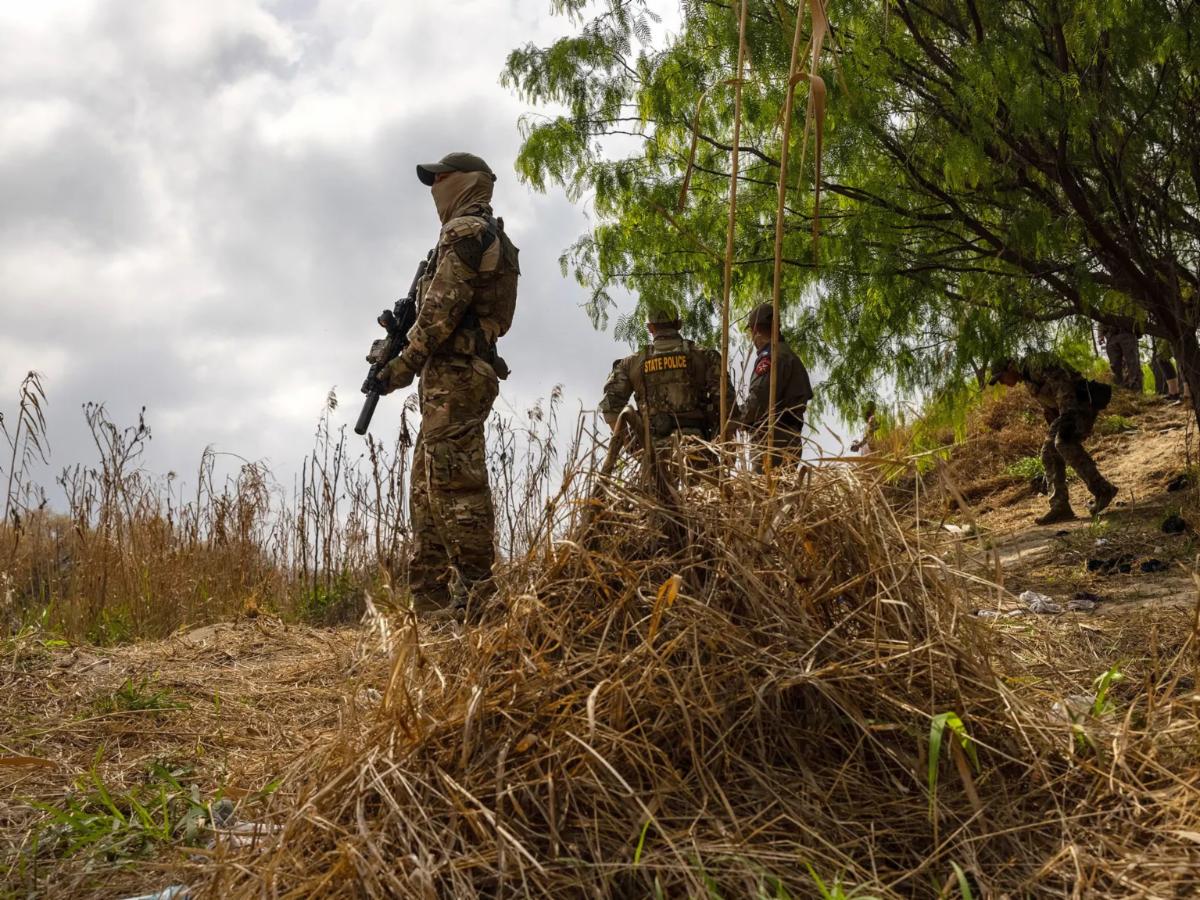
On March 4, Texas Governor Greg Abbott announced Operation Lone Star in which he sent thousands of state troopers to the Texas-Mexico border “to deny Mexican Cartels and other smugglers the ability to move drugs and people into Texas.” Terence Garrett, who researches border security, argues that these events such as Operation Lone Star spread fear among locals: “Harassment is normalized, even though it wouldn’t be accepted anywhere else, but this is the experience here, where we basically have a police state.” Aaron Nelsen reports, for example, that local mechanics or farmworkers are afraid to get food because of the risk of getting pulled over and deported. State troopers lack authority to arrest on immigration violations, which are federal jurisdiction, but they can make traffic stops for the slightest infraction and uncover “crimes” in the process. The relationship between police officers across Starr County and the state troopers, according to Nelsen, “is not an altogether positive one.”
|
|
|
|
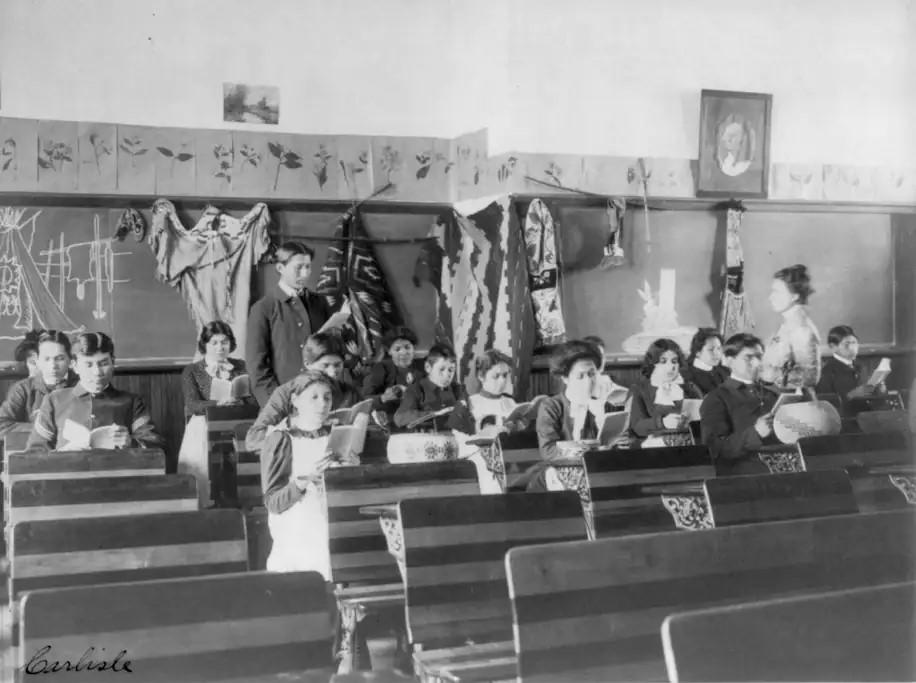
More than 100,000 Indigenous children were placed in about 375 “boarding schools” throughout the United States from the late 19th century through the 1960s. These institutions, as Amy Worden notes, “operated on the belief that such youth could be ‘civilized’ if removed from their tribal environment.” Interior Secretary Deb Haaland pledged action to identify boarding facilities, cemeteries, and the children buried there. The US Army’s War College and Carlisle Barracks occupy what were the grounds of one such institution—an institution that was the burial ground for at least 189 Indigenous children who died in the custody of the school. The full account of how many Indigenous children died in these institutions may never be known because of poor record keeping, poor burial practices, and the relocation and reconstruction of cemetery grounds. Christine DiinDiisi McCleave, executive director of the National Native American Boarding School Healing Coalition, argues: “To take children away from their homes and families and subject them to assimilation is to commit cultural genocide.”
|
|
|
|
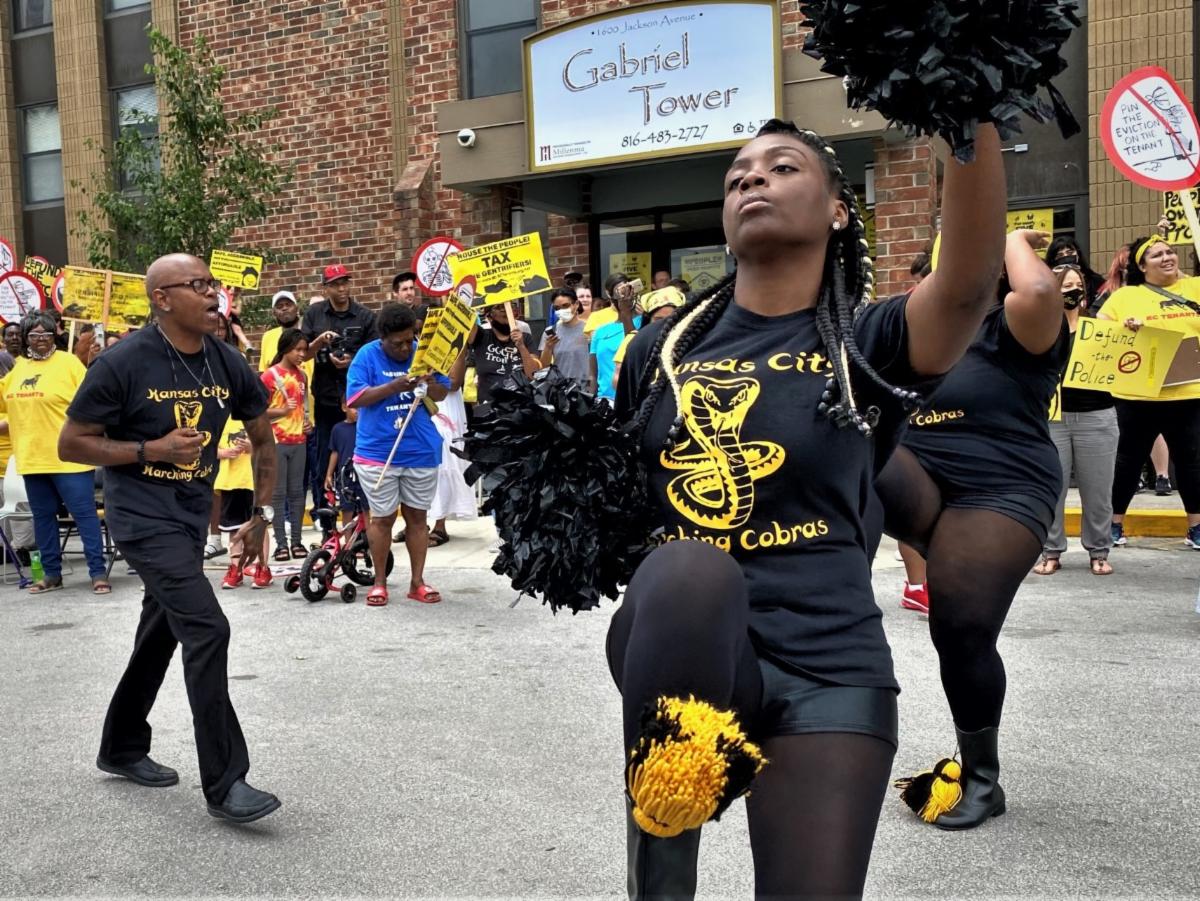
KC Tenants, a Kansas City tenant’s right groups, proposed setting up a trust fund using money from the police budget. This fund would be used to build low-income housing and aid renters facing eviction in the city. Sabrina Davis, an organizer with the group, argues: “In Kansas City today, in the world today, in this housing market, my landlord does have all the power over me... He has total control over my destiny.” KC Tenants wants to shift the power to favor low-income renters. The group’s proposal, which they sent to the Kansas City Council, would establish an ongoing fund paid for by an annual diversion of $22 million from the city police budget and a dedicated tax on developers.
|
|
|
|
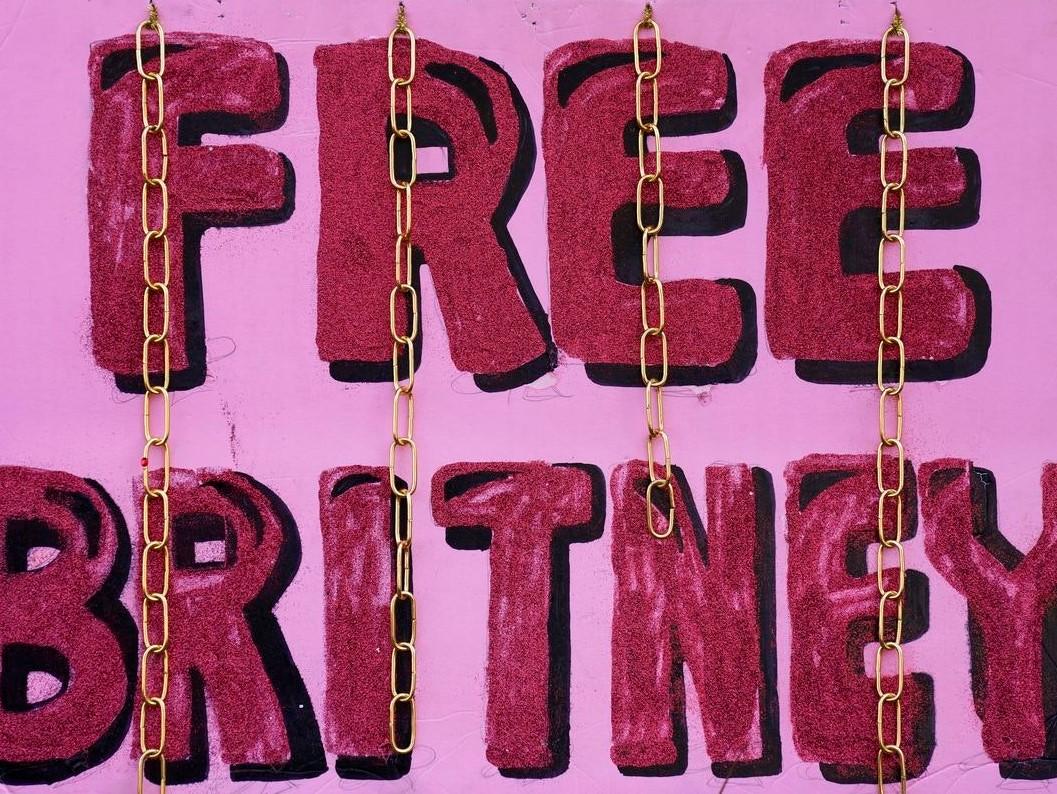
Britney Spears testified on her own behalf, describing details of how her thirteen-year long conservatorship has given her father authority of all aspects of her life. Conservatorships, Beatrice Adler-Bolton recognizes, are “a much more widespread issue than the mistreatment of one exceptional individual.” Millions of people are under similar arrangements in the United States, and Britney’s experience of being dehumanized is reflective of the way the law allows for individuals to be stripped of their autonomy and personhood. Within these arrangements and within the broader carceral system, for example, chemical incarceration (“imposed or coerced medication”) has been used as a carceral tool under the auspices of protecting society or individuals from themselves. For centuries, legal guardianship and conservatorship frameworks have reorganized and redistributed family wealth, according to Adler-Bolton, “away from individuals who do not meet a variety of norms.” Those under these frameworks are made invisible from society and their communities. Adler-Bolton concludes: “Britney’s experience should be an indictment not just of her unique circumstances—but of the legal framework of conservatorships and the practice of chemical incarceration as a whole; from coercive treatment relationships to community treatment orders, to the laws we use to strip anyone of personhood. When the state decides that someone is no longer a ‘competent citizen’ it’s not up to us to nitpick and determine whether the individual is deserving of organized abandonment and state subjection and defend their rights accordingly. Instead, we must demand to #FreeThemAll—no matter how mad they might be.”
|
|
|
|
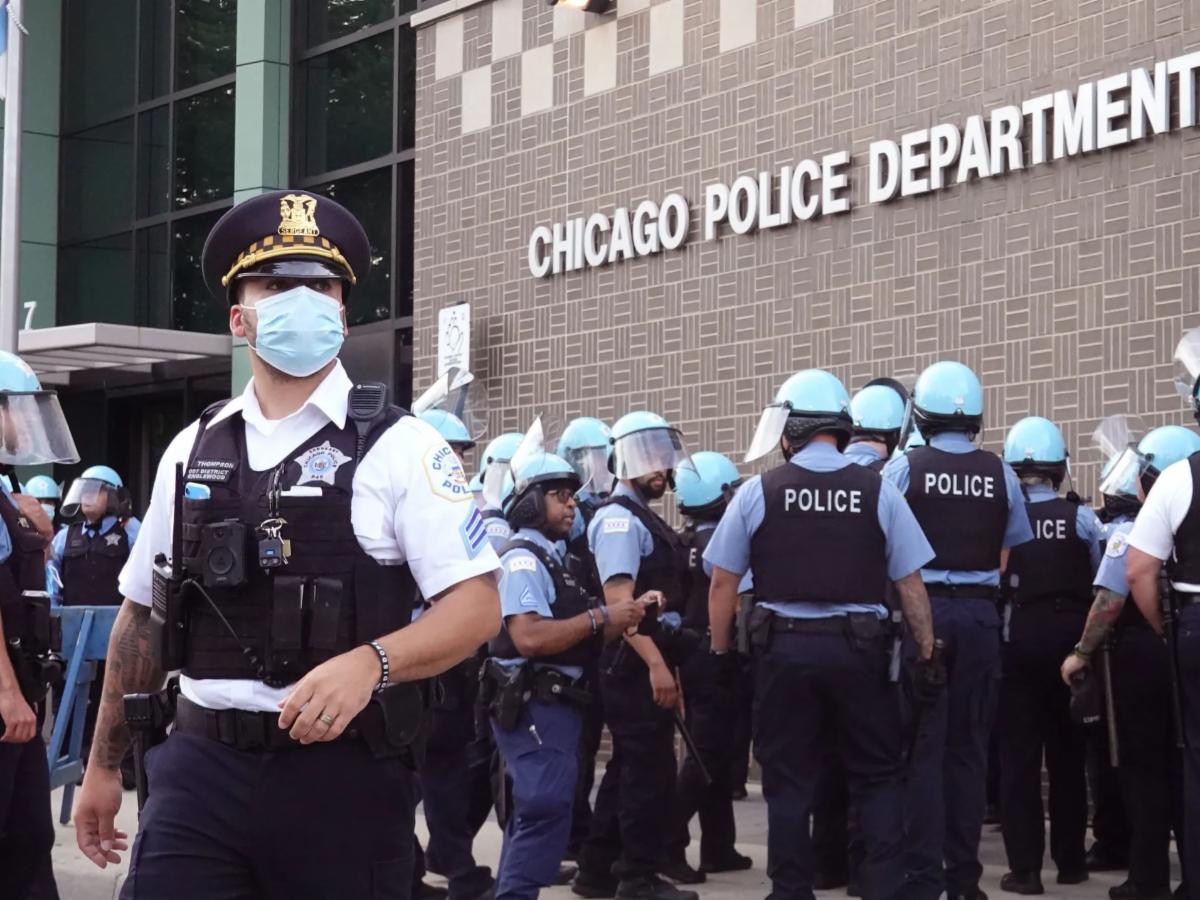
Upon hearing of the shooting of a young girl in Chicago, Takenya Nixon Brail, a public defender, explains her feelings of outrage “about how a tragic death was once again being weaponized by the media, police, leaders, and lawmakers to scare the public into thinking reform is the culprit and more police is the answer.” New coverage parroted police talking points, such as emphasizing the criminal record of the girl’s father, who was also wounded in the incident. Brail writes: “It is simple, they [journalists, police officers, and politicians] told us, like every time before: We need more police officers, and more Black people in cages. Once again, this narrative became the prevailing one. And once again, people are accepting it.” Politicians and police, enabled by the media, have weaponized tragedies to fearmonger over crime and thereby build support for “the same costly, wasteful, racist, and, yes, violent strategies of policing and criminalization that continue to create conditions that allow little Black girls to get shot in what should be the safety of a parent's car at McDonald's.” Policing, Brail concludes, makes communities and people less safe. Ending this cycle requires rejecting the narrative of fearmongers and having the patience for change to a society with less punishment and policing.
|
|
ABOUT
The Consortium Newsletter will offer a roundup of a few selected articles that reflect today’s news, organizing, and thinking related to the carceral state. We understand that freedom work is built on education and engagement. Education requires an understanding of contemporary issues informed by their historical context. We hope that these curated articles will help you analyze the issues that we face and understand the community that we strive to construct.
Join the conversation!
We encourage feedback, suggestions, and article suggestions. Please reach out to carceralstudies@ou.edu with any ideas, thoughts, or recommendations.
If anyone you know is interested in receiving this newsletter and other information from the Carceral Studies Consortium, please forward them this email and they may click this link to subscribe.
|
|
Land Acknowledgment
The University of Oklahoma is on the traditional lands of the Caddo Nation and the Wichita & Affiliated Tribes. This land was also once part of the Muscogee Creek and Seminole nations. It also served as a hunting ground, trade exchange point, and migration route for the Apache, Cheyenne, Comanche, Kiowa, and Osage nations. Today, 39 federally-recognized Tribal nations dwell in what is now the State of Oklahoma as a result of settler colonial policies designed to confine and forcefully assimilate Indigenous peoples.
|
|
The University of Oklahoma is an equal opportunity institution. ou.edu/eoo |
|
|
|
|
|
|