|
It has certainly been a busy time in Washington, D.C. as the U.S. House of Representatives has been in session for seven weeks working on several pieces of key legislation. Perhaps the most important of these was the passage of the Fiscal Responsibility Act. Not only does this legislation, which has now been signed into law, keep the promise to the American people to cut year-over-year spending and rein in Democrats' out-of-control and inflationary spending, but it also ensured we avoided a catastrophic default on our national debt.
Members of Congress have now returned to our districts until mid-July, and I am looking forward to spending time with Fourth District constituents.
Read on for a full update since the last time I wrote to you.
| |
Reining In Regulation
While back in the Fourth District of Oklahoma, one of the top concerns I hear from constituents is the crushing weight of increasing overreach, overregulation and red tape from the federal government, which does not allow families and small businesses to flourish and succeed. Unfortunately, the Biden Administration has not taken note, and while forcing its progressive policies on the nation, President Joe Biden and Democrats have instead abused regulatory power and have produced egregious regulation after regulation.
The Constitution clearly articulates that Congress holds lawmaking power. However, President Biden and his administration have circumvented Congress over and over again. In fact, President Biden finalized regulations adding more than $200 billion in new regulatory costs in his first year as president, which was more than quadruple the costs added during President Barack Obama’s first year, and more than $1 trillion in new regulations in 2022.
To reassert the legislative authority of Congress, this month House Republicans passed the Regulations from the Executive in Need of Scrutiny (REINS) Act of 2023. In an era of expanding government regulations, this legislation puts the American people first by requiring congressional approval for major and costly regulations, offering a necessary check on the regulatory state. This legislation would define a “major rule” as any federal rule or regulation that may result in an annual effect on the economy of $100 million or more, a major increase in costs or prices for consumers, individual industries, government industries, government agencies or geographic regions or significant adverse effects on competition, employment, investment, productivity, innovation or the ability of U.S.-based enterprises to compete with foreign-based enterprises.
Excessive and burdensome regulations hinder economic growth and innovation. The REINS Act recognizes the detrimental impact of regulatory overreach and offers a business- and economy-friendly solution. By subjecting major regulations from unelected officials to congressional approval, this bill gives the power back to the American people and those they elect. Members of Congress will be able to evaluate the potential economic consequences and ensure that proposed regulations strike the right balance between protecting public interests and promoting economic growth.
An overregulated United States is bad for families, businesses and the economy, and federal agencies currently wield significant power to shape policy without sufficient public scrutiny. The American people who foot the bill while complying with these excessive regulatory burdens deserve congressional debate and consideration – not an unnamed bureaucrat in an agency office unilaterally passing on unfunded mandates. The REINS Act is a crucial step towards reining in excessive regulations, promoting economic growth, protecting individual liberties and ensuring the American people are heard in the regulatory process.
| |
Keeping the Commitment to Fiscal Responsibility
The Fiscal Responsibility Act, which was recently signed into law, will do just what it is named to do – restore fiscal sanity in Washington. With Democrats in control of the presidency and the Senate, this bill is not only a good compromise, but also a great first step to get the government back on track and away from the out-of-control and inflationary spending Democrats and President Joe Biden have steamrolled through the past two and a half years.
Since taking office, President Biden and congressional Democrats have increased the 10-year spending trajectory by $10 trillion, causing the United States to reach the statutory debt ceiling more quickly than expected. Even after that, President Biden and Democrats refused any constraints to spending more and more money. Their needless delays to come to the table and work out a sensible and responsible deal to raise the debt limit certainly put our country in a vulnerable position. However, by passing the Fiscal Responsibility Act, House Republicans are keeping the promise to the American people of cutting spending year over year.
This legislation lifts the debt ceiling through January 1, 2025, while putting in place a series of fiscal reforms that will save taxpayers money. For the first time in history, we are pairing a debt ceiling increase with a year-over-year decrease in spending. Spending less in fiscal year 2024 than in fiscal year 2023 is something that has never happened before and will be accomplished while preserving funding for our national defense and ensuring veterans get the care they need and deserve.
In addition, this legislation includes a provision that enacts the first-ever mechanism to limit new spending resulting from the executive branch’s regulatory processes. Specifically, if a proposed administrative action would increase spending by over $100 million a year, the head of that executive agency would also have to propose one or more additional actions that would reduce spending by an equivalent or greater amount. If such a requirement had been in place since the beginning of President Biden’s term, nearly $1.5 trillion in spending would have been avoided.
The Fiscal Responsibility Act would also claw back $28 billion in unspent COVID-19 pandemic relief money that is no longer needed, which is the largest rescission in history. Finally, it includes major reforms to work requirements for federal assistance programs to incentivize able-bodied adults without dependents to rejoin the workforce and contribute to their communities and includes real permitting reform that will speed up the approval process for infrastructure and energy projects. At the end of the day, the American people expect lawmakers on both sides of the aisle to work together for the good of the country, and that is exactly what this bill achieves.
This bill is the result of negotiations between President Biden and House Republicans. It is not a perfect bill, but it does represent a compromise that is necessary in divided government. We agreed that the United States cannot and will not default on our national debt, but we also put forward clear, commonsense and responsible savings that will bring reckless spending under control.
| |
Restoring Order At The Border
Chaos is the one word that accurately describes the current situation at the southern border. The present state of affairs that has gone on for more than two years as a direct result of reckless and thoughtless policy decisions by the Biden Administration is endangering lives and U.S. security. It cannot continue as is. However, House Republicans advanced legislation last month to restore order and alleviate this national security and humanitarian crisis of unprecedented proportions.
The Democrats’ open border agenda started with halting border wall construction. That was followed by the reinstatement of catch and release, termination of “Remain in Mexico” and measures that tied the hands of law enforcement. These thoughtless policy decisions have caused some of the largest waves of illegal border crossings in recorded history, exceeding 5 million since President Biden has been in office, according to Customs and Border Control’s (CBP) own numbers. CBP also reports that nearly 1.3 million illegal immigrants have evaded apprehension and escaped into the U.S.
These numbers only scratch the surface of the grim realities faced. A porous border is anything but kind or compassionate as it empowers drug cartels and human traffickers and allows fentanyl and illicit drugs to flow into our communities. CBP as seized more than 14,000 pounds of fentanyl at the border since President Joe Biden assumed office, enough to kill more than 3 billion people. And it has also become a path utilized by terror suspects to try and sneak into our homeland. So far in fiscal year 2023 alone, 80 people on the terrorist watch list were caught trying to enter our country unlawfully. With Republicans in control of the House of Representatives, Congress can now act and begin to repair the damage done.
After repeatedly pleading with the Biden Administration and House Democrats to acknowledge the humanitarian and security crisis at the border to no avail, last month, House Republicans passed a critical piece of legislation to secure our border and stop the surge of illegal immigration. H.R. 2, the Secure the Border Act of 2023, is a complete rejection of President Biden’s border policies and purposeful inaction.
H.R. 2 provides the resources and direction necessary to secure the border once and for all. The legislation’s important reforms combat fraud and abuse in the asylum process, prevents the catch and release of aliens into American communities and establishes new penalties for visa overstays. It also immediately resumes construction of the border wall, which President Biden halted on his first day in office, and adds more physical barriers and tactical infrastructure along the border. Additionally, this bill would give our dedicated border patrol agents the resources, equipment and manpower to meet their mission and gain operational control and strengthens current law to protect unaccompanied children from human trafficking.
The measures in the Secure the Border Act of 2023 will go a long way to secure our southern border and end the reign of horror that the cartels are perpetrating against vulnerable populations. We have a constitutional obligation to secure our border and keep Americans safe, and I was proud to support its passage to help uphold that commitment.
| |
Countering Coercion
The Chinese Communist Party (CCP) for quite some time has used malign economic coercion tactics to intimidate its neighbors in the Indo-Pacific region and manipulate them to surrender to various types of political, economic and other demands. The U.S. has an interest in countering such economic coercion in order to retain our influence on the international stage and protect critical allies and partners such as Japan, Taiwan, South Korea and many others. Unfortunately, the U.S. has only seen Chinese influence grow in recent years. To help stop such economic coercion from happening, we must first significantly update our policy toolkit.
From 2010 to 2020, the CCP committed dozens of acts of notable economic coercion. An early example being Japanese maritime dispute from 2010 to 2012 in which the CCP restricted exports to Japan, one of our most critical international partners of rare earth elements, due to an inauspicious collision involving boats from the two countries. The fallout ultimately resulted in Japan spending an estimated $1 billion on mitigation and diversification.
In 2020, in response to Australia’s call to conduct an inquiry into the origins of the COVID-19 pandemic, the CCP cut exports of coal, barley, beef, copper, wheat and other necessities. While in 2020, 66 percent of Chinese iron ore imports came from Australia and 88 percent of Australian exports went to China. Luckily, in this case, Australia was able to make a shift in their private sector and develop new markets to ease the burden of this embargo.
And more recently, beginning in 2021, the CCP blocked all imports and exports to Lithuania in retaliation to the Lithuanian government’s decision to open a Taiwanese Representative office. The CCP has since then also imposed informal secondary sanctions on exported goods from EU countries made with Lithuanian materials. Initial estimates of this have resulted in a 0.5 percent decrease in gross domestic product for Lithuania.
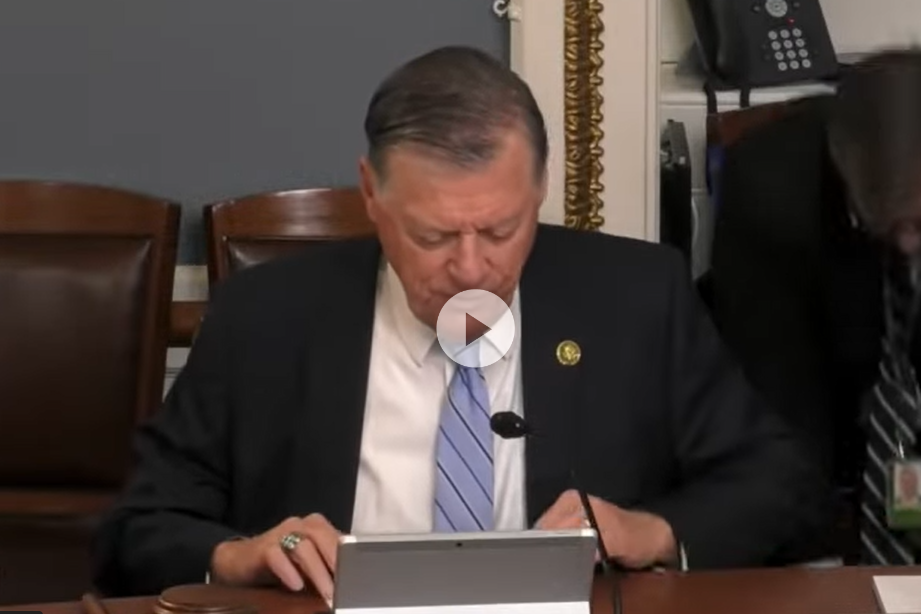
As a lead sponsor of the Countering Economic Coercion Act of 2023, I am pleased that a portion of the jurisdiction for this legislation rests with the House Rules Committee, and last month, I chaired the first committee hearing on the provision. If signed into law, the legislation would provide the president new tools to provide rapid economic support to partners and allies facing economic coercion from any aggressive and ill meaning state actor and hold it accountable for its actions. This bill would enable the U.S. government to initiate a response against any such bad actor until the victim nation and markets can adjust. While the U.S. already has limited relief tools in place in case a nation such as China were to retaliate, including exporting credit lines and expedited licensing, it is simply not enough, and the targeted victim be supported in their effort to resist pressure to surrender, including in many cases to benefit to protect American consumers and producers.
|  | Everyone saw and recalls the incident where the CCP sent several spy balloons throughout the world, including the U.S., and also allegedly set up discrete policing stations to gather intel and counter political and cultural influences within the U.S. This, along with the CCP’s past coercive tactics against countries on numerous known occasions, is evidence that it is not a matter of if Communist China will continue to provoke the U.S. or antagonize our international friends and allies. By standing idly by, the U.S. is succumbing to these coercive tactics by not ensuring our private sector is prepared. | |
Stay Informed
In addition to regular recaps in e-newsletters like this one, I encourage you to keep up with my work through my more frequent updates on social media (Facebook, Twitter, Instagram and YouTube), including my Weekly Chat video series.
I also invite you to sign up to join one of my next telephone town halls, during which time I answer questions directly from listeners.
In the meantime, if you have any questions or need assistance with a casework matter, my staff is available to help. Just call my office at (405) 329-6500, and my staff will be ready to assist.
|
Tom Cole
Member of Congress
| |  |
Tune in for my “Weekly Chat” video series in which I shed light on recent votes, explain topics that can be confusing and simply share with you directly about what I've been up to. | CONGRESSIONAL APP CHALLENGE | |
The submissions portal for the 2023 Congressional App Challenge is now open! Middle and high school students who are interested in STEM fields and want to create their own "app" can register and submit their entry HERE by Wednesday, November 1 at 11a.m. CT.
More information including rules and regulations can be found HERE.
| |
As an eternal learner, I am constantly reading. I invite you to follow along with what I'm reading each month.
Click HERE to see what I'm currently reading!
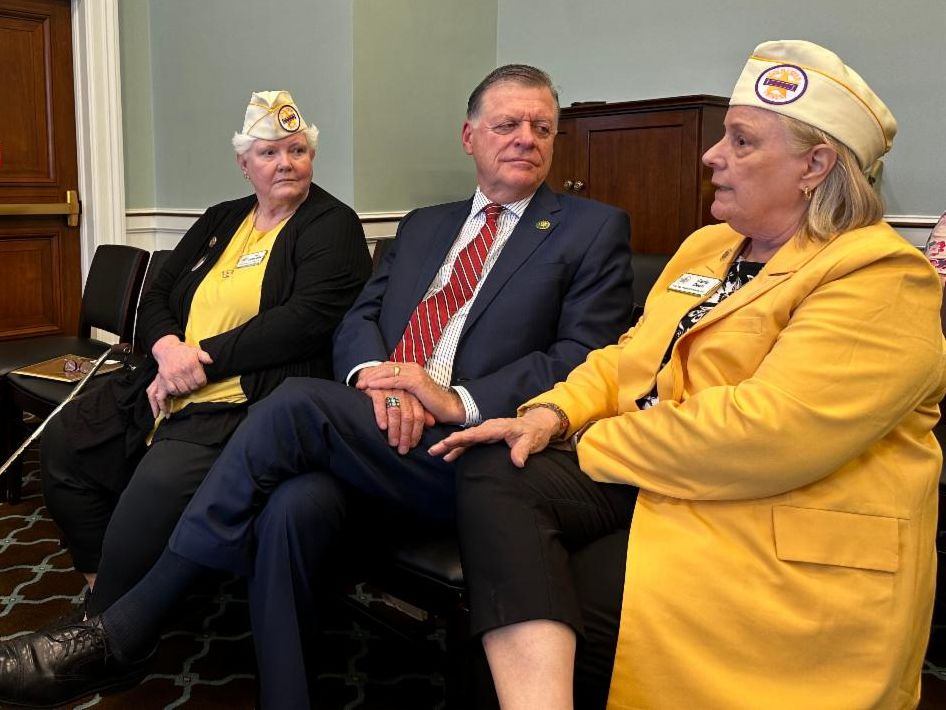
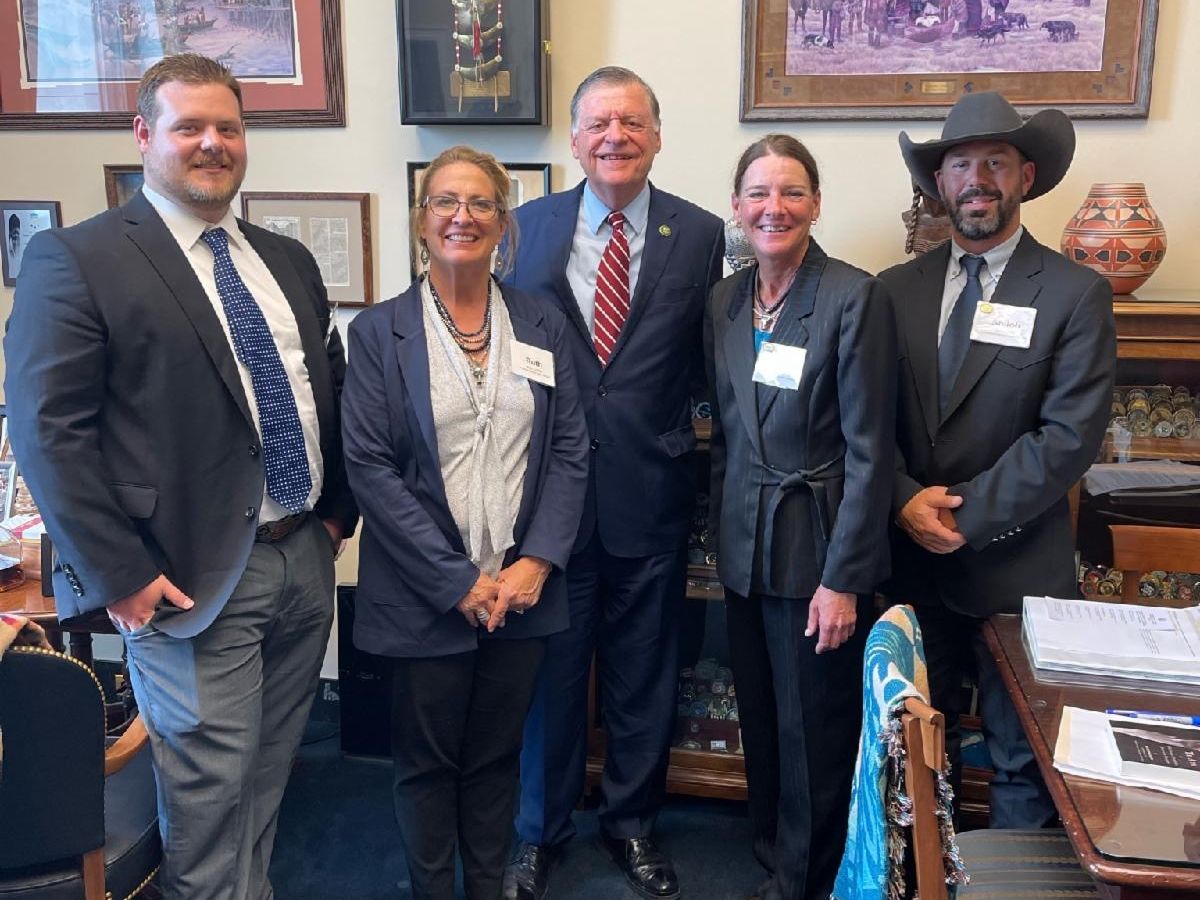
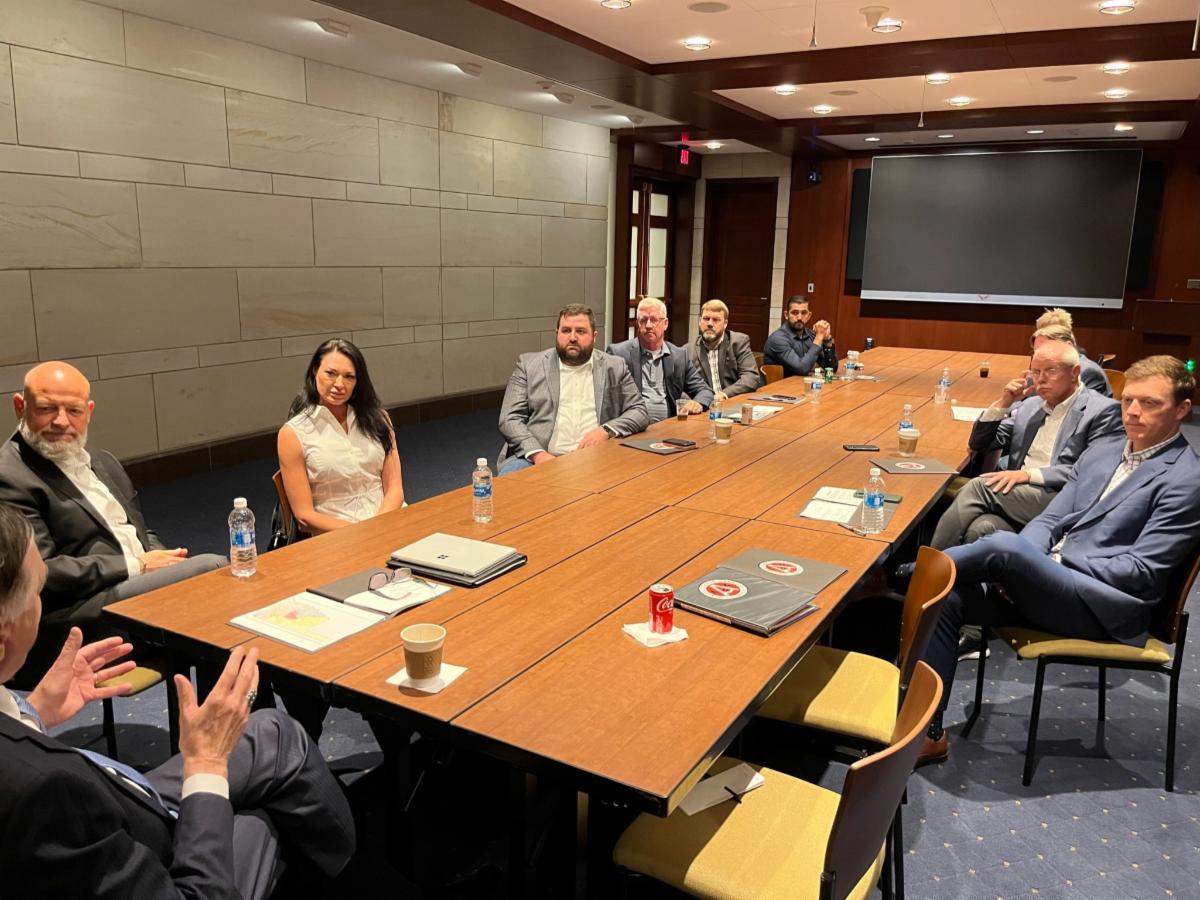
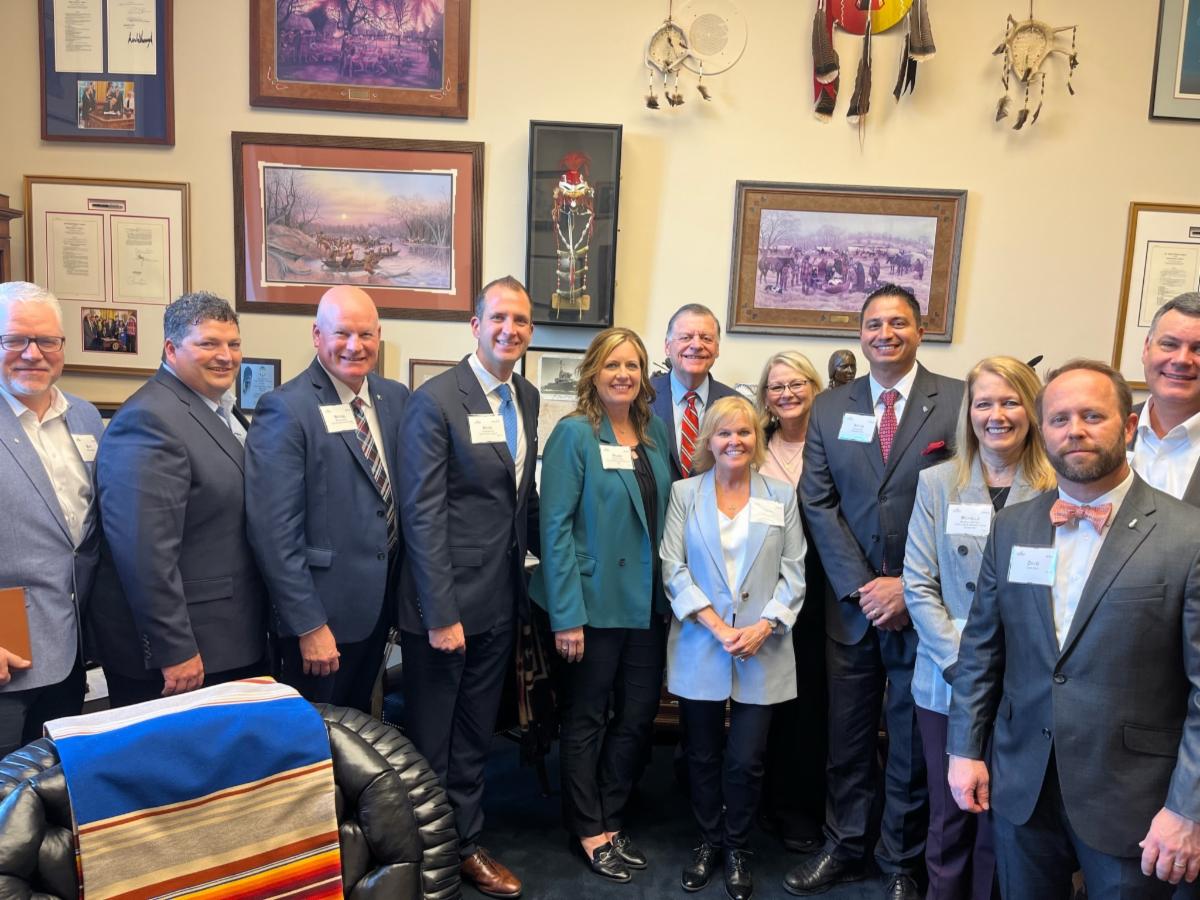
| 2023 OK-04 CONGRESSIONAL ART COMPETITION WINNERS | Congratulations to OK-04's 2023 Congressional Art Competition winner, Leah Crowson! While in Washington, D.C, she was also able to see her winning masterpiece, titled Cathedral, hanging in the Cannon tunnel of the Capitol, where it will remain for the next year. | Sam Dominguez of Moore received the most votes in the "People's Choice" contest online for his artwork titled Enfocado (Focused), and it was created digitally. | Miranda Wrobel of Norman received the second-most votes in the "People's Choice" contest for her drawing titled Jumbled Mind, and it was created using pencil. | Was proud to congratulate this impressive group of young leaders on their appointment to one of our nation’s esteemed military academies. | Spoke to two Gold Star wives from Oklahoma about the need to support surviving spouses and families of our fallen service members. | Met with Oklahoma’s National Cattlemen’s Beef Association members and Young Cattlemen’s Conference participants about the importance of the 2023 Farm Bill and taking care of Oklahoma’s farmers and ranchers. | Toured General Aviation Modifications, Inc. (GAMI) and Tornado Alley Turbo, two aviation companies at the Ada Regional Airport. The best part of the tour, however, was seeing a piece of history, a control panel from NASA during the era of the Apollo 11 moon landing. | Had a very informative tour of Ada Housing Authority (AHA) properties with Director Wendi Zachary. She updated me on the current housing needs in the area, the renovation projects that are needed and the timeline of the projects that are underway. | Spoke with this group of Oklahoma Road and Bridge Builders about improving core infrastructure, repairing structurally deficient bridges and making sure that we have the right regulations to optimize projects in Oklahoma. | Met with then Vice Chief of Staff of the Army General Randy George at Fort Sill to discuss priorities for the U.S. Army, Fort Sill and to congratulate him on his promotion to Chief of Staff of the Army. | Met with members of the American Hotel and Lodging Association from Oklahoma to discuss proposals to address workforce shortages and support small businesses. | |
WANT MORE RECENT NEWS?
For my latest statements and columns, please visit the Media Center section of my website HERE.
| |