ConTex Conversations

November 2025


To celebrate the achievements of our ConTex family, we periodically feature insightful conversations with some of our doctoral fellows. They talk to us about their research, goals, and enthusiasm for binational collaboration.


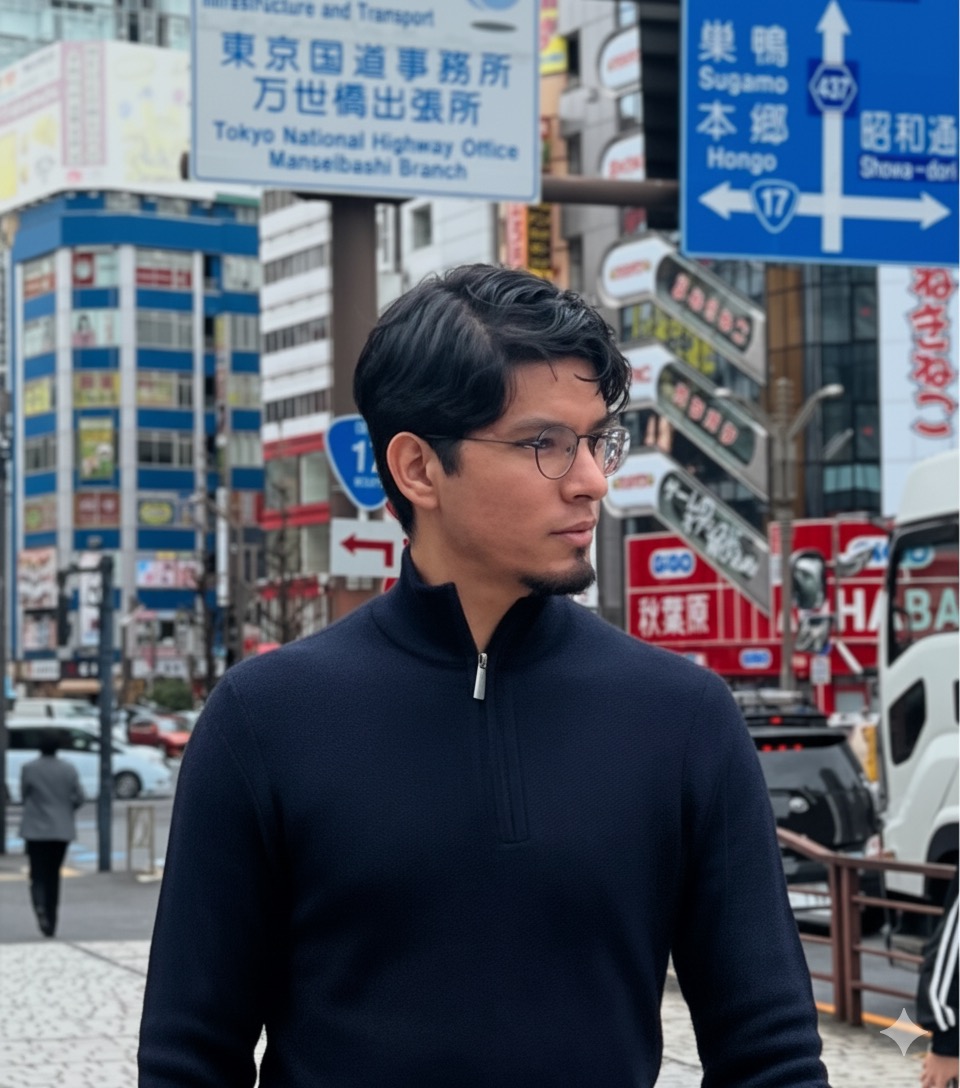
Sergio Daniel Ibarra Cedillo

Hometown:

Guadalajara, Jalisco 


Degree Program:

Ph.D. in Civil Engineering


Institution:

The University of Texas at Arlington


Advisor:

Dr. Juan Antonio Balderrama García Méndez  


Tell us about your research project and why it is important to you.  


Among the various challenges facing the field of structural engineering, one in particular has caught my interest: the behavior of reinforced concrete columns subjected to biaxial shear, a vulnerability that has hardly been explored in this area. The purpose of my project is to understand how these columns respond to biaxial complex stresses, an aspect that I consider crucial for advancing structural design and strengthening building safety. My research is particularly relevant in seismic regions or those with unconventional loads, issues that are extremely important in both Mexico and the United States. Understanding these interactions will allow us to more accurately predict the actual behavior of structural elements and design safer and more efficient buildings. 


Additionally, I am participating in an experimental project with Dr. Shih-Ho Chao focused on the analysis of post-tensioned concrete elements. Its main objective is to verify whether the formulas of the American Concrete Institute (ACI) used for predicting the ultimate tendon stress (fps) are consistent with the experimental results. With this work, we combine theoretical analysis with laboratory data, strengthening the relationship between design models and the actual behavior of structural elements.


Have you presented or published your research anywhere? Tell us about the experience.  


So far, I have presented my research in academic reviews within the doctoral program. These opportunities have made it possible to receive valuable feedback from my advisors and helped me strengthen the quality of my analysis. Currently, we continue to gather results in both projects—the study of biaxial columns and the experimental analysis of post-tensioned concrete—and we expect to publish these findings in scientific articles and present them at specialized conferences soon.


What would you say is something interesting about your area of study that most people don't know? 


I find it fascinating—and perhaps it may be surprising to those unfamiliar with the subject—just how complex the buildings in which we live, work, and spend much of our lives truly are. Every structure around us is designed to withstand forces that we often do not perceive: vertical and horizontal loads, seismic movements, wind, and even the interaction of many people using the space simultaneously.


What I am most passionate about in structural engineering is that every decision—the shape of an element, the material chosen, the connection between parts—, no matter how insignificant it may seem, has a direct impact on the safety and well-being of those who inhabit or use a building. Understanding and anticipating these interactions is not just an academic exercise, but a way to safeguard the lives of its inhabitants and contribute to making our cities safer and more resilient. It is this challenge and the responsibility that comes with it that drives me to continue learning and researching in this field.


Tell us about your academic or professional collaborations with Mexico.  


Before beginning my doctoral studies in Texas, I spent several years working as a structural engineer in Guadalajara, Mexico, gaining practical experience in project design and supervision. This experience has been of great value, for it has given me insight into the real challenges of structural engineering before delving into academic research.


During my studies at UT Arlington, I had the opportunity to participate in damage assessment after Hurricane Otis in Acapulco, Mexico, working alongside Dr. Juan Antonio Balderrama and the University of Florida. The fieldwork experience, documenting the damage through photos, notes, and geolocation of the affected buildings, reaffirmed for me the importance of structural engineering in ensuring the safety of people and communities. Contributing to a project that was later officially published on the NSF's DesignSafe-CI platform as part of StEER: Hurricane Otis Early Access Reconnaissance Report (EARR) was undoubtedly a very significant moment in my professional training.


I hope that the research we are conducting will serve as a basis for future academic collaborations with researchers in Mexico. 


What attracted you to Texas and The University of Texas at Arlington?  


One of the reasons that most inspired me to choose UT Arlington for my doctoral studies was the opportunity to work again with Dr. Juan Antonio Balderrama, whom I had been fortunate enough to meet in Mexico in a professional setting. His work and passion for research were key factors in my decision, and I am very grateful for the opportunity to learn from someone so dedicated and committed to research.


In addition, Texas offers an exceptional environment for research in structural engineering, with a large and diverse construction sector that enables the development of projects of great practical and academic relevance. At the same time, its proximity to Mexico fosters strong cultural and academic links between the two countries, something I greatly value and which contributes to making this experience feel closer to home.


What have been some good things you didn't expect from Texas or UT Arlington? 


Something that impressed me about UT Arlington is the quality of its facilities, which make it possible to conduct high-level research. Here, I have found resources and tools that facilitate tackling complex issues with professional rigor, which has been essential to advancing my projects.


What I did not expect was to find such a diverse community that is also so open to collaboration. The wealth of experience and knowledge of researchers and colleagues has enriched my learning, making it much more complete and stimulating. In addition, the security and infrastructure of the campus have made me feel supported and protected, even during extended hours, such as my visits to the 24-hour library. In its spaces, I have created memories that I will carry with gratitude and nostalgia as I conclude this stage of my journey.


I have also been deeply impressed by the level of support provided by the university, not only academically but also personally. From the first semester, I felt that the professors were genuinely invested in our professional growth, and that kind of attention makes a significant difference in the educational experience.


What have been the biggest challenges of studying at UT Arlington and living in the United States?  


I think the biggest challenge has been leaving the comfort and warmth of my home in Mexico and taking on responsibilities as someone who lives independently, something I had never experienced before. Moving to the United States meant leaving all that behind and growing up. It's not easy to adapt to a new environment, considering aspects from the climate to the way you interact with people, but it is precisely in these changes that personal and professional growth lies.


It has also been a challenge to balance all these new experiences with my studies, research, and daily life. There are times when I deeply miss the closeness of my family and my routine back home, but facing these changes has helped me grow, learn to manage my responsibilities, and appreciate each achievement. This experience, although challenging, has left me with memories and lessons that I will always cherish.     


How has the support of ConTex and Secihti impacted you?  


The support provided by ConTex and Secihti has greatly benefitted my academic development. This scholarship has eased the financial concerns that usually come with studying abroad, allowing me to fully focus on my research and academic development. This fellowship has also brought my family peace of mind, knowing that I can study at a top-level university without it being a financial burden for them.


Being able to focus freely on my studies, without the constant worry of how to cover living expenses in a country where they are considerably higher than in Mexico, is an invaluable privilege. It is truly gratifying and worthy of recognition that programs such as the Secihti-ConTex Doctoral Scholarships exist. They not only support students but also strengthen dreams of personal and academic achievement that would otherwise be difficult to achieve.


What kind of work do you hope to do in the future, and how do you hope your research will benefit people in the U.S. and Mexico? 


I am eager to continue working in the field of structural engineering, combining research and professional practice. I am interested in the possibility of generating new knowledge that contributes to strengthening codes, analysis methods, and our understanding of structural behavior.


I am also excited about the possibility of contributing to the training of new generations of structural engineering professionals, accompanying them, helping alleviate their concerns, and motivating them to propose, create, and question. Providing them with tools and academic support, to grow both independently and within institutions, is a way to collectively strengthen the future of engineering in Mexico and anywhere in the world.


I hope that the results of my research contribute to improving our knowledge of structural elements in construction and strengthening the technical link between Mexico and the United States. In the US context, these studies can help enhance design models and improve structural safety in the face of seismic events or extreme loads. In Mexico, this same knowledge can be adapted to local conditions, generating more accurate design practices in line with the country's construction reality. 


In the long term, I would like to contribute to the creation of research programs in Mexico that provide opportunities for those who do not have the possibility of studying abroad. Scholarships and support such as those offered by ConTex are a great help, but it is also important that quality local options are available so that people can freely choose to develop their skills in their own country or abroad. Talent can emerge from the most unexpected places, and opening spaces for that talent to flourish is a way of building the future.     


What advice would you give to other Mexican students considering studying in Texas?  


If you are considering studying in Texas, I would encourage you to do so with confidence. Texas is home to universities that offer excellent academic programs and strong ties to Mexico, due to both geographical proximity and the cultural bonds we share.


Studying abroad is never easy: it involves adapting to new ways of working, languages, climates, and cultures. However, it also represents a tremendous opportunity for personal and professional growth. We tend to think that these types of experiences are unattainable or reserved for a select few, but that is not the case. There are various forms of support, including scholarships, and people willing to help; the important thing is to dare to ask, approach professors and researchers, and seek out those opportunities. 


If Texas is among your options, it represents an exceptional opportunity. It is a place where you can learn, collaborate, and develop in a diverse environment, without losing your connection to Mexico. Beyond the place itself, every experience outside the country broadens our vision and provides new tools and knowledge that, over time, are reflected in what we do for our environment and our community.


Conversaciones ConTex

Noviembre de 2025


 Para celebrar los logros de nuestra familia ConTex, periódicamente publicamos conversaciones inspiradoras con algunos de nuestros becarios de doctorado. Ellos nos hablan de sus proyectos de investigación, sus metas y su entusiasmo por la colaboración binacional.


Sergio Daniel Ibarra Cedillo

Lugar de Nacimiento: Guadalajara, Jalisco


Programa de Estudios: Doctorado en Ingeniería Civil 


Institución:

La Universidad de Texas en Arlington


Asesor:

Dr. Juan Antonio Balderrama García Méndez


Cuéntanos acerca de tu proyecto de investigación y por qué es importante para ti.


Entre los diversos desafíos que enfrenta el campo de la ingeniería estructural, uno en particular ha captado mi interés: el comportamiento de columnas de concreto reforzado sometidas a corte biaxial, una condición de vulnerabilildad poco explorada en esta área. Mi objetivo es analizar cómo responden estas columnas ante solicitaciones complejas en dos direcciones, un aspecto que considero fundamental para mejorar el diseño estructural y fortalecer la seguridad de las edificaciones. Mi investigación adquiere especial relevancia en regiones sísmicas o con cargas no convencionales, cuestiones sumamente importantes tanto en México como en Estados Unidos. Comprender estas interacciones permitirá predecir con mayor precisión el comportamiento real de los elementos estructurales y diseñar construcciones más seguras y eficientes. 


Adicionalmente, participo en un proyecto experimental con el Dr. Shih-Ho Chao enfocado en el análisis de elementos de concreto postensado, cuyo principal objetivo es verificar si las fórmulas de ACI  que se utilizan para predecir el esfuerzo en los tendones en estado último (fps) se ajustan a los resultados experimentales. De esta manera combinamos el análisis teórico con datos de laboratorio, fortaleciendo la relación entre los modelos de diseño y el comportamiento real de los elementos estructurales.


¿Has presentado o publicado tu investigación en algún lugar? Cuéntanos sobre la experiencia.  


Hasta el momento, he presentado avances de mi investigación en revisiones académicas dentro del programa de doctorado. Estos espacios me han permitido recibir retroalimentación valiosa de mis asesores y fortalecer la calidad de mis análisis. Actualmente, continuamos obteniendo resultados en ambos proyectos —el estudio de columnas biaxiales y el análisis experimental de concreto postensado—, y tenemos la expectativa de publicar estos hallazgos en artículos científicos y presentarlos en conferencias especializadas en un futuro cercano.


¿Qué dirías que es algo interesante sobre tu área de estudio que la mayoría de la gente no sabe?  


Me resulta fascinante -y quizás sorprenda a quienes no estén familiarizados con el tema- la complejidad que hay detrás de las edificaciones en las que vivimos, trabajamos y transcurre gran parte de nuestra vida. Cada estructura que nos rodea está diseñada para resistir fuerzas que muchas veces no percibimos: cargas verticales y horizontales, movimientos sísmicos, viento, e incluso la interacción de muchas personas usando el espacio de manera simultánea.


Lo que más me apasiona de la ingeniería estructural es que cada decisión —la forma de un elemento, el material elegido, la conexión entre piezas—, por poco relevante que parezca, ejerce un impacto directo en la seguridad y el bienestar de quienes habitan o utilizan una construcción. Entender y prever estas interacciones no es solo un ejercicio académico, sino una forma de garantizar la integridad de sus habitantes y contribuir a que nuestras ciudades sean más seguras y resilientes. Es este desafío y la responsabilidad que conlleva lo que me impulsa a seguir aprendiendo e investigando en este campo.


Cuéntanos sobre tus colaboraciones académicas o profesionales con México.  


Antes de iniciar mis estudios de doctorado en Texas, me desempeñé varios años como ingeniero estructural en Guadalajara, México, lo que me brindó experiencia práctica en el diseño y supervisión de proyectos. Esta experiencia ha sido sumamente valiosa para entender los desafíos reales en la ingeniería estructural antes de adentrarme en la investigación académica.


Durante mis estudios en UT Arlington, tuve la oportunidad de participar en la evaluación de daños tras el huracán Otis, en Acapulco, México, en colaboración con el Dr. Juan Antonio Balderrama y la Universidad de Florida. La experiencia del trabajo de campo, documentando los daños mediante fotos, notas y la geolocalización de los edificios afectados, me permitió reafirmar la importancia de la ingeniería estructural para salvaguardar la seguridad de las personas y las comunidades. Contribuir a un proyecto que posteriormente fue publicado oficialmente en la plataforma DesignSafe-CI del NSF, como parte del StEER: Hurricane Otis Early Access Reconnaissance Report (EARR), sin duda, fue un momento muy significativo en mi formación profesional.


Espero que las investigaciones que estamos desarrollando sirvan en el futuro como base para colaboraciones con investigadores en México.


¿Qué te atrajo a Texas y a la Universidad de Texas en Arlington?  


Una de las razones que más me inspiró a elegir UT Arlington para realizar mis estudios de doctorado fue la oportunidad de trabajar nuevamente con el Dr. Juan Antonio Balderrama, a quien había tenido la fortuna de conocer en México en el ámbito profesional. Su trabajo y pasión por la investigación fueron clave en mi decision, y me siento muy agradecido por la oportunidad de aprender de alguien tan dedicado y comprometido con la investigación.


Además, Texas ofrece un contexto extraordinario para la investigación en ingeniería estructural, con un sector de la construcción amplio y diverso que hace posible el desarrollo de proyectos de gran relevancia práctica y académica. Al mismo tiempo, su cercanía con México facilita establecer vínculos culturales y académicos entre ambos países, algo que valoro mucho y que contribuye a que esta experiencia se sienta más cercana a casa.    


¿Cuáles han sido algunas cosas buenas que no esperabas de Texas o de UT Arlington?  


Algo que me impresionó de UT Arlington es la calidad de sus instalaciones y la oportunidad que brinda de realizar investigación de alto nivel. Aquí encontré recursos y herramientas que facilitan abordar temas complejos con rigor profesional, lo cual ha sido fundamental para avanzar en mis proyectos de interés. 


Lo que no esperaba era encontrar una comunidad tan diversa y, al mismo tiempo, tan abierta a la colaboración. La riqueza de experiencias y conocimientos de investigadores y compañeros ha enriquecido mi aprendizaje, haciéndolo mucho más completo y estimulante. Además, la seguridad y la infraestructura del campus han permitido que siempre me sienta respaldado y protegido, incluso en horarios extendidos, como mis visitas a la biblioteca, abierta las 24 horas. En sus espacios he creado recuerdos que llevaré conmigo con gratitud y nostalgia al concluir esta etapa.


También me ha impresionado profundamente el nivel de apoyo que brinda la universidad, no solo en lo académico sino también en lo personal. Desde el primer semestre sentí que los profesores genuinamente se interesan en nuestro crecimiento profesional, y esa atención marca una diferencia significativa en la experiencia educativa.


¿Cuáles han sido los mayores desafíos de estudiar en UT Arlington y vivir en los Estados Unidos?  


Creo que el mayor desafío ha sido salir de la comodidad y calidez de mi hogar en México y asumir responsabilidades como una persona que vive de manera independiente, algo que no había experimentado antes. Llegar a Estados Unidos significó dejar todo eso atrás y crecer. No es fácil adaptarse a un nuevo entorno, considerando desde el clima hasta la forma de relacionarte con la gente, pero precisamente en esos cambios está el crecimiento personal y profesional.


También ha sido un reto equilibrar todas estas nuevas experiencias con mis estudios, investigación y la vida diaria. Hay momentos en los que extraño profundamente la cercanía de mi familia y la rutina de casa, pero justamente enfrentar estos cambios me ha permitido crecer, aprender a manejar mis responsabilidades y valorar cada logro. Esta experiencia, aunque desafiante, me ha dejado recuerdos y aprendizajes que siempre apreciaré.


¿De qué manera te ha impactado el apoyo de ConTex y Secihti?  


El apoyo de ConTex y Secihti ha representado una gran oportunidad para mi formación académica. Gracias a esta beca ha sido posible minimizar las preocupaciones económicas que normalmente acompañan los estudios en el extranjero, lo que me ha permitido concentrarme plenamente en mi investigación y mi desarrollo académico. Este respaldo también ha significado una profunda tranquilidad para mi familia, pues saben que puedo formarme en una universidad de alto nivel sin que represente una carga financiera para ellos.


Poder enfocarme con libertad en mis estudios, sin la constante preocupación de cómo cubrir los gastos de manutención en un país donde estos son considerablemente más altos que en México, es un privilegio invaluable. Es verdaderamente gratificante y digno de reconocimiento que existan programas como las Becas de Doctorado Secihti-ConTex, que no solo apoyan a los estudiantes, sino que fortalecen sueños de superación personal y académica que de otra manera serían difíciles de alcanzar.


¿Qué tipo de trabajo esperas hacer en el futuro? ¿De qué manera esperas que tu investigación beneficie a las personas en los Estados Unidos y México?  


Me entusiasma continuar en el ámbito de la ingeniería estructural combinando investigación y práctica profesional. Me interesa la posibilidad de generar nuevo conocimiento que contribuya a fortalecer los códigos, los métodos de análisis y el entendimiento del comportamiento estructural.


También me ilusiona la posibilidad de contribuir a la formación de nuevas generaciones de profesionales en ingeniería estructural, acompañándolos y apoyándolos en sus inquietudes y motivándolos a proponer, crear y cuestionar. Brindarles herramientas y respaldo académico, tanto para desarrollarse de manera independiente como dentro de instituciones, es una forma de fortalecer colectivamente el futuro de la ingeniería en México y en cualquier parte del mundo.


Espero que los resultados de mi investigación contribuyan a mejorar nuestro conocimiento sobre los elementos estructurales en la construcción y a reforzar el vínculo técnico entre México y Estados Unidos. En el contexto estadounidense, estos estudios pueden ayudar a fortalecer los modelos de diseño y a mejorar la seguridad estructural frente a eventos sísmicos o cargas extremas. En México, este mismo conocimiento puede adaptarse a las condiciones locales, generando prácticas de diseño más precisas y acordes con la realidad constructiva del país.


A largo plazo, me gustaría contribuir a crear programas de investigación en México que brinden oportunidades a quienes no tienen la posibilidad de estudiar en el extranjero. Becas y apoyos como los que ofrece ConTex son de gran ayuda, pero también es importante que existan opciones locales de calidad, para que las personas puedan elegir libremente desarrollarse en su país o fuera de él. El talento puede surgir de los lugares más inesperados, y abrir espacios para que ese talento florezca es, en sí mismo, una forma de construir futuro.


¿Qué consejo le darías a otros estudiantes mexicanos que estén considerando estudiar en Texas?  


Si están considerando estudiar en Texas, les diría que lo hagan con confianza. Texas cuenta con universidades que ofrecen excelentes programas académicos y una fuerte conexión con México, tanto por su cercanía geográfica como por los lazos culturales que compartimos.


Estudiar en el extranjero nunca es sencillo: implica adaptarse a nuevas formas de trabajo, idiomas, climas y culturas. Sin embargo, también representa una oportunidad enorme para crecer, tanto personal como profesionalmente. Solemos pensar que este tipo de experiencias son inalcanzables o están reservadas para unos cuantos, pero no es así. Existe apoyo, incluyendo tanto becas como personas dispuestas a ayudar; lo importante es atreverse a preguntar, acercarse a los profesores e investigadores y buscar esas oportunidades.


Si Texas está entre sus opciones, representa una oportunidad excepcional. Es un lugar donde se puede aprender, colaborar y desarrollarse en un entorno diverso, sin perder el vínculo con México. Más allá del lugar en sí, cada experiencia fuera del país amplía nuestra visión y proporciona nuevas herramientas y conocimientos que, con el tiempo, se reflejan en lo que hacemos por nuestro entorno y por nuestra comunidad.   


Facebook  Twitter