Methodist Federation for Social Action
Oregon-Idaho Chapter
|
|
|
“For freedom Christ has set us free. Stand firm, therefore, and do not submit again to a yoke of slavery.”
―Galatians 5:1 (NRSV)
We are in the moment in time – which seems to go on forever – when we must make decisions about ballot measures and candidates. It is a time that requires us to pay attention, and yet many of us feel overwhelmed – overwhelmed by the choices, by the words that are spoken and not spoken, by the need to figure out who is speaking truth and who is twisting truth. The above text calls us to stand firm. Later in the chapter, we are reminded that freedom is not an opportunity for self-indulgence and that we must love one another. It is by the Spirit that we live and work with one another. So how does that help us in today’s world, in this most divisive political environment in which we find ourselves?
I once served a church that wasn’t interested in having the Ecumenical Ministries of Oregon Voter Guide available to people in the church building because they didn’t want other people telling them how to vote. It has been my observation over the past couple of months that I would have to be living in a cave somewhere without internet access to avoid experiencing having someone tell me how to vote.
The question is: to whom do we listen? How do we make our choices about ballot measures and candidates? “Stand firm… live by the Spirit…” Our faith and our secular lives are intertwined because it is our faith that informs our secular life, that leads us to be the people we are.
Listen to what you are being told – listen with the ears and eyes and heart of faith. Listen with the values that you have learned from Jesus. Hear what is being said and ask yourself if it is truth. Where did these words come from? Check out the sources of what people are saying. What is the message behind the authoritative-sounding voice? Are the declarations being made even possible, or are they just words, words to draw you in and get you to agree?
Elections inherently have winners and losers – that’s the way the system works. In the midst of winners and losers, how do we make choices that allow all of God’s children to be free from slavery? Elections are about how we live together and how we govern ourselves. We have a responsibility as citizens to cast our ballots but let us make sure that we are casting ballots based on what we hear Jesus telling us and not those who so desperately want our vote. Use the resources available to you that speak to your values as a person of faith.
“So then, whenever we have an opportunity, let us work for the good of all.” ―Galatians 5:10
Working Together for Justice,
Karen Nelson
|
|
|
|
NEWS, OPPORTUNITIES AND ACTION |
|
|
A Call to Prayer and Action in Response to Gun Violence
“Thou shall not kill.” -Exodus 20:13
We are called as United Methodist Bishops to respond to the devastation and disruption due to gun violence. Communities around the world are traumatized, we are facing a global and national health crisis, and children, families, and communities are left with emotional scars that beg for angels of mercy and the healing balm of Gilead.
The Bible declares in Exodus 20:13 “Thou shall not kill”—yet gun violence continues to escalate. In 2021 and 2022, 43 million more guns were sold in the United States, in addition to the 400 million guns already owned. As of June 2022, the United States has experienced over 300 mass shootings in this year alone.
|
|
|
Emilie Kroen and Karen Nelson
|
Perhaps you are among the lucky in the United States and you have a good health insurance plan. Many people in the United States have inadequate health insurance or none at all. What happens when someone without health insurance gets sick? What happens then? You know the story – you may be the story. Life doesn’t have to be that way in this country. It is possible to have Health Care for All – and our faith calls us to advocate for the right to health care for all people. It is a basic human right.
If you’re an Oregon voter, you’ll have the chance to take one step toward changing that inequity and supporting the right to health care for all by voting yes on Ballot Measure 111.
But the issue is larger and more complex than this one vote, so read further to find out more about the problems with health care in the United States, what our own United Methodist Church says about the problems with health care in the United States, what our own United Methodist Church says about the need for health care for all, and what we as individuals and congregations can do to help.
|
|
|
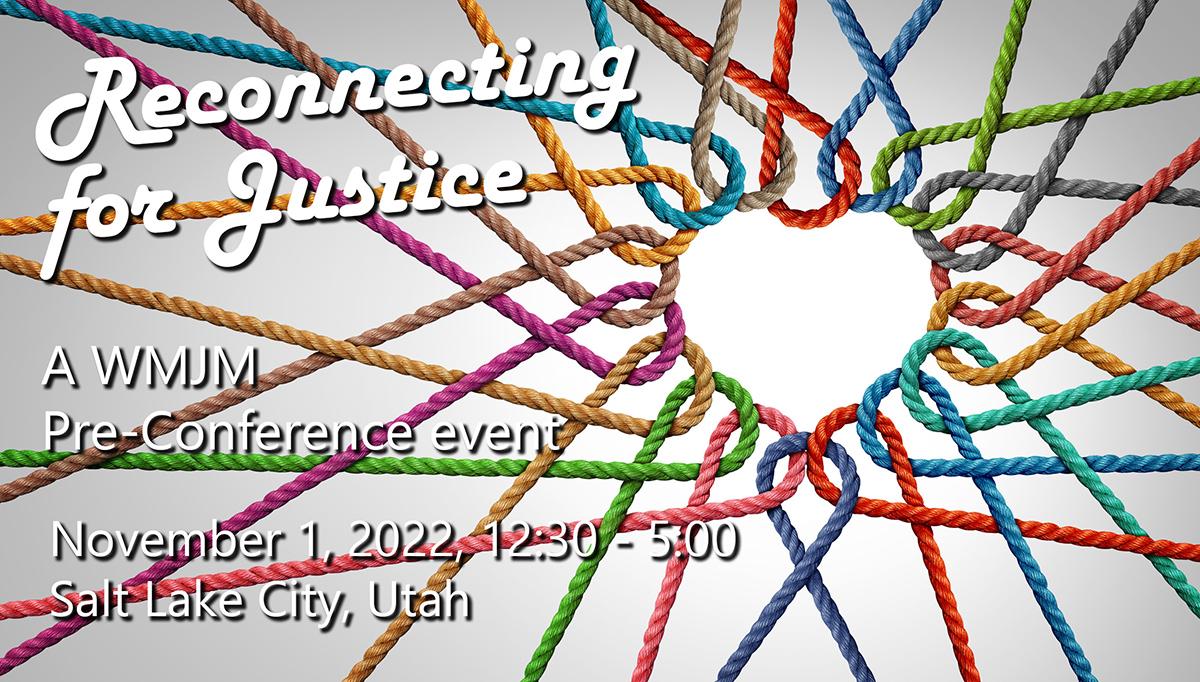
If you’re going to Salt Lake City for the Western Jurisdictional Conference, then plan to attend “Reconnecting for Justice” on Tuesday afternoon, November 1 (the day before WJC begins).
The event is from 12:30 to 5 p.m. but you can come as early as 11:30 a.m. to pick up a box lunch, or you may arrive throughout the afternoon if that works better for you.
It’s been several years since many of us have been able to gather in person. So “Reconnecting for Justice” offers lots of opportunities to gather, share and reconnect with other justice seekers from across the Western Jurisdiction. It includes:
· optional lunch gathering starting at 11:30
· input from Jan Lawrence, executive director of RMN
· breaking into and connecting with others in small groups by justice areas
· getting updates about what WMJM is doing and on legislation coming to WJC
· ways progressives can work together moving forward
Registration is $10 which includes drinks and snacks throughout the afternoon. There is also an optional lunch for $15 with three sandwich choices and lots of side dishes.
People need to arrange for their own transportation from the airport or where they are staying to the event’s location at Our Saviour’s Lutheran Church, 2500 E 3900 S., Holladay, Utah.
|
|
|
WALLOWA HAIL STORM—A MATTER OF JUSTICE |
September 7th, 2022
Dear ROPnet,
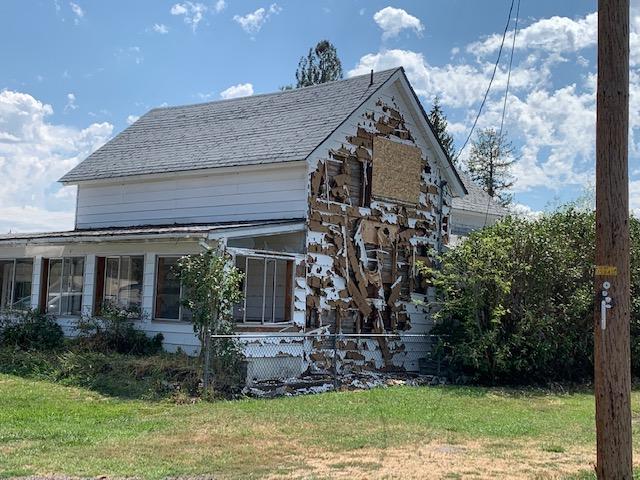
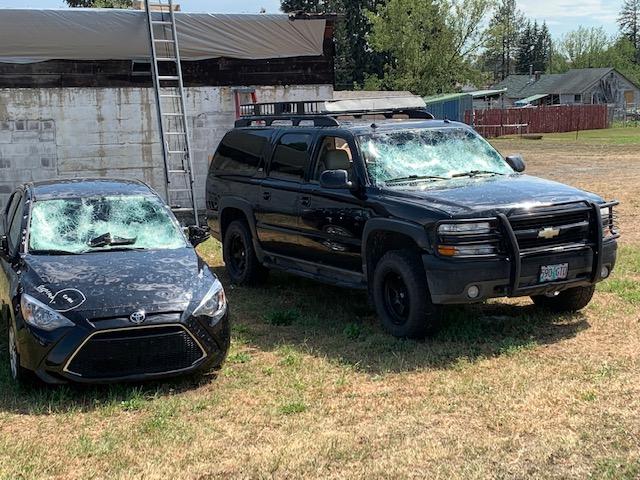
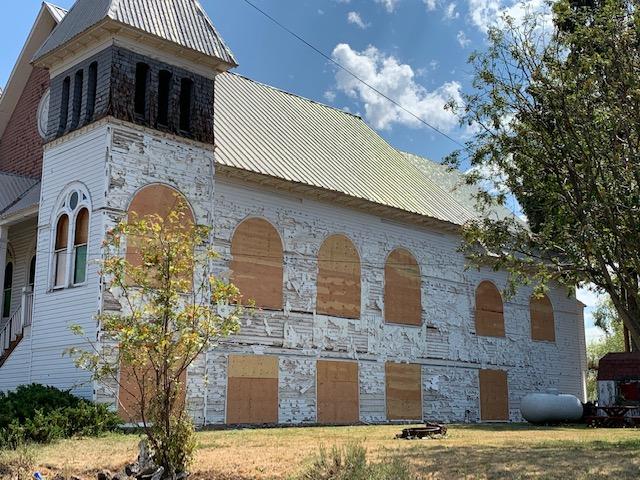
On August 11th, the town of Wallowa was hit by a severe hail storm. Hail damaged buildings and cars, leaving massive amounts of destruction in the town, and the Mayor declared a state of emergency. Read on to find out how the community has come together in the wake of this disaster, how you can help, and what important questions this raises for all of us in rural Oregon about emergency response.
In the aftermath of the storm, neighbors have come together to help one another. People across the county sprung to action, helping to clean up debris, board up broken windows, and donate materials and food. Community members have been using social media to share information about available resources, like the locations of diaper and food banks and information about a free car seat installation event.
Nearly every vehicle in the town of 800 was impacted, and many people are now unable to drive their cars. In a town with very little transportation, that poses a direct challenge for folks to get to work and access basic necessities. Wallowa is facing a long road to recovery. Many houses are still in need of repairs, and limited supplies and contractors means that some homes may head into winter without windows.
Moments like this one remind us that it takes all of us and that one of rural’s greatest strengths is that we have each other’s backs when it matters. But they also raise questions about rural emergency response. We know that every community matters and everyone has a right to a reasonable standard of living.
This storm impacted almost everyone in the community, and yet because the storm’s damage was assessed to be less than $7.5 million, Federal Emergency Management Agency (FEMA) support is not available. This hail storm has left people wondering how decisions about emergency response are made, and why rural communities are under resourced and deprioritized for aid. Why don’t the criteria for whether a town gets county, state, or federal disaster assistance account for the percentage of the community impacted? Why aren’t the community’s existing resources and capacity to recover considered? If the only consideration is the financial total of damage, rural communities will continue to be deprioritized.
Is your group or community discussing emergency response or disaster planning?
Warmly,
Sidra and the ROP Team (Included here with permission from the ROP Team!)
Editor’s note: You may have heard that the state Joint Legislative Emergency Management Board has awarded $2 million dollars to be used for recovery from this disaster. This is fantastic news! But the reality is that now the work begins. If you would like to know more about the recovery in Wallowa or want to help, contact me: Louise Kienzle | umvim@umoi.org | 541-620-0989
|
|
|
|
|
MISSION TO MEXICO
March 3-12, 2023
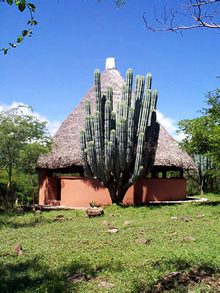
Members of the mission team will meet GBGM Missionaries Nan McCurdy and Miguel Mairena. They will also learn about the culture of the area, while working with the local community at the Tree of Life Center.
Cost of the trip is $1,050 plus airfare (estimated cost $2,000) and a contribution to the $3,000 team supply fund (we hope to do some fundraising for this!)
For further information about the mission, contact Dee Poujade.
Find more information about GYTTE here.
|
|
BOOKS, VIDEOS, MOVIES ...
- Sometimes one stumbles across a book, article, video or movie and thinks:
- “my social justice friends need to read/see this!”
-
Please share your suggestions with newsletter editor Louise Kienzle for a future edition.
|
|
|
|
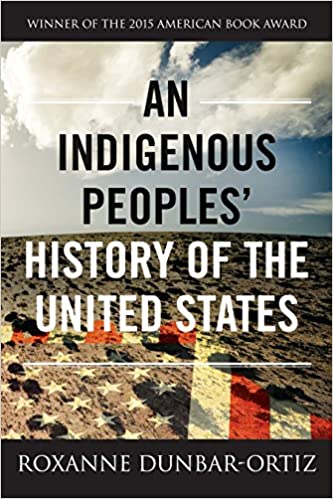
An Indigenous Peoples’ History of the United States by Roxanne Dunbar-Ortiz (submitted by Jan Nelson)
This is the history few of us learned in school, beginning with the how life was before the Europeans arrived. It is a compelling read, but disturbing for those of who are white and think we’ve learned something beyond the stereotypes we grew up with. This is an important book for anyone who wants to begin to see our history from a different point of view. One of many quotes: “The affirmation of democracy requires the denial of colonialism, but denying it does not make it go away.” We all have much work to do.
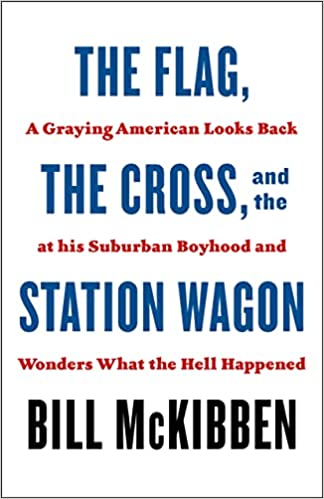
The Flag, the Cross, and the Station Wagon by Bill McKibben (submitted by Jan Nelson)
The subtitle is very descriptive: “a graying American looks back at his suburban boyhood and wonders what the hell happened.” The author grew up in the 1970s in the suburbs with all the attitudes about patriotism and church many of us did. His memories of childhood and youth will sound familiar. He describes how the traditions of patriotism, faith, and the rise of suburban life led us to where we are now. For me, he put together a lot of pieces I had observed but not linked. His thoughts about the potential new role for churches like ours are encouraging. The best part is his concluding challenge to our age group as part of the solution.
|
|
NOW'S THE TIME FOR ACTION |
|
|
Now is the time to continue to push for broad systemic change. Besides the calls to action found in the articles above, here are a few other ways you can take action to seek justice: |
Human Rights and Economic Justice
[ ]Write your Representative to join Representative Susan Wild and urge the Administration to hold officials responsible for grave human rights violations in the Philippines accountable through targeted sanctions.
Racial Justice
Immigration and Refugee Rights
[ ]Call on Congress to pass an Afghan Adjustment Act which will help keep families together and ensure lasting protection for at-risk Afghans.
[ ]AIDNW continues to serve 50+ newly release guests outside Tacoma’s NW ICE Processing Center at the RV Welcome Center each day. They are in desperate need of volunteers and supplies. Find out how you can help!
[ ]Write a letter and join in the grassroots organizing for the rights of refugees, asylum seekers, and immigrants.
Justice in the Holy Land
[ ]Urge your members of Congress to co-sponsor HR 2590: Defending the Human Rights of Palestinian Children and Families Living Under Israeli Military Occupation Act.
[ ]Check out the BDS Toolkit and learn what economic actions you can take to fight along the side of Palestinians and their struggle.
Gun Violence
[ ]Take action to support gun safety legislation that will help end gun violence.
Peace and Justice
Death Penalty Abolition
Justice for those with Disabilities
|
|
OREGON-IDAHO CHAPTER EXECUTIVE COMMITTEE |
|
|
Karen Nelson, President
Louise Kienzle, Secretary
Membership Secretary
Newsletter Editor
Jan Nelson, Treasurer
Claudia Roberts, National Program Council
Representative
|
|
Members At Large:
Shawn Clark
Debbie Mallis
Steve Mitchell
Greg Nelson
Jeri Silfies
Emeritus:
Ruth Walton
|
|
|
|
|
|
|
|