Our volunteers take direct action by planting and weeding IAE restoration sites. Read two recent stories about their work, and see how you can get involved, below.
Or, join our work with your donation.
|
|
"Those who contemplate the beauty of the earth find reserves of strength that will endure as long as life lasts." - Rachel Carson |
|
Celebrating Earth Day at Herbert Farm and Natural Area |
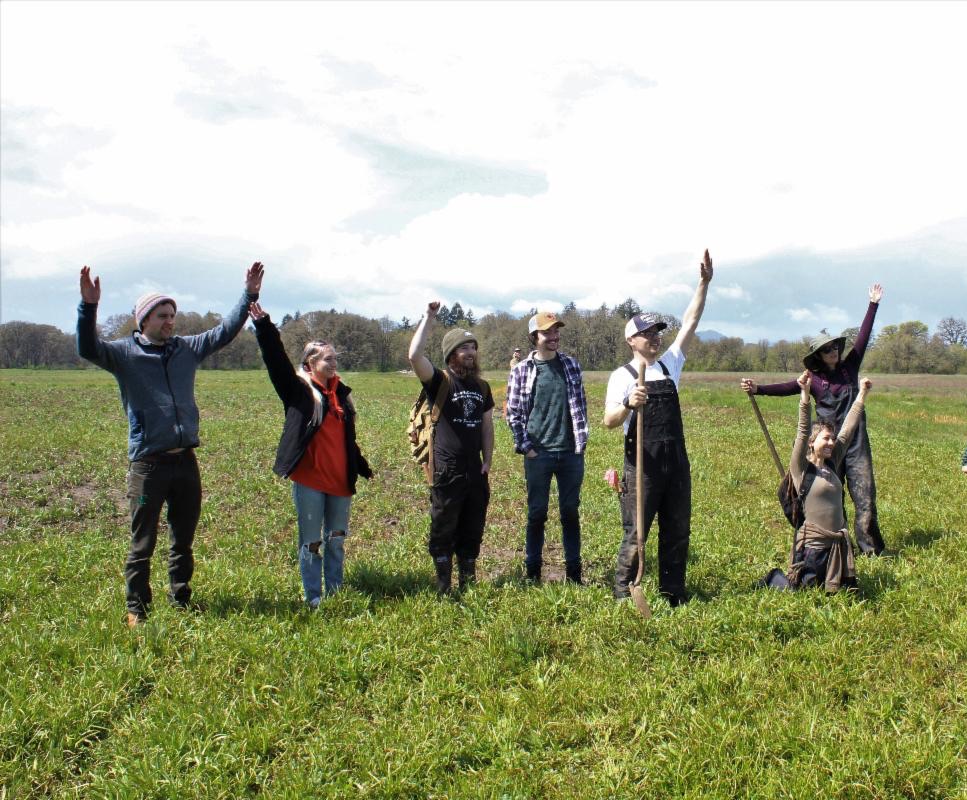
What better way to celebrate Earth Day than spending a fine spring day at Herbert Farm and Natural Area planting wildflowers? Fourteen volunteers, five Institute for Applied Ecology (IAE) staff and one City of Corvallis staff did just that. IAE has been helping restore Herbert Farm to prairie, oak savanna and riparian habitats since 2013, through funding from Oregon Department of Fish and Wildlife, who hold a conservation easement through the Willamette Wildlife Mitigation Program (in turn funded by Bonneville Power Administration), Oregon Watershed Enhancement Board and US Fish and Wildlife Service, among others.For Earth Day, 2000 native plants were donated to the cause by Sevenoaks Native Nursery and Heritage Seedlings & Liners. These two nurseries have been stalwarts for supplying plant materials for this restoration site, and we are very grateful for these donations. Read More
|
|
|
Volunteers Help Restore Native Prairie to Champoeg State Heritage Area |
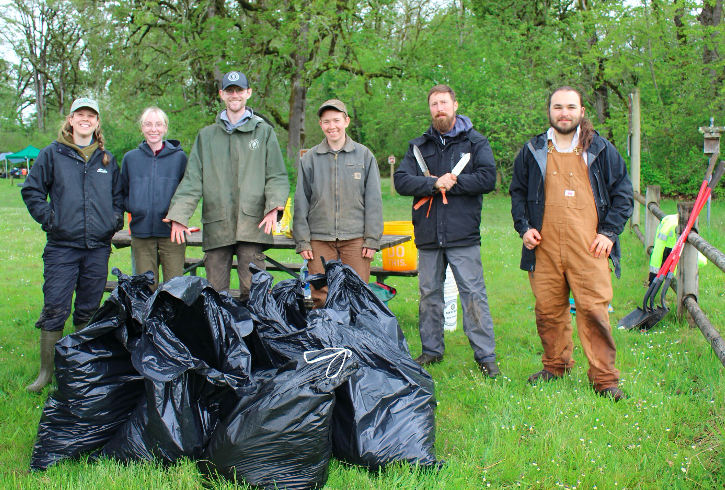
An enthusiastic group of volunteers braved the rain to join the Institute for Applied Ecology (IAE) and staff from the Confederated Tribes of Grand Ronde to restore upland prairie habitat at Champoeg State Heritage Area. The prairies here have a long history of use by Native Americans. Because it is an open area on the banks of the Willamette River, it was both a meeting place for tribes in the area and a stopping-off point for journeys by river. Native Americans kept the area open and free from trees with periodic burns, allowing for the harvest of many native foods, including Camas bulbs (Camassia quamash).
|
|
|
Healing Work for Women in Custody |
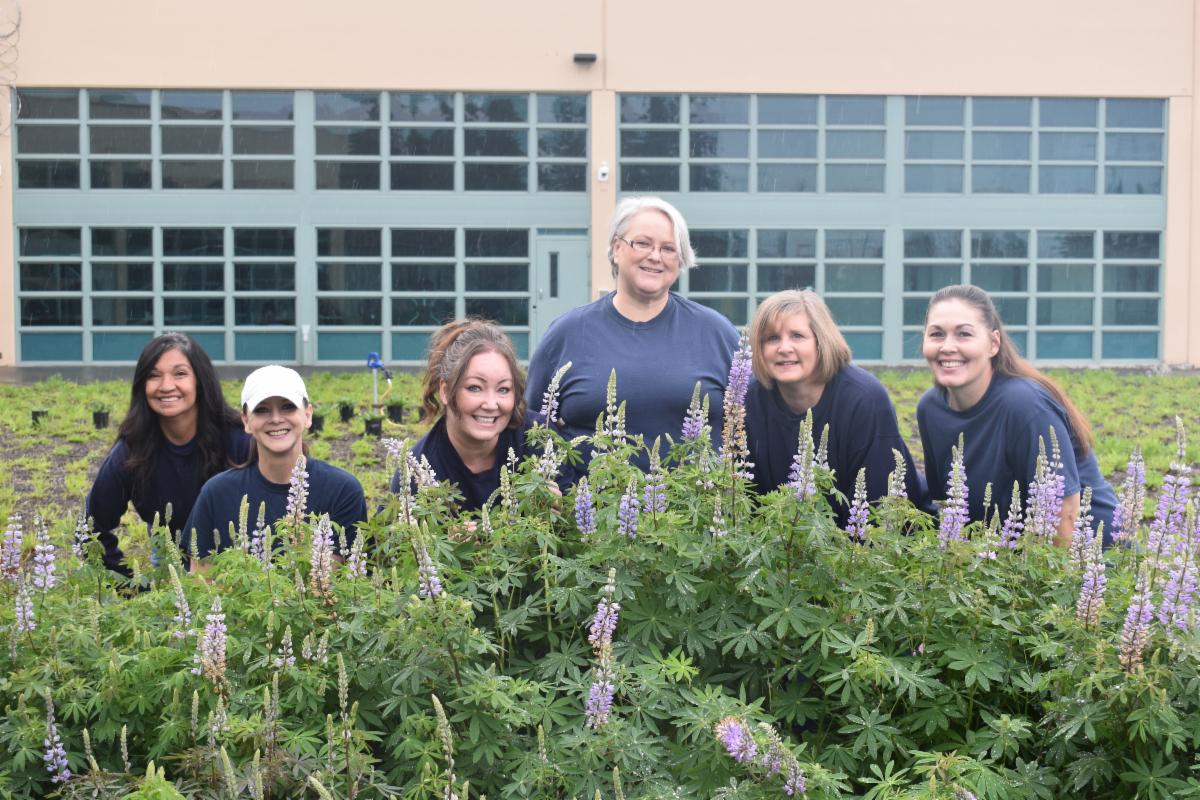
As we approach Coffee Creek Correctional Facility in Wilsonville, Oregon, ominous gray clouds hang low over the towering razor wire, matching the stern gray walls of the prison that house over 400 women. Prepared with rain gear, handwarmers and thermoses of hot cocoa, a small group of staff and volunteers from IAE gets to work. We are here to jump start the growing season impacted previously by coronavirus lockdowns, staff changes, and winter breaks. We’ll help refurbish and re-pot native plants that are being grown here by women in custody. Read More
|
|
|
Staff Spotlight: Rolando Beorchia |
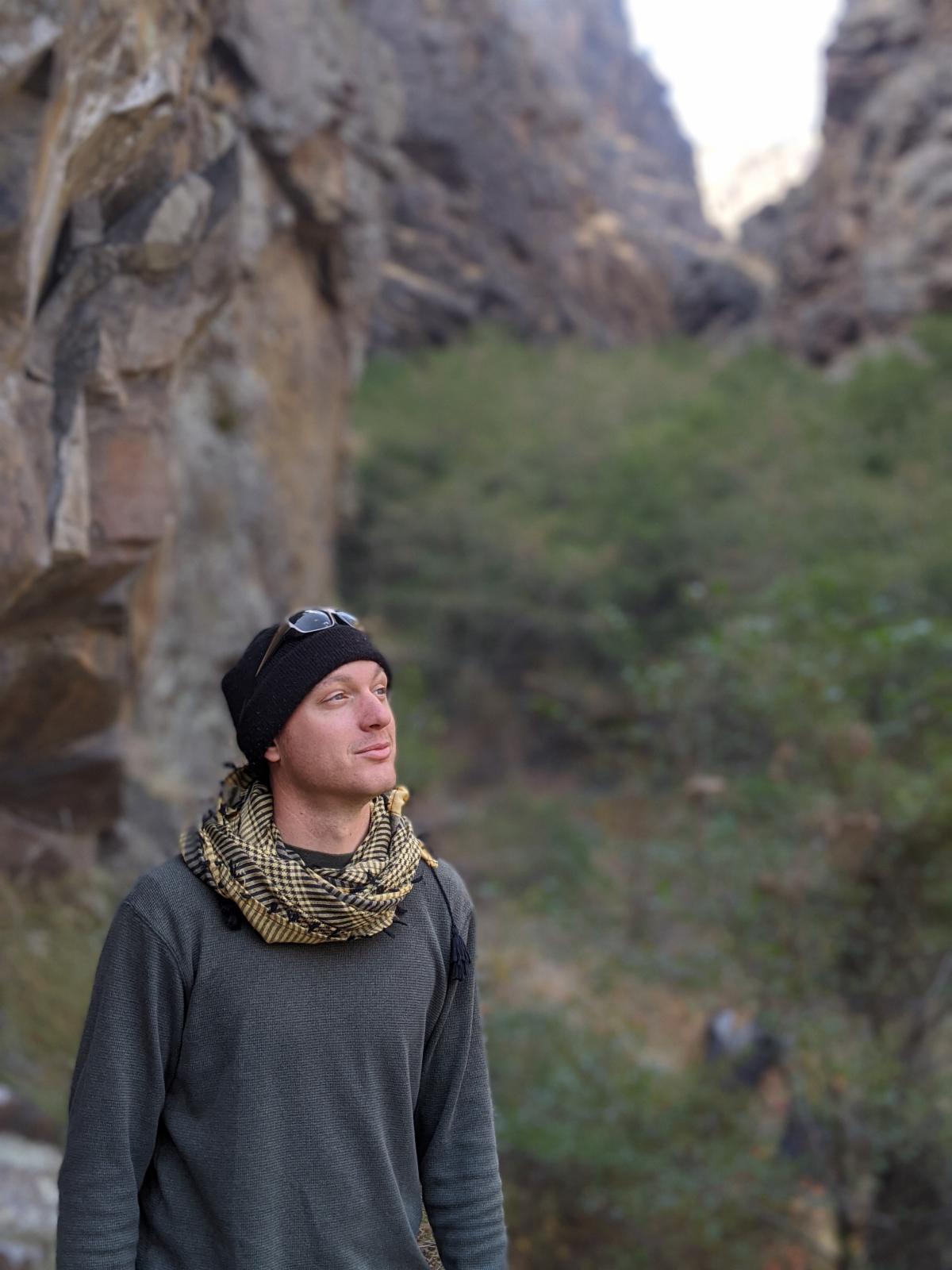
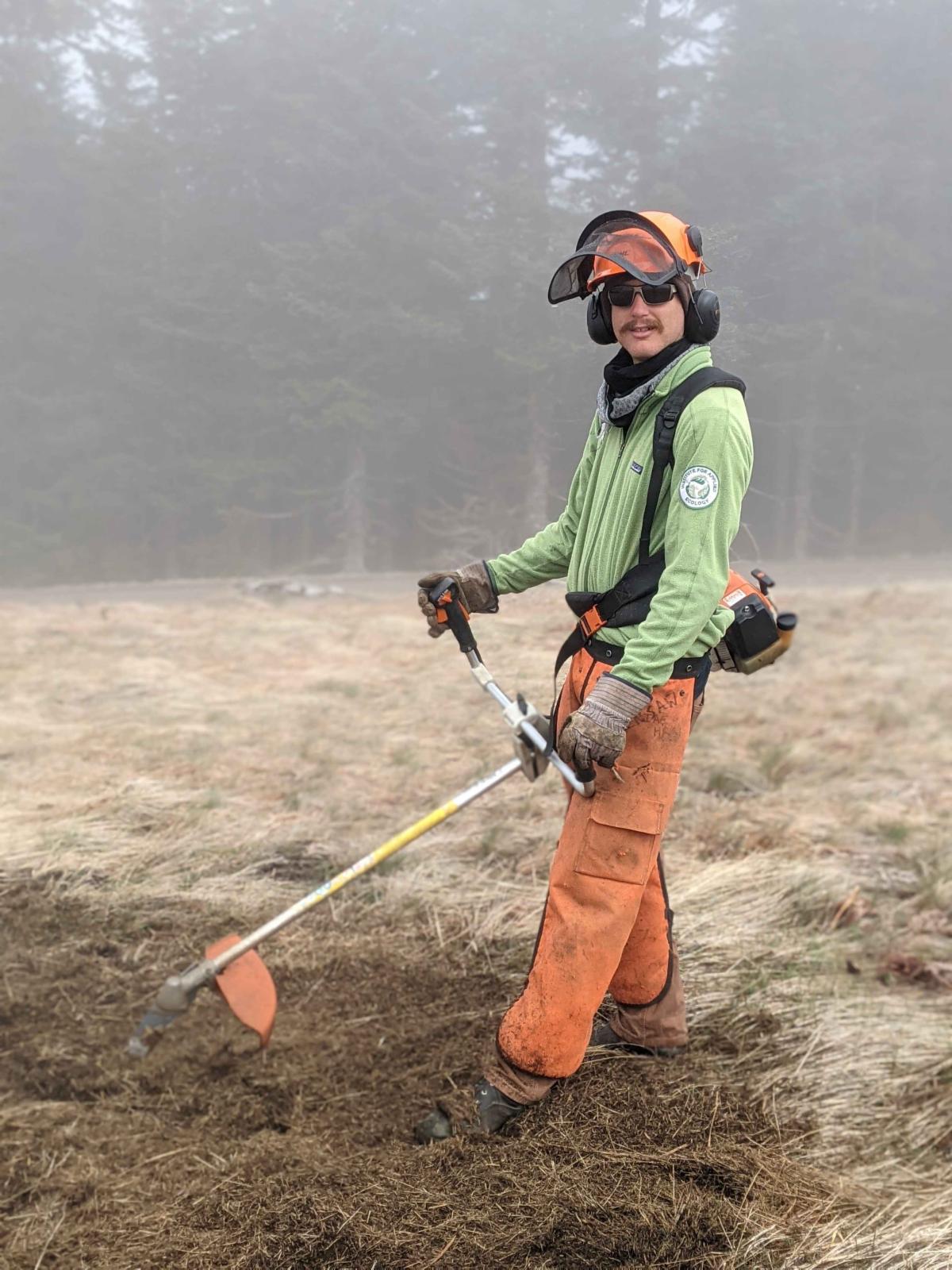
Rolando was recently promoted to IAE Restoration Ecologist in the Habitat Restoration Program. To highlight his contributions, we asked him a couple of questions:
IAE: Was there an experience or memory that helped steer your career into conservation?
RB: A whole series of things I would say. I was a nerdy kid probably destined for science. My mom loves to mention how a frustrated 2nd grade teacher once sent me home with a National Geographic because I pestered her for a different book to read. She thought I would hate it, instead I spent days reading to my mom how cool penguins are. A more recent experience was right before starting at IAE; I was a seasonal Bio-Tech on the Siuslaw National Forest in Waldport, Oregon. They have a number of really cool restoration projects with quite different ecosystems. I worked to restore coastal dunes by Florence and Pacific City, coastal bluff meadows by Yachats, forest meadows dotted through the forest, riparian and watershed restoration on Five Mile-Bell and also mountain top meadows like Mt. Hebo and Marys Peak. The opportunity to experience all these very different active restoration sites and see the changes happening really solidified for me that I wanted to work in restoration.
IAE: What do you love about working at IAE?
RB: My two favorite things are the cool locations and collaborative brainstorming. All the locations I work in are really unique places; ridge top open meadows with amazing views, some of which are closed to the public and you only get to see them by working or volunteering. Agricultural grass fields that have been converted to valley prairie habitat. Another favorite is driving through miles of Douglas-fir dominant forest and popping out into one of our forest meadows with lovely native grasses, diversity of wildflowers and a mixed species forest edge including oak, maple, ash, cedar, and sometimes chinquapin or madrone. Great worksites really make the days wonderful.
My other favorite thing is problem solving issues at a site with other IAE staff and project work-partners. I think it really peaks my nerdiness and love of puzzles. Restoration varies so much in the weed species to remove, any rare or endangered species present, the topography, funding available, desires for site usage, and a bunch of other factors; and many things change as you start implementing restoration. It's a constant process of evaluating where we are and where we want to get to. I always get a lot out of brainstorming with my knowledgeable coworkers and work partners. Sometimes it feels like we were grouped up around a Rubik's cube, and told we each can only use one hand to work together to solve it. You have to collaborate, use each other’s strengths; and it can be messy sometimes. That process has been a lot of fun for me.
Thank you for all you do, Rolando! Read More.
|
|
|
Announcements & Brief Updates |
|
|
|
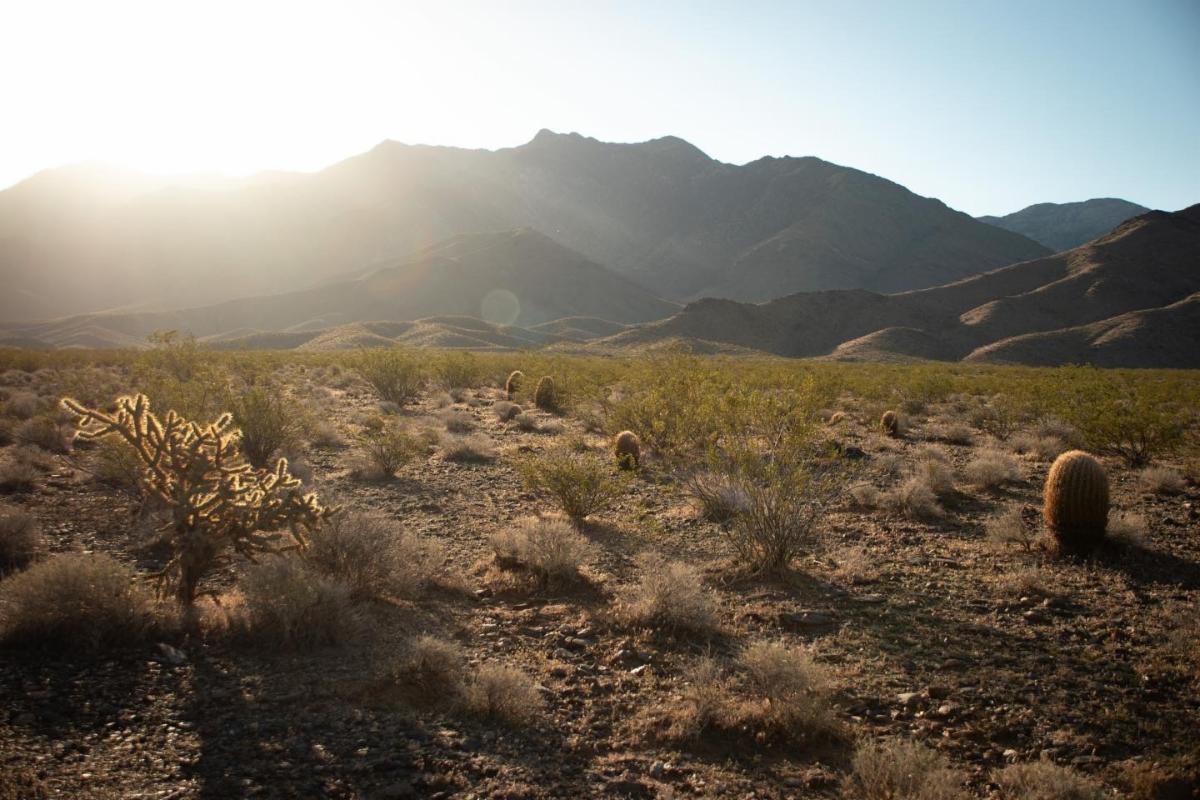
This spring, IAE’s Southwest Office expanded native seed collection efforts to include the Mojave Desert ecoregion in Arizona. In partnership with the Bureau of Land Management, we worked strategically to collect from annual wildflower species, which drop their seeds quickly and can be tricky to track across the landscape. Over two months, we made 17 wild seed collections, exceeding our goal of 15 despite drought conditions. |
|
|
|
Northwest Plant Materials |
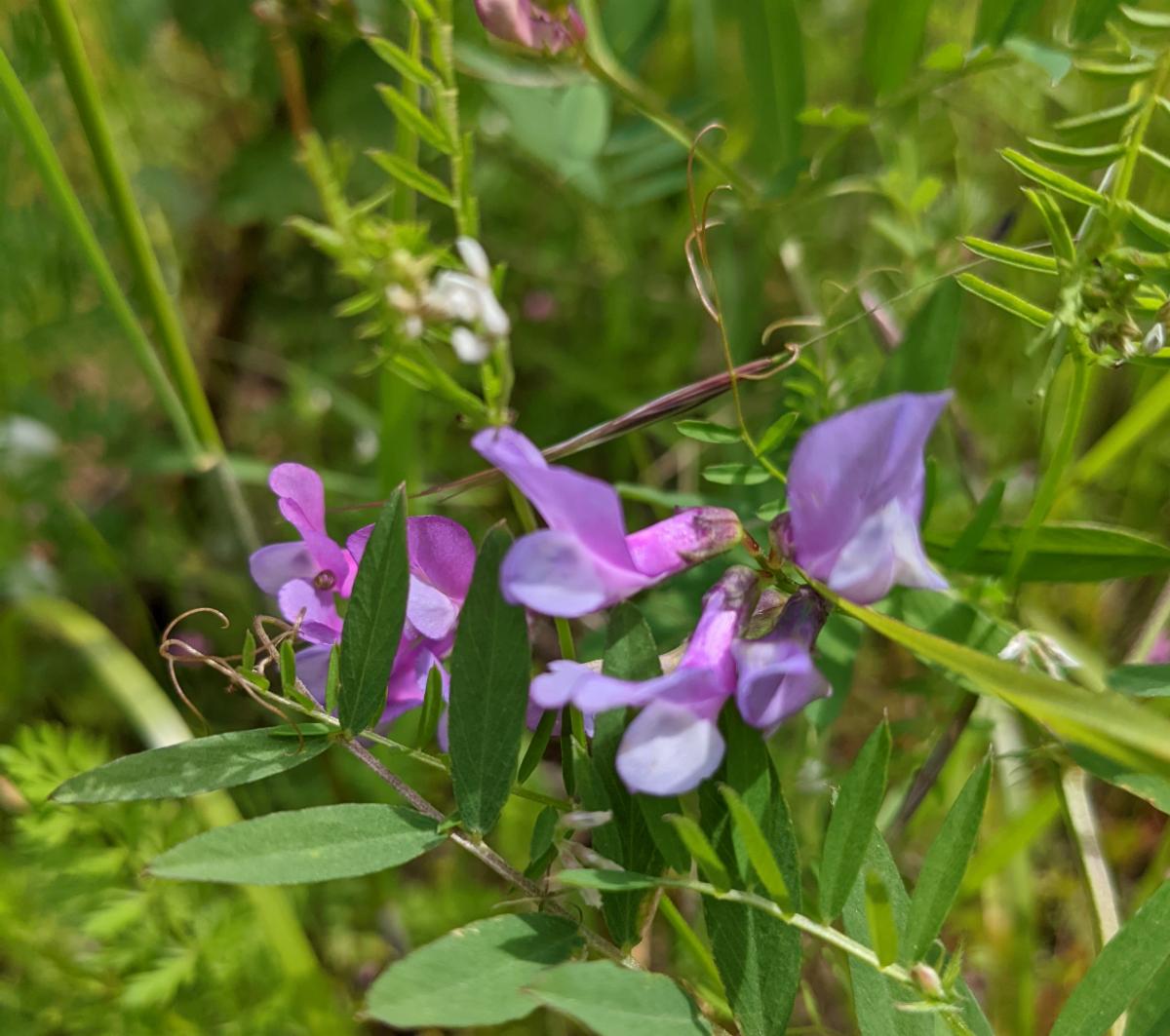
The Northwest Plant Materials Program is working with U.S. Fish & Wildlife Service to collect American vetch (Vicia americana) seed for production fields at the NRCS Plant Materials Center. American vetch is a perennial herb that is a native nectar source for the endangered Fender's blue butterfly (Icaricia icarioides fenderi). Partners identified this plant species as a priority to add to upland prairie seed mixes because it is not commercially available and will be beneficial in meeting habitat diversity and nectar abundance goals identified in the recovery plan for Fender's blue butterfly.
|
|
|
|
Conservation Research Program |
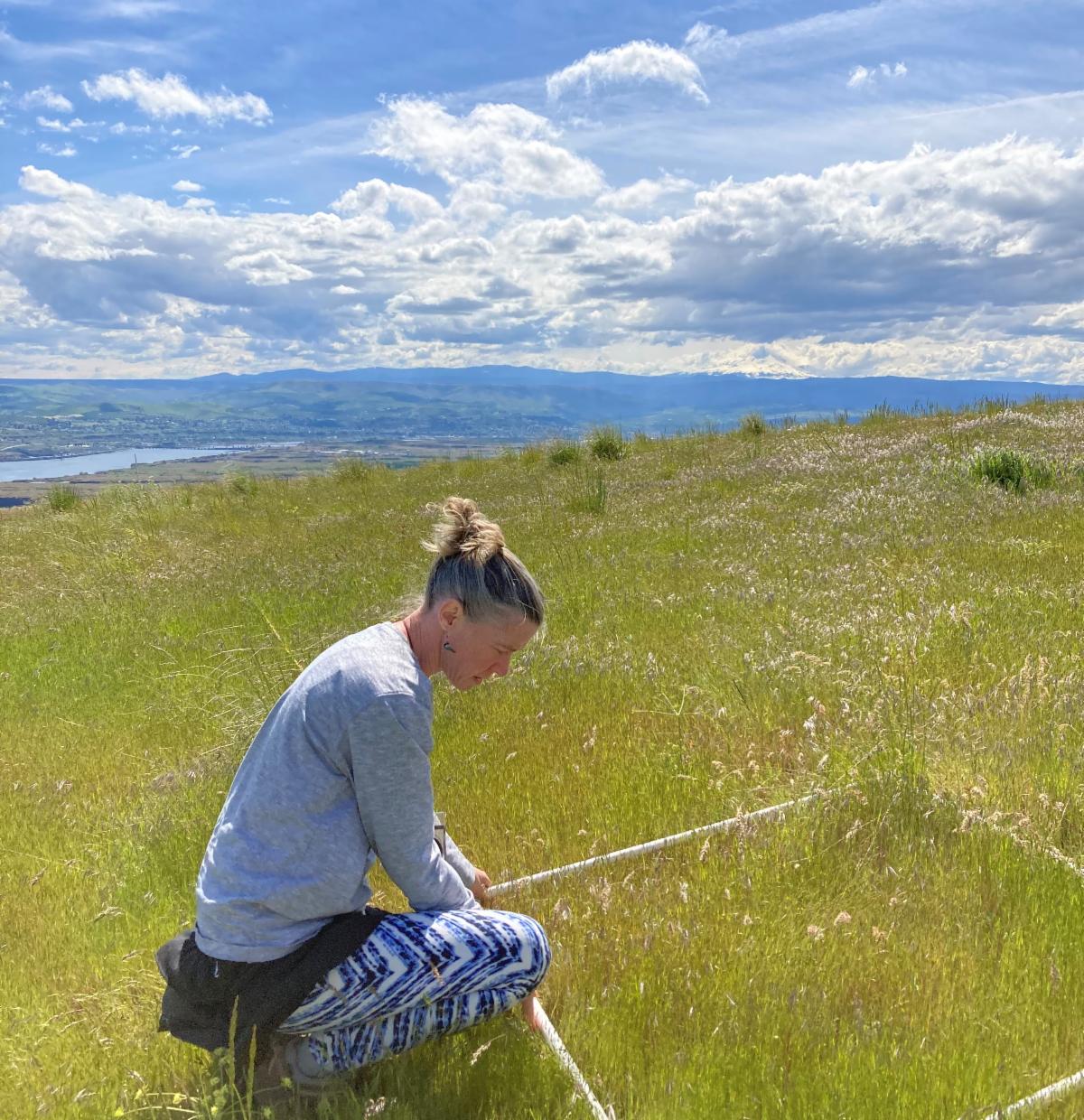
The Conservation Research team was in the Dalles Mountain Prairie last month for their annual grazing surveys. The prairie and forbs were looking great, lush and happy with all that rain, and we were able to wrap up before the rain started again. This prairie study, part of Columbia Hills State Park in Washington State, began in 2008 as a grazing study by Steve Van Vleet with the primary goal of increasing the biological diversity of the prairie through the use of cattle grazing. Ungrazed areas showed a large increase of exotic grasses from 2019 to 2021, demonstrating the effects of grazing on these prairies. There was no cattle grazing in the winter of 2021, and we'll show the effects of that on our analysis of the data collected during our 2022 spring survey. |
|
|
|
Volunteer at Champoeg State Park, Sunday, June 26 |
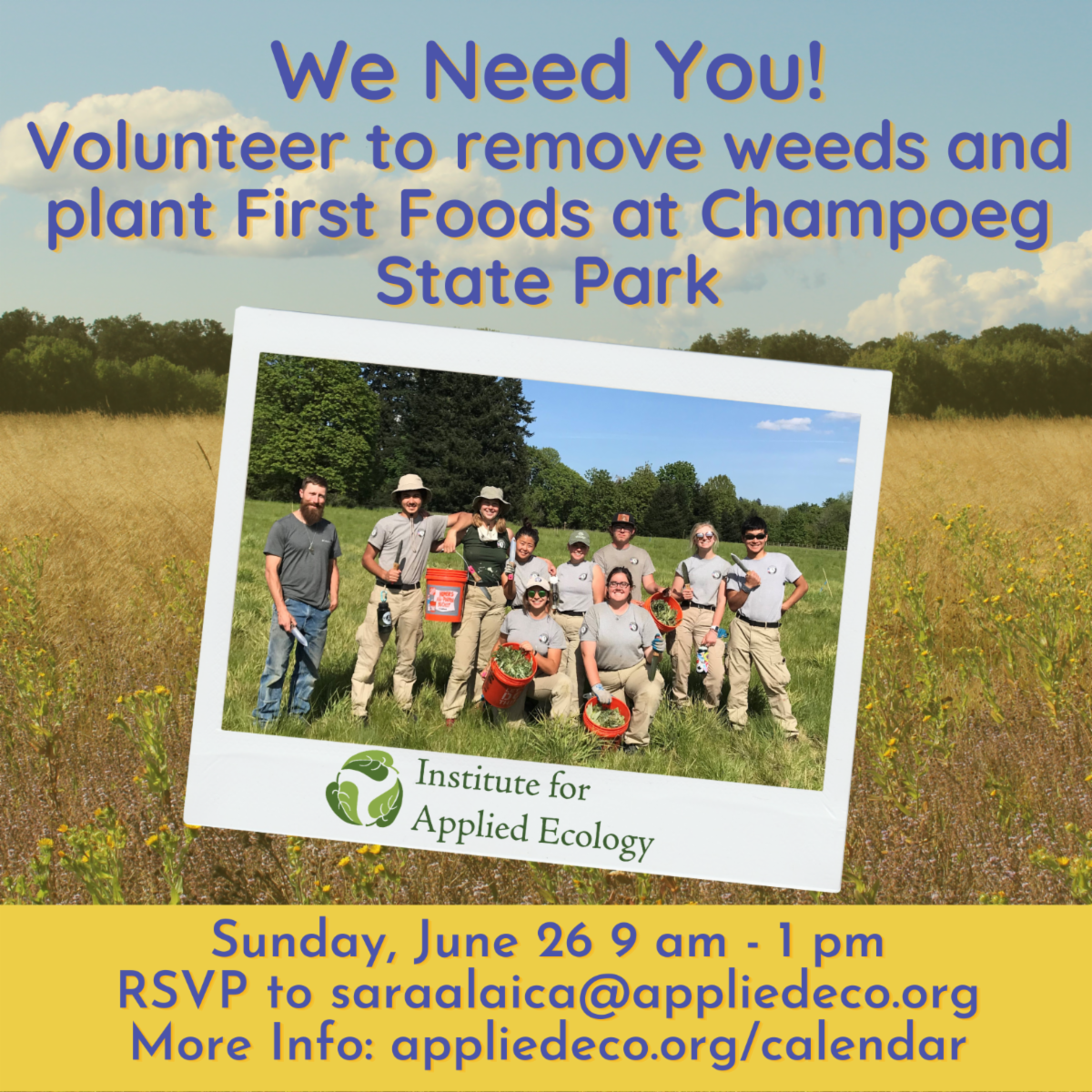
Volunteer to help remove weeds and plant camas seed to restore prairie habitat and contribute to the maintenance of a future first foods gathering site. While weeding, you can learn about prairie ecology and the cultural significance of the Champoeg State Heritage Area from Institute for Applied Ecology and Confederated Tribes of the Grand Ronde staff. RSVP to Saraalaica@appliedeco.org. Read More
|
|
Join Our Work - Volunteer, Become an IAE Member
|
|
IAE Board of Directors:
Ken Bierly, President; Brandy Humphreys, Vice President; Cary Stephens, Secretary; Jack Halsey, Treasurer; Jason Bradford, Anne Bradley, Shinji Kawai, Judy Li, John Savage, Carol Savonen, Sunia Yang
|
|
|
|
|
|
|