| BRAND EXPERIENCE LAB · FEBRUARY 2026 | |
 | |
|
At Brand Experience Lab, we study how emerging technologies translate
into real-world customer experiences. We share observations
from the field — what we’re seeing, what it signals, and what it means
for brands designing the future of retail.
This newsletter issue draws from CES and NRF, where conversations around AI, physical experience, and experiential retail revealed clear signals about where the industry is heading — and how organizations can respond strategically. | |
| Technology is everywhere. Experience is still the differentiator. | |
| What CES & NRF Reinforced About the Future of Retail | |
| From the Lab | |
| CES and NRF made one thing clear: innovation is accelerating, but brands still win by designing experiences that feel intentional, human, and grounded in reality. | |
| |
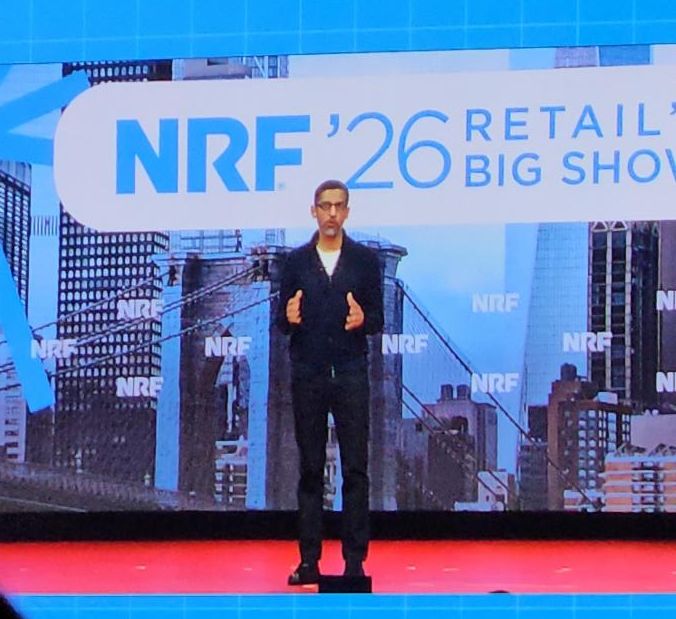 | |
| Sundar Pichai, CEO of Google, took the NRF stage to spotlight how AI is reshaping retail — from smarter discovery to seamless purchasing — and unveiled Google’s Universal Commerce Protocol to power the next era of shopping. | |
| Why Physical Experience Still Matters | |
| Physical retail isn’t just surviving — it’s thriving when designed with intention. Nearly 80% of global retail sales in 2025 still take place in physical stores, and 78% of retailers now consider in-store experience critical to future success. When a new physical store opens, local online sales increase by 6.9%, reinforcing the role of stores as omnichannel growth drivers. Consumers are signaling this shift clearly. 97% of Gen Z shoppers engage with brick-and-mortar retail, with nearly three-quarters shopping in person weekly. Among Millennials, 70% say the quality of the shopping experience directly influences where they choose to shop. The market reflects this reality. Experiential retail is projected to grow from $132B in 2025 to $543B by 2035, underscoring that experience design is no longer a nice-to-have — it’s a competitive differentiator. | |
| Sources include McKinsey, PwC, NRF, and industry retail analytics reports. | |
| If these ideas are showing up in your planning conversations, we’d welcome the opportunity to discuss them further. | |
| |
| Further Reading | |
| From the Floor: Key Takeaways from NRF & CES | |
| For those looking to go deeper, we’ve captured additional observations from NRF and CES — including how AI, data, and physical experience are converging in real retail environments, and where brands are beginning to separate signal from noise. | |
| |
| At Brand Experience Lab, we start with discovery — immersing ourselves in the real customer journey before ideation, design, or technology decisions. | |
| Real discovery uncovers the gap between what brands promise — and what customers actually experience. | |
| Where technology enables experiences — and human connection makes them unforgettable. P.S. If CES or NRF surfaced new questions for your 2026 planning, we’d love to compare notes. | |
| |
| Our Approach | |
| How We Design Brand Experiences That Actually Work | |
| At Brand Experience Lab, experience design isn’t a single moment — it’s a system. We begin with Discovery, immersing ourselves in the real customer journey to understand behaviors, motivations, friction points, and cultural context. From there, Ideation translates insight into story — shaping experiences that feel authentic, memorable, and aligned with brand intent. Finally, we focus on Integration & Execution, aligning physical space, technology, and human interaction so experiences deliver consistently and scale with purpose. Technology is never the goal. It is always in service of clarity, connection, and impact. | |
| |
| Perspective | |
| Why Experience Has Become a Leadership Conversation | |
| As environments become more technologically sophisticated, experience has shifted from a design challenge to a leadership responsibility. The strongest organizations are asking not just what to build, but what experiences should feel like — and why that matters. When experience is treated as a system rather than a campaign, it becomes a competitive advantage that compounds over time. | |
| |
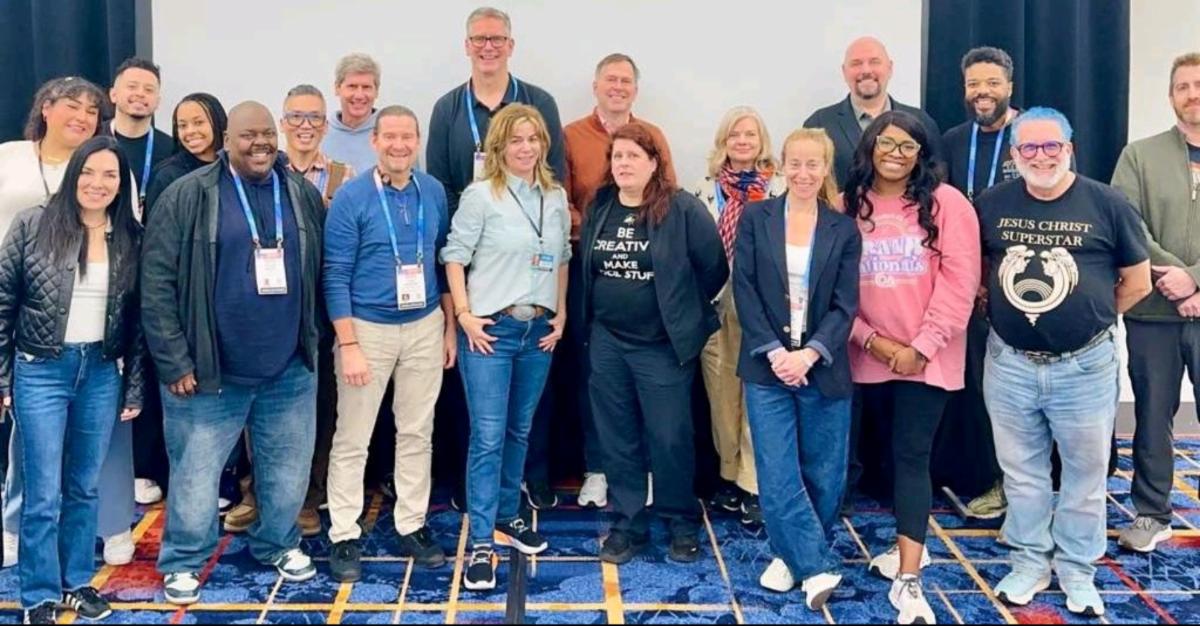 | |
| David with the StoryTech team getting ready to give CES tours! | |
| Watch From the Floor | |
| CES & NRF Highlights — Video Recap | |
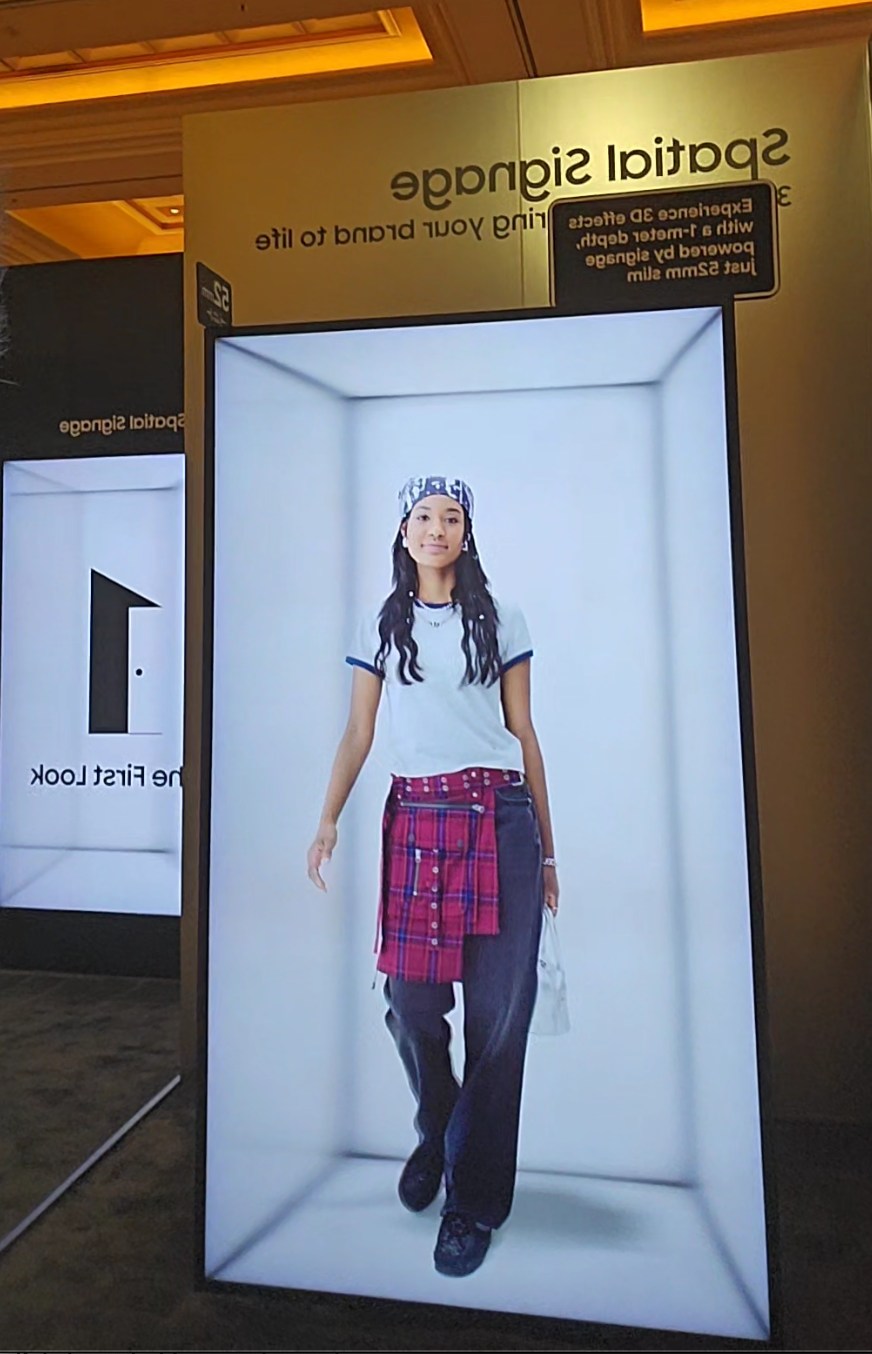
| Go behind the scenes with David Polinchock as he explores key innovation zones at CES and NRF — including Samsung’s First Look showcase, the AARP experience space, and the NRF Innovator’s Showcase and Startup Hub. Watch the short recap videos and see what stood out directly from the show floor. | |
 | |
| |
| From Insight to Execution | |
| Where Experience Meets Real-Time Retail Intelligence | |
| At Brand Experience Lab, discovery and experience design are only valuable if they translate into action. That’s where Invigo comes in. Invigo extends BEL’s experience-led approach into the physical store — providing real-time visibility into what’s actually happening on shelves, in coolers, and across priority retail zones. By combining computer vision, sensors, and situational intelligence, Invigo helps brands and retailers move from observation to execution with confidence. The result is clearer in-store insight, faster response to issues that impact availability and experience, and a more connected omnichannel ecosystem where physical retail actively drives digital performance. Experience isn’t just designed — it’s monitored, measured, and continuously improved. | |
|
Designed with intention. Delivered with impact.