|
April, 2025
Become Their Voice
| | |
Over the past few months, we’ve had the opportunity to meet some truly incredible people who share our passion for protecting and educating youth. From families and educators to local leaders and advocates, every conversation has reinforced how important this mission is.
We have several exciting meetings on the horizon — more opportunities to connect, collaborate, and grow this movement together. Thank you for walking alongside us.
-- Deric and Kathy Kidd
| | | Pain Into Purpose: Our Story... | |
| |
Iowa Alliance for Drug Endangered Children Conference
When: May 5th, 2025
Where: FFA Enrichment Center, Ankeny
We’re honored to share that we’ve been invited to speak at the Iowa Alliance for Drug Endangered Children Conference on May 5th.
This important event brings together professionals from across the state who are working to protect and support children impacted by substance use and trauma. We’re grateful for the opportunity to share our story, highlight the growing connection between mental health and substance abuse, and continue advocating for youth and families.
| | | |
Sextortion
- Sextortion is a growing form of online exploitation where perpetrators threaten to release private or explicit images unless victims comply with demands for more content, money, or other forms of control. While anyone can be a target, minors—especially boys ages 14–17—are increasingly affected.
- The emotional and psychological toll is severe, with some cases tragically linked to suicide. Social media platforms like Snapchat, Instagram, and Facebook are common tools for predators who use anonymity to manipulate victims.
Recent data paints a troubling picture:
- 26,000+ reports of sextortion were made to the National Center for Missing & Exploited Children in 2023—double the previous year.
- 13,000+ cases were reported to the FBI & Homeland Security between 2021–2023, with at least 20 teen suicides tied to these crimes.
- Financial sextortion is also on the rise, with teens being blackmailed for money to keep explicit material private.
This crisis highlights the urgent need for online education, stronger safeguards, and open conversations between parents, schools, and youth.
The FBI video below has more details.
| | |
Addiction is a complex, chronic condition characterized by the compulsive engagement in a behavior or consumption of a substance, despite harmful consequences. It is often marked by the following:
-
Loss of control – The individual is unable to limit or stop the behavior or substance use.
-
Craving – Intense desire or urge to engage in the behavior or consume the substance.
-
Tolerance – Over time, the individual needs more of the substance or behavior to achieve the same effect.
-
Withdrawal – Physical or psychological symptoms that occur when the individual stops or reduces the behavior or substance use.
-
Negative Impact – The addiction leads to detrimental consequences in multiple areas of life, such as health, relationships, work, or daily functioning.
Addiction can involve substances like alcohol, drugs, or nicotine, or behaviors like gambling, shopping, or even internet usage. It often requires treatment and support to manage, as it impacts both the mind and body.
| |
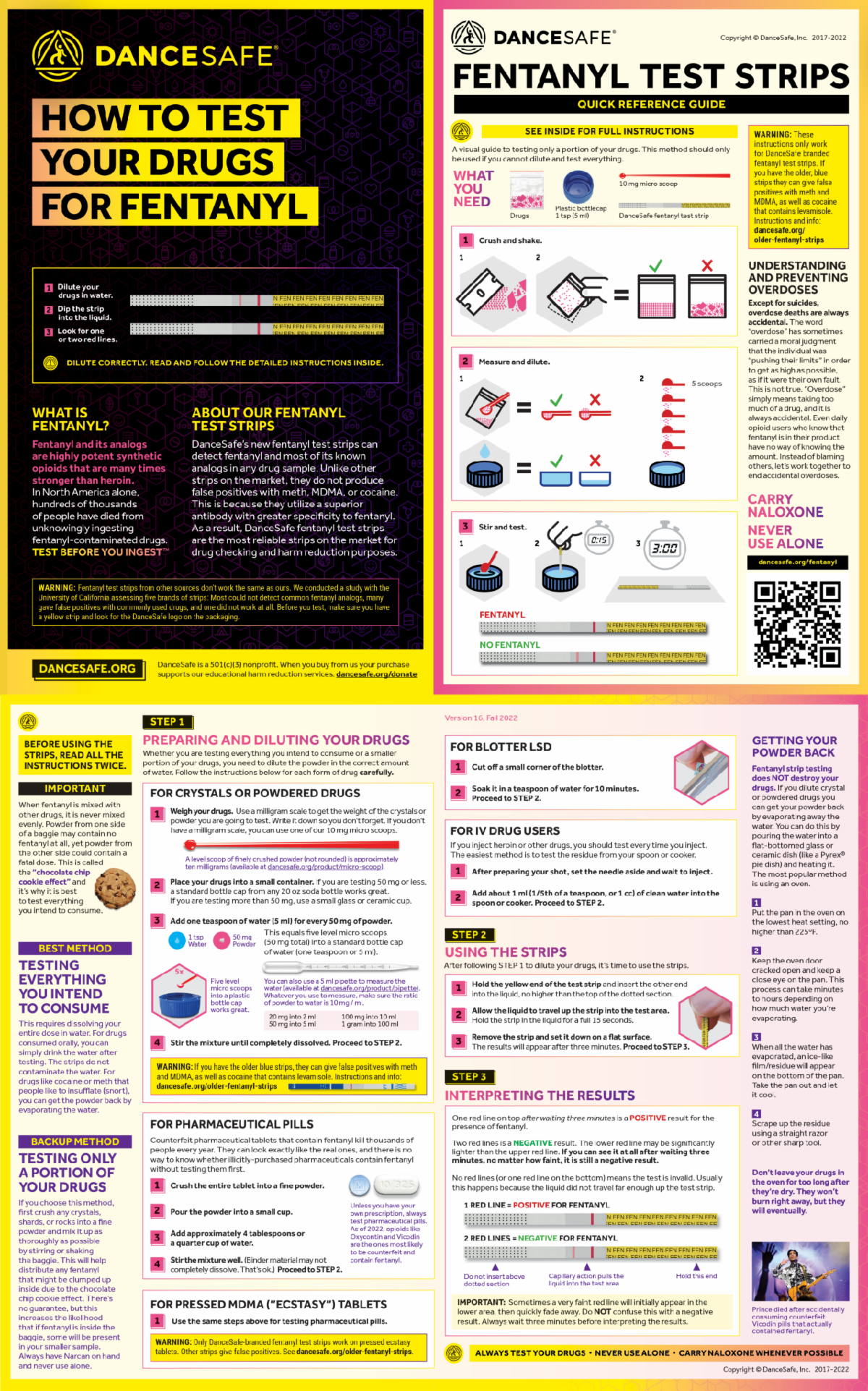
Bill HF699 (formerly known as HF487) was introduced during this legislative session, and while it didn't pass during this session, there are plans to reintroduce it during the next legislative session.
What is HF699? The bill aims to amend Iowa's drug paraphernalia laws to clarify the definition and permissible uses of drug-checking equipment. Specifically, it seeks to legalize the possession and the use of items like drug testing strips, which can detect contaminants in substances and help prevent overdoses and abuse.
| | We recognize that this topic may be sensitive or controversial for some. We encourage individuals to explore the information thoughtfully and form their own informed opinions. | |
Teen Suicide in the U.S.: What the Data Tells Us
Middle school-aged children (ages 10–14) have seen one of the fastest-growing suicide rates.
- Between 2007 and 2020, the suicide rate in this age group nearly tripled, largely unnoticed in mainstream media.
Sleep deprivation is a major and often overlooked risk factor.
- Teens who sleep less than 6 hours per night are three times more likely to report suicidal thoughts or behaviors.
(Source: Journal of Clinical Sleep Medicine)
LGBTQ+ teens are at significantly higher risk.
- According to The Trevor Project, 45% of LGBTQ+ youth seriously considered suicide in the past year. Transgender and nonbinary youth are especially vulnerable.
Access to smartphones and increased screen time are strongly correlated with rising suicide rates.
- Studies suggest that the sharp rise in teen suicide began around 2011, the same time smartphone and social media use became widespread.
(Source: CDC, Pew Research)
Most teens who die by suicide show warning signs — but they’re often missed.
- About 80% of teens who die by suicide gave clear warning signs, such as changes in behavior, talking about death, or withdrawing from loved ones.
Firearms are the leading method of suicide in teens.
- Despite perceptions about overdose or cutting, more than half of youth suicides in the U.S. involve firearms — often unsecured at home.
(Source: CDC)
Minority youth face unique barriers to mental health support.
- Black and Hispanic teens are less likely to receive mental health services, even though rates of suicide attempts among these groups have risen dramatically.
Bullying and cyberbullying don’t just correlate — they are direct risk factors.
- Victims of bullying are 2 to 9 times more likely to consider suicide.
- Cyberbullying can be even more damaging, as it’s constant, public, and harder for adults to detect.
Suicide contagion is real.
- When a teen dies by suicide, there’s a statistically significant risk of copycat behavior within their peer group or school — especially if not handled sensitively and responsibly.
Teens often don’t ask for help — because they don’t know how.
- A large number of youth say they don’t talk to anyone about suicidal thoughts because of stigma, fear of being judged, or not knowing where to turn.
Below is a great video regarding Teen Suicide Prevention
| | | |
Ember Recovery Campus Grand Opening! Mark your calendar!
Thursday, April 24th, 2025 @ 4PM-5PM
"Ember Recovery Campus, located near Cambridge, Iowa, is a YSS (Youth Services Systems) facility offering residential addiction treatment, crisis stabilization, and emergency shelter for youth and young adults, including a program specifically for young adult males.
Why the name Ember?
YSS chose the name "Ember" because "a small glowing fragment of a fire that can be revived, Ember reminds families and youth there is always hope"."
| | |
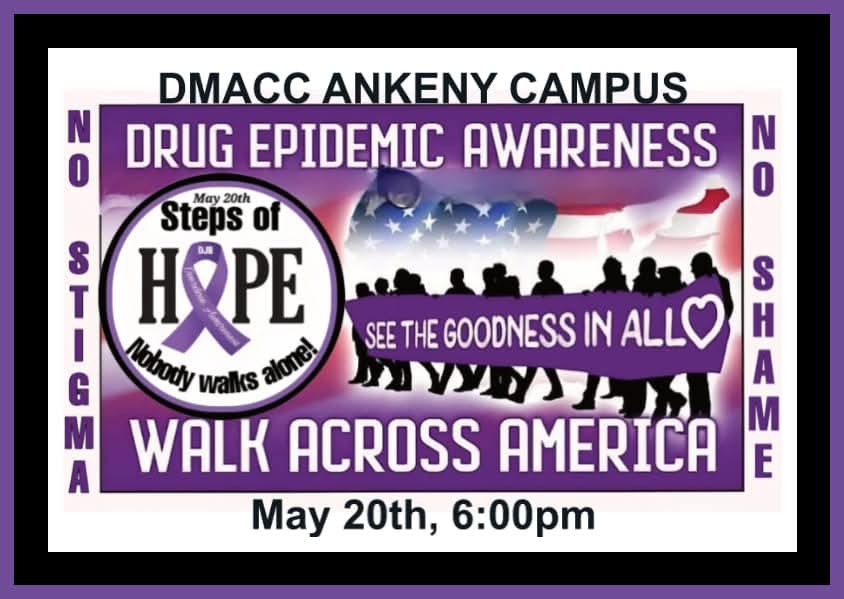
Steps of Hope Overdose Awareness Walk
When: May 20th, 2025
Where: DMAAC Campus, Ankeny
The Steps of Hope Overdose Awareness Walk is an annual event held at the DMACC Ankeny Campus, organized by Ann Breeding in memory of her son, Daniel Bailey, who tragically passed away from an overdose in 2020.
This gathering unites community members, advocates, and families affected by substance use disorder to raise awareness, honor lost loved ones, and provide support resources. Participants convene near the campus gazebo to walk around the pond, symbolizing a collective journey toward healing and change.
The event also features informational tables, Narcan training, and distribution, emphasizing the commitment to ending overdose and reducing the stigma associated with addiction.
| | | |
April Upcoming Events in Iowa:
Recovery Week 2025
Dates: April 14–18, 2025
Location: University of Iowa, Iowa City, Iowa
Details: Organized by the Collegiate Recovery Program, this week includes events such as support sessions, ally training, and discussions aimed at supporting individuals in recovery and raising awareness about substance use issues.
Iowa’s Annual Governor’s Conference on Substance Use
Dates: April 22–24, 2025
Format: Virtual
Details: This conference offers sessions on various aspects of substance use, including prevention, treatment, and recovery strategies. It’s an opportunity for professionals and the public to engage with experts in the field.
May Upcoming Events in Iowa:
Mental Health Issues in Long-Term Care Conference
Dates: May 1–2, 2025
Location: Iowa Veterans Home, Marshalltown, Iowa (also available online via Zoom)
Details: This conference addresses the mental health needs of seniors in long-term care facilities, offering insights and strategies for caregivers and professionals.
2025 IMHCA Conference
Dates: May 7–9, 2025
Location: Sheraton West Des Moines Hotel, West Des Moines, Iowa
Format: Hybrid (In-person and online sessions)
Details: Hosted by the Iowa Mental Health Counselors Association, this conference features workshops and presentations on various mental health topics, aiming to provide professional development and networking opportunities.
National Mental Health Alliance Day
Date: May 7, 2025
Location: Des Moines Marriott Downtown, Des Moines, Iowa
Details: An event focused on mental health advocacy and education, bringing together professionals, advocates, and community members to discuss current issues and initiatives.
Wear Green Day 2025
Date: May 15, 2025
Details: Part of Mental Health Awareness Month, Iowans are encouraged to wear green to show support for mental health awareness.
Mental Health Summit
Date: May 2025 (Exact date to be announced)
Location: Kirkwood Community College, Cedar Rapids, Iowa
Details: The 4th Annual Mental Health Summit aims to end the stigma surrounding mental health by fostering community discussions and providing resources.
If your organization has an upcoming event and would like us to add it to our newsletter, please contact us.
| | |
Why Donate
Make a lasting impact.
Your donation directly supports initiatives that raise awareness about the connection between mental health and substance abuse, helping to prevent tragedies and support those in need as well as their families.
Support a meaningful cause.
Funds go towards education, advocacy, and outreach programs that provide resources to individuals and families affected by mental health and addictive challenges. This includes grants, scholarships, and funding to bridge the gap for recovery programs. Click on the link below for full details.
Tax-Deductible contribution.
As a 501(c)(3) non profit, donations to the the Sebastian Kidd Foundation are tax-deductible, allowing you to support a vital cause while receiving potential tax benefits.
| | If you know someone that would enjoy our newsletter, please forward it on. They can use the link below to subscribe. | | If you would like to read our previous newsletters, use the link below. | | | |
Sebastian Kidd Foundation
Become Their Voice is funded by the Sebastian Kidd Foundation, a registered 501(c)(3) non profit organization. 92-0524029
| | | | | |