The Leaflet

~ July 2026 ~

July certainly arrived with all the heat and humidity we expect of summer in Zone 7. Because July is normally drier, albeit with an almost-daily possibility of pop-up storms, we have to spend more time watering and monitoring our plants for stress and resulting insect attacks. Those little crawlers are thirsty as well! You might also have noticed some plants and vegetables maturing early. Our Highland Rim blueberry patch was about two weeks early. The berries ripened quickly and have been so good. As members, you can pick at any time, but avoid row #3 since they are picking, weighing, and measuring as part of their fertilizer experiment. You are on the honor system to keep track of what you pick and pay Treasurer Amy Burnette.

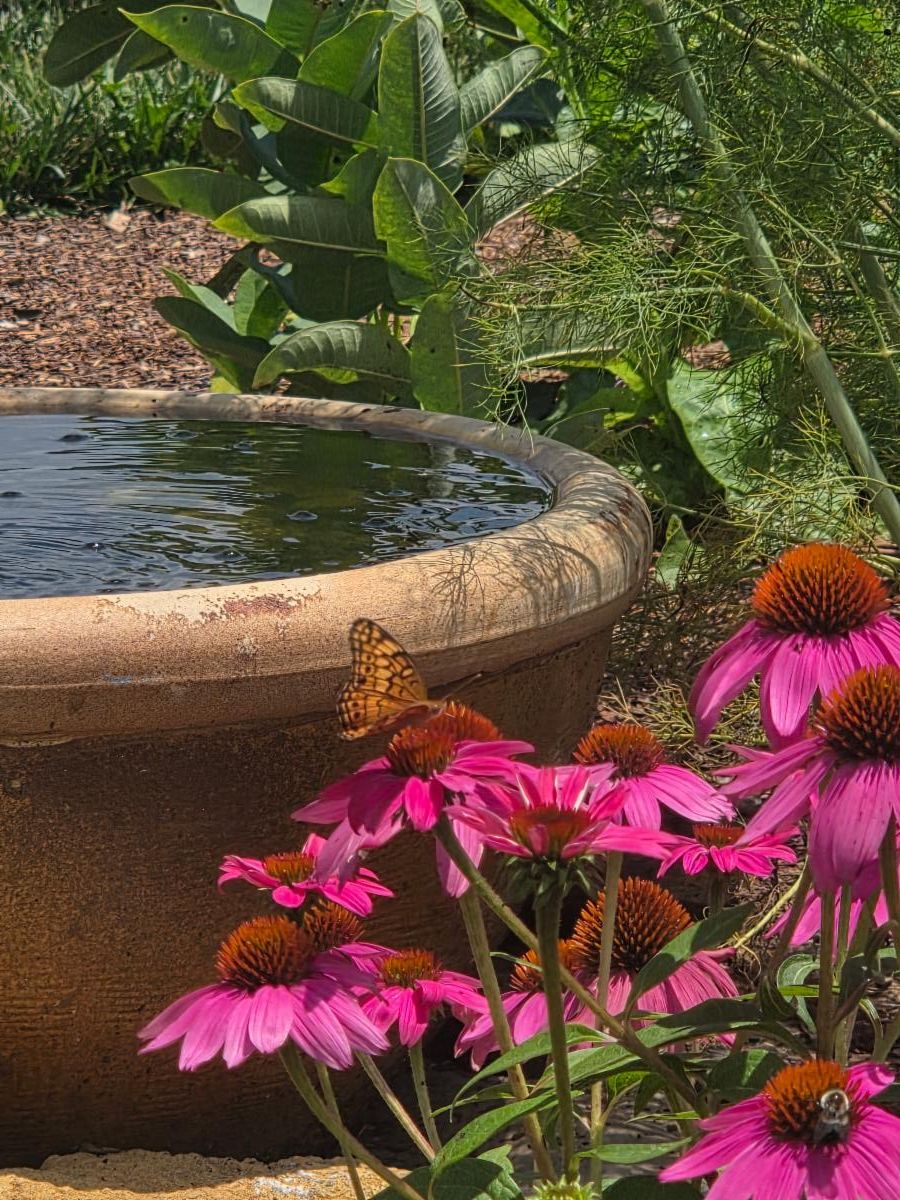
If you can help out with watering in the other gardens, please contact Project Leads to volunteer. Some gardens are set up for irrigation and all you’ll be doing is turning it on, weeding for about 45 minutes, and then turning it off. Other gardens require hose watering. Project Leads can guide you. We’ve worked so hard to get everything in place, let’s keep it thriving. One well-known secret about the Highland Rim Gardens: there is often a beautiful breeze on top of that hill. Benches are placed in several gardens, and it is a joy to sit out there and listen to the bees buzz and watch the butterflies and other pollinators feed. Huge thanks to Claudelle for our new sign posted by the road. We would love visits from the general public. Encourage your family, friends, and neighbors to go see for themselves.


Beth Hannabass, President

RCMGA

ASSOCIATION MEETING


July 23, 2026

7:00 p.m.

(Social time:

6:30-7:00 p.m.)


Highland Rim AgResearch and EduCenter

————————

Program:

Beneficial Insects: Will Work for Food


 Speaker:

David Cook

————————


 The Robertson County Master Gardener Association meets the fourth Thursday of every month

4-H Day at the Highland Rim Research Center Gardens

by Maureen "Mo" James

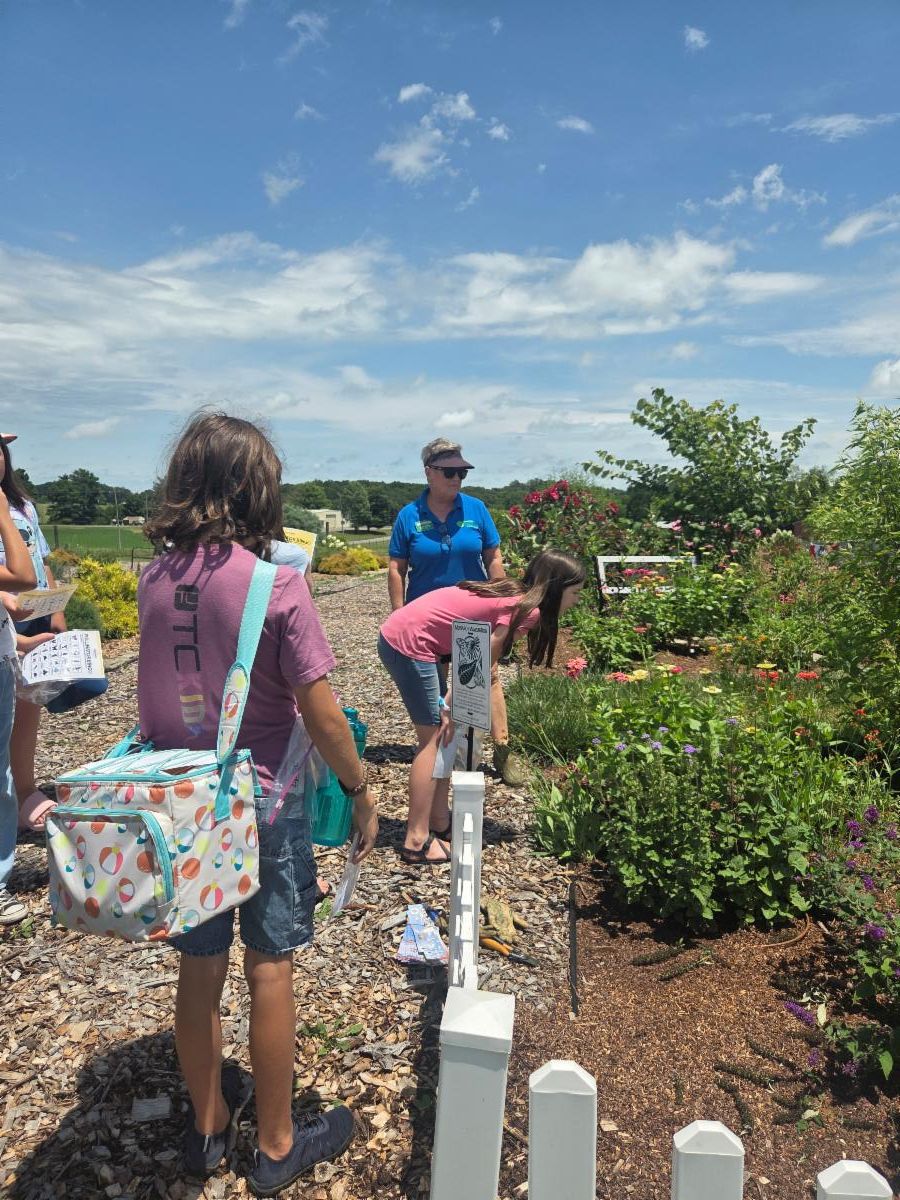
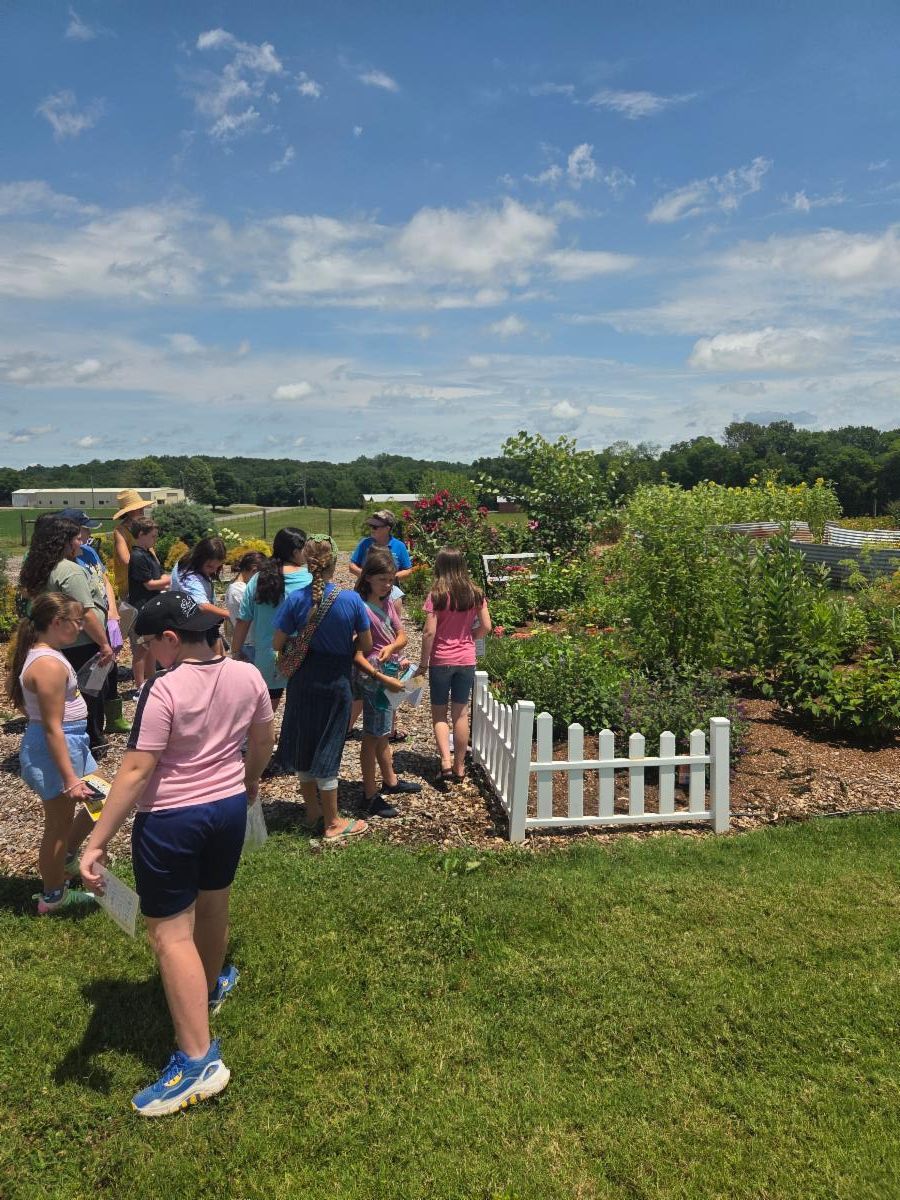
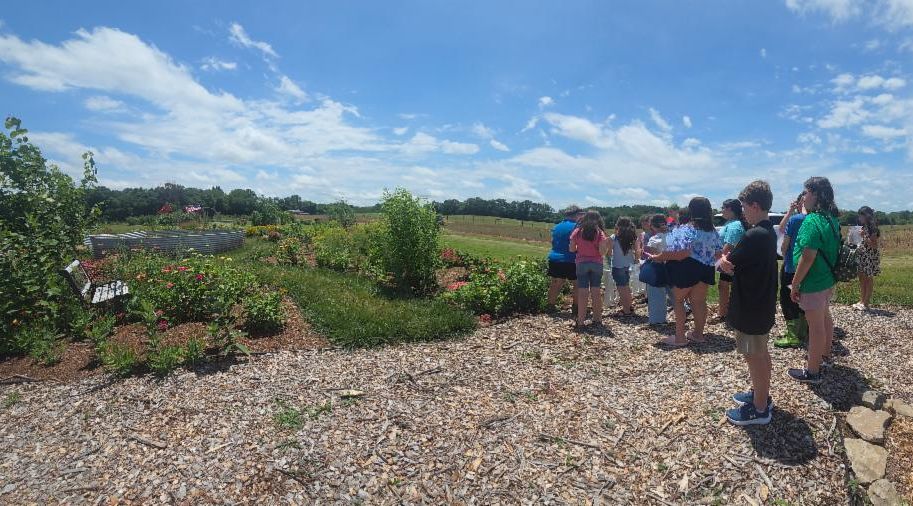
On Friday, July 10, a group of 4-H kids were treated to a very interesting tour of our gardens at the Highland Rim Research Center on Experiment Station Road. 4-H Agent Elizabeth Fletcher welcomed us, and then sent us on our way to the gardens.


Fourteen kids participated in the walk around the Monarch Waystation, Pollinator Garden, and blueberry patch.


Jennie Justice started everyone off with a wonderful presentation of the gardens! She explained why monarchs need a good reproduction habitat. Her extensive knowledge engaged the kids and had them asking plenty of questions. It didn’t hurt that she has taught middle-school-aged kids in the past!


We moved back to the blueberry patch, which was a hit with the kids. They all had bags in which to collect a few berries. One girl told me she needed to bring enough for her mom to make cobbler. I was impressed that she knew how much would be required to make a successful dessert!


Next, everyone migrated to the front lawn and under the shade of the giant trees where Jenna from Cedar Hill TN Honey taught us all about bees. She brought a portable beehive with clear acrylic windows on both sides so we could all see the bees inside. The kids even found the queen, which caused quite a lot of excitement!


It was interesting to see one of the young girls timidly standing 15 feet away, afraid to get near the bees. I coaxed her over, reassuring her that they wouldn’t get out. It didn’t take long until she was trying to get a glimpse of the queen bee.


A notable fact was revealed during the presentation. The female bees do all the work from collecting the nectar and pollen, making honey, building the wax comb, caring for baby bees, and defending the hive. The males (drones) only have one job: to mate with the queen to ensure the genetics of the hive for future generations. Come winter, the females escort the males out of the hive to preserve the hive’s food stores. Since they never learned to feed themselves, they do not survive the winter out in the cold.


One observant girl said, “The girls do all the work!” It’s fun to see how that fact wasn’t lost on even an 11-year-old.


Jenna also demonstrated how the smoker calmed the bees so she could collect the honey without agitating them. She brought a beekeeper’s suit that, as she explained, kept her from getting stung when tending the bees and harvesting the honey.


Elizabeth Fletcher wrote me later in the day to tell me this: “THANK YOU for today! You are a rock star. I’ve asked some of our regular kids what was their favorite day of the Summer Fun stops and they said today was their absolute favorite!”


What a way to showcase the Master Gardener program!!

Wild, Wonderful Passion Flower,

Tennessee’s State Wildflower

by Shalena Durkot, garden coordinator and horticulturist,

UT Gardens, Crossville

Reprinted from UT Gardens' July 2026 Newsletter

If the exotic blooms of Passiflora incarnata don’t intrigue you, the plant lore will.

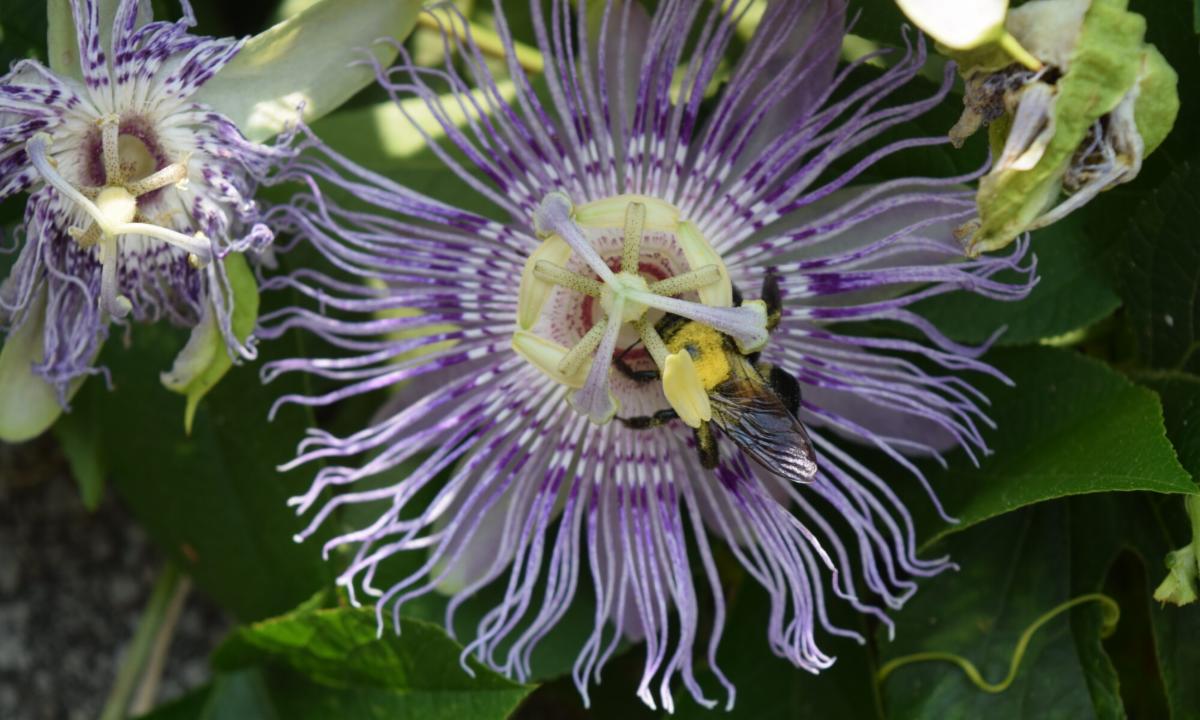
Passion flower is perhaps the most widely used of its common names, which originated with early Christian missionaries who saw various parts of the flowers as symbols of the crucifixion. More rural names of wild apricot and maypop refer to the fruit of the plant. The fruit does make a loud popping noise when crushed, but May is not the season of its ripening this far north.

This adaptable plant grows across Tennessee in sunny spots along waterways, roadways and field edges. No wonder it’s been deemed our state wildflower. In the landscape, it can climb on structures or be left to scramble across the ground. Its vigorous nature requires regularly removing root suckers to control its spread, but for many gardeners, the merits exceed the drawbacks.

Passion flower vines emerge fairly late in the spring, can climb 6 to 8 feet or more, and have alternate three-lobed leaves. The foliage serves as a larval host for several butterflies, most notably gulf and variegated fritillaries.

It will tolerate part shade, but best color and bloom occur in full sun. Gorgeous lavender blooms appear June to September and open and close each day. While they attract a wide range of pollinators, the large bodies of carpenter bees do the best job of carrying pollen from stamen to stigma, ensuring successful pollination.

Pollinated flowers result in green, egg-shaped fruits edible fresh off the vine. In late summer and fall, the fruits will begin to yellow, wrinkle slightly and emit a rich fragrance of tropical punch, which also describes the flavor of the pulp surrounding the hard seeds. Many people eat seeds and all, but simmering in a little hot water will make a juice that can be used for syrups, desserts and jellies, or simply boil the flowers and leaves to make a tea.

Look for passion flower at all three UT Gardens locations. Plants are typically available at native plant nurseries, or propagate your own by cuttings, division and seed.

The UT Gardens includes plant collections located in Knoxville, Crossville and Jackson, Tennessee. Designated as the official botanical garden for the State of Tennessee, the UT Gardens are part of the UT Institute of Agriculture. The Gardens’ mission is to foster appreciation, education and stewardship of plants through garden displays, educational programs and research trials. The Gardens are open during all seasons and free to the public.

Profiles in Gardening...

Kellye Rainwater

Hi everyone! My name is Kellye Rainwater, and I’m a proud Robertson County native who grew up in White House, Tennessee. I earned my undergraduate degree from the University of Tennessee, Knoxville (Go Vols!) and later completed my Master’s in Education at Middle Tennessee State University.


One of my most memorable adventures was spending three months in Rio de Janeiro, Brazil, where I maxed out my visa while working on sustainability and reforestation projects. That experience deepened my appreciation for environmental stewardship and the impact of community-based conservation efforts.


For the past 12 years, I’ve had the privilege of serving as a school counselor, helping students navigate challenges and discover their strengths. I’m also a 200-hour Registered Yoga Teacher (RYT), and I enjoy incorporating mindfulness and wellness into my life whenever possible.


My wife and I spent 10 wonderful years in Florida—two in Orlando and eight in Dunedin—before deciding to return home to Robertson County to be closer to family and lifelong friends. We’re currently building a home on my family’s fourth-generation farm in Springfield, where we hope to create a thriving food forest that can nourish both people and the land for years to come.


I’m especially excited to begin the journey of becoming a Robertson County Master Gardener alongside my mom. Gardening, sustainability, education, and community have shaped so much of my life, and I look forward to connecting with others who share those passions!

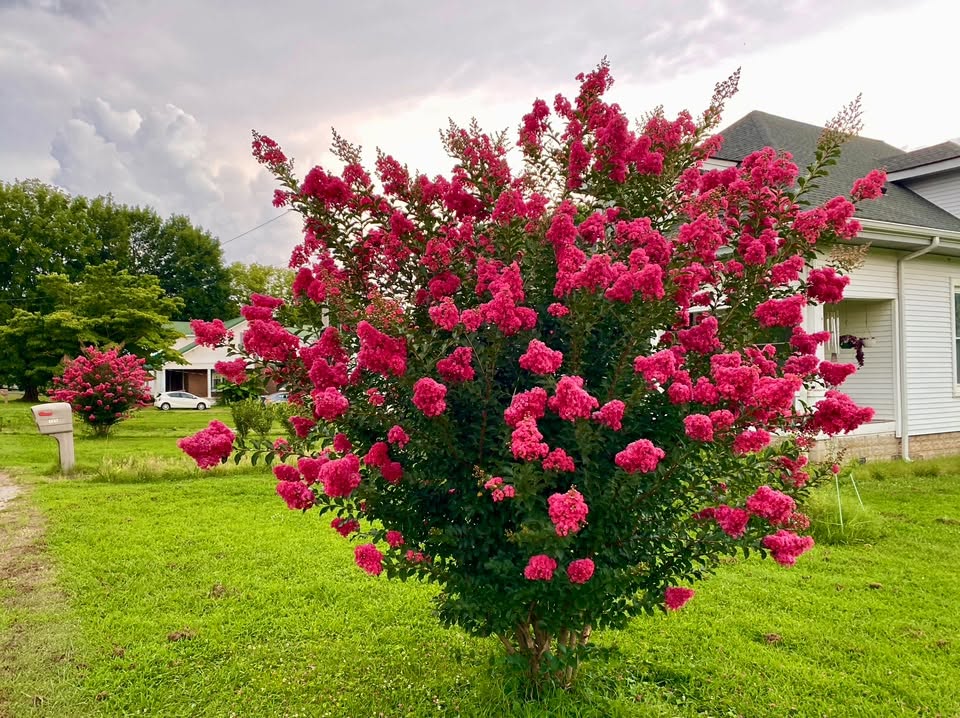
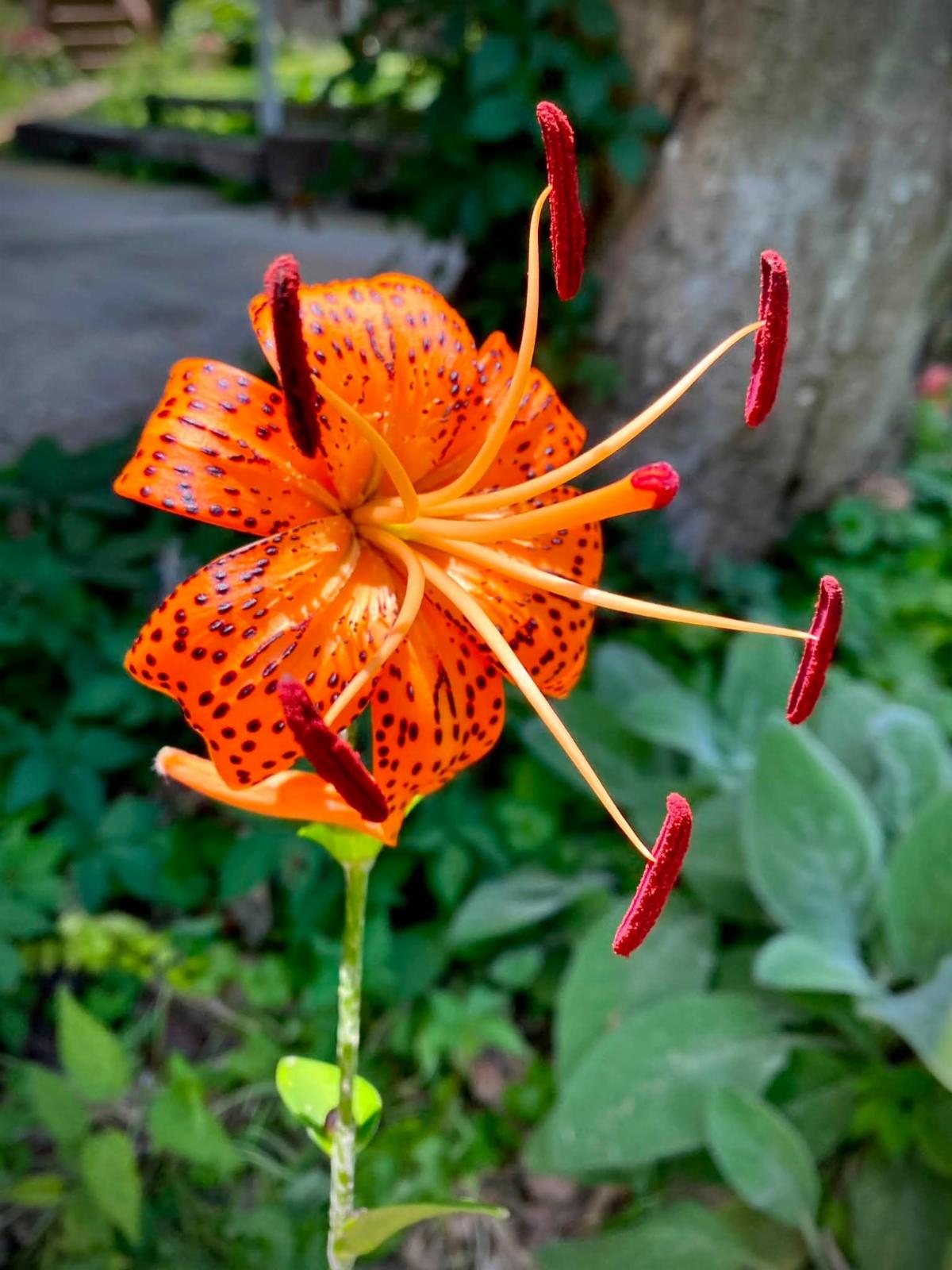
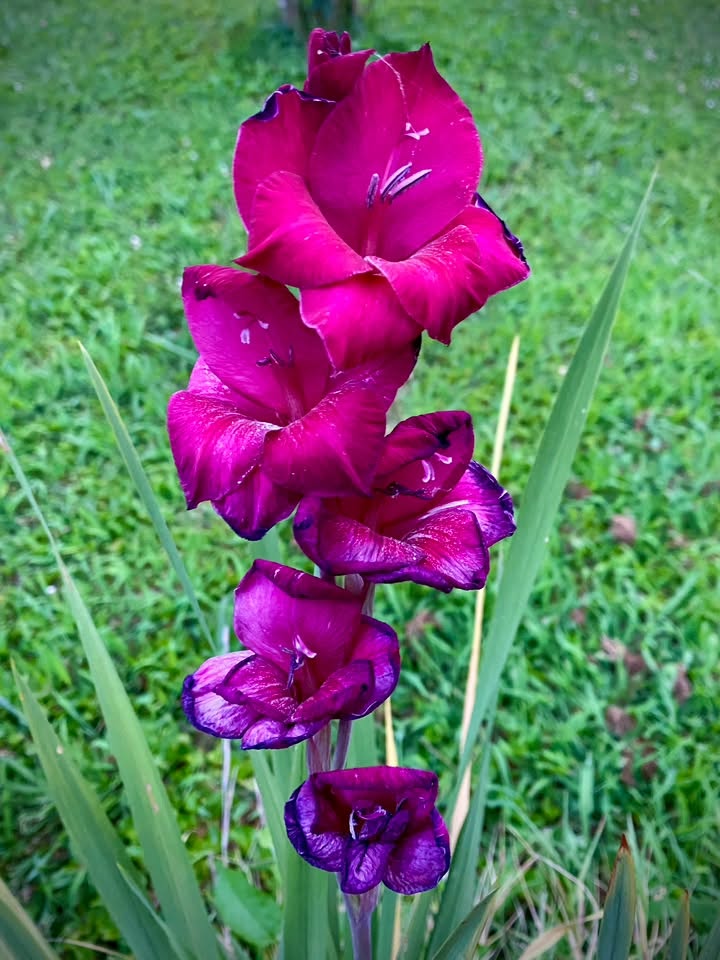
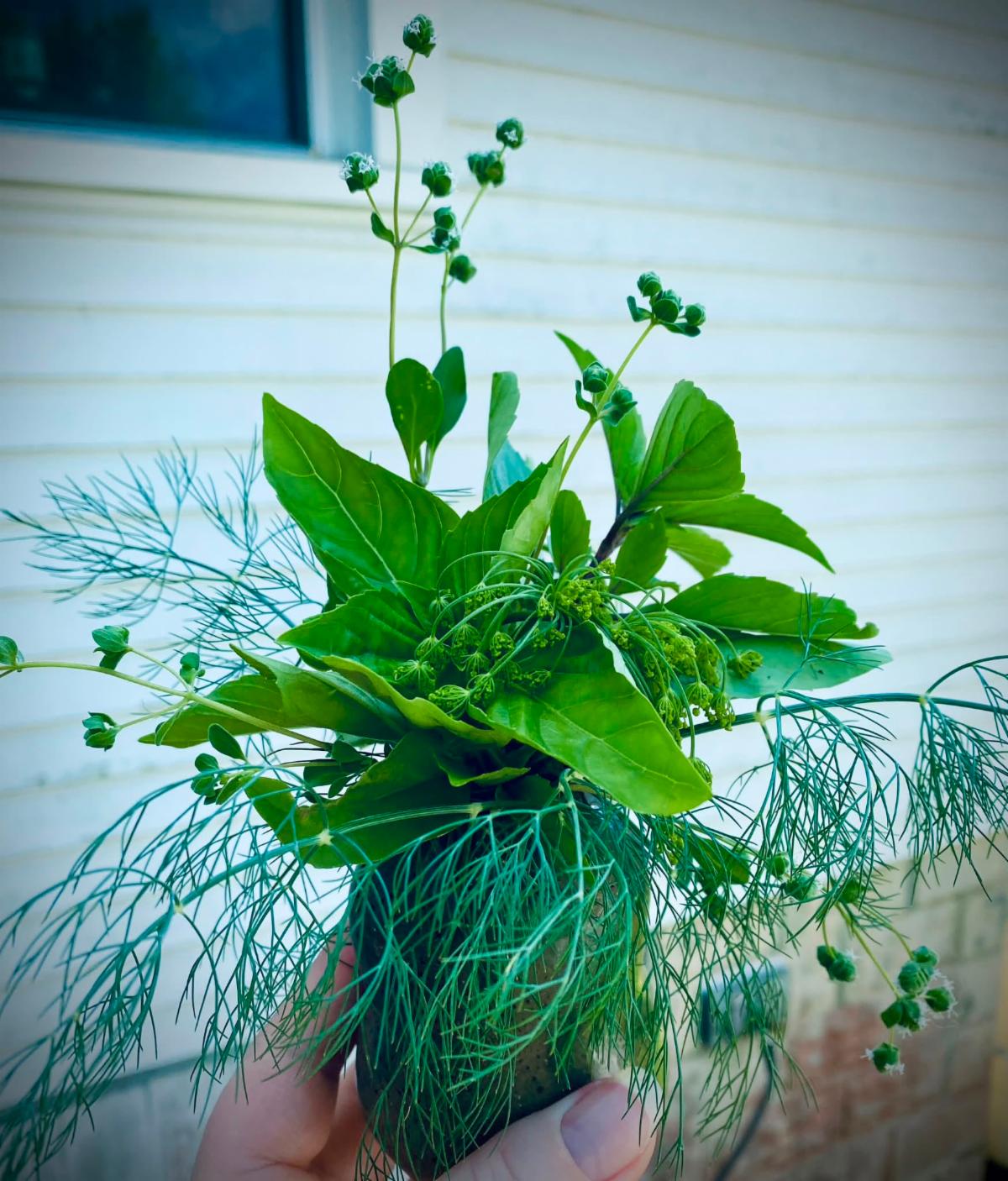
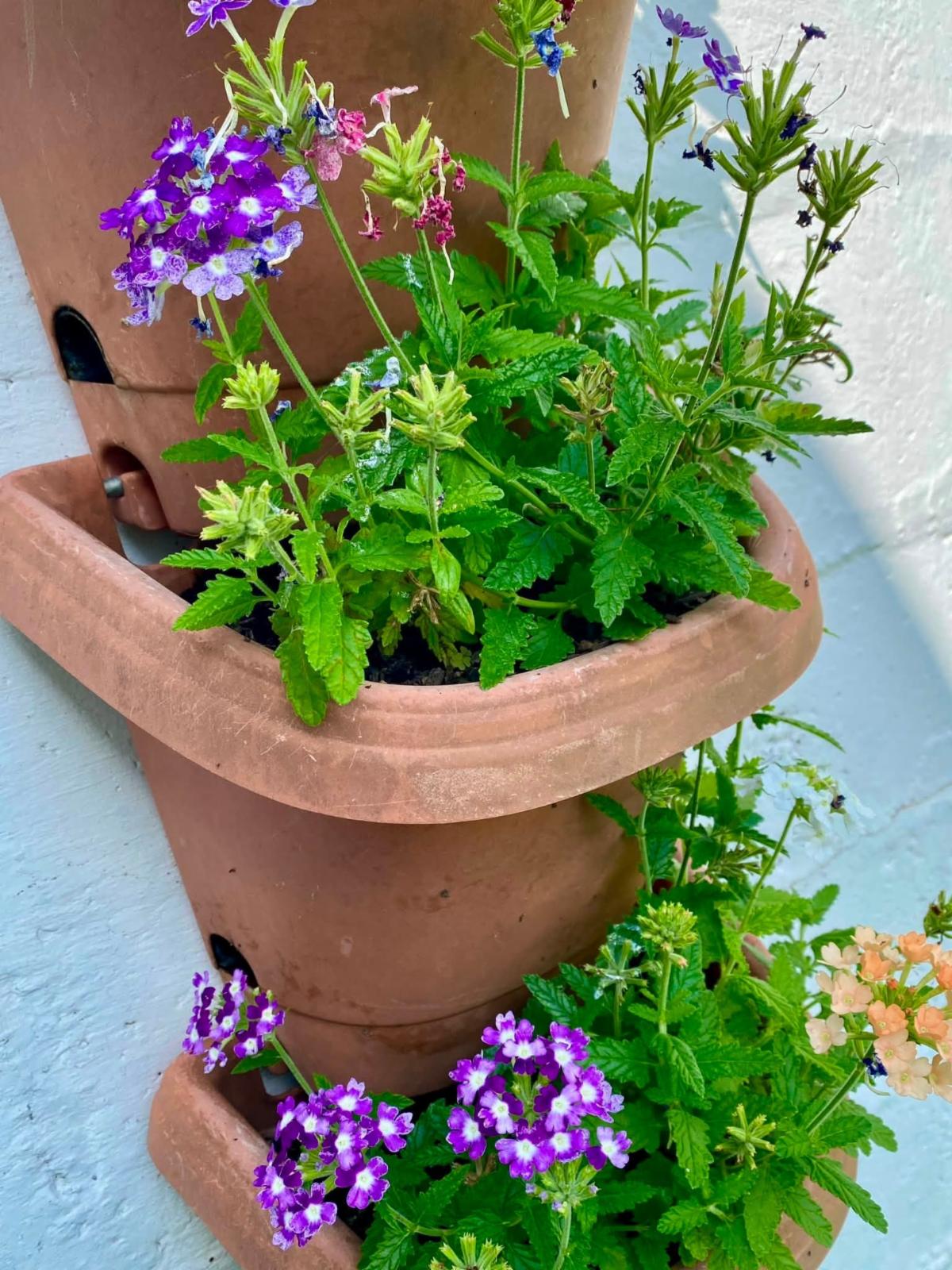
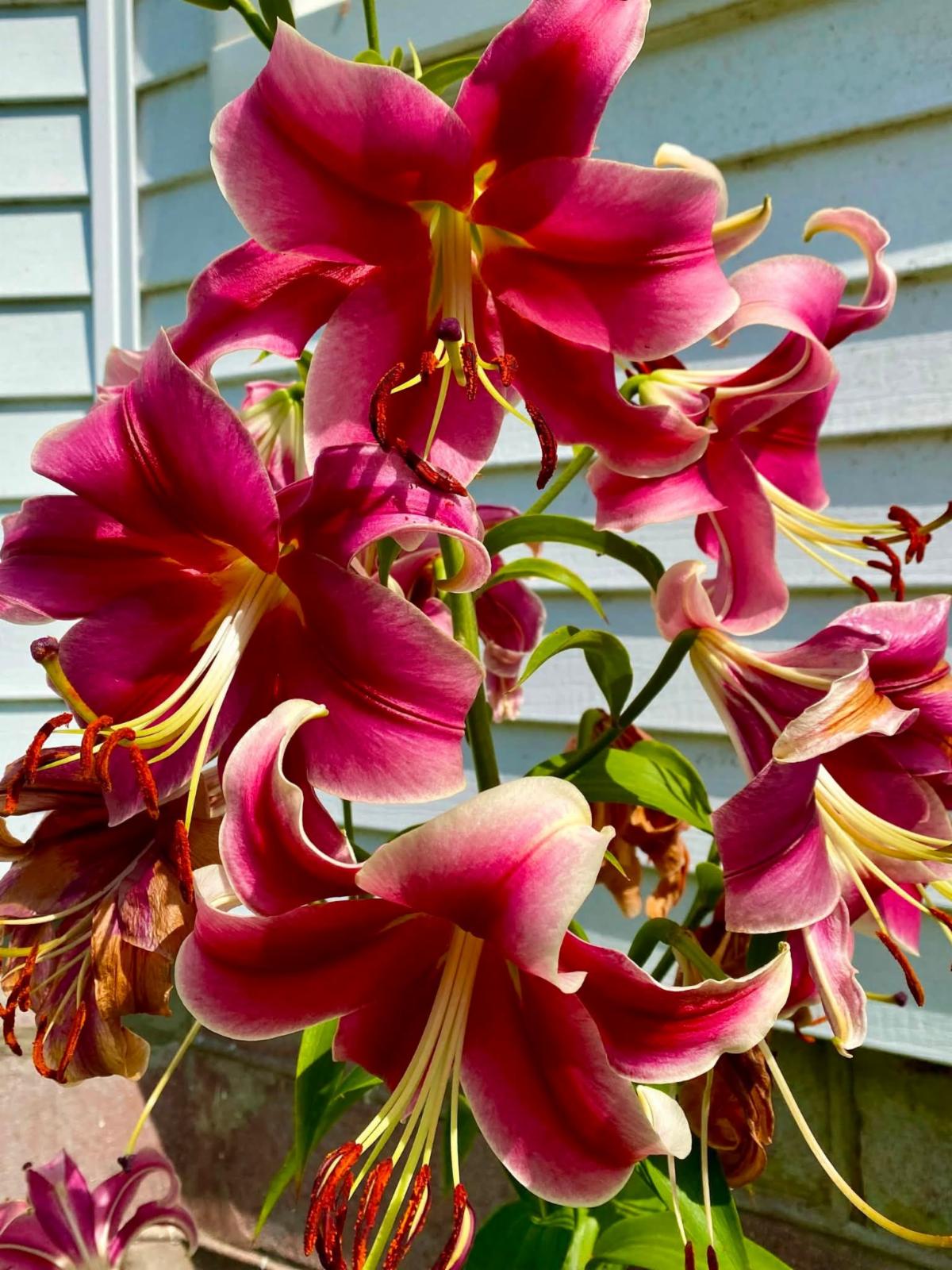
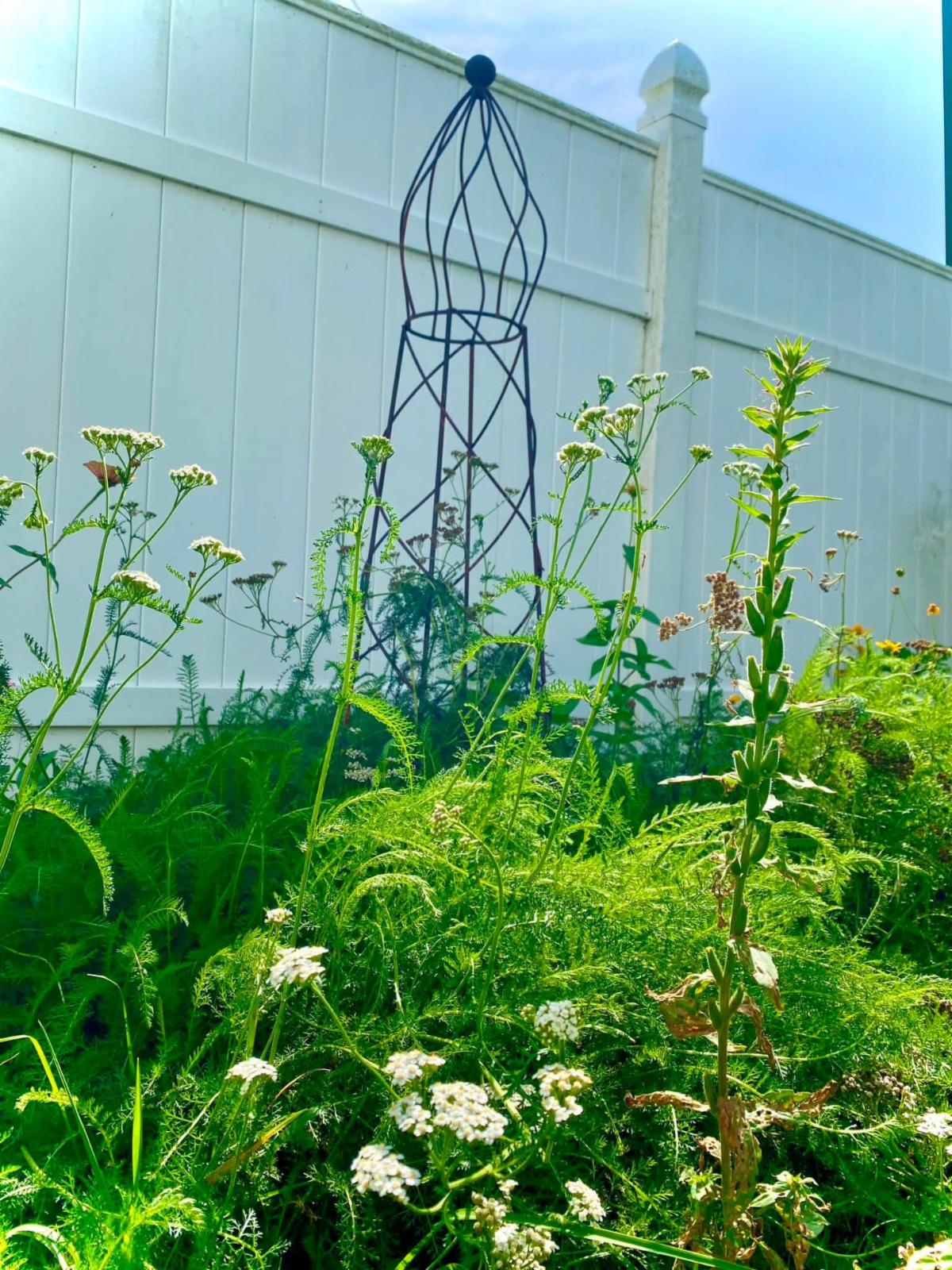
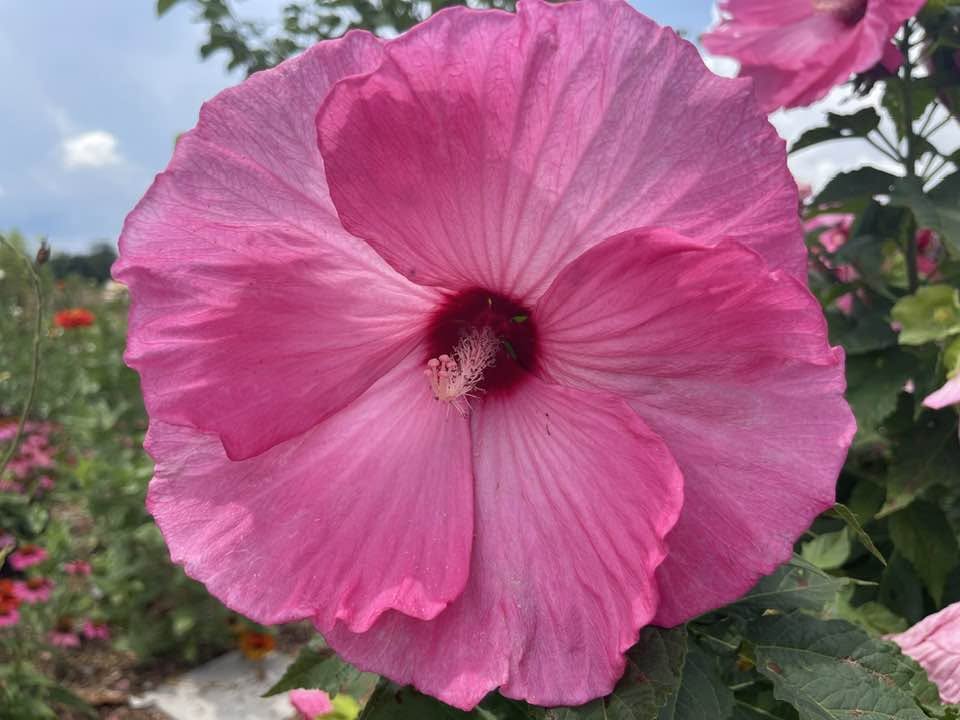
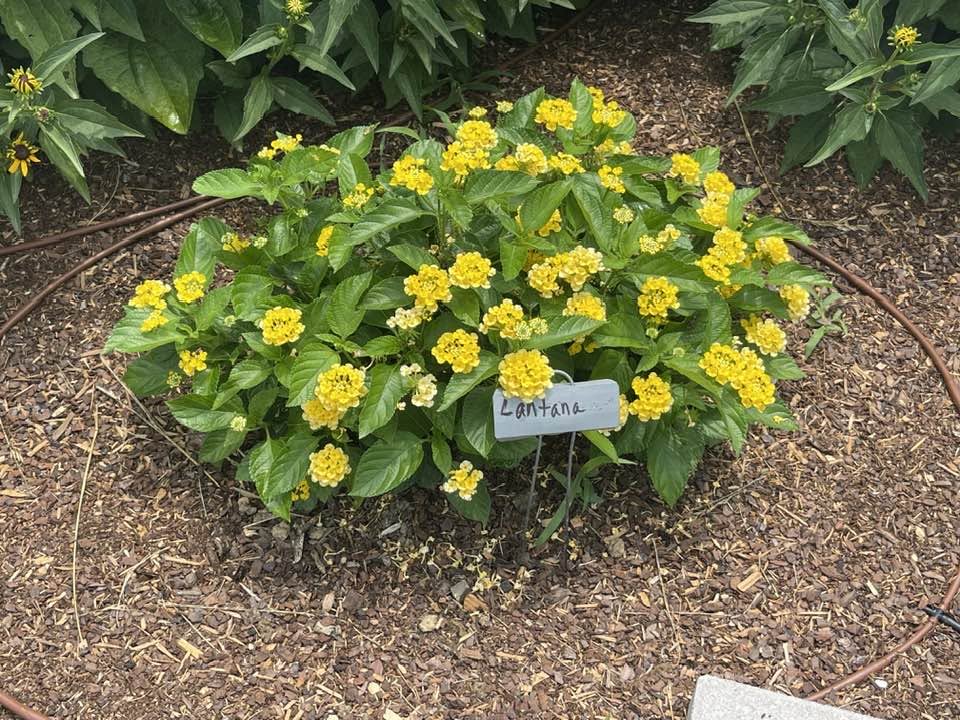
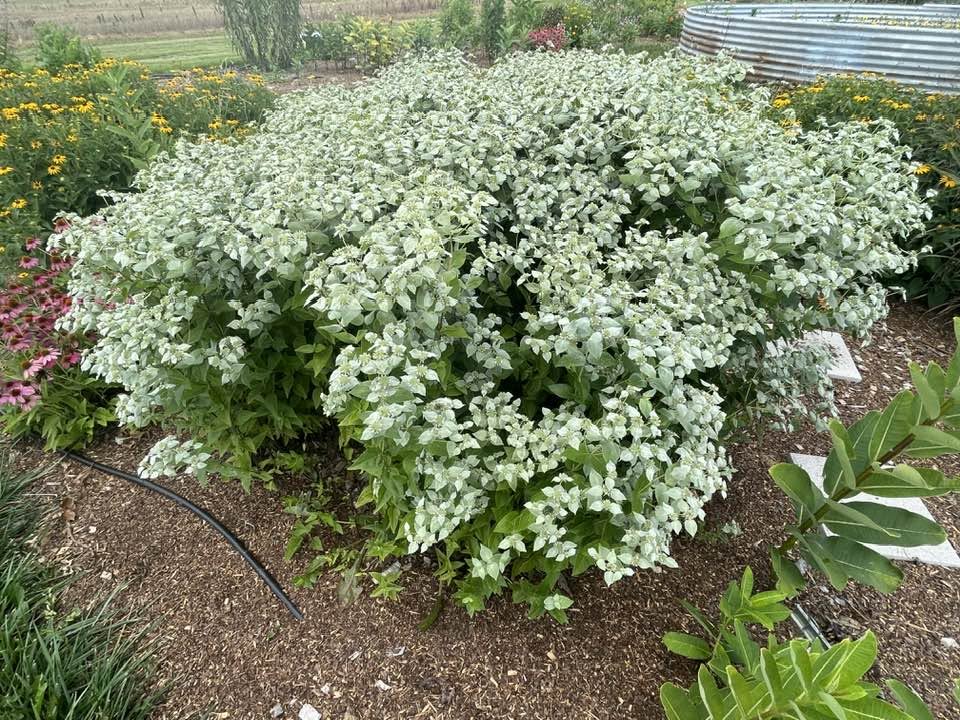
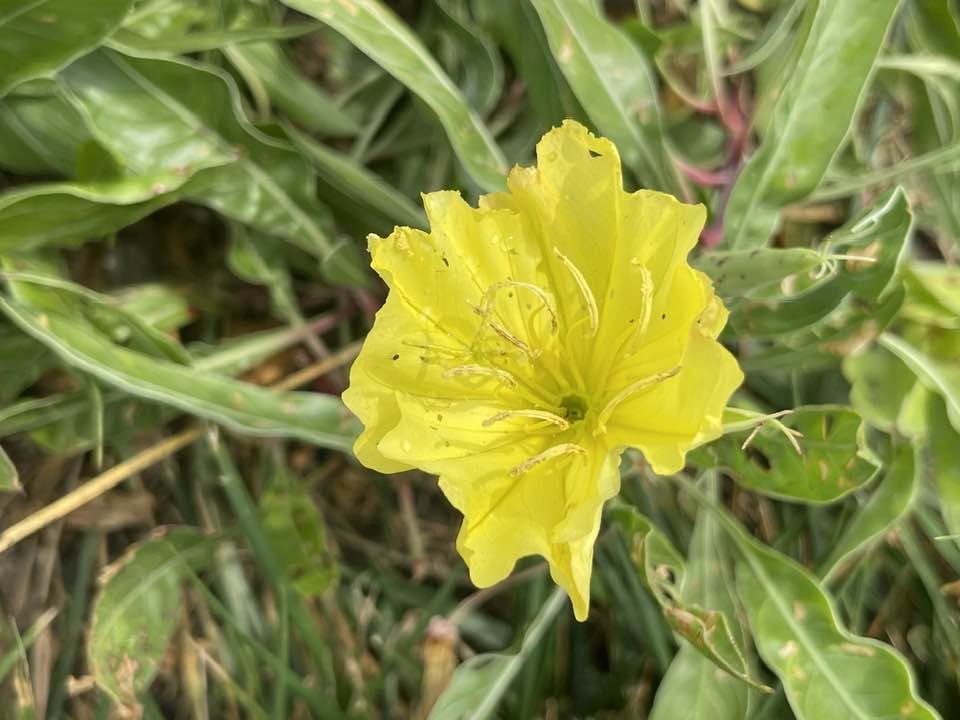
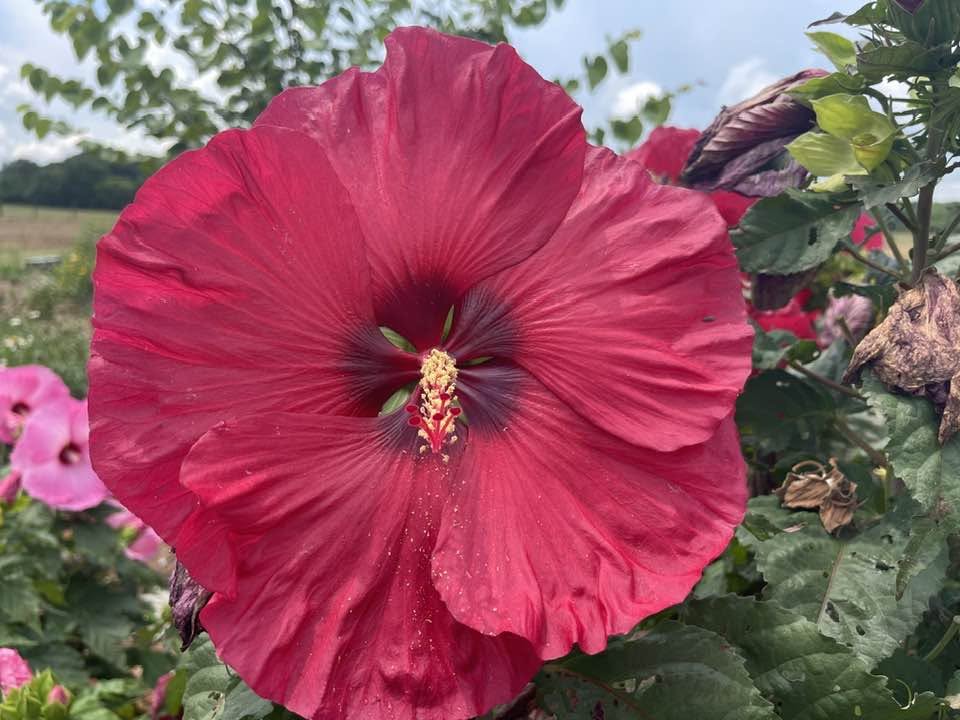
What's Blooming: July

In Stacey Haag's Garden...

From Rose Bedwell...

Upcoming Events

July 25: Regina Wheat's Garden Tour

White House, TN

(Members, see email for invitation.)


August 1: Margot Shaw,

Flower Magazine Founder and Editor-in-Chief

Talk and Book Signing

Cheekwood Estate & Gardens


August 15: 3rd Saturday Work Day

Highland Rim Demo Gardens


August 22: Nashville Native Plant Symposium

Southeast Community Center, Antioch


September 22-26: Robertson County Fair

gardening-tools-banner.gif
 

Contact Us


President:

Beth Hannabass

(615) 943-2078

bhannabass@comcast.net


Vice President:

Alison Spackman

(530) 906-3463

alisonspackman@gmail.com


Secretary:

Rachael Ragland

(469) 865-0182

rragland7700@gmail.com


Treasurer:

Amy Burnette

(615) 351-1215

amyb.premier@gmail.com


Master Gardener Coordinator:

Bob Ary

(615) 384-7936

bobary@utk.edu


Webmaster:

Kathy Doss

(615) 636-5410

toprocktn@gmail.com


Facebook Administrator:

Shawn Herman

(615) 948-4376

buerger48@outlook.com


Instagram Administrator:

Kendall Simmons

(423) 314-4712

kendallsimmons2@gmail.com


The Leaflet Editor:

Stacey Haag

(615) 389-4663

binarychick@comcast.net


Robertson County Master Gardener Association
Facebook  Instagram