It MAYbe Spring!

In May, along the Kinnickinnic River, spring settles in fully as longer days and warming temperatures drive a surge of life. Trees like maples, oaks, and cottonwoods leaf out, casting fresh green shade over the Kinni riverbanks, while wildflowers such as trillium and wild geranium bloom in the shaded woods.


The river runs clear and lively from the ‘April showers’, supporting active hatches of aquatic insects that draw trout into feeding rhythms. Warblers and orioles arrive or pass through on migration, filling the prairies with beautiful birdsong, while frogs call from nearby wetlands. Altogether, May marks a dynamic transition into early summer, with the Kinnickinnic watershed buzzing with growth, movement, and renewed ecological activity!


Soft rain taps the leaves

Spring on the Kinnickinnic

The water flows on

-Haiku by Jane Taylor


Jane Taylor

Social Media & Community Outreach Coordinator

jane@kinniriver.org


Please Consider Making A Donation Today!

Your support provides critical financial resources to help continue KRLT's mission of protecting the beauty and health of the Kinnickinnic River and its watershed.


Take Time to Celebrate


"Be the Change you Wish to See in the World." I think about this quote often as I work to enhance people and the natural places around me. Sometimes this is to my detriment, and I forget to appreciate all the good work that has been done. Looking back, the first Earth Day was founded by U.S. Senator Gaylord Nelson and activist Denis Hayes. It was held on April 22,1970, to protest industrial pollution and raise environmental awareness. Twenty million Americans were inspired to participate on that day, leading to legislation, like the Clean Water Act, which now protects the Kinnickinnic River.


Today, we continue to honor Earth Day. River Falls is a community that takes time to celebrate. The Annual River Falls Earth Fest is a wonderful place to learn ways to care for the earth and celebrate with other like-minded people. I was able to celebrate with the 2,700 people who attended on April 25th. We experienced ways to reduce food waste, were encouraged to mend instead of throw away, visited multiple booths with great information, championed protecting the river, and maybe even joined the kids outside playing in the labyrinth. 


Take time to celebrate your actions. Make a list of all the things you have done to help the Earth. From the small, "I ate leftovers, so I had less food waste." To the grand, "I installed an energy efficient air conditioner to use electricity." I am sure that once you get started, you will find you have a lot to celebrate!


Aleisha Miller

Watershed Coordinator

aleisha@kinniriver.org


Land Stewardship

Spring has arrived! With that begins our spring field season. We will have two UWRF part-time interns to help with habitat and property management this year!


Preserve Management

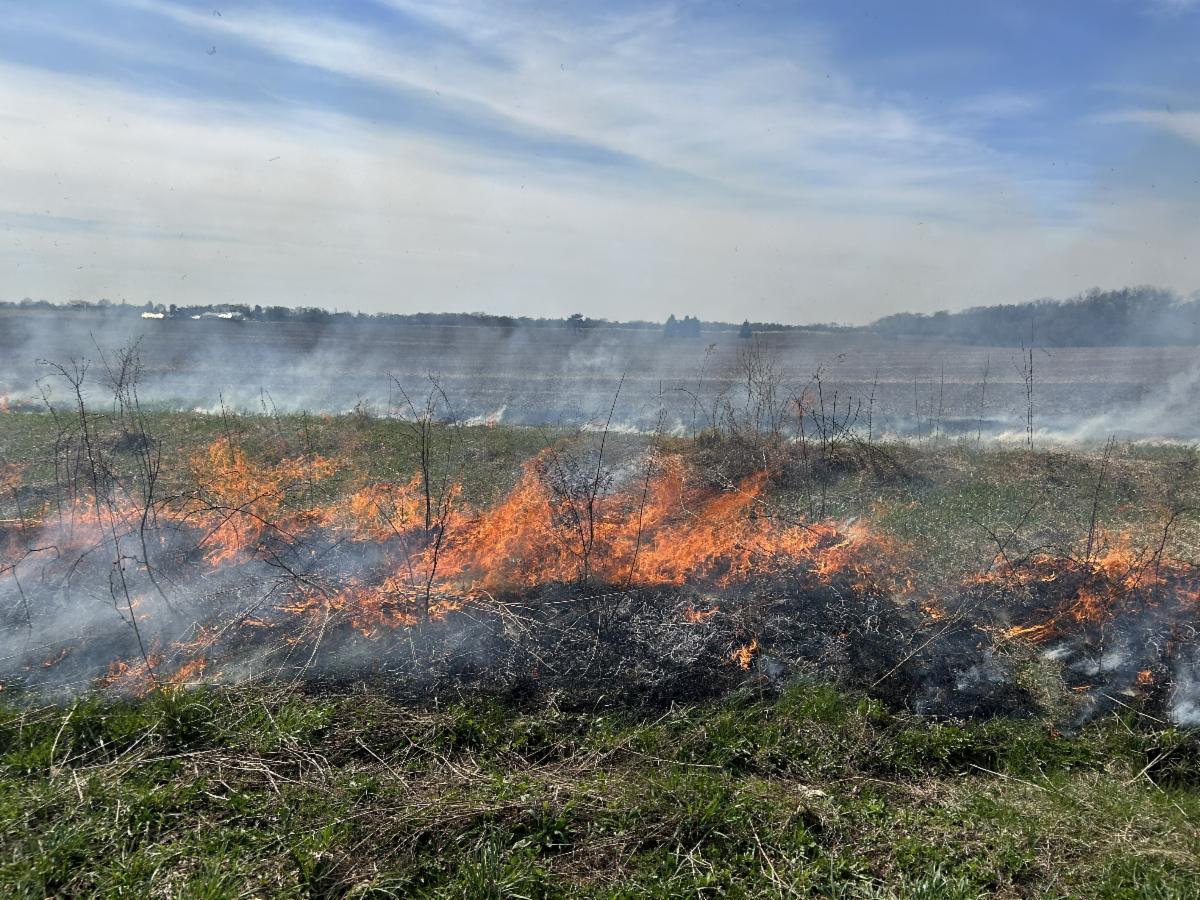
The first thing on our agenda is to conduct prescribed burns to reinvigorate our prairie plantings. We have three burns planned for the 2026 field season that include 1) the one-acre access lane at the Headwater Preserve, the southeast 1/3 of Kelly Creek Preserve, and the five-acre access lane at Drewiske Preserve. Prescribed burns usually occur between April 15 and May 15th dependent on specific site conditions. Drewiske Preserve has already been burned (April 20th). Some sites green up sooner, while others don’t until later in May. We have hired a private contractor, Habitat Creations LLC. to conduct the burns paid for with a donation from Public Lands, Woodbury, MN. If the weather cooperates, we hope these get done, otherwise we will attempt it next year. 


So why do we burn? The primary goals of a prescribed burn is to: 1) set back cool-season grasses in favor of warm-season prairie grasses and forbs, 2) to control woody vegetative growth in the grasslands, and 3) to recycle nutrients in the dead vegetation for prairie plant regeneration.


We plan to cruise our trail systems to remove encroaching vegetation, mainly brush and down trees and/or limbs. If time permits, we will add wood chips to sections of trails subject to erosion. Spring is also a good time to cruise property boundaries and replace property signs and posts where it is necessary. 


Habitat and prairie maintenance are high priorities. Now that the Headwater Preserve is planted with prairie seed, we will need to monitor prairie restoration efforts and control unwanted weeds and woody regrowth.  This spring, we plan to treat red oak regrowth at the Headwaters Preserve and woody sprouts on the Drewiske Preserve access lane. Invasive species are a problem we must deal with each year on the preserves, and we will continue our efforts to eliminate Tansey, Wild Parsnip, and Purple Loosestrife.


Watershed Management

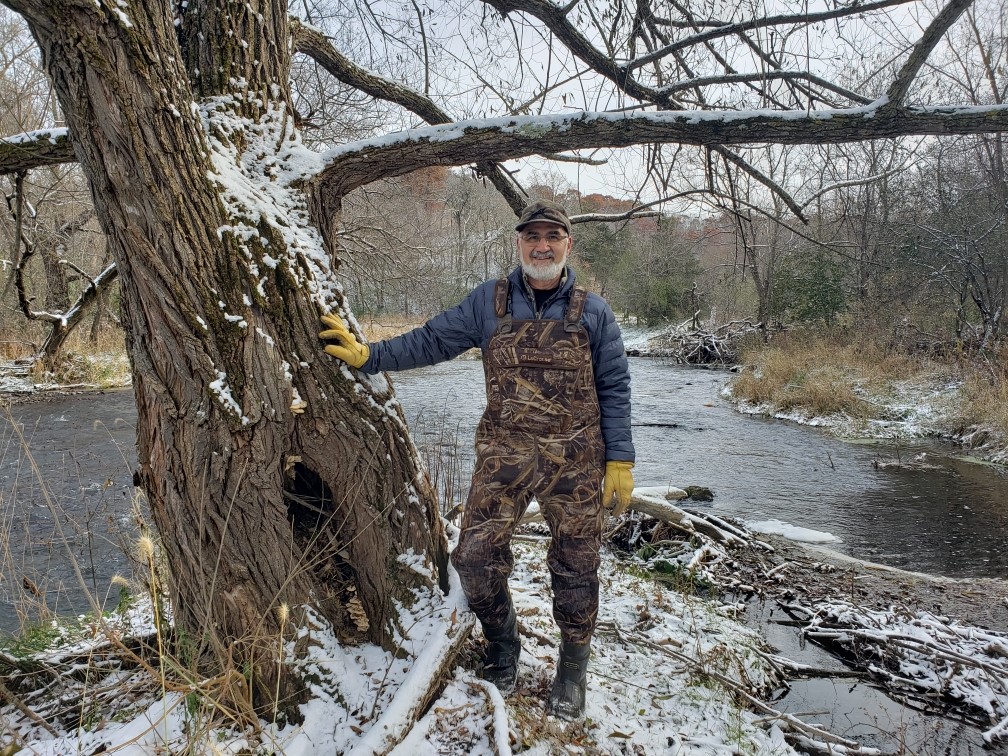
Conservation Committee member, Kent Johnson, will continue to monitor water temperature and water chemistry both above and below the Headwaters Preserve. Results so far show a reduction in nitrogen as water flow passes through our wetland preserve.


Several conservation committee members, along with staff, are helping build a database of environmental data. The goal eventually will be to report on the annual condition of the Kinnickinnic River Watershed.


Agricultural Easements

The United States Department of Agriculture, Natural Resource Conservation Service, offers a 50/50 cost-share Agricultural Land Easement Agreement (ALE) Grant for eligible farms. The grant would be awarded based on the depreciated value of the farm by placing a conservation easement on it. However, the land trust must commit a minimum of $20,000 to pay for the development of the grant. In addition, the land trust would need to cover 50 percent of the depreciated value of the farm. That can be done in part by a donation from the landowner. However, major hurdles occur with the land trust raising the remaining funds to have a competitive grant application approved. In the past, we may have tapped the Wisconsin Knowles Nelson Stewardship Grant program. Currently, that program has not been funded by the Wisconsin legislature.


Major KRLT funding challenges remain for the use of the ALE Grant program to protect family farms using conservation easements.

If interested in a conservation easement on your land, contact Marty at: marty@kinniriver.org 


Marty Engel

Land Stewardship Manager


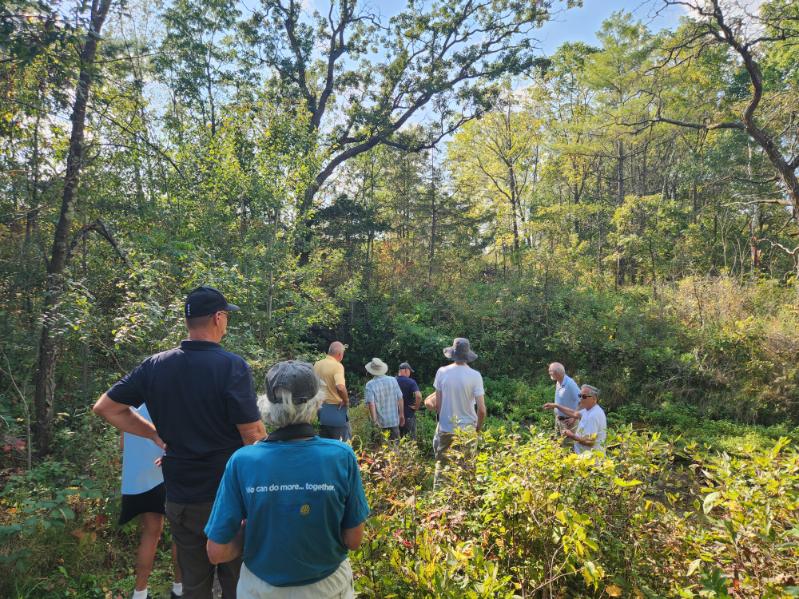
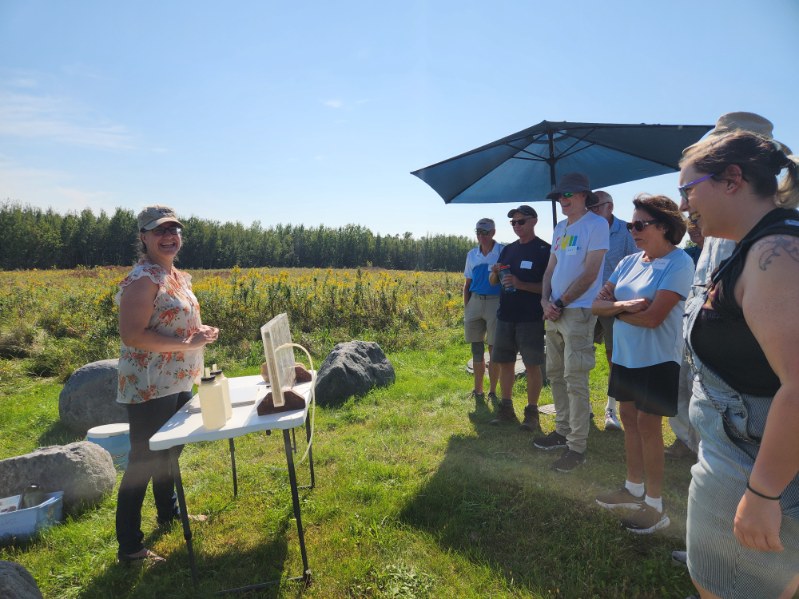
We are excited to announce that KRLT will be guiding upper watershed bus tours during the summer months of 2026. During these tours, you will learn about the seasonal cycles of the river, conservation initiatives, the important ecosystems that make up the watershed, and see some hidden gems along the way.


The cost of the tours is $20 per person and helps cover the cost of transportation. Additional information about the tours can be found on the registration page by selecting the date options below. All tours will begin at 9:00 am and end at roughly 12:30 pm. If you are interested, you can view more information and sign-up details by clicking here.


I first became familiar with the Kinnickinnic River Watershed over 10 years ago when my college hydrology class took a field trip to the upper South Fork River to study the springs. It wasn’t until I moved back to River Falls nearly a decade later, with a more mature perspective, that I truly came to appreciate the importance of the Kinni and its many tributaries. My family and I now fly fish that same South Fork River, cross the Kinni each time we take the kids out for ice cream, and walk the treasured nature trails at the Kelly Creek Preserve.


Protecting the Kinnickinnic River Watershed is critical not only because of its ecological significance, but also because of the role it plays in sustaining the local community. Its cold, spring-fed waters support a nationally recognized trout population and provide high-quality habitat for a diverse range of species. Equally important, the watershed helps maintain water quality, recharge groundwater, and preserve the natural character that makes the River Falls area so special. Ensuring its protection means preserving both a vital natural resource and a way of life for future generations.


Caitlin Olsen

KRLT Board of Directors, Secretary

As part of our needs assessment process, we are piloting different programs with partners in 2026 to understand how they might work in the future.


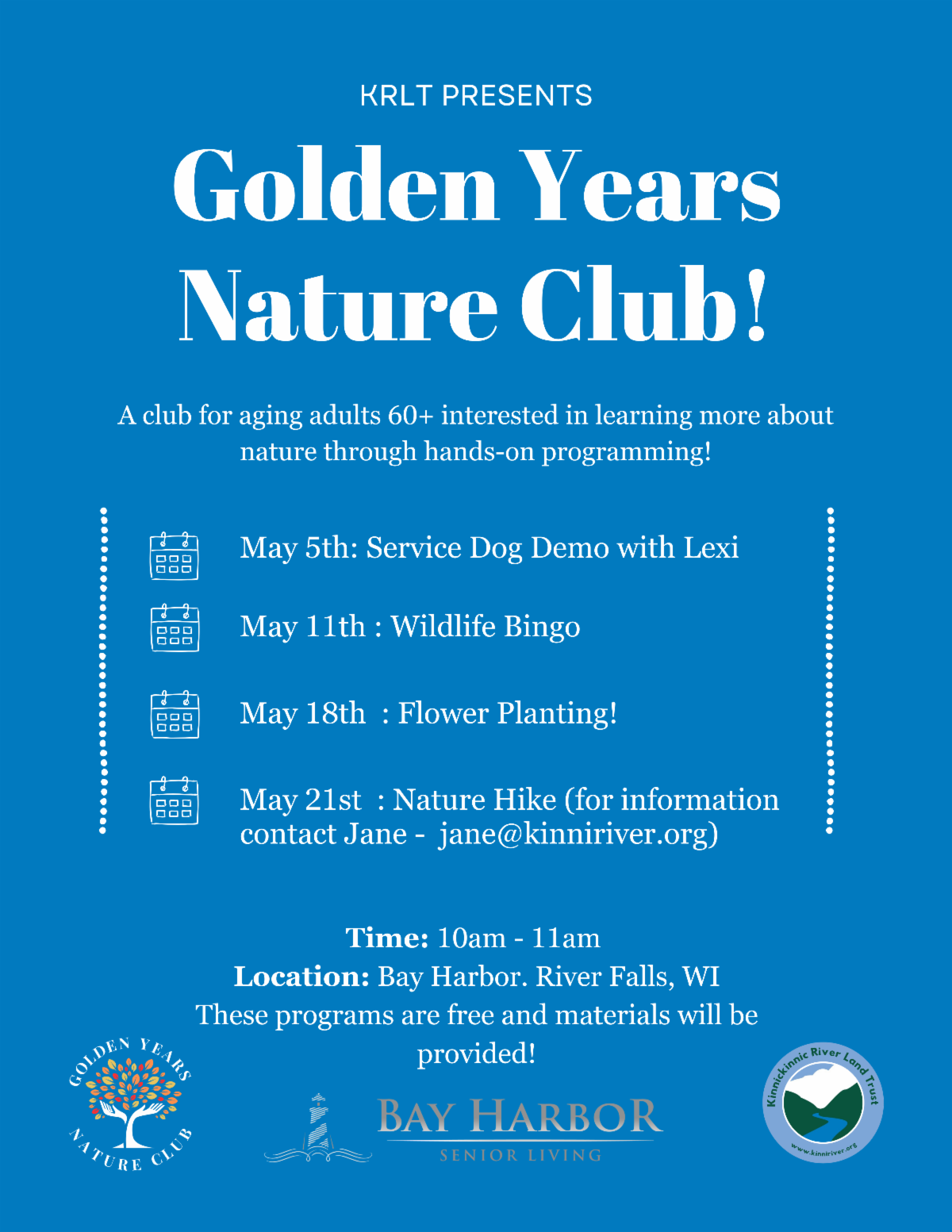
One good example is a pilot program we’ve started with UWRF on developing field experiences for students. KRLT donors Deb and Wayne Wulf and Dave and Ann Drewiske helped fund two interns for this summer. UWRF students Lexi Jensen and Lydia Degross will work with UWRF staff on management needs at their Wildflower Farm site. Plus, they will work with KRLT staff on management needs at our Headwaters Preserve and help with other field work. It’s an opportunity to provide learning experiences for students on a wide variety of projects.


Our goal is to learn from this pilot program this summer to eventually build the intern experience through the fall, spring, and summer seasons. The possibilities are endless!


To learn more about this initiative and other programs, please join us at Swinging Bridge Brewery in River Falls on June 9 from 5:00 to 7:00 pm and/or August 11 from 5:00 to 7:00 pm. Staff will be sharing possible ideas for our next strategic plan as we enjoy some appetizers and drinks. We will also share ideas at our annual meeting on November 10 from 6:00 to 7:30 pm at the Glen Park Pavilion in River Falls.


Register for the Brewery Brainstorm: Community Ideas Night below.

Hope to see you at these events! Feel free to contact me at 715-301-0724 if you would like to talk about our needs assessment process.


Steve Leonard

Executive Director

steve@kinniriver.org


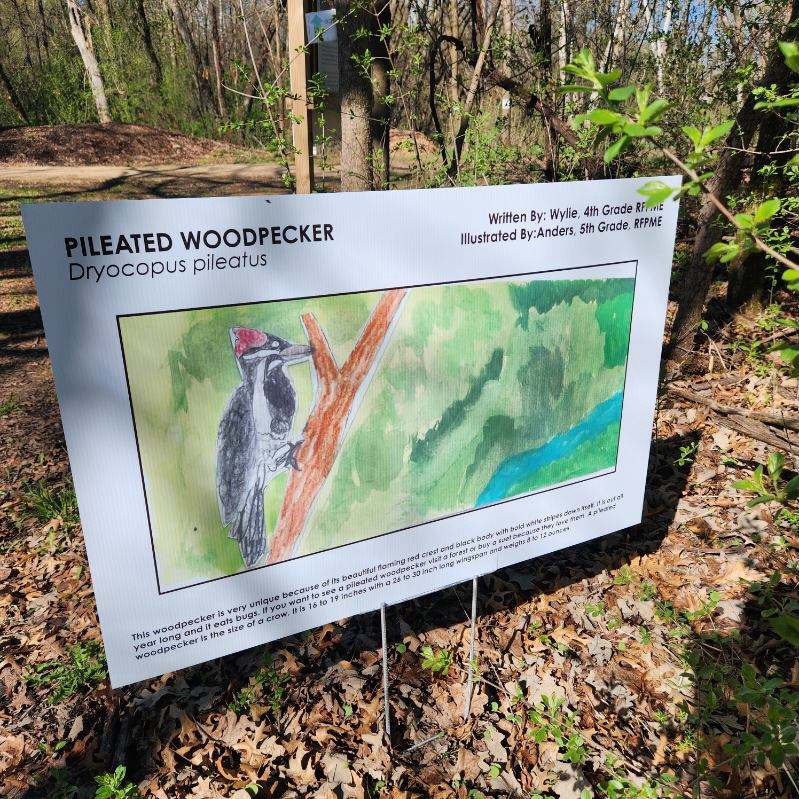
We recently added temporary signs at The Community Forest with the help of students at the local Rocky Branch Elementary and River Falls Public Montessori Schools. The signs feature different plants, trees, and wildlife that you might see when you are there. They will be on display through the spring.


If you know someone passionate about the Kinnickinnic River watershed, invite them to become a member. With each new member, our community connections grow stronger, enabling us to make an even greater impact in protecting the Kinnickinnic River and connecting people to it. For more information about memberships, click here!


Have questions about KRLT Memberships or ways to support KRLT? Give me a call at 715-301-0753.


Together, we can protect the Kinni,


Molly Barritt-Luebke

Donor and Community Relations Manager

molly@kinniriver.org


Sponsorship Opportunities


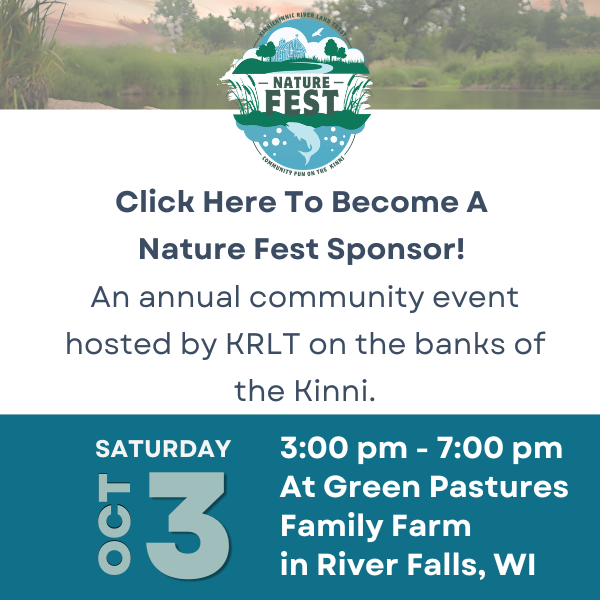
KRLT has some wonderful events this year, and we are looking for sponsors! Your support will help bring the community together for a great cause! Click below on either event for sponsorship details.


Please contact molly@kinniriver.org for questions or additional information.


Kinnickinnic River Land Trust

Business Members

TRIBUTARY MEMBER

SPRING MEMBER


BMM Wholesale LLC.


Hub 70 Design & Print


Roloff & Joslyn Mortgage Group

Powered by Bell Bank


WE Market Co-op

STAY CONNECTED

Facebook  Instagram  Web
 

The Kinnickinnic River Land Trust is a 501 (c) (3) nonprofit organization that works with the community to conserve and protect the beauty and health of the Kinnickinnic River and its watershed.