|
Beautiful Landscaping and Defensible Space are not Mutually Exclusive
by Diana Flasher
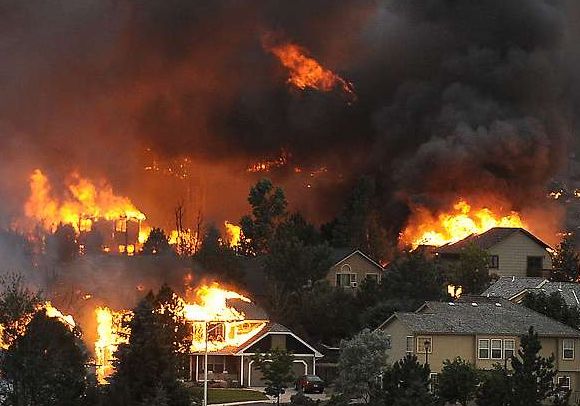
The recent heat wave and prolonged period of dry weather in March is a reminder of our collective vulnerability to wildfire. The Southern Marin Fire Protection District recommends that all homeowners implement defensible space around their property to improve a home’s chance of survival (https://www.smfd.org/Home/Components/News/News/1547/80).
Defensible space consists of 3 zones surrounding the home as defined by their proximity to the home. Zone 0 is defined as the area from 0 to 5 feet from the home (as well as under any attached deck). Guidance from Fire Safe Marin states that this zone ideally contains no combustible materials. Zone 1 (from 5 to 30 feet from the house, or to the property line), also called the “lean, clean and green zone” should consist of low-growing, healthy, hydrated plants and low-growing trees that are widely spaced apart (both horizontally and vertically) or grown in “islands” separated by noncombustible areas. Zone 2 (from 30 to 100 feet from the home, or to the property line) requires regular maintenance to remove combustible/dead plant material. Trees should be both pruned (removing lower branches) and thinned (removing branches within the tree) to prevent fire ladders and reduce fuel density. In Zone 2, the focus is on reducing the size and density of trees and shrubs to retard a fire’s speed (https://escholarship.org/uc/item/5z80w412).
Creating defensible space requires re-evaluation of the entire property. For many homeowners, this re-evaluation of landscape plantings, whether or not they pre-dated our arrival in Homestead Valley, can at first seem like an overwhelming burden. In fact, the process of creating and maintaining a fire-wise landscape can be achieved in stages through a systematic approach. This includes initial evaluation, followed by seasonal opportunities for plant thinning or removal, general maintenance, and finally a reimagination and creation of a beautiful fire-wise landscape.
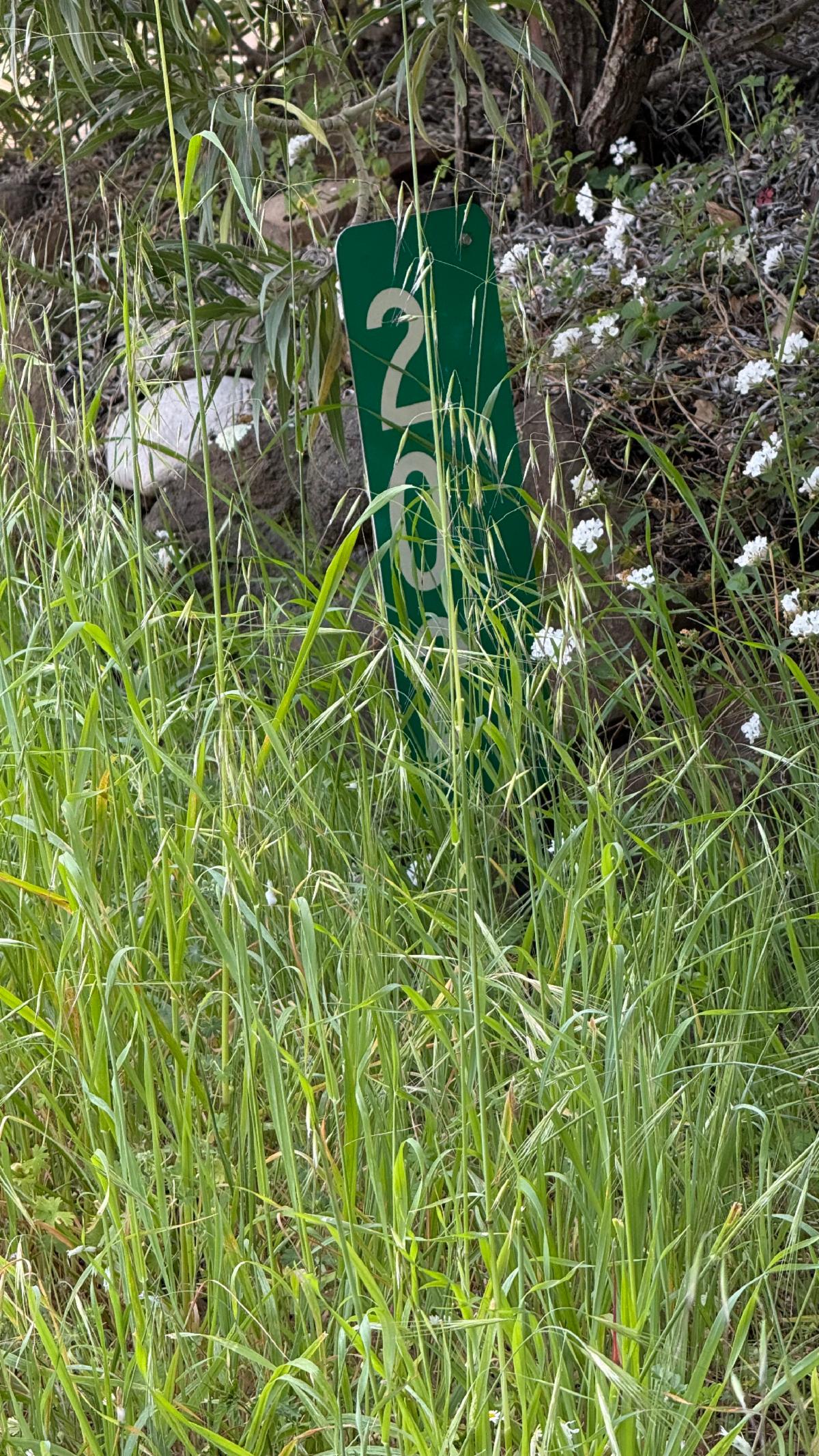
Weeds and other unwanted invasive plants can accelerate the spread of a wildfire. These species also threaten the biodiversity of our surrounding open space by re-seeding from Homestead properties onto the HVLT land. The month of April provides an opportunity to remove weeds and invasive plants while the ground is still relatively soft. Weeds and grasses within Zone 0 should ideally be removed by either pulling or digging them out from the roots to prevent them from growing back over the next year. Some commonly occurring invasive plants in Marin County include Scotch/French Broom, Echium, Pompas Grass, Fountain Grass, English/Algerian Ivy, Periwinkle, and Ice Plant. Another priority this month is to remove all dead plant material from the property. This includes removing leaves, branches and bark that have fallen to the ground, as well as any parts of live plants that have suffered die-back. It is wise to start with the area nearest to the home and work outward. Click on the following link to see the calendar for Homestead Valley, Marin Wildfire Prevention Authority (MWPA) sponsored chipper days, and schedule a chipper for material removed from your property - MWPA CHIPPER DAY: CLICK HERE.
Once unwanted plants are removed or cut back, the opportunity to create plantings that are healthy, hydrated and conform to the defensible space principles are ripe with possibilities. Click on the links below to explore fire-wise landscaping and native plant species, respectively:
Fire-Wise Landscaping; Click Here
Native Plant Species: Click Here
Click Here for Related Resources Available at Fire Safe Marin
|