Faulkner County Agriculture Update
May 16, 2025
| | |
Weather
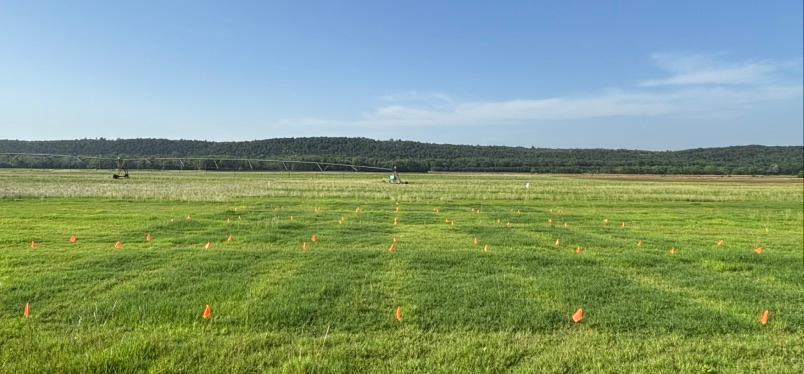
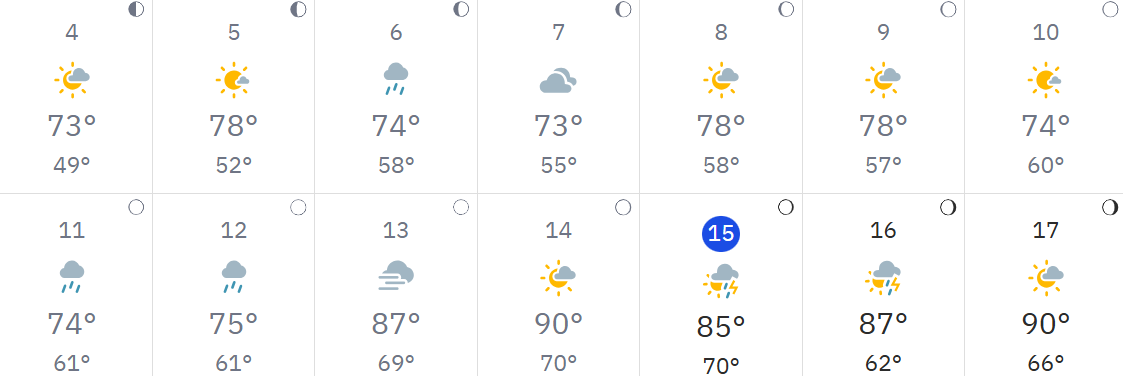
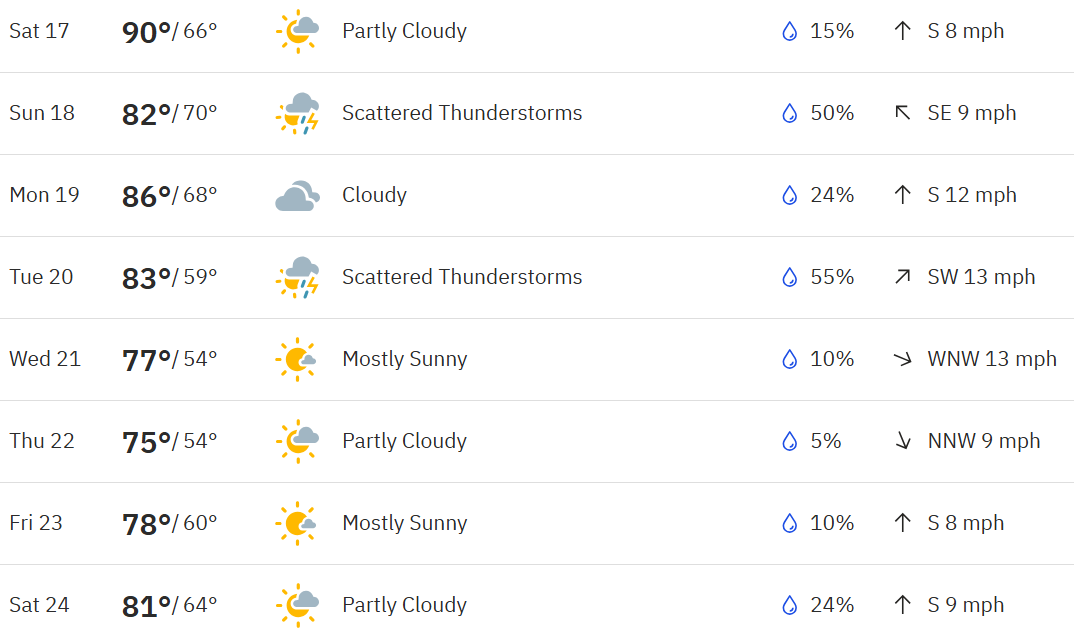
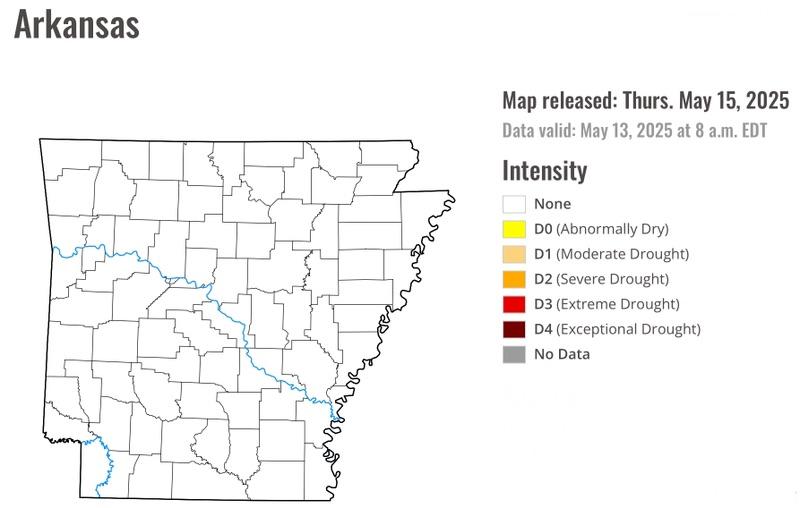
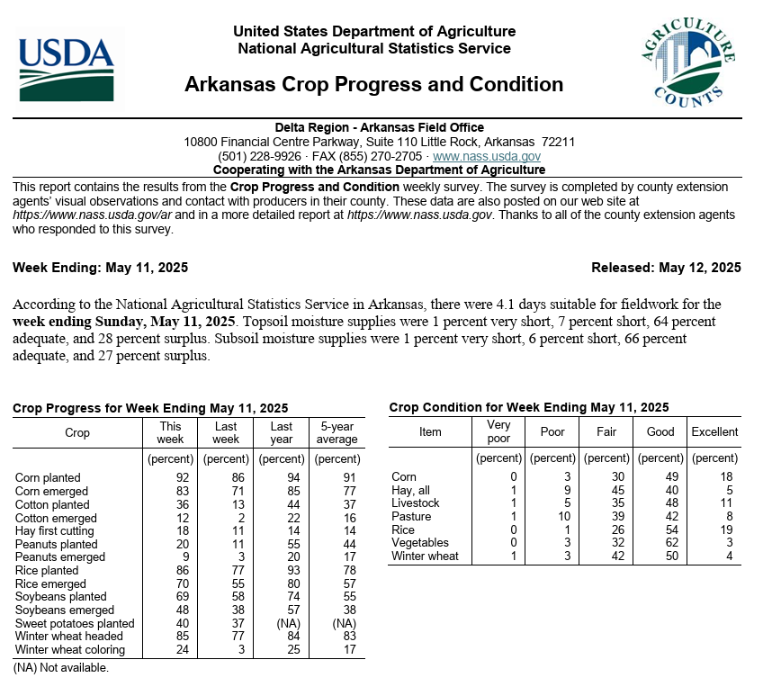
Rain was the story of the week again this week. The Hay Verification field in Saltillo got 0.60 inches of rain Sunday and Monday. That was just enough to delay field work a couple of days. Now that we are getting back in the field, rain is predicted again. We got a good storm this morning over the northern part of the county and severe weather is predicted the next few days. My big concern with these systems is wind and hail. A hail core with 2 inch hail could be devastating right now to our row crop and hay fields. Hopefully we get by with no damage.
| | |
Arkansas and Mississippi River
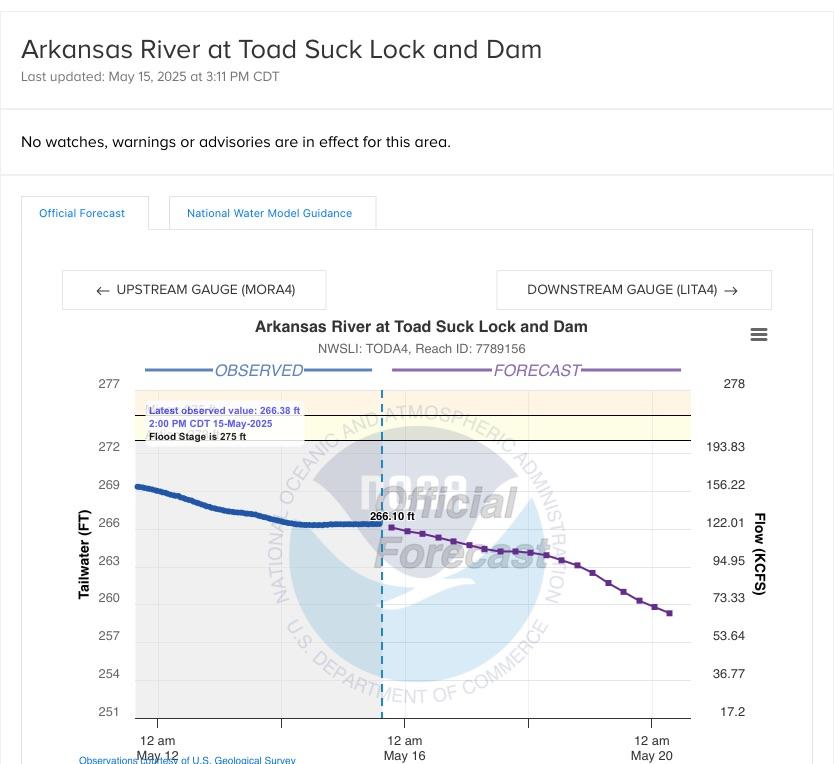
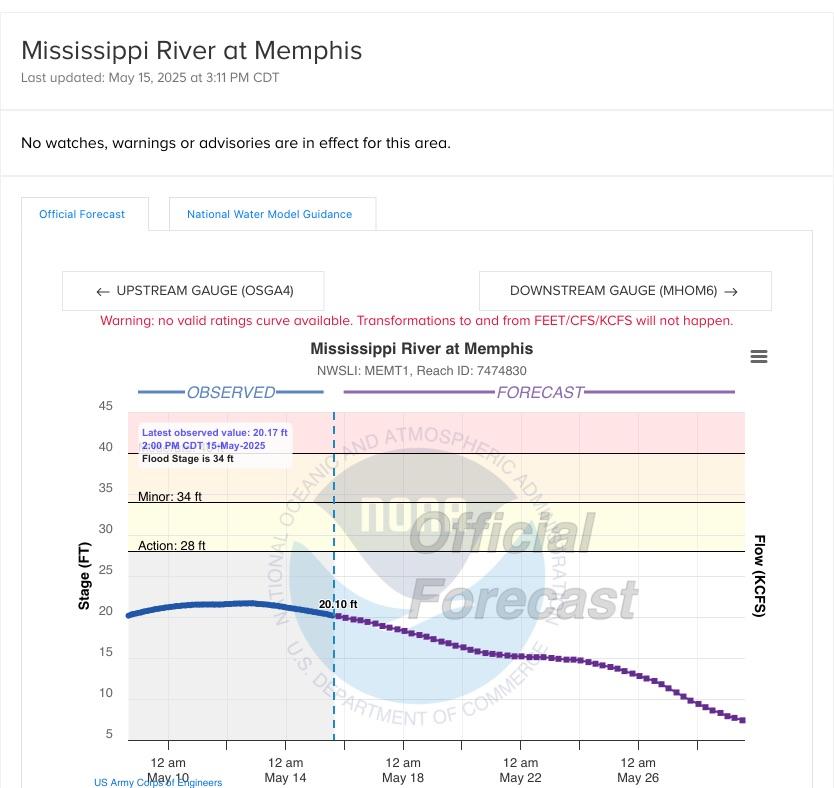
The river is finally falling and the flood gates have been opened. That is good news with this rain predicted. Heavy rain in the north part of the county could lead to more flooding on the Cadron but hopefully the river will continue to fall and allow it to drain.
| | |
Wheat
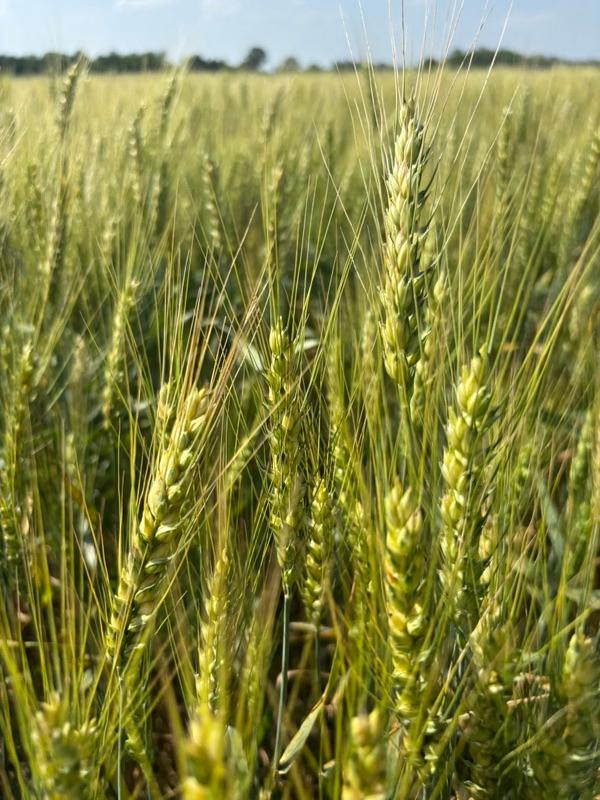
Wheat is starting to turn color as the grain continues to fill. Seed is in the dough stage right now. We are very susceptible to hail and wind at this stage. I have already seen a few spots blown down from the last storm.
| | |
Corn
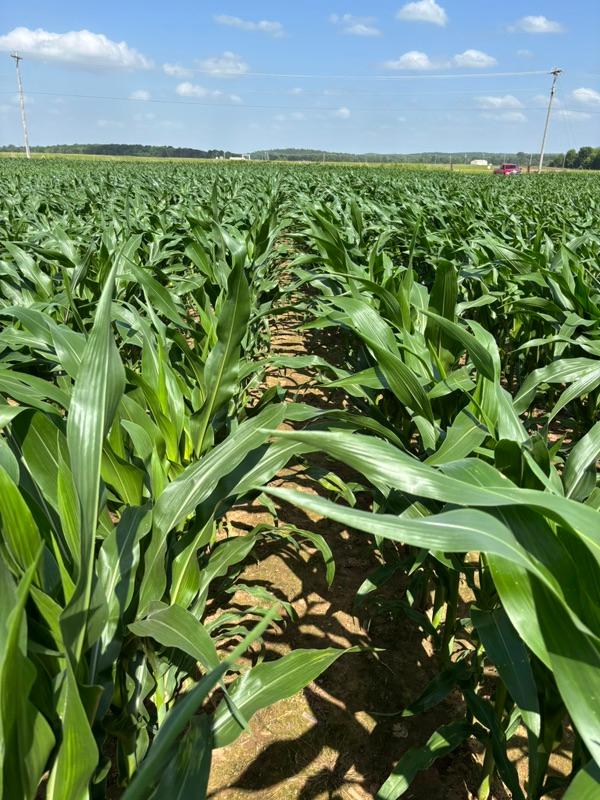
Corn has taken off in most of the fields in the county. You can tell it has taken up the fertilizer and enjoyed the hot days and nights the end of this week. Fields range from V2 to V9. Several fields are finished with early season herbicide and fertilize applications. The ones that need one more shot of nitrogen are having issues finding a window to get it out and may be turning to an airplane as the corn gets bigger. Remember that when we are trying to get out a second application of sidedress nitrogen, it isn't that we need it by a certain growth stage, it is just trying to get it out before the corn gets to big for a ground application. Using a plane at a later growth stage will not hurt yield, it is just an added expense.
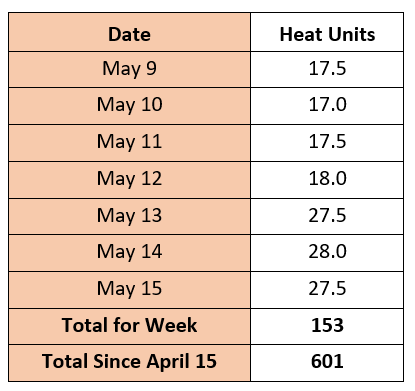
Corn found it's groove at the end of this week. We jumped from 17 and 18 heat units up to 27 and 28. That is what we need along with sunshine. That brings the total to 601 units since April 15. This puts those plants around V5.
Arkansas Corn DD50 Program - Arkansas Corn DD50
| | |
Rice
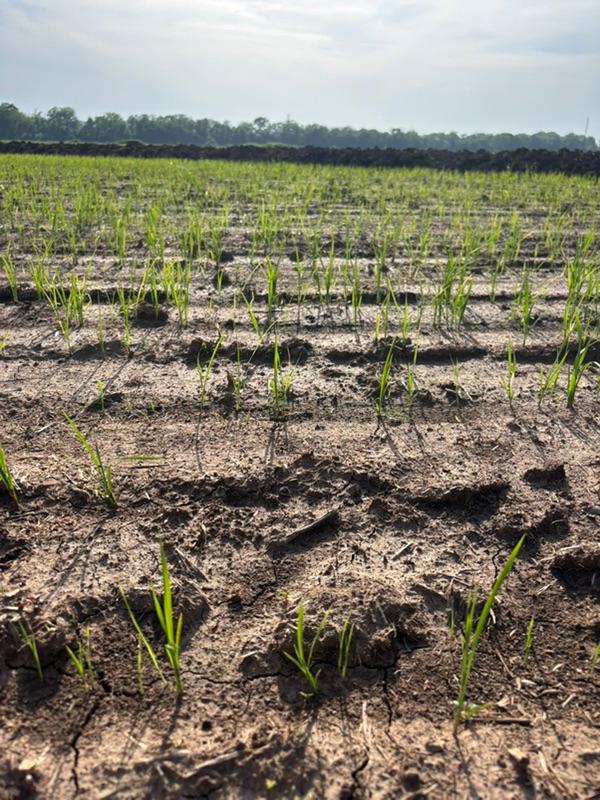
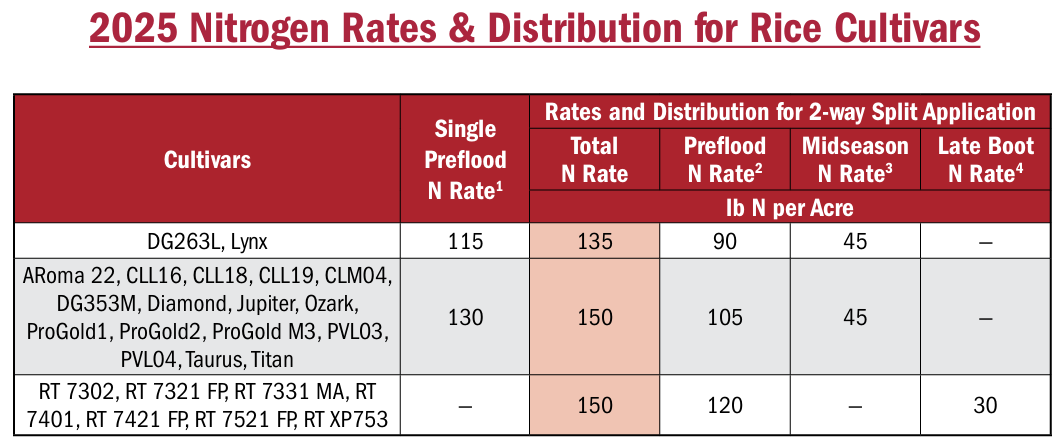
Rice is starting to look better. Looking at recent DD50's, we have a few fields that are ready for fertilizer and start the flood. If you could get the fertilizer out ahead of this rain and catch the flood that way it goes a long way in nitrogen efficiency and helps with pumping expenses. Herbicide applications are difficult to get out between wind and wet fields. Hopefully we will get some relief soon and clean up these fields. Refer to the nitrogen rate chart below for applications according to variety.
If you need help with DD50, please let me know. I would be glad to run those for anyone that needs help.
| | Here is Dr. Jarrod Hardke's latest Arkansas Rice Update. | | |
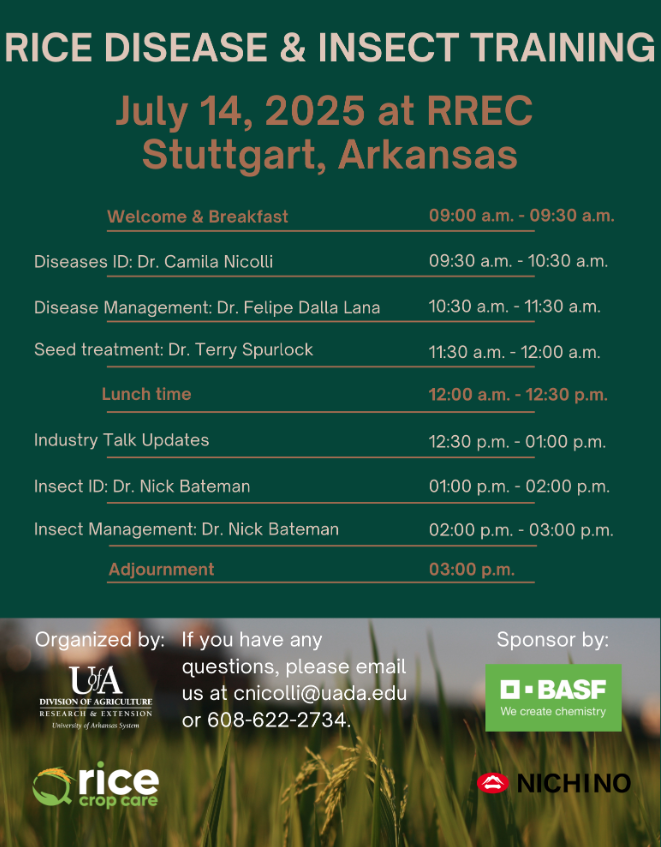
Rice Disease and Insect Training
You're invited to attend the 2025 Rice Disease and Insect Training, which will be held at the Rice Research and Extension Center (RREC) in Stuttgart on July 14th, from 9:00 AM to 3:00 PM.
Please use the link below to register and indicate any dietary restrictions:
🔗 Registration Form
| | |
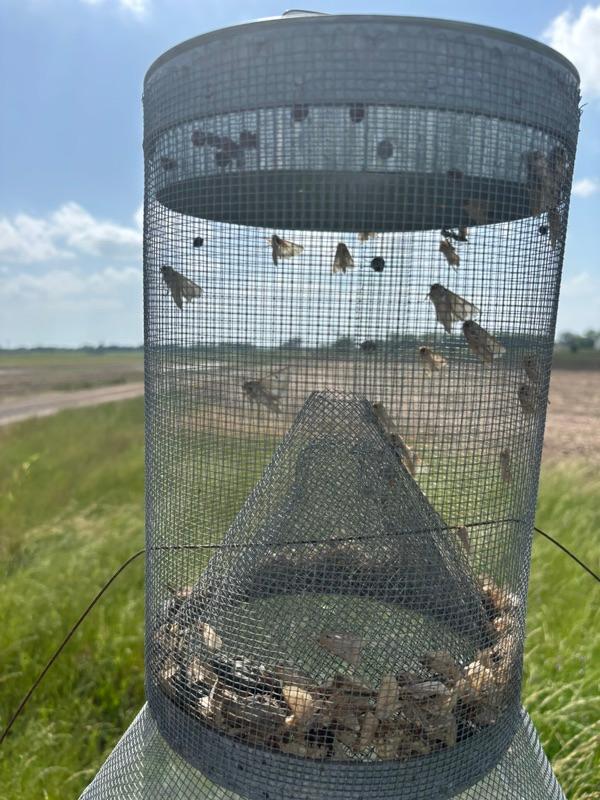
Corn Earworm Moth Traps
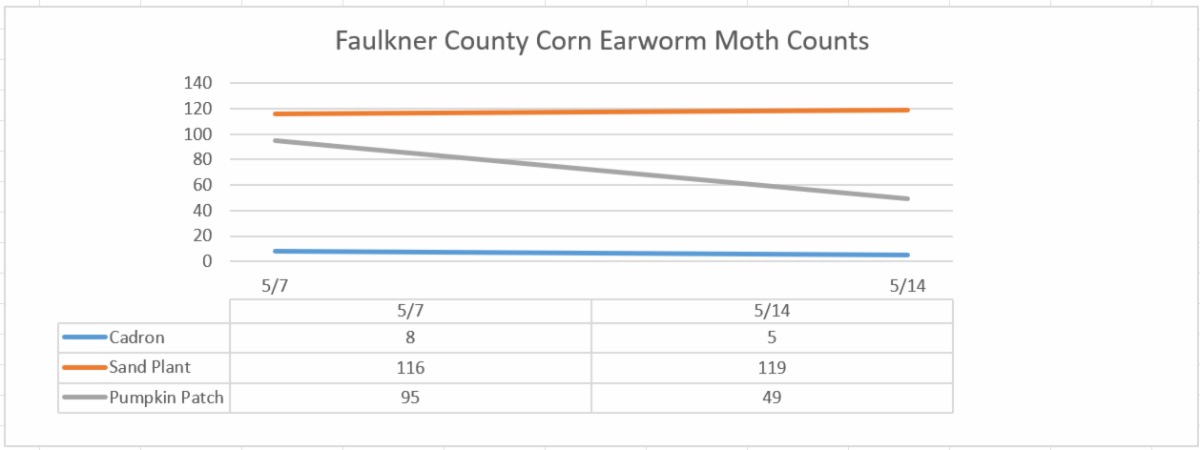
Trap counts remained high at the sand plant trap, went down at the pumpkin patch and remained the same at Cadron.
Cadron - 5 moths
Sand Plant - 119 moths
Pumpkin Patch - 49 moths
| | |
Breakeven Curves Under Different Midsouth Rental Agreements
Dr. Ryan M. Loy, Assistant Professor and Extension Agricultural Economist, University of Arkansas
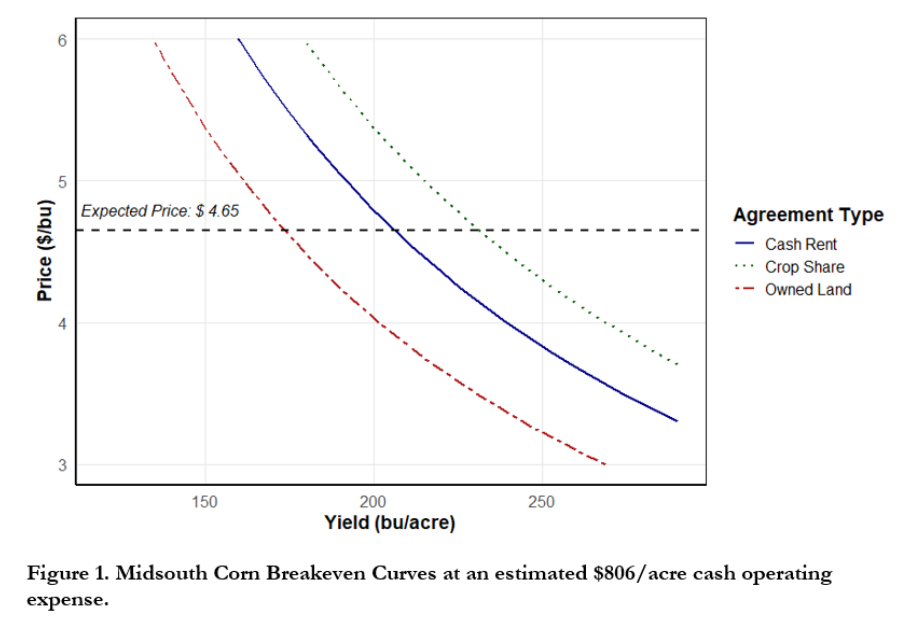
Farmers in the Midsouth region are faced with several choices when planting and marketing their crops. The type of rental agreement can have a variety of impacts on a Midsouth farmer, particularly in terms of returns to cash operating expenses (or variable costs). For example, a farmer operating under a crop share agreement may require higher yields to cover variable costs than one operating under a cash rent agreement. This article highlights the breakeven potential for rice, corn, and soybeans under three land ownership scenarios: cash rent, 75-25 crop share agreement, and fully owned land. Understanding breakeven curves allows farmers to evaluate the minimum yield (or price) needed to cover costs under each agreement, an essential step in managing economic risk and optimal crop choice. The analysis aims to help Midsouth farmers understand their cost structure and to support more informed marketing decisions within the context of alternative rental agreements.
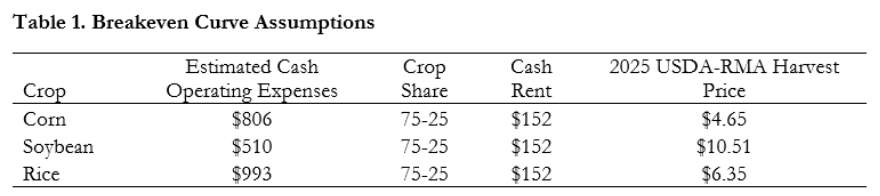
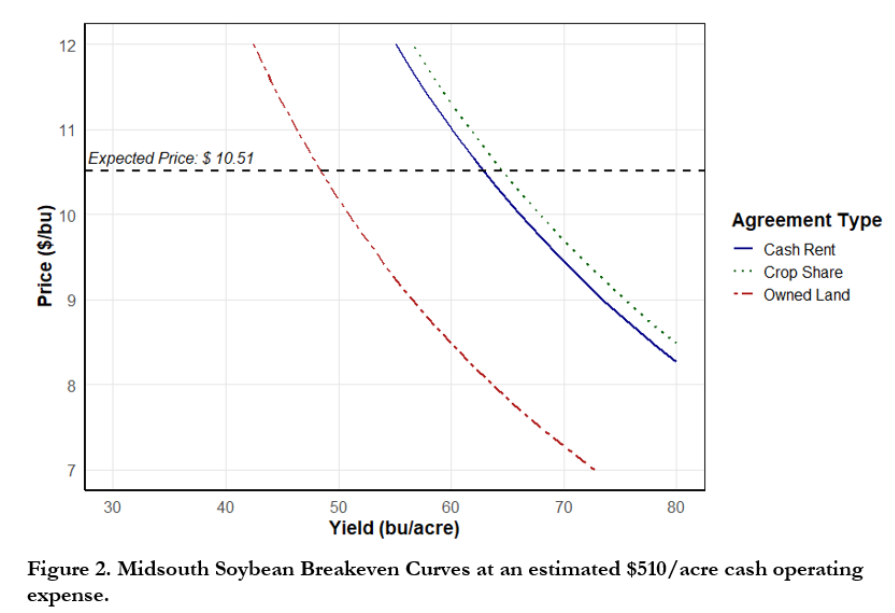
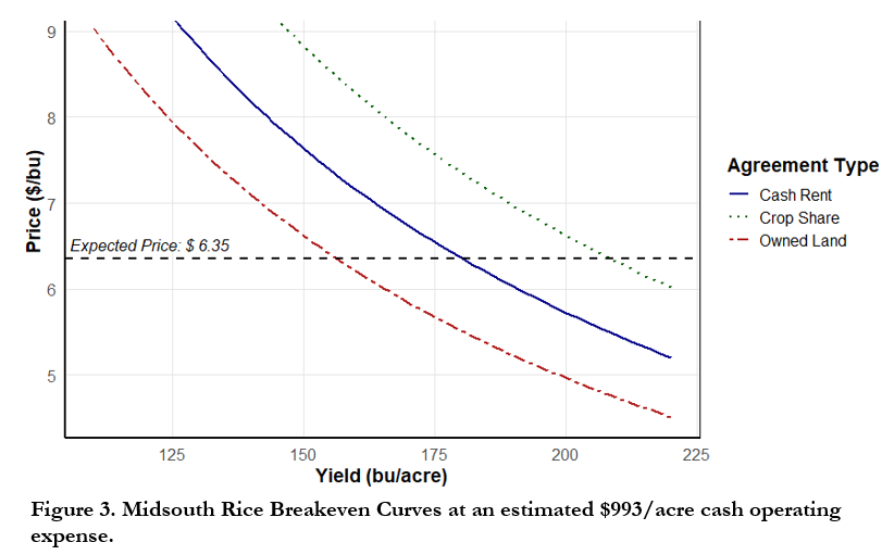
The assumptions used to calculate breakeven values are given in Table 1 below. The listed Midsouth expenses represent estimated production expenses per acre for each crop; operating expenses do not include fixed overhead and other non-cash expenses such as depreciation. Crop share agreements are assumed to follow a 75-25 split, with the landowner receiving 25% of the revenue and not contributing to production expenses. The cash rent value is an average derived from county-level estimates for irrigated farmland across the Midsouth region. We assume no associated land costs for the owned land scenario.
| | Figures 1 – 3 show the breakeven curves for Midsouth corn, soybean, and rice production. These curves plot the price and yield combinations necessary to cover total cash operating expenses, as defined in Table 1. Any price and yield point below the curve indicates a crop revenue that does not cover cash operating expenses, while points above the curves indicate positive returns above cash operating expenses. To provide context for current market expectations, the 2025 USDA-RMA expected harvest price for Arkansas is plotted on each graph. Across all three crops, the owned land scenario consistently requires the lowest price/yield combination to break even, while crop share requires the highest combination. For instance, Figure 1 shows the breakeven curves for Midsouth corn production. At the expected harvest price of $4.65, the target breakeven yield under full ownership, cash rent, and crop share, is 173 bu/acre, 206 bu/acre, and 231 bu/acre, respectively. In simple terms, land tenure arrangements with higher expense obligations require either higher yields, higher market prices, or a combination of both to cover variable costs (Mills, 2023). The implication is that cash rent and land ownership are progressively more profitable than crop share. However, it is important to remember that there are things to consider beyond cash operating expenses. Specifically, both cash rent and owned land require the producer to bear a higher level of production risk, and land ownership requires the cost of capital investment. | | Beef, Small Ruminants, & Forages | |
Fat means flavor when it comes to beef
When it comes to beef, fat makes for better flavor.
Janeal Yancey — known on social media as Meat Counter Mom — is a meat scientist with the University of Arkansas System Division of Agriculture, working in the animal science department. She knows beef.
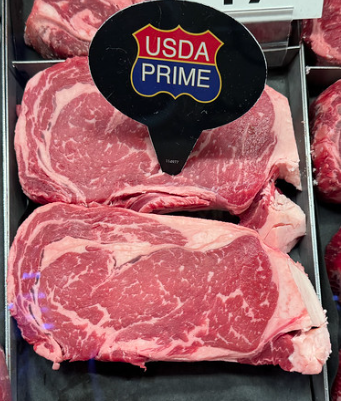
“Beef quality grades are largely based on marbling, which is the little flecks of fat found within the ribeye muscle,” Yancey said. “Technically, all muscles have marbling, but the U.S. Department of Agriculture assesses marbling in the ribeye to determine quality grades like prime and choice.”
Why does marbling matter?
“Marbling is important for the development of palatability,” she said. “When beef is cooked, the fat in marbling melts and creates the flavor that American consumers associate with beef. Carcasses with more marbling are usually more tender and juicier than those with less marbling.”
Yancey also said “marbling also serves to protect tenderness at higher degrees of doneness. I always tell people, if you like a well-done steak, you should splurge on the highly marbled ones.”
There are “dozens of factors in the life of a calf will affect the amount of marbling it has, including genetics, health, nutrition, age, and stress,” she said.
Higher quality grades like USDA choice and prime come from cattle with greater amounts of marbling and those cattle receive a higher price.
“Cattle feeders have this quality grade incentive in mind when they decide when to harvest a finished steer or heifer,” Yancey said. “Currently, the price difference between a carcass that will grade USDA choice and one that grades select is about $18 per 100 pounds, which calculates out to about $177 per carcass.
“Cattle that qualify for Certified Angus Beef and USDA prime are another $5 and $16, respectively,” she said. “Feeders weigh those premiums against the cost of feed and discounts that they may receive if the cattle are too large or too fat.”
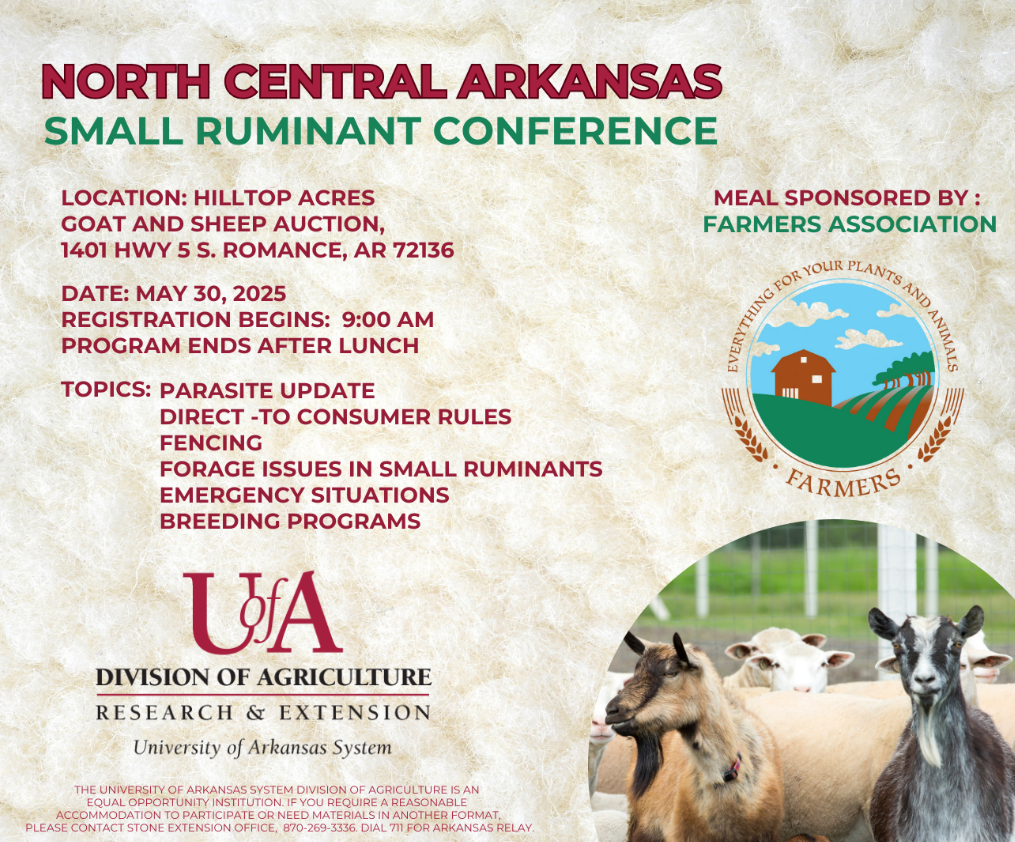
| | North Central Small Ruminant Production Meeting | | |
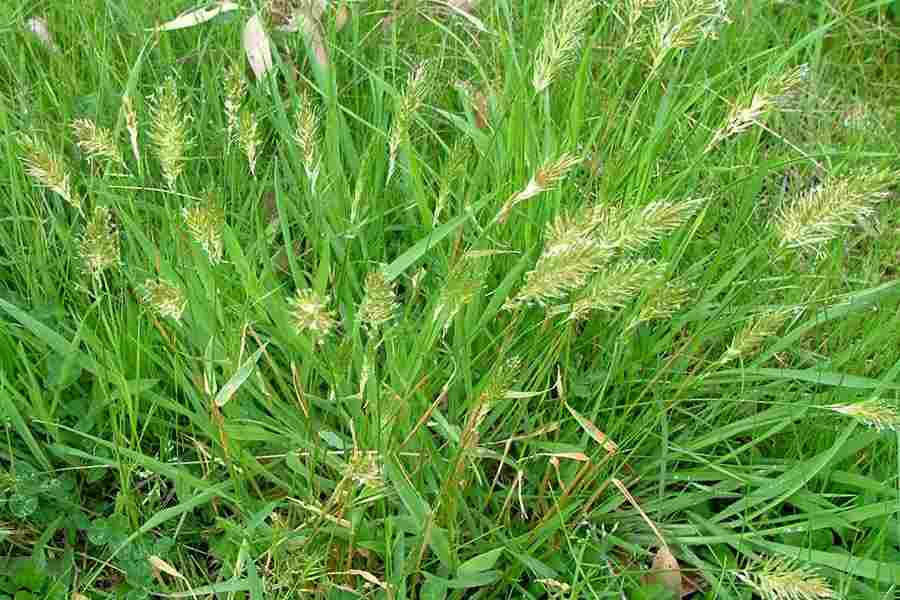
Sweet Vernal Grass Demonstration
I established a sweet vernal grass demonstration last fall. I had a producer that was really battling this cool season grass in his bahiagrass. Since doing this demonstration I have noticed a lot of sweet vernal grass around, so this is some valuable information on ways to control it.
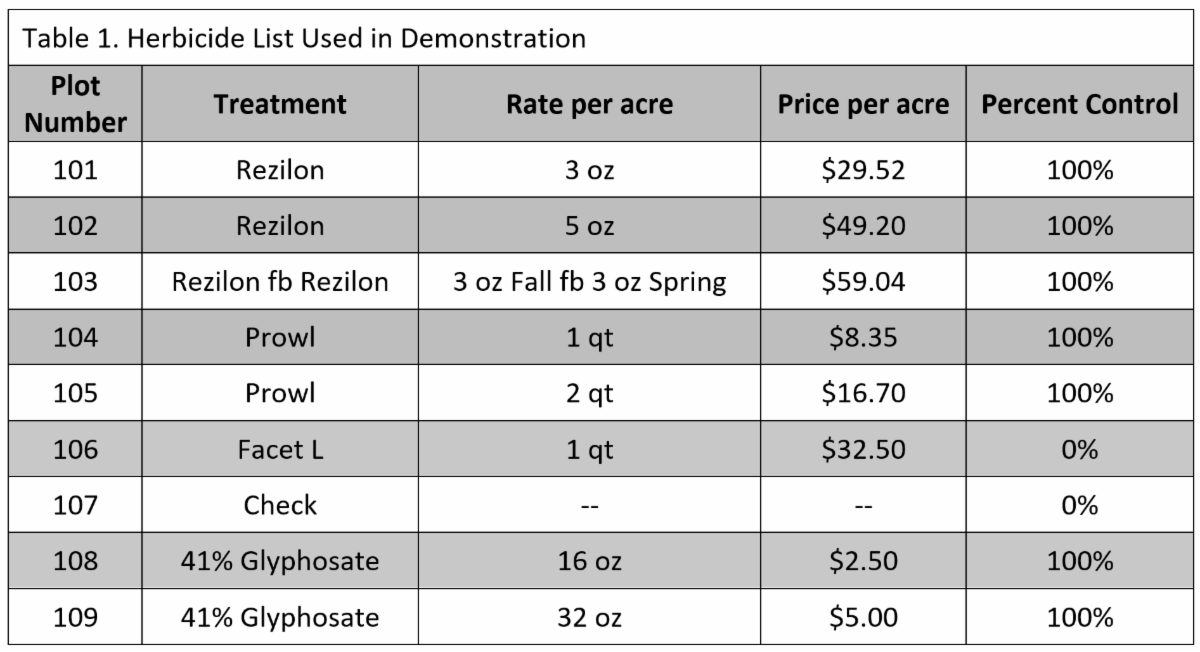
We applied some pre-emerges in October including Rezilon, Prowl and Facet L. I came back in March with a follow up application of Rezilon in one plot, and glyphosate in a couple of plots before the bahiagrass emerged. The glyphosate plots did just as good as any pre-emerge plots and was a lot less expensive. This just shows how well timed late winter applications of glyphosate can be effective and economical.
| |
Secretary Rollins Suspends Live Animal Imports Through Ports of Entry Along Southern Border, Effective Immediately
U.S. Secretary of Agriculture Brooke L. Rollins today (May 11) announced the suspension of live cattle, horse, and bison imports through U.S. ports of entry along the southern border due to the continued and rapid northward spread of New World Screwworm (NWS) in Mexico, effective immediately. NWS has been recently detected in remote farms with minimal cattle movement as far north as Oaxaca and Veracruz, about 700 miles away from the U.S. border.
The United States and Mexico continue efforts to interdict and eradicate NWS in Mexico and work in good faith. However, despite these efforts and the economic impact on both countries due to this action, there has been unacceptable northward advancement of NWS and additional action must be taken to slow the northern progression of this deadly parasitic fly. As such, effective immediately, the USDA Animal Plant Health Inspection Service (APHIS) in conjunction with Customs and Border Protection (CBP) will restrict the importation of live animal commodities originating from, or transiting Mexico. This import suspension will persist on a month-by-month basis, until a significant window of containment is achieved. USDA will continue constant collaboration with Mexico, including a review of latest data and metrics in two weeks. Our teams have been in daily communication discussing how we can build on the good work that has been accomplished to improve our strategy toward eradication. Any livestock currently in holding for entry into the United States will be processed normally, this includes an APHIS port Veterinary Medical Officer inspection exam and treatment to ensure they are not carrying NWS.
“The United States has ordered the suspension of livestock imports through ports of entry along our southern border after the continued spread of the New World Screwworm in Mexico. Secretary Berdegué and I have worked closely on the NWS response; however, it is my duty to take all steps within my control to protect the livestock industry in the United States from this devastating pest,” said Secretary Rollins. “The protection of our animals and safety of our nation’s food supply is a national security issue of the utmost importance. Once we see increased surveillance and eradication efforts, and the positive results of those actions, we remain committed to opening the border for livestock trade. This is not about politics or punishment of Mexico, rather it is about food and animal safety.”
Effective eradication, which remains our shared goal and best interest of both the U.S. and Mexico, requires a three-pronged approach: robust active field surveillance with education and outreach to ensure prevention, treatment, and early detection; controlled animal movement to limit spread; and sustained sterile insect dispersal. Suspending livestock transport through southern ports of entry will assist in the effort to limit northbound transport of NWS through livestock commerce, and will allow the U.S. to reassess whether current mitigation standards remain sufficient. It is important to note the northward spread of NWS is possible through natural wildlife movements, including wildlife that transit the border region without impediment.
USDA is taking all possible actions to monitor for, and limit, the northward movement of NWS, including the utilization of the USDA Tick Riders to monitor livestock and wildlife along the southern border region, between the ports of entry, for the presence of NWS.
The U.S. previously and successfully led the eradication of NWS in the U.S. and Mexico, however this cost billions of dollars and took decades. Unfortunately, these recent detections in Mexico show that this dangerous pest is back and remains a serious threat to the health of our animals, our food supply, and the security of our country.
| | |
Weed of the Week
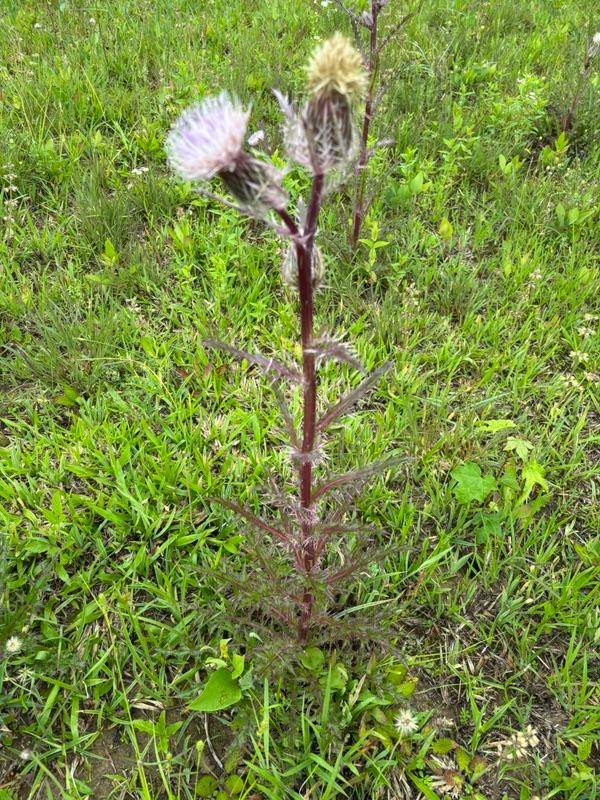
The weed of the week this week is thistle. The thing about thistle is I always get the call when thistle is in the stage like this picture. Once you get to this stage is too late. The only thing that takes this thistle out is a shovel and some deep digging.
The key to effective thistle control is spraying while the thistles are in the rosette stage of growth (before the flower stalk appears). Biennial thistles in Arkansas are readily controlled with a properly timed application of 2,4-D amine at 1.5 qt/A. Spring applications should be made from late February to early March. Fall applications from late October through November will enhance a thistle control program. Grazon P+D, GrazonNext HL and dicamba + 2,4-D also provide excellent control of thistles at 1 qt/A.
| | |
Livestock Market Report
The weekly livestock market report is available on the Arkansas Department of Agriculture website.
| | |
Pesticide Applicator Trainings
We have finished up all of the winter/spring PAT's at the Faulkner County Extension Office and in Conway County. There is one more training in Perry county in June. We will beginning classes again in December.
| | |
Sign up for Text Alerts
You can now sign up for text alerts from me throughout the year. I have two areas you can sign up for which includes Faulkner Livestock or Faulkner Ag (Row Crop Updates). To sign up you can follow one of these links or use the QR Codes below.
| | Pursuant to 7 CFR § 15.3, the University of Arkansas System Division of Agriculture offers all its Extension and Research programs and services (including employment) without regard to race, color, sex, national origin, religion, age, disability, marital or veteran status, genetic information, sexual preference, pregnancy or any other legally protected status, and is an equal opportunity institution. | | | | |