|
Life is short..... drink more Riesling,
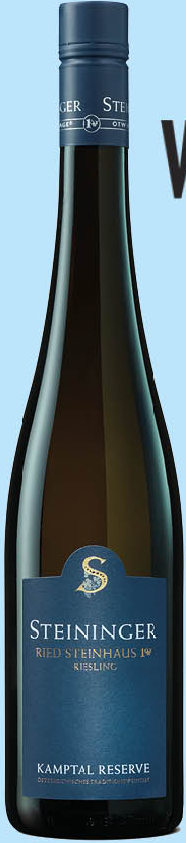
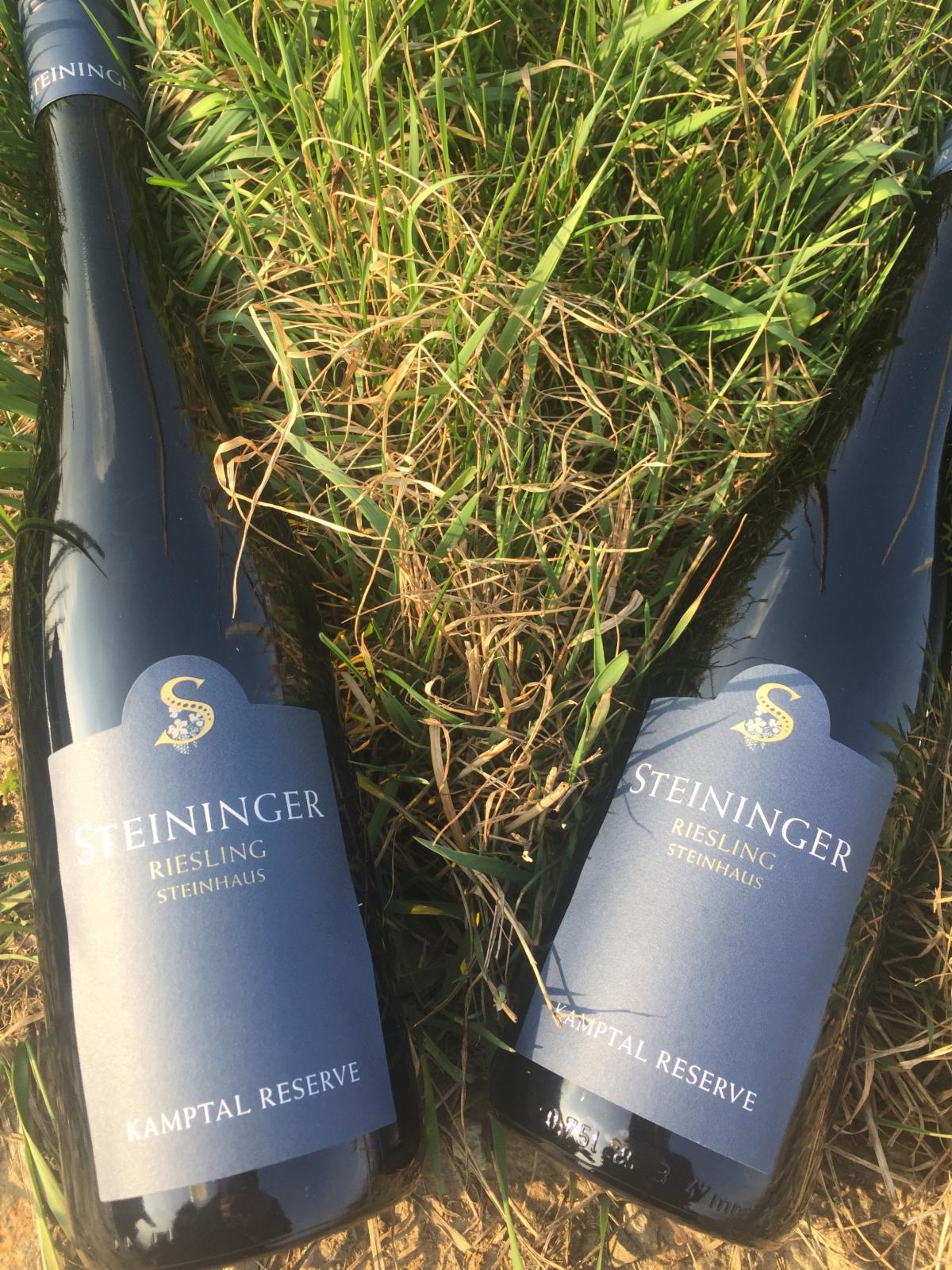
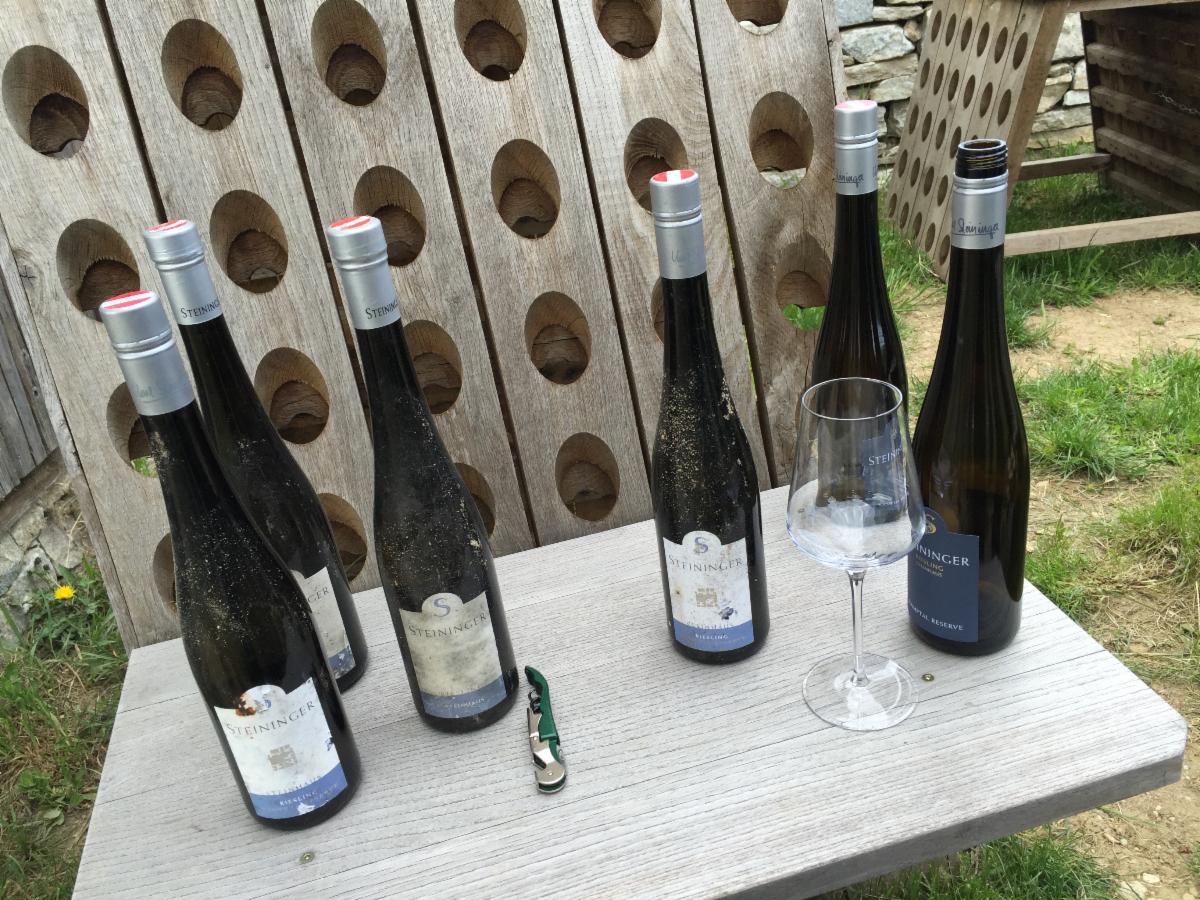
more Steininger Riesling Ried Steinhaus!!!
| |
|
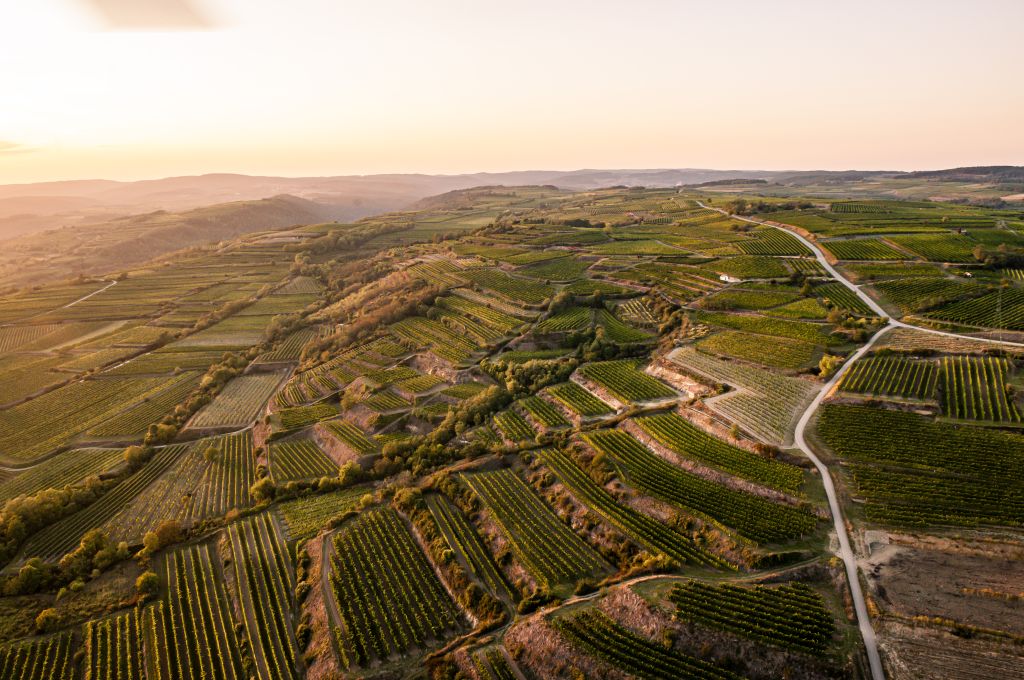
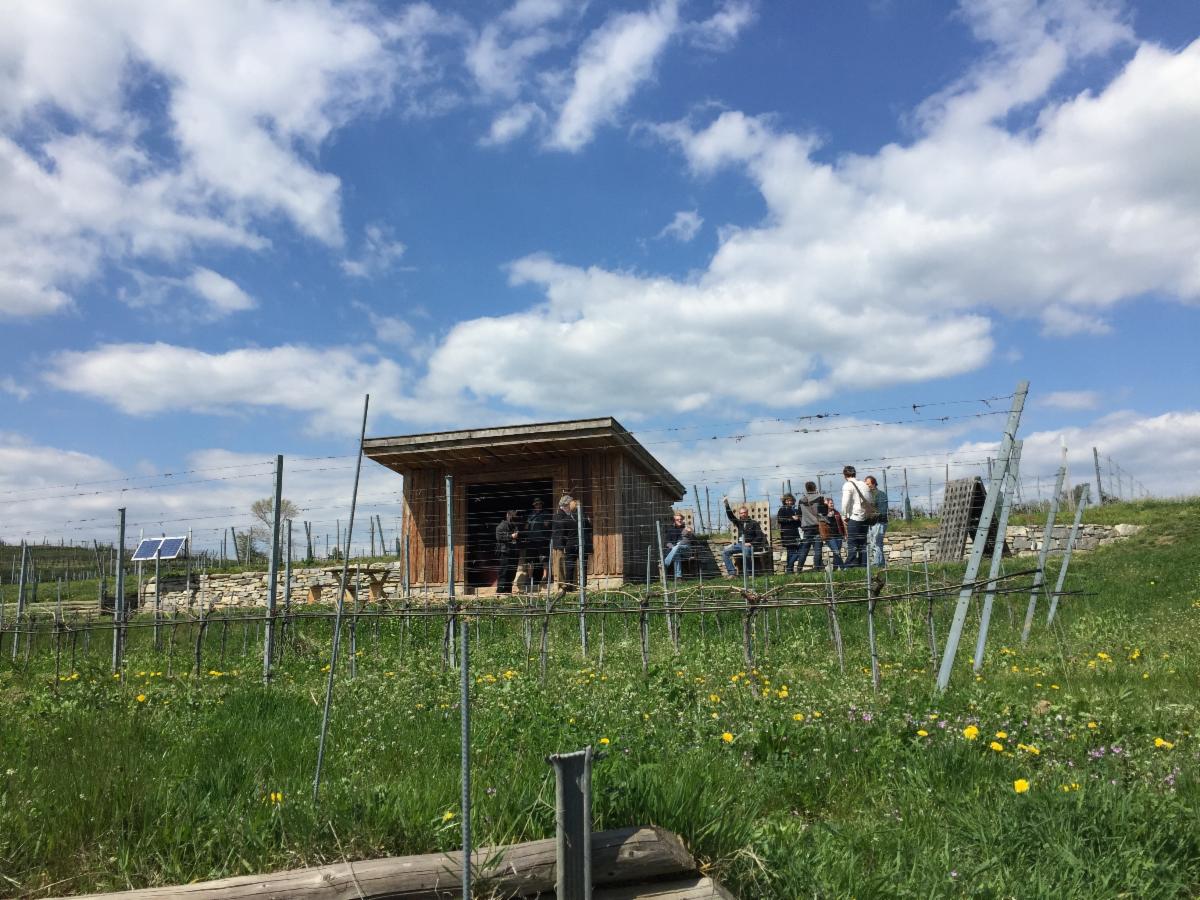
Ried Steinhaus
The topsoil consists of a very thin layer (up to forty centimetres) of loamy/sandy clay, in interaction with gneiss and mica schist. A relatively large proportion of loose stone has risen nearly to the surface because of volcanic incisions. On the one hand, this results in more difficult cultivation, while on the other hand, the rocks store the daytime’s solar energy and release it into the night. This leads to particularly even ripening and an expression of terroir-flavored aromas, even as the wines are light on their feet and quite animated in character.
| |
|
BY ALEKS ZECEVIC
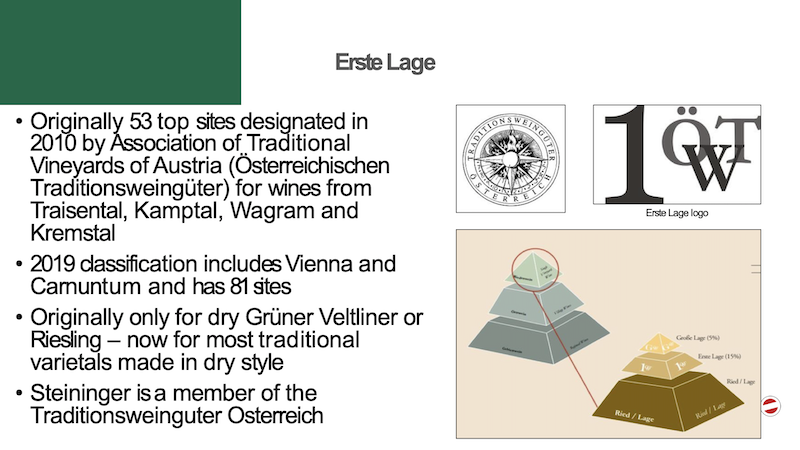
Seasoned wine drinkers are likely familiar with the terms Premier Cru, Grand Cru and First Growth. Until recently, these official designations were exclusively used in France—despite informal usage elsewhere—and signaled that the associated wines were from some of the most favorable vineyard sites of Alsace, Burgundy, Bordeaux and Loire. All that changed several weeks ago when Austria adopted similar verbiage, becoming the only country outside France to boast a nationwide, legal vineyard site classification system.
read more.....
| |
|
2023-08-21– The recently adopted Wine Law Collective Decree has established the legal basis for the official classification of Austria’s single vineyards. The Ordinance defines two tiers: “Erste Lage” (premier cru) and “Große Lage” (grand cru). Classification is carried out according to a strict list of criteria. The first vineyard classifications can be expected in 2025, at the earliest.
read more.....
| | |
|
|
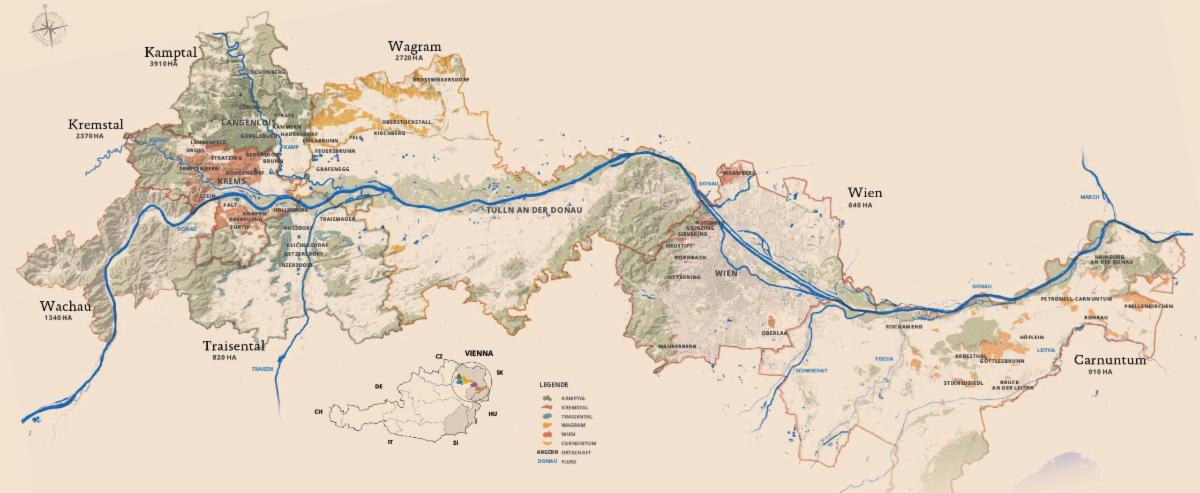
Kamptal DAC
GRÜNER VELTLINER & RIESLING, MILLIONS OF YEARS YOUNG
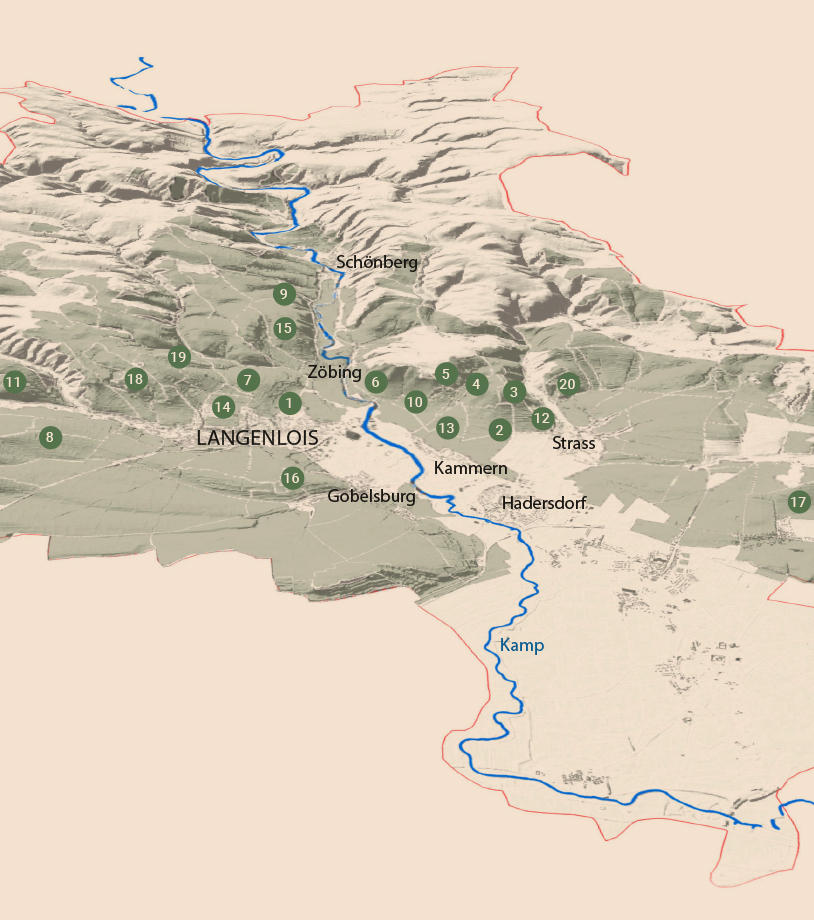
Named after the river Kamp that runs through it, the Kamptal’s principal town is Langenlois, Austria’s largest wine-producing town. Kamptal is one of the most successful wine regions in Austria, and boasts a high proportion of outstanding, high quality wine producers. Culture and tourism also enjoy particular prominence here. Since the 2008 vintage, the designation Kamptal DAC has been used to label
Grüner Veltliner and Riesling
produced in classic-to-middleweight styles and as dense, dry Reserve wines.
| |
|
|
 | |
Kamptal - Langenlois
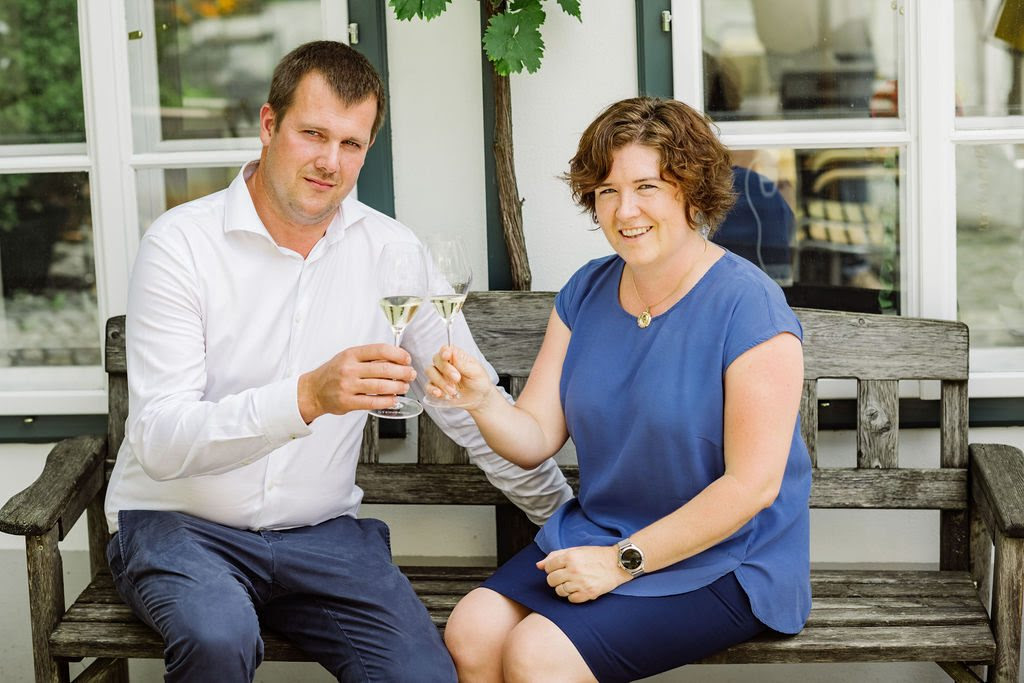
Eva and Peter Steininger
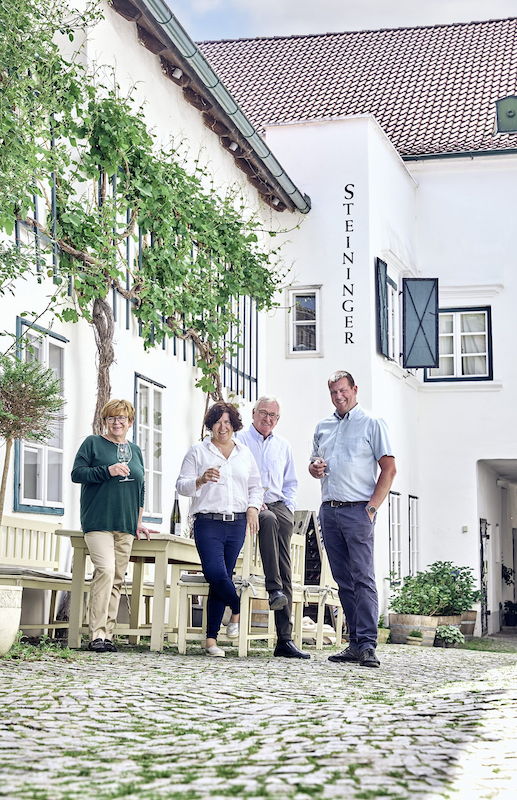
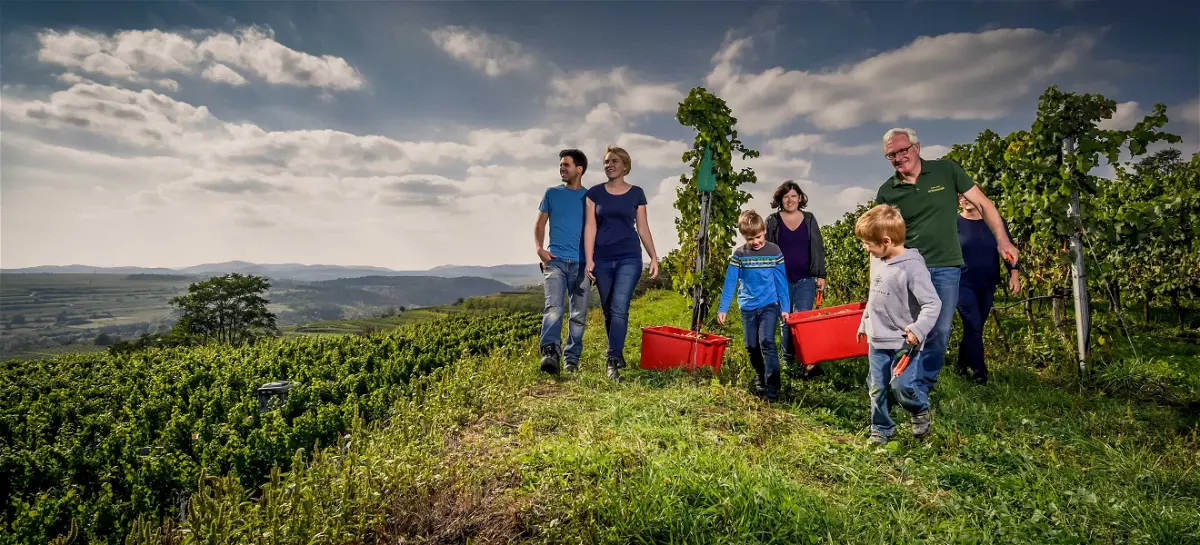
Weingut Steininger is located in Austria’s biggest wine growing village, Langenlois in the Kamptal region. Kamptal refers to the Kamp river which runs through the region and eventually empties into the Danube. The Kamptal area is filled with culture and tourism, which are enhanced by the numerous Heurigen, wine taverns and Vinotheques. The Steininger family estate comprises 135 acres and is owned by Karl & Brigitta Steininger. Karl inherited the farm from his parents in 1980, at this time and as young newlyweds, Brigitta and Karl decided to focus on grape growing and Karl soon found himself in oenology school. The winery was launched 1989.
Brigitta and Karl realized very quickly that they could only survive on the international market with high quality wines. “Our philosophy is to make wines, which show the fruit and the character of the grape. We love the stylistics, which we receive because of the cool climate and the terroir of the Kamptal – the flavors are clear, proud and expressive. We focus on the main varieties of Kamptal, Grüner Veltliner and Riesling. These varieties are very attractive to us because they produce very interesting wines from different vineyards and the different vintage conditions.” Karl’s chief lesson to his children is that good wine cannot be rushed. It must be given the time it needs to develop, mature and evolve. Their oldest daughter Eva and her husband Peter are the next generation of winemakers. Peter is working with Karl in the winery and Eva is responsible for sales and marketing.
https://www.artisanalcellars.com
click here Text Link Artisanal Cellars on
Steininger
| | | | |
|
|
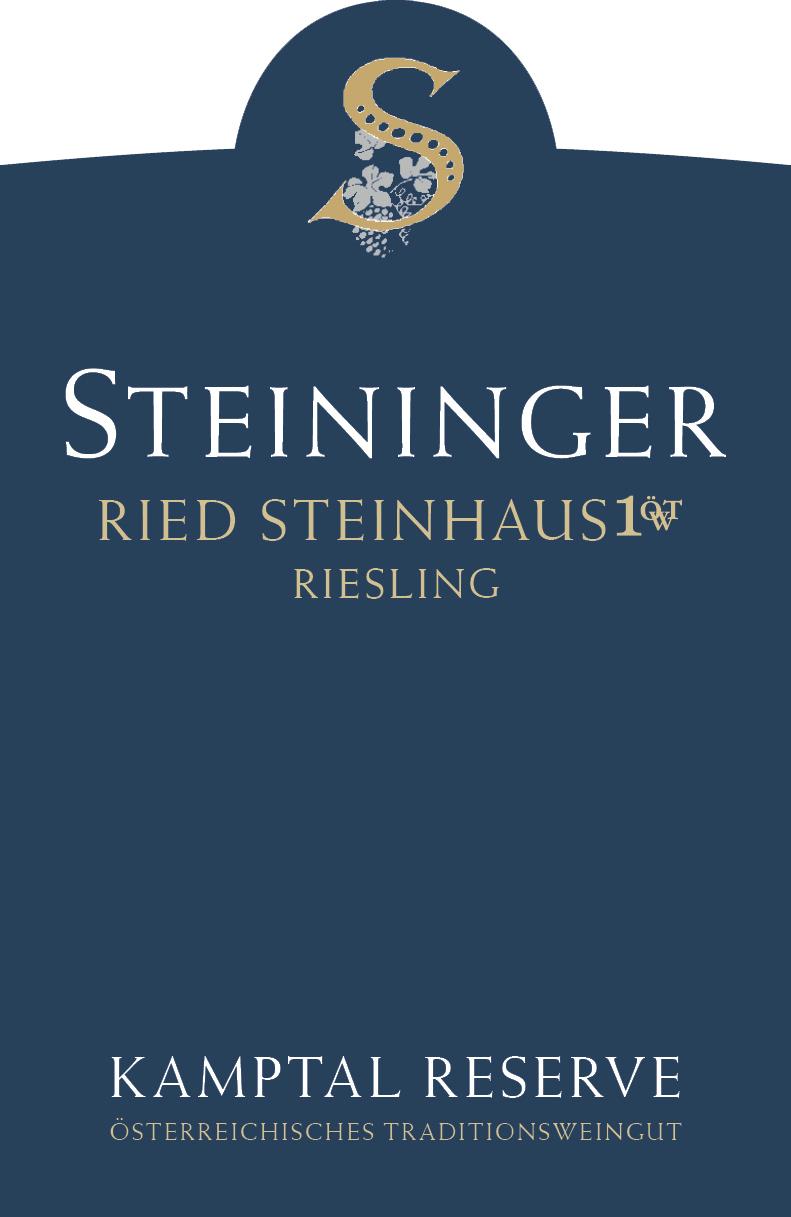
Ried Steinhaus
1ÖTW Erste Lage
Riesling 2021
soil: dark amphibolite bedrock, covered with loess
exposure: south
elevation: 235-350 meters
vineyard: The steep terraces of the vineyard lie to the north of Langenlois, on a south-facing slope with a gradient of more than 20%. The vineyard has the name „Steinhaus“ for a good reason: the soil is hard weathered granite with a light humus layer, which brings mineralic wines.
age of vines: 40 years
harvest: harvest by hand, at the end of October fermentation: The wine was fermented and aged in temperature controlled stainless steel tanks
aging: ~ 7 months in stainless steel tanks
alcoholic content: 13 vol.%
total acidity: 7.9 g/l
residual sugar: 9.1 g/l
potential: 2023 – 2032
product info sheet
| |
|
tasting notes: Appealing nose, ripe vineyard peaches, greengage, gooseberries, extremely fine mineral nuances, followed by some bergamot and citrus zest, tightly waisted with enough fruity flavor, flows calmly over the palate with verve and elegance.
food pairing: Ideal to lobster, shellfish, halibut, trout and other seafood. Cassoulet with scampi and vegetables.
| |
|
2022 RIESLING KAMPTAL DAC RESERVE LANGENLOIS RIED STEINHAUS 1ÖTW
92 - 94
Tasting from 10.07.2023: Peter Moser
Light yellow green, silver reflections. Fine white tropical fruit, nuances of flowers, lime and passion fruit, attractive bouquet. Juicy, finely-meshed, white vineyard peach, finessed acidity, salty and lemony in the aftertaste, already accessible, a lively food wine.
| |
|
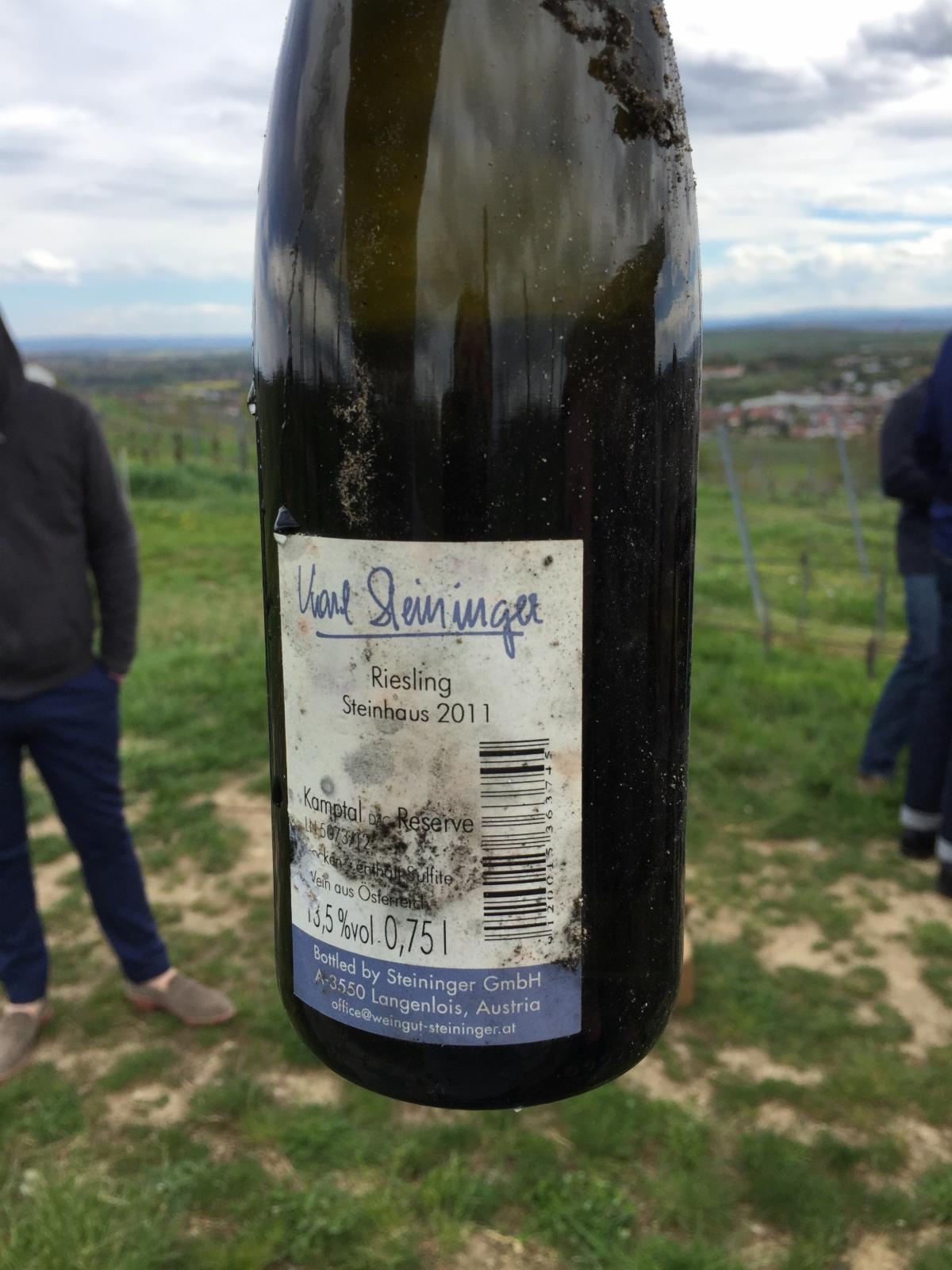
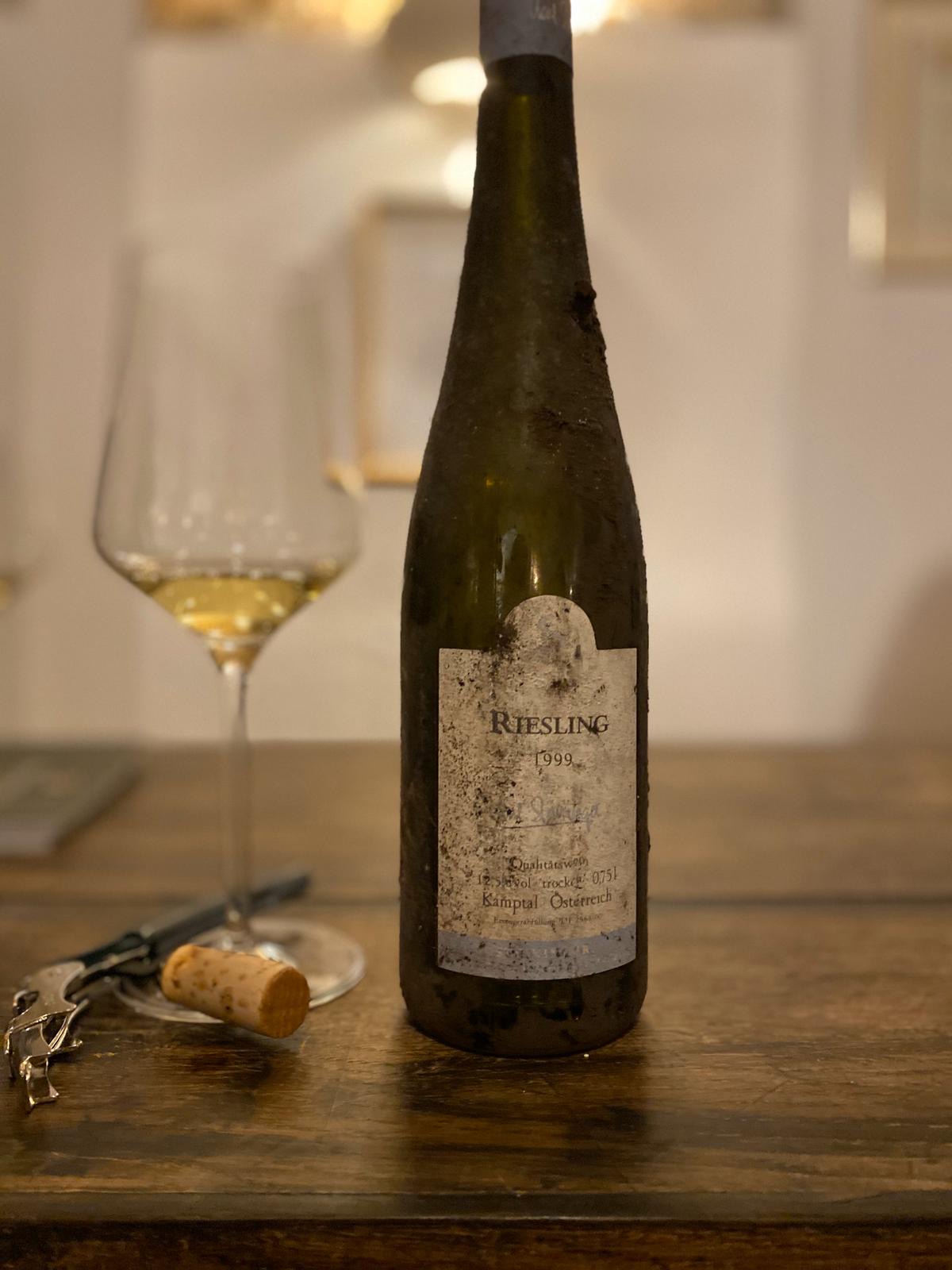
and this wine can age very well - the 1999 is still kicking strong...........
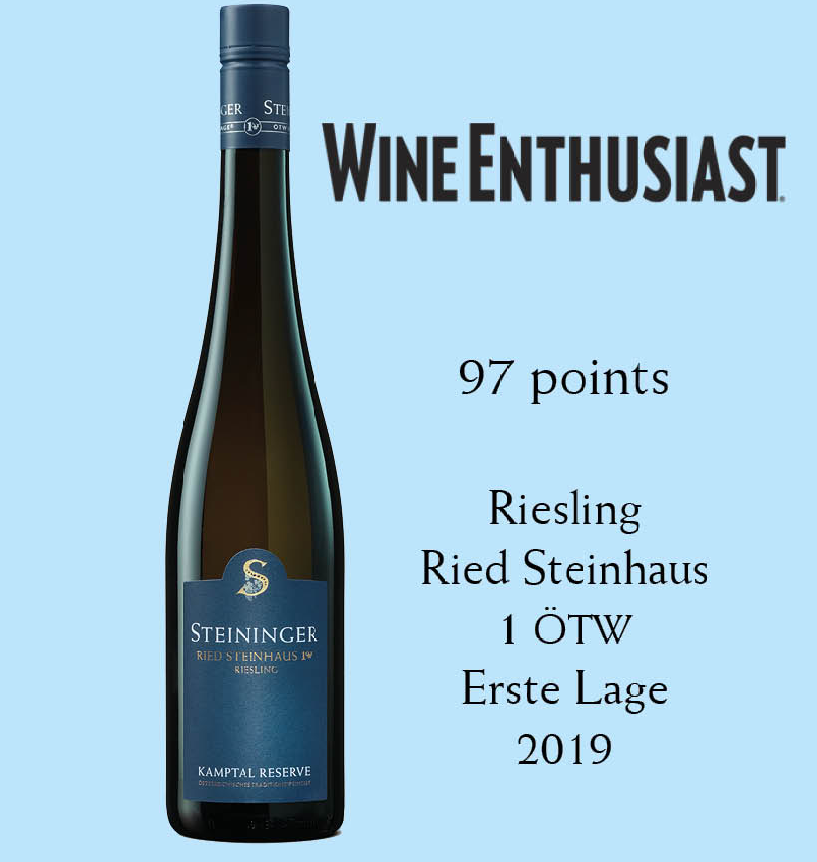
the 2019 got 97pts.
| |
|
Your Passport to Austrian Wine
Austrian wine is immensely popular and a perennial favorite of sommeliers throughout the world. Austrian wines are known for their wide diversity of styles, aromas, and terroirs.
Klaus Wittauer – KWSelectionLC
703-624-6628
| | | | |