 NOVEMBER 2026 |
Perspectives from ATEABuilding Our Next Chapter TogetherDear ATEA members and partners, As we look toward 2027, one of our most important efforts is the proposed integration of ATEA and the Rural Community College Alliance (RCCA). I want to share where that work stands and why I believe it offers meaningful opportunities for our members. We continue to work through the proposed agreement and the legal and organizational steps necessary to bring the two organizations together. Under the proposed structure, ATEA would continue as a named program of RCCA, preserving its name, history, technical education mission, and signature activities. The agreement remains subject to legal review and approval by both organizations, and we will keep members informed as the process moves forward. What excites me most is what we can accomplish together. Rural colleges and technical education institutions share many priorities, from employer partnerships and hands-on learning to access to skilled instructors, equipment, and clear pathways to employment. Bringing our networks together would strengthen our ability to share expertise, build partnerships, and elevate these priorities in national conversations. ATEA has a proud history of connecting technical educators and recognizing excellence in teaching, student achievement, and industry collaboration. That identity matters, and our goal is to carry it forward while building the organizational capacity to better serve members through professional learning, meaningful connections, and opportunities to share what works. Looking ahead, I hope you'll join us for the 2027 ATEA National Conference, July 28–30 at the Beau Rivage in Biloxi, Mississippi. It's an opportunity to reconnect, exchange practical ideas, and celebrate the people and programs advancing technical education. As we plan for the future, I also want to hear from you. What professional development would benefit your faculty and staff? Where could stronger industry connections help? What challenges should ATEA be addressing? Your ideas and the successes happening on your campuses will help shape our next chapter. Thank you for your continued involvement in ATEA and for the work you do every day. I look forward to building this next chapter together. Dr. Chris Breitmeyer |
A Conference Worth CelebratingOur 2026 RCCA/ATEA Conference, Leading Where It Matters Most, brought rural and technical college leaders together September 16–18 at Northwest Mississippi Community College in Senatobia. Thank you to our hosts, speakers, partners and attendees for the conversations and connections that keep this work moving forward. |
Celebrating the 2026 ATEA Award WinnersCongratulations to the 2026 ATEA Award recipients! The awards recognize individuals, programs, and industry partners whose work strengthens technical education and workforce development. Awards were presented by Dr. Valeria Williams, ATEA Executive Committee Member and Director of Career and Technical Education at the Mississippi Community College Board. 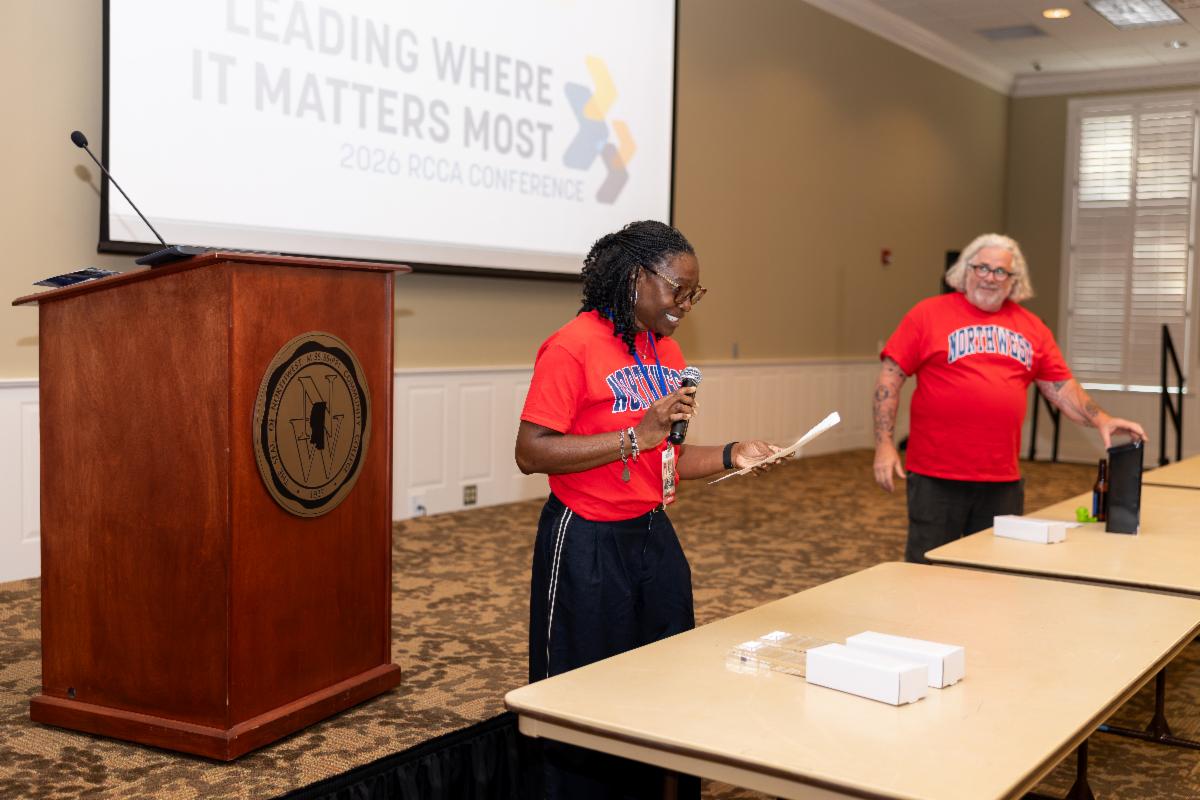 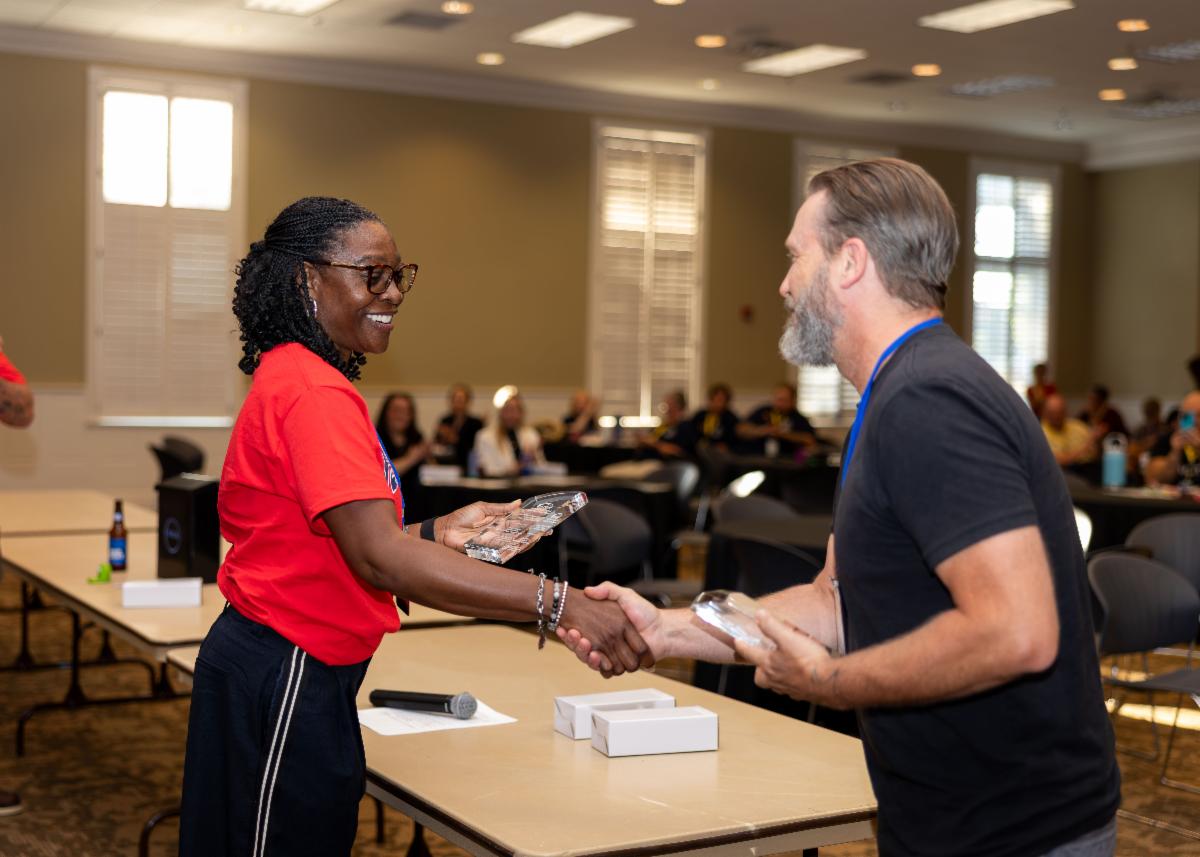 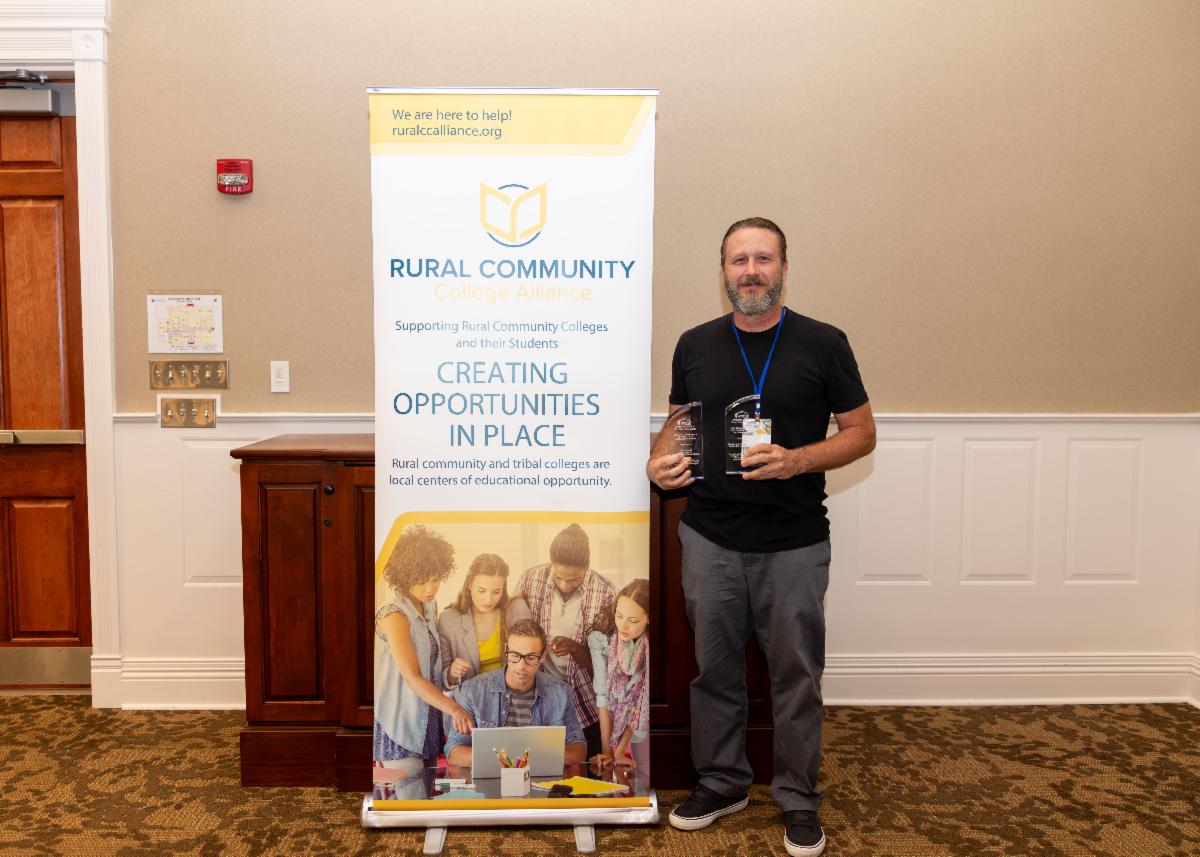 Outstanding Technical Program AwardWelding & Fabrication Program Silver Star of Excellence AwardMuth Electric Michael Prugh, Welding & Fabrication Program Director and Team Leader at Western Dakota Technical College, accepted both awards, including the Silver Star on behalf of Muth Electric. Additional Award Recipients — Not PicturedInnovation in Technical Education: Amanda Sizemore — St. Charles Community College |
ATEA & Member NewsGarden City Community College: Building Workforce Partnerships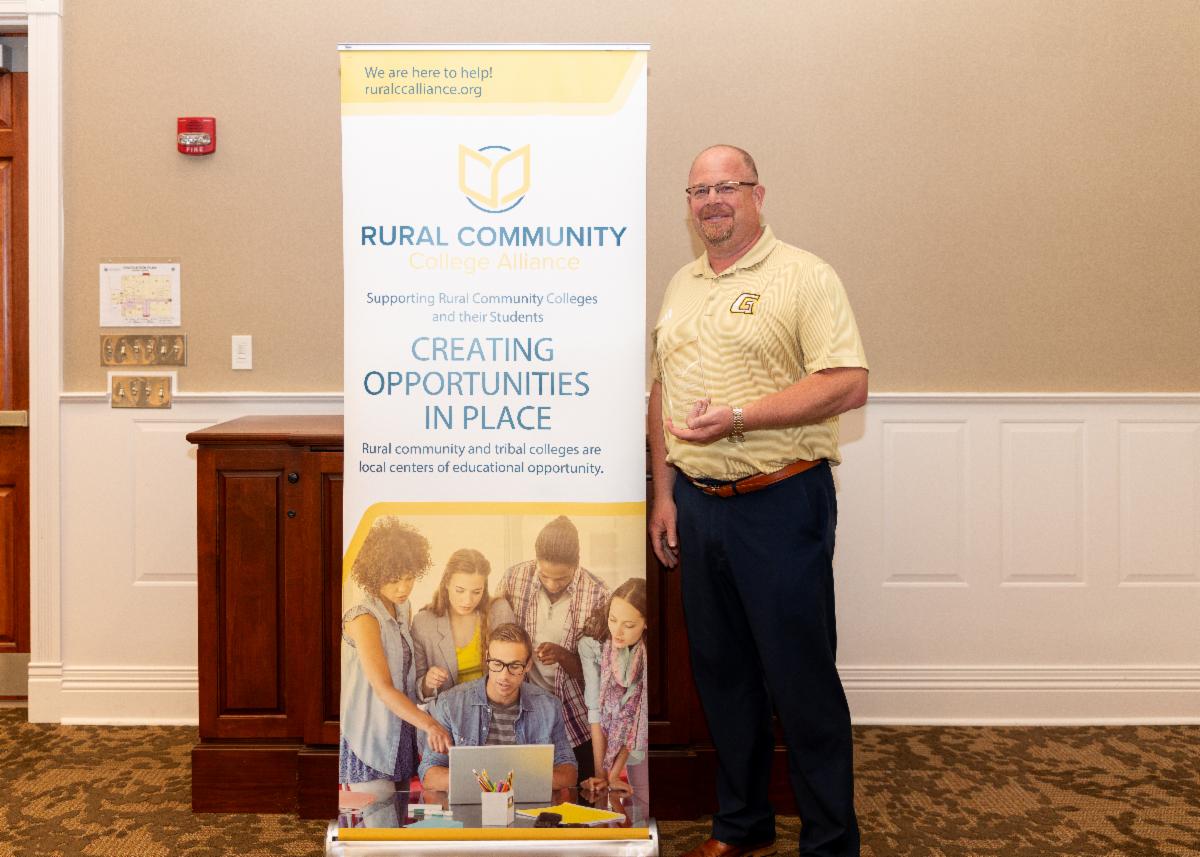 Garden City Community College received RCCA's 2026 Workforce Development Initiative Award for its partnership with Empirical Foods, recognizing its efforts to prepare students for industrial manufacturing careers while addressing regional workforce needs. Presented during the September 2026 RCCA/ATEA National Conference, the award highlights how technical education and employer collaboration can support economic growth. For ATEA members, Garden City's approach offers a practical example of how long-term industry partnerships can strengthen technical programs. Dr. Breitmeyer at C2A3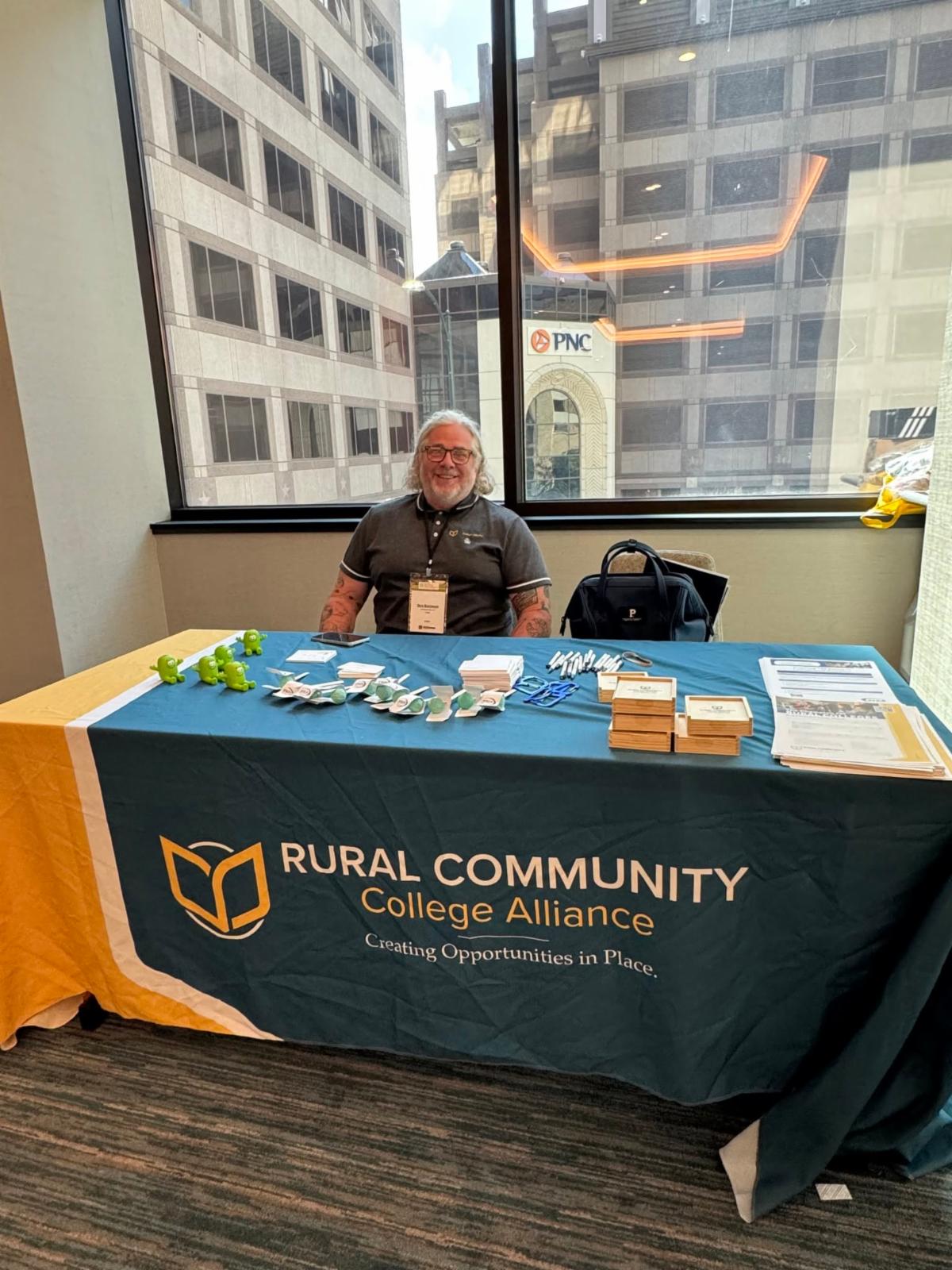 Dr. Chris Breitmeyer represented both ATEA and RCCA at the C2A3 Conference in San Antonio, Texas. He shared information about both organizations, connected with college leaders and industry partners, and explored opportunities for collaboration supporting technical education and workforce development. |
Ideas and Resources to ShareIḷisaġvik College Launches Tribal Emergency Management Certificate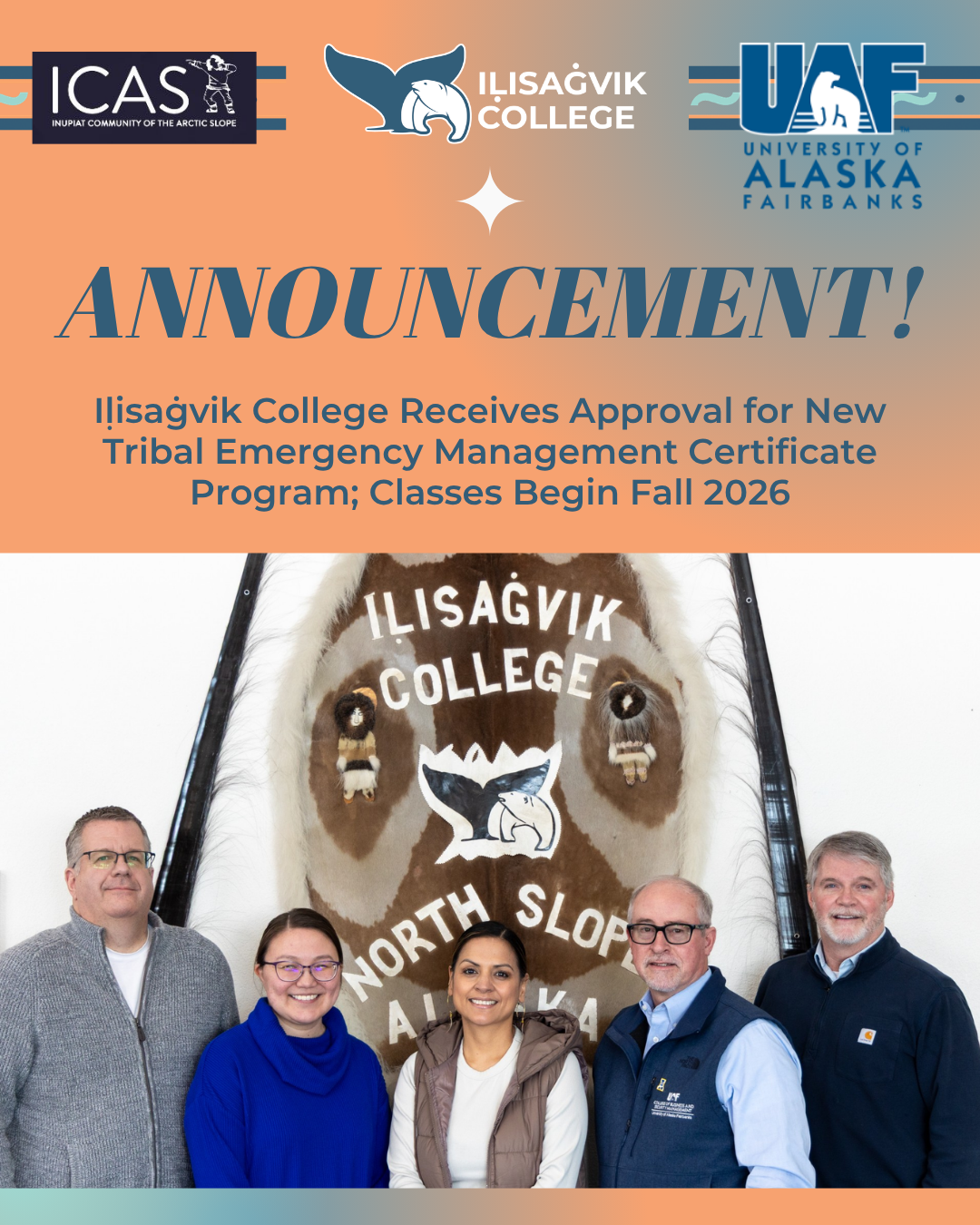 Iḷisaġvik College in Alaska received approval for a new 15-credit Tribal Emergency Management certificate, with classes beginning in fall 2026. Developed with the University of Alaska Fairbanks and the Iñupiat Community of the Arctic Slope, the program prepares students to respond to emergencies in rural and remote communities while incorporating Indigenous perspectives and local knowledge. Why It Matters to ATEA: The certificate demonstrates how technical and career-focused education can respond directly to regional workforce needs through practical, community-responsive credentials. Iowa Central Leads the Way with Workforce PellIowa Central Community College is reported to be the first college in the nation approved to offer Workforce Pell funding for its 14-week Emergency Medical Technician program. The new federal aid can help eligible students cover short-term training costs while preparing workers for a critical regional need. Why It Matters to ATEA Members: Iowa Central's experience may offer valuable insights for institutions developing employer-aligned short-term technical programs. From In-Person to Online: The Member PerspectiveJoelle Boshart, CPC, CEMC, CIC, CPMA | Health Information Management/Coding Specialty Program Director | Western Dakota Technical College When I joined Western Dakota Technical College in 2017 as the Health Information Management/Coding Specialty Program Director, the program’s technical courses were traditional, in-person classes, while some general education courses were available online. Fast-forward to 2026, and the entire program is now offered online. The idea of moving the program online was first brought to me during the 2022–2023 academic year. We had prospective students from across South Dakota and surrounding states who were interested in the program, but geography created a barrier. If a student lived several hours away, attending class on campus simply wasn't a realistic option. The change wasn't an easy decision. One of my biggest concerns was student success. I had students who had specifically chosen our program because they had been unsuccessful in other online medical coding programs. I knew that simply putting our existing courses online would not be enough. If we made the transition, we needed to intentionally design the online experience for student success. So, we started small. Rather than immediately converting the program to fully online delivery, we transitioned some in-person courses to a hybrid format as a test. Lecture material and readings moved online, while practical, hands-on activities remained in the classroom. We also began incorporating video demonstrations for some of the hands-on coding activities. During the 2023–2024 academic year, we tested the courses and gathered student feedback. What we heard surprised me. One of the unexpected benefits of online instruction was the ability to record demonstrations. Students told me they loved being able to rewind and replay the demonstrations until they understood the coding process—something they simply couldn't do during a traditional class. As one student put it, they could essentially “rewind and replay” me until it made sense. At first, I had recorded only a handful of demonstrations. But students wanted more. Their feedback helped me realize that something I initially viewed as a challenge—the loss of a live classroom demonstration—could become one of the strengths of online learning. I began to see that online education didn't necessarily mean less interaction, less instruction, or less hands-on learning. It could provide students with more opportunities to learn at their own pace and revisit instruction when they needed it. That's when I felt we had our answer. I knew making online learning effective was going to require a tremendous amount of work. If I wanted to recreate the classroom experience online, I needed to create training videos for the demonstrations I had previously provided in person. So, I started recording. And recording. And recording. To date, I have created more than 290 training videos covering coding conventions, demonstrations, revenue cycle processes, and hands-on instruction essential to learning medical coding. Those videos didn't replace teaching; they became another tool in my teaching toolbox. Just as important, I knew I couldn’t let the instructor-student relationship disappear along with the classroom. I intentionally built personal interaction into my courses through assignments that required video responses from students and mandatory monthly one-on-one meetings. During these meetings, we discuss progress, answer questions, address concerns, and sometimes I ask students to demonstrate the skills they’ve learned. Those meetings have become one of the most valuable parts of the online program. They allow me to get to know students personally, understand how they are progressing, and identify areas where they may need additional support. I also learned that instructor presence must be intentional online. In a classroom, interaction happens naturally. Online, it has to be created. When a student asks a question about a skill or assignment, I may create a short, anonymous video explaining the answer for the entire class. One student's question can become a learning opportunity for everyone. I also provide a weekly recap video highlighting assignments, upcoming deadlines, and concepts students should consider during the week. Another strategy I use is what I think of as “listen, write, rehear.” Students watch an instructional video, take notes, and then record a short response explaining something they learned. They aren't simply watching a video, they are processing the information and communicating their understanding. Full online delivery has now entered its second year, and the results have been encouraging. Since transitioning to fully online delivery, enrollment has increased, and by the second year, enrollment has doubled. We are also reaching students well beyond the geographic area we could realistically serve with an in-person program, including students as far away as Shreveport, Louisiana, and Chicago, Illinois. What started as a concern about whether our students could be successful online has become an opportunity to reach students who otherwise may never have had access to our program. The biggest lesson I learned is that moving a course online isn't about putting a classroom on a computer. It's about rethinking how you teach. For me, the classroom didn't disappear. It changed. |
Grants & UpdatesBuilding Ready for Work Colleges and Students Learning LabAscendium Education Group | Application closed November 6, 2026 This learning lab will select six community colleges to receive individualized coaching, technical assistance, and peer collaboration focused on strengthening workforce programs and employment pathways. Support is technical assistance rather than a traditional cash grant. Climatetech Pathmaker Grants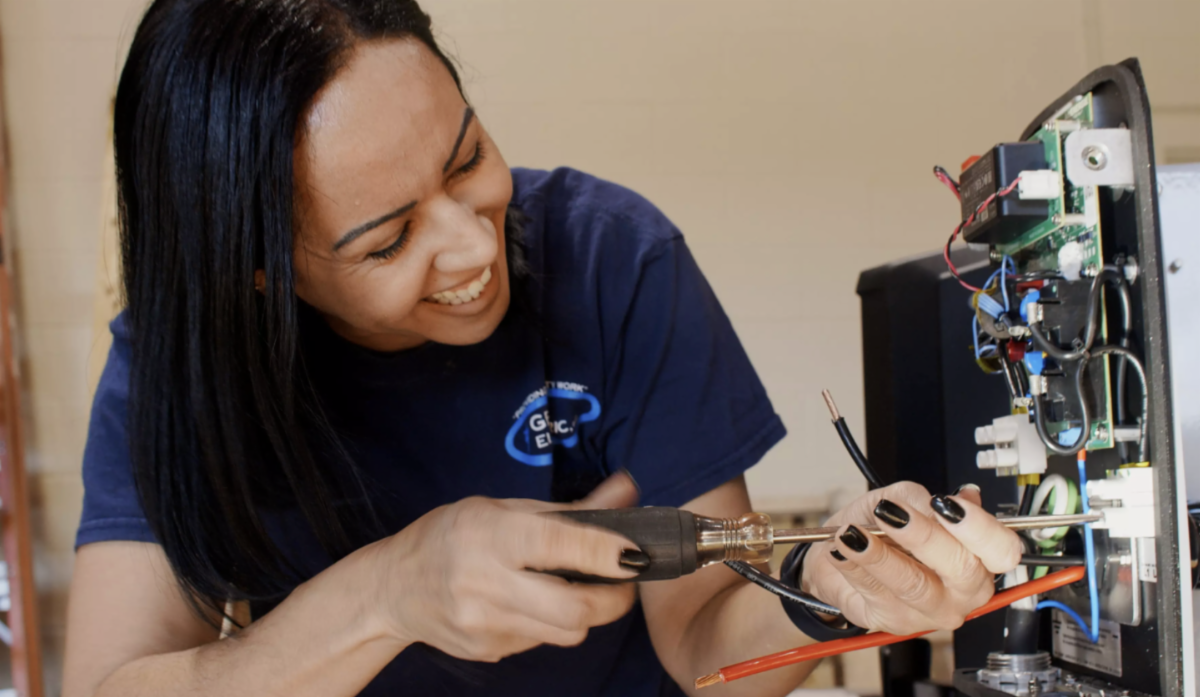 Massachusetts Clean Energy Center | Deadline: January 8, 2027 | Up to $450,000 Supports short-term, employer-aligned training in emerging clean energy fields, including battery energy storage and power systems. Applicants must be legally organized in Massachusetts and have at least one industry partner. |
Federal & Policy UpdatesWorkforce Pell Moves into ImplementationFederal implementation of Workforce Pell is creating new considerations for colleges offering short-term workforce credentials, including eligibility requirements, financial aid administration, student outreach, and employment pathways. Academic, workforce development, and financial aid teams should coordinate on program readiness. Stackable Credentials and Employment OutcomesAs Workforce Pell implementation progresses, colleges must consider how short-term credentials connect to jobs and continued education. Stackable, portable credentials can help students build skills over time and strengthen long-term career pathways. |
Job OpportunitiesExplore leadership and administrative opportunities in higher education, technical programs, and workforce development. Dean of Business and Technologies — New River Community College Academic Dean, Center for Computer, Digital Media & Information Technology — Seminole State College of Florida Director of the Western Maryland IT Center of Excellence — Allegany College of Maryland University President — Louisiana Tech University Vice President for Institutional Effectiveness & Accreditation — Uniformed Services University of the Health Sciences |
Upcoming Events & ResourcesRural on the Rocks 2027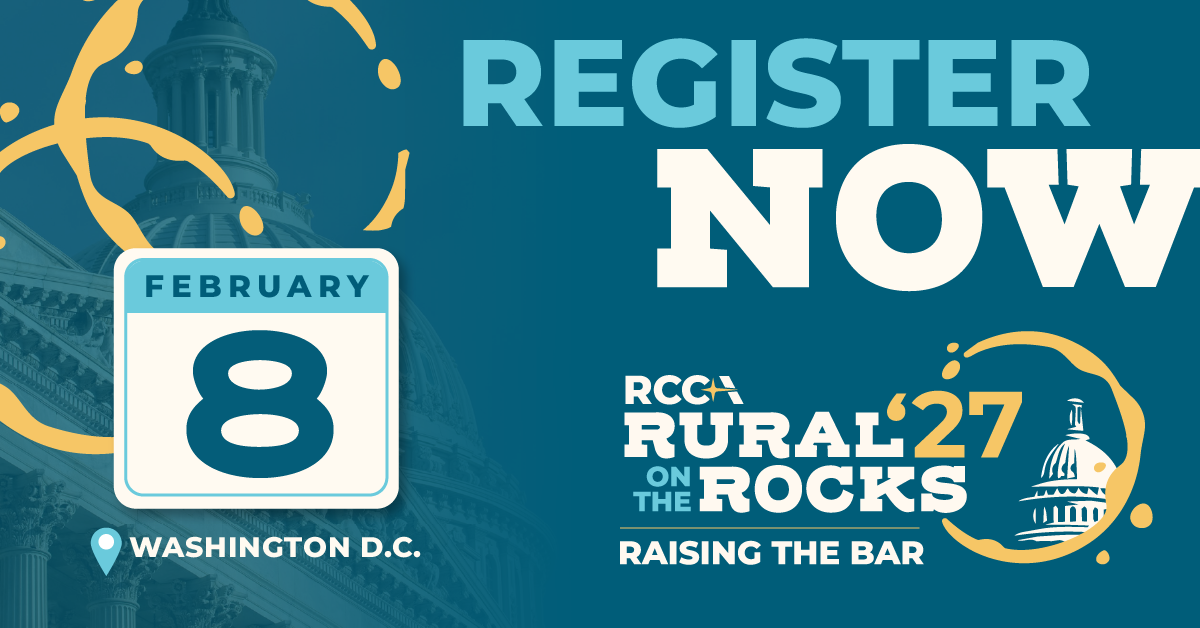 Co-hosted this year with the American Technical Education Association (ATEA), Rural on the Rocks is RCCA's networking event happening at the ACCT National Legislative Summit in Washington, D.C. Join rural and technical community college leaders, trustees, partners, and advocates outside formal summit sessions to build relationships, share ideas, and strengthen their collective voice. 2027 ATEA National Conference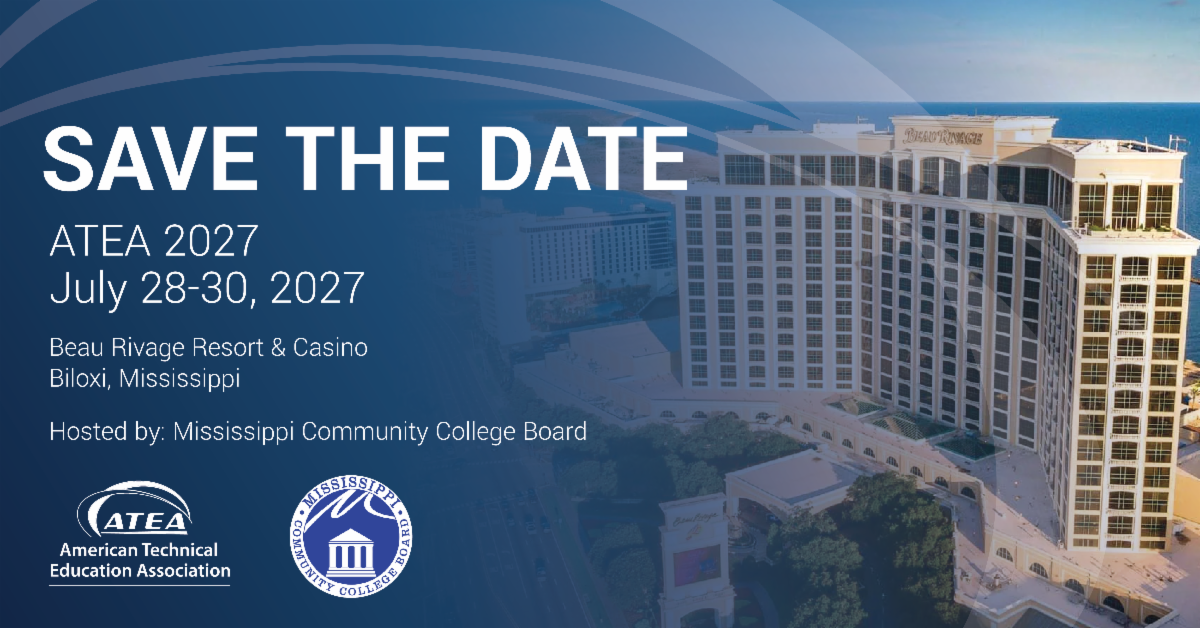 July 28–30, 2027 | Beau Rivage | Biloxi, Mississippi Join technical educators, administrators, and industry partners to exchange ideas, strengthen connections, and celebrate excellence in technical education and workforce development. Other ConferencesWorkforce Development Through CTE Summit 9.0 League for Innovation: Innovations Conference 2027 WebinarsACCT: Latest Action in Washington (LAW) Live |
Stay ConnectedHave campus news, technical education successes, member perspectives, or resources to share? We welcome contributions from ATEA members for future issues of ATEA Insights. American Technical Education Association PO BOX 182 · Astoria, OR 97103 |