MARCH 2, 2026

Facebook  X  Instagram  Email  Web

A Night of Division, Moments of Unity: Reflections on the State of the Union


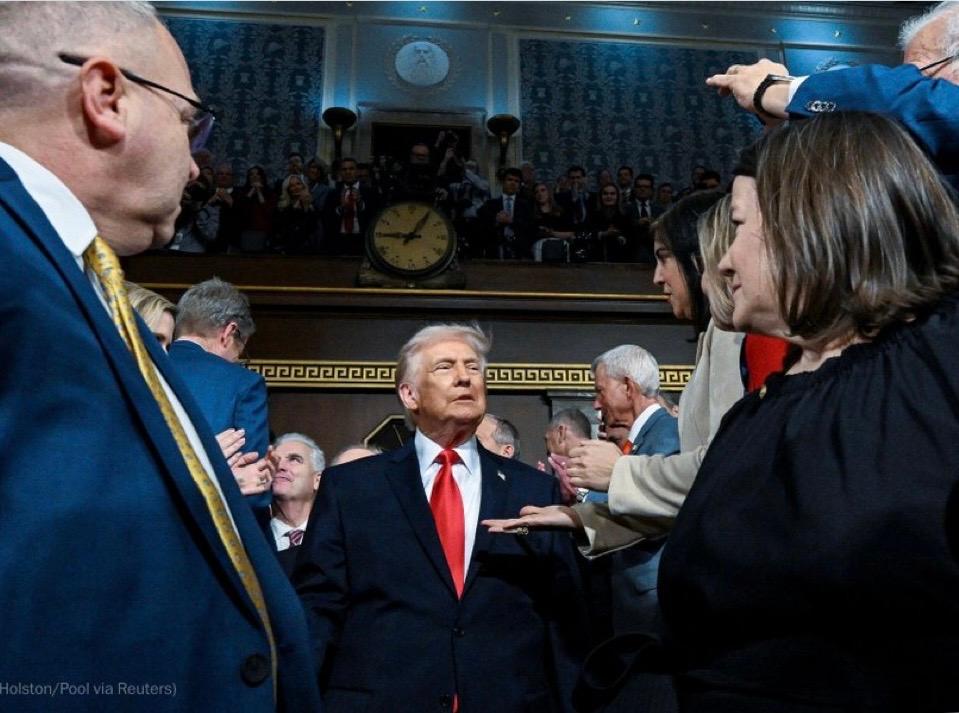
The State of the Union is always a defining moment for our country—a chance to reflect not just on policy, but on tone, leadership, and the direction we’re heading. This year’s address made one thing clear: President Trump is focused on restoring what is the federal government’s core responsibility—protecting American citizens and putting America first. His message resonated strongly with many Americans who are concerned about border security, public safety, and a return to common-sense governance.

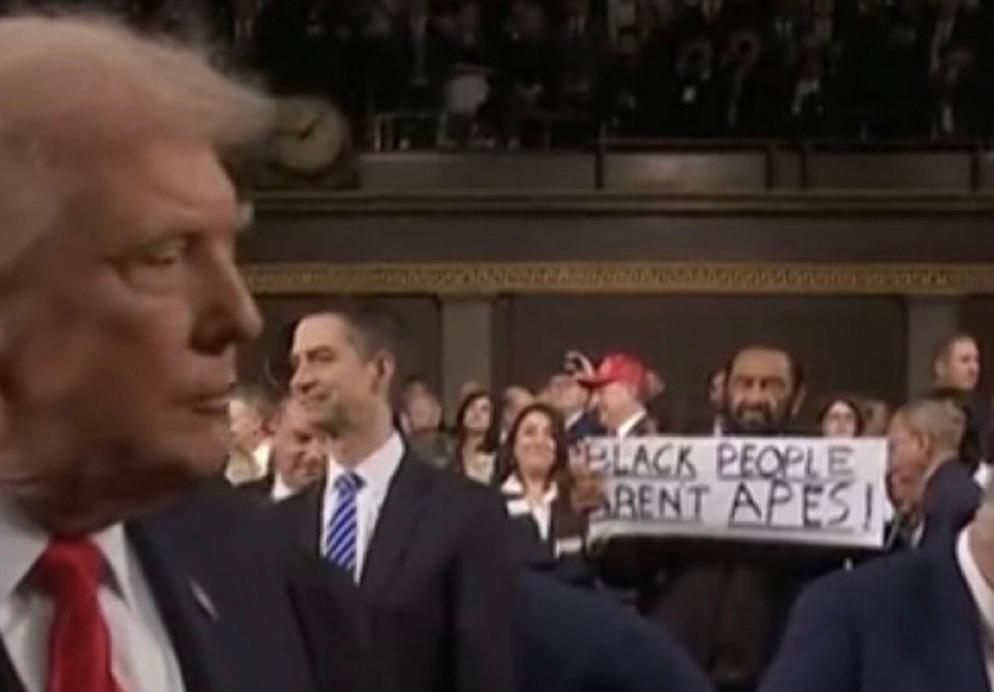
Throughout the speech, there were moments that highlighted just how deep the divide in Washington has become. Early on, Representative Al Green was removed from the chamber after creating a disruption while holding a sign that read, “Black people are not apes.” Later, Representatives Ilhan Omar and Rashida Tlaib also interrupted the speech, reinforcing the tension in the room. Perhaps one of the most telling moments came when President Trump asked members to stand if they believed the government’s first job is to protect Americans. Most Democrats remained seated—an image that spoke volumes to viewers at home.

There were also cultural flashpoints that underscored the growing ideological divide. When President Trump addressed the issue of transgender surgeries and transitioning minors without parental consent, the room grew noticeably uncomfortable. Cameras briefly panned to Representative Sarah McBride of Delaware, who is a biological man, adding to the intensity of the moment.


Still, there were moments of unity. Both sides of the aisle stood and applauded the U.S. Men’s Hockey team for their gold medal victory—a reminder that shared pride in our country can still bring us together. Democrats also stood in support of banning insider trading, an issue that continues to draw bipartisan interest. But the camera did not catch Pelosi's reaction. And when President Trump called on all Americans to reject political violence in any form, the entire chamber rose in agreement—one of the most encouraging moments of the night

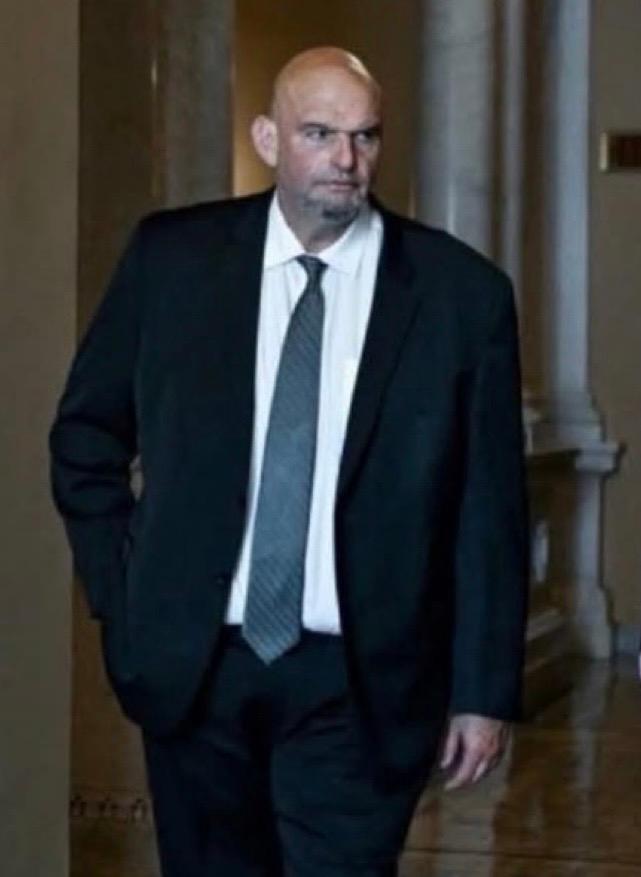
Even Senator John Fetterman showed respect for the occasion and our country by wearing a suit. Though a Democrat, he has spoken favorably about Trump and found common ground with Republicans on several issues—something that has pleasantly surprised many. He is getting treated badly by his party for standing up for his beliefs. This is something I have also experienced. Sad that we value bipartisanship but both sides punish anyone who takes the first step.


At the same time, there were noticeable absences and reactions. Senator Mark Kelly attended but appeared disengaged throughout the evening, while Senator Ruben Gallego chose not to attend in protest. Seventy five democrats chose not to attend. There were also moments that many found disappointing, including when some members did not stand in recognition of Iryna Zarutska's parents, whose story was meant to highlight crime in America we face today.

President Trump delivered a speech that clearly energized his base and reinforced his priorities. However, it wasn’t without its missteps. His comment referring to Democrats as “crazy” was a reminder that while strong leadership matters, so does tone. If we are ever going to bridge the divide in this country, it starts with how we speak to one another.


We can disagree on policy. We can debate ideas. But if we continue to poke the other side with a stick, we only push unity further out of reach. The American people deserve leaders who not only fight for their values but also work toward solutions together. The question moving forward is simple: are we willing to do that?

Maricopa County Election Dispute Intensifies Ahead of July Primary


With Arizona’s July primary quickly approaching, tensions are escalating between the Maricopa County Board of Supervisors and County Recorder Justin Heap—raising serious questions about election preparedness in the state’s largest county.


At the center of the dispute is a critical logistical issue: how many early voting sites will be available to voters.


In a sharply worded letter, Board Chair Kate Brophy McGee and Vice Chair Debbie Lesko demanded immediate answers from Heap, warning that delays could disrupt the voting experience. If Heap fails to respond by the Board’s Friday deadline (February 27), supervisors say they will assume he intends to move forward without their input.


Lesko emphasized the urgency, noting the complexity behind election planning. Approximately 260 voting centers must be secured for Election Day, with around 60 historically serving as early voting locations. Contracts must be finalized soon, and hiring and training poll workers is already on a tight timeline.


The letter stated that if Heap does not respond, it will be assumed his office will handle early voting, with the board providing assistance as requested.


“We just need a response, but we need to do it soon,” Lesko said. “This takes a lot of time.”


A Deeper power Struggle

This dispute is about more than logistics—it reflects a broader battle over election authority.

Heap has filed a lawsuit against the Board of Supervisors, arguing they have unlawfully stripped his office of key election responsibilities. He maintains that under Arizona law, only the County Recorder has the authority to establish early voting locations.


“Under law, only the recorder is permitted to open early voting locations,” Heap testified during a recent hearing.


Supervisors, however, say they are increasingly concerned about a lack of transparency from Heap’s office, particularly regarding election plans and budget details. While Heap has indicated a willingness to cooperate, board members argue that time is running out for collaboration.

If no agreement is reached, major decisions about the July primary could be made without coordination—further deepening the divide and potentially impacting voters.

New Concerns Over Voter Rolls


Non Citizen Registered Voters

Adding fuel to the fire, Arizona Secretary of State Adrian Fontes has now entered the conversation, sending a letter to Heap regarding claims that 137 noncitizens were identified on Maricopa County voter rolls.


Heap’s office reported the findings while reviewing more than 61,000 voter records affected by a longstanding state coding error. Using the federal SAVE database, officials said they confirmed the citizenship of 95% of those voters but flagged a small fraction—137 individuals—as potential noncitizens. Of those, 60 were reported to have voted in prior elections.


However, the reliability of the SAVE system has been widely questioned. Investigations have shown the database can produce inaccurate results, including misidentifying U.S. citizens as noncitizens. Fontes called Heap’s claim “a very serious accusation” and requested additional documentation, including whether citizenship status had been independently verified.

What’s at Stake


With early voting decisions still unresolved and disputes over voter roll accuracy intensifying, the stakes are high. Maricopa County plays a pivotal role in Arizona elections, and any breakdown in coordination between key officials could have ripple effects statewide.

For voters, the concern is simple: clarity and consistency. For county leadership, the challenge is anything but.


As deadlines loom, all eyes are on wheather cooperation - or continued conflict- will define the path to the July primary.


Heap get his $550,000

On February 25th, the Board of Supervisors approved $550,000 for the Recorder’s Office—prompting yet another round of misinformation from the small group of regular disruptors who attend BOS meetings. Without taking the time to understand the facts, they rushed to the microphone and social media awith false claims, incorrectly asserting that the funding was for the Agilis machine previously discussed during budget hearings.


In reality, these funds are designated for critical election functions, including supporting the signature verification process for the upcoming election and purchasing furniture to help streamline operations. Once again, this situation highlights how quickly misinformation can spread when people choose speculation over facts. More importantly, it underscores that the Board is making a good-faith effort to work collaboratively with Recorder Heap to ensure a smooth and efficient election process.


Heap Responds to the Board and once again he makes a very public mistake

When Headlines Move Faster Than the Facts: Another Misstep in Maricopa County

In politics—especially when it comes to elections—credibility is everything. And in Maricopa County, that credibility has once again taken a hit.


Recorder Justin Heap, already under scrutiny for past mistakes, found himself back in the spotlight after sending out a snarky letter criticizing the Maricopa County Board of Supervisors’ proposed early voting locations for the 2026 primary. In the letter, Heap claimed the plan was inequitable and would leave large portions of voters without reasonable access to the ballot box.

It was a strong accusation. It was also incomplete.


Attached to Heap’s public statement was a list of just 25 early voting locations—far fewer than what voters might expect in a county as large and diverse as Maricopa. Heap argued that the distribution was uneven, pointing out disparities between cities like Tempe and Mesa as evidence of a flawed plan.


But there was one major problem: the list he used wasn’t the full plan.

According to the Maricopa County Elections Department, the spreadsheet provided to Heap included multiple tabs—one showing confirmed early voting sites, and others outlining additional locations either pending confirmation or designated for Election Day use. In total, the county indicated there were closer to 160 potential sites in play, not just the 25 Heap publicly criticized.

In other words, the data was there. It just wasn’t fully reviewed.


This isn’t the first time questions have been raised about attention to detail in the Recorder’s Office. Last year, tens of thousands of voters received incorrect notices suggesting their registrations would be canceled—an error that, while initially tied to a vendor, was ultimately approved internally before being mailed out.


Taken together, these incidents paint a concerning picture: in an era where public trust in elections is already fragile, even small oversights can have outsized consequences.

To their credit, members of the Board of Supervisors responded quickly, pointing out the discrepancy and clarifying the full scope of the plan. But the damage, at least in terms of perception, had already begun.


The lesson here isn’t partisan—it’s practical.


Before sending something out for public consumption, especially on an issue as critical as voting access, it must be accurate, complete, and thoroughly reviewed. Because once it’s out there, it shapes public opinion, fuels headlines, and influences trust.


And in elections, trust is everything.


My thoughts about this

The ongoing situation surrounding Justin Heap is more than just a political disagreement—it’s a reflection of a deeper problem within our own party. There is a small but very loud group of Republicans who continue to defend Heap at every turn, using social media, email chains, and other platforms to attack the Maricopa County Board of Supervisors. Their primary argument seems to be that Heap was elected by the voters. But what they fail to acknowledge is that three of the five members of the Board of Supervisors were also newly elected just over a year ago. The will of the voters applies to both offices. Two Supervisors were re-elected.


The reality is that these two entities are required by statute to work together. Elections in Maricopa County depend on cooperation, communication, and a shared commitment to getting it right. Unfortunately, that collaboration has been missing. For over a year, the Board has been asking for answers, coordination, and basic transparency. Instead, they’ve been met with silence, resistance and a pr campaign led by Heap at the LD level spreading negative commments and embelishments about the Board.


It’s hard not to conclude that this lack of engagement is intentional. It appears that Heap may be waiting for a judge to step in and dictate how elections will be run in Maricopa County rather than working through the issues directly with the Board. That should concern everyone. Our elected officials should not be outsourcing their responsibilities to the courts when they have a duty to lead, communicate, and find solutions.


After a series of public and significant mistakes, it’s fair for the public to start asking an important question: Is Justin Heap capable of effectively handling the responsibilities of this office? This isn’t about personalities—it’s about performance and accountability.


With all eyes on Arizona heading into November, the stakes couldn’t be higher. There are still voices within our party claiming widespread fraud, despite multiple courts finding otherwise. At the same time, those same voices continue to target the Board of Supervisors, even as the Board works to provide the very support and structure Heap has requested.


It’s time for Republicans to refocus on facts, not narratives. It’s time to stop the internal attacks and start working together. If we want to restore public trust in our elections, we must lead with transparency, efficiency, and cooperation. Anything less only weakens confidence and divides us further when unity is exactly what’s needed most.

Stepping Up to Serve: My Campaign for the Dysart Governing Board


I am proud to announce that I am running for the Dysart Unified School District Governing Board.


As many of you know, I am a proven conservative who believes in strong schools, responsible spending, and putting students, parents, and teachers first. My commitment to this community has always been rooted in results, not rhetoric—and that’s exactly what I will bring to the governing board.


Dysart is already an exceptional district, and that matters. This is not a campaign about fixing failure—it’s about protecting and building on success. Dysart spends approximately 75 cents of every dollar directly in the classroom, ensuring that resources are focused where they belong: on educating our students. That kind of fiscal responsibility should be recognized and preserved.


Academically, Dysart continues to shine. The district holds an “A” rating, with the number of A-rated schools increasing each year. Every Dysart high school has earned an A rating, and the combined graduation rate across those schools is approximately 94%. These are not just statistics—they represent real students, real families, and a community that values education.


My goal is simple: protect what’s working, support our teachers, ensure safe and effective learning environments, and make thoughtful decisions that keep Dysart moving forward as one of the best districts in Arizona.


Right now, I am in the process of gathering signatures to qualify for the ballot, and I would truly appreciate your support.


Join Me to Sign My Petition

📍 Mission BBQ

14487 W Bell Rd, Surprise, AZ 85374

🕚 11:00 AM – 1:00 PM


If you live in the district, please stop by, sign my petition, and say hello. I would love to meet you, hear your thoughts, and talk about the future of Dysart schools.


Together, we can keep Dysart strong.

A Big Tent Means Room for All: A Call for Respect Within the Republican Party


Scrolling through social media the other day, I came across a meme that hit a nerve—and I shared it. Not because it was clever or funny, but because it reflected something many of us have experienced but don’t always say out loud: the growing tendency to attack one another within our own party.


Let me be clear. I know I am not alone in feeling the sting of being labeled, dismissed, or even bullied by voices on the extreme end of the right. But I also want to say something equally important—there are many Republicans who are further right than I am, and that is perfectly okay. In fact, many of those individuals are my friends. We talk. We debate. We disagree. And at the end of the day, we respect each other and remain friends. That’s what a healthy political movement looks like.


We are in the middle of another important election cycle. Primaries are meant to be competitive. They are where ideas are tested and candidates are challenged. But once that process is over, we must remember the bigger picture. If we want to win and effectively govern, we must unite behind the Republican nominee in the general election.


Too often, words like “RINO,” “fake Republican,” or “really a Democrat” are thrown around casually and carelessly. Those labels don’t strengthen our party—they divide it. They discourage good people from stepping up to lead and push away voters we need to build a winning coalition.

President Ronald Reagan famously described the Republican Party as a “big tent,” a place where a diversity of ideas could coexist under shared principles. That vision is just as important today as it was then. We don’t all have to agree on every issue to stand together.


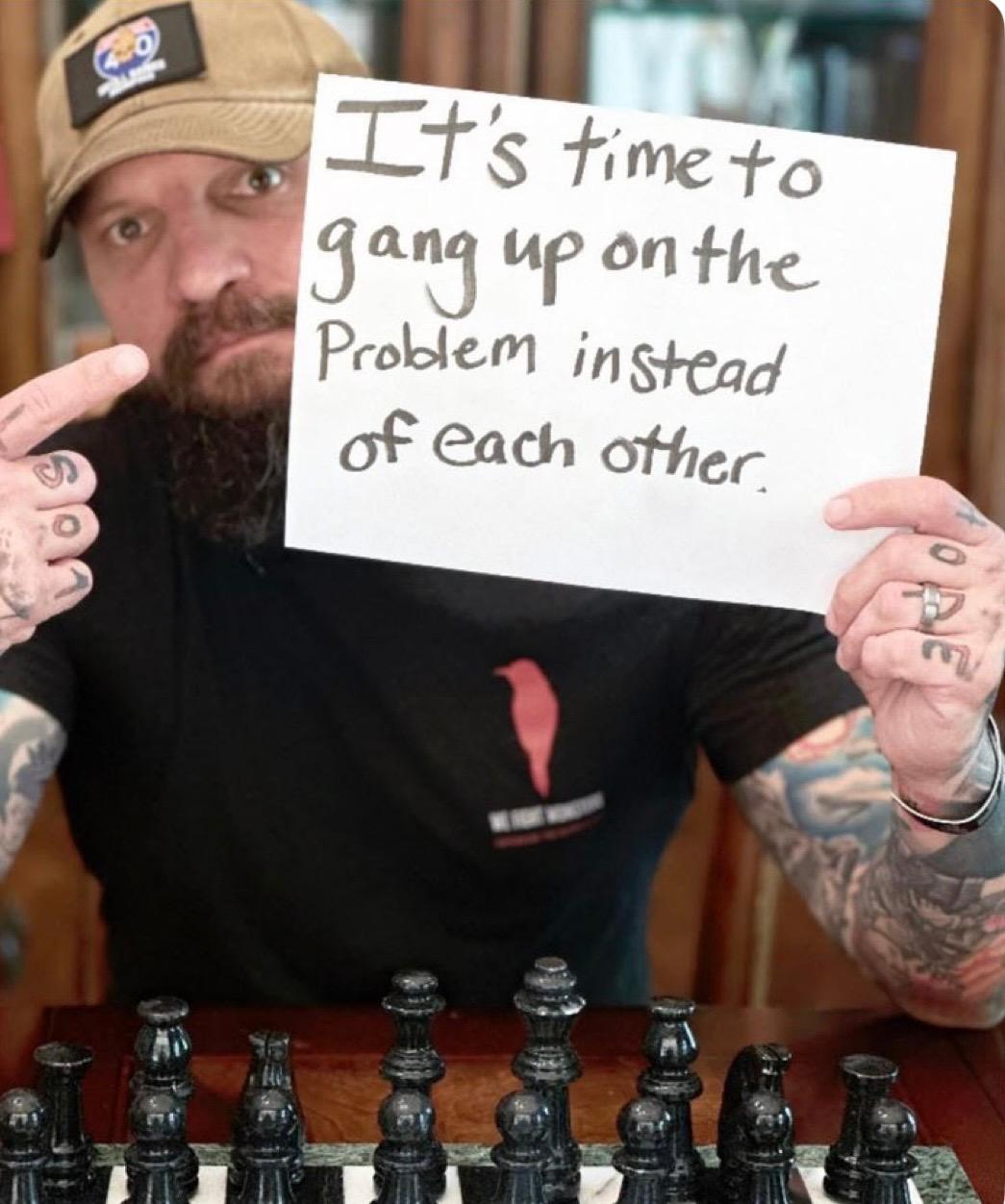
Bullying—whether online or in person—is not strength. It’s not leadership. It’s not persuasion. It’s childish, and most people see it for what it is: desperation.


We have real challenges facing our communities, our state, and our country. Let’s focus our energy on solving those problems instead of tearing each other down.


We are stronger together. Let's start acting like it.

Help Danielle Blake Get on the Ballot—Your Signature Matters


In communities like ours, leadership doesn’t just happen—it grows from years of service, commitment, and showing up when it matters most. That’s exactly what Danielle Blake has been doing for decades. I wholeheartedly endorse Danielle Blake for Justice of the Peace.


Danielle is a wife, mother of six, and grandmother of four who has built her life around faith, family, and service. After moving to Arizona during high school and later settling in Surprise in 2001, she made a conscious decision to invest in her community. Whether through her church, local service projects, or her 15 years of leadership with the Boy Scouts of America, Danielle has quietly but consistently made a difference across Surprise, El Mirage, Wickenburg, and Sun City West.


Her commitment to service extends into the courtroom as well. Danielle currently serves as a Judge Pro Tem in Yavapai County and as both a Civil Traffic and Small Claims Hearing Officer. She has completed her certifications through the Arizona Judicial Education Services program and is on track to graduate in April 2026 with a Bachelor’s degree in Applied Business Management.


Now, she’s ready to take the next step—running for Justice of the Peace to continue serving the community with fairness, integrity, and compassion.

But before her name can appear on the ballot, Danielle needs your help.


Why Your Signature Matters

Like all grassroots candidates, Danielle must collect approximately 1,500 signatures just to qualify for the ballot. That’s no small task—but it’s one that becomes achievable when the community comes together.


This is where you come in.


If you believe in supporting leaders who have a proven record of service, this is your opportunity to make a direct impact.


Not in the District? You Can Still Help

Even if you don’t live in Danielle’s precinct, you can still play an important role:


  • Share her link with friends and family who do - https://go.azsos.gov/48v4
  • Post her campaign on social media
  • Encourage others to sign and support


Grassroots campaigns are powered by people—not big money. Every share, every conversation, and every signature matters.


A Candidate Rooted in Community

Danielle Blake isn’t stepping into this role for recognition—she’s stepping up because she cares. Her life reflects a deep commitment to service, and she is ready to bring that same dedication to the role of Justice of the Peace.

Her goal is simple but powerful:


To deliver equal justice under the law while continuing to serve the community she loves.


Now she just needs the community to stand with her.


Take a moment today to sign, share, and support Danielle Blake. Together, we can help get her on the ballot—and one step closer to continuing her service to our community.


BNSF Pushes Forward in Wittmann Despite Lack of County Approval


BNSF Railway has begun clearing and grading approximately 350 acres of desert land near Wittmann—despite not having secured final zoning approval from Maricopa County for its massive Logistics Park Phoenix project. The activity, focused near 235th Avenue and U.S. 60, marks a significant escalation in an already heated battle between the railroad, county leaders, and residents concerned about the future of the rural northwest Valley.


According to BNSF, the current work is limited in scope and represents early-stage site preparation. However, for many watching closely, this move feels less like routine groundwork and more like a calculated step forward without local consent.


A Massive Project with Major Impacts

The proposed Logistics Park Phoenix is anything but small. Plans outline a sprawling 4,321-acre development that includes a 1,770-acre intermodal facility, a 1,420-acre logistics park, and a 1,131-acre logistics center. Initial construction has been anticipated since late 2025, with operations projected to begin around 2028.


But those long-term plans hinge on approvals that have not yet been granted.


Local Leaders Already Said No

In November, the Maricopa County Board of Supervisors voted to deny a key comprehensive plan amendment tied to the project, citing serious concerns over traffic and infrastructure. With Grand Avenue and Loop 303 already strained, supervisors made clear that adding tens of thousands of additional daily trips—estimated at 22,000 vehicles, including 6,600 trucks—would create unacceptable impacts.


The City of Surprise also took a firm stance, passing a resolution opposing the project and warning of “substantial unmitigated risk” to public services and quality of life. Residents throughout Wittmann and surrounding communities have echoed those concerns, organizing meetings, signing petitions, and speaking out about preserving the rural character of the area.


BNSF Expands While Questions Remain

At the same time, BNSF has continued acquiring land around the proposed site, purchasing additional parcels and homes—some from willing sellers whose properties were increasingly surrounded by railroad-owned land. These acquisitions, combined with the visible grading activity now underway, suggest the company is positioning itself for eventual development regardless of ongoing local opposition.


BNSF and some legal analysts have pointed to federal preemption laws governing rail operations, which could allow portions of the project—particularly the intermodal facility—to move forward even if local zoning approvals are denied. That legal gray area raises serious questions about how much authority local governments truly have in this fight.

A Direct Challenge to Local Authority


For many, the decision to begin grading before securing approval is seen as a blatant show of disregard for local governance. After the Board of Supervisors clearly rejected the project’s plan amendment, moving forward with on-the-ground activity sends a troubling message.

Every supervisor should be concerned about what this represents—not just for Wittmann, but for the precedent it sets across Maricopa County. If a project of this scale can begin advancing without approval, it undermines the very process designed to protect communities, infrastructure, and taxpayers.


What Comes Next

For now, all eyes are on what happens next. Will BNSF pause further activity while approvals are still pending, or will this grading expand into more aggressive development? Will the county push back harder, or will this dispute move into the courts?


One thing is certain: this is no longer just a proposal on paper. The fight over the future of Wittmann is now playing out in real time—on the ground, in the desert, and in full view of the public.

ICYMI - In Case You Missed It


We live in a fast-paced, always-moving world. Between work, family, and everything happening in our communities, it’s easy to miss important updates that impact our daily lives. Whether it’s local government decisions, education updates, or stories that shape the future of our neighborhoods, staying informed can feel like a full-time job

.

That’s why I’ve pulled together a few key stories you may have missed. These are the issues that matter—topics that affect our schools, our safety, our growth, and the direction of our community. My goal is to make it easier for you to stay connected without having to dig through endless headlines.


Take a few minutes to catch up, stay informed, and share with others. An informed community is a strong community—and together, we can make a difference.


The Latest “Punchbowl” Spam Email Scam—What You Need to Know


If your inbox has been flooded lately with what looks like a friendly party invitation, you’re not alone. The latest “Punchbowl” email scam is making the rounds again—and it’s more convincing than ever.


At first glance, the email looks harmless. It appears to be an invitation to a birthday party, event, or celebration sent through Punchbowl, a legitimate online invitation platform. Sometimes it even comes from someone you know—a friend, colleague, or community contact. That’s exactly what makes this scam so dangerous.


But here’s the reality: there is no party.


How the Scam Works

Cybercriminals are impersonating Punchbowl invitations to trick people into clicking a link. Once clicked, one of two things typically happens:


  • You’re taken to a fake login page and asked to enter your email and password
  • Or malware is silently downloaded onto your device


In many cases, victims don’t realize anything is wrong until it’s too late. Once scammers have your login credentials, they can:


  • Take over your email account
  • Send the same scam to everyone in your contacts
  • Access sensitive personal or financial information


That’s why you may receive one of these emails from someone you actually know—their account has already been compromised.


Why This Scam Is So Effective

Unlike the obvious spam emails of the past, this one looks legitimate and polished. Scammers are using real branding, familiar formats, and even trusted email addresses to lower your guard.

Some versions even instruct you to open the invite on a desktop or laptop—this is a red flag and often tied to malware delivery.


How to Spot a Fake Punchbowl Email

There are a few key warning signs:


  • The sender is a personal email address instead of an official Punchbowl address
  • The link does not go to “punchbowl.com”
  • The email urges you to click quickly or follow unusual instructions
  • Formatting looks slightly off—fonts, logos, or layout errors


What You Should Do

If you receive one of these emails:


  • Do NOT click the link
  • Mark the email as spam
  • Delete it immediately
  • If it appears to come from someone you know, let them know their account may be compromised


If you already clicked:

  • Change your email password immediately
  • Enable two-factor authentication
  • Monitor your accounts for suspicious activity


Final Thoughts

This latest Punchbowl scam is a reminder that even the most ordinary emails can be weaponized. It’s not just about cybersecurity anymore—it’s about awareness.


We’re all busy. We all get invitations, newsletters, and updates every day. But taking a few extra seconds to verify a link could save you—and your entire contact list—from a major headache.

When in doubt, don’t click.


Because this is one “invitation” you definitely want to decline.

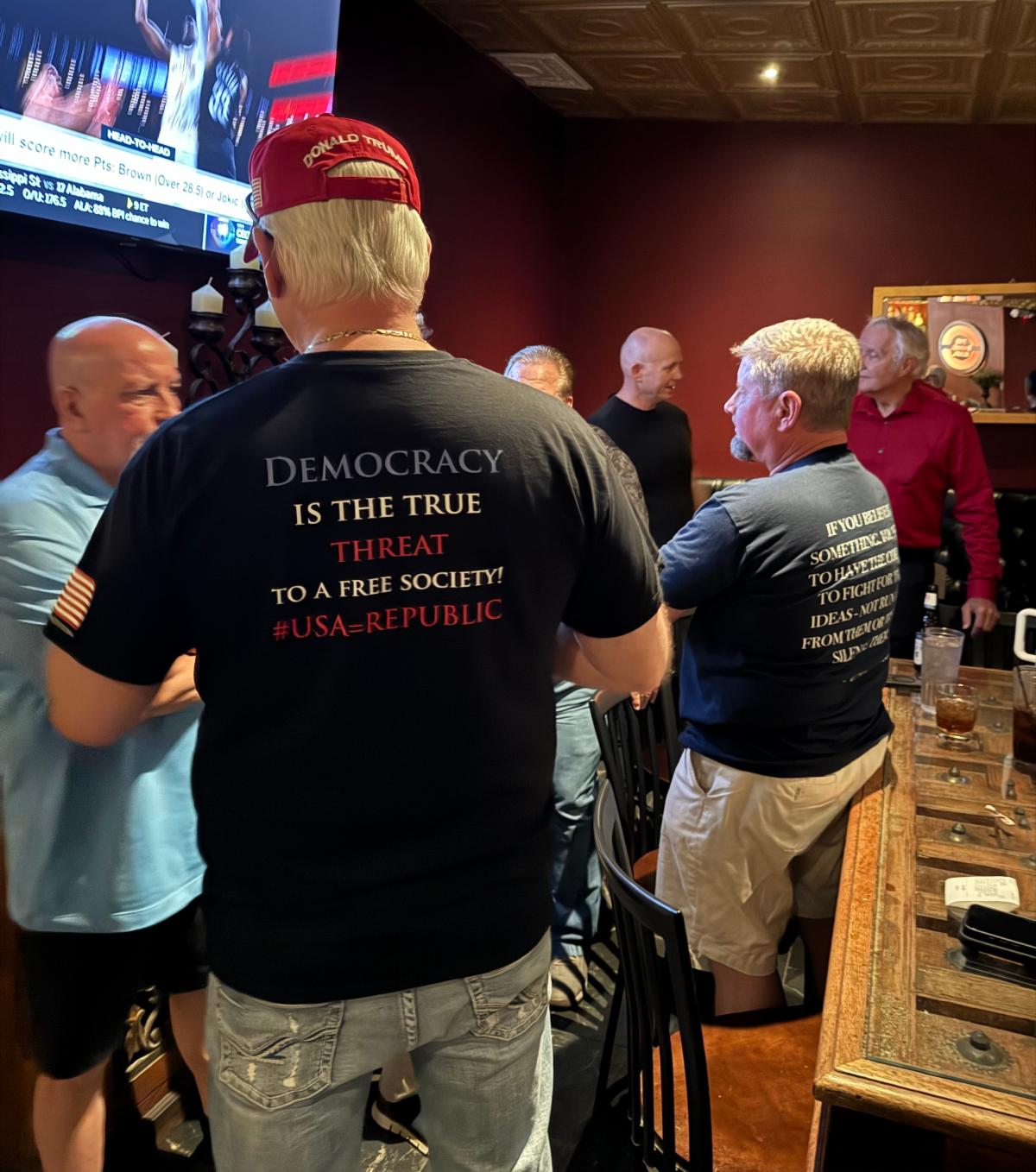
Patriot Happy Hour Brings Community Together in a Meaningful Way


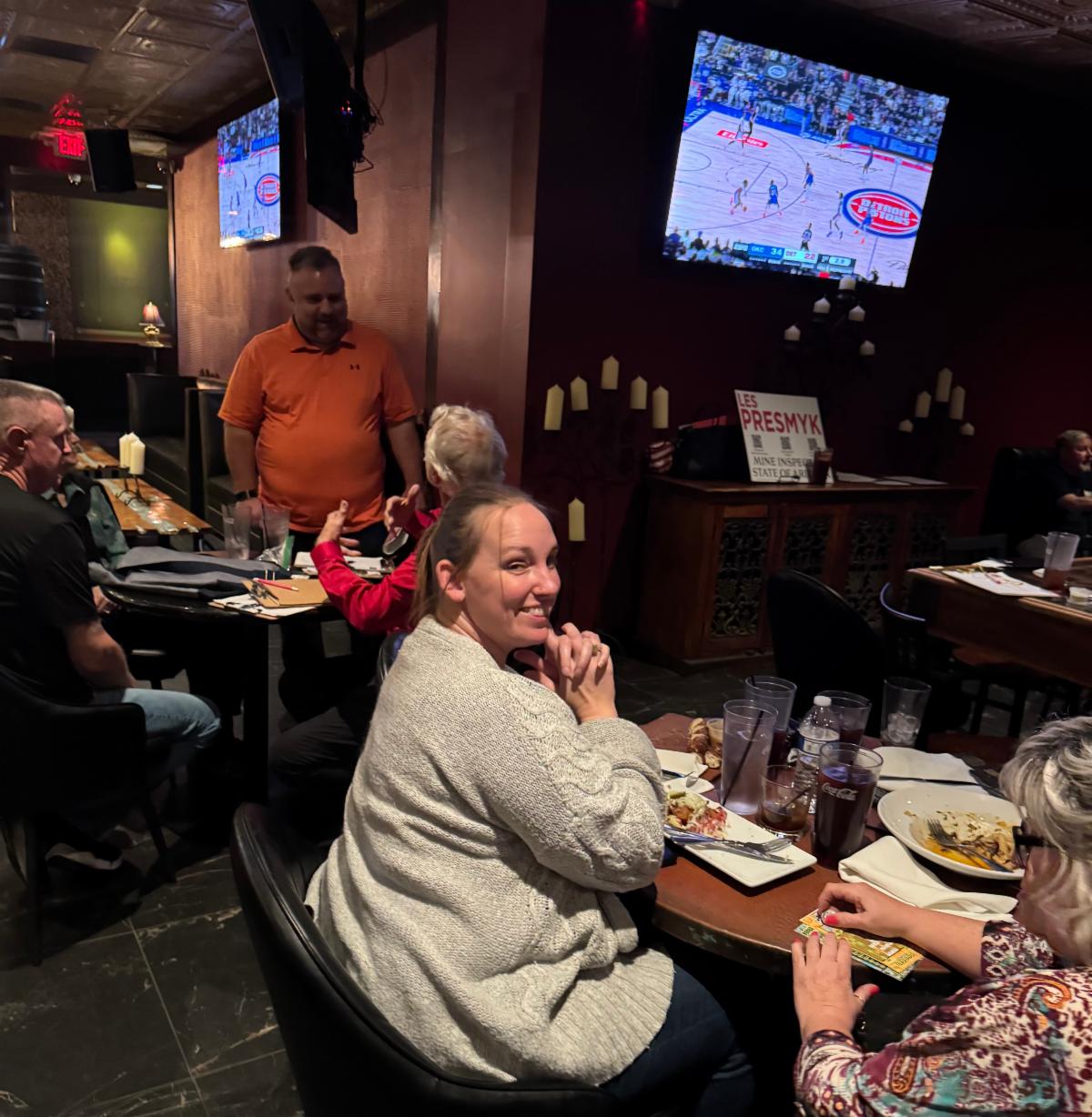
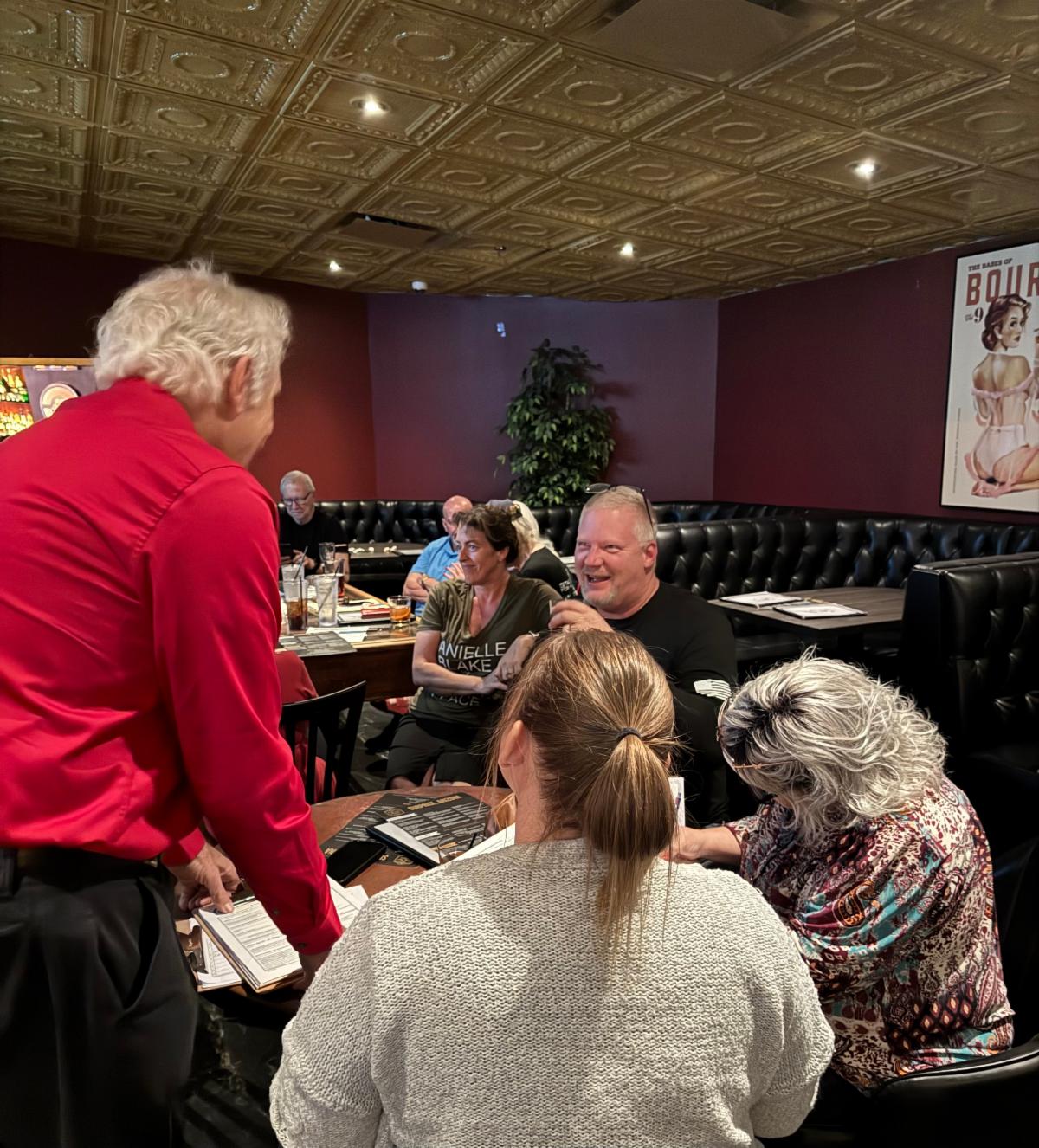
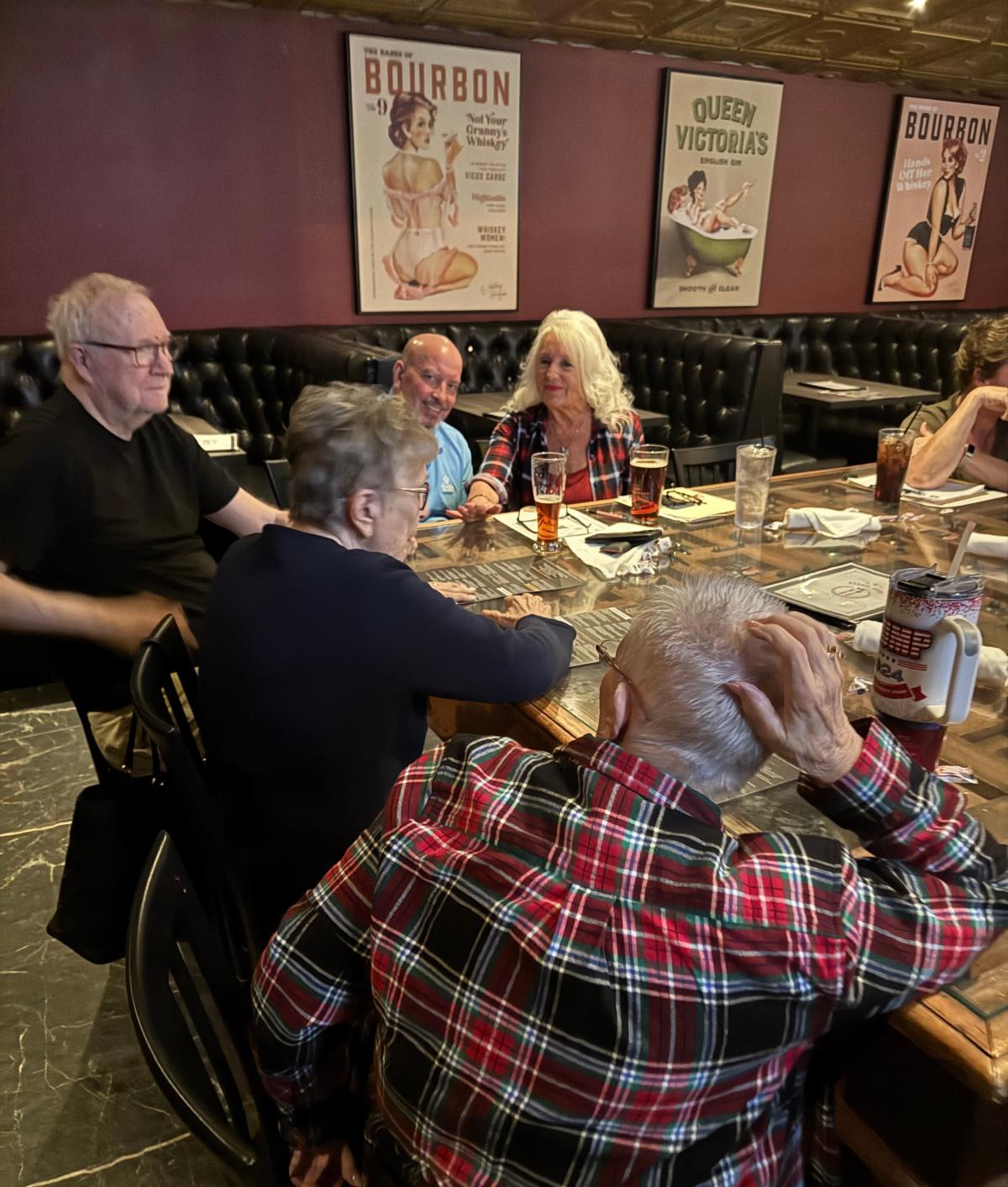
We had another great Patriot Happy Hour, and it was a wonderful reminder of what makes our community so special—connection, purpose, and support for one another.


Several candidates joined us to collect signatures for the upcoming ballot, giving attendees the opportunity to engage directly, ask questions, and be part of the process. These events are always a great way to stay informed and involved at the grassroots level.

But beyond the politics, this evening carried a deeper meaning.


We also came together to support our friend Nickie Kelley, whose husband, Judge Marcus Kelley, passed away suddenly on February 22, 2026. Cards were circulated throughout the room for attendees to write a note, and it was clear just how much love and support surrounds Nickie and her family during this incredibly difficult time. Moments like this remind us that our community is more than meetings and elections—we are there for each other when it matters most.

It was truly special to gather with fellow patriots, reconnect with old friends, and welcome new faces into the fold. These connections are what continue to strengthen our movement and our community.


If you missed this month’s Patriot Happy Hour, we would love to see you next time! Join us on March 25th—details will be shared in the coming weeks.


We hope to see you there.

Correction from last week -

Warren Petersen received his state law license in December of 2023. I do not know when he passed the bar. There is a distinct difference so I wanted to clarify.

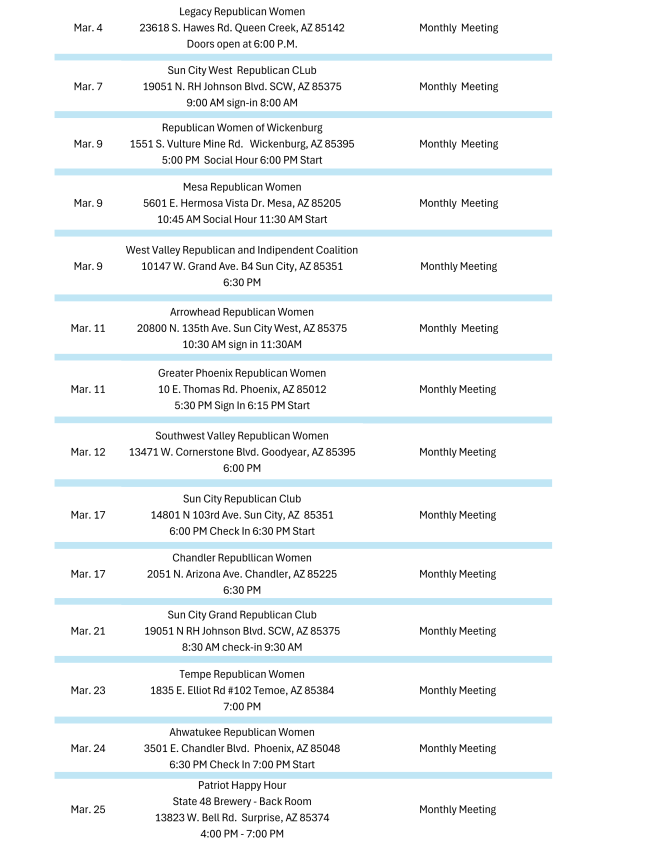
IF YOU WOULD LIKE YOUR CLUB LISTED PLEASE CONTACT ME

Thank you,

Lisa Everett


www.patriotnheels.com


Follow me on:

X - @patriotnheels

Facebook - @patriotnheels

Instagram - @patriotnheels