New Bill to Ban PFAS Pesticides in CA passes its first committee

We’re excited to share that AB 1603 (Asm. Shultz) has passed its first committee! This important bill would prohibit the registration of new PFAS pesticides and phase out the use of all PFAS pesticides in agriculture.


PFAS chemicals can last hundreds of years and cause harm at parts-per-trillion levels! Yet every year, 2.5 million pounds of PFAS pesticides are applied in California. These “forever chemicals” can linger in our food, our bodies, and the environment, and are linked to immune, developmental, and reproductive harm.


PFAS pesticides are avoidable: farmers already have safer, effective alternatives.

📢 Make Your Voice Heard by May 11:

DPR’s Air Monitoring Expansion Network

The California Department of Pesticide Regulation (DPR) is seeking public input on their proposal to expand the state’s Air Monitoring Network from 4 full monitoring stations in 2025 to 10 stations and a mobile monitoring station in 2027.


The plan includes expanding the existing monitoring stations at Parlier (Fresno County) and Delhi (Merced County)—currently measuring only 1,3-dichloropropene—and potential new sites in Tulare, Stanislaus, Imperial, Siskiyou and San Joaquin Counties for four new monitoring stations.


Let DPR know where the new air monitors should be placed.

Amended Farm Bill passes the House but dangerous pesticide provisions remain

Thanks to powerful grassroots organizing nationwide, the House passed an amendment to the 2026 Farm Bill. This important change removes a harmful liability shield for pesticide companies and preserves states’ authority to set stronger protections.


We’re grateful to everyone who spoke out and took action to make this progress possible!


However, this fight is not over. The Farm Bill now moves to the Senate, where several provisions still threaten to weaken pesticide regulations and put our health and environment at risk.

EJAC Meeting on April 24 in Salinas

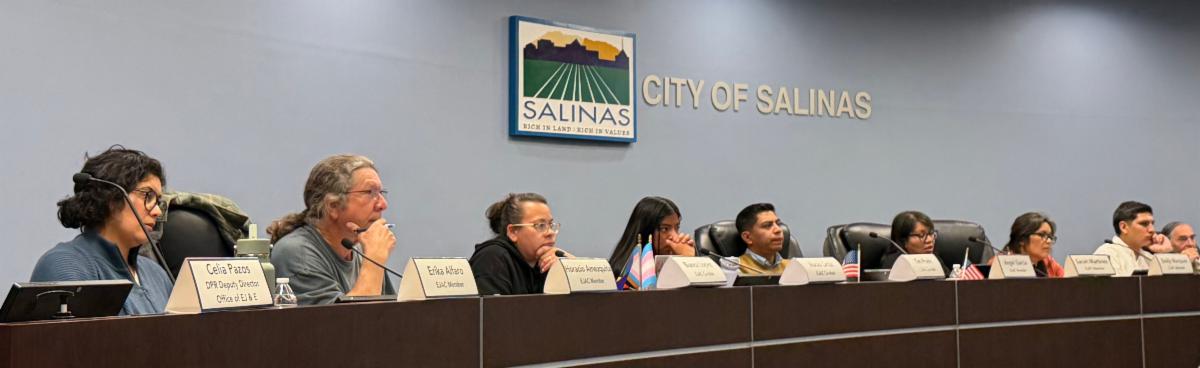
On April 24, 2026 DPR had its second Environmental Justice Advisory Committee (EJAC) meeting in Salinas. Over 100 people joined in person and online.


The committee reviewed the still-unapproved Draft Charter, and DPR presented the first annual SprayDays report and sought feedback on the Air Monitoring Network Expansion.


The EJAC committee allowed extensive public input, with dozens voicing concerns over communities’ ongoing exposure to toxic pesticides. Top requests included phasing out cancer-causing fumigants and brain-harming organophosphates, expanding school buffer zones from 1/4 mile to 1 mile, and adding exact locations to SprayDays notifications.


Based on requests from numerous public speakers, the EJAC unanimously voted to recommend increasing the number of EJAC meetings each year to better address the urgent environmental justice issues.


We're growing the Pesticide Reform Movement in Santa Barbara County

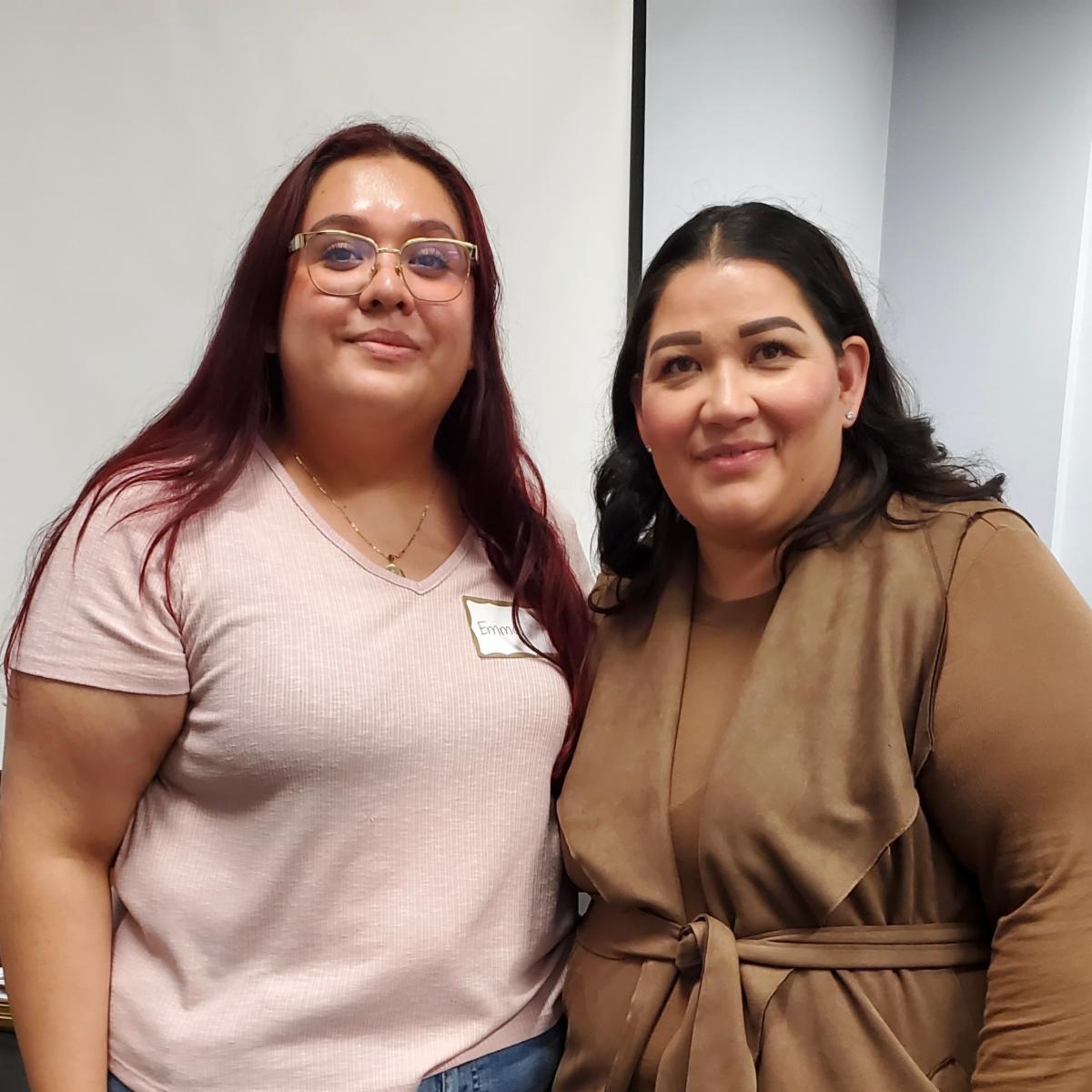
On March 18, Community Organizer Emma Vega (left), with support from SASS Organizer Yanely Martinez (right), convened the first-ever CPR Santa Barbara Coalition meeting. Over 30 community members gathered in Guadalupe to learn, connect, and take collective action for stronger pesticide protections.


The urgency is clear. Santa Barbara County ranks 10th in overall pesticide use and 6th in organophosphate (OP) use statewide. Even at very low levels, prenatal and early childhood exposure to OPs are linked to serious health risks, including permanent brain damage.


This strong turnout reflects the community’s concerns for healthier, safer environments.

Stay connected and follow the CPR Santa Barbara Coalition on social media 👉🏾

Instagram

pesticidereform.org

Email  Facebook  Bluesky  YouTube