Tea and Cardiovascular Health
February is American Heart Month and for good reason. Did you know that cardiovascular disease is the number one cause of death in the US? That's right. According to the CDC, about 695,000 people die of cardiovascular disease every year equating to roughly one person every 36 seconds. While cardiovascular disease encompasses a broad array of issues, the more common ones include heart attack, stroke, vascular narrowing (arteriosclerosis), hypertension, and elevated cholesterol levels. The vast majority of this disease is brought about by poor diet and lifestyle choices. Even those of us with genetic predispositions are not destined to experience cardiovascular disease - yes, it is our diet and lifestyle choices that "flip the switches" of our genetic code. We are in the driver's seat and have the ability to determine our health outcomes.
For us tea lovers, the great news is that our favorite beverage is a great tool to help support cardiovascular health and reduce the risk of this debilitating collection of ailments. In fact, studies have demonstrated the strongest and most consistent correlation between tea (Camellia sinensis) consumption and a reduction in the risk of an array of cardiovascular diseases. Tea contains a multitude of phytonutrients. Some have been pretty well studied, although we continue to learn more about tea's constituents through ongoing research. The most studied phytonutrients and there impact on cardiovascular health are a specific type of polyphenols called flavonoids, caffeine and the amino acid, L-theanine. There are several types of flavonoids of which catechins are the most widely studied. They are found in all teas; however, they are most prevalent in green and white teas. Other flavonoids include theaflavins and thearubigens, which are found mostly in black and wulong teas. These have not been as widely studied as catechins, but the research to date has demonstrated a wide range of health benefits. Theasinensins, flavonoids found in wulong and black teas, and theabrownins, a bioactive pigment found in Pu-er teas, have also demonstrated cardiovascular benefits; however, these constituents have not been as widely studied as the others.
A multitude of studies have shown that all true teas may provide cardiovascular benefits, not just green tea, so be sure to appreciate all of the colors of the "tea rainbow". The studies have shown that anywhere from three to five cups of tea daily provide the greatest benefits, so it is important to make sure that tea is part of a healthy lifestyle. Some benefits have even been realized with as few as a cup or two a day. A cup of tea every now and then will not provide the benefits that have been identified in these studies. There are too many studies to reference the findings of each, so I will provide a summary and highlights here.
Several studies mention a correlation between tea consumption and the constituents mentioned above with the structural integrity and function of the endothelium, a thin layer of cells that line the heart and blood vessels. In fact, current research indicates that endothelial dysfunction might be a primary underlying cause of the majority of cardiovascular diseases and the first step of atherosclerosis specifically, as indicated by a reduction in the production of nitric oxide. Nitric oxide is a necessary molecule that is required for health and several studies have demonstrated a correlation between tea consumption and increased nitric oxide synthesis in the endothelial cells.
Additional cardiovascular benefits include lowering moderately elevated LDL and total cholesterol levels, maintaining a healthy blood pressure and lowering a moderately elevated blood pressure, reducing the risk of heart attack and ischemic stroke by reducing platelet aggregation (clumping together of blood platelets) and clots. There is also a strong effect on improved vascular function, including an increase in vasorelaxation of the endothelium which results in vasodilation and a larger flow of blood, oxygen and nutrients. Other benefits include improved circulation in the small vessels in the extremities (peripheral microcirculation) and a reduction in the formation of arterial plaque and the resultant atherosclerosis. One study showed a reduction in recurrent heart attacks and death by 31% among moderate tea drinkers (up to two cups daily) and 39% among heavy tea drinkers (more than two cups daily).
It is important to note that one study showed that moderate tea consumption provides evidence of reducing elevated blood pressure; however, another study showed a correlation between undefined excessive tea consumption and an increase in blood pressure in people who were already hypertensive. So while caffeine enhances endothelial cell function and may provide cardiovascular benefits in moderate amounts, too much is not a good thing.
To reap the greatest rewards, it is best to drink your tea straight. Studies have demonstrated that the addition of milk reduced the benefits to vascular function due to its binding effect with the polyphenols, making them less bioavailable. And for those of you who love sugar in your tea? Yup, this is a problem as well. Sugar is inflammatory and will reduce the benefits of tea for cardiovascular health, as well as all of its other benefits.
Many herbs may also provide benefits to cardiovascular health and taking them as teas is a quick and easy way to reap the synergistic effects of the constituents. Tisanes have been used around the world for hundreds, if not thousands, of years and here are just a few cardiovascular rock stars:
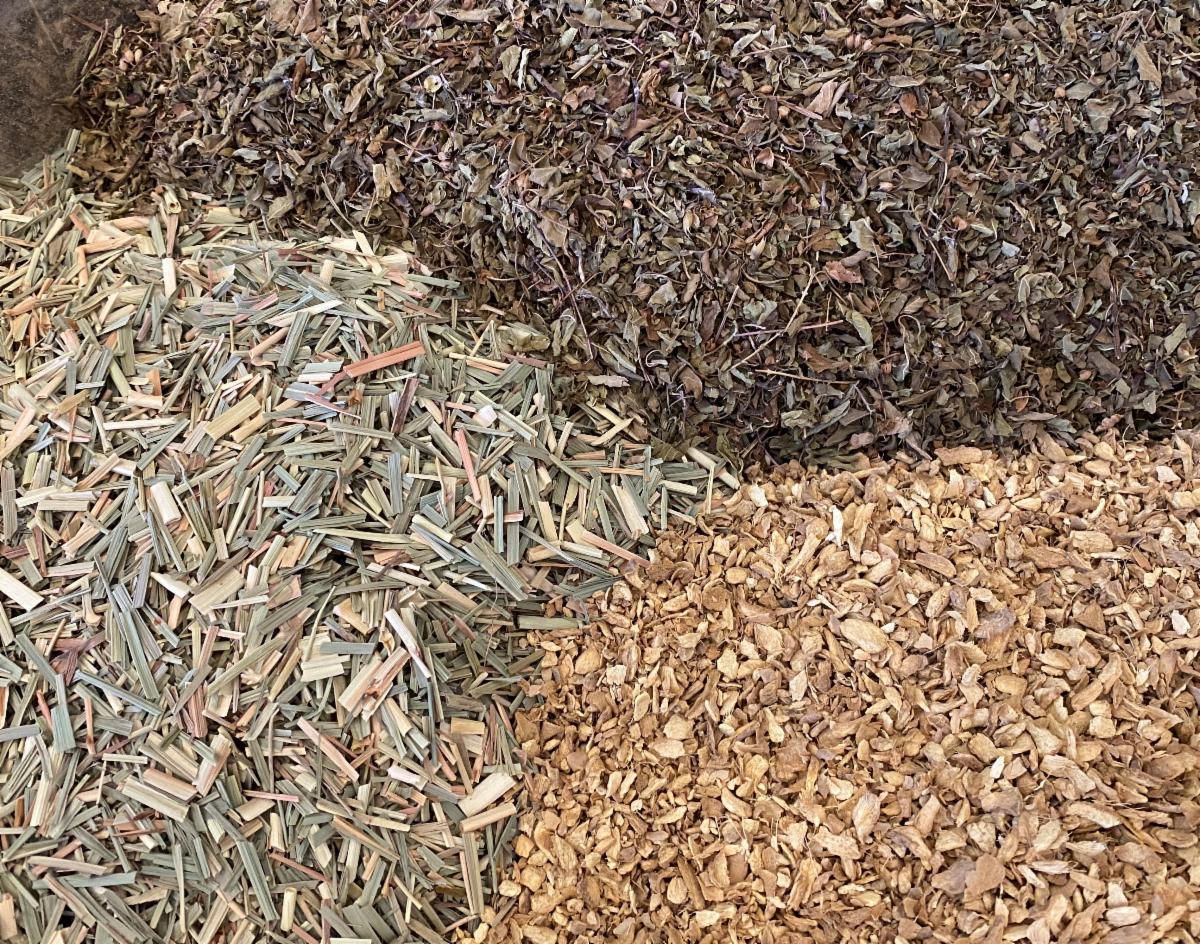
Ginger Root - another long history of use for many health benefits. Ginger is a wonderful circulatory stimulant, especially for peripheral circulation. It may lower elevated blood pressure and reduce blood platelet aggregation. Two of the primary beneficial constituents are (6)-gingerol and (6)-shogoal.
Hawthorn Berries, Flowers & Leaves - used for thousands of years and probably the preeminent herb to be used in all areas of cardiovascular health in Western herbal traditions; however, it shines in its ability to provide overall support in the functioning of the cardiovascular system and to lower elevated blood pressure. The main constituents that provide cardiovascular benefits are quercetin, several other types of flavonoids, and oligomeric proanthocyanidins.
Hibiscus Blossom - long tradition of use for cardiovascular benefits in many cultures, especially for maintaining healthy blood pressure. Studies support this use due primarily to two flavonoids, anthocyanin and quercetin. Studies have also demonstrated that hibiscus may aid in maintaining healthy cholesterol levels; however, no evidence has surfaced yet to support the use of hibiscus for lowering elevated cholesterol levels.
Motherwort Leaves, Stems, Flowers, Seeds - traditionally has been used as a strengthening cardiac tonic and to improve circulation through vasodilation. It may be especially beneficial for heart palpitations and rapid heart beat resulting from anxiety and tension. There is also evidence that it may reduce blood platelet aggregation. A few of the beneficial constituents include flavonoids, alkaloids, and bitter glycosides.
I'll drink to this! Cheers :)