|
In this issue:
- Lunch & Learn: Post-adoption Retention
-
Member Spotlight: Happy Feet Pet Rescue
- Call to Action: Stop the St. Johns Feeding Ban
- Position Statement: Community Cat Programs
- War on Wildlife
- Legislative Update
- Job Openings: Canine Education Trainers
- Health Hint: Canine URI
- May Member Events
| | |
Lunch & Learn Save the Date: Thursday, May 29, 2025, at noon EDT
When their personality shines! Increasing adoptions and reducing returns.
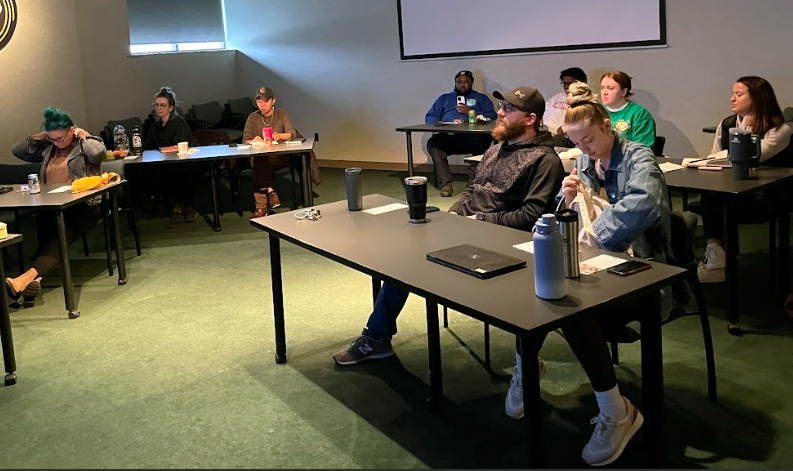
Gather your staff and volunteers for a Lunch & Learn session that will help increase adoptions and reduce returns. Join trainer Kelly Kendall, who is often consulted after an adoption because ... "the dog we adopted has changed.”
“That sweet quiet dog in the shelter that followed me around the house when I took her home now wants to jump the fence and run.”
“The high-energy boy in the shelter that I was looking forward to including in my active life wants to do nothing but be a couch potato. Help – this is not the dog I expected!"
We all know that the shelter environment can have dramatic effects on dog behavior, but how well are we communicating that information to an adopter or potential adopter. How are we managing their expectations? From the kennel attendants to the dog walkers, from adoption counselors to enrichment volunteers, everyone can share information that can encourage adoptions and discourage a premature return.
Spend your lunch hour with others learning simple tips and tricks that you can do and information you can share to help manage the expectations of adopters.
Stay tuned for more information on how to join our Lunch & Learn, Thursday, May 29.
| | |
To build a successful animal welfare organization, you have to snap together a lot of parts. Learning to work together, advocating with one voice, is the common denominator we see most often in groups that create lasting change.
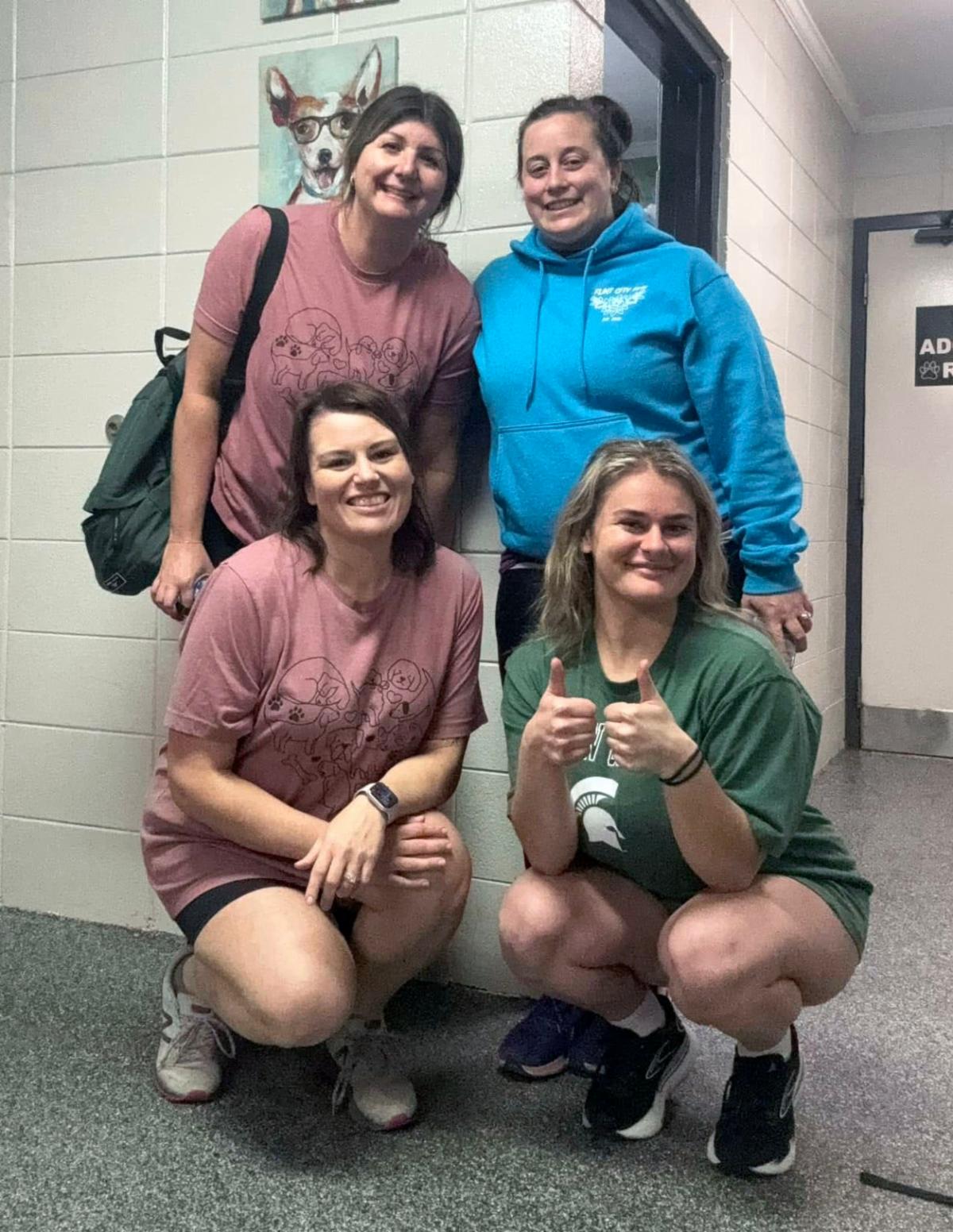
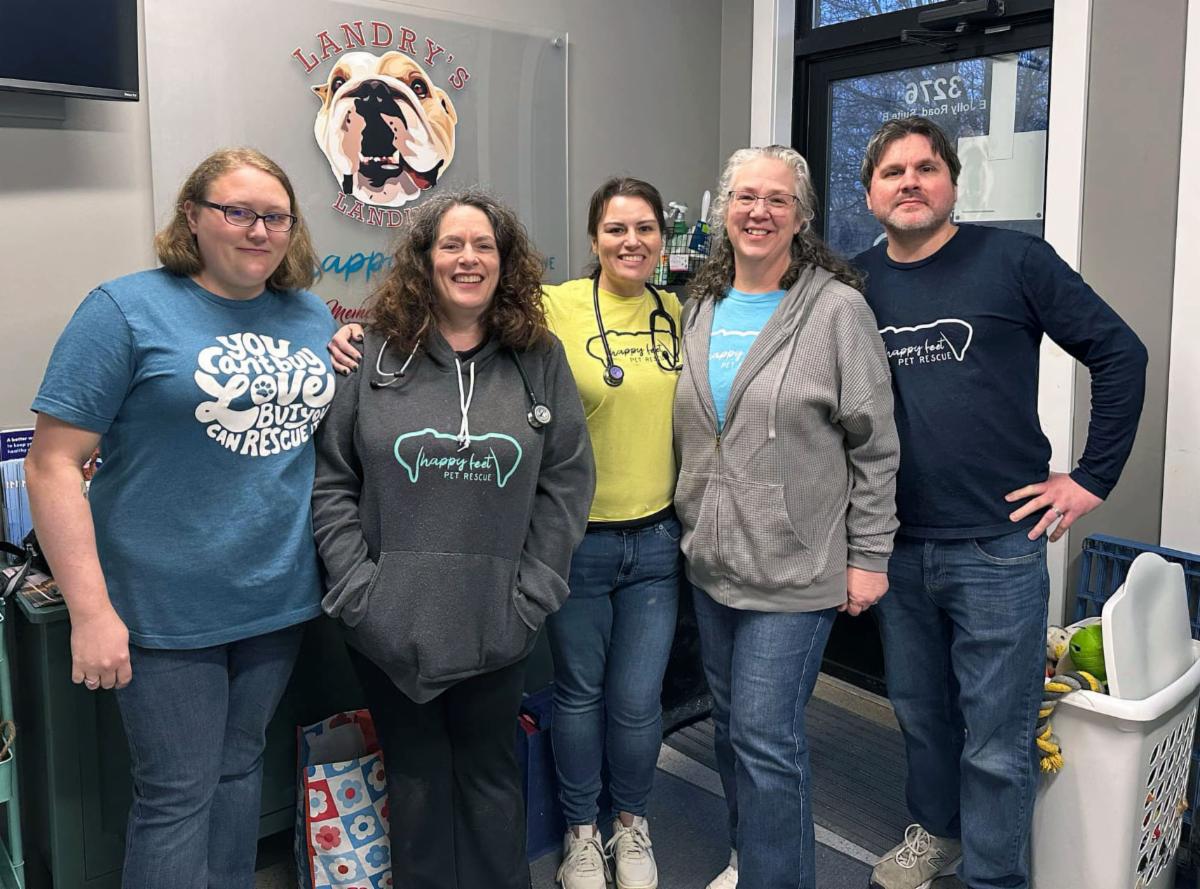
MPA member Happy Feet Pet Rescue (HFPR) is one of those organizations that’s made the grade.
How did the co-directors of HFPR get there? They did their homework first by identifying the need, the gap, the area where they could make the greatest difference.
| | | |
In doing so, HFPR found a growing need for free and low-cost spay/neuter services, support for owners struggling with pet care and rehoming assistance when all other resources fail.
“We continue to focus on ideas that help our community. We receive multiple calls a week from pet owners desperate for help,” said Patience Cole, HFPR co-director. “Sometimes these pets truly do need to be rehomed as they just aren't the right fit or circumstances exist beyond everyone's control.
“Other times, owners are begging to surrender their pets due to costs, from urgent vet care needs to basic pet supplies, like food or kitty litter. We help as often as we can, but we would like to continue to find more ways to support these pet owners in times of crisis.”
| | |
The goal at HFPR is to provide a safe, judgment-free experience, supporting owners to keep pets and people together.
“We are entering our fifth year, and we have some big goals,” said Cole. “We are setting up ‘pay what you can’ wellness clinics that address basic vet care needs, such as vaccines, URIs and ear infections.
“In addition, our goal is to complete 150-plus community spay/neuter surgeries. These appointments are low cost or free. We feel confident we can smash this goal. We are three months in, and we have already completed 80 surgeries!”
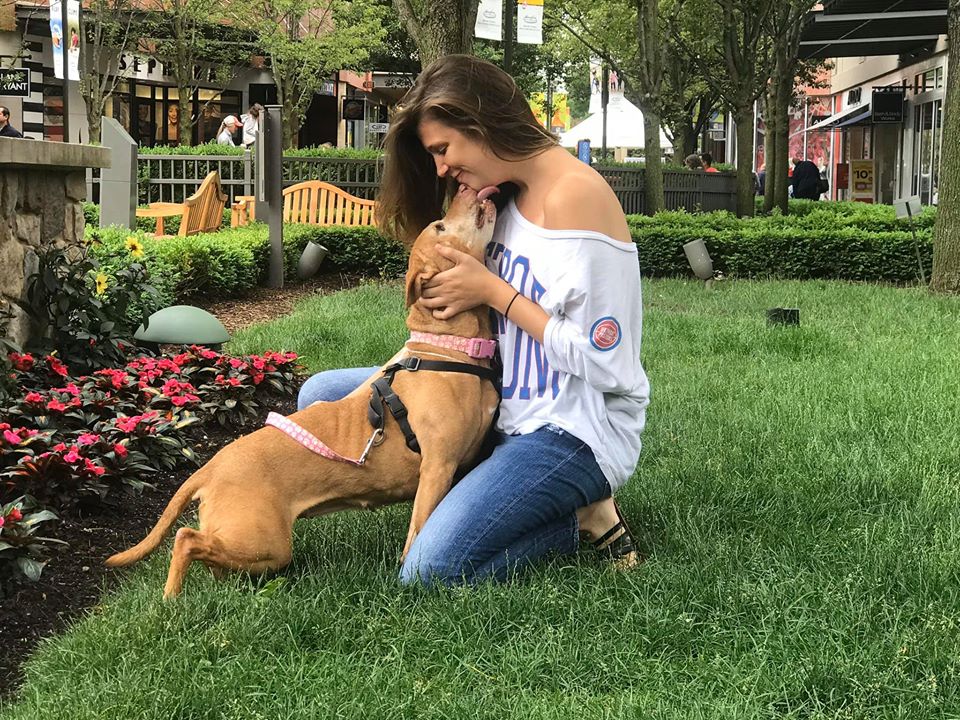
| | HFPR plans to complete 150-plus free or low-cost community spay/neuter surgeries, as well as ‘pay what you can’ wellness clinics. | | |
Operating primarily in Lansing, HFPR relies on a vast foster care network that extends their services throughout Ingham, Eaton, Shiawassee and Clinton counties.
Like most animal welfare organizations, advocacy is part of HFPR’s formula. Serving community needs begins with knowing what’s happening in the community. When HFPR learned that a feeding ban was going into effect in St. Johns, the Clinton County seat, they knew they had to stand up and speak up for community cats.
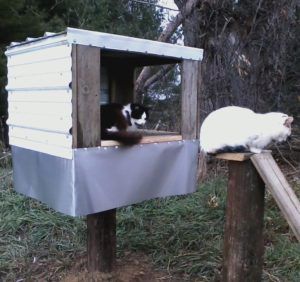
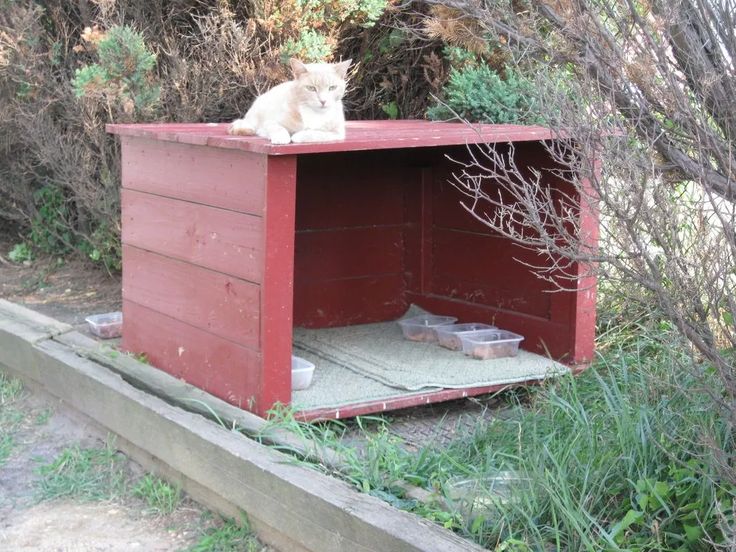
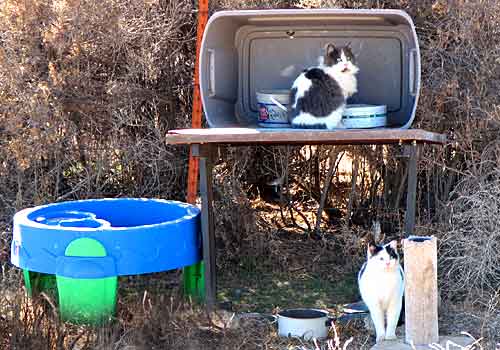
| | | | “Criminalizing the feeding of community cats is not only unethical, but also ineffective for managing the community cat population,” said Cole. “The key to managing an overwhelming community cat population is a successful TNR program with a managed feeding schedule. This helps empower colony caretakers to monitor the health and wellness of their colony and alerts them to new potentially unaltered cats entering their territory. | | |
“Although a TNR program may not fix the cat crisis overnight, it is absolutely the key to resolving the root cause of the problem rather than just treating the symptoms,” added Cole. “Additionally, removing the food source from community cats will not automatically make them move on, but rather makes them more visible in the community. They will begin getting into garbage or approaching humans to beg for food. While you may encourage some cats to move on, you're ultimately not resolving the problem, but rather just passing the problem onto another community.”
Michigan Pet Alliance and HFPR ask you to help us speak with One Voice to overturn this inhumane feeding ban. Our Call to Action below provides all the details you'll need.
| | |
“We became a member of Michigan Pet Alliance because we love the idea of a group of like-minded individuals combining their superpowers to help save more pets. MPA helps provide resources, ideas and support to rescues like ours, in addition to helping impact legislation that addresses the root problems and not just the symptoms.”
-- LuEllen Smith, Happy Feet Pet Rescue co-director
| | Follow Happy Feet and its life-saving initiatives at: | | |
Please contact St. Johns elected officials and the city manager using the contact information below. Barn cats and community cats need your voice. Help educate the leadership in St. Johns about feeding bans and why they are ineffective.
Be prepared. St. Johns will tell you that they are allowing feeding in order to bait traps, but that's not what we're addressing. TNR fails without an ongoing, managed feeding plan after neuter and return.
Feeding Ban Fact Sheet
Contact emails (copy and paste): cgamble@stjohnsmi.gov, SDzurka@stjohnsmi.gov, bgurski@stjohnsmi.gov, cdeliso@stjohnsmi.gov, chyzer@stjohnsmi.gov, ehufnagel@stjohnsmi.gov
Phone number: 989-224-8944
City Manager Chad Gamble, cgamble@stjohnsmi.gov
Mayor Scott Dzurka, SDzurka@stjohnsmi.gov (term expires November 2026)
Vice Mayor Brad Gurski, bgurski@stjohnsmi.gov (term ends November 2028)
Commissioner Chris Deliso, cdeliso@stjohnsmi.gov (term expires November 2028)
Commissioner Chris Hyzer, chyzer@stjohnsmi.gov (term expires November 2026)
Commissioner Eric Hufnagel, ehufnagel@stjohnsmi.gov (term expires November 2028)
St. Johns Commission Meetings are open to the public and are held the fourth Monday every month at 6 p.m. in the Clinton County Courthouse, 2nd Floor, Suite 2200. The next meeting is Monday, April 28 at 6 p.m. The public is allowed to speak during the Public Comment portion of every meeting.
Please customize the sample email language to you and your relationship to St. Johns, such as being a resident or the relative of a resident, or you work in St Johns or spend time and money in St. Johns. Let them know why this is important to you.
Sample email language:
Dear St. Johns officials,
I am writing to ask that you eliminate your feeding ban of barn cats and community cats. Decades upon decades of research and proven programs show that a managed feeding schedule is a critical component of successful Trap Neuter Return (TNR) programs. Without it, TNR fails.
Community cats will not disappear because there is no longer a feeding schedule. Community cats will not just leave their territory because there is no longer a caregiver to put out food for them. They will stay in their territory and increase their nuisance behaviors as they work harder to survive.
Please return to being a compassionate community that cares about all of its residents and their concerns.
Please consider meeting with representatives from the Michigan Pet Alliance to craft a humane ordinance that addresses the city’s concerns without causing undue suffering and cruelty.
Thank you for your time.
Sincerely,
| |
Michigan Pet Alliance supports its members. Speaking with One Voice, we can create lasting change. Lend your voice. Become a member today.
| | |
Community Cat Programs and TNR
Michigan Pet Alliance (MPA) endorses the practice trap-neuter-return (TNR) as the most humane and effective way to manage community cats, addressing overpopulation, reducing nuisance complaints and preventing the spread of disease.
TNR involves humanely trapping community cats, who are then evaluated. Healthy cats are sterilized by a licensed veterinarian, vaccinated against rabies and distemper, then returned to the location where they were found. The tip of one ear is often clipped at the time of sterilization, as this is the universally recognized indicator that a community cat has been sterilized and vaccinated. In many instances, a colony caregiver provides food and shelter in a safe location and monitors the health of colony cats. If new cats join the colony, they are also trapped, sterilized, vaccinated and returned. Kittens and easily observable friendly cats may be put up for adoption.
Relocation of outdoor cats should only be used as a last resort. Unless the cats are in imminent danger, they should go back to the territory where they were found. Taking a cat from his or her home, then relocating the cat to a completely unknown location can cause undue suffering. A stable, largely sterilized colony will shrink over time; whereas, creating a sudden vacuum will create space for new cats to enter the area, increasing fertility rates of unsterilized animals.
While some may have concerns about the effects of outdoor cats on ecosystems, TNR is actually the only viable way to address these population concerns. Further, scientific re-examination of alarmist reports on the impact of cats on bird populations have been dispelled. In fact, some studies show that outdoor cats can have a protective value on bird populations by preying on rodents that invade bird nests.
MPA opposes trap and kill methods, as they are not only inhumane, but are proven to be ineffective at stemming overpopulation. MPA opposes feeding ban ordinances, which punish responsible caregivers and undermine efforts to care for barn cats and community cats. MPA also opposes housing feral cats in animal shelters beyond initial assessment, spay/neuter and recovery time, in accordance with the Association of Shelter Veterinarians Guidelines.
MPA urges government and private entities to adopt laws and policies that allow the implementation of TNR programs for community cats within their shelters, jurisdictions and communities so as to promote effective, efficient and humane management.
| | |
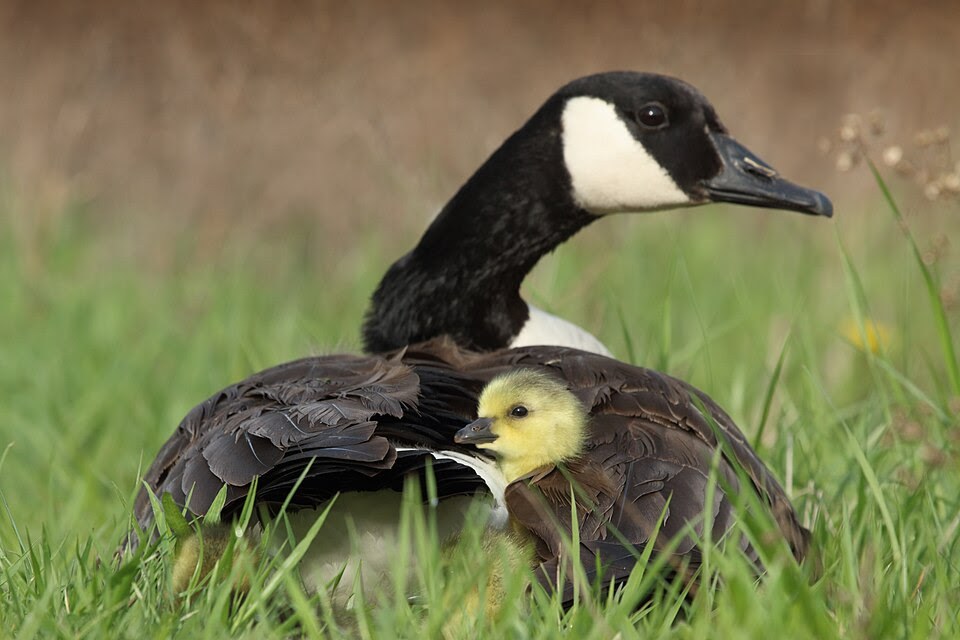
The Michigan Department of Natural Resources (DNR) is carrying out a brutal roundup and gassing of Canada geese in response to nuisance complaints and goose droppings.
Please help us stop this cruel, ineffective and unnecessary slaughter!
Why This Matters:
- Mass killings subject animals to terror and suffering. During roundups, geese—many of them parents with goslings—are herded into enclosures and trucked off to be gassed. The process of gassing is slow and agonizing
- Canada geese are intelligent, family-oriented birds that mate for life and care deeply for their young
- Killing geese is ineffective in the long term, as new flocks will simply move into vacated areas that are still attracting geese
- There is no scientific reason for this killing. Studies show it is human activity harming water quality
- Claims of a charitable purpose are smoke screens. The hungry aren’t being fed -- gassed geese go to the landfill
- Nonlethal solutions exist that are humane, effective and sustainable
Proven Nonlethal Solutions:
Habitat Modification: Reduce mowed grass near water bodies and plant native vegetation to make areas less attractive to geese. Try turf proven to deter geese (FlightTurf®).
Goose Deterrents: Use trained dogs, decoys, and deterrents like Flock Free to encourage geese to relocate.
Egg Addling: Humanely prevent eggs from hatching by applying corn oil, reducing population growth naturally.
Poop Cleanup: Tow and Collect is a tool that safely and effectively picks up droppings.
Public Education & Feeding Bans: Discourage the feeding of geese, which keeps them dependent on human-provided food, draws them to people in public spaces, and encourages flock growth.
Safe Relocation Programs: In cases of extreme overpopulation, geese can be relocated instead of slaughtered.
We need your voice! Tell the Michigan DNR at DNR-Wildlife@michigan.gov that cruel and unnecessary killings are unacceptable. Please contact your Michigan officials and state representatives. Demand that they use nonlethal management methods instead of killing geese.
Michigan wildlife deserve compassion, not cruelty. Please help us speak with One Voice to protect these innocent birds from a cruel, senseless death.
MLive Article: "As some say ‘don’t gas geese,’ Michigan will forge ahead with new lethal roundup"
| | |
Our friends in the legislature are off to a busy start. Last quarter, the following bills were introduced.
Michigan Pet Alliance strongly supports:
Queenie’s Law – HB 4254 / SB 127
Prohibits conducting research or training activities on dogs in a manner that causes pain or distress. Referred to committee on regulatory reform.
Buddy’s Law – HB 4130/4131/4132
Updates the animal sheltering law regarding what constitutes adequate shelter throughout Michigan, so that all animals are protected equally and all owners are held to the same standards. Provides law enforcement agencies with a clear set of guidelines to help them assess whether or not an animal is being housed appropriately.
Outdoor Dining – SB 200
Allows dogs to be present in outdoor seating at restaurants. Referred to committee on economic and community development.
Telehealth Bill – HB 4220/4221/SB 193/194
Removes the requirement that a veterinarian-patient relationship be established in person prior to a telehealth appointment, reverting back to the same practice that worked well during the pandemic. This change is necessary to reduce barriers and to increase access to much needed vet care for families and animal shelters.
MPA Animal Welfare License Plate – SB 106
Creates Michigan's first pet license plate to help fund spay/neuter initiatives and training programs for animal shelters across the state.
CAAP – HB 4300
Allows law students, attorneys to act pro bono to represent an animal's interest in cruelty and welfare prosecutions, a program of Animal Legal Defense Fund, administered by the Animal Law Section of the State Bar of Michigan. Supported by Attorneys for Animals, an MPA member organization.
Watch your email and follow MPA's Facebook page for action alerts and updates. Lend your voice to help us pass this important life-saving, life-changing legislation.
| | |
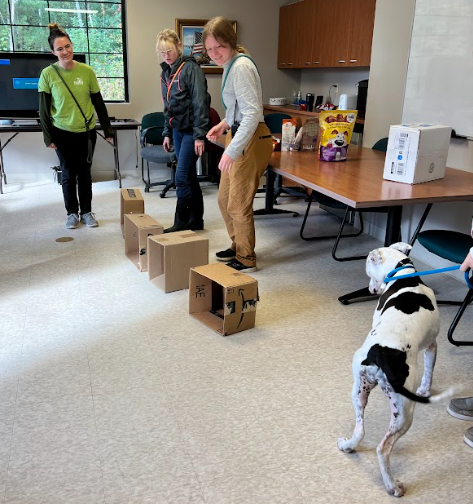
Michigan Pet Alliance is seeking independent contractors to educate and train shelter and rescue staff and volunteers, on-site and online, in understanding canine body language, behavior and welfare.
Please review the job description and requirements. Key requirements include topic understanding, plus good presentation and interpersonal skills.
The application will remain open until all positions are filled. MPA would like to contract with several trainers to cover various regions in the state. Please submit a letter of interest and resume/CV.
Apply today: Canine Education Trainer
| | |
By Dr. Courtney White, VP Veterinary Medicine, Humane Society of Huron Valley
Just like in cats, URI is a common issue for dogs in a shelter environment, especially when stress levels rise or hygiene practices slip. The most frequent culprits are viruses like canine parainfluenza, adenovirus and Bordetella bronchiseptica, often referred to as "kennel cough."
What to watch for:
- Coughing (often dry and hacking)
- Nasal discharge (cloudy, yellow, green)
- Sneezing
- Lethargy
- Decreased appetite
How we can help prevent it:
- Practice excellent hygiene, including handwashing, cleaning kennels and water bowls thoroughly, and avoiding cross-contamination; wear gloves or PPE when necessary
- Monitor closely for early signs and report symptoms right away
- Reduce stress
Preventing canine URI not only keeps our dogs more comfortable, it also helps reduce their length of stay, prevents spread to other animals and gives them the best shot at finding their forever homes quickly.
| | |
A benefit of MPA membership is free promotion for the upcoming events and fundraisers of member organizations. Here are a few opportunities to support animal welfare organizations next month:
-
May 4: Free Vaccine Clinic for Detroit, Hamtramck and Dearborn residents, Detroit, Dog Aide, Friends for Animals of Metro Detroit and Feline Fund
-
May 7: Yoga for a Cause, Houghton, Copper Country Humane Society
-
May 10: Tulip Stained Glass Class, Lansing, Happy Feet Pet Rescue
-
May 10: Shelter Buddies Reading Event, Osseo, Greater Hillsdale Humane Society
-
May 10: Tanger Outlet Pet Expo, Grand Rapids, Fig and Friends Pet Rescue
-
May 10: Wagapalooza, Adrian, Lenawee Humane Society
-
May 12: Bingo Night Every Monday, Boyne City, Charlevoix Area Humane Society
-
May 16-18: Citywide Yard Sale, Wyandotte, Shelter to Home
-
May 17: Walk & Wag and Run, Ypsilanti Township, Humane Society of Huron Valley
-
May 17: Spare A Life Bowling, Rochester, NBS Rescue
-
May 18: Free Microchip Clinic, Grand Rapids, Pleasant Hearts Pet Food Pantry
-
May 18: TNR Training, Warren, All About Animals
-
May 24-25: Dog Bowl 2025, Frankenmuth, Great Lakes Boxer Rescue
-
May 28: Bingo Night Every Wednesday, Muskegon, Noah Project
-
May 29: Volunteer Orientation, Mason, Ingham County Animal Control & Shelter
Lend your voice and enjoy the benefits of being a member of Michigan Pet Alliance. Become a member today!
| | About Michigan Pet Alliance | | |
MPA Vision:
To achieve the best quality of life for Michigan’s companion animals.
MPA Mission:
To work in collaboration and speak with a single voice to eliminate abuse and neglect of Michigan’s companion animals and to save all healthy and treatable homeless companion animals through training, technical assistance, education, and advocacy.
313-731-2244
info@michiganpet.org
michiganpet.org
Michigan Pet Alliance is a 501(c)3 charitable organization as defined by the IRS
(EIN 20-0399162) and is a GuideStar Exchange Platinum Participant.
| | Contributions are tax deductible. | | | | |